
The World’s 20 Greatest Hiking Countries
From volcanic peaks to ancient pilgrimage routes—a definitive guide to the finest trail destinations on Earth, curated from decades of boots-on-ground experience.
For those of us who find our truest selves on mountain ridges and forest trails, hiking is more than recreation—it’s a form of pilgrimage. Each footstep connects us to landscapes shaped over millennia, to cultures that have walked these paths for generations, and to the fundamental human need to explore. At Wakahi, we’ve dedicated ourselves to documenting the world’s most exceptional hiking destinations, from the glacial valleys of Patagonia to the ancient pilgrimage routes threading through Japanese cedar forests. We understand that great hiking transcends physical challenge; it offers windows into ecosystems, histories, and communities that can’t be experienced any other way.
This guide represents our collective decades of trail experience across six continents. We’ve selected these 20 countries not merely for their iconic peaks or dramatic vistas, but for the richness of their hiking ecosystems—the infrastructure that supports multi-day treks, the diversity of terrain that challenges every skill level, the cultural dimensions that transform a walk into an immersive journey.
The countries featured here span alpine glaciers and tropical cloud forests, ancient pilgrimage routes and newly established long-distance trails, wilderness requiring expedition-level preparation and well-maintained paths suitable for families.
What Makes a Country a Great Hiking Destination?
Trail quality and variety form the foundation—destinations that offer everything from gentle valley walks to technical alpine routes earn their reputation by catering to the full spectrum of hiking interests. Infrastructure and safety considerations distinguish good hiking countries from great ones: well-maintained trails, established hut systems, reliable transportation to trailheads, and functional emergency services.
Accessibility encompasses both physical access and regulatory frameworks. Countries with reasonable permit systems, transparent booking procedures, and trail information in multiple languages make international hiking feasible. Cultural immersion opportunities add depth—trails passing through working villages, historic sites, or ancient trade routes offer insights into how communities have shaped their landscapes. Finally, conservation and sustainability practices increasingly influence our assessment: countries that balance trail access with ecosystem protection demonstrate stewardship that ensures these landscapes remain viable for future generations.
Top Hiking Countries Around the World
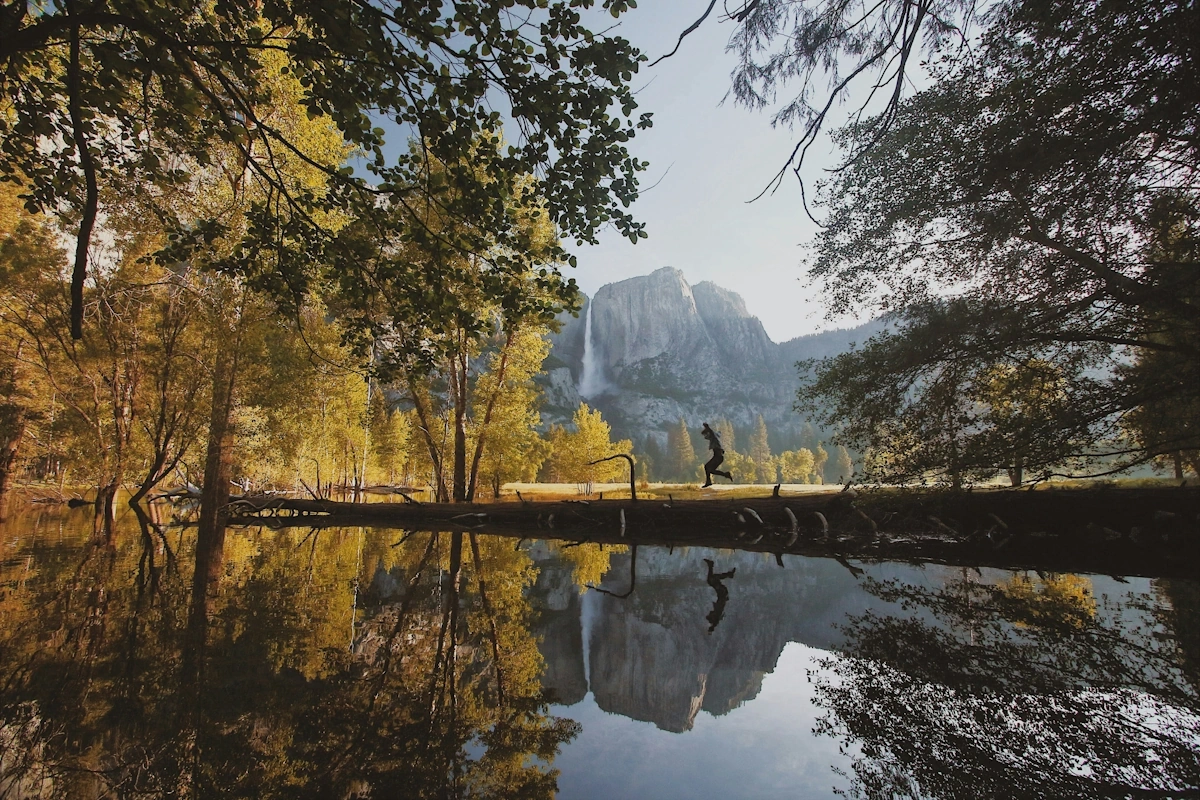
Photo by Jeremy Bishop on Unsplash
1. United States
The United States offers arguably the most diverse hiking ecosystem on the planet, from the volcanic landscapes of the Pacific Northwest to the red rock canyons of the Southwest, from Appalachian hardwood forests to Alaskan wilderness. The crown jewels include the John Muir Trail (340 km through the Sierra Nevada) and the Appalachian Trail (3,500 km from Georgia to Maine through 14 states). The National Park system alone encompasses 423 sites protecting 34 million hectares.
American hiking benefits from exceptional infrastructure: extensive federal trail networks, comprehensive online resources, and a deeply rooted hiking culture. The permit landscape has grown more complex—popular trails like the John Muir Trail require lottery applications months in advance—reflecting efforts to manage environmental impact. Best seasons vary dramatically: summer for alpine areas, spring and autumn for deserts, year-round in temperate regions.
The sheer scale of American wilderness—over 45 million hectares designated under the Wilderness Act—means genuine solitude remains abundant for those willing to venture beyond iconic destinations.
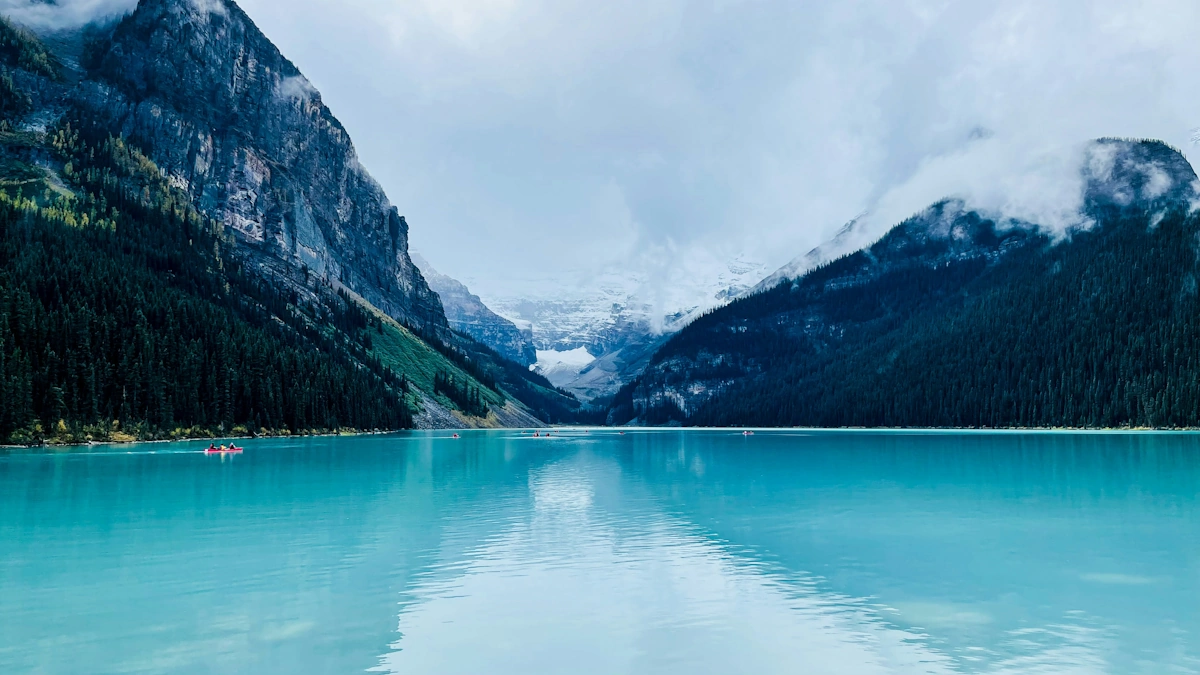
Photo by Sonu Benny on Unsplash
2. Canada
Canada extends across 9.8 million square kilometres of wilderness, offering hiking shaped by glaciers, boreal forests, coastal rainforests, and tundra. The West Coast Trail traverses 75 km of temperate rainforest and Pacific coastline; the Berg Lake Trail leads 21 km to the base of Mount Robson in the Canadian Rockies; the East Coast Trail in Newfoundland offers 300 km of coastal hiking with whales and icebergs. Permit requirements vary—the West Coast Trail requires reservations (CAD $153/person in 2026).
Canadian hiking seasons are compressed but spectacular: July through September for alpine regions, May through October for coastal trails. Bear awareness is non-negotiable in virtually all hiking regions. The cultural dimension increasingly incorporates Indigenous perspectives, with many trails crossing traditional territories where interpretive programs share First Nations history.
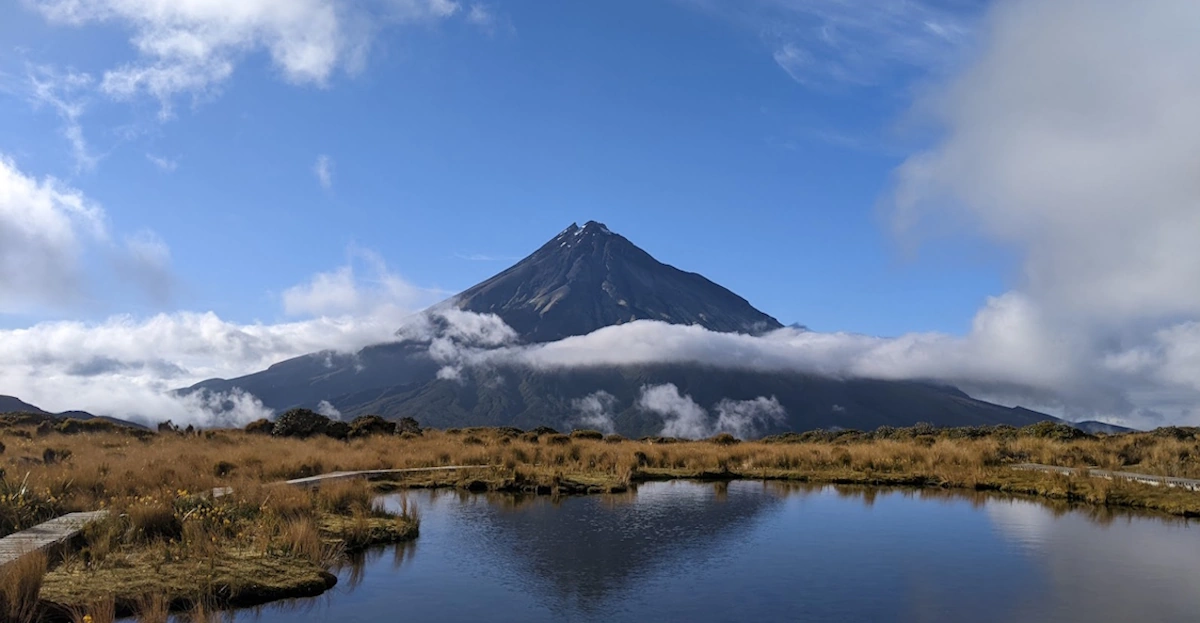
Photo: Rafick
3. New Zealand
New Zealand packs astonishing diversity into its compact geography—active volcanoes, fjords, alpine meadows, and pristine coastlines. The Milford Track traverses 53 km through Fiordland National Park; the Tongariro Alpine Crossing (19 km) navigates between active volcanic peaks past emerald crater lakes; the Routeburn Track links Mount Aspiring and Fiordland National Parks through 32 km of beech forest. For more information on the Milford Track, refer to our comprehensive guide.
New Zealand’s Great Walks system represents some of the world’s best trail infrastructure. The hiking season runs October through April, with the Milford Track strictly limited to 40 independent walkers per day (NZD $106/night in 2024/2025). Weather volatility is New Zealand’s defining characteristic—conditions can shift from brilliant sunshine to horizontal rain within hours. The country’s conservation estate covers one-third of its landmass.
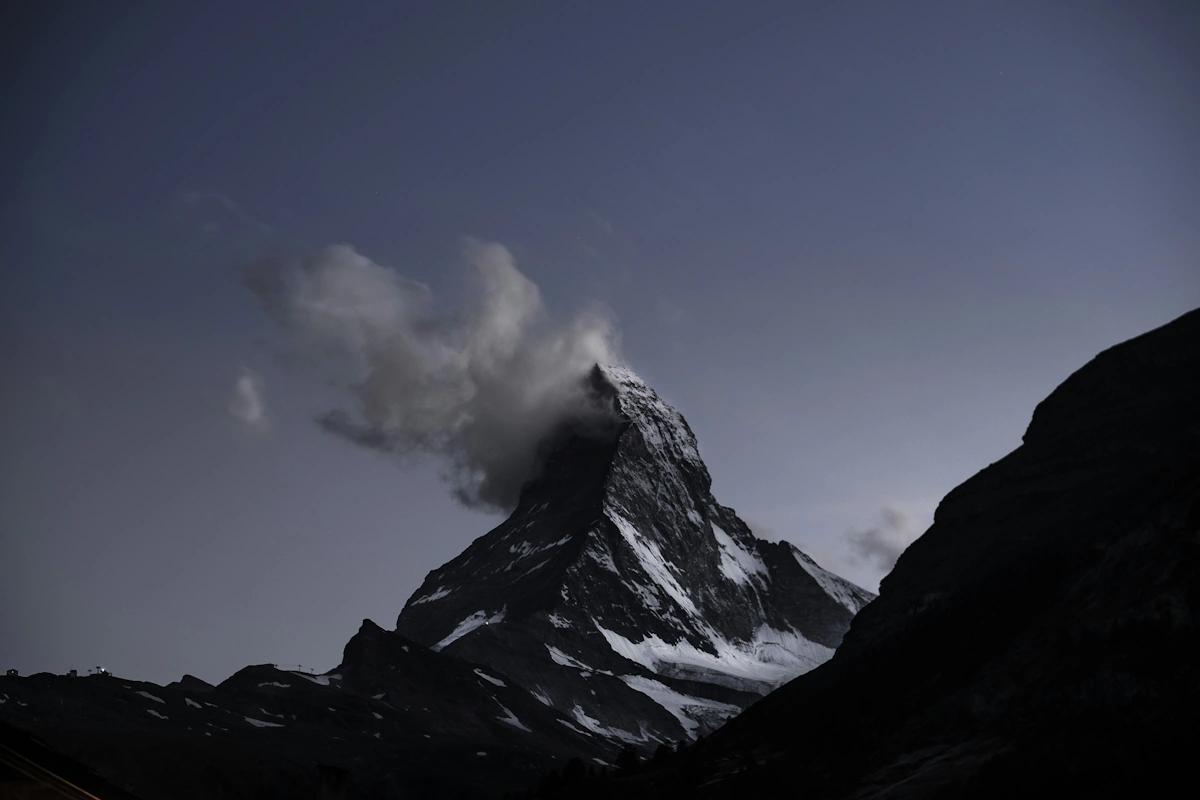
Photo by Fabrice Villard on Unsplash
4. Switzerland
Switzerland transforms alpine hiking into an art form, with lift systems, mountain railways, and over 65,000 km of marked trails. The Haute Route from Chamonix to Zermatt (11 days) traverses iconic passes with views of the Matterhorn and Monte Rosa. The Via Alpina crosses the entire country (390 km), and the Eiger Trail offers accessible drama below the famous north face. Swiss infrastructure is unparalleled—precision waymarking with estimated walking times, mountain huts serving rösti and local wines, and cogwheel railways depositing hikers at high elevations.
Summer season runs from late June through September; autumn (September–October) brings stable weather and golden larch forests. The colour-coded trail system—yellow (hiking), white-red-white (mountain), white-blue-white (alpine)—makes navigation straightforward. Hut costs range from CHF 45–80/night for members.
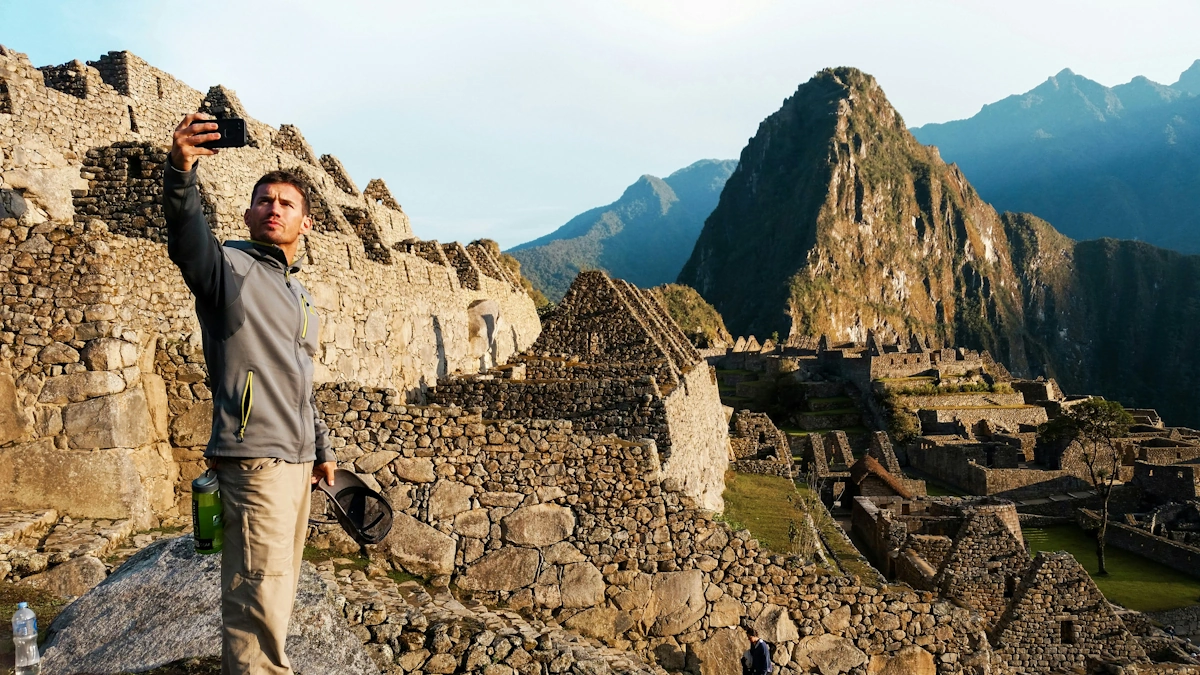
Photo by Michael Brawn on Unsplash
5. Peru
Peru offers hiking through landscapes where pre-Columbian history, Andean culture, and spectacular mountain scenery converge. The Inca Trail to Machu Picchu (42 km, 4 days) crosses passes at 4,215 m with only 500 daily permits—book 5–6 months ahead. The Salkantay Trek (5 days) provides an alternative without restrictions, traversing beneath Salkantay Mountain (6,271 m) through ecosystems from high alpine to cloud forest. The Huayhuash Circuit challenges experienced trekkers with a 130 km loop crossing multiple passes above 4,500 m.
Dry season (May–September) is optimal. Altitude demands respect—acclimatize in Cusco (3,400 m) before trekking. Inca Trail permits cost approximately $600–800 through authorised operators (independent hiking is prohibited).
Photo by Zdeneěk Macháček on Unsplash
6. Costa Rica
Costa Rica concentrates extraordinary biodiversity into a territory smaller than West Virginia. Monteverde Cloud Forest Reserve offers trails through primary cloud forest where 2.5% of the world’s biodiversity resides. Corcovado National Park protects lowland rainforest accessible via multi-day trails where jaguar and scarlet macaw thrive. Chirripó National Park trail climbs 3,610 m to Costa Rica’s highest peak, with summit views encompassing both Pacific and Caribbean coasts.
Hiking is possible year-round, though the dry season (December–April) offers more reliable conditions. The Chirripó summit hike requires reservations for the mountain shelter (₡18,000 or ~$30/night). Wildlife awareness is essential—venomous snakes inhabit lowland forests.
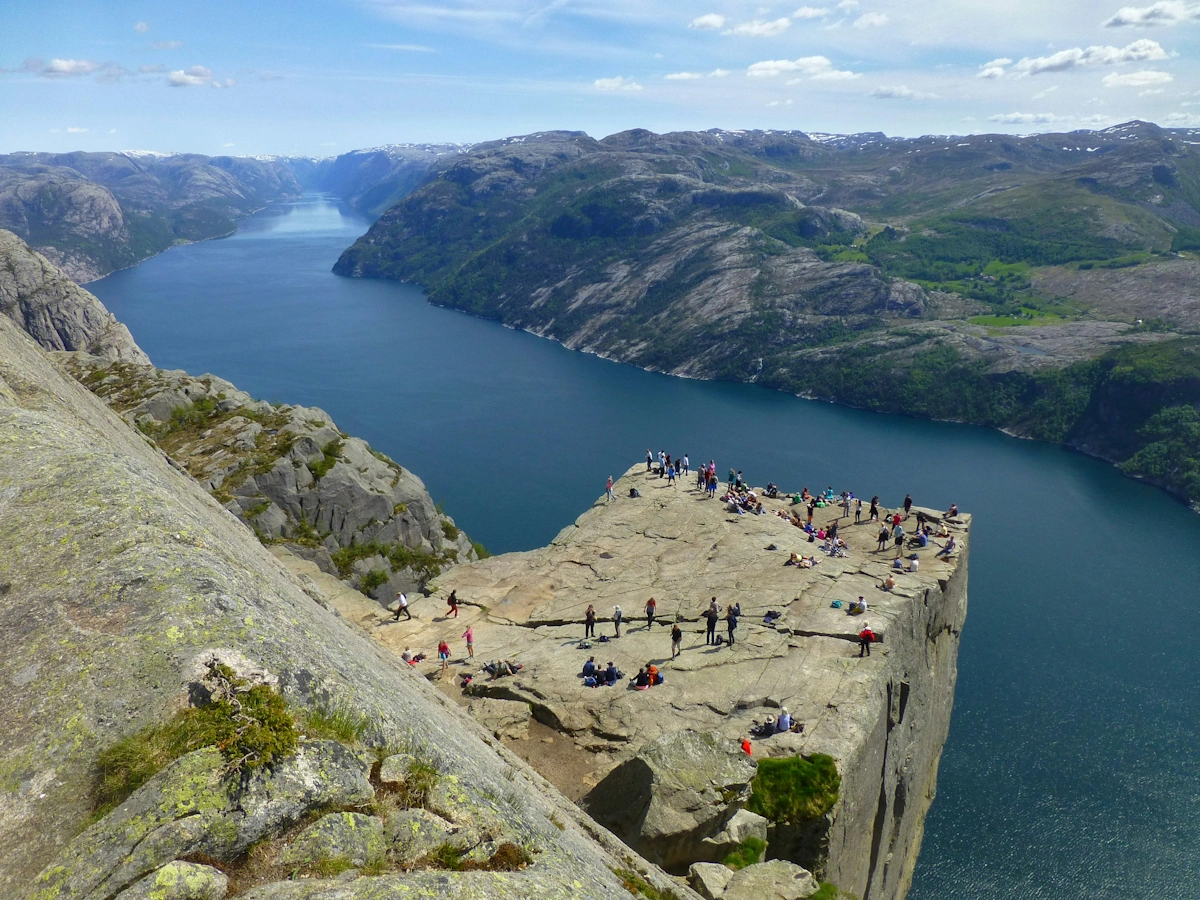
Photo by Jordi Vich Navarro on Unsplash
7. Norway
Norway offers hiking through landscapes shaped by ice and North Atlantic weather—fjords, glaciers, alpine peaks, and endless summer daylight. Preikestolen (Pulpit Rock) rewards a 6 km round trip with views from a 604 m cliff above Lysefjorden. Trolltunga requires a challenging 27 km round trip gaining 1,000 m (10–12 hours). The Besseggen Ridge in Jotunheimen National Park traverses a narrow ridge between two lakes of starkly different colours over 14 km. Season: June through September, with midnight sun hiking available in June–July.
Norway’s “allemannsretten” (right to roam) provides free access to most wilderness. The DNT (Norwegian Trekking Association) maintains over 500 huts; membership (NOK 685/$65) provides significant discounts.
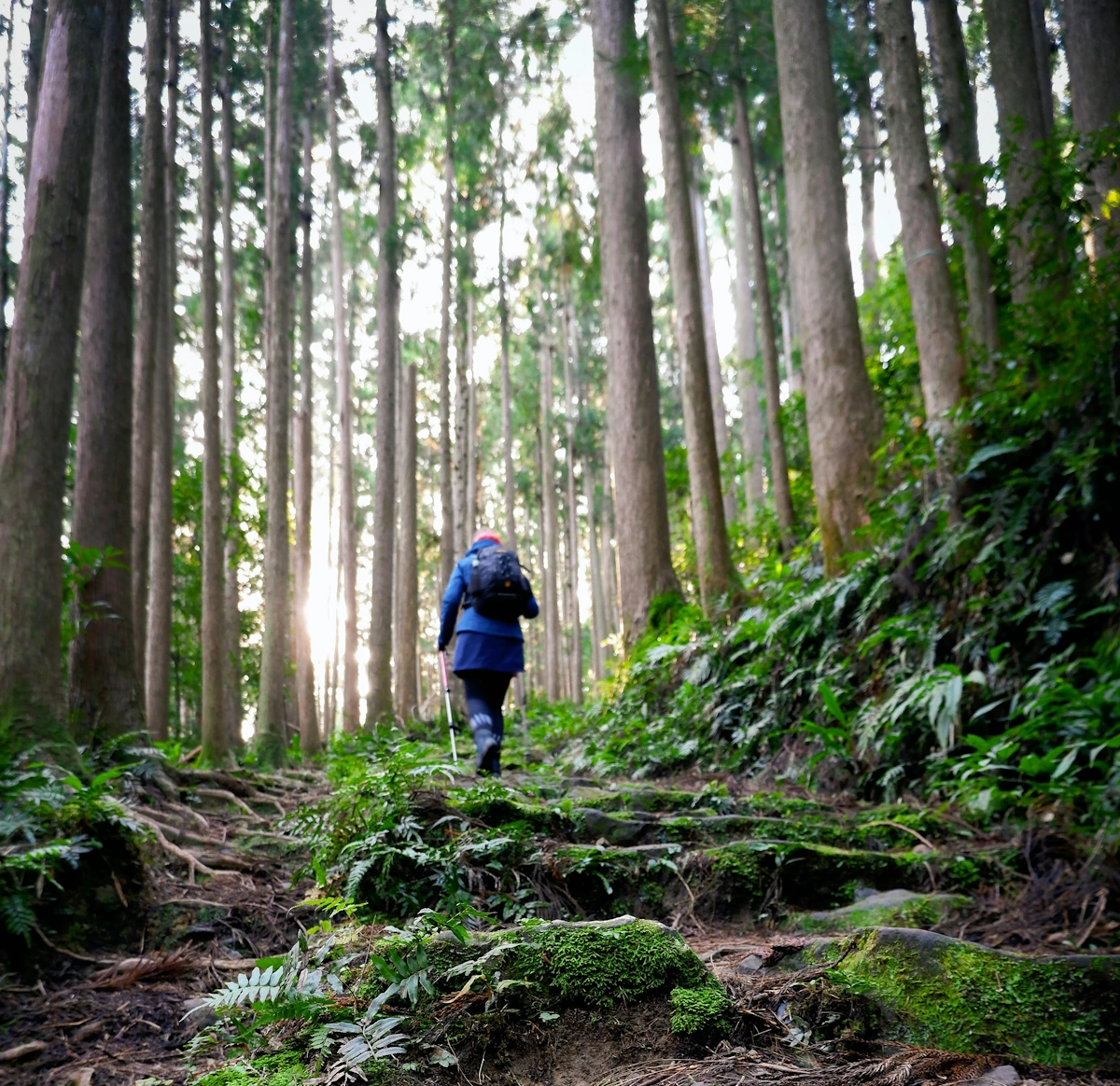
Photo on Unsplash
8. Japan
Japan uniquely blends hiking with cultural and spiritual dimensions. The Kumano Kodo pilgrimage trails (UNESCO World Heritage) connect three grand shrines through cedar forests; the most popular Nakahechi route covers ~48 km over two days. Mount Fuji draws hundreds of thousands during the July–August season. The Japan Alps offer extensive hut-to-hut options rivaling European alpine routes. Best seasons: spring (April–May) and autumn (October–November).
Japanese hiking infrastructure is exceptional—clear signage increasingly in English, mountain huts serving elaborate meals, and public transport to trailheads. Hiking etiquette includes quiet appreciation and greetings exchanged with fellow hikers. No permits are required for most trails.

Photo by Jade Stephens on Unsplash
9. Chile
Chile stretches 4,300 km from desert to glaciers, with Patagonia offering some of the world’s most dramatic hiking. The W Trek in Torres del Paine (74 km, 4–5 days) is among the planet’s most spectacular hikes. The Dientes Circuit on Tierra del Fuego is one of the world’s southernmost treks (53 km). The Atacama Desert offers high-altitude hiking through salt flats, geysers, and coloured mountains. Season: October–April; book huts and campsites early as they sell out fast.
Patagonian weather is notoriously volatile—wind gusts exceeding 100 km/h can knock hikers off balance. Comprehensive gear including quality rain protection and multiple insulating layers is essential.
Torres del Paine (Base of the Towers) • San Pedro to Salar Trek • Sierra Baguales Trek

Photo by Daniel Buckle on Unsplash
10. Australia
Australia offers hiking through landscapes found nowhere else—ancient desert ranges, tropical rainforests, and temperate wilderness. The Overland Track through Tasmania’s Cradle Mountain–Lake St Clair National Park (65 km, 6 days) traverses World Heritage wilderness. The Larapinta Trail (223 km) winds through Central Australia’s red rock gorges and ghost gum forests. The Great Ocean Walk (104 km) follows dramatic Victorian coastline past the Twelve Apostles.
The Overland Track costs AUD $280/person during peak season (October–May) and requires advance booking via ballot. The Larapinta is free, though water management is critical in this arid environment. Wildlife includes wombats, echidnas, wallabies, and red kangaroos.
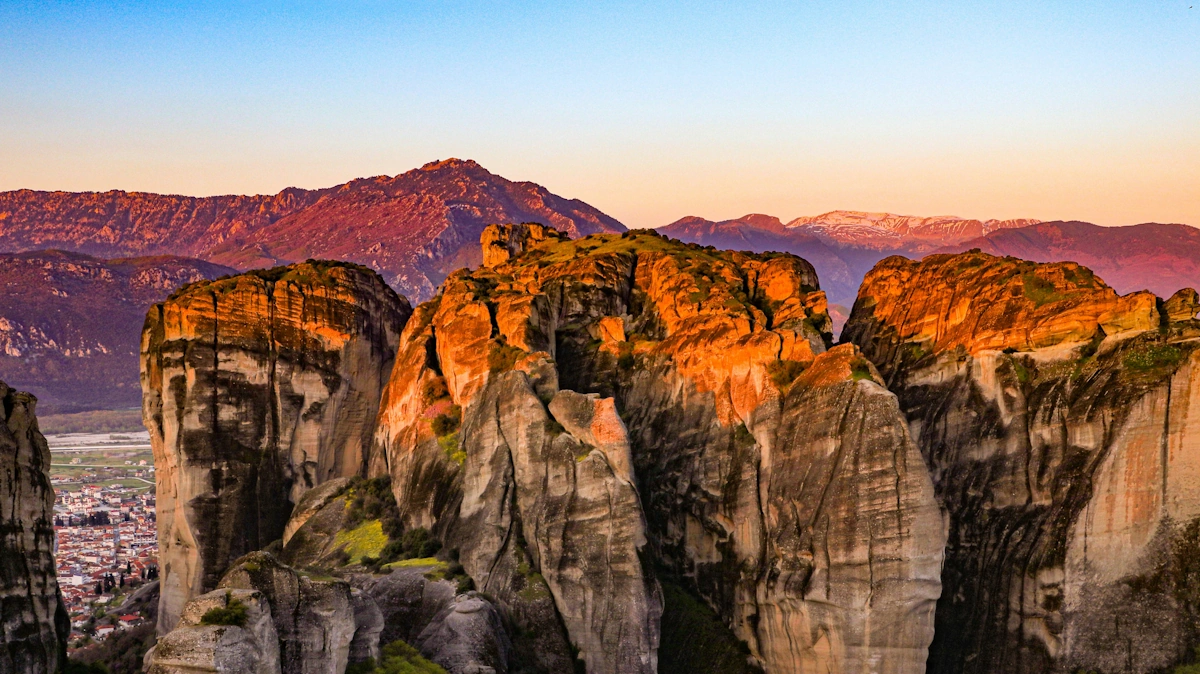
Photo by Jack Schaarschmidt on Unsplash
11. Greece
Greece combines ancient history, island culture, and mountain landscapes. Crete offers exceptional gorge hiking including Samaria Gorge (16 km), Europe’s longest gorge walk. The Cycladic islands feature restored ancient footpaths—Andros maintains over 290 km of trails. Mainland routes include Vikos Gorge in Zagori, the world’s deepest canyon relative to its width. Season: April–October; spring offers wildflowers and moderate temperatures ideal for gorge hikes.
Greek hiking culture emphasises hospitality—villages offer traditional tavernas and locals readily provide directions. Trail maintenance varies: popular routes are well-marked while others require navigation skills. Water can be scarce on island trails during summer, requiring careful planning.
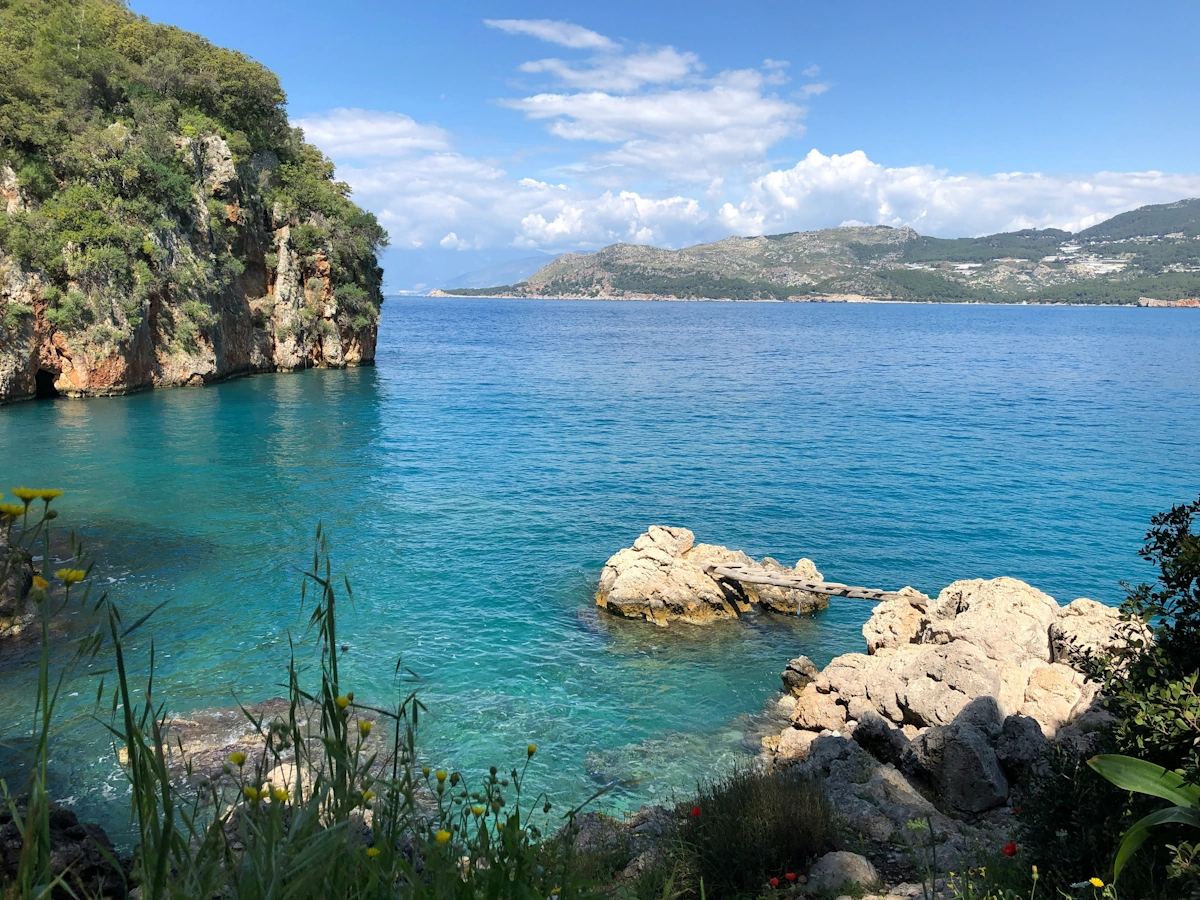
Photo by Oscar Sky on Unsplash
12. Turkey
Turkey offers hiking where European, Asian, and Middle Eastern influences converge. The Lycian Way (540 km) along the Mediterranean coast from Fethiye to Antalya follows ancient paths past Lycian ruins, through pine forests, and across mountain passes. The St. Paul Trail traces 500 km of the apostle’s journey through the Taurus Mountains. The Kaçkar Mountains in northeastern Turkey offer alpine hiking comparable to European ranges. Season: April–October.
The Lycian Way requires no permits or fees. Village pansiyons cost approximately $15–30/night. Turkey’s hiking culture emphasises konak (hospitality)—trail-side villages welcome hikers with traditional meals and genuine warmth, maintaining authentic experiences increasingly rare on commercialised international trails.

Photo: Rafick
13. France
France offers hiking through Alps, Pyrénées, Corsica, and diverse regional landscapes connected by the Grande Randonnée (GR) network totalling over 60,000 km. The Tour du Mont Blanc circumnavigates Western Europe’s highest massif (170 km, 10–11 days). The GR20 across Corsica is Europe’s toughest trail—180 km with 12,000 m of cumulative gain over 15 days. Alpine routes operate late June through September; the GR20 season runs June–September.
France’s refuge system provides reliable mountain accommodation (€15–35/night). French hiking culture emphasises conviviality—sharing refuge meals, evening conversations, and the ritual of café au lait before dawn hiking. The cultural dimension includes village markets, regional cheeses and wines.
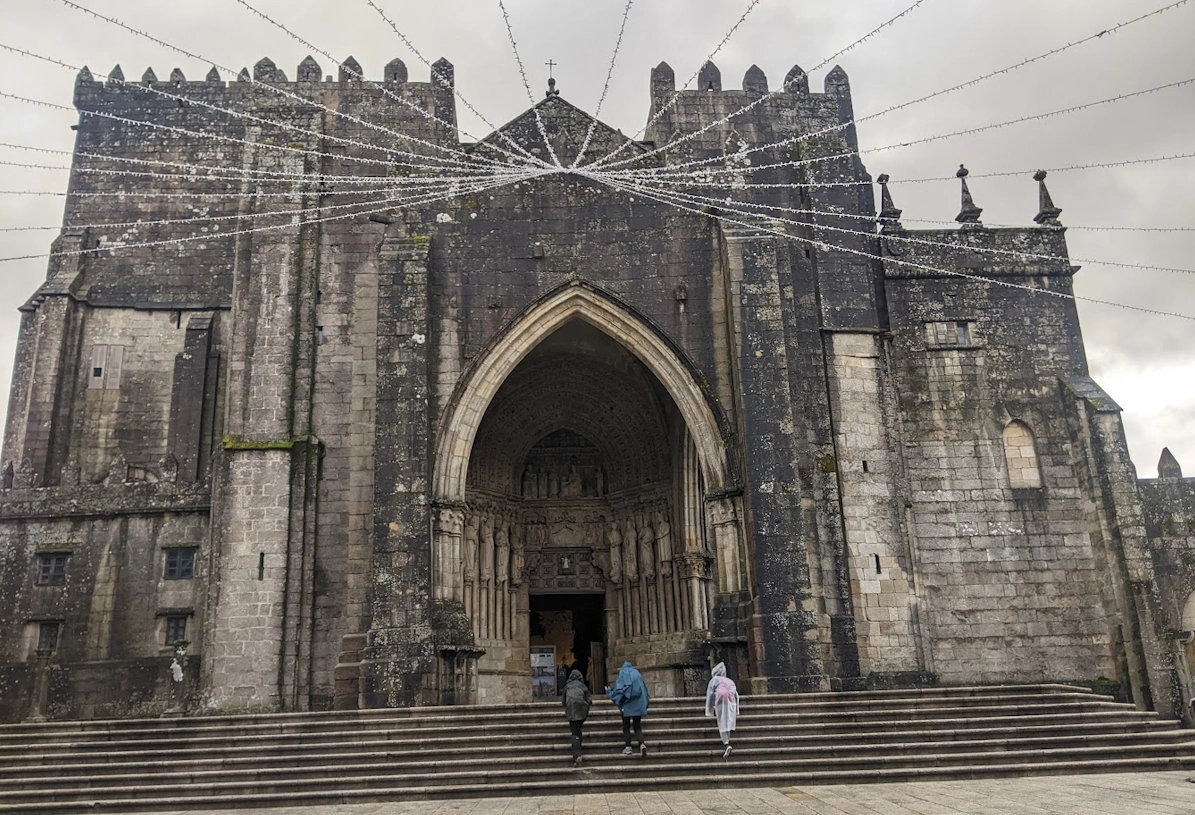
Photo: Rafick
14. Spain
Spain offers diverse hiking from Pyrenean peaks to Mediterranean coast. The Camino de Santiago (Caminés Françès, 800 km) attracts hundreds of thousands annually. The GR11 traverses the Spanish Pyrénées (840 km). The Picos de Europa in northern Spain provide dramatic limestone alpine hiking. The Sierra Nevada offers mainland Spain’s highest peak (Mulhacén, 3,479 m) combined with Moorish cultural sites. Best conditions: April–May and September–October.
Spain’s hiking infrastructure includes mountain refugios (€10–25/night) and Camino albergues (€5–15). No permits are required for most trails. Spanish hiking culture emphasises social connections, and the cultural depth spans Roman bridges, medieval monasteries, and regional cuisines from Basque pintxos to Galician seafood.
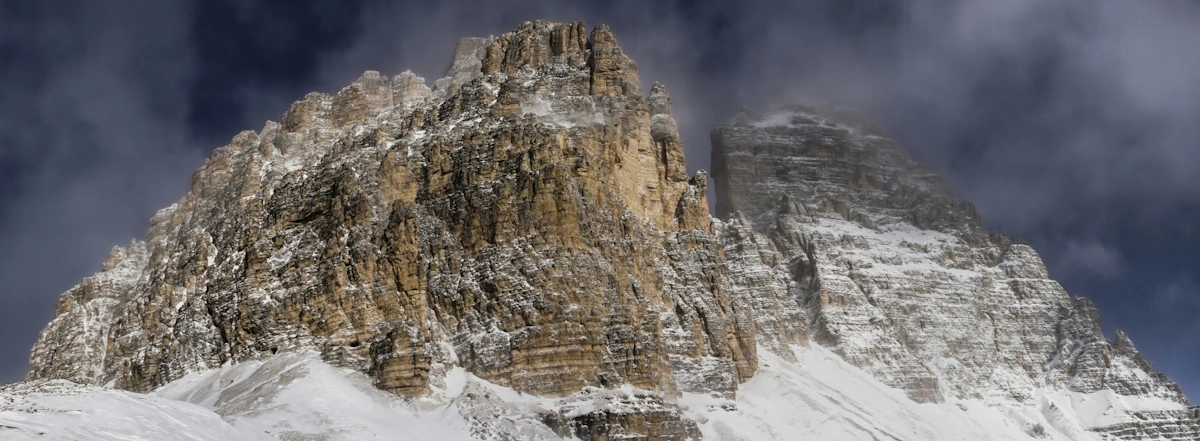
Photo by Luca Calderone on Unsplash
15. Italy
Italy combines spectacular alpine hiking with cultural and culinary experiences unmatched elsewhere. The Alta Via 1 traverses 120 km through the Dolomites from Lago di Braies to Belluno. The Cinque Terre coastal trail connects five picturesque villages along the Ligurian coast. The Path of the Gods (Sentiero degli Dei) on the Amalfi Coast delivers stunning views. Sicily’s Mount Etna—Europe’s most active volcano—offers hiking through volcanic landscapes. Season: June–September in alpine areas; coastal trails nearly year-round.
Italy’s rifugio system provides comfortable accommodation with remarkable cuisine—multi-course dinners at €35–60 for half-board. Italian hiking culture emphasises dolce vita—leisurely lunches, afternoon aperitivos, and appreciation for beauty in both landscape and daily life.
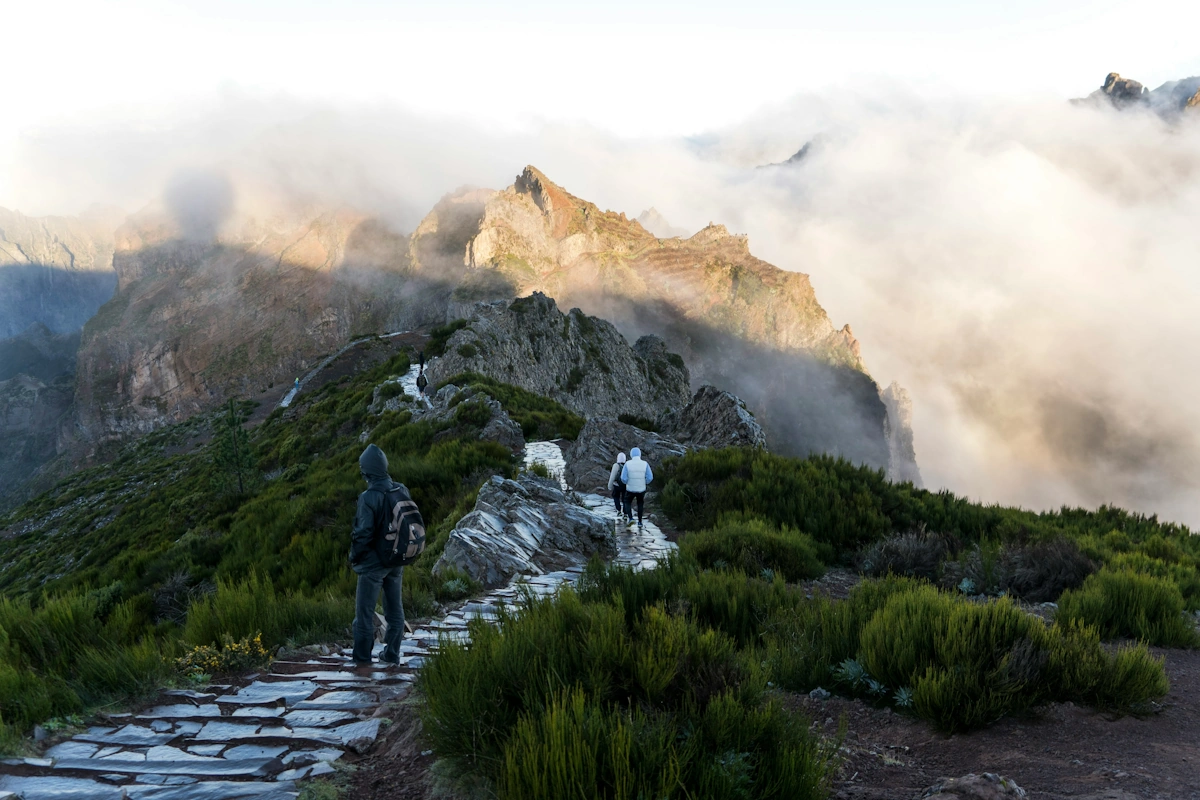
Photo by Hikerwise.com on Unsplash
16. Portugal
Portugal offers diverse hiking from wild Atlantic coastlines to mountainous interior regions. The Rota Vicentina’s Fishermen’s Trail follows 225 km of essentially undeveloped coastline through the Southwest Alentejo and Vicentine Coast Natural Park—Europe’s least-developed Atlantic coast. The Historical Way parallels it inland through cork forests. Madeira’s levada walks follow historic irrigation channels through subtropical forests along cliff faces. Season: April–October; some coastal sections impassable at high tide.
No permits required. Villages are spaced for stages of 14–24 km, with luggage transfer available. Portuguese guesthouses serve fresh seafood, regional wines, and home-cooked meals.
Rota Vicentina Fishermen’s Trail • São Miguel Coastal Trail • Fishermen’s Trail
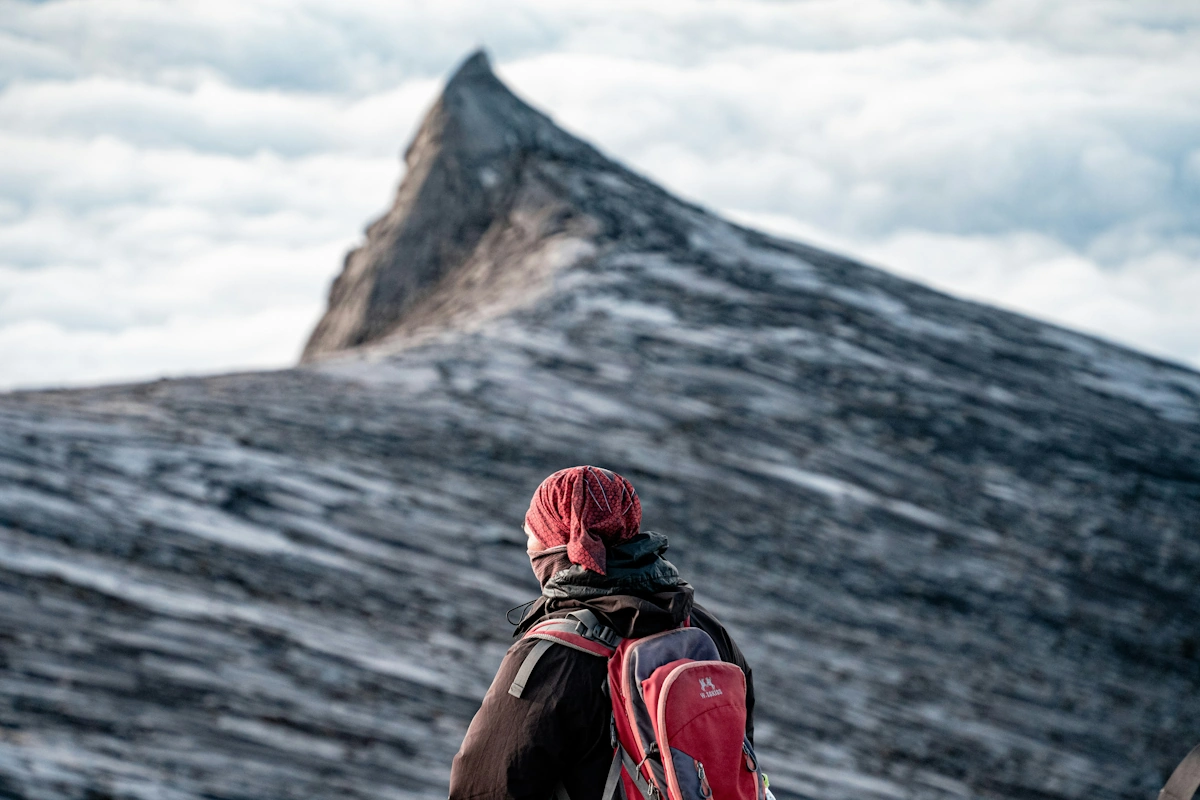
Photo by Ong Cheng Zheng on Unsplash
17. Malaysia
Malaysia offers hiking through tropical rainforests, volcanic peaks, and cloud forests. Mount Kinabalu in Borneo (4,095 m) is Southeast Asia’s highest peak between the Himalayas and New Guinea—the two-day climb ascends through rainforest, montane forest, and cloud forest. Daily permits are limited to 100 climbers; book 2–3 months ahead. Taman Negara—one of the world’s oldest rainforests (130 million years)—offers multi-day jungle trekking. The Cameron Highlands provide accessible highland hiking through tea plantations and mossy forests.
The full Kinabalu climb costs approximately RM 1,500–2,000 ($325–450) including permits, guide, accommodation, and meals. Post-climb traditions include summit certificates and relaxing in nearby hot springs.
Mount Kinabalu Trek (Day Section) • Gunung Tahan Trek • Mount Kinabalu Climb
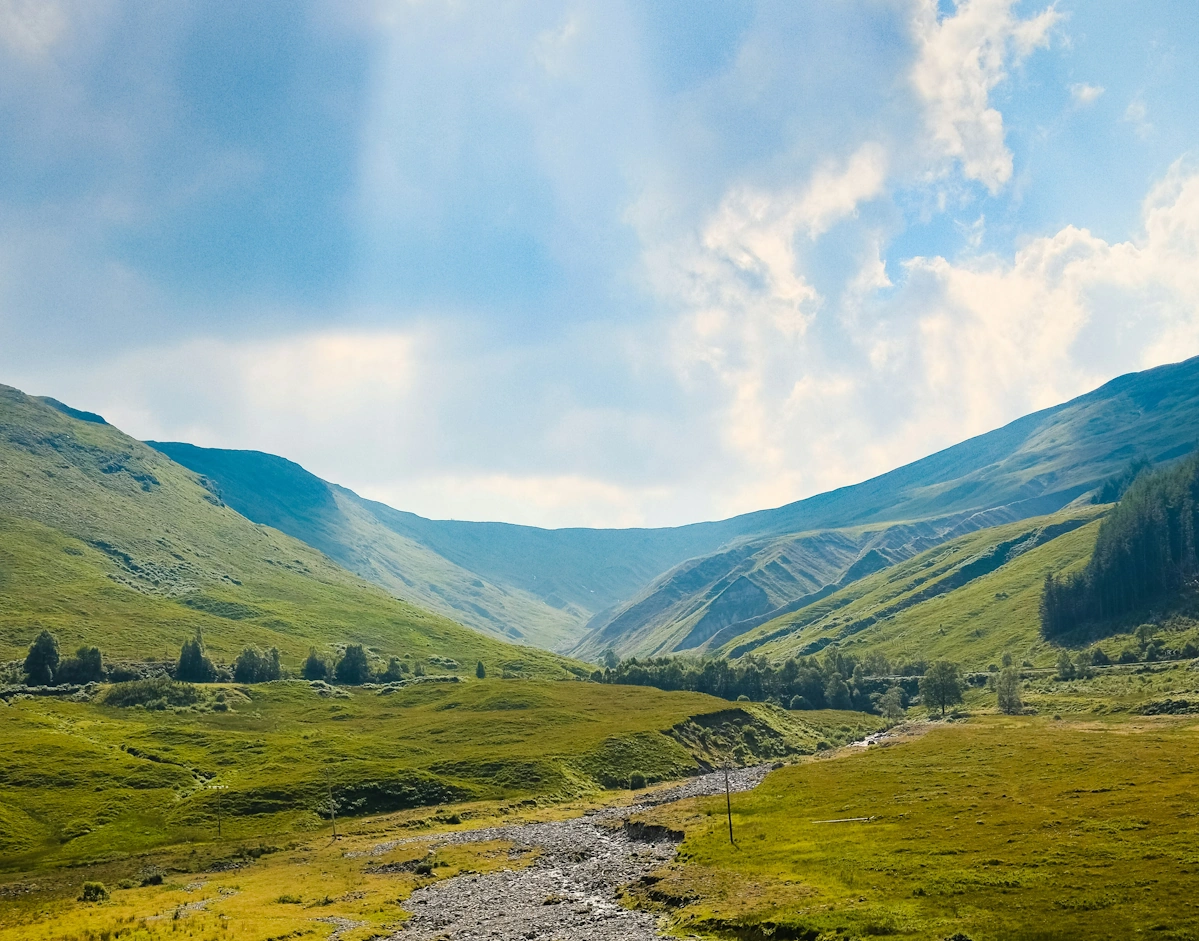
Photo by Matthew Wheeler on Unsplash
18. Scotland
Scotland offers hiking through moors, lochs, and Munros. The West Highland Way (154 km, 7 days) passes Loch Lomond, crosses Rannoch Moor, and traverses the Devil’s Staircase with views of Glencoe. The Isle of Skye offers dramatic coastal and mountain hiking including the Quiraing and Fairy Pools. The Cape Wrath Trail delivers remote wilderness trekking through the Northwest Highlands. Season: April–October; midge season (July–August) is a significant consideration.
Scotland’s “right to roam” provides free access to most land. The bothy tradition (unlocked mountain shelters free to all) defines Scottish hiking culture. Baggage transfer services allow light-pack hiking on the West Highland Way.
Cape Wrath Trail • Cape Wrath Trail (Coastal Segments) • Snowdon Horseshoe
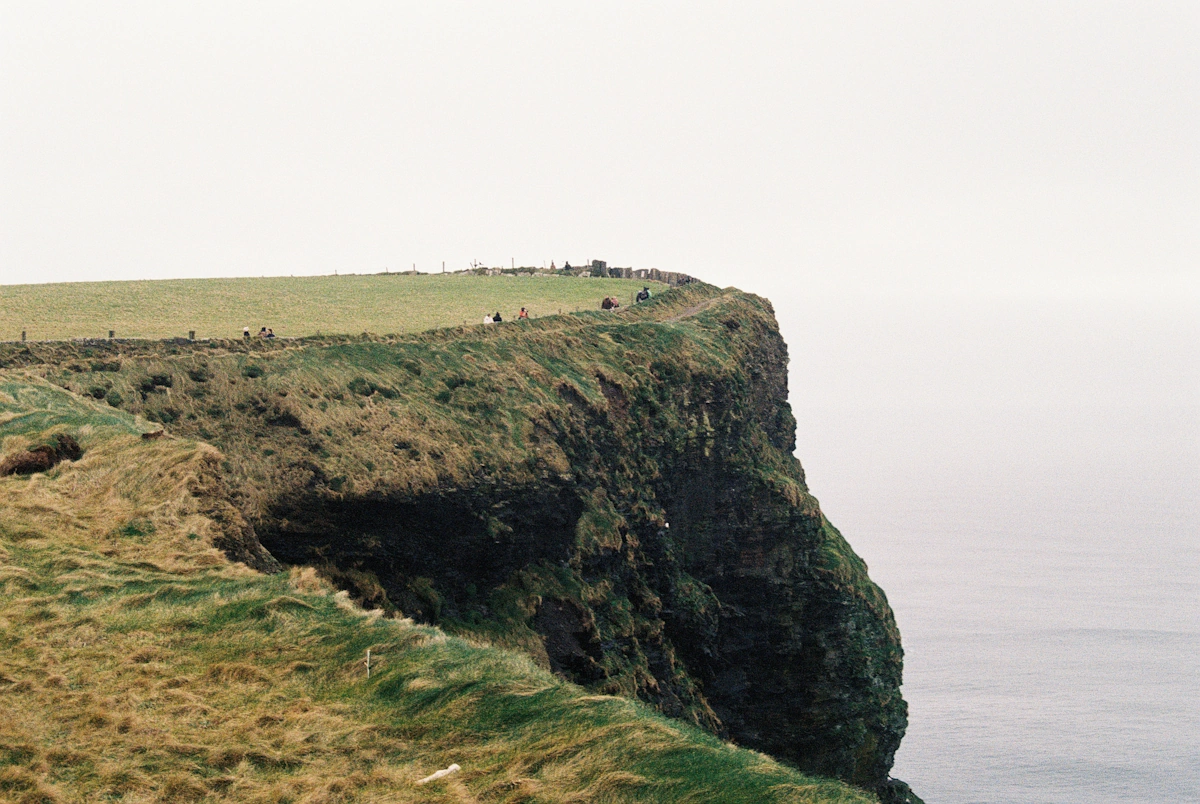
Photo by Gursimran Singh on Unsplash
19. Ireland
Ireland offers hiking through coastal cliffs, mountain moorlands, and cultural sites layered with mythology. The Dingle Way (179 km, 8–9 days) traverses Ireland’s westernmost landscapes. The Wicklow Way (130 km) runs from Dublin’s suburbs through the Wicklow Mountains to County Carlow, passing Glendalough’s 6th-century monastic city. The Kerry Way and Beara Way offer additional peninsula circuits. No permits required; yellow walking-person markers guide the way.
Irish B&Bs and pubs provide evening meals, traditional music sessions, and genuine hospitality. The tradition of craic (good conversation) in village pubs after hiking defines Irish trail culture. Ireland’s compactness makes it ideal for hikers with limited time—complete trail experiences within single weeks.
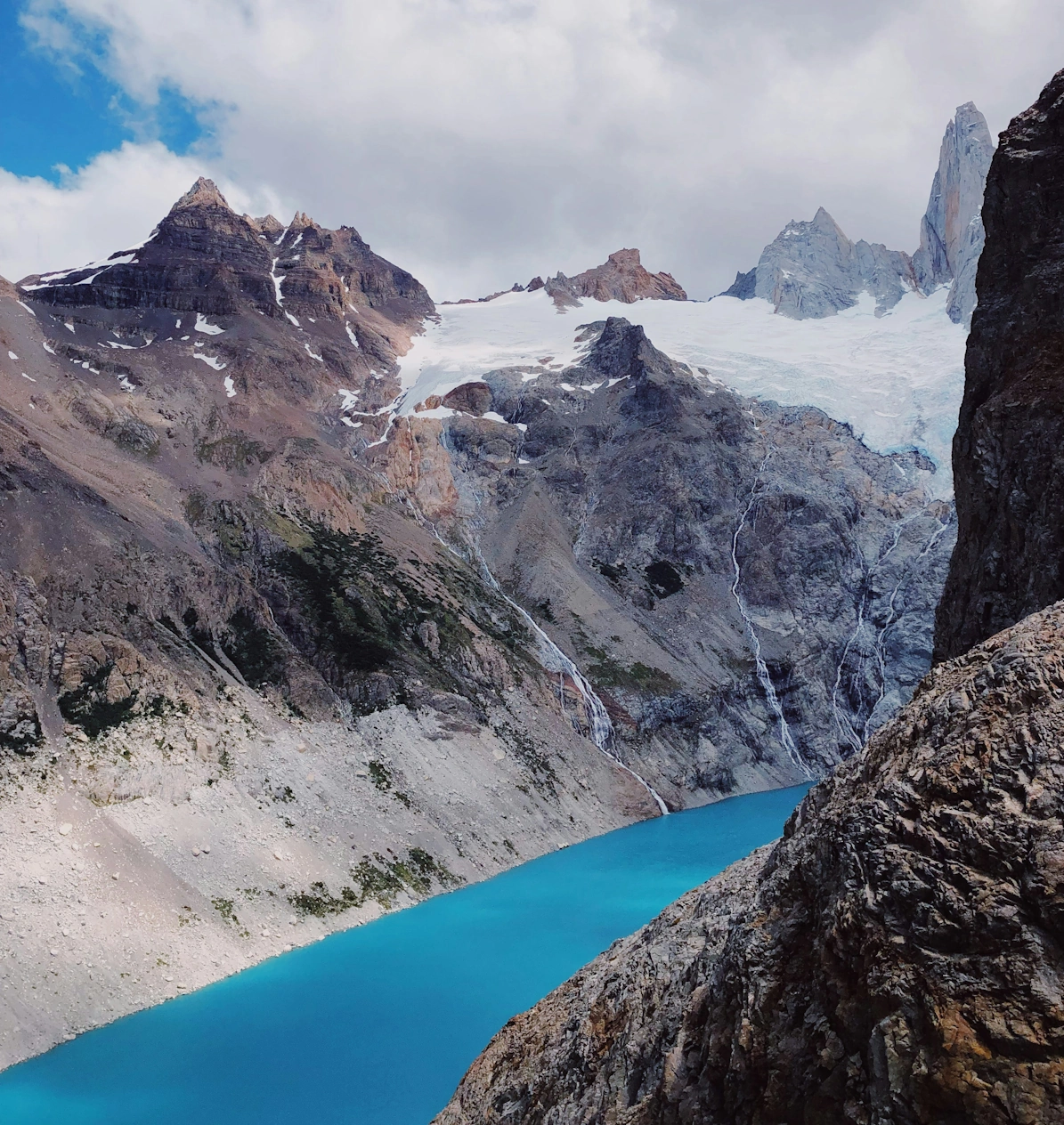
Photo by Pavel Nekoranec on Unsplash
20. Argentina
Argentina offers hiking through Patagonian wilderness, Andean peaks, and landscapes of extraordinary scale. The Fitz Roy Trek to Laguna de los Tres (21 km) delivers one of the world’s most iconic mountain views. The Laguna Torre trail provides views of Cerro Torre. The Nahuel Huapi region near Bariloche combines alpine and lake district hiking. Season: November–April; international visitors now pay ~$45 USD for day passes to Los Glaciares trails (from 2024).
Free camping near El Chaltén makes Argentina more budget-friendly than Chilean Torres del Paine. Mandatory trail registration at the park office in El Chaltén is required. Wildlife includes Andean condors, guanacos, and the occasional puma. The town of El Chaltén, founded in 1985, is known as Argentina’s “trekking capital”.
Mount Fitz Roy Trek (Laguna de los Tres) • Fitz Roy Trek • Ushuaia to Cabo San Pablo Trek
Conclusion: Where Will You Hike Next?
The twenty countries profiled here represent the pinnacle of global hiking, yet they barely scratch the surface of the world’s trail opportunities. What unites them is not merely physical beauty or trail infrastructure, but their capacity to deliver transformative experiences—moments when our relationship with landscape, culture, and our own capabilities crystallises into something genuinely meaningful.
The diversity represented across these countries reminds us that hiking encompasses many definitions—physical challenge, cultural immersion, wildlife encounters, photographic opportunity, spiritual practice, social connection, and solitary reflection. As we consider where to hike next, we’re also considering how we’ll engage with these landscapes and the communities sustaining them.
At Wakahi, we’re committed to supporting your hiking journeys with comprehensive trail guides, community discussions in our Forum, and resources that help you plan responsibly and hike confidently. The world’s trails await—where will you go next?