
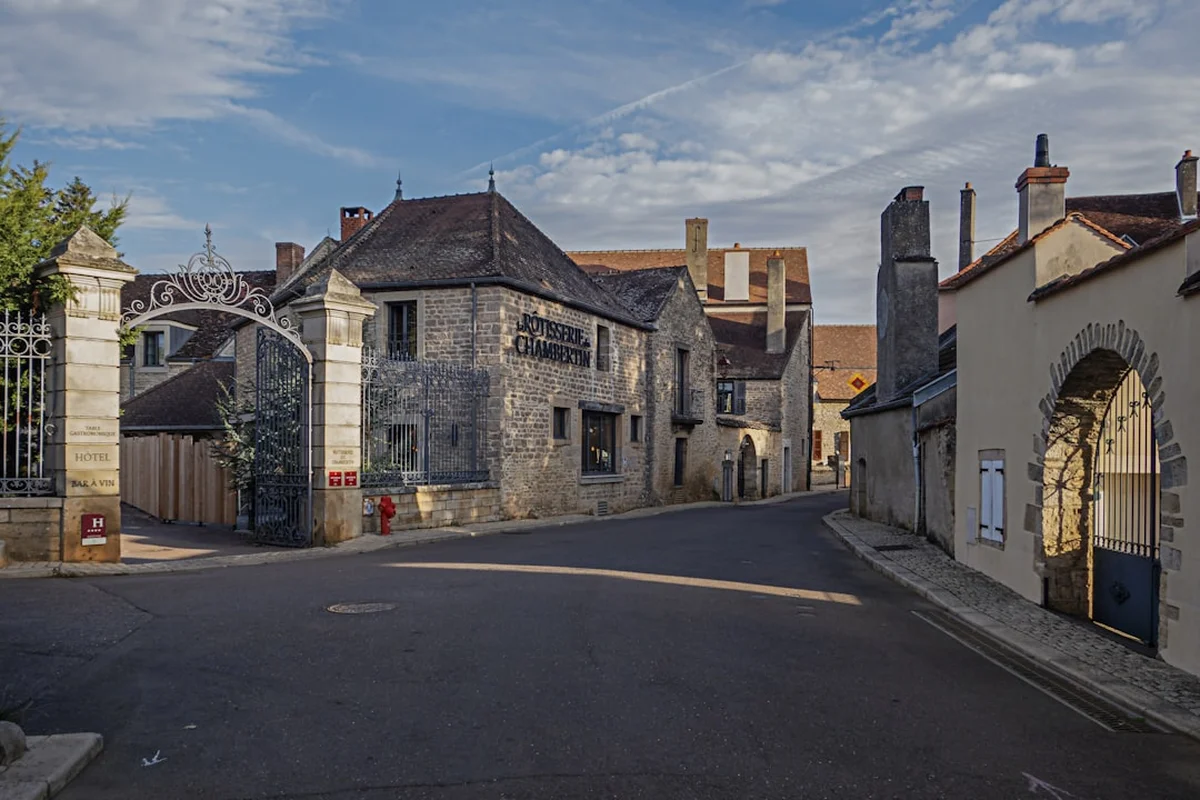
GR54 - Tour de l'Oisans et des Écrins
The GR54, widely known as the Tour de l'Oisans et des Écrins, is arguably the most challenging and rewarding long-distance trek in the French Alps. Circling the massive granite and crystalline heart of the Écrins National Park, this 177-kilometre loop is a raw, uncompromising journey through one of Europe's last truly wild mountain wildernesses. Unlike the more famous Tour du Mont Blanc, which often feels like a social procession through manicured valleys, the GR54 is a solitary odyssey over high, jagged passes and into deep, isolated valleys where the traditional mountain culture of the Oisans, Briançonnais, and Valgaudémar regions remains remarkably intact. With a staggering 12,000 metres of cumulative elevation gain, the trail demands peak physical condition and a deep respect for the alpine environment.
The route is defined by its verticality. Walkers will traverse no fewer than 14 high-altitude passes, including the notorious Col de la Muzelle and the Col de l'Eychauda, often crossing from one distinct climatic zone to another in a single afternoon. From the lush, larch-filled forests of the southern valleys to the stark, lunar landscapes of the high scree slopes, the GR54 offers a masterclass in alpine diversity. It is a trail of extremes: the silence of the high plateaus is broken only by the whistle of a marmot or the distant thunder of a calving glacier. For those seeking a trekking experience that prioritises wilderness, physical challenge, and breathtaking geological scale over commercial convenience, the Tour de l'Oisans stands alone as the ultimate European mountain circuit.
- Distance: 177.0 km loop
- Duration: 10–14 days
- Total Elevation Gain: 12,000 m
- Highest Point: Col de l'Eychauda (2,425 m) or optional summits
- Difficulty: Very Challenging (Grade 4/5)
- Best Time: July to September
- Start/Finish: Bourg d'Oisans, Isère, France
Overview
The GR54 is not merely a walk; it is a vertical pilgrimage. While the Tour du Mont Blanc covers more distance, the GR54 packs significantly more elevation gain into its shorter frame, resulting in steeper climbs and more technical descents. The trail circumnavigates the Écrins Massif, a spectacular cluster of peaks that includes the Barre des Écrins (4,102 m), the southernmost 4,000-metre peak in the Alps. The landscape is dominated by the "Meije," a mountain so formidable it was the last major peak in the Alps to be summited, and its presence looms over the northern sections of the trail like a gothic cathedral of ice and stone.
The trek is traditionally completed in a counter-clockwise direction, starting from the bustling mountain hub of Bourg d'Oisans. From here, the trail immediately asserts its character with a relentless climb toward the Plateau d'Emparis. As you progress, you move through three distinct departments—Isère and Hautes-Alpes—and experience the subtle shifts in architecture, dialect, and flora that define these regions. The southern section, particularly the Valgaudémar valley, is often described as the "Himalayas of the Alps" due to its narrow, steep-sided profile and the massive glaciers that seem to hang precariously over the tiny stone hamlets below.
Geologically, the Oisans is a complex tapestry of granite, gneiss, and schist. This variety creates a constantly shifting aesthetic, from the red-tinged rocks of the south to the grey, crumbling shale of the northern passes. The trail is well-marked with the iconic red-and-white blazes of the Grande Randonnée network, but the terrain itself is the primary navigator. You are either going up a steep switchback or down a technical scree slope; flat ground is a rare and celebrated luxury on the GR54. This is a journey for the experienced trekker who finds beauty in the struggle and prefers the company of chamois and golden eagles to the crowds of more commercialised routes.
History and Cultural Context
The history of the GR54 is inextricably linked to the creation of the Écrins National Park in 1973. Before it was a recreational trail, these paths were the lifeblood of the mountain communities. For centuries, shepherds moved their flocks between the high summer pastures (alpages) and the sheltered winter valleys, a practice known as transhumance that still continues today. Many of the stone huts and "oratoires" (small shrines) you encounter along the trail are remnants of this pastoral heritage, serving as markers of safety and faith in an often-unforgiving landscape.
The Oisans region was also a cradle of French mountaineering. In the late 19th century, explorers and climbers from across Europe flocked to La Grave and Vallouise to test themselves against the "Inaccessible Meije." The GR54 follows many of the approach routes used by these early pioneers. During World War II, the rugged and inaccessible nature of the Écrins made it a stronghold for the French Resistance (the Maquis). The high passes were used to smuggle supplies and personnel between valleys, away from the eyes of occupying forces. Walking the GR54 today is, in many ways, a walk through these layers of human endurance—from the Roman salt-traders who crossed the Col du Lautaret to the modern hikers seeking a connection with the wild.
The cultural heart of the trail lies in its villages. Places like Besse-en-Oisans, with its narrow stone alleys and traditional bread ovens, offer a glimpse into a way of life that has changed little in a hundred years. The local cuisine reflects this hard-scrabble history: hearty, calorie-dense dishes like "tourtons" (fried pastries filled with potato or meat), "oreilles d'âne" (a wild spinach gratin), and the ubiquitous "gratin dauphinois" provide the essential fuel for the massive climbs ahead. To walk the GR54 is to participate in this ongoing story of human adaptation to the high mountains.
Want more background? Read extended notes on history and cultural context → Learn more
Seasonal Highlights and Weather Reality
The window for completing the GR54 is relatively narrow, dictated by the snowpack on the high passes. Even in a "normal" year, several of the higher cols (such as the Col de l'Eychauda or Col de la Muzelle) can remain blocked by snow until late June or early July. Attempting the trail before the snow has melted requires ice axes, crampons, and advanced alpine navigation skills.
July and August: This is the peak season. The weather is generally stable, with warm, sunny days and cool nights. The alpine wildflowers are at their most spectacular in July, with carpets of gentians, lilies, and the rare edelweiss appearing on the high slopes. However, this is also the time of the "orages"—violent afternoon thunderstorms that can roll in with terrifying speed. Hikers should aim to cross the high passes before 2:00 PM to avoid being caught in lightning on exposed ridges.
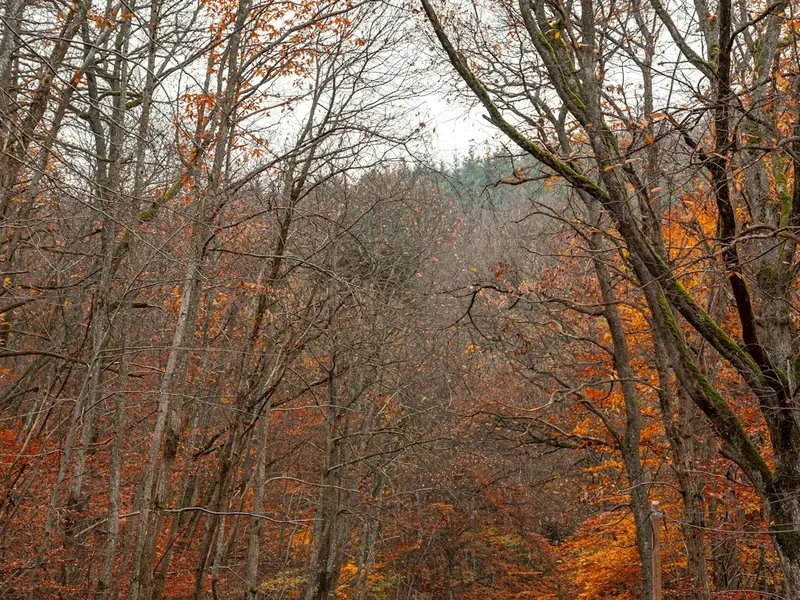
September: Many experienced trekkers consider September the "golden window" for the GR54. The crowds (such as they are) dissipate, the air becomes crisp and exceptionally clear, and the larch forests begin their transformation into a brilliant burnt orange. The risk of thunderstorms decreases, though the first dustings of autumn snow can occur on the highest peaks. Note that some refuges begin to close or move to "winter mode" (unstaffed) in mid-to-late September, so careful planning is required.
Winter and Spring: From October to June, the GR54 is an alpine mountaineering or ski touring undertaking. The trail is buried under metres of snow, and avalanche risk is a constant and deadly reality in the steep-sided valleys of the Oisans. This is not a period for trekking.
Recommended Itinerary
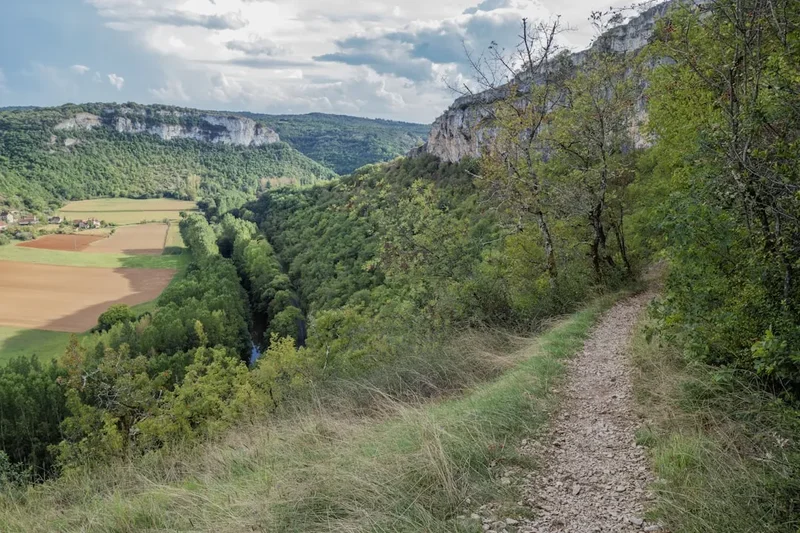
12-Day GR54 Tour de l'Oisans Itinerary
Day 1: Bourg d'Oisans to Besse-en-Oisans
- Distance: 15 km
- Elevation gain: 1,100 m
- Time: 6–7 hours
- Relentless opening climb out of the Romanche valley
- Pass through the historic village of Mizoen
- Traverse the stunning Plateau d'Emparis, a vast alpine prairie
- First views of the glaciers of La Meije across the valley
- Stay in the beautifully preserved stone village of Besse
Day 2: Besse-en-Oisans to Refuge de l'Alpe de Villar-d'Arêne
- Distance: 18 km
- Elevation gain: 900 m
- Time: 6–7 hours
- Descent to the Romanche river followed by a steady climb
- Cross the Col de Lautaret, a famous mountain pass for cyclists
- Enter the high alpine zone near the headwaters of the Romanche
- The refuge sits in a spectacular glacial cirque beneath the Pic de Neige Cordier
Day 3: Refuge de l'Alpe to Le Monêtier-les-Bains
- Distance: 16 km
- Elevation gain: 450 m gain, 1,000 m descent
- Time: 5–6 hours
- Climb to the Col d'Arsine (2,340 m)
- Optional side trip to the turquoise Lac d'Arsine and its terminal moraine
- Long, scenic descent into the Guisane valley
- Arrive in the spa town of Le Monêtier, famous for its natural hot springs
Day 4: Le Monêtier-les-Bains to Vallouise
- Distance: 14 km
- Elevation gain: 1,000 m gain, 1,200 m descent
- Time: 7–8 hours
- The climb to Col de l'Eychauda (2,425 m), the highest point on the standard route
- Steep, technical descent past the Lac de l'Eychauda
- Transition from the dry, Briançonnais climate to the lush Vallouise valley
- Vallouise is a major mountaineering centre with excellent facilities
Day 5: Vallouise to Refuge du Pré de la Chaumette
- Distance: 20 km
- Elevation gain: 1,200 m
- Time: 8–9 hours
- A long, demanding day entering the southern, wilder part of the park
- Climb through larch forests to the Col de l'Aup Martin (2,761 m - highest pass)
- Cross the Pas de la Cavale on a narrow, shale-covered ledge
- Descend into the remote Champoléon valley
- The refuge is isolated and offers a true wilderness experience
Day 6: Pré de la Chaumette to Refuge de Vallonpierre
- Distance: 12 km
- Elevation gain: 1,100 m
- Time: 6 hours
- Three consecutive passes: Col de la Vallette, Col de Gouiran, and Col de Vallonpierre
- High-altitude traverse with constant views of the Sirac (3,441 m)
- The Refuge de Vallonpierre sits beside a small alpine lake reflecting the granite peaks
- Prime territory for spotting chamois and ibex
Day 7: Refuge de Vallonpierre to La Chapelle-en-Valgaudémar
- Distance: 15 km
- Elevation gain: 150 m gain, 1,200 m descent
- Time: 5–6 hours
- Long descent into the deep, dramatic Valgaudémar valley
- Pass the spectacular "Oules du Diable" (Devil's Cauldrons) waterfalls
- The valley is incredibly narrow, with 2,000-metre walls on either side
- Stay in the village of La Chapelle, the heart of the Valgaudémar
Day 8: La Chapelle-en-Valgaudémar to Le Désert-en-Valjouffrey
- Distance: 16 km
- Elevation gain: 1,300 m
- Time: 8–9 hours
- One of the toughest climbs: the Col de la Vaurze (2,500 m)
- Extremely steep switchbacks on loose shale (schist)
- Descent into the Valjouffrey, a valley that feels forgotten by time
- Le Désert is a tiny hamlet at the end of the road
Day 9: Le Désert-en-Valjouffrey to Valsenestre
- Distance: 12 km
- Elevation gain: 1,100 m
- Time: 6–7 hours
- Climb to the Col de Côte Belle (2,290 m)
- Famous for its "organ pipe" geological formations
- Descent into the Béranger valley to the village of Valsenestre
- Valsenestre is a protected architectural site with traditional stone houses
Day 10: Valsenestre to Refuge de la Muzelle
- Distance: 8 km
- Elevation gain: 1,200 m
- Time: 6 hours
- Short distance but massive vertical effort
- Climb to the Col de la Muzelle (2,613 m)
- The descent to the lake is steep and requires careful footwork
- The refuge sits on the shore of the Lac de la Muzelle, beneath a hanging glacier
Day 11: Refuge de la Muzelle to Bourg d'Oisans
- Distance: 18 km
- Elevation gain: 800 m gain, 1,600 m descent
- Time: 7–8 hours
- Final climb over the Col du Vallon (2,531 m)
- Views back across the entire Écrins massif
- Long, knee-jarring descent past the Lac de Lauvitel (the park's largest lake)
- Return to the Romanche valley floor and the finish line in Bourg d'Oisans
Important Notes:
- The itinerary can be shortened to 10 days by fit hikers or extended to 14 days for a more relaxed pace
- Refuges must be booked in advance, especially in July and August
- Water is generally available at refuges and villages, but treatment is recommended for stream water
- The "schist" rock becomes very slippery when wet; extra caution is needed in rain
- Bourg d'Oisans has full supermarket facilities for restocking
Planning and Bookings
Book Your Trip
Everything you need to plan your journey
Accommodation
Find places to stay near Grenoble
Flights
Search flights to Grenoble
Essential Preparation
The GR54 is not a trail for beginners. Physical preparation is the most critical aspect of planning. You should be comfortable walking 7–9 hours a day with a 10–12 kg pack, involving over 1,000 metres of ascent and descent daily. Training should focus on "vertical kilometres" and eccentric leg strength to handle the punishing descents. Logistics revolve around the hub of Grenoble. From Grenoble, regular buses (Transisère line 3000) run to Bourg d'Oisans, taking approximately 1 hour 15 minutes. If arriving by air, Lyon (LYS) or Geneva (GVA) are the best options, with train or shuttle connections to Grenoble.
Booking coordination is vital. While the trail is a loop, the remote nature of the valleys means that if you miss a booking or need to bail out, transport back to your start point can be complicated and expensive, often requiring multiple buses or a very costly taxi. It is highly recommended to carry a physical IGN map (Top 25 series: 3335ET, 3336ET, 3436ET, 3437OT) as GPS signals can be shadowed in the deep, narrow valleys.
Trail Accommodation
Accommodation on the GR54 consists of a network of "Refuges" (high-mountain huts) and "Gîtes d'étape" (village-based hostels). Most hikers opt for "demi-pension" (half-board), which includes dinner, a bed, and breakfast.
Refuge Facilities:
- Dormitory-style sleeping (couchettes) with blankets or duvets provided
- Communal dining areas serving hearty, fixed-menu mountain meals
- Basic washing facilities (cold water is standard; hot showers often cost 2–5 Euros extra)
- Limited electricity for charging (often solar-powered; bring a power bank)
- Small "hors-sac" rooms for those who wish to cook their own food
- Packed lunches (pique-nique) can be ordered the night before for approximately 10–15 Euros
What is NOT Provided:
- Towels and toiletries
- Sleeping bag liners (mandatory for hygiene in all French refuges)
- Private rooms (rare, though some gîtes have them)
- WiFi (almost non-existent in high refuges)
Booking and Costs:
- Bookings should be made 2–4 months in advance for peak summer
- Most refuges can be booked via the "Refuges des Écrins" website or by phone/email
- Costs: Expect to pay 55–70 Euros per night for half-board
- Camping: Wild camping (bivouacking) is permitted in the National Park between 7:00 PM and 7:00 AM, at least one hour's walk from the park boundaries or road access
Required Gear
- Hiking boots: High-cut with stiff soles and excellent grip (Vibram or similar). The terrain is rocky and technical
- Trekking poles: Non-negotiable. They are essential for saving your knees on the 1,500-metre descents and providing stability on loose shale
- Rain gear: High-quality waterproof jacket and trousers (Gore-Tex or equivalent). Alpine storms are intense
- Insulation: A lightweight down or synthetic jacket for evenings at high-altitude refuges
- Backpack: 35–50 litres. Keep weight under 12 kg if staying in refuges
- Sleeping bag liner: Silk or cotton (mandatory for huts)
- Navigation: IGN maps and a compass. A GPS device with offline maps (e.g., Gaia or AllTrails) is a valuable backup
- First aid: Focus on blister care (Compeed), knee support, and rehydration salts
What to Bring
- Water filtration: A Katadyn BeFree or Sawyer Squeeze. While village water is safe, stream water near sheep pastures must be treated
- Sun protection: SPF 50+ sunscreen, lip balm with UV protection, and high-category sunglasses (Category 3 or 4)
- Head torch: For navigating dormitories at night or early morning starts
- Personal hygiene: Biodegradable soap, travel towel, and hand sanitiser
- Snacks: High-energy bars, nuts, and dried fruit. While refuges provide meals, you will burn 4,000+ calories a day
- Cash: Many high refuges do not accept credit cards due to lack of phone lines/internet
- Power bank: To keep your phone/GPS charged over 10+ days
Permits
One of the great appeals of the GR54 is that no formal permits or entry fees are required to walk the trail or enter the Écrins National Park. Access is free and open to all. However, the "permit" in a practical sense is your refuge reservation. Because the trail passes through such remote terrain, the capacity of the huts effectively limits the number of people on the trail.
Regulations to Note:
- Bivouac Rules: While no permit is needed for camping, you must follow the "Bivouac" regulations. Tents must be small, pitched only after 7:00 PM, and taken down by 7:00 AM. You must be more than an hour's walk from any road access point.
- Group Size: Large organised groups (usually 10+) may need to notify the park authorities, but for independent hikers, this is not an issue.
- Dogs: Dogs are strictly prohibited in the core zone of the Écrins National Park, even on a lead. This is to protect wildlife and prevent conflict with "Patou" (livestock guardian dogs). This makes the GR54 impossible to complete with a dog.
Logistical Costs: While the trail is free, you should budget for the following:
- Refuge Half-Board: ~650–800 Euros for the full circuit
- Transport: ~50 Euros for buses from Grenoble
- Maps: ~45 Euros for the set of four IGN maps
Other Activities in the Area
The Oisans and Écrins regions are world-class destinations for outdoor sports. If you have extra time before or after your trek, consider these activities:
- White-water Rafting: The Vénéon river, flowing through the valley near Bourg d'Oisans, offers some of the most exciting rafting and hydrospeeding in France.
- Cycling the 21 Bends: Bourg d'Oisans sits at the base of the legendary climb to Alpe d'Huez. You can hire a road bike in town and test your legs on the most famous climb in the Tour de France.
- Via Ferrata: The region is home to some spectacular via ferrata routes, including the "Grand Diable" in Venosc or the routes around La Grave, offering a taste of verticality without needing full climbing skills.
- Glacier Walking: From La Grave, take the cable car up to 3,200 metres to the Glacier de la Girose. Guided walks are available to explore the crevasses and ice formations.
- Grenoble Exploration: Spend a day in the "Capital of the Alps." Take the "Bastille" cable car (the bubbles) for views over the city and visit the excellent Musée Dauphinois to learn about mountain culture.
Safety and Conditions
Alpine Weather: The primary danger on the GR54 is the weather. Conditions can change from blistering heat to freezing sleet in less than an hour. Snow can fall on the high passes in any month of the year. Always check the "Météo France" mountain forecast (specifically for the Isère and Hautes-Alpes massifs) before setting out each morning. If the forecast predicts "orages" (thunderstorms), ensure you are off the high passes and ridges by early afternoon.
Terrain Hazards: The GR54 is famous for its "schist" (shale) slopes. This rock breaks into small, flat plates that act like ball bearings underfoot, especially when wet. The descents from the Col de la Vaurze and Col de la Muzelle are particularly notorious for this. Trekking poles are essential for maintaining balance. Rockfall is also a risk in narrow couloirs; avoid lingering in areas with visible debris on the path.
Livestock Guardian Dogs (Patous): You will encounter large white dogs guarding sheep flocks. These are not pets; they are working animals bred to protect the flock from wolves. If you encounter a flock, stay on the path, walk slowly, and give the sheep a wide berth. Do not try to pet the dog or make sudden movements. If the dog approaches and barks, stop, speak calmly, and wait for it to realise you are not a threat before moving on.
Hydration and Heat: The climbs are long and often south-facing, meaning they catch the full force of the sun. Heat exhaustion is a real risk. Carry at least 2–3 litres of water and use electrolyte tabs. Be aware that many high-altitude streams may be contaminated by livestock; always use a filter or purification tablets.
Emergency Contacts: The European emergency number is 112. Note that mobile signal is non-existent in many of the deeper valleys and high passes. Carrying a satellite messenger (like a Garmin inReach) is highly recommended for solo hikers.
Side Trips and Points of Interest
Lac de Lauvitel: Located near the end of the trek (or the beginning, depending on your route), this is the largest lake in the Écrins National Park. It was formed by a massive rockslide thousands of years ago. Part of the lake shore is a "Réserve Intégrale" (strict nature reserve) where human entry is forbidden to allow for long-term ecological study. The views of the surrounding peaks reflected in its deep blue water are iconic.
Plateau d'Emparis: Often called the "balcony of the Écrins," this vast, rolling grassland at 2,000 metres offers the most famous view of the Meije and its glaciers. It is a stark contrast to the jagged peaks found elsewhere on the trail and is a prime spot for photography, especially at sunset when the glaciers turn pink.
The "Oules du Diable": Near the village of La Chapelle-en-Valgaudémar, the Navette torrent has carved deep, circular "pots" or cauldrons into the rock. A stone bridge spans the gorge, providing a dizzying view of the glacial meltwater thundering through the narrow gap. It is a powerful demonstration of the erosive force of water in these mountains.
Glacier Blanc Side Trip: If you have an extra day in Vallouise, a trip up to the Glacier Blanc is highly recommended. It is the most accessible large glacier in the park. You can hike up to the Refuge du Glacier Blanc (2,542 m) for a close-up view of the ice fall and the Barre des Écrins, the highest peak in the range.
Leave No Trace
The Écrins National Park is a sanctuary for biodiversity, home to rare species like the Alpine Ibex, the Bearded Vulture, and the Black Grouse. As a hiker, you are a guest in their home. The park's rules are strict and actively enforced by rangers.
Core Principles for the GR54:
- No Dogs: As mentioned, dogs are prohibited to prevent disturbance to wildlife and livestock.
- Bivouac Correcty: Only camp between 7:00 PM and 7:00 AM. Do not build fire pits; use a lightweight stove for cooking.
- Waste Management: Pack out all trash, including organic waste like orange peels or apple cores, which decompose very slowly at high altitudes and can be harmful to local fauna.
- Human Waste: Use the toilets at refuges and villages whenever possible. If you must go on the trail, dig a "cathole" at least 15 cm deep and 60 metres from water sources. Pack out your toilet paper.
- Stay on the Path: The alpine tundra is extremely fragile. Short-cutting switchbacks causes massive erosion and destroys delicate plant life that may take years to grow back.
- Respect the Silence: Avoid loud music or shouting. The "soundscape" is a vital part of the wilderness experience for both humans and animals.
 France