
Lycian Way (Day Section) - A Journey Through the Ghost Village to the Turquoise Coast
The Lycian Way is Turkey's first long-distance trekking route, a 540-kilometre odyssey that traces the rugged coastline of the ancient Lycian Federation. While the full trail takes weeks to complete, the day section from the "Ghost Village" of Kayaköy to the world-famous lagoon of Ölüdeniz offers a concentrated dose of everything that makes this region spectacular. This 10-kilometre journey is not merely a walk; it is a transition through time and ecology. It begins amidst the haunting, roofless stone houses of a deserted Greek settlement, climbs through aromatic pine forests and Mediterranean maquis, and concludes with a breathtaking descent toward the shimmering turquoise waters of the Blue Lagoon. For walkers based in Fethiye or Ölüdeniz, this section provides a perfect introduction to the Lycian Way's unique blend of archaeological mystery, challenging terrain, and unparalleled coastal vistas. It is a route that demands sturdy footwear and a sense of wonder, rewarding every uphill step with views that have remained largely unchanged since the time of the Lycian sea-traders.
- Distance: 10.0 km point-to-point
- Duration: 4–6 hours
- Difficulty: Moderate (rocky terrain and significant descent)
- Best Time: April–May and September–October
- Elevation Gain: 500 m
- Elevation Loss: 600 m
- Trailhead: Kayaköy (Lower Church)
- Finish: Ölüdeniz (Belcekız Beach)
Overview
The Kayaköy to Ölüdeniz section of the Lycian Way is widely considered one of the most rewarding day hikes in the Mediterranean. The trail serves as a bridge between two vastly different worlds: the silent, sun-bleached ruins of Kayaköy and the vibrant, bustling resort atmosphere of Ölüdeniz. The experience is defined by its dramatic shifts in perspective. One moment you are wandering through the narrow, cobbled alleys of a village abandoned during the 1923 population exchange, and the next, you are standing on a limestone ridge overlooking the vast expanse of the Mediterranean Sea, with paragliders circling like colourful birds from the heights of Babadağ mountain.
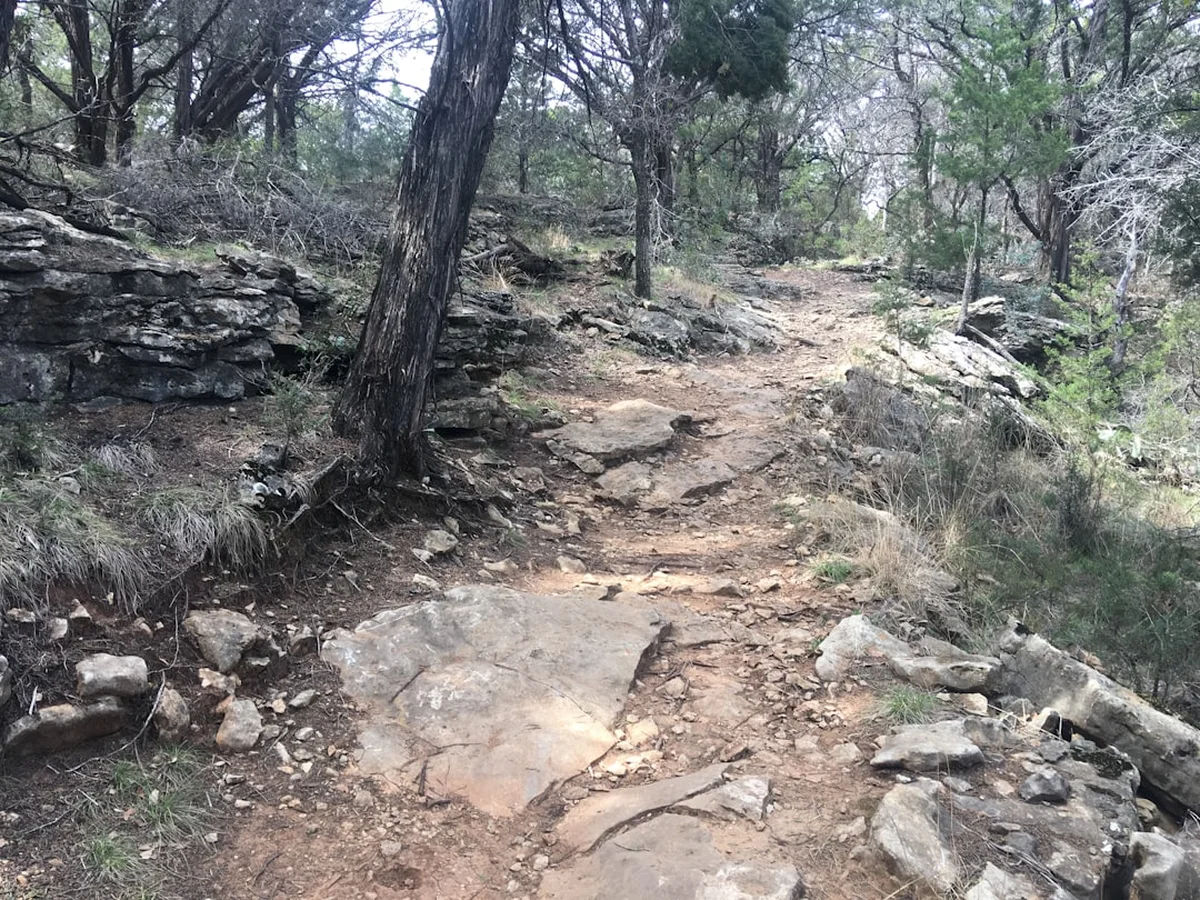
The terrain is characteristically Lycian—rugged, rocky, and unapologetic. The path consists largely of ancient mule tracks and forest trails, often surfaced with loose limestone scree that requires careful foot placement. As you ascend from the Kayaköy valley, the scent of wild thyme, sage, and pine resin fills the air, a sensory hallmark of the Turkish coast. The vegetation is a resilient mix of Aleppo pines, carob trees, and dense kermes oak scrub, providing occasional shade against the intense Aegean sun. This is a landscape where nature is slowly reclaiming human history; vines wrap around abandoned stone chimneys, and wild tortoises are more common than fellow hikers.
The climax of the walk is the descent. After reaching the highest point of the ridge, the trail opens up to reveal the iconic "Blue Lagoon" of Ölüdeniz. From this elevated vantage point, the water transitions through every shade of blue imaginable, from deep sapphire to pale aquamarine. The descent is steep and requires concentration, but the constant visual reward of the coastline makes it one of the most photographed stretches of trail in Turkey. Whether you are an archaeology enthusiast, a nature lover, or simply a walker seeking the ultimate coastal view, this section of the Lycian Way delivers a profound sense of place that stays with you long after the dust has been washed off your boots in the sea.
History and Cultural Context
The Lycian Way is named after the Lycian civilisation, a fiercely independent people who inhabited this mountainous peninsula from the Bronze Age until the Roman period. The Lycians were unique in the ancient world for their democratic "Lycian League," a federation of city-states that shared a common language and culture. Their legacy is visible throughout the region in the form of spectacular rock-cut tombs, sarcophagi, and hilltop fortresses. While this specific day section focuses more on modern history, the spirit of the Lycians—who preferred their rugged mountains to the easy life of the plains—is felt in every rocky incline.
The starting point of the hike, Kayaköy, holds a more recent and poignant history. Known in Greek as Levissi, it was a thriving community of several thousand Greek Orthodox Christians who lived alongside their Turkish neighbours for centuries. Following the Greco-Turkish War, the 1923 Treaty of Lausanne mandated a compulsory population exchange. The Greek inhabitants of Levissi were forced to leave for Greece, while Muslims from Greece were intended to settle here. However, the incoming settlers found the hillside houses unsuitable and chose to live in the valley instead. The village was left to the elements, and a major earthquake in 1957 further accelerated its decay. Today, Kayaköy stands as a "Ghost Village," a protected archaeological site and a sobering monument to the complexities of 20th-century nationalism.
The trail itself was researched and waymarked by Kate Clow, a British expatriate who spent years identifying ancient footpaths and mule tracks to create the Lycian Way in 1999. Her work transformed these forgotten routes into a world-class trekking destination, bringing sustainable tourism to remote villages. Walking this path is an act of following in the footsteps of centuries of shepherds, traders, and soldiers who used these exact ridges to navigate the treacherous coastline of the Tekke Peninsula.
Want more background? Read extended notes on history and cultural context → Learn more
Seasonal Highlights and Weather Reality
Timing is everything when walking the Lycian Way. The Mediterranean climate is unforgiving in the height of summer and can be surprisingly wet and cold in the winter. Choosing the right window ensures a safe and enjoyable experience.
Spring (April to May): This is arguably the best time for the Kayaköy to Ölüdeniz walk. The landscape is at its most vibrant, carpeted in wildflowers including anemones, rockroses, and wild orchids. The temperatures are mild, typically ranging from 18°C to 25°C, making the uphill sections manageable. The air is clear, providing the best visibility for the coastal views. However, the sea may still be a bit brisk for a post-hike swim.
Autumn (September to October): As the searing heat of summer fades, autumn offers a second peak season. The sea is at its warmest, perfect for the finish at Ölüdeniz. The light takes on a golden quality, and the humidity drops. Temperatures remain warm, often in the high 20s, so early starts are still recommended. This is also the time of the pomegranate and grape harvests in the surrounding valleys.
Summer (June to August): Walking this section in mid-summer is strongly discouraged for all but the most heat-acclimatised hikers. Temperatures regularly exceed 35°C, and the limestone rocks radiate heat like an oven. There is very little shade on the ridge, and the risk of heatstroke and severe dehydration is genuine. If you must walk in summer, start at dawn and finish by 10:00 AM.
Winter (November to March): While the region remains relatively mild compared to northern Europe, winter brings the majority of the annual rainfall. The trail can become slippery and muddy, and the clouds often obscure the famous views. However, on a clear winter day, the crisp air and snow-capped peaks of the distant Taurus Mountains provide a stunning backdrop for the coastal scenery.
Recommended Itinerary
Kayaköy to Ölüdeniz Day Hike Itinerary
Early Morning: Exploration of Kayaköy (The Ghost Village)
- Start at the "Lower Church" (Panayia Pyrgiotissa) in Kayaköy
- Spend 45–60 minutes wandering through the abandoned stone houses
- Distance: 1 km (exploratory)
- Elevation: Minimal
- Ensure you have at least 3 litres of water before leaving the village, as there are no reliable sources on the trail
- The atmosphere in the early morning light is hauntingly beautiful and provides the necessary context for the journey ahead
Mid-Morning: The Ascent to the Ridge
- Distance: 3.5 km
- Elevation gain: 350 m
- Time: 1.5–2 hours
- Follow the red and white striped markers leading uphill from the upper edge of the village
- The path winds through pine forest and thick Mediterranean scrub
- The gradient is steady but the terrain is rocky; watch your footing on loose stones
- As you climb, look back for a panoramic view of the Kayaköy valley and the "Upper Church" (Taxiarkhis)
- Reach the crest of the ridge where the forest thins out and the first sea views appear
Midday: The Coastal Ridge and Viewpoint
- Distance: 2.5 km
- Elevation: Mostly level with minor undulations
- Time: 1 hour
- This is the most spectacular section of the trail, hugging the contours of the mountain
- Pass through areas of "maquis" vegetation—low, aromatic shrubs that thrive in the salt air
- Look out for St. Nicholas Island (Gemiler Adası) in the bay below, famous for its Byzantine ruins
- Find a shaded spot under a lone pine for a lunch break with a 180-degree view of the Mediterranean
- The trail here is narrow and can be exposed in places, but it is generally safe for those with a basic head for heights
Afternoon: The Descent to Ölüdeniz
- Distance: 3 km
- Elevation loss: 500 m
- Time: 1.5–2 hours
- The trail begins a steep, zigzagging descent toward the Blue Lagoon
- The terrain becomes more technical here, with slippery limestone and uneven steps
- The view of the lagoon and the long spit of Belcekız Beach is constant and breathtaking
- Pass through a final section of pine forest before emerging onto the paved road above the lagoon
- Follow the road or the marked shortcuts down to the beach level
Late Afternoon: Arrival and Recovery
- Finish at the entrance to the Ölüdeniz Blue Lagoon Nature Park or Belcekız Beach
- Distance: 1 km (flat)
- Time: 30 minutes
- Reward yourself with a swim in the crystal-clear waters
- Enjoy a cold drink at one of the many beachfront cafés while watching the paragliders land
- Take a local "dolmuş" (minibus) back to Fethiye or Kayaköy to retrieve your vehicle or return to your accommodation
Important Notes:
- The trail is marked with red and white paint stripes. If you haven't seen a marker for 100 metres, backtrack to the last one
- The descent to Ölüdeniz is hard on the knees; trekking poles are highly recommended
- There are no shops or water points between Kayaköy and the outskirts of Ölüdeniz
- Mobile signal is generally good along the ridge but can be spotty in the deep valleys
Planning and Bookings
Book Your Trip
Everything you need to plan your journey
Accommodation
Find places to stay near Fethiye
Flights
Search flights to Fethiye
Essential Preparation
Preparation for this day hike is straightforward but essential for comfort and safety. Fethiye serves as the primary base for the region, offering a wide range of services. Before setting out, ensure you have downloaded an offline map (such as Maps.me or Gaia GPS) as the trail markers, while generally good, can be obscured by new growth or weathering. No formal booking is required for the trail itself, but you should coordinate your transport. The local "dolmuş" (minibus) system is excellent; buses run frequently between Fethiye and Kayaköy, and between Ölüdeniz and Fethiye. If you are driving, it is best to park in Fethiye and use the dolmuş to reach the start and return from the finish, as the hike is point-to-point.
Physical fitness requirements are moderate. While the distance is only 10 kilometres, the rocky nature of the path and the steep descent make it feel longer. Walkers should be comfortable with uneven terrain and have a basic level of cardiovascular fitness for the initial 350-metre climb. If you have pre-existing knee issues, the final descent will be the most challenging part of the day.
Trail Accommodation
This is a day hike requiring no overnight accommodation on the trail itself. However, there are excellent options at both ends of the route. In Kayaköy, several boutique pensions and "village houses" offer a quiet, atmospheric stay amidst the ruins. These are ideal if you want to start your hike at sunrise. In Fethiye, you will find everything from budget hostels to luxury hotels along the harbour. Ölüdeniz offers a high concentration of resort-style hotels and beachfront apartments, though these can be noisy during the peak summer season. For a more secluded experience, consider staying in the nearby Faralya or Kabak villages, which are further along the Lycian Way.
Accommodation Facilities:
- Kayaköy: Small-scale guesthouses, often with swimming pools and home-cooked Turkish breakfasts
- Fethiye: Full range of urban amenities, supermarkets, and outdoor gear shops
- Ölüdeniz: Tourist-centric hotels, many with "all-inclusive" options
- Camping: While wild camping is technically permitted in many areas of Turkey, there are no formal campsites on this specific 10km stretch. It is better to stay in established accommodation to support the local economy
Required Gear
- Hiking boots or sturdy trail shoes - Essential. The limestone rocks are sharp and the descent is slippery. Sandals or flimsy trainers are not suitable
- Trekking poles - Highly recommended for the 500-metre descent to protect your knees
- Sun hat and sunglasses - The Mediterranean sun is intense, even in the shoulder seasons
- Lightweight, breathable clothing - Long sleeves and trousers are recommended to protect against sun and scratchy maquis vegetation
- Small daypack - 15–25 litres to carry water, food, and extra layers
- Lightweight windbreaker or fleece - Even in warm weather, the ridge can be breezy
- Basic first aid kit - Including blister plasters and antiseptic wipes
- Whistle and pocket knife - Standard safety items for any hike
What to Bring
- Water - Minimum 3 litres per person. There are no water sources on the ridge
- High-energy snacks - Nuts, dried fruits (Turkish apricots are excellent), and energy bars
- Packed lunch - Enjoyed at the ridge viewpoint
- Sunscreen - SPF 50+ is recommended; reapply frequently
- Mobile phone - Fully charged, with offline maps downloaded
- Power bank - To ensure your phone lasts the day for navigation and photos
- Cash (Turkish Lira) - For the Kayaköy entry fee (if visiting the ruins), the dolmuş fare, and drinks at the finish
- Swimwear and a lightweight travel towel - For the mandatory post-hike dip in Ölüdeniz
- Camera - The views of the Blue Lagoon are world-class
Permits
One of the great appeals of the Lycian Way is its accessibility. There are no permits required to walk the trail, and there are no daily limits on hiker numbers. The path is public land and free for all to enjoy. However, there are a few minor costs associated with the landmarks and protected areas along this specific section.
Kayaköy Archaeological Site: To enter the main "Ghost Village" ruins and visit the churches, there is a modest entry fee (currently around 3–5 Euros, payable in Turkish Lira). This fee supports the preservation of the site. If you are simply passing through the village on the trail, you may not need to pay, but exploring the ruins is highly recommended and worth the small cost.
Ölüdeniz Blue Lagoon Nature Park: The finish of the hike brings you to the edge of the Blue Lagoon. While the main Belcekız Beach is free, the protected "Lagoon" area (the inner part of the spit) is a National Park and requires an entry fee. This is paid at the gate and gives you access to the calmer waters, sun loungers (for an extra fee), and toilet/shower facilities.
Logistics and Transport:
- Dolmuş (Minibus): Fethiye to Kayaköy costs approximately 1–2 Euros. Ölüdeniz to Fethiye is a similar price. These are paid in cash to the driver
- Taxis: Readily available but significantly more expensive than the dolmuş. Ensure the metre is running or agree on a price beforehand
- Parking: If you leave a car in Kayaköy, there are several informal parking areas near the Lower Church, usually free or for a very small fee
Other Activities in the Area
The Fethiye and Ölüdeniz region is a hub for outdoor adventure and cultural exploration. Consider adding these experiences to your itinerary:
- Paragliding from Babadağ: This is the premier activity in Ölüdeniz. You will take a truck or cable car to the 1,969-metre summit of Babadağ and fly tandem down to the beach, soaring over the very trail you just walked. The views of the lagoon from 2,000 metres are incomparable.
- 12-Island Boat Trip: Departing from Fethiye harbour, these full-day cruises visit secluded bays and islands, offering plenty of opportunities for swimming and snorkelling in turquoise waters.
- Saklıkent Gorge: A 45-minute drive from Fethiye, this is one of the deepest canyons in the world. You can walk through the icy waters of the gorge or try river tubing.
- Tlos Ruins: One of the oldest and most important religious centres of Lycia, featuring a spectacular acropolis, rock tombs, and a Roman stadium.
- Fethiye Fish Market: A unique dining experience where you buy fresh fish from the central stalls and have it cooked by one of the surrounding restaurants for a small fee.
- Amyntas Rock Tombs: Located just above Fethiye town centre, these massive 4th-century BC Lycian tombs are carved directly into the cliff face and offer great views of the harbour at sunset.
Safety and Conditions
Heat and Hydration: The single greatest risk on this trail is heat exhaustion. The combination of physical exertion, high temperatures, and the reflective nature of the limestone can lead to rapid dehydration. There is no water available on the ridge. You must carry more water than you think you need. If you begin to feel dizzy, nauseous, or stop sweating, find shade immediately and rest.
Terrain and Footwear: The Lycian Way is notorious for its "ankle-breaking" rocks. The path is often composed of loose, jagged limestone. Sturdy boots with good ankle support are highly recommended. The descent into Ölüdeniz is particularly taxing on the joints and can be slippery even when dry due to the polished nature of the rocks and loose scree.
Navigation: While the trail is marked with red and white stripes (the international Grande Randonnée style), markers can be missed. Always keep a sharp eye out for the next stripe. If you find yourself on a very overgrown or dangerously steep path, you have likely lost the trail. Use an offline GPS app to verify your position. Do not attempt to "shortcut" down the cliffs to the sea; the terrain is much steeper and more dangerous than it looks from above.
Flora and Fauna: Wild tortoises are common and harmless. Scorpions and snakes (including the Ottoman Viper) do exist in the region but are shy and rarely seen. Avoid sticking your hands into dark crevices or under rocks. The "maquis" vegetation can be thorny; long trousers provide protection against scratches. Wild boars inhabit the forests but usually avoid humans; if you see one, give it a wide berth.
Emergency Contacts: The general emergency number in Turkey is 112. For mountain rescue, you can also contact the Gendarmerie (Jandarma) at 156. Ensure someone knows your planned route and expected finish time.
Side Trips and Points of Interest
Afkule Monastery: For those with extra energy, a detour to the ruins of Afkule Monastery is highly recommended. Located about 3 kilometres from Kayaköy (in the opposite direction of Ölüdeniz), this 11th-century monastery is carved into a sheer cliff face overlooking the sea. It was built by a monk named Eleftherios and offers a profound sense of solitude and some of the most dramatic coastal views in the region. The path is well-marked but steep.
Cold Water Bay (Soğuk Su Koyu): About halfway through the hike, a side trail descends steeply to the right toward the sea. This leads to Cold Water Bay, so named because of the freshwater springs that bubble up into the sea, creating refreshing cold patches in the warm salt water. There is often a small, basic shack selling cold drinks here during the summer. Note that the climb back up to the main trail is very strenuous.
The Upper Church (Taxiarkhis): Before leaving Kayaköy, make the effort to climb to the Upper Church. While the interior is largely stripped, the architecture is impressive, and the courtyard offers a commanding view over the entire ghost village, allowing you to see the scale of the abandoned settlement before you head into the wilderness.
St. Nicholas Island (Gemiler Adası): While not accessible by foot from the trail, the island is clearly visible from the ridge. It contains the ruins of five Byzantine churches built between the 4th and 6th centuries. It is believed by some archaeologists to be the original burial place of St. Nicholas (the inspiration for Santa Claus). You can visit the island by boat from Ölüdeniz or by taking a short taxi ride from Kayaköy to Gemiler Beach and hiring a small boat to ferry you across.
Leave No Trace
The Lycian Way passes through areas of immense historical and ecological value. As a walker, you are a guest in a landscape that has been inhabited for millennia. It is our collective responsibility to ensure that the trail remains pristine for future generations of hikers and for the local communities who call this region home.
Your responsibility as a walker:
- Pack out all rubbish, including organic waste like fruit peels. In the dry Mediterranean climate, orange peels and banana skins can take years to decompose and are an eyesore
- Do not remove any "souvenirs" from the archaeological sites. Even a small piece of pottery or a worked stone is part of the historical record and belongs where it lies
- Stay on the marked trail to prevent erosion and to avoid trampling fragile wildflowers and ground-nesting birds
- Respect the silence of the Ghost Village. Kayaköy is a place of memory and should be treated with the same respect as a cemetery
- Never light fires. The pine forests of the Mediterranean are extremely flammable, and forest fires are a constant and devastating threat in the summer months
- Use water sparingly and do not contaminate the few natural springs or cisterns you may encounter
- Be mindful of local culture. While Ölüdeniz is a modern resort, the surrounding villages are more traditional. Dress modestly when passing through inhabited areas
By following these principles, you help preserve the unique "wild" character of the Lycian Way. Leave only footprints, take only photographs, and keep the spirit of Lycia alive.