
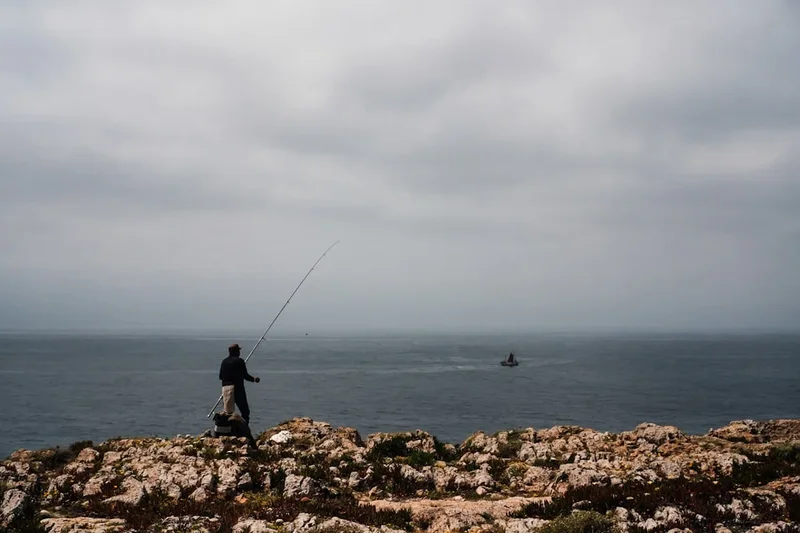
Rota Vicentina Fishermen's Trail
The Rota Vicentina Fishermen's Trail (Trilho dos Pescadores) is a spectacular coastal hiking route in southwestern Portugal, tracing the rugged edge of the Alentejo and Vicentine Coast Natural Park. This trail is renowned for its dramatic cliffs, secluded beaches, windswept dunes, and the raw beauty of the Atlantic coastline. Unlike more manicured paths, the Fishermen's Trail follows ancient routes used by local fishermen to access prime fishing spots along the coast, often traversing sandy tracks, rocky outcrops, and narrow cliffside paths. It offers an immersive experience of wild nature, with the constant presence of the ocean, the scent of wild herbs, and the calls of seabirds. The trail is part of the larger Rota Vicentina network, but the Fishermen's Trail specifically focuses on the most scenic and wild coastal sections, often requiring a good level of fitness and sure-footedness.
- Distance: 226.5 km one-way
- Duration: 10–14 days
- Season: September to June (avoiding the intense summer heat)
- Difficulty: Moderate to Challenging (due to sandy terrain and some exposed sections)
- Closest City: Lagos
- Trailhead Access: Nearest airport: Faro (FAO). Take a bus to Lagos, then local bus or taxi to the starting point (São Torpes). Road conditions are good. Parking limited at São Torpes. No permits needed.
- Coordinates: 37.9833, -8.7833 (approximate start at São Torpes)
Overview
The Rota Vicentina Fishermen's Trail is a captivating journey along one of Europe's last wild coastlines. Stretching approximately 226.5 kilometres, it winds its way from São Torpes in the north to the historic town of Sagres in the south, with an optional extension to the vibrant city of Lagos. This trail is not a single, continuous path but rather a collection of interconnected routes, with the Fishermen's Trail being the most celebrated for its proximity to the sea. It offers a diverse walking experience, from soft sandy beaches that require careful navigation to dramatic cliff-top paths that provide breathtaking panoramic views of the Atlantic Ocean.
The trail is characterised by its ever-changing scenery. You'll traverse stretches of golden sand, where the only footprints might be your own and those of seabirds. Then, you'll ascend to windswept headlands, offering expansive vistas of the turquoise and deep blue sea crashing against rugged rock formations. The air is often filled with the salty spray of the ocean and the scent of Mediterranean scrub, including fragrant rosemary, thyme, and lavender. Wildlife is abundant, with numerous bird species, including storks nesting on cliff edges, and if you're lucky, you might spot dolphins or seals offshore.
The Fishermen's Trail is divided into several stages, each offering unique challenges and rewards. Some sections are relatively flat and easy, while others involve steep ascents and descents, and navigating loose sand can be physically demanding. The trail is best enjoyed outside the peak summer months (July and August) when temperatures can be extremely high and the sun relentless. The shoulder seasons of spring (March to May) and autumn (September to November) offer pleasant weather, blooming wildflowers, and fewer crowds. The trail is well-marked with the characteristic red and yellow Rota Vicentina markers, but in some sandy sections, following the most trodden path is key. The journey culminates in Sagres, a historic town with a rich maritime past, or can be extended to Lagos, a popular tourist destination known for its stunning beaches and lively atmosphere.
History and Cultural Context
The Rota Vicentina Fishermen's Trail is deeply intertwined with the history of human interaction with this rugged coastline. For centuries, this area has been a vital resource for local communities, primarily for fishing. The trails that now form the Fishermen's Trail were originally trodden by generations of fishermen seeking the best vantage points to cast their lines and nets. These paths were not built for leisure but for survival and sustenance, connecting small hamlets and fishing villages along the coast, and providing access to secluded coves and rocky outcrops that offered rich fishing grounds.
The Alentejo and Vicentine Coast Natural Park, established in 1988, protects this unique landscape and its rich biodiversity. The park encompasses a significant portion of the Portuguese coastline, preserving its natural beauty and ecological integrity. The Rota Vicentina project, initiated in the early 2000s, aimed to formalise and promote these ancient trails, transforming them into a world-class hiking destination while also supporting sustainable tourism and local economies. The Fishermen's Trail, in particular, was developed to highlight the most dramatic and scenic coastal sections, often following paths that were previously known only to locals.
The region also boasts a rich historical heritage. Sagres, at the southern end of the trail, is famously associated with Prince Henry the Navigator, a pivotal figure in Portugal's Age of Discovery. The Sagres Fortress, perched on a windswept promontory, is a testament to this era of exploration and maritime prowess. The trail passes through or near several charming villages and towns, each with its own character and history, from traditional fishing communities to agricultural centres. The cultural context of the Rota Vicentina is one of resilience, adaptation, and a deep respect for the natural environment, reflecting the lives of the people who have inhabited and worked this land and sea for millennia.
Seasonal Highlights and Weather Reality
The Rota Vicentina Fishermen's Trail is a year-round destination, but each season offers a distinct experience and presents different considerations for walkers.
Spring (March to May): This is arguably the most beautiful time to walk the Fishermen's Trail. The landscape bursts into vibrant colour with wildflowers carpeting the hillsides and cliffs. The weather is generally mild and pleasant, with average temperatures ranging from 15°C to 22°C. Rainfall is possible but usually in the form of short showers, and the sea is often calm. Birdlife is particularly active during this period, and the coastal vegetation is at its lushest. The sea is still cool, but the overall conditions are ideal for hiking.
Summer (June to August): While the trail is technically open, summer is the least recommended season for walking the Fishermen's Trail. Daytime temperatures can soar to 30°C or higher, making strenuous hiking uncomfortable and potentially dangerous, especially on exposed coastal paths. The sun is intense, and shade is scarce. While the sea is at its warmest and most inviting for swimming, the heat can be a significant deterrent. If you choose to walk in summer, early morning and late afternoon hikes are essential, and carrying ample water is paramount.
Autumn (September to November): Autumn offers a return to pleasant hiking conditions. The intense heat of summer subsides, and temperatures become milder, typically ranging from 18°C to 25°C in September and October, cooling down in November. The sea is still warm enough for swimming in early autumn. The landscape begins to recover from the dry summer, and the first rains can bring back some greenery. This is another excellent period for walking, with fewer crowds than in spring.
Winter (December to February): Winter on the Vicentine Coast is generally mild compared to northern Europe, with average temperatures between 10°C and 17°C. However, this is the wettest period, and strong Atlantic storms can bring heavy rain and high winds. While the trails are still walkable, some sandy sections might become challenging, and sea conditions can be rough. The dramatic power of the ocean in winter can be awe-inspiring, but walkers must be prepared for changeable weather and potential trail closures due to flooding or high seas. The landscape is often a deep, rich green during this time.
Weather Considerations: The Atlantic coast is known for its microclimates. Fog can roll in unexpectedly, especially in the mornings, reducing visibility. Wind is a constant factor, and can range from a gentle breeze to strong gusts, particularly on exposed headlands. Always check the local weather forecast before setting out each day.
Recommended Itinerary
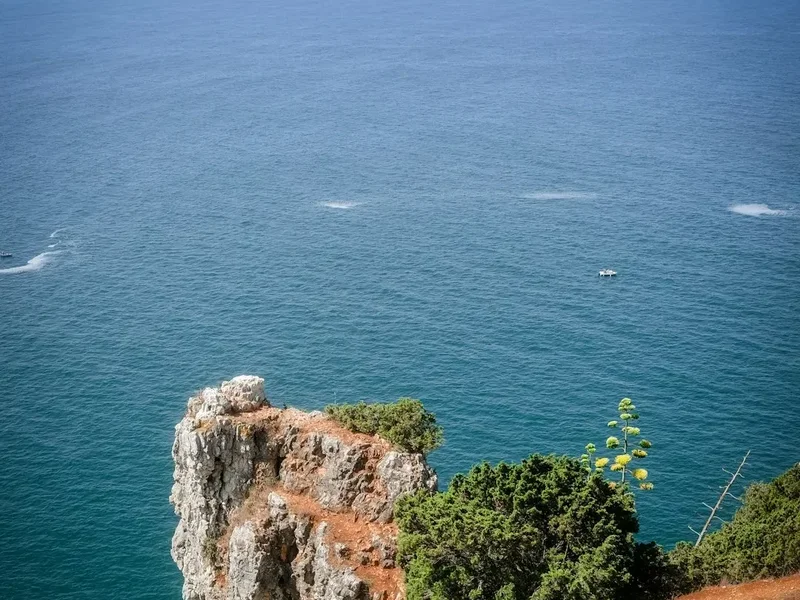
10-Day Rota Vicentina Fishermen's Trail Itinerary (São Torpes to Sagres)
Day 1: São Torpes to Porto Covo
- Distance: 16 km
- Elevation gain: 150 m
- Time: 4–5 hours
- Start at São Torpes beach, known for its fossil cliffs.
- Walk along sandy paths and coastal tracks.
- Pass through the village of Sines, with its historic castle.
- Arrive in the charming fishing village of Porto Covo.
- Enjoy fresh seafood for dinner.
Day 2: Porto Covo to Vila Nova de Milfontes
- Distance: 20 km
- Elevation gain: 200 m
- Time: 5–6 hours
- Follow the coastline, passing numerous small coves and beaches.
- Cross the Mira River estuary via a ferry or bridge (depending on season and availability).
- Arrive in Vila Nova de Milfontes, a popular seaside town.
- Explore the town and its fort.
Day 3: Vila Nova de Milfontes to Almograve
- Distance: 15 km
- Elevation gain: 180 m
- Time: 4–5 hours
- Continue south along the coast, with more dramatic cliff scenery.
- Pass by the stunning Praia da Franquia and Praia do Farol.
- Arrive in the small, picturesque village of Almograve.
- Enjoy the tranquility of this coastal settlement.
Day 4: Almograve to Zambujeira do Mar
- Distance: 12 km
- Elevation gain: 150 m
- Time: 3–4 hours
- A shorter day, allowing time to enjoy the beaches.
- Pass through the scenic Praia de Nossa Senhora.
- Arrive in Zambujeira do Mar, known for its dramatic cliffs and lively atmosphere.
- Consider a dip in the ocean.
Day 5: Zambujeira do Mar to Carvalhal
- Distance: 10 km
- Elevation gain: 120 m
- Time: 3 hours
- A relatively easy day, with beautiful coastal views.
- Pass by the iconic Cabo Sardão lighthouse.
- Arrive in the small village of Carvalhal.
- Relax and enjoy the local hospitality.
Day 6: Carvalhal to Odeceixe
- Distance: 12 km
- Elevation gain: 150 m
- Time: 3–4 hours
- Cross the border into the Algarve region.
- Pass through the stunning Praia da Amália.
- Arrive in Odeceixe, a village straddling the river and the sea.
- Enjoy the unique beach where the river meets the ocean.
Day 7: Odeceixe to Aljezur
- Distance: 18 km
- Elevation gain: 250 m
- Time: 5–6 hours
- The trail moves slightly inland in parts, offering different landscapes.
- Pass through agricultural areas and pine forests.
- Arrive in Aljezur, a historic town with a Moorish castle.
- Explore the old town and its market.
Day 8: Aljezur to Arrifana
- Distance: 15 km
- Elevation gain: 200 m
- Time: 4–5 hours
- Return to the dramatic coastline.
- Pass by the beautiful Praia da Amoreira.
- Arrive in Arrifana, a popular surfing village with a stunning bay.
- Enjoy the sunset over the ocean.
Day 9: Arrifana to Carrapateira
- Distance: 10 km
- Elevation gain: 150 m
- Time: 3–4 hours
- A shorter day, focusing on the rugged beauty of the coast.
- Pass through the dramatic cliffs of Ponta da Atalaia.
- Arrive in Carrapateira, a small village nestled between two bays.
- Explore the nearby beaches and dunes.
Day 10: Carrapateira to Sagres
- Distance: 15 km
- Elevation gain: 180 m
- Time: 4–5 hours
- The final stretch of the Fishermen's Trail.
- Pass by the impressive cliffs of Ponta do Telheiro.
- Arrive in Sagres, the southwesternmost point of mainland Europe.
- Celebrate the completion of your journey at Cabo de São Vicente.
Optional Extension to Lagos: From Sagres, you can continue on the Rota Vicentina Historical Way or take local transport to Lagos for a further 2–3 days of exploration, including the stunning beaches of Ponta da Piedade.
Important Notes:
- This itinerary is a suggestion and can be adapted based on your fitness and preferences.
- Accommodation options vary from guesthouses and B&Bs to small hotels and apartments. Booking in advance is highly recommended, especially during peak season.
- Water sources can be scarce on some sections; carry sufficient water.
- The trail can be challenging in parts, particularly on sandy terrain.
- Always check local weather conditions and tide times, especially when walking on beaches.
Planning and Bookings
Book Your Trip
Everything you need to plan your journey
Accommodation
Find places to stay near Lagos
Flights
Search flights to Lagos
Essential Preparation
The Rota Vicentina Fishermen's Trail is a multi-day hike that requires careful planning, especially regarding accommodation and logistics. While no permits are required to walk the trail, booking accommodation in advance is crucial, particularly during the popular spring and autumn seasons, as options can be limited in smaller villages. Consider your fitness level; while the trail is not technically difficult, the constant presence of sand can be physically demanding. Familiarise yourself with the route using maps and guidebooks, and ensure you have reliable navigation tools. The closest major airport is Faro (FAO), from which you can take a bus or train to Lagos or Sines, the main transport hubs for accessing the trailheads. Local buses connect many of the villages along the coast, but schedules can be infrequent, so planning your transfers between trail sections is essential. If you plan to walk the entire trail, consider arranging luggage transfer services between accommodations to lighten your load.
Trail Accommodation
Accommodation along the Rota Vicentina Fishermen's Trail varies significantly, ranging from simple guesthouses (pensões) and bed and breakfasts (alojamento local) to small hotels and apartments. Some villages also offer hostels or campsites. It is highly recommended to book your accommodation well in advance, especially if travelling during the peak seasons (spring and autumn) or if you are walking during a public holiday. The trail passes through numerous small villages and towns, each offering a selection of places to stay. Some popular overnight stops include Porto Covo, Vila Nova de Milfontes, Almograve, Zambujeira do Mar, Odeceixe, Aljezur, Arrifana, Carrapateira, and Sagres.
Booking Requirements:
- Book accommodation in advance, especially during peak seasons (March-June, September-October).
- Consider using booking platforms or contacting accommodations directly.
- Luggage transfer services are available and can be arranged through local tour operators.
Facilities Provided:
- Most accommodations offer private rooms with en-suite bathrooms.
- Breakfast is often included in the price.
- Many establishments offer Wi-Fi.
What's NOT Provided:
- No specific trail huts or shelters exist; accommodation is in established villages.
- No cooking facilities are typically provided in standard guesthouses.
Seasonal Availability: Accommodation is generally available year-round, but services may be reduced in smaller villages during the winter months (November-February). Summer (July-August) sees higher prices and fuller bookings due to domestic tourism.
Costs: Prices vary widely depending on the type of accommodation and the season. Expect to pay approximately €40-€80 per night for a double room in a guesthouse or B&B, with hotels being more expensive.
Required Gear
- Hiking Boots: Sturdy, waterproof hiking boots with good ankle support are essential. Ensure they are well broken-in to prevent blisters, especially on sandy terrain.
- Waterproof Jacket: A lightweight, breathable waterproof jacket is crucial for protection against sudden rain showers and wind.
- Backpack: A comfortable daypack (20-30 litres) is sufficient if you are using luggage transfer services. If carrying all your gear, a 40-50 litre pack is recommended. Ensure it has a rain cover.
- Navigation Tools: A detailed map of the Rota Vicentina, a compass, and a GPS device or smartphone with offline maps are highly recommended. The trail is marked, but some sections, especially sandy ones, can be confusing.
- First-Aid Kit: A comprehensive kit including blister treatment, pain relievers, antiseptic wipes, bandages, and any personal medications.
- Sun Protection: A wide-brimmed hat, sunglasses, and high-SPF sunscreen are vital, as much of the trail is exposed.
- Head Torch: Useful for early morning starts or if staying in hostels with shared facilities.
- Trekking Poles: Highly recommended, especially for navigating sandy sections and descents, as they help reduce strain on your knees and provide stability.
What to Bring
- Clothing: Lightweight, moisture-wicking hiking clothes (trousers or shorts, t-shirts). Bring layers for changing weather conditions, including a fleece or warm mid-layer.
- Footwear: Comfortable walking socks (wool or synthetic blend). Consider bringing a pair of sandals or flip-flops for evenings.
- Water Bottles/Hydration Reservoir: Carry at least 2-3 litres of water per person, as water sources can be infrequent on some stretches.
- Food and Snacks: While villages offer opportunities to resupply, carry energy-rich snacks (nuts, dried fruit, energy bars) and packed lunches for days when you might not pass through a village at lunchtime.
- Toiletries: Biodegradable soap, toothbrush, toothpaste, hand sanitiser, and any personal hygiene items.
- Insect Repellent: Especially useful during warmer months to ward off mosquitoes and other biting insects.
- Camera: To capture the stunning coastal scenery.
- Small Towel: Quick-drying travel towel.
- Cash: While credit cards are widely accepted in towns, smaller villages or remote accommodations may prefer cash.
- Book or Journal: For relaxing in the evenings.
Permits
No specific permits are required to walk the Rota Vicentina Fishermen's Trail. The trail is part of the public domain and is managed by the Rota Vicentina association in collaboration with local authorities and the Alentejo and Vicentine Coast Natural Park. However, it is essential to respect the natural environment and adhere to the principles of Leave No Trace. While no permits are needed for walking, if you plan to camp outside designated areas, you may need to check local regulations, though wild camping is generally discouraged and often prohibited within the natural park boundaries.
Key points regarding permits:
- No walking permits: You do not need to apply for or purchase any permits to walk the Fishermen's Trail.
- Respect the Natural Park: The trail traverses the Alentejo and Vicentine Coast Natural Park. Visitors are expected to respect the park's regulations, which aim to protect its unique flora, fauna, and landscapes. This includes staying on marked trails, not disturbing wildlife, and not removing any natural elements.
- Accommodation Bookings: While not permits, booking accommodation in advance is highly recommended, as mentioned in the planning section.
- Camping: Wild camping is generally not permitted within the natural park. If you wish to camp, use designated campsites where available.
The Rota Vicentina is a free-to-access trail, promoting sustainable tourism and encouraging visitors to experience the natural beauty of the region responsibly.
Other Activities in the Area
Beyond the hiking itself, the Rota Vicentina region offers a wealth of activities to enhance your experience:
- Surfing and Water Sports: The coastline is a world-renowned destination for surfing, with numerous surf schools and rental shops in villages like Arrifana, Odeceixe, and Sagres. Other water sports such as paddleboarding and kayaking are also popular.
- Beach Exploration: The trail passes by countless stunning beaches, from vast sandy expanses to hidden coves accessible only by foot. Spend time relaxing, swimming, or exploring rock pools.
- Birdwatching: The Alentejo and Vicentine Coast Natural Park is a haven for birdlife, particularly seabirds. Cabo Sardão and the cliffs around Sagres are excellent spots for observing species like storks, gulls, and various migratory birds.
- Cultural and Historical Sites: Visit the Sagres Fortress, a historic site associated with Prince Henry the Navigator, and explore the charming towns and villages along the coast, such as Sines, Vila Nova de Milfontes, and Aljezur, with their traditional architecture and local markets.
- Gastronomy: Indulge in the delicious local cuisine, which heavily features fresh seafood. Sample grilled fish, cataplanas (seafood stews), and regional Alentejo dishes. Don't forget to try the local wines and pastries.
- Dolphin Watching Tours: From Sagres or Lagos, you can embark on boat trips to spot dolphins and other marine life in the Atlantic Ocean.
- Cycling: The Rota Vicentina also includes cycling routes, offering an alternative way to explore the region's diverse landscapes.
- Stargazing: The low light pollution in many areas of the Natural Park makes it an excellent location for stargazing, especially on clear nights.
Safety and Conditions
Trail Conditions: The Fishermen's Trail is generally well-marked with red and yellow Rota Vicentina markers. However, some sections, particularly those on sandy beaches or loose scree, can be challenging and require careful navigation. The trail can be exposed to the elements, with strong winds being a common feature along the coast.
Weather: The weather on the Vicentine Coast can change rapidly. Be prepared for strong winds, especially on exposed headlands. Summers can be very hot, so adequate hydration and sun protection are essential. Winters can be wet and stormy, with potential for high seas and difficult walking conditions on beaches. Always check the local weather forecast before setting out each day.
Water: Water sources can be scarce on some stretches of the trail. It is crucial to carry sufficient water (at least 2-3 litres per person per day) and to refill whenever possible in villages or at designated points. Consider using a water filter or purification tablets as a backup.
Navigation: While the trail is marked, it is advisable to carry a detailed map and a compass or GPS device. Familiarise yourself with the route and be aware of your surroundings, especially in sandy areas where the path can be indistinct.
Tides: When walking along beaches, it is essential to be aware of tide times. Some sections may become impassable at high tide, so plan your walks accordingly. Consult local tide tables before you start your day's hike.
Wildlife: While generally not dangerous, be aware of potential encounters with wildlife. Seabirds are common, and you might see lizards or insects. In the sea, be cautious of strong currents if swimming.
Emergency Contacts: In case of emergency, the European emergency number is 112. It is advisable to have a fully charged mobile phone and to inform someone of your hiking plans and expected arrival times.
Footwear: Sturdy, broken-in hiking boots are essential. The sandy terrain can be hard on the feet, and good ankle support is beneficial for navigating uneven paths and rocky sections.
Sun Protection: The sun can be intense, especially during the summer months. Always wear a hat, sunglasses, and apply high-SPF sunscreen regularly. Seek shade during the hottest parts of the day.
Respect the Environment: Adhere to Leave No Trace principles. Stay on marked trails, do not disturb wildlife, and pack out all rubbish.
Side Trips and Points of Interest
Cabo Sardão Lighthouse: Located between Zambujeira do Mar and Carvalhal, this iconic lighthouse stands on a dramatic cliff edge. It's a fantastic spot for photography and offers breathtaking views of the coastline. Storks often nest on the cliffs nearby, a unique sight for a coastal bird.
Praia da Amoreira: A stunning beach near Aljezur where the Ribeira da Amoreira river meets the sea, creating a beautiful lagoon. The beach is backed by dunes and cliffs, offering a diverse landscape for exploration.
Ponta da Atalaia: Near Carrapateira, this headland offers spectacular panoramic views of the Atlantic and the rugged coastline. It's a great place to observe the power of the ocean and the dramatic rock formations.
Ponta do Telheiro: Located between Carrapateira and Sagres, this area features impressive sea stacks and rock formations carved by the relentless waves. It's a popular spot for sunset viewing.
Sagres Fortress: A historic fortress perched on a promontory, believed to have been a centre for maritime exploration during Portugal's Age of Discovery. It offers a glimpse into the region's rich past and provides stunning views over the Atlantic.
Cabo de São Vicente (Cape St. Vincent): The southwesternmost point of mainland Europe, often referred to as "the end of the world." This dramatic promontory features a powerful lighthouse and offers awe-inspiring views of the vast ocean. It's a historically significant site and a fitting place to conclude the Fishermen's Trail.
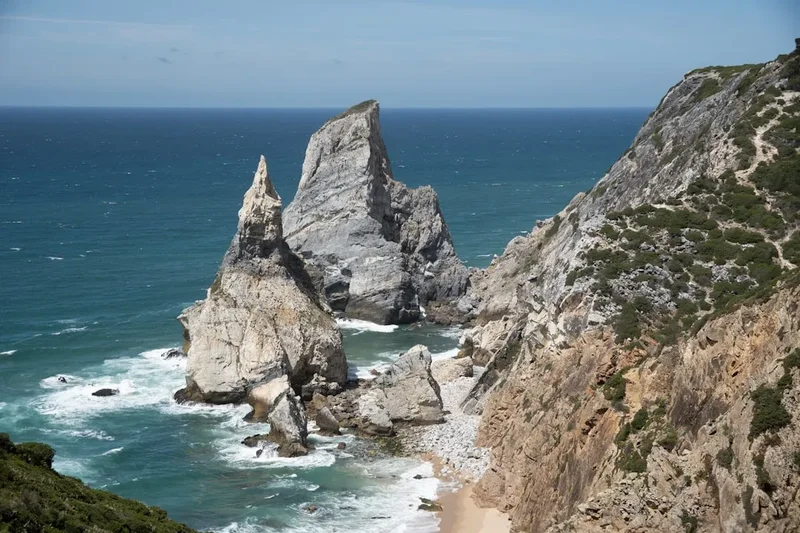
Praia da Ursa (near Cabo da Roca, if extending north): While not directly on the Fishermen's Trail, if you were to extend your journey north from São Torpes, the area around Cabo da Roca (the westernmost point of mainland Europe) offers access to stunning beaches like Praia da Ursa, known for its dramatic rock formations.
Leave No Trace
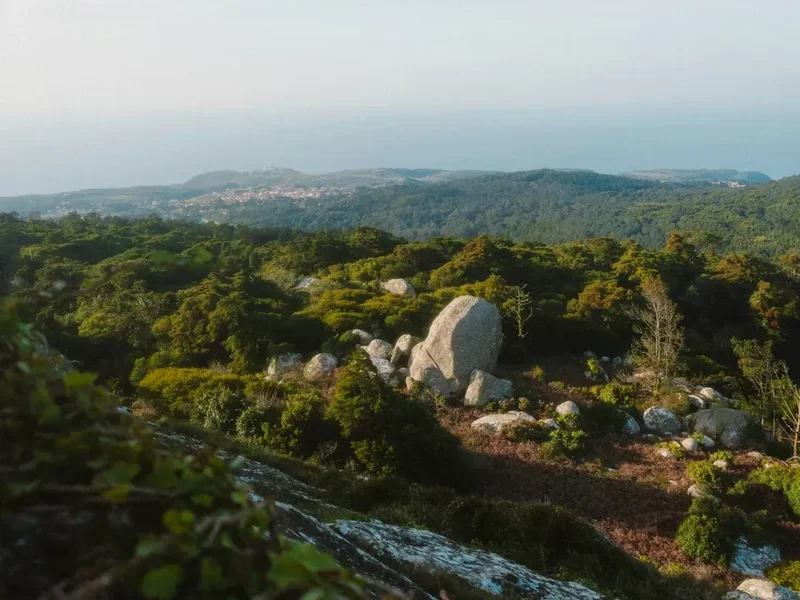
The Rota Vicentina Fishermen's Trail traverses a protected natural park and passes through sensitive coastal ecosystems. Practising Leave No Trace principles is paramount to preserving the beauty and integrity of this remarkable landscape for future generations.
Plan Ahead and Prepare: Research the trail, understand its challenges, and be prepared for varying weather conditions. Book accommodation in advance to minimise last-minute stress and ensure you have a place to stay.
Travel and Camp on Durable Surfaces: Stick to marked trails and established paths. Avoid walking on fragile vegetation, especially in dune systems or areas with sensitive coastal flora. If camping is permitted in designated areas, use existing campsites.
Dispose of Waste Properly: Pack out everything you pack in. This includes all food scraps, wrappers, and any other litter. Use designated bins in villages or carry your rubbish until you can dispose of it responsibly. Avoid burying waste, as it can be unearthed by animals or washed away.
Leave What You Find: Do not remove any natural objects, such as rocks, shells, or plants. Take only photographs and memories. Respect historical and cultural sites.
Minimise Campfire Impacts: Campfires are generally not permitted on the trail or in the natural park. If you are camping in a designated area where fires are allowed, use existing fire rings and ensure fires are completely extinguished before leaving.
Respect Wildlife: Observe wildlife from a distance and never feed animals. Feeding can alter their natural behaviour and diet, and can be harmful to their health. Be mindful of nesting birds, especially during breeding seasons.
Be Considerate of Other Visitors: Keep noise levels down, especially in natural areas and residential zones. Yield to other walkers and be courteous. If you encounter fishermen using the trails, show respect for their traditional practices.
By following these principles, you help ensure that the Rota Vicentina Fishermen's Trail remains a pristine and enjoyable experience for everyone.