
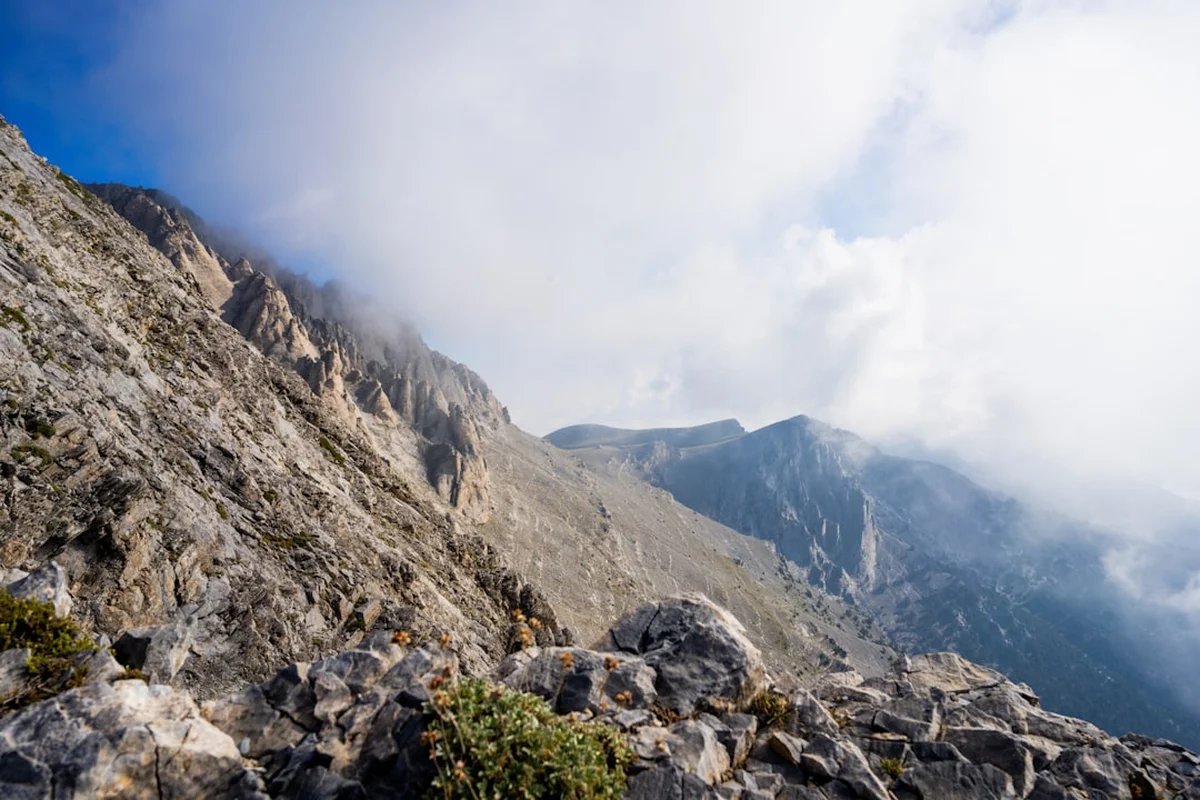
Mount Olympus Summit Trail - Ascending the Throne of Zeus
Mount Olympus is not merely the highest mountain in Greece; it is a landscape of profound mythological significance, geological drama, and ecological diversity. Rising abruptly from the shores of the Aegean Sea to a staggering height of 2,918 metres, the Olympus massif represents the ultimate challenge for hikers in the Balkans. The Summit Trail is a 21.5 km journey that transports walkers from the lush, Mediterranean forests of the lower slopes, through ancient Bosnian pine stands, and finally into a stark, alpine world of limestone towers and precipitous couloirs. This is the legendary home of the Twelve Olympian Gods, and standing upon Mytikas—the highest point—offers a perspective that feels truly divine. The route is physically demanding, requiring a total elevation gain of nearly 3,000 metres over two to three days, but the reward is an unparalleled panoramic view that stretches across the Thermaic Gulf to the peaks of Bulgaria and Albania on a clear day.
- Distance: 21.5 km (return via Prionia)
- Duration: 2–3 days
- Season: June to September (snow persists in couloirs until July)
- Accommodation: Mountain refuges (Spilios Agapitos, Giosos Apostolidis, Christos Kakkalos)
- Highest point: Mytikas Summit (2,918 m)
- Difficulty: Challenging (includes Class 3 scrambling for the final summit push)
- Trailhead: Prionia (1,100 m), accessible from Litochoro
Overview
The ascent of Mount Olympus is a rite of passage for mountaineers and trekkers worldwide. Unlike many European peaks that are part of long, continuous chains, Olympus stands as a massive, isolated sentinel. This isolation has fostered a unique microclimate and a high degree of endemism; the mountain was the first area in Greece to be designated as a National Park in 1938 and is a UNESCO Biosphere Reserve. The trail begins at Prionia, the highest point accessible by vehicle, situated at 1,100 metres. From here, the path climbs relentlessly through the Enipeas Valley, where the air is thick with the scent of Greek fir and beech trees. As you ascend, the vegetation thins, replaced by the iconic Pinus heldreichii (Bosnian pine), some of which are over a thousand years old, their twisted, silver trunks bearing witness to centuries of lightning strikes and winter gales.
The trek is typically divided into two distinct phases. The first is the hike to the high refuges, a strenuous but technically straightforward walk on well-maintained paths. The second phase is the summit push, which transforms the experience from a hike into a mountaineering adventure. To reach Mytikas, the "Throne of Zeus," hikers must navigate the "Kakoskala" (the Bad Staircase) or the "Louki" couloir. These sections involve hands-on scrambling over steep limestone. For those less inclined toward vertical exposure, the secondary peak of Skala (2,866 m) offers nearly identical views without the technical risk. The mountain is notorious for its sudden weather shifts; the "Cloud-Gatherer" Zeus was well-named, as afternoon thunderstorms can roll in with terrifying speed, turning dry limestone into a slippery hazard. Proper planning, respect for the altitude, and a keen eye on the horizon are essential for a successful summit.
Beyond the physical challenge, the Mount Olympus Summit Trail is a sensory odyssey. You will hear the distant bells of mule trains carrying supplies to the refuges, smell the wild mountain tea (Sideritis) growing in the rocky crevices, and feel the sharp drop in temperature as you cross the 2,500-metre mark. It is a journey that bridges the gap between the ancient world of myth and the modern world of outdoor adventure, providing a sense of scale and history that few other trails can match.
History and Cultural Context
In Ancient Greek mythology, Mount Olympus was the celestial dwelling of the gods, formed after the Titanomachy—the epic battle where the Olympians defeated the Titans. The peaks were considered inaccessible to mortals, with Mytikas serving as the meeting place of the gods and Stefani (the "Throne") as the seat of Zeus himself. While the lower slopes were frequented by hunters and hermits, the high summits remained shrouded in mystery and religious awe for millennia. Archaeological finds, including sacrificial remains on the nearby peak of Agios Antonios, suggest that ancient Greeks climbed high to offer tributes, though there is no record of them reaching the true technical summits.
The modern history of the mountain began in the early 20th century. Despite its fame, the highest peak remained unclimbed until 2 August 1913. The historic first ascent was achieved by a local wild-goat hunter from Litochoro, Christos Kakkalos, alongside Swiss climbers Frédéric Boissonnas and Daniel Baud-Bovy. Kakkalos, climbing barefoot and carrying the Swiss photographers' heavy equipment, led the way up the treacherous limestone of Mytikas. His legendary status is immortalised in the name of one of the mountain's primary refuges. Following this ascent, the mountain became a focal point for European alpinism, leading to the establishment of the Greek Mountaineering Club (EOS) and the construction of the first refuge, Spilios Agapitos, in 1930.
During World War II and the subsequent Greek Civil War, the rugged terrain of Olympus provided a strategic stronghold for resistance fighters. The deep gorges and hidden caves offered sanctuary, and the mountain remains a symbol of Greek national identity and resilience. Today, the cultural heritage of the mountain is preserved through the traditional architecture of Litochoro and the continued use of muleteers to supply the high-altitude huts, maintaining a link to a way of life that has vanished elsewhere in Europe. The mountain is not just a geological feature; it is a living monument to Greek history, from the bronze-age myths to the modern era of conservation.
Want more background? Read extended notes on history and cultural context → Learn more
Seasonal Highlights and Weather Reality
The climbing season on Mount Olympus is relatively short, typically spanning from early June to late September. Outside of this window, the mountain is a serious winter mountaineering proposition, requiring ice axes, crampons, and advanced avalanche knowledge. Even within the summer season, the weather is the primary factor determining success or failure.
June and July: This is the period of the "long days" and vibrant wildflowers. The lower meadows are carpeted in colour, and the springs are at their highest flow. However, significant snow patches often remain in the Louki and Kakoskala couloirs well into July. These can be dangerous without proper equipment. Hikers in early June should be prepared for soft snow and potentially blocked paths on the higher traverses. This is also the time when the "Zeus's bolts"—sudden, violent afternoon thunderstorms—are most frequent.
August: This is the most popular month for the ascent. The snow has usually melted from the technical sections, and the weather is generally more stable. However, the heat in the lower sections (from Litochoro to Prionia) can be intense, with temperatures often exceeding 30° Celsius. Starting your hike at dawn is essential to avoid the midday sun. The refuges are often at full capacity in August, making advanced booking mandatory.
September: Many experienced hikers consider September the "golden window." The crowds thin out, the air becomes crisper and clearer, and the afternoon storms are less frequent. The autumn light provides spectacular photographic opportunities, especially on the Plateau of Muses. However, the first dustings of snow can occur on the summits toward the end of the month, and the nights at the refuges become significantly colder, often dropping toward freezing.
Winter (October to May): The mountain is covered in deep snow, and the refuges are closed (though some have emergency winter rooms). Only experienced winter climbers should attempt the mountain during this time. The limestone rock, when covered in "verglas" (thin ice), becomes exceptionally treacherous.
Recommended Itinerary
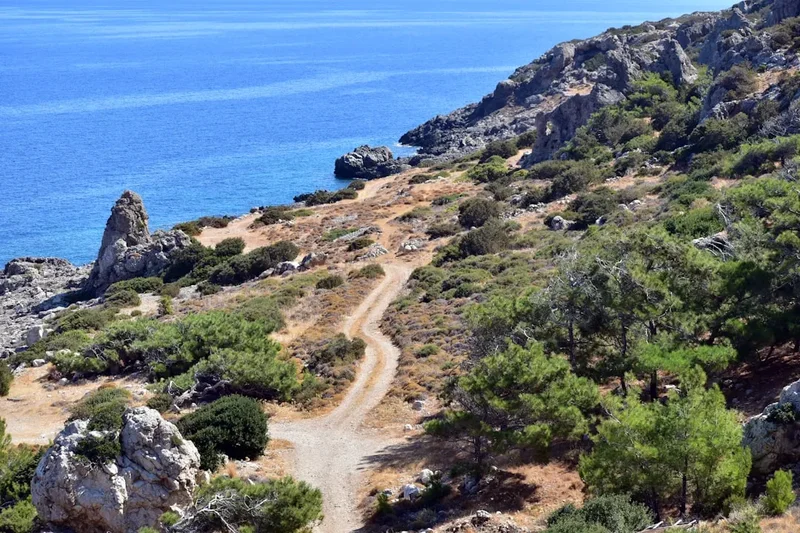
3-Day Mount Olympus Summit Itinerary
Day 1: Prionia to Spilios Agapitos (Refuge A)
- Distance: 6.5 km
- Elevation gain: 1,000 m
- Time: 3–4 hours
- Start at the Prionia trailhead (1,100 m), where there is a small café and the last reliable water source
- Follow the E4 European Long Distance Path through dense beech and fir forest
- The trail is well-marked and consists of wide zigzags, making the steep gain manageable
- Pass through the "Stavros" area and enter the zone of the ancient Bosnian pines
- Arrive at Spilios Agapitos (Refuge A) at 2,100 m, perched on a natural balcony overlooking the Enipeas Gorge
- Afternoon: Rest and acclimatise. The views of the Aegean Sea from the refuge terrace are spectacular at sunset
Day 2: Refuge A to Mytikas Summit and Plateau of Muses
- Distance: 8 km
- Elevation gain: 818 m to Mytikas, then descent to Plateau
- Time: 6–8 hours
- Early start (06:00) to reach the summit before the afternoon clouds roll in
- Climb the steep, rocky path from Refuge A to the junction at Skala (2,866 m)
- From Skala, choose your route: the Kakoskala scramble (exposed ridge) or the Louki couloir (steep gully) to reach Mytikas (2,918 m)
- Spend time on the summit of the gods, then backtrack to the Zonaria path
- Traverse beneath the towering cliffs of Stefani (the Throne of Zeus)
- Arrive at the Plateau of Muses (2,700 m) and stay at either Giosos Apostolidis or Christos Kakkalos refuge
- Visit the small chapel of Profitis Ilias, the highest chapel in the Balkans, for sunset
Day 3: Plateau of Muses to Prionia via Gortsia
- Distance: 12 km
- Elevation loss: 1,600 m
- Time: 5–6 hours
- Descend from the Plateau via the "Laimos" (The Neck), a narrow, spectacular ridge with drops on both sides
- Pass the Petrostruga Refuge (1,940 m), an ideal spot for a mid-morning coffee and break
- The trail winds through beautiful old-growth forest, offering a different perspective than the Day 1 ascent
- Continue the long descent to the Gortsia trailhead or take the connecting path back to Prionia
- Optional: If time permits, hike the final section of the Enipeas Gorge from Prionia down to Litochoro (additional 5 hours) to see the waterfalls and the Old Monastery of St. Dionysius
Important Notes:
- Helmets are strongly recommended for the Mytikas ascent due to rockfall risk from other climbers
- Water is scarce above Prionia; you must carry enough for the day or purchase bottled water at the refuges
- The scramble to Mytikas is Class 3; if you have a fear of heights, the view from Skala is nearly as good and much safer
- Mule trains have the right of way; always stand on the uphill side of the trail when they pass
Planning and Bookings
Book Your Trip
Everything you need to plan your journey
Accommodation
Find places to stay near Litochoro
Flights
Search flights to Litochoro
Essential Preparation
Mount Olympus is a serious mountain that requires a high level of physical fitness. You will be gaining 1,000 metres of elevation on the first day alone, often in warm Mediterranean temperatures. Cardiovascular training and hill walking with a weighted pack are highly recommended in the months leading up to your trip. Logistics should be centred around the town of Litochoro, which sits at the base of the mountain. Litochoro is well-connected to Thessaloniki (the nearest major airport) by train and bus. From Litochoro, you can take a taxi to the Prionia trailhead (approximately €25–€30) or hike up through the Enipeas Gorge, though this adds a full day of strenuous walking to your itinerary.
Coordination is key, especially regarding refuge bookings. During the peak months of July and August, the mountain can be very busy. It is advisable to base yourself in Litochoro for at least one night before and after the trek to allow for gear checks and to wait out any temporary weather windows. Most hotels in Litochoro are accustomed to hikers and will allow you to store your non-hiking luggage while you are on the mountain.
Trail Accommodation
The refuge system on Mount Olympus is well-organised and provides a unique social atmosphere. There are several key huts, each offering different amenities and access points.
Spilios Agapitos (Refuge A): The most popular hut, located at 2,100 m. It has 110 beds in dormitory-style rooms. It features a large dining hall, a terrace with sea views, and basic bathroom facilities. Blankets are provided, but a sleeping bag liner is mandatory. Electricity is provided by generators and solar, usually turned off at 22:00. Cost is approximately €18–€25 per night for non-members of alpine clubs.
Giosos Apostolidis and Christos Kakkalos: Located on the Plateau of Muses at 2,700 m. These are smaller and offer a more "alpine" feel. They are perfectly situated for early morning summit attempts or for exploring the Plateau. Facilities are more basic than Refuge A, and water is often more limited. Booking is essential as they fill up quickly with climbing groups.
Petrostruga Refuge: Located at 1,940 m on the Gortsia path. This is an excellent alternative for those taking the longer route up or as a stop on the descent. It is famous for its hospitality and its location among the ancient pines.
What is NOT provided: Refuges do not provide towels, toiletries, or private rooms (in most cases). There is no WiFi, and mobile signal is intermittent. Showers, if available, are cold and often incur an extra fee. You must bring your own slippers/indoor shoes as hiking boots are not permitted inside the sleeping areas.
Required Gear
- Hiking Boots: Sturdy, high-cut boots with good grip (Vibram soles recommended) for the rocky limestone terrain.
- Helmet: Essential for the Mytikas summit push to protect against rockfall in the couloirs.
- Clothing Layers: Moisture-wicking base layers, a fleece or down mid-layer, and a high-quality waterproof/windproof shell jacket.
- Backpack: A 30–40 litre pack is sufficient for a refuge-to-refuge trek. Ensure it has a rain cover.
- Navigation: A physical map of Mount Olympus (1:25,000 scale) and a GPS or offline map app (like Gaia or AllTrails).
- Headlamp: Essential for early morning starts and for navigating the refuges after the lights are turned off.
- Trekking Poles: Highly recommended to save your knees during the 1,600-metre descent.
What to Bring
- Water: At least 2–3 litres of carrying capacity. Water can be purchased at refuges, but there are no springs between Prionia and the summit.
- Food/Snacks: High-energy snacks (nuts, dried fruit, energy bars). While refuges serve hot meals (pasta, stew, soup), you will need lunch and trail snacks.
- Sleeping Bag Liner: Mandatory for hygiene in the refuge dormitories.
- Sun Protection: High SPF sunscreen, lip balm with UV protection, and polarised sunglasses. The alpine sun is intense.
- Personal First Aid: Blister plasters (Compeed), ibuprofen, rehydration salts, and any personal medications.
- Cash: Most refuges do not accept credit cards. Bring enough Euro for meals, drinks, and accommodation.
- Toiletries: Biodegradable soap, toothbrush, and a small travel towel.
Permits
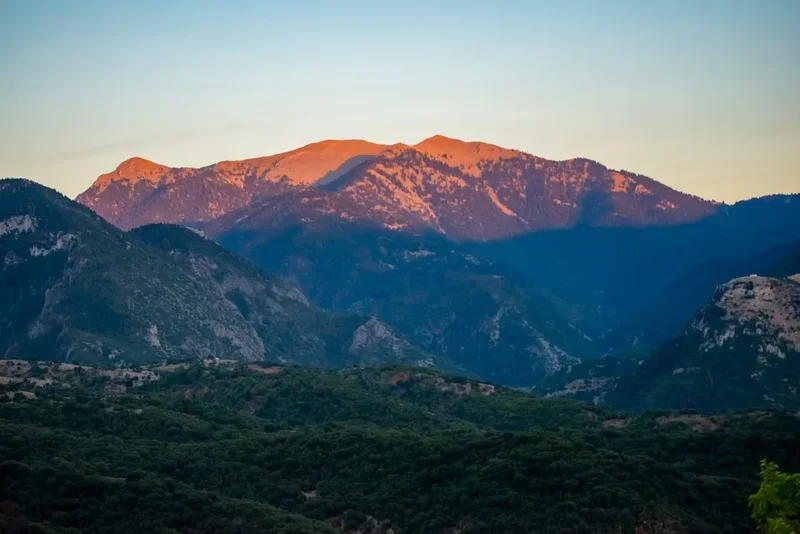
Currently, there is no formal permit system or entry fee required to hike in the Mount Olympus National Park. Access is free for all visitors. However, this does not mean the mountain is unregulated. All hikers are strongly encouraged to register their itinerary at the Information Centre in Litochoro or at the trailhead in Prionia. This is a vital safety measure in case of emergencies.
Refuge Bookings: While no trail permit is needed, your "permit" to stay on the mountain is your refuge reservation. During the peak season (July–August), you should book your beds at least 2–3 months in advance. This can be done via the official websites of the individual refuges (Spilios Agapitos, Giosos Apostolidis, etc.). You will usually receive a confirmation email which you should keep (digital or printed) to show the hut warden upon arrival.
Camping Regulations: Wild camping is strictly prohibited within the core zone of the National Park to protect the fragile ecosystem and prevent forest fires. There are designated camping areas near some of the refuges, but these also require a small fee and often need to be booked. Lighting fires is strictly forbidden throughout the park at all times of the year.
Group Limits: Large organised groups (more than 15 people) may need to notify the Park Management Body in advance to ensure that the trails and facilities can accommodate the volume of hikers without causing environmental degradation.
Other Activities in the Area
The region surrounding Mount Olympus offers a wealth of cultural and natural attractions that are perfect for post-hike recovery:
- Enipeas Gorge: If you didn't hike it on the way up, the trail from Litochoro to Prionia is a must. It features wooden bridges, crystal-clear pools (the "Bathtubs of Zeus"), and the historic Old Monastery of St. Dionysius, which was destroyed in WWII and is currently being restored.
- Archaeological Site of Dion: Located at the foot of the mountain, Dion was the sacred city of the Macedonians. You can walk through the ruins of ancient temples, theatres, and baths, many of which are partially submerged in natural springs. The onsite museum houses the famous "Hydraulis" (water organ).
- Platamon Castle: A well-preserved 13th-century Byzantine fortification located on the coast, offering commanding views of the Aegean and the mountain.
- The Beaches of Pieria: Just 15 minutes from Litochoro, the beaches of Gritsa and Variko offer the perfect place to soak sore muscles in the salt water of the Aegean.
- Mountain Biking and Canyoning: Several local operators in Litochoro offer guided canyoning trips in the lower Orlias waterfalls or mountain biking tours on the forested lower slopes of the mountain.
Safety and Conditions
The "Zeus" Factor: The most significant safety hazard on Olympus is the weather. The mountain creates its own weather systems. A clear, sunny morning in Litochoro does not guarantee safety on the summit. Afternoon thunderstorms are frequent and violent. If you hear thunder or see dark clouds gathering, descend immediately. Limestone becomes incredibly slippery when wet, and the summits are prime targets for lightning strikes.
Technical Scrambling: The final push to Mytikas via the Louki or Kakoskala is not a simple walk. It involves Class 3 scrambling with significant exposure. If you are not comfortable with heights or have no experience using your hands to climb, do not attempt it without a guide. Falling in these sections can be fatal. Always wear a helmet, as climbers above you may accidentally dislodge loose rocks.
Hydration and Heat: Heatstroke is a genuine risk on the lower sections of the trail. There is no water between the refuges. Carry more water than you think you need, and use electrolyte replacements. In the high alpine zone, the air is very dry, and you will lose fluids rapidly through respiration.
Emergency Contacts: The Hellenic Rescue Team (HRT) operates on the mountain, but response times can be long due to the terrain. In an emergency, dial 112 (the European emergency number). Ensure you have a whistle and a signal mirror in your pack. Most refuges have radio contact with the valley.
Navigation: While the E4 path is well-marked with red and white signs, the high-altitude traverses can become confusing in thick fog (the "Olympus Mist"). Always carry a compass and a map, and know how to use them. Do not follow unmarked "shortcuts," as these often lead to steep cliffs or impassable scree slopes.
Side Trips and Points of Interest
Profitis Ilias (2,803 m): Located just a short walk from the Plateau of Muses, this peak is home to the highest chapel in the Balkans. The small stone structure was built in the 16th century by Saint Dionysius. It is a place of incredible serenity and offers the best vantage point for photographing the "Throne of Zeus" (Stefani) as the sun rises.
The Plateau of Muses: This high-altitude alpine meadow is one of the most beautiful landscapes in Greece. It feels like a different world, where the grass is short and hardy, and the views extend infinitely toward the sea. It is the perfect place to spend an extra day exploring the smaller peaks like Toumba and Sini.
The Cave of Ithakisios: Located near the Gortsia trail, this cave was used as a summer studio by the famous Greek painter Vasileios Ithakisios, who dedicated much of his life to capturing the spirit of Olympus on canvas. It is a fascinating glimpse into the artistic history of the mountain.
The Old Monastery of St. Dionysius: Tucked away in the Enipeas Gorge, this site is a testament to the spiritual history of the mountain. Even in its ruined state, the atmosphere is profound. The nearby "Holy Cave" where the saint lived as a hermit is also accessible via a short side trail.
Leave No Trace
Mount Olympus is a fragile ecosystem under significant pressure from its own fame. As a hiker, you have a responsibility to minimise your impact on this sacred landscape. The National Park rules are strictly enforced, and following Leave No Trace principles is essential for the mountain's survival.
Protecting the Environment:
- Waste Management: Pack out every single piece of trash, including organic waste like orange peels or nut shells, which do not decompose quickly at high altitudes and can harm local wildlife.
- Stay on the Path: The alpine plants on the Plateau of Muses are extremely slow-growing. Stepping off the trail crushes these plants and leads to soil erosion.
- Water Protection: Do not use soap or detergents in the natural springs or troughs. These are vital water sources for the mountain's chamois (wild goats) and other fauna.
- Wildlife Respect: Mount Olympus is home to the rare Balkan Chamois. Observe them from a distance and never attempt to feed them. Feeding wildlife disrupts their natural foraging behaviour and can make them dependent on humans.
- Noise Pollution: Keep voices low and avoid using speakers. The silence of the mountain is a resource that all hikers come to enjoy.
- No Fires: The risk of forest fire is extreme in Greece. Never light a fire, and be extremely careful with camping stoves, using them only in designated areas near refuges.