
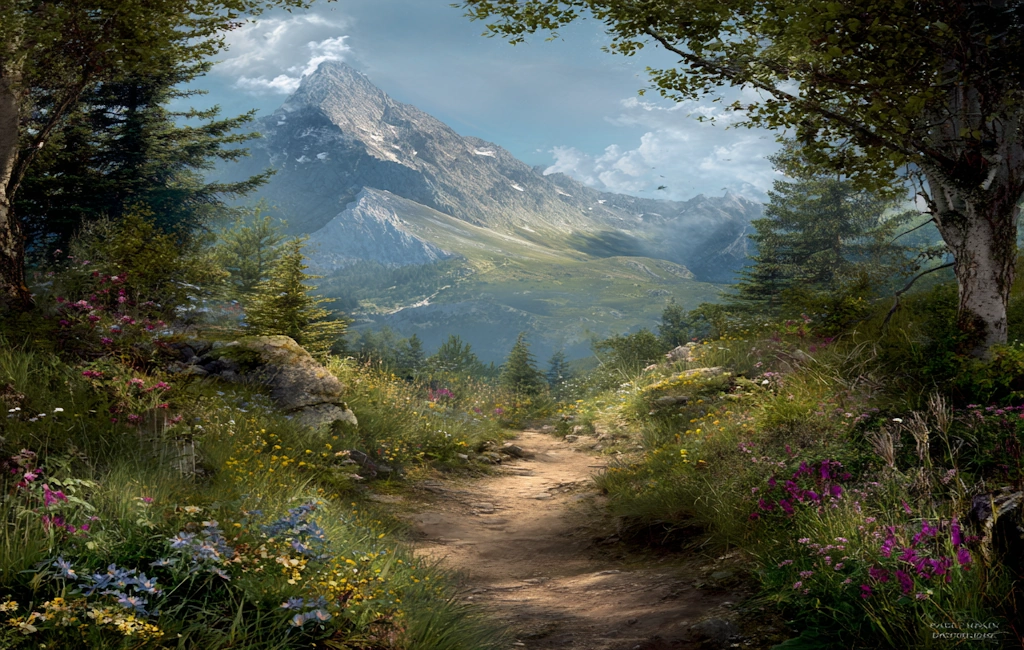
Monteverde Cloud Forest Trail - A Journey Through the Emerald Mist
The Monteverde Cloud Forest Trail is not merely a hike; it is an immersion into one of the rarest and most biodiverse ecosystems on Earth. Located along the spine of Costa Rica’s Cordillera de Tilarán, this 8.0 km network of trails traverses the Monteverde Cloud Forest Biological Reserve, a private sanctuary that protects over 10,500 hectares of primary tropical forest. Unlike the lowland rainforests that define much of Central America, the cloud forest is a high-altitude realm where the atmosphere is perpetually saturated with moisture. Here, the trade winds from the Caribbean Sea are forced upward by the mountains, cooling and condensing into a persistent shroud of mist and "bajareque" (fine rain). This unique microclimate supports an incredible density of life, including over 2,500 plant species, 100 species of mammals, and 400 species of birds, making it a pilgrimage site for naturalists, photographers, and hikers seeking a connection with a prehistoric, moss-draped wilderness.
The trail system is designed to showcase the transition between different forest types, culminating at the Continental Divide, where hikers can stand with one foot metaphorically in the Caribbean drainage and the other in the Pacific. The experience is defined by the verticality of the landscape—not just in terms of elevation gain, but in the layers of life that extend from the damp forest floor to the towering emergent trees laden with epiphytes. Walking through Monteverde is a sensory experience: the scent of damp earth and decaying organic matter, the haunting call of the Three-wattled Bellbird echoing through the canopy, and the sight of sunlight occasionally piercing the mist to illuminate the iridescent green plumage of the Resplendent Quetzal. This moderate 8.0 km loop offers a comprehensive overview of this fragile environment, providing a profound understanding of why cloud forests are often referred to as the "water towers" of the tropics.
- Distance: 8.0 km (Full Loop)
- Duration: 4–6 hours
- Difficulty: Moderate
- Elevation Gain: 300 m
- Highest Point: 1,580 m (La Ventana)
- Location: Monteverde Biological Reserve, Puntarenas, Costa Rica
- Trailhead: Reserve Entrance/Visitor Centre
Overview
The Monteverde Cloud Forest Trail offers a masterclass in tropical ecology, providing hikers with an intimate look at a landscape that exists in a state of constant, humid suspension. The 8.0 km route is typically composed of several interconnected paths, including the Sendero Bosque Nuboso, Sendero Camino, and the Sendero Wilford Guindon. The terrain is undulating, with well-maintained but often slippery paths that wind through ancient stands of oak and strangler figs. The primary challenge of the hike is not the physical exertion—though the 300 m elevation gain is noticeable in the humid air—but the sheer volume of visual information to process. Every square metre of the forest is occupied; trees are not just individual organisms but entire vertical ecosystems, supporting hundreds of species of orchids, bromeliads, ferns, and mosses that draw their nutrients directly from the passing clouds.
The highlight of the trail is undoubtedly "La Ventana" (The Window), a viewpoint situated directly on the Continental Divide. On clear days, this spot offers a dramatic vista where the lush, wind-swept forests of the Atlantic slope meet the drier, more rugged terrain of the Pacific side. However, "clear" is a relative term in Monteverde; more often than not, hikers are treated to the sight of clouds rushing over the ridge at high velocity, a physical manifestation of the orographic lift that creates this ecosystem. The moisture delivered by these clouds is the lifeblood of the region, sustaining the complex web of life that includes the endangered Golden Toad (now tragically believed to be extinct) and the iconic Resplendent Quetzal, which nests in the hollows of decaying trees during the breeding season.
Because the reserve limits the number of visitors allowed on the trails at any one time (typically around 160 people), the experience remains remarkably tranquil. The infrastructure is world-class, featuring sturdy bridges—including the famous Wilford Guindon suspension bridge—and clear signage. Despite its popularity, the forest feels vast and untamed. The silence is frequently broken by the "bonk" of the bellbird or the rustle of a Coati foraging in the leaf litter. For those who take the time to move slowly and observe the "micro-wilderness" of the mosses and insects, the Monteverde Cloud Forest Trail reveals itself as one of the most complex and rewarding day walks in the world.
History and Cultural Context
The history of the Monteverde Cloud Forest is a unique tale of international cooperation, pacifism, and early environmental foresight. In the early 1950s, a group of Quakers from Alabama, USA, sought refuge in Costa Rica, drawn by the country’s decision to abolish its army. They settled in the mountains of Monteverde, seeking a peaceful life of dairy farming. While they cleared some land for pastures, they had the remarkable foresight to preserve the high-altitude forest at the headwaters of the local rivers, recognising that the forest was essential for maintaining the water supply for their farms and the communities below. This "watershed property" became the nucleus of what would eventually become the reserve.
In the 1970s, the threat of land squatters and further agricultural expansion prompted a young scientist named George Powell and his wife Edith to advocate for more formal protection of the area. Working alongside local Quaker resident Wilford Guindon, they partnered with the Tropical Science centre (TSC), a non-profit organisation based in San José. In 1972, the Monteverde Cloud Forest Biological Reserve was officially established with an initial purchase of 328 hectares. Over the following decades, through tireless fundraising and land acquisition, the reserve expanded to its current size of over 10,500 hectares. It remains a private reserve, managed by the TSC, and serves as a global model for how private conservation can successfully protect critical habitats while supporting sustainable tourism.
The cultural significance of the land extends back further to the indigenous peoples of the region, who utilised the mountain passes for trade between the coasts. While no major archaeological sites exist within the reserve itself, the area is part of a broader cultural landscape where the relationship between humans and the "mountain of mist" has always been one of reverence. Today, the reserve is not only a sanctuary for wildlife but also a hub for scientific research, hosting thousands of researchers and students annually who study everything from climate change impacts on cloud formation to the complex pollination syndromes of tropical orchids.
Want more background? Read extended notes on history and cultural context → Learn more
Seasonal Highlights and Weather Reality
Monteverde’s weather is notoriously unpredictable, and hikers should be prepared for "four seasons in one day." The region does not follow a traditional four-season cycle but rather a "Dry Season" and a "Green Season," though in the cloud forest, "dry" is a relative term. Regardless of the time of year, the temperature remains relatively cool, typically ranging between 15°C and 22°C, making it a refreshing escape from the heat of the Costa Rican coast.
Dry Season (December to April): This is the most popular time to visit. The trade winds are at their strongest, often bringing the "bajareque" mist that defines the cloud forest experience. While there is less heavy rainfall, the forest remains damp. This is the best time for birdwatching, particularly for the Resplendent Quetzal, which is most active and visible during its breeding season (February to May). The trails are generally firmer, though the wind at the Continental Divide can be quite fierce during these months.
Green Season (May to November): During these months, the mornings are often clear and sunny, followed by heavy tropical downpours in the afternoon. The forest is at its most vibrant green, and the waterfalls within the reserve are at their most powerful. While the trails can become muddier and more slippery, there are significantly fewer visitors, offering a more solitary experience. This is also a fantastic time for seeing amphibians and fungi, which thrive in the increased humidity. October is typically the wettest month and may see temporary trail closures if conditions become unsafe.
The "Transition" Months: November and May are often considered the "sweet spots" for visiting. The weather is changing, the crowds are thinner, and the forest is in a state of flux. However, hikers must always carry a high-quality rain jacket, as a sudden deluge can occur at any moment, regardless of the forecast. The mist can also reduce visibility to a few metres, which adds to the ethereal atmosphere but requires careful navigation on the trails.
Recommended Itinerary
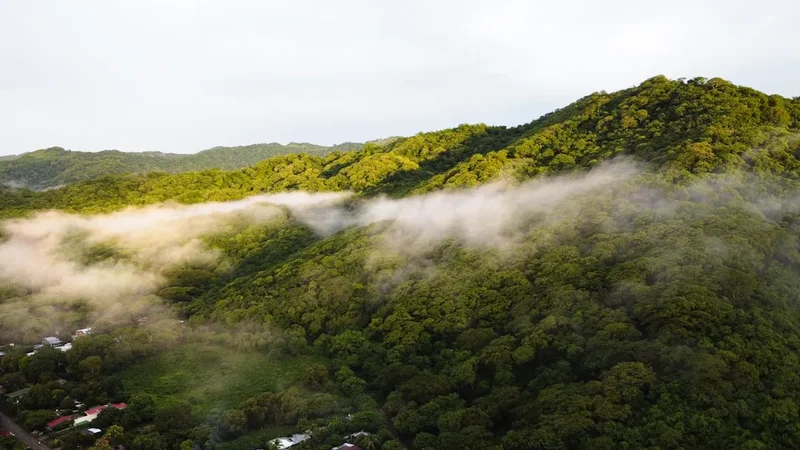
Monteverde Cloud Forest 8.0 km Loop
Segment 1: Entrance to Wilford Guindon Suspension Bridge
- Distance: 1.5 km
- Elevation gain: 80 m
- Time: 45–60 minutes
- Start at the Visitor Centre and follow the Sendero Camino (The Road Trail) initially for an easy warm-up.
- Transition onto the Sendero Wilford Guindon, named after one of the reserve's founders.
- The trail narrows as you enter primary forest, with massive trees draped in moss and epiphytes.
- Arrive at the 100-metre-long suspension bridge, which sits 30 metres above the forest floor.
- This is the best place to observe the "canopy world"—the layer of the forest where most of the biodiversity resides.
- Look for orchids and bromeliads at eye level as you cross the bridge.
Segment 2: The Bridge to La Ventana (Continental Divide)
- Distance: 2.5 km
- Elevation gain: 150 m
- Time: 1.5–2 hours
- Continue along the Sendero Bosque Nuboso (Cloud Forest Trail), the most iconic path in the reserve.
- The gradient increases steadily as you climb toward the ridge.
- The vegetation changes noticeably; trees become shorter and more gnarled due to the constant wind and moisture.
- Pass through sections of "elfin forest" where the canopy is only a few metres high.
- Reach "La Ventana," a small wooden platform on the Continental Divide.
- Experience the powerful winds and watch the clouds pour over the ridge from the Atlantic to the Pacific side.
Segment 3: La Ventana to the Waterfall (Sendero Catarata)
- Distance: 2.0 km
- Elevation: 100 m descent
- Time: 1 hour
- Descend from the ridge via the Sendero Camino, which offers a wider, more stable path.
- Take the detour onto the Sendero Catarata (Waterfall Trail).
- The trail drops down into a lush ravine where the humidity is even higher.
- Arrive at the waterfall, a modest but beautiful cascade surrounded by giant ferns and prehistoric-looking plants.
- This is a cool, shaded spot perfect for a short rest and hydration.
Segment 4: The Return Loop via Sendero Trogon
- Distance: 2.0 km
- Elevation: Mostly flat with minor undulations
- Time: 1 hour
- Follow the Sendero Trogon back toward the entrance.
- This section of the forest is known for its high concentration of wild avocado trees (Aguacatillo), the primary food source for the Resplendent Quetzal.
- Keep your binoculars ready and listen for the distinct, low-pitched whistle of the Quetzal or the metallic "clink" of the Bellbird.
- The trail passes through some of the oldest growth in the reserve, with buttressed roots that span several metres.
- Finish back at the Visitor Centre, where you can visit the Hummingbird Gallery just outside the entrance.
Important Notes:
- The reserve is open from 7:00 AM to 4:00 PM daily.
- Arriving at 7:00 AM is highly recommended to beat the crowds and see the most wildlife.
- The trails are well-marked with maps at every major intersection.
- Stay on the designated paths to avoid damaging the fragile root systems of the trees.
- Hiring a certified naturalist guide is strongly recommended for first-time visitors to help spot camouflaged wildlife.
Planning and Bookings
Book Your Trip
Everything you need to plan your journey
Accommodation
Find places to stay near Monteverde
Flights
Search flights to Monteverde
Essential Preparation
Planning a trip to the Monteverde Cloud Forest requires more than just showing up at the gate. Due to its status as a protected biological reserve, daily visitor numbers are strictly capped to prevent environmental degradation. It is now mandatory to book your entrance tickets online in advance through the official Tropical Science centre website. During the peak dry season (December to April), tickets can sell out weeks in advance, particularly for the early morning time slots.
The base for exploring the reserve is the town of Santa Elena, located about 6 kilometres from the reserve entrance. Santa Elena is a bustling mountain town with a wide range of services, including supermarkets, pharmacies, and outdoor gear shops. Most visitors stay in Santa Elena or the surrounding Monteverde area and take a shuttle, taxi, or public bus to the reserve. If you are driving, a 4x4 vehicle is highly recommended, as the roads in the Monteverde region are notoriously steep, winding, and often unpaved or riddled with potholes.
Trail Accommodation
This is a day hike requiring no overnight accommodation within the reserve itself. Camping is strictly prohibited inside the Monteverde Cloud Forest Biological Reserve to protect the sensitive ecosystem and prevent wildlife disturbance. However, the surrounding area offers a vast array of accommodation options to suit all budgets.
Nearby Options:
- Eco-Lodges: Numerous lodges are located within walking distance or a short drive of the reserve, offering immersive forest experiences. Many have their own private trail networks.
- Hotels and Hostels: Santa Elena has everything from luxury boutique hotels to budget-friendly backpacker hostels.
- Research Facilities: The Monteverde Institute and other organisations sometimes offer dormitory-style housing for students and researchers, which may occasionally be available to the public.
Facilities at the Reserve Entrance:
- A well-maintained Visitor Centre with maps and information.
- A small café serving coffee, snacks, and light meals.
- Clean restroom facilities.
- A gift shop supporting conservation efforts.
- Lockers for storing excess gear (limited availability).
Required Gear
- Hiking Boots: Waterproof boots with excellent grip are essential. The trails are often muddy, and the limestone rocks can be incredibly slippery when wet.
- Rain Jacket: A high-quality, breathable waterproof shell (Gore-Tex or similar) is non-negotiable. Even if it looks sunny, the mist can soak you in minutes.
- Layered Clothing: Moisture-wicking base layers and a lightweight fleece. Temperatures can drop significantly at the Continental Divide.
- Binoculars: Essential for spotting birds and mammals in the high canopy. 8x42 or 10x42 are ideal for the low-light conditions of the forest.
- Day Pack: A 15-25L pack with a rain cover to keep your electronics and spare clothes dry.
- Dry Bags: Use small dry bags or plastic zip-locks for your phone, camera, and passport.
What to Bring
- Water: At least 1.5–2 litres per person. There are no water refill stations once you are on the trails.
- Snacks: High-energy food like nuts, dried fruit, or energy bars. Please ensure all wrappers are packed out.
- Insect Repellent: While less buggy than the lowlands, mosquitoes and "no-see-ums" can be present, especially near the waterfall.
- Sun Protection: Even in the mist, UV levels are high at this altitude. Bring a hat and reef-safe sunscreen.
- Personal First Aid: Plasters (band-aids) for blisters, antiseptic wipes, and any personal medications.
- Camera: With a protective case. A telephoto lens is helpful for wildlife, but remember that flash photography is often discouraged or prohibited.
- Identification: A copy of your passport (or the original in a dry bag) is required for entry and for some credit card transactions.
Permits
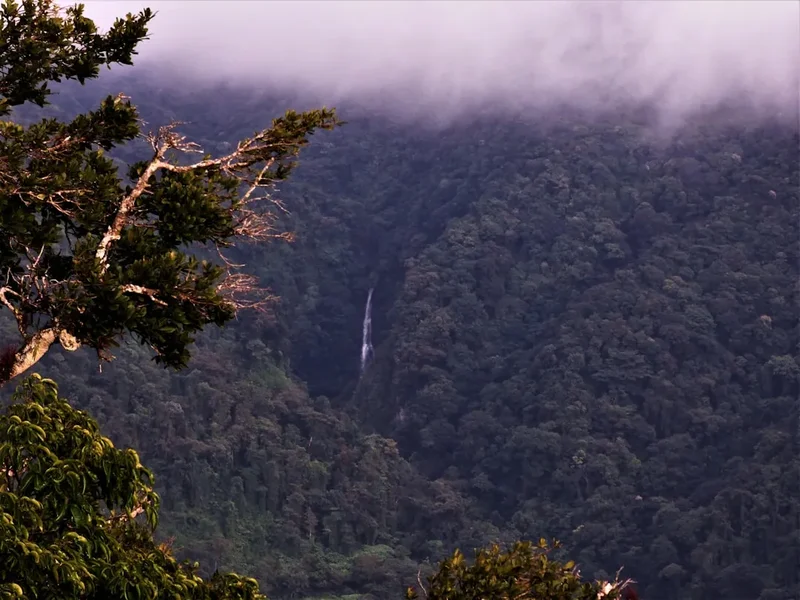
Access to the Monteverde Cloud Forest Biological Reserve is managed through a paid ticketing system. Because the reserve is privately owned and operated by the Tropical Science centre, it does not fall under the Costa Rican National Park (SINAC) pass system. You must purchase a specific permit for this reserve.
Booking Process:
- Visit the official Reserva Monteverde website to book.
- Select your date and entry time. Entry is staggered to manage the flow of hikers.
- Payment must be made online via credit or debit card.
- You will receive a digital QR code which must be presented at the entrance (either on your phone or printed).
Costs (Subject to change):
- International Adults: Approximately US$26.00
- International Students (with ID): Approximately US$13.00
- International Children (6-12): Approximately US$13.00
- Costa Rican Residents: Significant discounts apply (approx. US$9.00).
- Guided Tours: These are additional to the entrance fee and typically cost between US$20.00 and US$40.00 per person.
Important Regulations: The permit is valid for a single entry on the date and time specified. If you leave the reserve, you cannot re-enter on the same ticket. The reserve has a maximum capacity of 160 people at any given time; if you arrive without a pre-booked ticket, you may be forced to wait several hours for a slot to open, or you may be denied entry entirely during peak season.
Other Activities in the Area
The Monteverde region is the adventure capital of the Costa Rican highlands. Consider these nearby experiences to complement your hike:
- Curi-Cancha Reserve: A smaller, less crowded private reserve nearby that is often considered the best place in the region for birdwatching, particularly for Quetzals and Motmots.
- Selvatura Park Hanging Bridges: If the one bridge in the reserve wasn't enough, Selvatura offers a 3 km trail with eight different suspension bridges, providing even more canopy perspectives.
- Night Walks: Many of the cloud forest's inhabitants are nocturnal. Guided night walks in the "Wildlife Refuge" or "Children's Eternal Rainforest" offer the chance to see sloths, porcupines, tarantulas, and sleeping birds.
- Coffee and Chocolate Tours: Learn about the high-altitude coffee production that sustained the Monteverde community for decades. Most tours include tastings and a history of the local industry.
- Ziplining: Monteverde is home to some of the longest and highest ziplines in Latin America, including "Superman" style lines that fly you directly over the cloud forest canopy.
- The Hummingbird Gallery: Located just outside the reserve entrance, this café features dozens of feeders that attract several species of hummingbirds, including the Violet Sabrewing and the Coppery-headed Emerald.
Safety and Conditions
Trail Conditions: The most common safety hazard in Monteverde is the slippery terrain. The combination of constant mist, clay-heavy soil, and smooth limestone rocks creates a surface that can be treacherous. Always maintain three points of contact when navigating steep sections and use trekking poles if you have balance concerns. Be aware that "Sendero Catarata" (the Waterfall Trail) involves several sets of steep, damp stairs.
Weather Hazards: Hypothermia is a genuine risk, even in the tropics. If you get soaked by rain and the wind picks up at the Continental Divide, your body temperature can drop rapidly. Always carry your rain shell and a warm layer. Lightning is also a concern during the Green Season; if you hear thunder, descend from the exposed ridge of the Continental Divide immediately and seek shelter in the lower forest or the Visitor Centre.
Wildlife Encounters: While most animals in the reserve are shy, Costa Rica is home to several species of venomous snakes, including the Side-striped Palm Pit Viper, which can be found in the cloud forest. Always look where you are placing your hands and feet, especially when stepping over logs or leaning against trees. Do not attempt to touch or feed any wildlife. If you encounter a snake, give it a wide berth and do not provoke it.
Navigation: The trails are exceptionally well-marked, but the thick mist can be disorienting. Always carry a map (available at the entrance) and stay on the marked trails. Cell phone reception is spotty at best and non-existent in the deeper valleys. It is wise to inform your accommodation of your intended return time.
Altitude: At 1,500+ metres, the air is slightly thinner than at the coast. If you have recently arrived from sea level, you may find yourself getting out of breath more easily. Pace yourself, stay hydrated, and listen to your body.
Side Trips and Points of Interest
The Wilford Guindon Suspension Bridge: This 100-metre engineering marvel is more than just a way to cross a ravine; it is a window into the most active part of the forest. Most of the cloud forest's life happens in the canopy, where sunlight is more available. From the bridge, you can see "tank bromeliads"—plants that hold small pools of water in their leaves, creating miniature ecosystems for insects and frogs high above the ground. Take your time crossing and look both up and down.
La Ventana Viewpoint: This is the geographical climax of the hike. Standing on the wooden platform, you are on the literal edge of two worlds. The wind here is often so strong that the trees are stunted and "flagged," with branches only growing on the leeward side. On the rare occasion that the mist clears, you can see the Gulf of Nicoya in the distance to the west and the vast Caribbean lowlands to the east. Even when it's cloudy, the sensation of the mist rushing past you at high speed is unforgettable.
The Strangler Fig (Matapalo): Throughout the Sendero Trogon and Sendero Bosque Nuboso, you will see massive, hollow trees. These are the remains of host trees that were "strangled" by a Ficus species. The fig starts as an epiphyte in the canopy, sends roots down to the ground, and eventually encases the host tree. Once the host dies and rots away, a hollow, lattice-like structure remains. Some of these are large enough for a person to stand inside, though for conservation reasons, you should not climb them.
The Waterfall (Catarata): While not the largest waterfall in Costa Rica, the Monteverde waterfall is framed by an incredible array of giant Gunnera plants (often called "Poor Man's Umbrella") and tree ferns. The sound of the water provides a peaceful soundtrack to one of the quietest corners of the reserve. It is a prime spot for seeing the Slaty-backed Nightingale-Thrush, which often hops along the damp rocks near the water's edge.
Leave No Trace
The Monteverde Cloud Forest is an extremely fragile environment. The high humidity and constant moisture mean that any damage to the vegetation or soil can take years, or even decades, to heal. As a visitor, you are a guest in a sanctuary dedicated to biological preservation. Following Leave No Trace principles is essential to ensuring the forest remains healthy for future generations.
Core Principles for Monteverde:
- Stay on the Trail: This is the most important rule. Stepping off the trail compacts the soil and kills the delicate mosses and liverworts that cover the forest floor. It also disturbs the nesting sites of ground-dwelling birds and amphibians.
- Pack It In, Pack It Out: There are no rubbish bins on the trails. Every piece of litter, including "organic" waste like banana peels or apple cores, must be carried back to the Visitor Centre. Non-native food scraps can introduce diseases or alter the natural diet of wildlife.
- Respect Wildlife: Observe animals from a distance. Never use calls or recordings to attract birds, as this stresses them and can disrupt their breeding or feeding patterns. Flash photography is prohibited as it can temporarily blind nocturnal animals or startle nesting birds.
- Leave What You Find: Do not pick flowers, orchids, or ferns. Do not take rocks or seeds. Every piece of the forest plays a role in the nutrient cycle.
- Keep it Quiet: The cloud forest is a place of natural sounds. Avoid loud talking or playing music. Silence increases your chances of seeing wildlife and allows others to enjoy the serenity of the wilderness.
- No Smoking or Vaping: Fire is a significant risk, and the chemicals in tobacco and e-cigarettes are harmful to the sensitive respiratory systems of tropical birds and insects.