
Mount Athos Pilgrimage
The Mount Athos Pilgrimage is a profound spiritual journey, a walking route that traces the ancient paths trodden by monks and pilgrims for over a millennium. Located on the easternmost peninsula of Chalkidiki in northern Greece, Mount Athos (Agion Oros, "Holy Mountain") is an autonomous monastic state, a self-governing republic of monks. This is not a typical hiking trail; it is a pilgrimage, a journey of faith and contemplation through a landscape steeped in history, spirituality, and breathtaking natural beauty. The pilgrimage involves walking between the 20 historic monasteries, hermitages, and sketes that dot the mountainous terrain, often along ancient mule tracks and coastal paths. Access is strictly controlled, and the experience is reserved exclusively for men. The pilgrimage offers a unique opportunity to step back in time, to experience a way of life dedicated to prayer and asceticism, and to witness a living tradition that has endured for centuries amidst the wild, untamed scenery of the Aegean coast.
- Distance: Approximately 100 km (variable depending on monastery visits)
- Duration: 4-5 days (flexible based on individual pace and monastery stays)
- Season: Spring (April-May) and Autumn (September-October) are ideal for pleasant weather and fewer crowds. Summer can be very hot.
- Accommodation: Monastic guesthouses (limited availability, requires advance arrangement)
- Highest point: Mount Athos summit (2,033 m) - not typically part of the standard pilgrimage route
- Access: Men only. Requires a special permit (Diamonitirion).
- Closest City: Thessaloniki
Overview
The Mount Athos Pilgrimage is a journey of immense spiritual and historical significance, a walking route that connects pilgrims to a living monastic tradition spanning over 1,700 years. Unlike conventional hiking trails, the "route" is defined by the network of paths linking the 20 major monasteries and numerous smaller hermitages scattered across the rugged, mountainous peninsula. The pilgrimage typically begins in Ouranoupoli, the last town before the monastic state, where pilgrims obtain their essential permit, the Diamonitirion, and take a ferry to Dafni, the main port of Mount Athos.
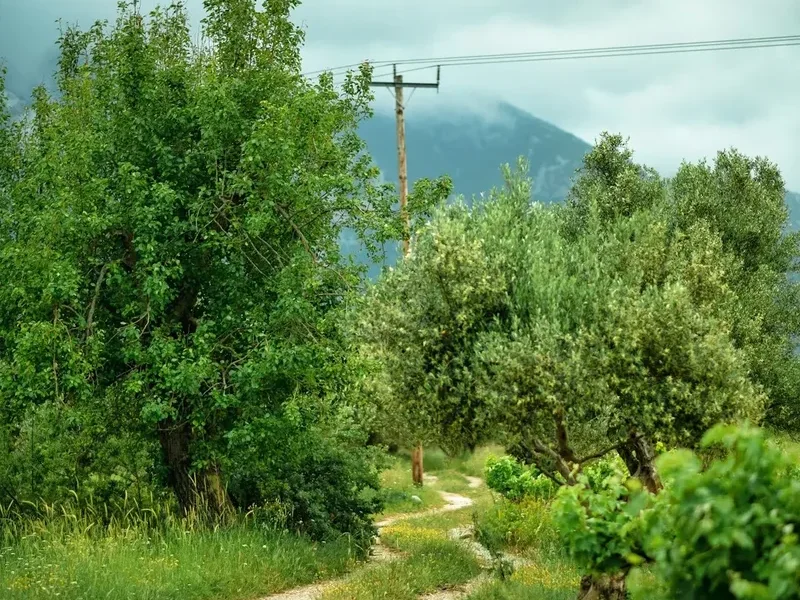
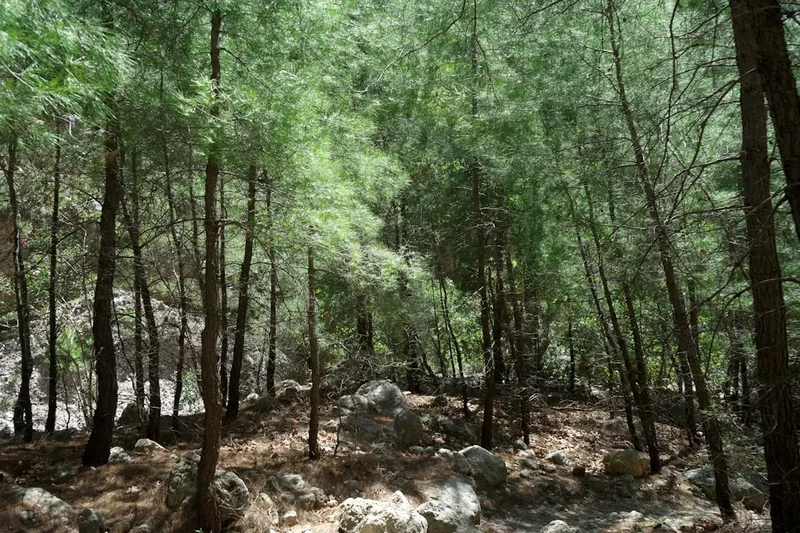
The terrain is varied and challenging. The initial stages often involve coastal paths and ascents through olive groves and pine forests. As the pilgrimage progresses northwards, the landscape becomes more mountainous, with steep climbs and descents through dense woodland, offering spectacular views of the Aegean Sea and the surrounding islands. The paths are often ancient, worn smooth by centuries of footsteps, and can be steep, rocky, and uneven, demanding good physical condition and sturdy footwear. The air is often filled with the scent of wild herbs, pine, and the sea, creating an atmosphere of profound peace and natural beauty.
The core of the pilgrimage lies in visiting the monasteries. Each monastery is a self-contained community with its own unique history, architecture, and spiritual character. Pilgrims are often welcomed into monastic guesthouses, where they share simple meals and experience the rhythm of monastic life, which includes prayer services, communal meals, and periods of quiet reflection. The journey is as much about the internal experience as it is about the physical act of walking. It is a chance to disconnect from the modern world, to engage in introspection, and to connect with a spiritual heritage that has shaped Eastern Orthodox Christianity.
The pilgrimage is not a race; it is a contemplative journey. The pace is dictated by the desire to visit monasteries, attend services, and absorb the unique atmosphere of each location. While the total distance can be around 100 km, the actual walking time each day can vary significantly depending on the chosen route and the number of monasteries visited. The experience is deeply personal, offering a rare glimpse into a world preserved from the rapid changes of the outside world, a sanctuary of faith and tradition.
History and Cultural Context
The history of Mount Athos is inextricably linked to the origins of Christian monasticism. The first organised monastic communities began to appear on the peninsula in the 4th century AD, with figures like Saint Anthony the Great influencing the early ascetics. However, the formal establishment of Mount Athos as a monastic republic is generally attributed to the 9th and 10th centuries. Saint Athanasius the Athonite, a pivotal figure, founded the Great Lavra monastery in 963 AD, laying down the foundational rules and organisational structure that would guide monastic life for centuries to come.
Throughout the Byzantine Empire, Mount Athos flourished as a major spiritual and cultural centre. It attracted monks from across the Orthodox world, becoming a repository of religious texts, icons, and art. The peninsula was granted special status by Byzantine emperors, ensuring its autonomy and protection from secular interference. This autonomy has largely been maintained through subsequent historical periods, including Ottoman rule, during which Mount Athos retained a degree of self-governance and continued to be a beacon of Orthodox spirituality.
The cultural significance of Mount Athos extends beyond its religious importance. It has preserved a unique architectural heritage, with monasteries that are often fortified complexes, designed for defence and self-sufficiency. The art and iconography found within the monasteries are of immense historical and artistic value. Furthermore, the monastic communities have maintained ancient traditions of manuscript preservation, music, and theological scholarship. The "Athonite" way of life, characterised by prayer, fasting, and manual labour, has remained remarkably consistent for centuries, offering a living link to the past.
In 1988, Mount Athos was designated a UNESCO World Heritage site, recognising its outstanding universal value as a spiritual centre and a unique cultural landscape. The pilgrimage route itself is a testament to this long history, following paths that have been used by countless generations of monks and pilgrims seeking spiritual enlightenment and connection with the divine.
Seasonal Highlights and Weather Reality
The best times to undertake the Mount Athos Pilgrimage are during the spring and autumn months. These periods offer the most favourable weather conditions for walking and exploring the monasteries.
Spring (April-May): This is a particularly beautiful time to visit. The landscape is vibrant with wildflowers, the air is fresh, and the temperatures are mild, typically ranging from 15°C to 25°C. The sea is still cool, but pleasant for short dips if the opportunity arises. The days are getting longer, providing ample daylight for walking and visiting monasteries. Easter celebrations, which often fall in spring, can add a unique spiritual dimension to the pilgrimage, though accommodation may be more difficult to secure.
Autumn (September-October): Similar to spring, autumn offers pleasant temperatures (18°C to 28°C) and clear skies. The sea is warmer than in spring, making it more inviting for swimming. The landscape takes on a golden hue as the vegetation matures, and the light is often soft and atmospheric, ideal for photography. The number of pilgrims tends to be lower than in spring, offering a more tranquil experience.
Summer (June-August): While the days are long and sunny, summer on Mount Athos can be extremely hot, with temperatures frequently exceeding 30°C, sometimes reaching 35°C or higher. Walking during the midday heat can be arduous and potentially dangerous. The sea is warm, but the heat can make strenuous walking challenging. This season also sees a higher number of visitors, meaning accommodation in monastic guesthouses can be harder to secure.
Winter (November-March): Winter on Mount Athos is generally mild but can be wet and windy. Temperatures typically range from 5°C to 15°C. Snowfall is rare at lower altitudes but can occur on the higher slopes of Mount Athos itself. While the landscape can be dramatic and the solitude profound, some monasteries may have reduced opening hours or fewer facilities available. The sea is cold, and daylight hours are shorter, requiring careful planning of walking routes.
Weather Considerations: Regardless of the season, weather can change rapidly. Coastal areas can be exposed to strong winds, and the mountainous interior can experience sudden downpours. It is always advisable to check the weather forecast before and during your pilgrimage and to be prepared for a range of conditions.
Recommended Itinerary
4-Day Mount Athos Pilgrimage Itinerary (Sample)
Day 1: Arrival in Ouranoupoli & Ferry to Dafni, Walk to Karyes
- Morning: Arrive in Ouranoupoli. Obtain your Diamonitirion (permit) from the Pilgrims' Bureau.
- Late Morning: Take the ferry from Ouranoupoli to Dafni (approx. 1 hour).
- Afternoon: From Dafni, begin the walk towards Karyes, the administrative capital of Mount Athos. This is a significant ascent through forests and scrubland.
- Distance: Approx. 15 km
- Elevation gain: Approx. 800 m
- Time: 4-6 hours
- Key Waypoints: Dafni Port, various junctions leading towards Karyes.
- Evening: Arrive in Karyes. Arrange accommodation in a monastic guesthouse (requires prior booking or arrangement upon arrival). Explore the Holy Community buildings and the Protaton Church.
Day 2: Karyes to Iviron Monastery & Great Lavra Monastery
- Morning: Depart Karyes, heading east towards the Iviron Monastery, one of the oldest and most important monasteries. The path winds through varied terrain.
- Afternoon: Continue from Iviron to the Great Lavra Monastery, the largest and oldest monastery on Mount Athos, located at the southeastern tip of the peninsula.
- Distance: Approx. 20 km
- Elevation gain: Approx. 500 m (with some descents)
- Time: 5-7 hours
- Key Waypoints: Karyes, Iviron Monastery, Great Lavra Monastery.
- Evening: Stay at Great Lavra Monastery guesthouse. Attend evening services if possible.
Day 3: Great Lavra to Vatopedi Monastery & Skete of Saint Andrew
- Morning: Walk north along the eastern coast towards Vatopedi Monastery, another major and historically significant monastery. The route offers stunning sea views.
- Afternoon: Continue towards the Skete of Saint Andrew (Agios Andreas), a large and impressive skete known for its beautiful mosaics and library.
- Distance: Approx. 25 km
- Elevation gain: Approx. 600 m
- Time: 6-8 hours
- Key Waypoints: Great Lavra, Vatopedi Monastery, Skete of Saint Andrew.
- Evening: Arrange accommodation at Vatopedi or the Skete of Saint Andrew.
Day 4: Vatopedi/Skete of Saint Andrew to Daphni & Ferry to Ouranoupoli
- Morning: Begin the walk back towards Dafni port. This route may involve traversing different paths depending on the chosen monastery for the previous night.
- Afternoon: Arrive at Dafni port in time for the ferry back to Ouranoupoli.
- Distance: Approx. 15-20 km (depending on starting point)
- Elevation gain: Variable, generally descending towards the coast.
- Time: 4-6 hours
- Key Waypoints: Vatopedi/Skete of Saint Andrew, various paths, Dafni Port.
- Late Afternoon: Ferry from Dafni to Ouranoupoli.
Important Notes:
- This is a sample itinerary; actual routes and distances can vary significantly based on monastery visits and personal preferences.
- Accommodation in monastic guesthouses is limited and must be arranged in advance, often through the Pilgrims' Bureau or directly with monasteries.
- Daily walking times are estimates and can be affected by terrain, weather, and the need to attend services or rest.
- The Diamonitirion (permit) is essential and must be obtained in Thessaloniki or Ouranoupoli before entering Mount Athos.
- Men only are permitted to enter Mount Athos.
- Respectful attire (long trousers, long-sleeved shirts) is mandatory at all times.
Planning and Bookings
Book Your Trip
Everything you need to plan your journey
Accommodation
Find places to stay near Thessaloniki
Flights
Search flights to Thessaloniki
Essential Preparation
Embarking on the Mount Athos Pilgrimage requires meticulous planning, particularly concerning permits, accommodation, and logistics. The unique nature of Mount Athos as an autonomous monastic state means that access is strictly controlled. The primary requirement for male visitors is the Diamonitirion, a special permit issued by the Pilgrims' Bureau. This permit is essential for entry and must be obtained in advance. The closest major city and transport hub is Thessaloniki. From Thessaloniki, you will need to travel to Ouranoupoli, the last town before the monastic republic, which is approximately a 2-hour drive or bus journey. Ouranoupoli is where you can finalise your permit collection and catch the ferry to Dafni, the main port of Mount Athos.
Accommodation on Mount Athos is primarily within the monasteries themselves, in designated guesthouses for pilgrims. These are not hotels; they offer basic, shared facilities and require a respectful demeanour. Booking accommodation is crucial, as spaces are limited and often filled by regular pilgrims. It is highly recommended to contact the monasteries directly or consult with the Pilgrims' Bureau in Thessaloniki or Ouranoupoli well in advance to secure your stays. The pilgrimage is physically demanding, involving significant elevation changes and walking on uneven terrain. A good level of fitness is essential, and training beforehand is strongly advised. Familiarise yourself with the dress code: long trousers and long-sleeved shirts are mandatory for men at all times.
Trail Accommodation
Accommodation on Mount Athos is exclusively within the monasteries and their associated guesthouses or sketes (smaller monastic communities). There are no hotels, hostels, or campsites available within the monastic state. Pilgrims are typically hosted in simple rooms with shared facilities. The experience is communal, with pilgrims often sharing meals with the monks and participating in evening prayers.
Monastic Guesthouses:
- Booking Requirements: Essential to book in advance. Contact monasteries directly via email or phone, or arrange through the Pilgrims' Bureau in Thessaloniki or Ouranoupoli. Availability is limited and prioritised for those on a spiritual pilgrimage.
- Facilities Provided: Basic shared rooms with beds and mattresses, communal dining areas, shared bathrooms and toilets. Simple meals (breakfast, lunch, dinner) are usually provided as part of the stay.
- What's NOT Provided: Private rooms, en-suite bathrooms, luxury amenities, electricity for charging devices (limited charging may be available in some monasteries, but not guaranteed), Wi-Fi, or personal toiletries beyond basic soap. Pilgrims must bring their own sleeping bags or sheets, towels, and personal hygiene items.
- Seasonal Availability: Monasteries are generally open year-round, but availability can be tighter during major religious festivals. Winter months may offer fewer amenities or more basic conditions.
- Costs: A small donation is customary and expected for accommodation and meals. This is not a fixed price but a voluntary contribution to support the monastic community. Expect to contribute around €10-€20 per day, though this can vary.
Note: This is a pilgrimage, not a tourist holiday. The accommodation reflects a monastic lifestyle, prioritising simplicity and spiritual focus.
Required Gear
- Sturdy walking boots: Waterproof, well broken-in, with good ankle support for uneven and steep terrain.
- Comfortable walking socks: Several pairs, preferably wool or synthetic to wick moisture.
- Waterproof and windproof jacket: Essential for protection against rain and wind, especially at higher elevations.
- Warm layers: Fleece or wool mid-layers, thermal base layers. Temperatures can drop significantly, especially in the evenings or at higher altitudes.
- Long trousers: Mandatory for men at all times within Mount Athos. Choose durable, comfortable materials suitable for walking.
- Long-sleeved shirts: Also mandatory. Lightweight, breathable fabrics are ideal for daytime.
- Hat: For sun protection during the day and warmth in cooler temperatures.
- Backpack: A comfortable daypack (20-30 litres) for carrying essentials during daily walks.
- Sleeping bag or sleeping liner: For use in monastic guesthouses.
- Towel: Lightweight and quick-drying.
- Headlamp or torch: With spare batteries, as lighting in monasteries can be limited.
- Basic first-aid kit: Including plasters, antiseptic wipes, pain relievers, and any personal medications.
- Sandfly repellent: While not as prevalent as in New Zealand, biting insects can be present, especially near water.
What to Bring
- Food and snacks: While meals are provided in monasteries, carry energy bars, nuts, dried fruit, or other snacks for during your walks between locations.
- Water bottles or hydration reservoir: Capacity for at least 2 litres per person. Water sources are available but should be treated or filtered if unsure.
- Water purification method: Filter or purification tablets as a backup.
- Toiletries: Biodegradable soap, toothbrush, toothpaste, hand sanitiser, any personal hygiene items.
- Sunscreen: High SPF, as the sun can be intense, especially at higher elevations.
- Sunglasses: For eye protection.
- Camera and spare batteries/memory cards: To capture the unique scenery and monastic life.
- Notebook and pen: For journaling or taking notes.
- Small amount of cash: For donations, small purchases in Dafni, or unexpected needs. Euros are the currency.
- Book or reading material: For quiet reflection or downtime.
- Plastic bags: For carrying out any rubbish.
- Charger for electronic devices: If you plan to bring a phone or camera, though charging facilities are scarce.
Permits
Entry to Mount Athos is strictly controlled and requires a special permit known as a Diamonitirion (Διαμονητήριον). This permit is essentially a visa for the monastic state and is issued to male pilgrims who wish to visit the monasteries. The process for obtaining a Diamonitirion is specific and requires advance planning.
Types of Diamonitirion:
- Pilgrim's Diamonitirion (Προσκυνητική Διαμονητήριον): This is the standard permit for short-term visits, typically lasting up to four days. It allows access to the monasteries and the ability to stay in monastic guesthouses.
- Working Diamonitirion (Εργατική Διαμονητήριον): This permit is for individuals who intend to work or stay for extended periods, often for specific projects or to assist in monastic tasks. It is more difficult to obtain and requires sponsorship from a monastery.
How to Obtain a Diamonitirion:
- Contact the Pilgrims' Bureau: The primary point of contact is the Pilgrims' Bureau (Γραφείο Προσκυνητών) in Thessaloniki or Ouranoupoli. It is highly recommended to contact them well in advance of your planned visit, ideally several weeks or even months ahead, especially if you plan to visit during peak religious holidays.
- Provide Necessary Information: You will need to provide your full name, passport details, intended dates of visit, and the names of the monasteries you wish to visit or stay in.
- Proof of Identity: A valid passport is required.
- Dress Code: You may be asked to confirm your understanding and adherence to the strict dress code (long trousers and long-sleeved shirts for men).
- Collection: The Diamonitirion is typically collected in person from the Pilgrims' Bureau in Thessaloniki or Ouranoupoli. You will need to present your passport.
Important Considerations:
- Men Only: Mount Athos is exclusively for men. Women are not permitted to enter the monastic state.
- Advance Booking: It is crucial to apply for your Diamonitirion well in advance. The number of permits issued daily is limited.
- Cost: There is a small fee for the Diamonitirion, which is subject to change but is generally around €25-€30.
- Ferry Tickets: The Diamonitirion does not include ferry tickets to Dafni. These must be purchased separately in Ouranoupoli.
- Respectful Conduct: Adherence to the monastic rules and customs is mandatory. This includes the dress code, maintaining silence in certain areas, and respecting the spiritual nature of the place.
Other Activities in the Area
While the primary focus of a visit to Mount Athos is the pilgrimage itself, the surrounding region of Chalkidiki offers a wealth of other activities and attractions for those arriving before or departing after their monastic journey.
- Explore Ouranoupoli: This charming coastal town serves as the gateway to Mount Athos. It boasts a beautiful sandy beach, a medieval tower (the Tower of Prosforion), and a selection of tavernas and shops. It's a pleasant place to relax and prepare for or reflect on your pilgrimage.
- Boat Trips around Mount Athos: Even if you are not entering the monastic state, you can take boat tours from Ouranoupoli that circumnavigate the Athos peninsula. These trips offer stunning views of the monasteries from the sea, allowing you to appreciate their dramatic cliffside locations and imposing architecture without needing a Diamonitirion. Seals and dolphins are often spotted on these excursions.
- Visit the Monasteries of Chalkidiki: While Mount Athos is the spiritual heart, the wider Chalkidiki region also has several Christian monasteries and churches that are accessible to all visitors. These offer a glimpse into the region's rich religious heritage.
- Relax on the Beaches of Chalkidiki: Chalkidiki is renowned for its pristine beaches, particularly on the Sithonia and Kassandra peninsulas. From secluded coves to long stretches of golden sand, there are options for every preference.
- Explore Traditional Villages: Discover the picturesque villages scattered throughout Chalkidiki, such as Arnaia, with its traditional architecture and local crafts, or Nikiti, with its charming old town.
- Hiking and Nature in Sithonia: The Sithonia peninsula offers beautiful natural landscapes for hiking, with pine forests reaching down to the sea, offering opportunities for exploration away from the coast.
- Archaeological Sites: The region has historical significance, with sites like Stagira (birthplace of Aristotle) offering a glimpse into ancient history.
Safety and Conditions
Pre-Departure Checks:
- Diamonitirion: Ensure your permit is secured well in advance. Without it, entry is impossible.
- Monastery Bookings: Confirm all your accommodation bookings within the monasteries. Spaces are limited, and last-minute arrangements can be difficult.
- Ferry Schedule: Check the ferry schedule from Ouranoupoli to Dafni, as services can be affected by weather or seasonal changes.
- Weather Forecast: Monitor the weather forecast for Chalkidiki and Mount Athos. Conditions can change rapidly, especially at higher elevations.
- Physical Fitness: Assess your fitness level. The pilgrimage involves significant walking on uneven, steep terrain.
On Mount Athos:
- Terrain: Paths can be steep, rocky, and uneven. Sturdy walking boots are essential. Be mindful of loose stones and slippery surfaces, especially after rain.
- Weather: While generally mild, weather can be unpredictable. Be prepared for sun, wind, and rain. Carry appropriate layers and waterproofs.
- Hydration: Carry sufficient water. While water is available in monasteries, it's wise to have a supply for walking between them. Consider a water filter or purification tablets.
- Respectful Conduct: Adhere strictly to the dress code (long trousers and long sleeves for men). Maintain a quiet and respectful demeanour, especially during services. Photography may be restricted in certain areas.
- Monastic Rules: Follow the rules of each monastery regarding visiting hours, prayer times, and general conduct.
- Limited Facilities: Be prepared for basic accommodation and limited access to electricity for charging devices.
- Emergency Contact: While mobile phone signal can be intermittent, carry a fully charged phone. Know the emergency numbers for the local authorities if needed, though immediate assistance may be delayed due to the remote nature of some locations.
- Health: Carry a basic first-aid kit and any personal medications. Inform your hosts of any medical conditions.
Travel Insurance: It is highly recommended to have travel insurance that covers medical emergencies and potential trip disruptions, although coverage for specific activities within Mount Athos may vary.
Side Trips and Points of Interest
The Summit of Mount Athos (2,033 m): While not part of the standard pilgrimage route for most visitors, the ascent to the summit of Mount Athos is a challenging but rewarding undertaking for experienced mountaineers. It typically requires an additional day or two, special permission from the Karyes administration, and is best attempted during the summer months when conditions are most favourable. The views from the summit are said to be spectacular, offering panoramic vistas across the Aegean Sea and the surrounding islands.
Sketes and Hermitages: Beyond the 20 major monasteries, Mount Athos is dotted with numerous sketes (communities of monks living under a common rule but often in separate cells) and individual hermitages. Visiting these smaller, often more remote, settlements can offer a deeper insight into the ascetic traditions of the Holy Mountain. Some sketes, like the Skete of Saint Andrew near Karyes, are significant in their own right and are often included in pilgrimage itineraries.
The Protaton Church in Karyes: As the administrative centre of Mount Athos, Karyes houses the Protaton, the main church of the Holy Community. This historic church contains magnificent frescoes and the revered icon of Axion Esti ("It is truly meet"). Visiting the Protaton is a significant spiritual experience and a highlight of any pilgrimage.
Monastery Libraries and Museums: Many monasteries house invaluable collections of religious artefacts, historical manuscripts, icons, and relics. While access to these may be restricted, some monasteries offer guided tours or have small museums where visitors can view these treasures. The Great Lavra and Vatopedi are particularly renowned for their collections.
The Coastal Paths: The routes between monasteries often follow ancient coastal paths, offering breathtaking views of the Aegean Sea. These paths can be rugged and exposed, but they provide a unique perspective on the dramatic landscape and the isolation of the monastic settlements.
Leave No Trace
The principles of Leave No Trace are paramount when undertaking a pilgrimage to Mount Athos, a place of profound spiritual significance and natural beauty that has been preserved for centuries. The monastic communities and the natural environment are interconnected, and visitors have a responsibility to tread lightly and respectfully.
Respect the Sacred Environment:
- Adhere to the Dress Code: Always wear long trousers and long-sleeved shirts. This is not just a rule but a sign of respect for the monastic way of life and the sacred nature of the place.
- Maintain Silence and Reverence: Speak softly, especially within monastery grounds and during services. Avoid loud conversations or disruptive behaviour.
- Photography Restrictions: Be mindful of where photography is permitted. Many monasteries prohibit photography inside churches and certain areas to preserve the sanctity and privacy of the monastic life. Always ask permission before taking photos of monks.
- No Smoking: Smoking is generally prohibited within monastery grounds and often in designated areas.
Pack It In, Pack It Out:
- Carry Out All Rubbish: There are very limited waste disposal facilities within Mount Athos. You must carry out all your rubbish, including food wrappers, plastic bottles, and any other waste, back to Ouranoupoli.
- Use Designated Facilities: Utilise the toilets and waste disposal systems provided within the monasteries. Do not leave any waste behind.
Stay on Marked Paths:
- Protect Vegetation: The paths are ancient and well-trodden. Stick to them to avoid damaging fragile vegetation and to prevent erosion.
- Respect Wildlife: Observe wildlife from a distance and do not feed any animals.
Be Considerate of Others:
- Share Facilities: Accommodation and dining are communal. Be considerate of your fellow pilgrims and monks.
- Respect Monastic Schedules: Be aware of and respect the prayer times and daily routines of the monks.
Your pilgrimage is an opportunity to connect with a unique spiritual heritage. By practising Leave No Trace principles, you help preserve this invaluable place for future generations of pilgrims and for the monastic communities who call it home.