
Heaphy Track - New Zealand's Most Diverse Great Walk
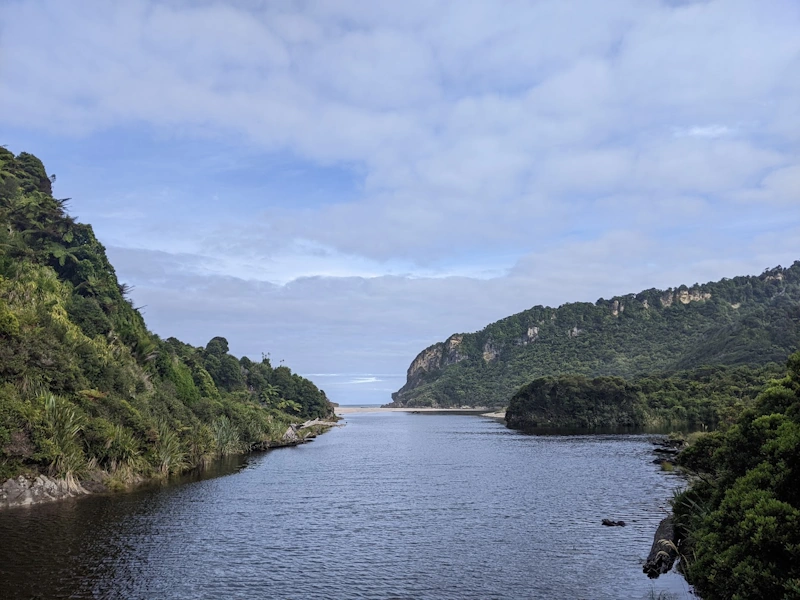
The Heaphy Track is the longest of New Zealand's Great Walks, stretching 78.4 kilometres across the diverse landscapes of Kahurangi National Park. Located at the northwestern tip of the South Island, this ancient trail connects the lush, golden valleys of Golden Bay with the wild, salt-sprayed coastline of the West Coast. Unlike many other Great Walks that focus on a single landscape type, the Heaphy is a journey of constant transformation. Over the course of four to six days, walkers traverse through ancient podocarp and beech forests, across expansive sub-alpine tussock downs, and finally through groves of prehistoric nikau palms that fringe the roaring Tasman Sea. It is a landscape of immense geological variety, where the ground beneath your feet shifts from granite and marble to limestone and sandstone, reflecting a history spanning hundreds of millions of years.
The track follows a route used for centuries by Māori to transport pounamu (greenstone) from the West Coast to the east. Today, it remains a sanctuary for some of New Zealand's most iconic and endangered wildlife, including the great spotted kiwi (roroa), the carnivorous Powelliphanta snail, and the rare takahe. Because the track is open year-round and features a relatively gentle gradient compared to the alpine passes of the southern Great Walks, it is accessible to a wide range of fitness levels. However, its length and the remoteness of the Kahurangi wilderness demand thorough preparation and respect for the ever-changing weather conditions of the South Island's northern ranges.
- Distance: 78.4 km one-way
- Duration: 4–6 days
- Season: Open year-round (Mountain biking permitted from 1 May to 30 November)
- Huts: 7 Department of Conservation huts (Brown, Perry Saddle, Gouland Downs, Saxon, James Mackay, Lewis, Heaphy)
- Highest point: Perry Saddle (915 m)
- Difficulty: Moderate (long distances but well-graded)
- Direction: Can be walked in either direction (Brown Hut to Kohaihai or vice versa)
Overview
The Heaphy Track is often described as a "botanical journey through time." Its primary appeal lies in the sheer variety of ecosystems it traverses. Starting from the Aorere Valley in Golden Bay, the track climbs steadily through lush beech forest, where the air is thick with the scent of damp earth and moss. As you reach the higher elevations of Perry Saddle, the forest gives way to the Gouland Downs—a vast, undulating landscape of tussock grass, limestone outcrops, and "enchanted" patches of beech forest. This sub-alpine plateau feels like a world unto itself, often shrouded in mist that adds a prehistoric atmosphere to the journey. The downs are home to the largest population of great spotted kiwi in the country, and the haunting call of these nocturnal birds is a frequent soundtrack to nights spent in the remote huts.
As the track begins its long descent toward the West Coast, the vegetation undergoes a dramatic shift. The beech trees are replaced by podocarps like rimu and kahikatea, and eventually, the first nikau palms appear. By the time you reach the mouth of the Heaphy River, you are in a true coastal rainforest. The final section of the track is a spectacular coastal walk, winding along sandy beaches and rocky headlands, with the turquoise waters of the Tasman Sea crashing against the shore. The sight of nikau palms leaning over the surf is one of the most iconic images of the New Zealand wilderness.
Logistically, the Heaphy Track presents a unique challenge: the two trailheads (Brown Hut and Kohaihai) are separated by a massive mountain range. While the walk is 78.4 kilometres, the drive between the two ends is approximately 450 kilometres and takes about seven hours. This necessitates careful planning regarding transport, whether through shuttle services, car relocations, or even scenic flights. Despite this hurdle, the Heaphy remains a favourite for those seeking a sense of true wilderness and a deep connection with New Zealand's natural heritage. It is a track that rewards patience and observation, offering a different perspective with every kilometre travelled.
History and Cultural Context
The history of the Heaphy Track is a rich tapestry of Māori exploration, European surveying, and early colonial ambition. For centuries, the route was known to Māori as a vital link in the pounamu (greenstone) trade. Ngāi Tahu and other iwi (tribes) used the trail to transport the precious stone from the West Coast rivers to the settlements of the east and north. The track was not merely a physical path but a cultural artery, steeped in stories and significance. Evidence of Māori occupation, including stone tools and middens, has been found at the mouth of the Heaphy River, indicating that this coastal area has been a site of human activity for hundreds of years.
The first recorded European exploration of the area took place in 1846, when Thomas Brunner and Charles Heaphy, guided by Kehu (a skilled Māori guide), travelled along the West Coast. Heaphy, a surveyor and artist, was struck by the beauty of the region, though the party suffered immense hardships during their journey. It wasn't until the 1860s, during the gold rush era, that the route was formally surveyed as a potential road. James Mackay, a government official, and John Lewis were instrumental in exploring the inland sections, including the downs that now bear Mackay's name. The goal was to create a reliable overland connection between the goldfields of the West Coast and the settled areas of Nelson and Golden Bay.
While the ambitious plans for a dray road never fully materialised, the route remained in use by prospectors, surveyors, and early adventurers. In the early 20th century, the track began to gain recognition as a recreational route. The establishment of Kahurangi National Park in 1996 further cemented the track's status as a protected wilderness area. Today, the track is managed by the Department of Conservation as one of the Great Walks, ensuring that its historical and natural values are preserved for future generations. Walking the Heaphy is, in many ways, walking in the footsteps of those early explorers, feeling the same sense of awe at the scale and diversity of the New Zealand backcountry.
Want more background? Read extended notes on history and cultural context → Learn more
Seasonal Highlights and Weather Reality
The Heaphy Track is unique among the Great Walks because it is open and walkable throughout the year. However, the experience varies significantly depending on the season. Because the track spans from sea level to nearly 1,000 metres, walkers must be prepared for a wide range of temperatures and weather conditions regardless of when they visit.
Summer (December to February): This is the most popular time to walk the track. The days are long, and the weather is generally more stable. The coastal sections are stunning in the summer sun, and the sub-alpine downs offer a cool reprieve from the heat of the lowlands. However, this is also the peak season for sandflies, particularly on the West Coast end. Huts book out months in advance during this period.
Autumn (March to May): Many experienced trampers consider autumn the best time for the Heaphy. The air is crisp and clear, the summer crowds have thinned, and the sandflies are less aggressive. The forest colours are vibrant, and the stable weather often provides the best views from the James Mackay and Perry Saddle lookouts. From 1 May, the track also opens to mountain bikers, adding a different energy to the trail.
Winter (June to August): Winter on the Heaphy is a serene and quiet experience. While the higher sections around Perry Saddle and Gouland Downs can experience frost and occasional snow, the coastal sections remain relatively mild. The huts are equipped with wood burners, making for cosy evenings. Winter walkers need to be prepared for shorter daylight hours and the possibility of heavy rain, which can make river crossings more challenging and the track muddier.
Spring (September to November): Spring brings a burst of new growth to the rainforest and the flowering of alpine plants on the downs. The birdlife is particularly active during this time. However, spring is also the wettest season in Kahurangi National Park. Frequent storms can roll in from the Tasman Sea, bringing heavy rain and high winds. Walkers must be vigilant about river levels and track conditions during this transitional period.
Recommended Itinerary
5-Day Heaphy Track Itinerary (East to West)
Day 1: Brown Hut to Perry Saddle Hut
- Distance: 17.5 km
- Elevation gain: 800 m
- Time: 5–6 hours
- Start at Brown Hut in the Aorere Valley (Golden Bay)
- Steady climb through lush beech forest on a well-graded track
- Pass the Aorere Shelter, a good spot for a mid-morning break
- Enjoy views of the Aorere Valley and, on clear days, Mt Ruapehu in the North Island
- Arrive at Perry Saddle Hut (28 bunks), the highest point on the track at 915 m
- Take a short walk to the nearby Flinders Lookout for panoramic views
- The hut features a wood burner and a nearby stream for water
Day 2: Perry Saddle Hut to James Mackay Hut
- Distance: 24.2 km
- Elevation: Minimal gain, mostly undulating downs
- Time: 6–8 hours
- Cross the expansive Gouland Downs, a sub-alpine plateau of tussock and limestone
- Pass the historic Gouland Downs Hut, the oldest on the track (8 bunks)
- Look for the "Big River" and the "Enchanted Forest" sections
- Cross the Saxon River via a swing bridge
- Pass Saxon Hut (20 bunks), a common alternative stopping point for a 6-day itinerary
- Continue across the Mackay Downs with wide-open views
- Arrive at James Mackay Hut (28 bunks), which offers spectacular views down to the Heaphy River mouth and the Tasman Sea
Day 3: James Mackay Hut to Lewis Hut
- Distance: 12.5 km
- Elevation: 750 m descent
- Time: 3.5–4.5 hours
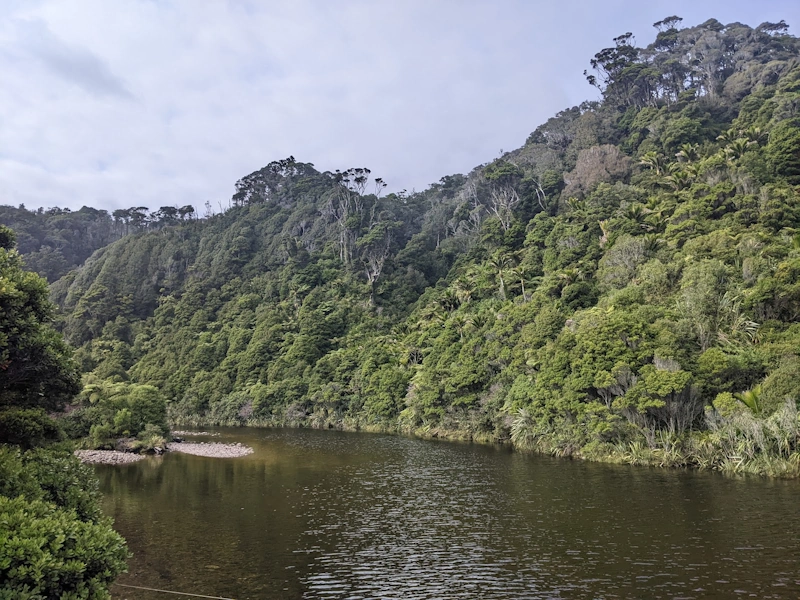
- A steady descent from the sub-alpine downs into the lush rainforest of the Heaphy Valley
- The vegetation changes dramatically from stunted beech to towering podocarps
- The track winds through ancient forest draped in moss and ferns
- Arrive at Lewis Hut (20 bunks), located at the junction of the Lewis and Heaphy Rivers
- This is a shorter day, allowing time to relax by the river or explore the surrounding forest
- Note: Sandflies become more prevalent as you descend toward the coast
Day 4: Lewis Hut to Heaphy Hut
- Distance: 8 km
- Elevation: Minimal
- Time: 2–3 hours
- Follow the Heaphy River downstream through a magnificent forest of nikau palms and giant rata
- The track is flat and easy, following the river's edge
- Cross several impressive swing bridges over the river's tributaries
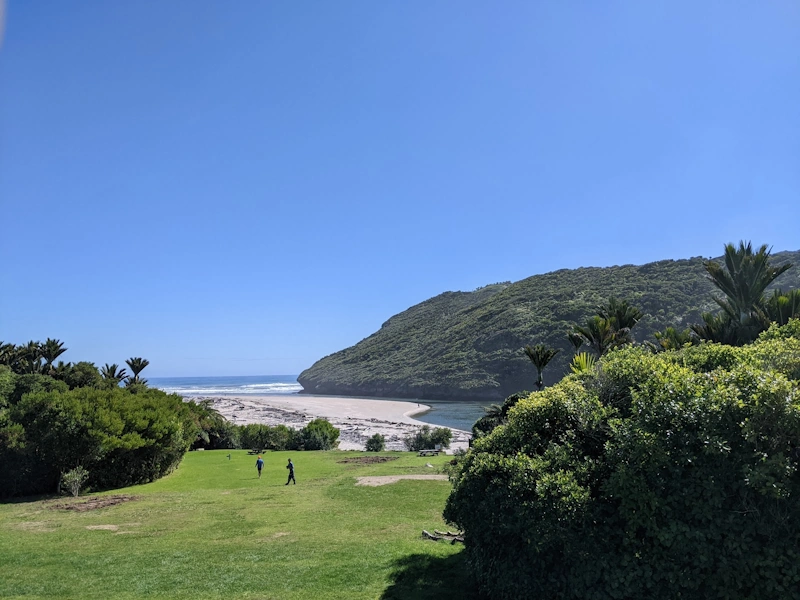
- Arrive at Heaphy Hut (28 bunks), situated in a stunning location where the river meets the sea
- Explore the lagoon and the wild West Coast beach
- Watch the sunset over the Tasman Sea—one of the highlights of the entire track
Day 5: Heaphy Hut to Kohaihai
- Distance: 16.2 km
- Elevation: Minimal, coastal undulations
- Time: 4–5 hours
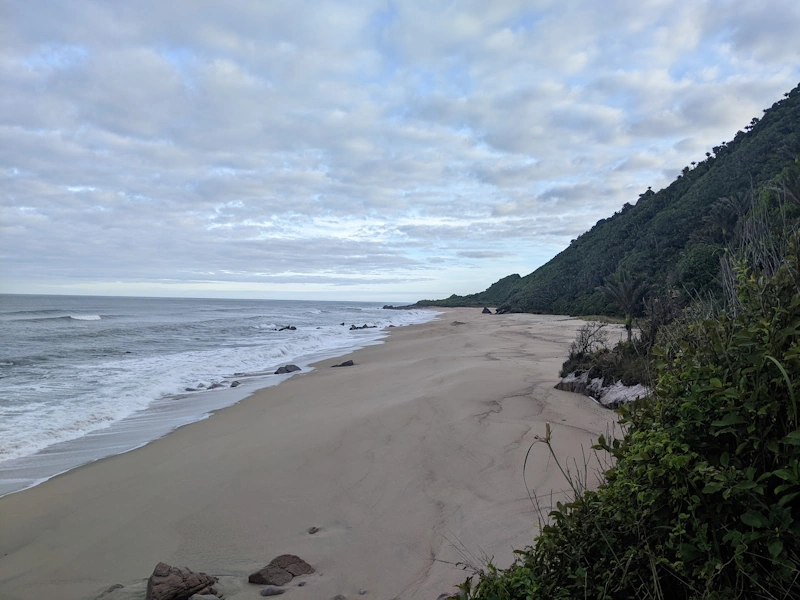
- The final leg follows the coastline through groves of nikau palms and over sandy beaches
- Pass through Crayfish Point (check tide times, though a high-tide track is available)
- The track winds in and out of the forest, offering constant views of the roaring surf
- Cross the Kohaihai River via a long swing bridge
- Finish at the Kohaihai car park, where transport awaits
- Celebrate the completion of New Zealand's most diverse Great Walk
Important Notes:
- The track can be completed in 4 days by combining Day 3 and Day 4 (James Mackay to Heaphy Hut, 20.5 km)
- Always check the tide table for the section between Heaphy Hut and Kohaihai
- Mountain bikers (May-Nov) typically complete the track in 2 or 3 days
- Water at huts is untreated; boiling or filtering is recommended
- Ensure transport is booked for the end of the track, as it is very remote
Planning and Bookings
Book Your Trip
Everything you need to plan your journey
Accommodation
Find places to stay near Nelson
Flights
Search flights to Nelson
Essential Preparation
The Heaphy Track requires more logistical planning than many other Great Walks due to the distance between the trailheads. Whether you start at the Golden Bay end (Brown Hut) or the West Coast end (Kohaihai), you must arrange transport to return to your starting point or move your vehicle. Most walkers base themselves in Nelson, Motueka, or Takaka before starting, or Westport/Karamea if finishing on the West Coast. Shuttle services are available and highly recommended, as they handle the long drive around the mountains. Some walkers opt for a car relocation service, where a driver moves your vehicle from one end to the other while you walk.
Fitness requirements are moderate. While the track is well-graded and lacks the steep alpine climbs of the Milford or Routeburn, the daily distances (up to 24 km) can be taxing. Ensure you have completed several full-day hikes with a weighted pack before attempting the track. If you are mountain biking during the winter season, you should be an intermediate-level rider comfortable with long distances and potentially muddy conditions.
Trail Accommodation
There are seven Department of Conservation (DOC) huts and nine designated campsites along the Heaphy Track. During the Great Walks season, these must be booked in advance through the DOC website. The huts vary in size, accommodating between 8 and 28 people.
Hut Facilities:
- Bunk beds with mattresses (no bedding provided)
- Common areas with tables and seating
- Wood-burning stoves for heating (firewood provided)
- Gas cookers and fuel (provided at most huts during the peak season, but check current DOC alerts)
- Rainwater tanks (treatment recommended)
- Long-drop or composting toilets
- No electricity, WiFi, or mobile coverage
Campsites:
- Designated flat areas for tents
- Access to hut water and toilets
- No access to hut cooking facilities or indoor common areas
- Must carry your own stove and fuel
Costs: Prices vary depending on the season and whether you are a New Zealand resident or an international visitor. Generally, hut fees range from NZ$37 to NZ$55 per night for residents. Campsites are significantly cheaper, usually around NZ$10 to NZ$16 per night.
Required Gear
- Footwear: Sturdy tramping boots with good ankle support. The track can be rocky on the downs and muddy in the forest.
- Clothing: Layering is key. Include a moisture-wicking base layer (merino or synthetic), an insulating mid-layer (fleece or down), and a high-quality waterproof shell jacket.
- Pack: A 50–65 litre pack with a waterproof liner or cover.
- Sleeping Bag: A 3-season sleeping bag is essential, as temperatures can drop below freezing on the downs even in summer.
- Navigation: A physical map and compass, or a reliable GPS/offline map app. The track is well-marked, but visibility can drop in mist.
- Safety: A first aid kit, a multi-tool, and a personal locator beacon (PLB). PLBs can be hired in Nelson or Takaka.
What to Bring
- Food: Lightweight, high-energy meals for the duration of your walk. Dehydrated meals are popular. Bring extra rations for one emergency day.
- Water Treatment: Purification tablets, a filter, or the ability to boil water.
- Cooking Equipment: While huts have gas, you still need a pot, matches/lighter, and eating utensils. Campers must bring their own stove and fuel.
- Personal Items: Toiletries (biodegradable), a small towel, and any personal medications.
- Protection: Sunscreen, a hat, and high-strength insect repellent (essential for the West Coast sandflies).
- Lighting: A head torch with spare batteries for use in the huts and for any early starts.
Permits
To walk the Heaphy Track, you do not need a "permit" in the traditional sense, but you must have confirmed bookings for every night you spend on the track, whether in a hut or at a campsite. The Department of Conservation (DOC) manages the booking system, and it is essential to book well in advance, especially for the summer months (December to February) and public holidays.
Booking Process:
- Bookings typically open in May or June for the following season (July to June).
- Visit the DOC Great Walks booking website to check availability and secure your spots.
- You will receive a booking confirmation via email, which you must carry with you (either printed or on your phone) to show the hut wardens.
- If you are mountain biking, ensure you book during the permitted season (1 May to 30 November).
Fees and Cancellations:
- Fees must be paid in full at the time of booking.
- Different rates apply for New Zealand residents and international visitors. You may be asked to provide proof of residency (e.g., a NZ passport or visa) at the huts.
- Cancellations and modifications are subject to fees. The closer to the start date you cancel, the less of a refund you will receive.
- In the event of track closures due to extreme weather or damage, DOC will usually provide a full refund or allow you to reschedule.
Hut Wardens: During the peak season, most huts are staffed by DOC wardens. They are there to check bookings, provide weather updates, and ensure the safety and comfort of all walkers. They are a wealth of knowledge about the local flora, fauna, and history, so don't hesitate to ask them questions.
Other Activities in the Area
The regions surrounding the Heaphy Track—Golden Bay and the West Coast—are packed with additional adventures. Consider adding a few days to your itinerary to explore these areas:
- Te Waikoropupū Springs: Located near Takaka, these are the largest cold-water springs in the Southern Hemisphere and are famous for having some of the clearest water ever measured. They are a sacred site (waahi tapu) for Māori.
- Wharariki Beach: A short drive from the Golden Bay trailhead, this beach features dramatic sea arches, massive sand dunes, and a resident seal colony. It is one of the most photographed spots in New Zealand.
- Oparara Arches: Near Karamea (the West Coast end), these enormous limestone arches are hidden deep in the rainforest. The Honeycomb Hill Caves in the same area contain significant fossils of extinct birds like the moa.
- Abel Tasman National Park: Just a short distance from Golden Bay, you can enjoy sea kayaking, boat tours, or day walks along the golden sands of New Zealand's smallest national park.
- Mountain Biking: If you are visiting between May and November, the Heaphy Track itself is a premier mountain biking destination. It is a Grade 4 (Advanced) ride due to its length and remote nature.
- Karamea River Fishing: The Karamea and Heaphy Rivers are renowned for brown trout fishing. Ensure you have the correct New Zealand fishing licences before casting a line.
Safety and Conditions
While the Heaphy Track is well-maintained, it is a remote wilderness journey. Safety should be your primary concern. The weather in Kahurangi National Park can change with startling speed, and the track's length means you are often several days away from help.
Weather Awareness: Always check the latest forecast from MetService before you start. Be prepared for heavy rain, which can cause rivers to rise rapidly. While the major rivers are bridged, smaller side streams can become impassable during extreme rainfall. If a stream looks unsafe to cross, wait for the water level to drop—it usually happens quickly once the rain stops.
Hypothermia: Even in summer, the Gouland Downs can be cold, wet, and windy. Hypothermia is a real risk if you become wet and tired. Carry adequate warm clothing and a waterproof jacket at all times. Know the signs of hypothermia (shivering, confusion, slurred speech) and how to treat it.
Communication: There is no mobile phone coverage on the track. Carrying a Personal Locator Beacon (PLB) is highly recommended. In an emergency, a PLB is the most reliable way to alert search and rescue services. Satellite messengers (like Garmin inReach) are also excellent for non-emergency communication with family.
Sandflies and Wasps: Sandflies are a major nuisance on the West Coast. Their bites are itchy and can become infected if scratched. Use a strong repellent and wear long sleeves and trousers in the evenings. In late summer, German and common wasps can be prevalent in the beech forests. If you are allergic to wasp stings, ensure you carry an EpiPen or appropriate antihistamines.
Track Conditions: After heavy rain or storms, the track may have fallen trees or minor slips. DOC wardens will usually provide updates, but always exercise caution. If you are mountain biking, be aware that the track can be slippery and technical in sections.
Side Trips and Points of Interest
The Heaphy Track offers several worthwhile detours and landmarks that shouldn't be missed:
Flinders Lookout: A short, 15-minute walk from Perry Saddle Hut. It offers a 360-degree view of the Aorere Valley, the Dragon's Teeth peaks, and the distant Tasman Mountains. It is the perfect spot for sunrise or sunset.
The Enchanted Forest: Located on the Gouland Downs between Perry Saddle and Saxon Huts. This is a small, isolated stand of beech trees that has survived in the middle of the tussock downs. The trees are stunted and covered in thick moss, creating a magical, fairy-tale atmosphere.
Gouland Downs Hut: Even if you aren't staying here, stop to visit this historic hut. Built in the 1930s, it is the oldest hut on the track and provides a glimpse into the early days of tramping in New Zealand. The nearby limestone caves and outcrops are also worth exploring.
The Heaphy River Mouth: Spend some time exploring the area around Heaphy Hut. The meeting of the dark, tannin-stained river water and the turquoise sea is a beautiful sight. The beach is littered with bleached driftwood, and the surrounding nikau groves are home to many native birds.
Crayfish Point: On the final day's walk to Kohaihai, this point offers a dramatic view of the coastline. If the tide is low, you can walk around the rocks; otherwise, use the high-tide track that climbs over the headland through the forest.
Leave No Trace
Kahurangi National Park is a precious wilderness area, and it is our collective responsibility to protect it. The "Leave No Trace" principles are essential for maintaining the integrity of the Heaphy Track ecosystem.
- Plan Ahead and Prepare: Ensure you have the right gear and have booked your huts. This prevents the need for emergency camping in fragile areas.
- Travel and Camp on Durable Surfaces: Stay on the formed track at all times. Do not take shortcuts, as this causes erosion and damages sensitive plants like the sub-alpine mosses.
- Dispose of Waste Properly: Pack out everything you pack in. This includes all food scraps, fruit peels, and litter. Use the toilets provided at the huts and campsites.
- Leave What You Find: Do not remove plants, rocks, or historical artefacts. This includes the shells of the Powelliphanta snail—leave them where they are for others to discover.
- Minimise Campfire Impacts: Fires are not permitted on the Heaphy Track. Use the wood burners in the huts for warmth and gas stoves for cooking.
- Respect Wildlife: Observe birds and snails from a distance. Never feed the wildlife, as this can make them dependent on humans or harm their health. Be particularly careful not to step on the large Powelliphanta snails, which often come out onto the track after rain.
- Be Considerate of Others: Keep noise to a minimum in the huts and on the trail. Respect the peace and solitude that others have come to find.
 New Zealand