
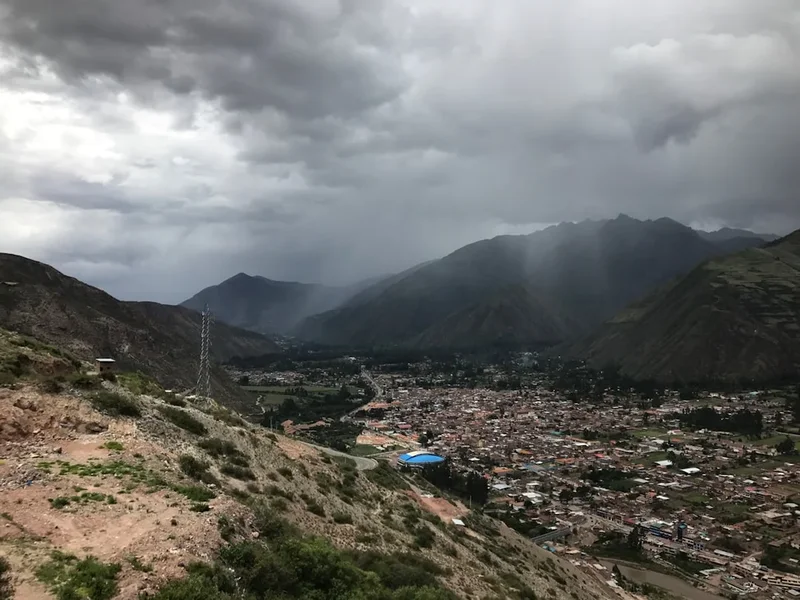
Alpamayo Circuit - The Jewel of the Cordillera Blanca
The Alpamayo Circuit is a challenging and immensely rewarding trek in Peru's Cordillera Blanca, a sub-range of the Andes. This route is renowned for its breathtaking vistas of some of the world's most iconic snow-capped peaks, including the impossibly beautiful pyramid of Alpamayo, often cited as the most beautiful mountain on Earth. The circuit traverses high mountain passes, skirts turquoise glacial lakes, and winds through remote valleys, offering a true wilderness experience for experienced trekkers.
- Distance: Approximately 56.0 km
- Elevation Gain: Approximately 4,700 m
- Duration: 8–10 days
- Difficulty: Challenging
- Best Time: May to September (dry season)
- Closest City: Huaraz, Peru
- Trailhead Access: From Huaraz, transport to Cashapampa (2.5–3 hours).
- Park Entrance Fee: Required.
- Registration: Mandatory in Huaraz or at the park entrance.
Overview
The Alpamayo Circuit is a trek that truly lives up to its legendary status. It is not a single, well-trodden path but rather a series of interconnected trails that weave through the heart of the Cordillera Blanca National Park. The trek's defining feature is its proximity to Alpamayo (5,947 m), whose near-perfect snow pyramid is a sight that will etch itself into your memory forever. However, the circuit offers much more than just Alpamayo. Trekkers will be treated to panoramic views of other formidable peaks such as Huascarán (6,768 m), the highest mountain in Peru, Artesonraju (6,025 m), and Pisco (5,752 m).
The terrain is demanding, involving significant ascents and descents over high passes, often exceeding 4,500 metres. Days are long, and the altitude requires careful acclimatisation. The landscape transitions from arid, scrub-covered lower slopes to alpine meadows dotted with wildflowers, and finally to stark, glaciated environments. Glacial lakes, such as Laguna 69 (though often visited as a day trip, it can be incorporated or viewed from afar on some circuit variations) and the stunning turquoise waters of Laguna Ishinca, are frequent and spectacular rewards.
This trek is best suited for those with prior multi-day trekking experience, a good level of physical fitness, and a solid understanding of altitude management. The remoteness of the circuit means self-sufficiency is key, with most trekkers opting for guided expeditions that include porters or pack animals to carry gear and set up camp.
History and Cultural Context
The Cordillera Blanca has been inhabited for millennia. Archaeological evidence suggests human presence dating back to the pre-Inca period, with ancient settlements and agricultural terraces found in the valleys. The Quechua-speaking people who have lived in these mountains for centuries have a deep spiritual connection to the Apus (mountain spirits), viewing peaks like Alpamayo and Huascarán with reverence.
The modern era of mountaineering in the Cordillera Blanca began in the early 20th century. European explorers and climbers were drawn to the region's dramatic peaks. The first ascent of Alpamayo was achieved in 1951 by a German expedition led by Günter Hauser. The mountain's unique shape and challenging climbing routes quickly cemented its reputation among the world's elite mountaineers. The Alpamayo Circuit itself, as a defined trekking route, evolved over time as guides and trekkers explored the most scenic and logistically feasible paths connecting the various valleys and passes. It is not a single historical trail but a composite of routes that showcase the region's most spectacular scenery.
The establishment of Huascarán National Park in 1975 was a crucial step in protecting this fragile alpine environment and its rich biodiversity. The park encompasses the majority of the Cordillera Blanca and is a UNESCO World Biosphere Reserve, recognising its ecological significance and the importance of preserving its natural and cultural heritage.
Seasonal Highlights and Weather Reality
The Alpamayo Circuit is best tackled during the dry season, which typically runs from May to September. This period offers the most stable weather conditions, with clear blue skies and minimal rainfall, making for excellent trekking and photography.
May and June: These months mark the beginning of the dry season. The landscape is still recovering from the wet season, and there can be a pleasant freshness in the air. Temperatures can be cool, especially at night, but daytime conditions are generally pleasant. Snowfall on the passes is less likely but still possible.
July and August: These are considered the prime months for trekking. The skies are typically clear, and the days are sunny. However, temperatures can drop significantly at night, often below freezing, especially at higher altitudes. This is also the peak tourist season, so trails and towns like Huaraz can be busier.
September: The dry season begins to transition into the wet season. While still generally good for trekking, there's an increased chance of rain showers, particularly towards the end of the month. The landscape may start to show signs of the approaching wet season.
Wet Season (October to April): This period is generally not recommended for trekking the Alpamayo Circuit. Heavy rainfall, snowstorms at higher elevations, and muddy trails can make the trek difficult and dangerous. Landslides are also a risk during this time. Visibility is often poor due to cloud cover, obscuring the spectacular mountain views.
Weather Considerations: Regardless of the season, mountain weather is unpredictable. Even during the dry season, you can experience sudden changes, including strong winds, hail, and even snow, especially at higher altitudes. Temperatures can fluctuate dramatically between day and night. Always be prepared for a wide range of conditions.
Recommended Itinerary
8-Day Alpamayo Circuit Itinerary (Sample)
Day 1: Arrival in Huaraz & Acclimatisation
- Arrive in Huaraz (3,050 m).
- Rest and hydrate.
- Short, gentle walk around town to aid acclimatisation.
- Visit the Museo Arqueológico de Ancash.
- Evening briefing with your guide (if applicable).
Day 2: Day Trip to Laguna 69
- Full-day excursion to Laguna 69 (4,600 m).
- Drive to the Llanganuco Lakes area (3,850 m).
- Hike to Laguna 69 (approx. 3 hours round trip, 2.5 km each way).
- Spectacular turquoise lake with Alpamayo and Huascarán views.
- Return to Huaraz in the evening.
- This day trip is crucial for acclimatisation to higher altitudes.
Day 3: Huaraz to Cashapampa & Trek to Llamacorral
- Morning transfer from Huaraz to Cashapampa (2,900 m) via private transport or colectivo (approx. 2.5–3 hours).
- Begin trek from Cashapampa.
- Distance: Approx. 10 km
- Elevation gain: Approx. 700 m
- Time: 4–5 hours
- Walk through the Santa Cruz Valley, gradually ascending.
- Camp at Llamacorral (3,600 m).
Day 4: Llamacorral to Base Alpamayo
- Trek deeper into the valley.
- Distance: Approx. 12 km
- Elevation gain: Approx. 600 m
- Time: 5–6 hours
- Pass Laguna Ichiccocha and Laguna Jatuncocha.
- Arrive at Base Alpamayo (approx. 4,200 m), offering stunning views of Alpamayo.
- Set up camp.
Day 5: Alpamayo Base Camp to Caras Pass & Camp
- Challenging day with a significant ascent.
- Distance: Approx. 8 km
- Elevation gain: Approx. 500 m
- Time: 4–5 hours
- Ascend to Caras Pass (approx. 4,700 m).
- Enjoy panoramic views of Alpamayo, Artesonraju, and surrounding peaks.
- Descend slightly to a suitable camping spot below the pass (approx. 4,500 m).
Day 6: Camp to Laguna Ishinca & Camp
- Trek towards the Ishinca Valley.
- Distance: Approx. 10 km
- Elevation gain: Approx. 300 m
- Time: 4–5 hours
- Reach the spectacular Laguna Ishinca (approx. 4,500 m), a vibrant turquoise lake.
- Camp near the lake, with views of Ishinca and Palcaraju.
Day 7: Laguna Ishinca to Huascarán National Park Entrance & Transfer to Huaraz
- Descend from the Ishinca Valley.
- Distance: Approx. 15 km
- Elevation loss: Approx. 1,600 m
- Time: 5–6 hours
- Trek down to the park entrance near the village of Huayllapampa.
- Meet your transport and drive back to Huaraz (approx. 2–3 hours).
- Celebrate the completion of the trek.
Day 8: Departure from Huaraz
- Enjoy a final Peruvian breakfast.
- Depart from Huaraz for your onward journey.
Note: This is a sample itinerary. Actual routes and camping locations may vary based on guide recommendations, group pace, and specific circuit variations. Some circuits may extend to 10 days to include more passes or side trips.
Planning and Bookings
Book Your Trip
Everything you need to plan your journey
Accommodation
Find places to stay near Huaraz
Flights
Search flights to Huaraz
Essential Preparation
The Alpamayo Circuit is a serious undertaking that requires meticulous planning. The primary gateway city is Huaraz, a bustling mountain town situated at 3,050 metres in the Callejon de Huaylas valley. Huaraz is the hub for all trekking and mountaineering activities in the Cordillera Blanca.
Fitness: A high level of cardiovascular fitness is essential. You should be comfortable hiking for 6–8 hours a day with a heavy pack (if not using porters) over steep, uneven terrain at high altitudes. Prior experience with multi-day treks and high-altitude environments is highly recommended.
Acclimatisation: This is paramount. Spend at least 2–3 days in Huaraz before starting the trek, engaging in moderate acclimatisation activities like day hikes to Laguna 69 or the Pastoruri Glacier. Avoid strenuous activity on your first day in Huaraz. Drink plenty of water and avoid alcohol and caffeine.
Logistics: Most trekkers opt for organised tours from Huaraz. These typically include transport to and from the trailhead, a licensed guide, cooks, porters or pack animals, tents, and meals. Booking well in advance is advisable, especially during the peak season (July-August).
Base Town: Huaraz is your base. It offers a wide range of accommodation from budget hostels to comfortable hotels, numerous restaurants serving local and international cuisine, and outdoor gear shops for last-minute purchases or rentals.
Trail Accommodation
This is a camping trek. There are no permanent huts or lodges along the Alpamayo Circuit. Accommodation consists of tents set up at designated or suitable campsites each night.
Campsites: Campsites are typically located in relatively flat, sheltered areas, often near water sources. Popular camping spots include Llamacorral, Base Alpamayo, and near Laguna Ishinca. Your guide will select appropriate camping locations based on the day's progress and available resources.
Facilities Provided:
- Tents (sleeping tents, dining tent, kitchen tent)
- Sleeping mats (usually foam)
- Portable toilets (chemical or pit latrines dug by staff)
- Cooking equipment and fuel
What's NOT Provided:
- Sleeping bags (must be brought or rented)
- Pillows
- Personal toiletries
- Food (unless part of an organised tour package)
- Water treatment supplies (though guides will ensure water is boiled or treated)
Seasonal Availability: Campsites are available year-round, but trekking is only recommended during the dry season (May to September) due to weather conditions.
Costs: If not part of an organised tour, campsite fees are generally minimal or included in the park entrance fee. The main cost is associated with hiring guides, porters, and renting equipment.
Required Gear
- Boots: Sturdy, waterproof trekking boots with good ankle support, well broken-in.
- Backpack: A comfortable trekking pack (50–70 litres) with a rain cover. If using porters, a smaller daypack (20–30 litres) for essentials.
- Sleeping Bag: A warm, 4-season sleeping bag rated to at least -10°C to -15°C (-17°C to -15°C) is essential, as temperatures at altitude can drop well below freezing.
- Clothing:
- Moisture-wicking base layers (merino wool or synthetic)
- Insulating mid-layers (fleece or down jacket)
- Waterproof and windproof outer shell jacket and trousers
- Warm hat (beanie) and gloves
- Sun hat with a wide brim
- Trekking trousers (quick-drying)
- Camp shoes or sandals
- Navigation: Map and compass (and knowledge of how to use them), GPS device or smartphone with offline maps (optional, but recommended).
- Safety Gear:
- First-aid kit (comprehensive, including blister treatment, pain relievers, altitude sickness medication like Diamox if prescribed by your doctor)
- Head torch with spare batteries
- Sunscreen (SPF 50+) and lip balm with SPF
- Sunglasses (high UV protection)
- Emergency whistle
- Personal Locator Beacon (PLB) or satellite messenger (highly recommended for remote areas)
What to Bring
- Food: High-energy, lightweight food for the duration of the trek if not on a full-board tour. This includes breakfast, lunch, dinner, and plenty of snacks (nuts, dried fruit, energy bars).
- Water Treatment: Water filter or purification tablets. While guides will boil water, having your own backup is wise.
- Toiletries: Biodegradable soap, toothbrush, toothpaste, toilet paper, hand sanitiser, wet wipes.
- Personal Items: Camera, power bank for electronics, book or journal, trekking poles (highly recommended for ascents and descents), small towel.
- Documents: Passport, copies of passport, travel insurance details, emergency contact information.
- Money: Peruvian Soles for local purchases, tips, and emergencies.
Permits
Trekking in the Cordillera Blanca requires adherence to regulations set by the Peruvian government and the Huascarán National Park authorities. A park entrance fee is mandatory for all visitors entering the national park.
Park Entrance Fee:
- The fee is typically paid in Peruvian Soles (PEN).
- The cost can vary, but it is generally around 65 PEN for a 1-day visit or 150 PEN for a multi-day visit (valid for up to 30 days). It is advisable to confirm the current fees with your tour operator or at the park office in Huaraz.
- This fee contributes to the conservation and maintenance of the national park.
Registration:
- All trekkers are required to register their trek plans with the Huascarán National Park authorities.
- This can usually be done in Huaraz at the park's administrative office (INRENA/SERNANP).
- Your tour operator will typically handle this registration process on your behalf.
- It is crucial to provide accurate details of your itinerary, including start and end points, dates, and your guide's information.
Guides and Porters:
- While not strictly a permit requirement, hiring licensed guides and registered porters is highly recommended and often mandatory for certain routes or by tour operators.
- Ensure your guide is certified by the Peruvian Ministry of Tourism and has experience in the Cordillera Blanca.
- Registered porters and pack animals (mules or donkeys) are essential for carrying gear on longer treks like the Alpamayo Circuit, significantly reducing the physical burden on trekkers.
Booking Tours:
- If you are booking a tour through an agency in Huaraz or online, the park entrance fees and registration are usually included in the package price.
- Confirm this with your chosen operator to avoid any last-minute surprises.
Other Activities in the Area
Huaraz and the surrounding Cordillera Blanca offer a wealth of activities for adventurers:
- Mountaineering: For experienced climbers, peaks like Pisco (5,752 m), Ishinca (5,530 m), and Urus (5,420 m) offer excellent introductory and intermediate mountaineering challenges.
- Day Hikes: Numerous stunning day hikes are accessible from Huaraz, including Laguna 69, Laguna Churup, and the Llanganuco Lakes.
- Nevado Pastoruri: A popular day trip to see a glacier that is rapidly receding due to climate change, and to visit the Puya Raimondii plants.
- Huaraz City: Explore the local markets, enjoy Peruvian cuisine, visit the Museo Arqueológico de Ancash, and relax in the town's plazas.
- Thermal Baths: Relax in the hot springs of Monterrey, located a short drive from Huaraz.
- Archaeological Sites: Visit nearby ruins such as Chavín de Huántar, a UNESCO World Heritage site and one of the oldest pre-Inca ceremonial centres in the Americas.
Safety and Conditions
Altitude Sickness (Soroche): This is the most significant risk. Symptoms include headache, nausea, dizziness, fatigue, and shortness of breath. Proper acclimatisation is the best prevention. If symptoms worsen, descend immediately. Consult your doctor about preventative medication like Diamox.
Weather: Mountain weather is unpredictable. Be prepared for rapid changes, including strong winds, hail, snow, and intense sun. Always carry layers of clothing, waterproofs, and sun protection.
Terrain: The trails can be steep, rocky, and uneven. High passes involve scree and potentially snow or ice, especially early in the dry season or after recent snowfall. Trekking poles are highly recommended for stability.
Water: Always treat water from streams and lakes, even if it looks clear. Boiling or using purification tablets/filters is essential.
Guides and Porters: Hiring experienced, licensed guides is crucial for safety. They are trained in first aid, navigation, and acclimatisation management. Porters ensure you can focus on the trek without the burden of a heavy pack.
Communication: Mobile phone signal is non-existent on the trek. Consider carrying a Personal Locator Beacon (PLB) or satellite messenger for emergencies.
Park Regulations: Adhere to all park rules, including staying on marked trails, not feeding wildlife, and packing out all rubbish. This helps protect the fragile alpine environment.
Travel Insurance: Ensure your travel insurance covers high-altitude trekking and emergency evacuation.
Side Trips and Points of Interest
Alpamayo Base Camp (Laguna Jancarurish): The primary destination for many on this circuit. The view of Alpamayo from this camp is iconic, especially in the early morning light when its snow face is perfectly illuminated. The surrounding landscape is dramatic, with glaciers and towering peaks.
Caras Pass (Paso Caras): A high point on the circuit, offering breathtaking 360-degree views. From here, you can see Alpamayo, Artesonraju, Huascarán, and many other prominent peaks of the Cordillera Blanca. It's a challenging but incredibly rewarding pass to cross.
Laguna Ishinca: A stunning turquoise glacial lake situated at the foot of Nevado Ishinca. The lake is a popular spot for camping and offers incredible reflections of the surrounding mountains, including Ishinca and Palcaraju. It's a photographer's paradise.
Artesonraju: Often mistaken for the Paramount Pictures logo mountain, Artesonraju is a striking pyramid-shaped peak visible from various points along the circuit, particularly from the Santa Cruz Valley and near Alpamayo Base Camp.
Huascarán National Park: The entire circuit traverses this protected area, which is home to diverse flora and fauna, including Andean condors, vicuñas, and various species of hummingbirds. The park's conservation efforts are vital for preserving this unique ecosystem.
Leave No Trace
The Alpamayo Circuit passes through a pristine and fragile alpine environment. Practising Leave No Trace principles is essential to minimise your impact and preserve the beauty of the Cordillera Blanca for future generations.
- Plan Ahead and Prepare: Research the trek, understand the conditions, and pack appropriately. Hire reputable guides and porters.
- Travel and Camp on Durable Surfaces: Stick to established trails and camp in designated or previously used campsites. Avoid trampling vegetation.
- Dispose of Waste Properly: Pack out everything you pack in, including all food scraps, wrappers, and toilet paper. Use designated toilet facilities or dig catholes at least 60 metres away from water sources, trails, and campsites.
- Leave What You Find: Do not remove rocks, plants, or cultural artefacts. Take only photographs, leave only footprints.
- Minimise Campfire Impacts: Campfires are generally not permitted in the national park. Use a portable stove for cooking.
- Respect Wildlife: Observe animals from a distance and never feed them. Feeding wildlife can disrupt their natural behaviours and diets.
- Be Considerate of Other Visitors: Keep noise levels down and yield to other trekkers and pack animals on the trail.
By following these principles, you help ensure the long-term health and beauty of this extraordinary mountain landscape.