
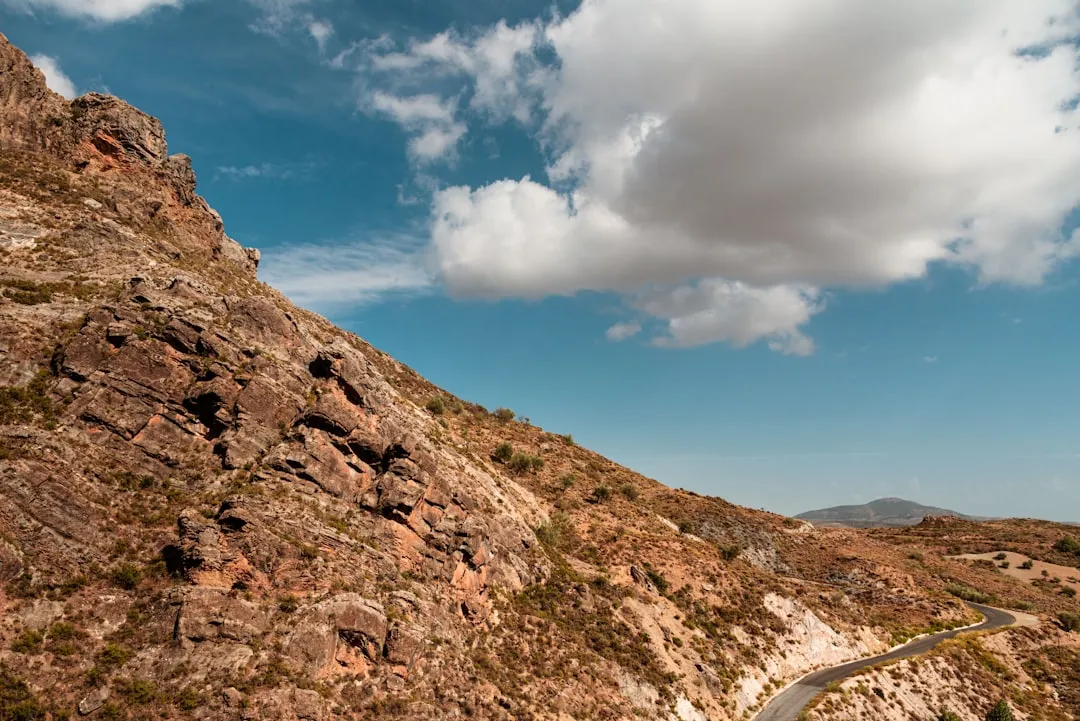
Ruta del Alba - The Route of the Dawn
The Ruta del Alba, or Route of the Dawn, is a spectacular day walk located in the Picos de Europa National Park in northern Spain. This trail is renowned for its dramatic scenery, including rugged mountain peaks, lush green valleys, and the impressive Cares River gorge. It offers a moderate challenge with significant elevation changes, rewarding hikers with breathtaking vistas and a deep immersion into the wild beauty of the Cantabrian Mountains. The route is particularly famous for its sections carved directly into the cliff face, providing a thrilling and unforgettable experience. While accessible as a day hike, its length and elevation gain require a good level of fitness and preparation.
- Distance: 14.0 km one-way
- Elevation Gain: 350 m
- Duration: 4-5 hours
- Difficulty: Easy to Moderate
- Season: Spring to Autumn (April-October), avoiding the hottest summer months
- Closest City: Oviedo
- Trailhead Access: Nearest city: Oviedo. Drive to Puente Vega (43.2458, -5.1235) via AS-117. Approx. 1 hour drive. Limited bus service available. Parking available at Puente Vega. No permits required.
- Coordinates: 43.2458, -5.1235
Overview
The Ruta del Alba is a captivating journey that showcases the raw, untamed beauty of the Picos de Europa. Starting from the small village of Poncebos, the trail initially follows the powerful Cares River, a turquoise ribbon carving its way through a colossal limestone gorge. The initial section is relatively gentle, allowing walkers to acclimatise to the surroundings and marvel at the sheer scale of the cliffs that tower above. As the path progresses, it becomes more dramatic, with sections hewn directly from the rock face, often with no more than a simple railing for protection. These narrow passages, known as "pasarelas," offer a thrilling perspective of the gorge below and the vast mountain landscape beyond.
The trail is a testament to human ingenuity and perseverance, as much of it was constructed in the early 20th century to facilitate access for maintenance workers of the hydroelectric power station on the Cares River. The engineering feat involved in creating these pathways is astonishing, blending seamlessly with the natural environment. The route is well-maintained, making it accessible to a wide range of hikers, though its length and the potential for exposure on the cliff sections mean that caution is always advised.
The flora and fauna of the region are also a significant draw. During spring and early summer, the mountainsides burst with wildflowers, and it's not uncommon to spot chamois, mountain goats, or various bird species, including eagles and vultures, soaring overhead. The air is crisp and clean, carrying the scent of pine and damp earth. The Ruta del Alba is more than just a hike; it's an exploration of a unique geological wonder and a celebration of the enduring spirit of the mountains.
History and Cultural Context
The history of the Ruta del Alba is intrinsically linked to the development of hydroelectric power in the Picos de Europa region. The Cares River, with its powerful flow and dramatic descent, was identified as a prime resource for generating electricity. In the early 20th century, a significant engineering project was undertaken to harness this power, leading to the construction of a vast network of channels, tunnels, and pathways to manage the river's flow and maintain the associated infrastructure.
The most iconic sections of the Ruta del Alba, the narrow paths carved into the cliff face, were created as part of this hydroelectric project. These "pasarelas" were essential for workers to access and maintain the water channels and tunnels that snake along the gorge walls. The construction was a monumental undertaking, requiring immense skill and labour to blast and shape the rock, often in challenging and precarious conditions. The result is a trail that is as much a historical monument to industrial engineering as it is a natural wonder.
Before the construction of these pathways, access to the Cares Gorge was extremely limited, primarily used by shepherds and local villagers for grazing their livestock. The development of the hydroelectric infrastructure opened up the gorge to a wider audience, though it remained largely unknown to international tourists until more recent times. Today, the Ruta del Alba is one of the most popular day hikes in the Picos de Europa, attracting hikers from around the world who come to experience its unique blend of natural beauty and human endeavour. The trail serves as a reminder of the region's industrial past and the remarkable ways in which humans have adapted to and interacted with this rugged mountain environment.
Seasonal Highlights and Weather Reality
The Ruta del Alba is best enjoyed during the spring and autumn months, offering a pleasant climate for hiking and spectacular natural displays. From April to October, the weather is generally favourable, though it can be highly variable in mountain environments.
Spring (April-May): This is an ideal time to visit. The snow from winter has melted, the landscape is vibrant with wildflowers, and the temperatures are mild. The Cares River is often at its most powerful due to snowmelt, making the waterfalls and cascades particularly impressive. The crowds are also generally smaller than in peak summer.
Summer (June-August): While the days are longer and the weather is typically warmer, summer can also bring intense heat, especially in the lower sections of the gorge. The trail can become very crowded during July and August, so starting early is highly recommended. The river flow may be lower than in spring, but the scenery remains stunning.
Autumn (September-October): This is another excellent period for hiking the Ruta del Alba. The autumn colours paint the mountainsides in shades of gold and red, creating a beautiful contrast with the blue sky and grey rock. The temperatures are cool and comfortable, and the crowds begin to thin out. The weather can be more unpredictable, with a higher chance of rain and fog, but clear autumn days offer some of the most spectacular views.
Winter (November-March): The Ruta del Alba is generally not recommended for hiking during winter. Snow and ice can make the trail treacherous, particularly the cliff sections. Many of the access roads may also be affected by snow. While experienced mountaineers with appropriate gear might attempt parts of it, it is not suitable for general day hikers.
Weather Considerations: Mountain weather can change rapidly. Even on a sunny day, temperatures can drop significantly, and rain or fog can descend quickly. It is essential to check the weather forecast before setting out and to be prepared for all conditions, including carrying waterproofs and warm layers.
Recommended Itinerary
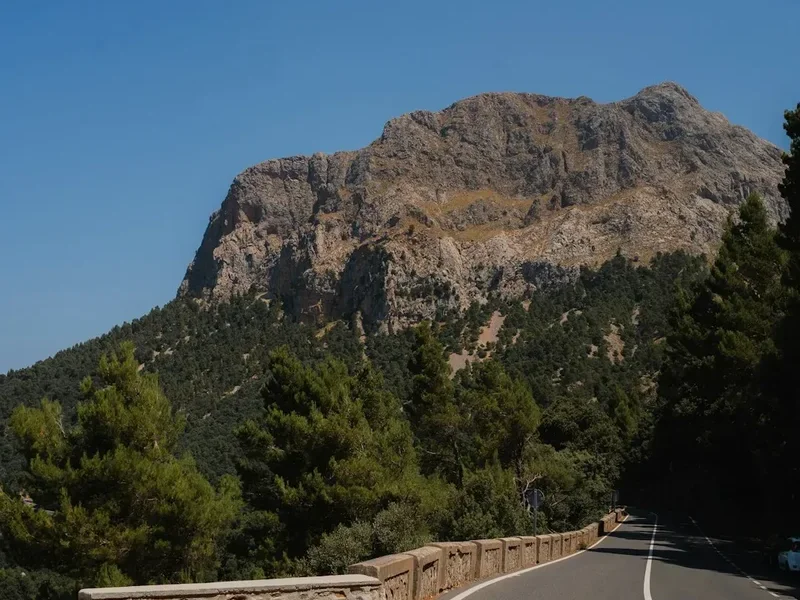
Ruta del Alba Day Hike Itinerary
Early Morning (Approx. 8:00 AM): Arrival and Start Point
- Arrive at the village of Poncebos (near Arenas de Cabrales).
- Park your vehicle in the designated parking area.
- Begin the hike from the village, following signs for the "Ruta del Cares" or "Garganta del Cares."
- The initial section involves a short, steep climb out of Poncebos, leading to the start of the Cares River gorge.
Morning (Approx. 8:30 AM - 11:00 AM): Ascending the Gorge
- The trail gradually ascends alongside the Cares River.
- You will pass through several short tunnels and over small bridges.
- The path is well-maintained and wide in this section, offering excellent views of the river below and the towering limestone cliffs.
- Keep an eye out for the water channel that runs parallel to the path, a key feature of the hydroelectric infrastructure.
- The landscape is dramatic, with sheer rock faces and sparse vegetation clinging to the slopes.
Midday (Approx. 11:00 AM - 1:00 PM): The Cliff Sections and Pasarelas
- The most iconic part of the hike begins here.
- The trail narrows significantly, with sections carved directly into the cliff face.
- These "pasarelas" are often only a metre or two wide, with a protective railing.
- Take your time and enjoy the incredible views down into the gorge.
- This section requires a good head for heights and careful footing.
- You will pass through more tunnels and cross narrow bridges suspended over the gorge.
- Consider stopping for a snack and to admire the panoramic views.
Afternoon (Approx. 1:00 PM - 3:00 PM): Reaching Caín and Return Journey
- Continue along the gorge until you reach the village of Caín de Valdeón.
- Caín is a small village situated at the end of the main gorge section, offering a place to rest, have refreshments, and enjoy the scenery.
- From Caín, you will retrace your steps back to Poncebos.
- The return journey offers a different perspective on the gorge and allows you to appreciate the trail from the opposite direction.
- Be aware that the descent can be as tiring as the ascent, especially on your knees.
Late Afternoon (Approx. 3:00 PM - 4:00 PM): Completion
- Arrive back in Poncebos.
- You can enjoy a well-deserved meal or drink at one of the local restaurants.
Important Notes:
- This is a linear walk, meaning you return the same way you came.
- Wear sturdy hiking boots with good grip.
- Carry plenty of water, as there are limited opportunities to refill along the route.
- Sun protection (hat, sunscreen) is essential, especially during summer.
- Be prepared for changing weather conditions.
- The trail can be busy, especially during peak season; start early to avoid the largest crowds.
Planning and Bookings
Book Your Trip
Everything you need to plan your journey
Accommodation
Find places to stay near Oviedo
Flights
Search flights to Oviedo
Essential Preparation
The Ruta del Alba is a day hike, meaning no overnight accommodation is required. However, thorough preparation is still crucial for a safe and enjoyable experience. The nearest major city is Oviedo, from which you will drive to the trailhead. Ensure your vehicle is in good condition for mountain roads. Parking is available at the start point in Poncebos, but it can fill up quickly during peak season, so arriving early is advisable. While the trail itself does not require permits, it is part of the Picos de Europa National Park, and visitors are expected to adhere to park regulations, which generally focus on respecting the environment and not disturbing wildlife.
The closest significant town to Poncebos is Arenas de Cabrales, which offers a range of amenities including accommodation, restaurants, and shops. Oviedo is a larger city approximately an hour's drive away, providing more extensive services and transport links. Planning your travel to Poncebos, considering accommodation in Arenas de Cabrales if needed, and checking the weather forecast are key preparatory steps.
Trail Accommodation
This is a day hike requiring no overnight accommodation.
Required Gear
- Sturdy hiking boots: Waterproof and with good ankle support and grip are essential for the rocky terrain and cliff sections.
- Waterproof jacket and trousers: Mountain weather can change rapidly; be prepared for rain.
- Warm layers: A fleece or insulating jacket is recommended, even in summer, as temperatures can drop at higher elevations or with wind chill.
- Sun protection: A wide-brimmed hat, sunglasses, and high SPF sunscreen are crucial, as the sun can be intense, especially reflecting off the rock.
- Backpack: A comfortable daypack (20-30 litres) to carry essentials.
- Navigation: While the trail is generally well-marked, a map of the Picos de Europa and a compass or GPS device are advisable, especially if you plan to explore any side routes. A downloaded offline map on your phone is also useful.
- First-aid kit: Including blister treatment, pain relievers, antiseptic wipes, and any personal medications.
- Head torch: Essential in case you are delayed and need to navigate through tunnels or in fading light.
What to Bring
- Water: Carry at least 2-3 litres of water per person. There are very few reliable water sources along the main trail, and any water found should be treated.
- Food: Plenty of high-energy snacks and a packed lunch. There are no facilities for purchasing food along the main gorge trail until you reach Caín.
- Toiletries: Hand sanitiser, toilet paper (pack out used paper), and any personal hygiene items.
- Mobile phone: For emergencies, though signal can be intermittent in the gorge. Consider a portable power bank.
- Camera: To capture the stunning scenery.
- Cash: For potential purchases in Caín or for parking fees.
Permits
No specific permits are required to hike the Ruta del Alba. As it is a popular day walk within the Picos de Europa National Park, visitors are expected to respect the park's regulations. These typically include staying on marked trails, not disturbing wildlife, not leaving any litter, and being mindful of the environment. Parking at the trailhead in Poncebos may involve a fee, depending on the season and specific arrangements.
It is always advisable to check the official website of the Picos de Europa National Park for any updated information regarding access, regulations, or potential temporary closures, although these are rare for this particular trail outside of extreme weather events.
Other Activities in the Area
The Picos de Europa National Park and its surrounding areas offer a wealth of activities for visitors:
- Funicular de Bulnes: Take a ride on the impressive funicular railway that connects Poncebos with the remote mountain village of Bulnes. This engineering marvel offers spectacular views and access to a unique, isolated community.
- Hiking in the Picos de Europa: Beyond the Ruta del Alba, the park boasts numerous other hiking trails catering to all levels of experience, from gentle valley walks to challenging multi-day treks. Popular routes include the ascent to Naranjo de Bulnes (Picu Urriellu) for experienced climbers, and various trails around the Fuente Dé cable car.
- Fuente Dé Cable Car: Ascend over 1,800 metres in just four minutes to the high mountain plateau of Fuente Dé. This offers stunning panoramic views and access to high-altitude hiking routes.
- Exploring local villages: Visit charming Asturian and Cantabrian villages such as Arenas de Cabrales, Potes, and Cangas de Onís. These towns offer traditional architecture, local markets, and opportunities to sample regional cuisine and cider.
- Caves of Covadonga: Explore the historic sanctuary and the natural caves associated with the legendary Battle of Covadonga, a pivotal event in the Reconquista.
- Gastronomy: Sample local specialities such as Cabrales cheese (a strong blue cheese), Asturian cider (sidra), fabada (a hearty bean stew), and fresh seafood.
- Rock Climbing and Mountaineering: The Picos de Europa are a world-renowned destination for climbers and mountaineers, with numerous challenging peaks and routes.
Safety and Conditions
Trail Conditions: The Ruta del Alba is generally well-maintained, but the cliff sections can be exposed and slippery, especially after rain or in foggy conditions. Always wear appropriate footwear with good grip.
Weather: Mountain weather is unpredictable. Be prepared for sudden changes in temperature, wind, and precipitation. Check the forecast before you go and carry layers of clothing, including waterproofs.
Exposure: The sections carved into the cliff face offer little protection from the elements and can be daunting for those with a fear of heights. The trail has a railing in most exposed areas, but caution is still advised.
Water: Carry sufficient water, as there are no reliable water sources along the main trail until you reach Caín. Treat any water you find before drinking.
Crowds: The Ruta del Alba is a very popular hike, especially during the summer months and on weekends. To avoid the largest crowds and the midday heat, start your hike as early as possible in the morning.
Emergencies: In case of an emergency, call the local emergency number (112 in Spain). Ensure your mobile phone is fully charged and consider carrying a portable power bank. Inform someone of your hiking plans and expected return time.
Wildlife: While generally not dangerous, be aware of local wildlife such as chamois and birds of prey. Do not feed any animals.
Respect the Environment: Stay on marked trails to protect the fragile mountain ecosystem. Pack out everything you pack in, including all litter.
Side Trips and Points of Interest
The Cares River Gorge: The primary attraction of this hike. The sheer scale of the gorge, carved over millennia by the Cares River, is awe-inspiring. The turquoise water, the towering limestone cliffs, and the dramatic drop-offs create a landscape of unparalleled beauty and drama.
The Pasarelas: These narrow pathways, carved directly into the cliff face, are the most distinctive feature of the Ruta del Alba. Walking along these sections, with the river far below and the vast mountainscape surrounding you, is a thrilling and unforgettable experience. They are a testament to the engineering prowess required to build infrastructure in such a challenging environment.
Tunnels: The route includes several tunnels, some short and others longer. These add an element of adventure and mystery to the hike, offering brief respites from the sun and a different perspective on the rock formations.
Caín de Valdeón: The endpoint of the main gorge trail. This small village offers a welcome opportunity to rest, enjoy a meal or a drink, and soak in the atmosphere of the Picos de Europa. It's a charming place to reflect on the journey before beginning the return trip.
Hydroelectric Infrastructure: The water channels, pipes, and maintenance paths are a significant feature of the trail. They tell the story of the region's industrial past and the human effort involved in harnessing the power of the Cares River.
Leave No Trace
The Picos de Europa National Park is a precious natural environment, and it is vital that all visitors practice Leave No Trace principles to preserve its beauty and ecological integrity for future generations. The Ruta del Alba, being a popular trail, is particularly susceptible to the impacts of high visitor numbers.
Plan Ahead and Prepare: Familiarise yourself with the trail, weather conditions, and any park regulations before you go. Pack appropriately for the conditions.
Travel and Camp on Durable Surfaces: Stick to the marked trail at all times. Avoid walking on vegetation or creating new paths, as this can cause erosion and damage fragile plant life.
Dispose of Waste Properly: Pack out everything you pack in. This includes all food scraps, wrappers, and any other litter. Use designated bins where available, but be prepared to carry your rubbish back with you if bins are full or unavailable.
Leave What You Find: Do not take any natural objects (rocks, plants, flowers) or historical artefacts from the park. Leave them for others to enjoy.
Minimise Campfire Impacts: Campfires are generally not permitted in the Picos de Europa National Park, and are not relevant for this day hike.
Respect Wildlife: Observe wildlife from a distance and never feed them. Feeding animals can disrupt their natural behaviours and diets, and can make them dependent on humans.
Be Considerate of Other Visitors: Keep noise levels down, especially in natural settings. Yield to others on narrow sections of the trail. Be courteous and respectful.
By adhering to these principles, you help ensure that the Ruta del Alba and the Picos de Europa remain a pristine and enjoyable destination for all.
 Spain
Spain