On foot from Ferrol to Santiago
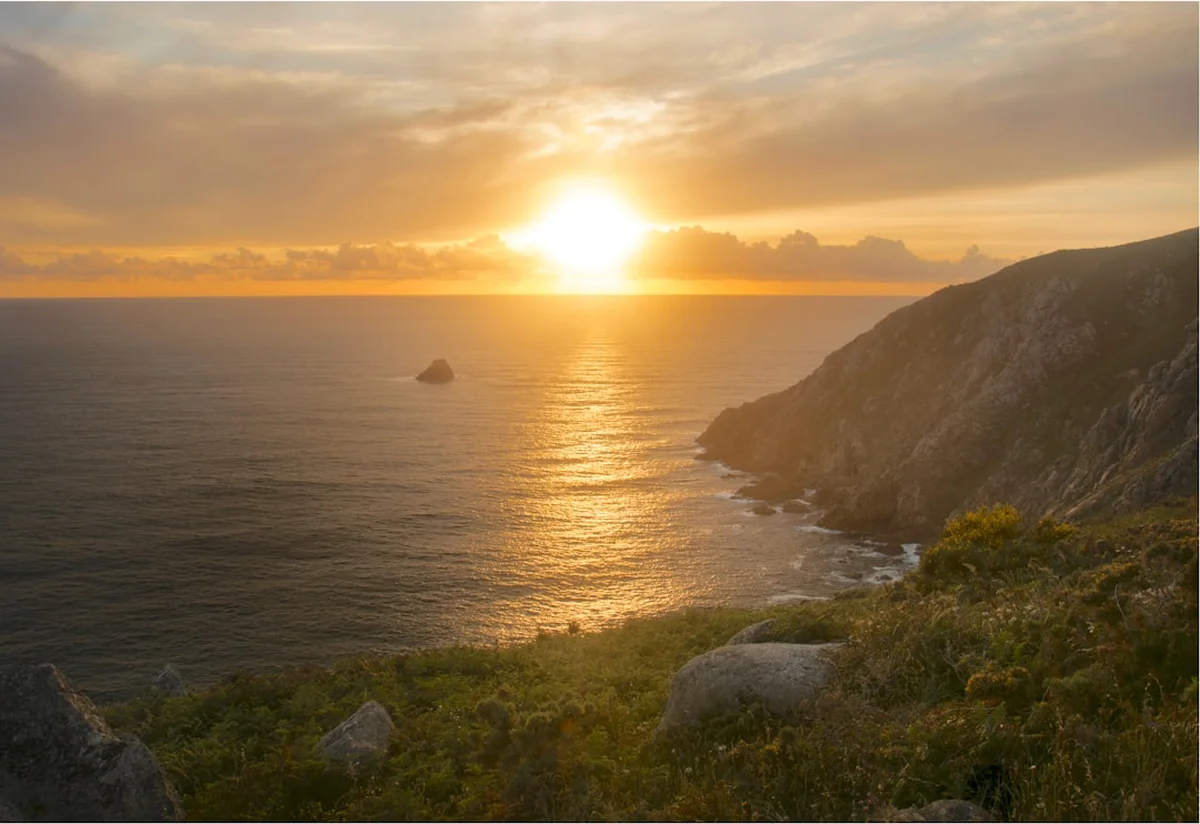
Start with the fishing boats at the Curuxeiras docks. For much of the first day the water stays in sight, even as the path passes from Ferrol’s old streets to the working shores of the estuary. At Pontedeume you cross a second inlet. By Hospital de Bruma, the sea feels a long way behind you.
This is the Ferrol branch of the Camino Inglés, 112.4 km to Santiago Cathedral. The six-day plan breaks the long Miño–Bruma stage at Betanzos, leaving a short final day from Sigüeiro.
The medieval pilgrimage often began on a ship. Travellers from England, Scotland and Ireland crossed to Galicia, as did pilgrims from Flanders and Scandinavia. Ferrol and A Coruña were two of their landing places. From the quays, pilgrims continued on foot. The paths from the two ports meet at As Travesas, shortly before Hospital de Bruma.
Finding the start in Ferrol
Make your way to the Curuxeiras docks in Ferrol Vello, the old port. Start at the waterfront Camino marker and follow the yellow arrows inland through the city. If you arrive at Ferrol’s rail or bus station, walk to the old port before following any outbound Camino arrows. The Camino Inglés transport guide lists rail and bus connections. The walk ends at the cathedral in Santiago. Allow time to reach the bus or train station before an onward departure.

Six days from the port to the cathedral
Total ascent from Ferrol to Santiago is about 2,200 m (estimated). The Xunta route map follows the Ferrol branch. Distances below are rounded and exclude detours to beds or meals.
Ferrol to Neda · 15.4 km
The first stretch threads past the naval city and follows the ría towards its narrow head. Cross the river at Xubia and turn down the other bank to Neda. Neda has a public pilgrim hostel. The short day leaves time to collect your first stamps and buy food for the morning.
Neda to Miño · 22.1 km
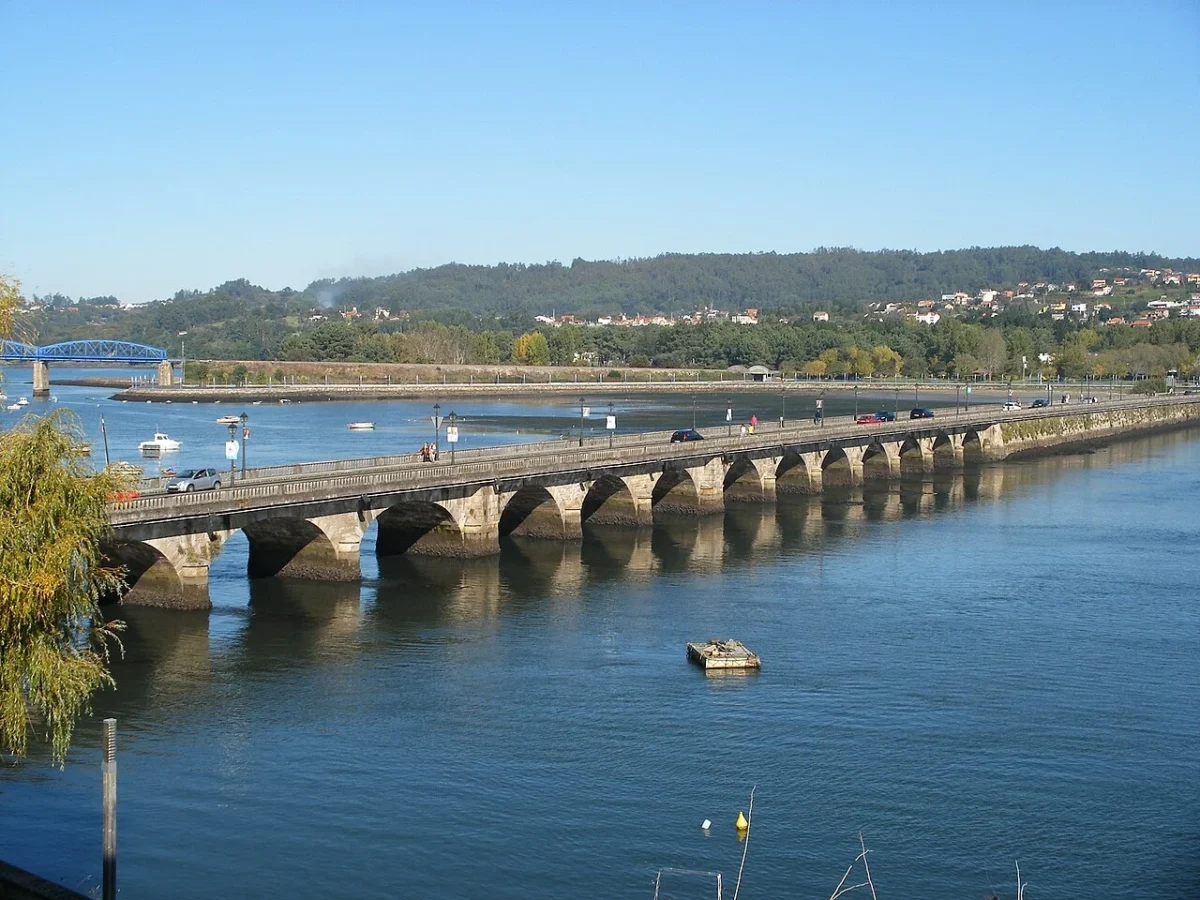
Walk through Fene and over the hills between the estuaries. From Cabanas the long bridge carries you across the Eume into Pontedeume. Look for the Andrade keep near the waterfront, then climb through the old streets past the church of Santiago. From Pontedeume it is another 9.2 km to Miño, which has a public pilgrim hostel.
Miño to Betanzos · 10.7 km
Cross the Lambre, then approach Betanzos over the Mandeo. The Arco da Ponte Vella leads from the bridge into the old town. Use the short afternoon to see the tomb of Fernán Pérez de Andrade in the church of San Francisco and the neighbouring church of Santa María do Azougue.

Betanzos to Hospital de Bruma · 24.0 km
Follow the old royal road out of Betanzos. The route rolls through farmland to Leiro, then climbs inland to the small settlement of Hospital de Bruma. Buy lunch before leaving Betanzos. Bruma has a small public hostel and a private hostel. If both fill, look for a room in nearby Mesón do Vento and arrange how to reach it. Joining the previous day to this one makes a 34.7 km stage from Miño.
Bruma to Sigüeiro · 24.2 km
Pass the chapel at Bruma and follow a succession of hamlets, lanes and wooded stretches south through Ordes municipality. Paths around O Carballo can flood in winter. Stop at Sigüeiro on the Tambre. Private hostels and pensions offer beds for this last night before Santiago.
Sigüeiro to Santiago · 16.1 km
Cross the Tambre on the way out of town. The approach runs through woods and the built-up outskirts before reaching the old city and cathedral. Santiago has pilgrim hostels and private rooms if you stay after collecting your last stamp.
Beds, food and the pilgrim credential
A pilgrim hostel is called an albergue. The Galician public network allocates bunks in arrival order and supplies disposable bed linen. Carry your pilgrim credential for check-in. Bring a sleeping bag or liner suited to the season. Check whether the kitchen has utensils before buying a meal that needs cooking. Private pensions and hostels are alternatives when you want a confirmed bed. Carry water and food for the inland stages, particularly if walking outside the busier months.
For the Compostela, the Pilgrim’s Office asks walkers making the journey for religious or spiritual reasons to walk at least 100 continuous kilometres on a recognised route and include the final stage into Santiago Cathedral. Collect at least two dated stamps each day in your credential. The Pilgrim’s Office explains the conditions and exceptions. Ferrol provides more than 100 km on foot. Ask the office about your particular route before planning a shorter A Coruña start around a certificate.

Rain, road crossings and the inland hills
April to June and September to October are good walking windows. Carry rainwear in either season. In winter, check each bed and evening meal ahead, particularly at Bruma. The Xunta grades the route medium. Low hills add up over six days, especially on the climb towards Bruma. Take shoes that grip wet stone as well as paved lanes. Some stretches share a road with traffic. Wear something visible to drivers, and use the signed crossings even when a road looks quiet. Short winter days leave less margin on the 24.0 km and 24.2 km stages inland. Save the map and the address of each night’s lodging before leaving town. In an emergency, call 112 and give the nearest village or road crossing.
Book Your Trip
Everything you need to plan your journey
Accommodation
Find places to stay near Ferrol