
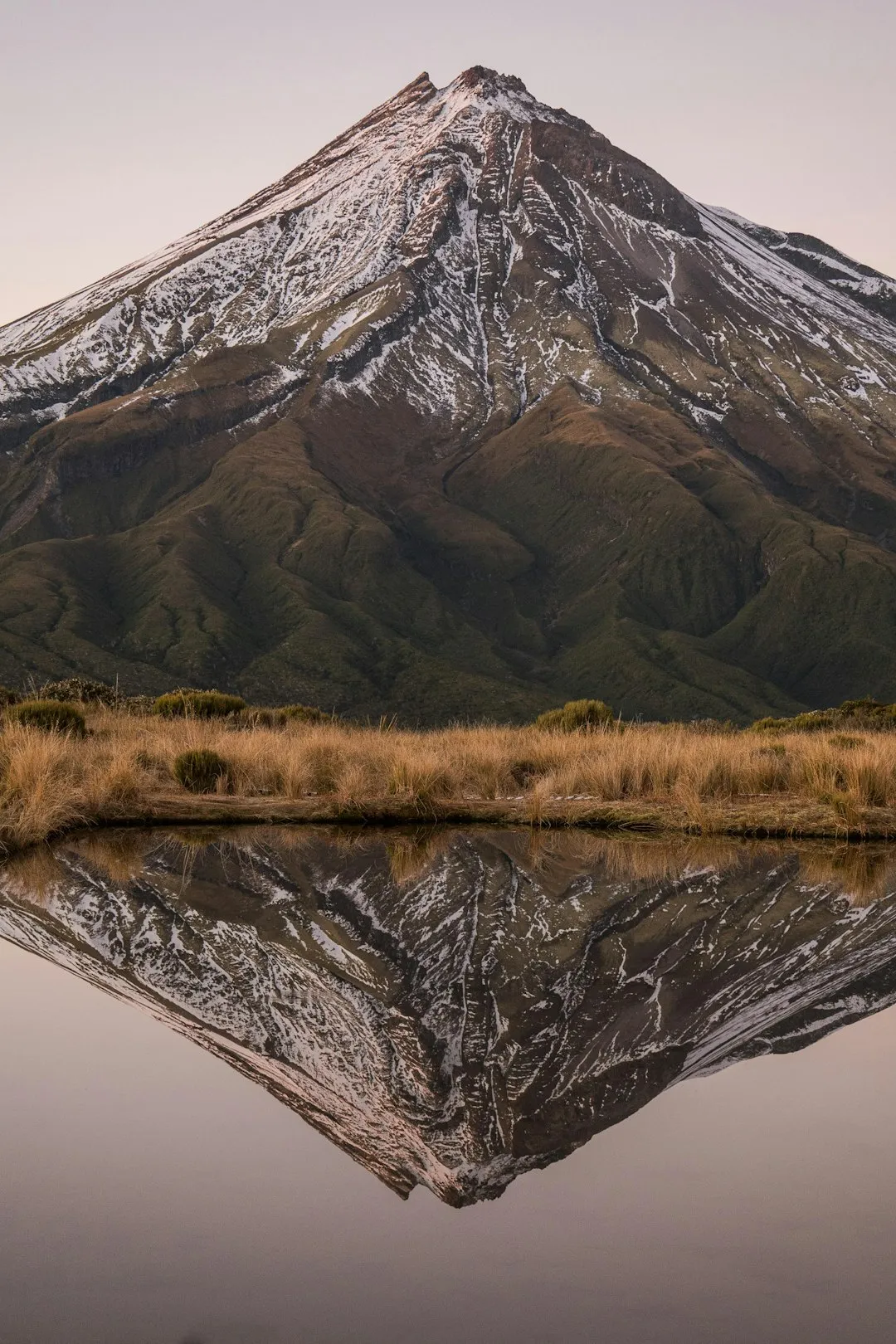
Mt. Karioi Track - Coastal Views and Forest Trails
The Mt. Karioi Track offers a rewarding day hike with stunning panoramic views of the Tasman Sea and the Raglan coastline. Located near the vibrant surf town of Raglan, this track provides a fantastic opportunity to experience both coastal vistas and lush native forest in a single outing. The trail ascends the prominent Mt. Karioi, a volcanic remnant that stands as a significant landmark in the region. With a challenging but manageable ascent, the track is suitable for those seeking a good workout and breathtaking scenery. The summit provides a commanding perspective, making the effort well worthwhile.
- Distance: 8.0 km return
- Duration: 3-4 hours
- Season: Year-round, best in summer for drier conditions
- Difficulty: Moderate
- Elevation Gain: 756 m
- Closest City: Raglan
- Trailhead Access: Well-marked, paved road access to parking area
- Permit Required: No
Overview
The Mt. Karioi Track is a popular day walk that showcases the diverse natural beauty of the Waikato region. The trail begins by winding through native bush, offering a cool and shaded environment. As you ascend, the forest gradually thins, and the first glimpses of the expansive Pacific Ocean begin to appear. The climb is steady, with some steeper sections that will get your heart rate up, but the well-maintained path makes it accessible for most fitness levels. The summit plateau of Mt. Karioi is a truly spectacular reward. From here, you can enjoy 360-degree views that stretch from the iconic surf breaks of Raglan to the rolling green hills of the Waikato hinterland and out to the vast expanse of the Tasman Sea. On a clear day, you can see for miles, making it an ideal spot for photography and quiet contemplation.
The track is divided into distinct sections, each offering a different character. The lower sections are dominated by dense native forest, including mature trees and a rich undergrowth of ferns and mosses. This provides a sanctuary for native birdlife, and you may hear the calls of tūī, fantails, and other common New Zealand birds. As you climb higher, the vegetation changes, becoming more scrub-like, and the views open up dramatically. The summit area is exposed and can be windy, so it's important to be prepared for changing weather conditions. The descent offers a different perspective on the landscape, allowing you to appreciate the scale of the climb and the beauty of the surrounding environment.
Mt. Karioi itself is an ancient volcanic cone, and its geological history adds another layer of interest to the walk. The track is designed to be a challenging yet rewarding experience, suitable for a half-day excursion from Raglan. It's a perfect way to combine outdoor activity with the relaxed atmosphere of this renowned coastal town.
History and Cultural Context
Mt. Karioi has a long and significant history, deeply intertwined with the Māori people of the Tainui iwi. The mountain, known as Karioi, is a prominent natural feature that has served as a landmark and a source of resources for generations. Its volcanic origins have shaped the landscape, and its strategic position overlooking the coast has likely made it important for observation and communication in the past.
The name "Karioi" itself is believed to have connections to the Māori language, possibly relating to the concept of a gathering place or a significant natural feature. Oral traditions and historical accounts from the Tainui people often refer to prominent mountains and landforms as having spiritual significance and being part of their ancestral lands. Mt. Karioi would have been a vital part of the traditional territory, providing food, shelter, and a connection to the land.
In more recent history, Mt. Karioi has become a popular destination for recreation. The development of the track system has allowed more people to access its summit and enjoy the panoramic views. The surrounding area, particularly Raglan, has a rich history tied to surfing and coastal living, and Mt. Karioi stands as a silent, majestic guardian over this vibrant community. The track's existence is a testament to the efforts of local authorities and volunteer groups who have worked to preserve and enhance access to this natural treasure, ensuring its enjoyment for both locals and visitors.
Seasonal Highlights and Weather Reality
The Mt. Karioi Track is accessible and enjoyable year-round, but each season offers a slightly different experience. The best time to visit is generally during the warmer months, from December to February, when the weather is typically drier and the days are longer, allowing for more comfortable hiking and clearer views from the summit.
Summer (December - February): This is the peak season for visitors to Raglan and the surrounding areas. The weather is usually warm and sunny, making it ideal for hiking. The sea is calmer, and the views are often at their most spectacular. However, summer can also bring higher humidity and the possibility of occasional rain showers. Sandflies can be present, especially in shaded, damp areas, so insect repellent is recommended.
Autumn (March - May): Autumn offers a pleasant transition with cooler temperatures and fewer crowds. The foliage in the forest can take on beautiful autumnal colours, adding to the visual appeal of the track. The weather is generally stable, though rain becomes more frequent as the season progresses. The views from the summit remain excellent, and the air is crisp and clear.
Winter (June - August): Winter in this region can be cool and wet, with frequent rainfall. While the track remains open, hikers should be prepared for muddy conditions and potentially slippery surfaces. The forest can be particularly atmospheric in the mist and rain, with a lush, green appearance. Visibility from the summit may be reduced due to cloud cover, but on clear winter days, the views can be stunning. Warm, waterproof clothing is essential.
Spring (September - November): Spring brings a sense of renewal to the landscape. Native flora begins to bloom, and the birdlife becomes more active. The weather can be variable, with a mix of sunny days and rain showers. Temperatures start to warm up, making it a pleasant time to hike. As with summer, sandflies may start to appear towards the end of spring.
Regardless of the season, it is always advisable to check the local weather forecast before heading out, as conditions can change rapidly, especially at higher elevations. The summit of Mt. Karioi can be exposed and windy, so carrying layers of clothing is always a good idea.
Recommended Itinerary
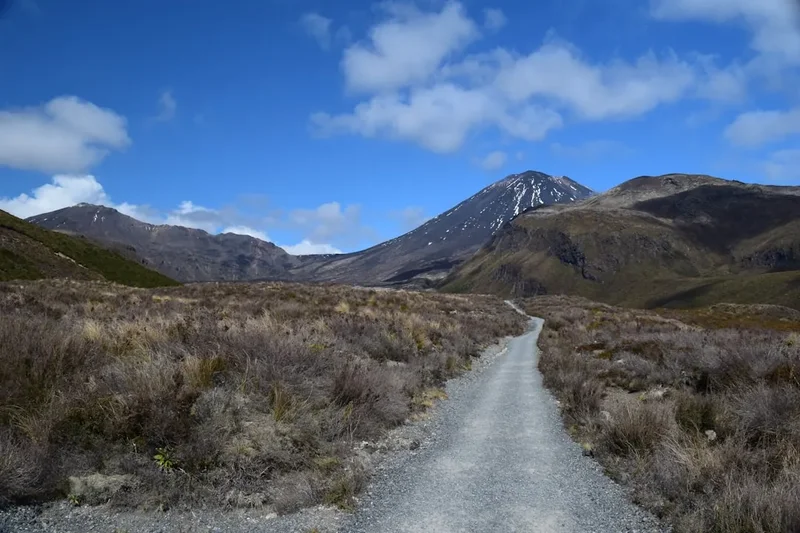
Mt. Karioi Track - Day Hike Itinerary
Early Morning (Approx. 8:00 AM - 9:00 AM): Arrival and Preparation
- Drive to the Mt. Karioi Track trailhead. The road access is generally good, paved for most of the way, with a well-marked parking area.
- Arrive at the trailhead, locate the parking area, and prepare your gear.
- Ensure you have water, snacks, and appropriate clothing.
- Take a moment to read any information boards at the trailhead.
Morning (Approx. 9:00 AM - 11:00 AM): Forest Ascent
- Begin the hike from the trailhead. The initial section of the track leads you into the native forest.
- The path is well-defined and winds through mature trees, ferns, and moss-covered ground.
- Enjoy the cool, shaded environment and listen for the sounds of native birds.
- The gradient is moderate at first, gradually increasing as you gain elevation.
- This section is approximately 2-3 km of the total distance.
Midday (Approx. 11:00 AM - 12:30 PM): Emerging Views and Summit Push
- As you climb higher, the forest begins to thin, and you'll start to catch glimpses of the surrounding landscape.
- The track may become steeper and more exposed in places.
- The views of the Raglan coastline and the Tasman Sea will become more prominent.
- Continue ascending towards the summit plateau.
- This is a good time to take short breaks, hydrate, and enjoy the developing vistas.
Lunch/Summit (Approx. 12:30 PM - 1:30 PM): Summit Exploration and Lunch Break
- Reach the summit of Mt. Karioi.
- Take time to explore the summit area and soak in the 360-degree panoramic views.
- Enjoy your packed lunch while appreciating the stunning scenery.
- Identify landmarks such as Raglan town, the surf breaks, and the distant hills.
- Be aware of wind conditions at the summit, which can be significant.
Afternoon (Approx. 1:30 PM - 3:00 PM): Descent and Return
- Begin your descent back down the track.
- The descent can be as challenging as the ascent, so take care with your footing, especially on steeper sections.
- Enjoy the changing perspectives of the landscape as you re-enter the forest.
- Return to the trailhead.
- Allow time for a brief stop in Raglan town to relax or grab a coffee after your hike.
Important Notes:
- This is a day hike; no overnight accommodation is required.
- Carry sufficient water (at least 1-2 litres per person) as there are no water sources on the track.
- Wear sturdy, comfortable walking shoes or hiking boots.
- Bring snacks or a packed lunch.
- Be prepared for changeable weather conditions; carry a waterproof jacket and layers.
- Insect repellent is recommended, especially during warmer months.
- Mobile phone reception can be intermittent.
Planning and Bookings
Book Your Trip
Everything you need to plan your journey
Accommodation
Find places to stay near Raglan
Flights
Search flights to Raglan
Essential Preparation
The Mt. Karioi Track is a popular day hike, and preparation is straightforward. The closest major city is Auckland, approximately a 2-hour drive away. Raglan is the nearest town and serves as the primary base for accessing the track. Raglan offers a range of accommodation options, from backpacker hostels and holiday parks to boutique hotels and private rentals. It also has a vibrant town centre with cafes, restaurants, surf shops, and a supermarket for stocking up on supplies. The trailhead is easily accessible by car, with a well-maintained road leading to a dedicated parking area. No special permits or bookings are required for this walk, making it a flexible option for visitors.
Trail Accommodation
This is a day hike requiring no overnight accommodation.
Required Gear
- Footwear: Sturdy walking shoes or hiking boots with good grip are essential. The track can be uneven and slippery, especially after rain.
- Clothing: Wear comfortable, moisture-wicking clothing. Layers are recommended, as temperatures can vary, especially at the summit. A waterproof and windproof jacket is crucial, as weather can change quickly in coastal areas.
- Navigation: While the track is well-marked, a map or a reliable GPS device/app is always a good idea for safety.
- Safety Gear: A basic first-aid kit, including blister treatment, is advisable. A mobile phone with a fully charged battery is recommended for emergencies, though reception can be patchy.
- Sun Protection: Sunscreen, sunglasses, and a hat are important, especially during the summer months, as the summit is exposed.
What to Bring
- Water: Carry at least 1-2 litres of water per person. There are no water sources available on the track.
- Food: Pack plenty of snacks and a packed lunch. Energy-rich foods like trail mix, fruit, and sandwiches are ideal.
- Insect Repellent: Sandflies can be present, particularly in shaded areas and during warmer months.
- Backpack: A small to medium-sized daypack to carry your essentials.
- Camera: To capture the stunning views from the summit.
- Trekking Poles (Optional): Can be helpful for stability on steeper sections, both uphill and downhill.
Permits
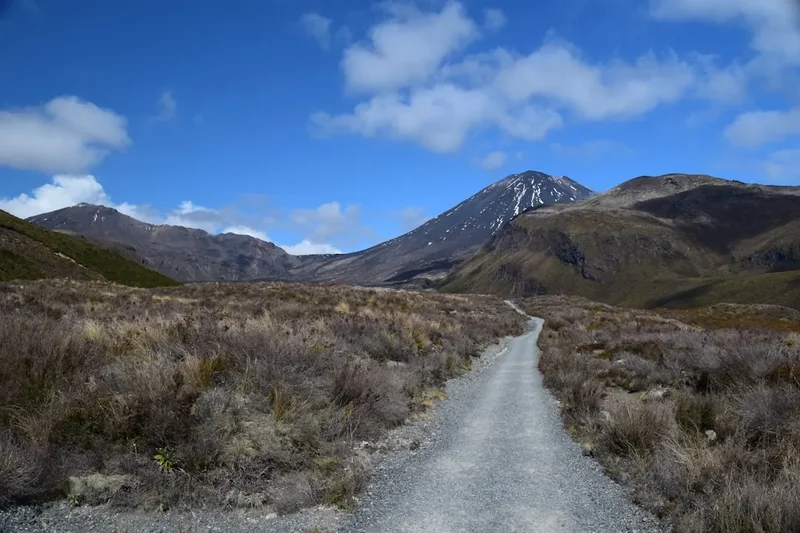
No permits are required to walk the Mt. Karioi Track. Access to the trailhead and the track itself is free and open to the public. This makes it an easily accessible and spontaneous outdoor activity for anyone visiting the Raglan area.
Other Activities in the Area
Raglan is a world-renowned destination for surfing, and the town offers excellent breaks for all skill levels. Whether you're a seasoned pro or a beginner looking for a lesson, Raglan's surf schools and hire shops have you covered. Beyond surfing, the area offers:
- Raglan Town Exploration: Wander through the charming streets of Raglan, browse the unique boutiques, art galleries, and surf shops. Enjoy the laid-back atmosphere and vibrant local culture.
- Beaches: Besides the famous surf beaches, Raglan has other beautiful coastal spots like Ngarunui Beach (Ocean Beach) and Manu Bay, perfect for scenic walks, picnics, or simply enjoying the ocean views.
- Te Āwhitu (Cape Egmont Lighthouse): A scenic drive will take you to the historic Cape Egmont Lighthouse, offering spectacular coastal vistas and a glimpse into the region's maritime history.
- Kayaking and Paddleboarding: The calm waters of Raglan Harbour are ideal for kayaking and paddleboarding, providing a different perspective of the coastline and surrounding landscape.
- Local Cafes and Restaurants: Raglan is known for its excellent food scene, with numerous cafes and restaurants offering fresh, local produce and delicious meals.
- Hiking in nearby reserves: Explore other smaller walking tracks in the region, such as those in the Te Uku area, which offer different types of scenery and shorter walking experiences.
Safety and Conditions
Weather: The weather in Raglan and on Mt. Karioi can change rapidly. Always check the local forecast before you go. Be prepared for wind, rain, and sun, even on the same day. The summit is exposed and can be significantly windier and cooler than at the trailhead.
Track Conditions: The Mt. Karioi Track is generally well-maintained. However, after heavy rain, sections of the track can become muddy and slippery. Wear appropriate footwear with good grip.
Sandflies: Sandflies are common in New Zealand, especially in coastal and bush areas. They can be most active during warmer months and in shaded, damp conditions. It is advisable to bring insect repellent containing DEET or picaridin to protect yourself from bites.
Water: There are no water sources on the track. Carry enough water for your entire hike, especially during warmer weather. A minimum of 1-2 litres per person is recommended.
Navigation: The track is clearly marked, but it's always wise to have a map or a GPS device as a backup, particularly if you are unfamiliar with the area. Mobile phone reception can be unreliable in some parts of the track.
Fitness: The track is rated as moderate due to the significant elevation gain (756 m) over a relatively short distance. Ensure you are of adequate fitness for a sustained uphill climb. Take breaks as needed.
Emergency: In case of an emergency, dial 111 for police, fire, or ambulance services. Inform someone of your hiking plans, including your expected return time.
Side Trips and Points of Interest
While the Mt. Karioi Track is primarily a single, well-defined route to the summit, the journey itself offers several points of interest:
Forest Sections: The lower parts of the track wind through beautiful native New Zealand bush. These sections are rich in biodiversity, with a variety of ferns, mosses, and mature trees. Keep an eye out for native birds like the tūī, fantail (pīwakawaka), and silvereye (tauhou). The dense canopy provides a cool, shaded environment, a welcome contrast to the exposed summit.
Lookout Points: As you ascend, the track opens up at various points, offering increasingly impressive views of the Raglan coastline. These natural lookout spots are perfect for pausing to admire the scenery, take photographs, and appreciate the scale of the landscape before continuing your climb.
Summit Plateau: The summit of Mt. Karioi is not a single sharp peak but rather a broader plateau. This expansive area allows for unobstructed 360-degree views. You can walk around the summit to take in different perspectives of the Tasman Sea, the surf breaks of Raglan, the town itself, and the rolling green hills of the Waikato region stretching inland. The summit is an excellent place to enjoy a packed lunch and absorb the panoramic beauty.
Geological Features: Mt. Karioi is a volcanic remnant, and its formation has shaped the unique landscape. While not explicitly marked as side trips, the geological formations and the way the track navigates the volcanic slopes are points of interest for those interested in the natural history of the area.
Leave No Trace
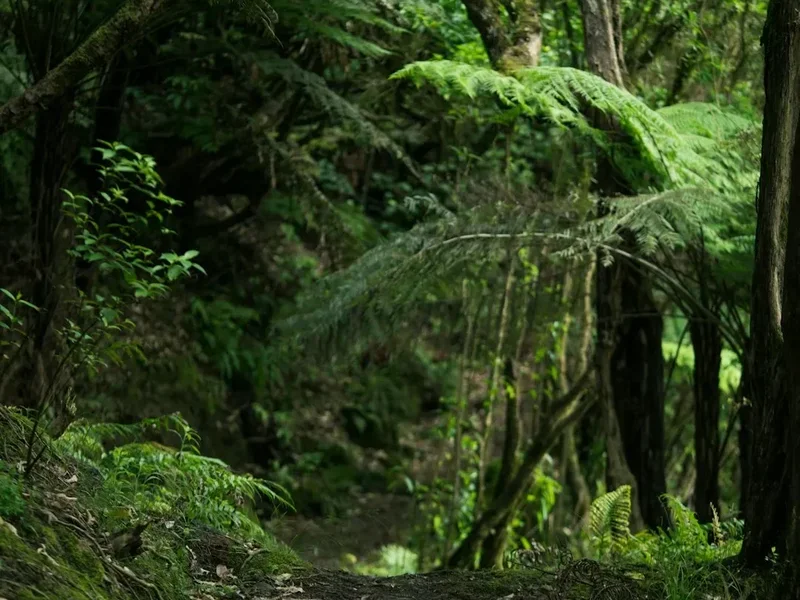
The Mt. Karioi Track, like all natural environments, benefits greatly from visitors practicing Leave No Trace principles. These guidelines help preserve the beauty and ecological integrity of the area for everyone to enjoy.
- Plan Ahead and Prepare: Familiarise yourself with the track conditions, weather forecast, and any local regulations before you go. Pack appropriately for your hike.
- Travel and Camp on Durable Surfaces: Stick to the marked track at all times. Avoid walking on vegetation or creating new paths, as this can damage fragile ecosystems. The summit area is exposed, so be mindful of where you step.
- Dispose of Waste Properly: Pack out everything you pack in. This includes all food scraps, wrappers, and any other litter. There are no bins on the track or at the trailhead.
- Leave What You Find: Do not remove any natural items such as rocks, plants, or flowers. Take only photographs and memories.
- Minimise Campfire Impacts: Campfires are not permitted on this day hike.
- Respect Wildlife: Observe wildlife from a distance and never feed them. Native birds are a highlight of the forest sections, so enjoy them without disturbing their natural behaviour.
- Be Considerate of Other Visitors: Keep noise levels down, especially in the forest sections, to allow others to enjoy the peace and quiet. Yield to uphill walkers when possible.
By following these principles, you help ensure that Mt. Karioi remains a beautiful and accessible natural asset for generations to come.
 New Zealand