Mare à Mare Sud: through the Alta Rocca villages
Mare à Mare Sud crosses southern Corsica from Porto-Vecchio’s lowlands into the Ospedale uplands, then through the villages and wooded valleys of the Alta Rocca towards the Gulf of Valinco. Pine, oak and chestnut woodland alternate with open views and granite country. Village gîtes make a five-day walking journey possible, but the repeated climbs and five- to six-hour stages call for fitness and advance planning.
This guide follows the direct east-to-west route from Porto-Vecchio’s port through Cartalavonu, Levie, Serra-di-Scopamena and Sainte-Lucie-de-Tallano to Burgo. Allow about 67 km of walking, estimated from the tourism route trace to the Burgo finish. Arrange onward transport to Propriano separately. The longer route through Quenza needs a different schedule. The optional Punta di a Vacca Morta viewpoint adds time to day 2, from Cartalavonu to Levie.
Starting in Porto-Vecchio and leaving Burgo
Arrange your arrival and first night in Porto-Vecchio, checking ferry, bus or airport connections for your dates. The opening approach from town reaches Alzu di Gallina, the trailhead listed in Porto-Vecchio Tourisme’s route information. Follow the route towards Muratello and Alzu di Gallina using current mapping. The town approach includes roads; a prebooked taxi to Alzu is an alternative that shortens the walk by approximately 7 km. The figures in this guide include the approach from the port.
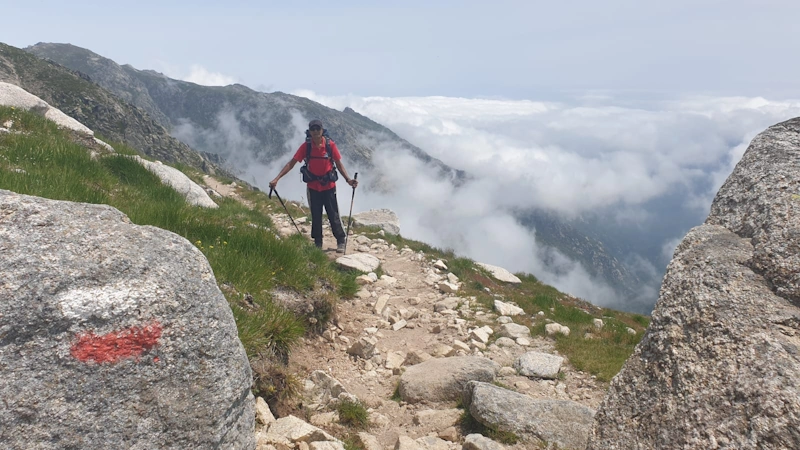
Follow the orange Mare à Mare waymarks through the mountains. At Burgo, the five-stage walking itinerary ends inland above the gulf. Book a pickup and the final night before setting out, and agree the exact meeting point, contact number and what happens if you arrive late.
Camping Milella is on Route de Baracci near Propriano. The park lists it as open April to October; confirm your dates before relying on it for the final night and transfer. If its transfer does not suit your trip, arrange another confirmed pickup and overnight stay. Check the onward bus or ferry journey from Propriano independently; transport from Burgo does not automatically include the bus station or port.
Five stages from Porto-Vecchio to Burgo
Total ascent: about 3,600 m (estimated), calculated from the park’s five east-to-west stage gains. The approximately 67 km route ends at Burgo and uses the direct Levie–Serra stage. Walking times below follow the park’s stage table and exclude breaks, visits and side trips; actual time depends on your precise accommodation and conditions.
Day 1: Porto-Vecchio to Cartalavonu — 5 hours
Start with the approach to Alzu di Gallina, then climb from the lower maquis into pine woodland towards L’Ospedale and the Cartalavonu plateau. The view opens back towards Porto-Vecchio and its gulf. This is a substantial opening climb: the park lists more than 1,000 m of ascent from Porto-Vecchio. Leave early enough for the town approach and breaks, and confirm your gîte’s meal time.

Day 2: Cartalavonu to Levie — 5 hours
Continue through the wooded uplands and descend towards Carbini, where the church of San Giovanni and its separate bell tower provide a village landmark. The stage then leads to Levie. The day includes considerable descent as well as fresh climbs; the Punta di a Vacca Morta excursion adds time to this stage.
Day 3: Levie to Serra-di-Scopamena — 6 hours
Take the direct route towards Serra, passing through oak woodland and granite country near the Cucuruzzu and Capula archaeological area. Old paths, streams and village approaches give this stage a different character from the first day’s long climb. Any archaeological visit needs extra time and current admission information. Follow the direct Mare à Mare line when it separates from the Quenza alternative.
Day 4: Serra-di-Scopamena to Sainte-Lucie-de-Tallano — 5 hours
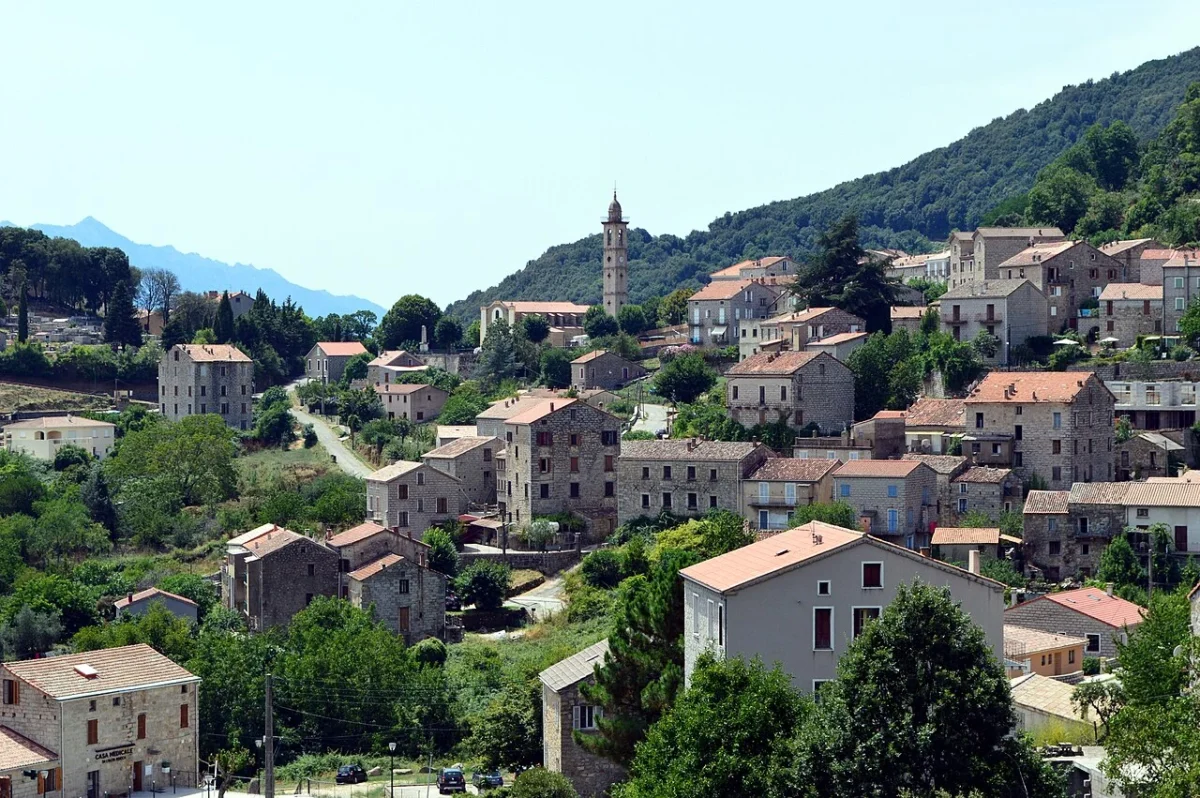
Descend into the Rizzanese country, then work through the valley paths towards Sainte-Lucie. The park’s figures include both a large descent and several hundred metres of climbing, so treat this as another full walking day. After arrival, the village’s church, former convent and olive-oil heritage offer reasons to leave time before dinner.
Day 5: Sainte-Lucie-de-Tallano to Burgo — 6 hours
Continue through wooded slopes and the villages towards Fozzano, then descend to Burgo. Views towards the Gulf of Valinco signal the western end of the crossing, but there is still climbing within the stage. Carry lunch and enough water for the walk. Finish at the pickup point agreed with your driver and travel onwards to your accommodation near Propriano.
For the Quenza alternative, replace day 3 with Levie–Quenza and Quenza–Serra on separate days. The park lists about four hours for each leg. This creates a six-day itinerary with different distance and ascent; it is outside the totals above.
Side trip: Punta di a Vacca Morta from Cartalavonu
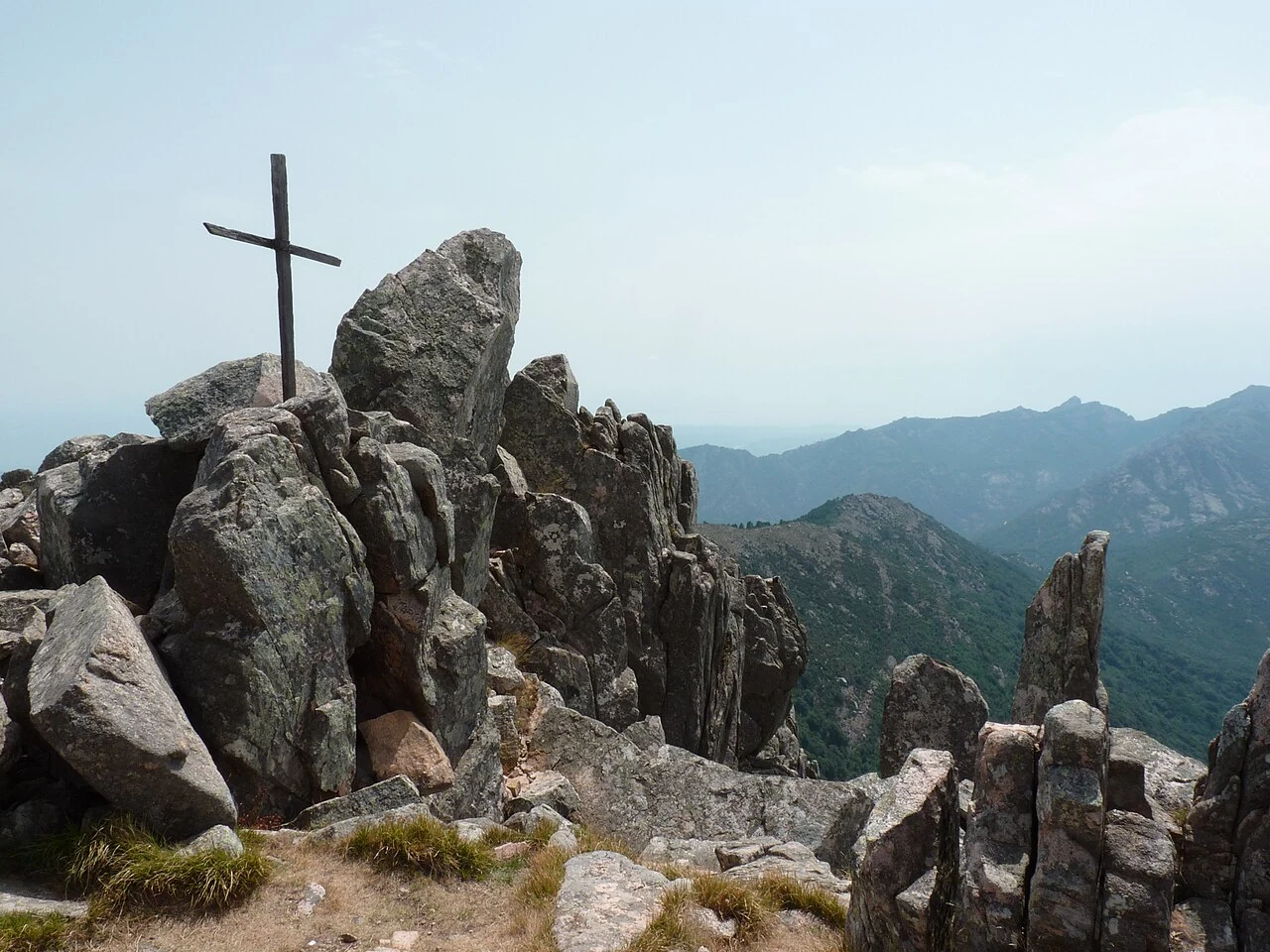
The tourist office’s route guide suggests a short detour to Punta di a Vacca Morta on the Cartalavonu–Levie stage, for a panorama across southern Corsica. Allow additional walking and viewing time beyond the five-hour stage. Ask your Cartalavonu host about the junction, current conditions and the time needed, then return to the through-route. Leave it out in poor visibility or when the main stage already fills your day.
Gîtes, meals and daily supplies
Reserve all overnight stops before travelling. The park’s route page provides the stage and accommodation lists. The core sequence is Cartalavonu, Levie, Serra-di-Scopamena and Sainte-Lucie-de-Tallano, followed by a prearranged stay after the Burgo pickup. Confirm seasonal openings directly; a village name on the map does not guarantee an available bed.
Ask each host about dinner, breakfast and a packed lunch, including dietary requirements. Arrange meals before leaving the previous stop, since shops and restaurants may be closed when you arrive. Carry a reserve of food. Confirm whether bedding is supplied or whether you need a liner or sheets, and whether a kitchen is available if you intend to self-cater. Camping requires suitable booked or permitted places and its own equipment.
At Milella, the operator advertises an 11-person, three-bedroom gîte with cooking facilities and optional linen, available as a whole property or by the room. Confirm the rental arrangement, minimum stay and services; do not assume individual dormitory beds can be booked. Luggage transport between trail accommodation may be possible through local providers, but agree every pickup and delivery before relying on it.
Fill drinking-water bottles before each stage and ask the host about the next reliable supply. Do not base a summer day on finding running streams or usable village fountains. Woodland shade does not remove the need to carry enough water for the whole stage.
Heat, fire restrictions and mountain weather
The park describes the route as accessible throughout the year. For this village-stay itinerary, we recommend April–June and September–October for milder walking temperatures and seasonal accommodation, with each overnight stop confirmed before departure. Summer can be hot even on shaded paths. In winter, snow and closed gîtes can interrupt the route; arrange every overnight stop and check upland conditions before treating it as a winter walk.
Carry waterproofs and a warm layer for the Ospedale uplands as well as sun protection for exposed sections. Wet rock, steep descents and stream crossings require care after rain. Do not cross a stream in flood. Carry an offline map, keep your phone charged and share your route with your hosts; a signal cannot be assumed at every point.
Check the fire-risk information linked from the park page each day, including while already on the route. Access can be restricted and fire orders can also prohibit outdoor stoves. The prefecture’s fire notices show that restrictions can extend beyond the usual summer period. Follow the order in force for your dates and make a cooked-meal plan that does not depend on lighting a stove in the countryside.
Use authorised campsites or arrangements agreed with landowners and hosts. The route’s location in a regional park does not establish permission to camp anywhere. Pack insect protection for warm evenings and check for ticks after walking through vegetation. If weather or fire restrictions block a stage, arrange road transport or another overnight stay from a village instead of improvising a route through closed country.
For an emergency, call 112 and give your location and the nature of the emergency.

Book Your Trip
Everything you need to plan your journey
Accommodation
Find places to stay near Porto-Vecchio