From the fjord to the Long Range plateau
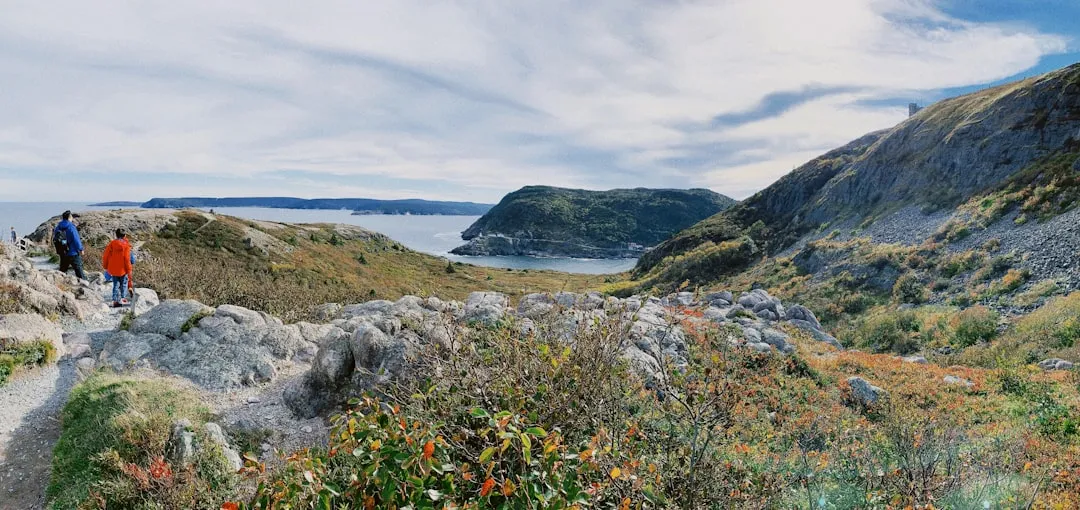
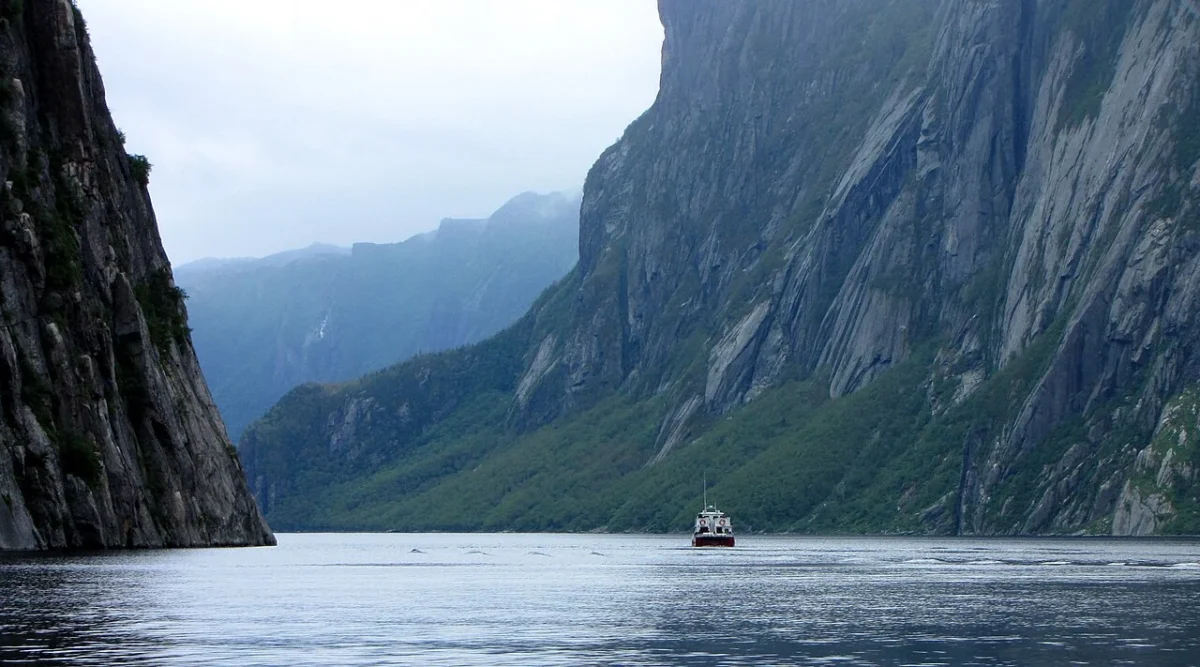
The boat crosses Western Brook Pond, a landlocked fjord carved by glaciers, and leaves you at the foot of the gorge. Above the waterfall the country opens into ponds, low ridges and bog. From there your group navigates south across the plateau to Ferry Gulch and the Gros Morne Mountain trailhead on Route 430.
Allow three to five days. The seven walking legs in the park’s route guide cover 36 km from the far dock to the road. Getting to that dock adds a 3 km approach walk and a boat ride. The traverse suits experienced backpackers who can find their own way across open ground in poor visibility.
Book the permit, boat and return ride
Make a Long Range Traverse reservation for the park’s summer operating season, from late June into September. Book early for mid-July to late August, when permits often fill. Daily starts are limited to three groups, with up to four people per group. Attend the 2:30 p.m. briefing at the Gros Morne National Park Visitor Centre the day before your start to collect the backcountry permit. Allow for the park admission, backcountry permit and separate boat fare when costing the trip.
Arrange the backpacker drop-off with Bontours and tell them you are doing the traverse. Have your permit with you to disembark at the gorge. One way to handle the two road ends is to leave a car at the Gros Morne Mountain trailhead and prearrange a ride to the Western Brook Pond parking lot. From there allow about 45 minutes to walk the 3 km to the near dock. Wind can delay the boat and shorten the daylight available for the climb.
Across the plateau to Ferry Gulch
Total ascent is 1,905 m for the far dock to the Gros Morne Mountain trailhead. The park’s seven-leg description and waypoints cover the gorge, camps and descent. Carry it with topographic sheet 12H/12 Gros Morne, a compass and an offline GPS.
Western Brook Pond to Little Island Pond
From the landing, follow the brook into the gorge. Flooding and rockfall can erase stretches of path. The first leg gains 630 m. At the waterfall, the park route climbs through the trees to its right, then crosses rock slab towards the rim. Parks Canada advises beginning the gorge by noon to leave enough daylight for Little Island Pond. From the rim the line turns south along the west side of the ponds to Little Island Pond, about 6.8 km from the far dock. All distances below are measured from that landing.

Marks Pond and Hardings Pond
The Marks Pond campsite is at km 10.3. Pass west of the pond. Tracks leading southeast can take you down Glanders Gulch or towards Candlestick Pond. Check your bearing towards the notch on the way to Hardings Pond. The camp is at its southwest corner, at km 14.8. Between the gorge rim and Hardings Pond, Little Island Pond has one tent pad. Marks Pond has none and can flood after heavy rain. Be prepared to camp away from a designated site on this stretch. Discuss suitable ground at the briefing, use durable ground where possible, cook on a stove and pack out all rubbish.
Green Island Pond and Bakeapple Pond
The route crosses a ridge and descends towards a narrows between ponds. In low cloud there are few landmarks to distinguish one hollow from the next. There are camps on either side of the brook at Green Island Pond. The upper camp is at km 22.3. The crossing to the upper camp can run fast and high. Leave room in your plans to stop on the near side. Farther west, the rim by Bakeapple Pond opens a view down into Ten Mile Pond.

Ferry Gulch to Route 430
Use the park’s waypoints LR-14a and LR-14b to identify the recommended descent into Ferry Gulch. A well-used animal path can lead past the turn. Join the maintained Gros Morne Mountain Trail at Ferry Gulch campsite (km 28.3) and follow it west for the final 7.7 km to the highway (km 36.0). For an extra climb from Ferry Gulch, check the park’s summit reopening date before taking the Gros Morne Summit Trail, which closes for wildlife from 1 May through at least the last Friday in June. Report your return to park staff and hand in your permit.

Camping above the gorge
For three nights, one option is Little Island Pond, Hardings Pond and Green Island Pond, then out via Ferry Gulch on the fourth day. With four nights, camp at Ferry Gulch as well and leave the walk to the road for the last morning. Treat the first stop as provisional given the single tent pad. Discuss alternatives at the briefing and allow for a delayed boat or high brook.
Bring a wind-resistant tent, cord for securing it to tent platforms, a sleeping bag and an insulating mat. The ponds give the camps their names, but facilities differ from one stop to the next. Treat water before drinking. Black bears live in Gros Morne. Cook away from your tent and put food, toiletries and rubbish in the lockers where provided. At an undesignated site, Parks Canada advises hanging them at least 3 m above the ground. Where there are no trees, keep them 50 m from your tent. The park’s preparation guide lists bear spray. Learn how to use it before you leave. Carry a stove, all your meals and two extra days of food and fuel in case weather holds you on the plateau.
Fog, water and finding help
Have more than one person in the group practise navigating with the map, compass and GPS before departure. Moose tracks and other worn paths can look like a hiker’s route. If fog takes away the landmarks you need, wait where you can shelter. Rain can raise brooks while you are on the plateau. Early-season groups can encounter snowbeds and fog into early July. Mid-July to late August offers the best chance of a run of dry days, but blackflies and mosquitoes are especially active then. Pack a head net. Early September is cooler and usually quieter for insects. Later in September, strong winds and several days of rain become more likely. Brooks rise quickly on saturated ground, and frost or snow can reach the camps. Carry windproof layers and dry insulation even in summer.
Cell coverage is patchy. Carry a satellite communicator you know how to use, give your itinerary and return date to a contact and check the park trail report before leaving. Parks Canada search-and-rescue dispatch is 1-877-852-3100. For police, fire or ambulance where phone service is available, call 911.
Book Your Trip
Everything you need to plan your journey
Accommodation
Find places to stay near Sally's Cove