
Isthmus Peak Track
The Isthmus Peak Track is a challenging yet immensely rewarding day walk located in the heart of New Zealand's Southern Alps, offering unparalleled panoramic views of Lake Hāwea and Lake Wānaka. This 16-kilometre return journey ascends steeply through tussock grasslands and alpine scrub, culminating at the summit of Isthmus Peak, which stands at 1386 metres. The track is renowned for its dramatic elevation gain and the breathtaking vistas that unfold with every metre climbed. It's a true test of endurance, but the payoff is a 360-degree spectacle of glacial lakes, rugged mountain ranges, and the vast, wild beauty of the Otago region. This track is best suited for experienced day hikers with a good level of fitness, seeking an unforgettable alpine experience without the commitment of an overnight trek.
- Distance: 16.0 km return
- Duration: 5–6 hours return
- Elevation Gain: 1386 m
- Difficulty: Challenging
- Best Time: October to April (warmer weather, clearer tracks)
- Closest City: Wānaka
- Trailhead Access: Nearest airport: Queenstown (ZQN). Drive to Wānaka, then north on Wānaka-Mount Aspiring Road. Turn onto Isthmus Peak Road. Road is gravel, suitable for most vehicles. Parking available at trailhead.
- GPS Coordinates: -44.6117, 169.0381
Overview
Isthmus Peak Track is a quintessential Fiordland-style day hike, demanding significant physical effort for an extraordinary reward. The trail begins at a modest elevation, but quickly begins its relentless ascent. The initial section winds through farmland before transitioning into the more rugged alpine terrain characteristic of the region. As you climb, the landscape opens up, revealing increasingly spectacular views of the twin lakes, Lake Hāwea and Lake Wānaka, separated by the narrow strip of land from which the peak derives its name. The track is well-formed but steep, featuring numerous switchbacks that help manage the gradient but still require considerable stamina. The higher you climb, the more dramatic the scenery becomes, with vast expanses of tussock, rocky outcrops, and distant snow-capped peaks dominating the horizon.
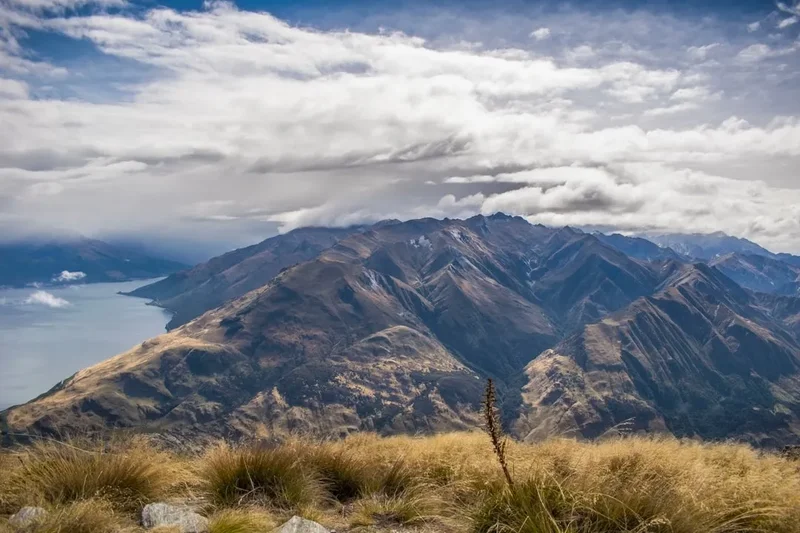
The summit of Isthmus Peak offers a truly awe-inspiring 360-degree panorama. To the east, Lake Hāwea stretches out, a vast expanse of deep blue water fringed by mountains. To the west, Lake Wānaka mirrors the sky, its clear waters reflecting the surrounding alpine scenery. The isthmus itself, a narrow land bridge between the two lakes, is a striking geographical feature. On a clear day, the views extend to the Southern Alps, including the majestic peaks of Mount Aspiring National Park. The exposed nature of the summit means it can be windy, but the sheer beauty of the landscape makes it a worthwhile challenge. The descent, while easier on the lungs, requires careful footing due to the steepness and loose scree in places.
This track is a popular choice for those seeking a challenging day hike with world-class views, without the need for overnight accommodation. It provides an excellent opportunity to experience the raw beauty of the Southern Alps and is particularly stunning during the spring and autumn months when the tussock turns golden and the air is crisp and clear. The accessibility from Wānaka makes it a convenient option for visitors to the region looking for an active adventure.
History and Cultural Context
The land surrounding Isthmus Peak has a rich history, deeply intertwined with the Māori people, particularly the Kāti Māmoe and Kai Tahu iwi. For centuries, these valleys and mountains served as important routes for travel, hunting, and gathering. The lakes themselves, Wānaka and Hāwea, are significant taonga (treasures) with deep cultural and spiritual connections for local iwi. The name "Wānaka" is believed to derive from the Māori word "wānanga," meaning a place of learning or a sacred meeting place, while "Hāwea" is thought to refer to a legendary ancestor.
European settlement in the Wānaka region began in the mid-19th century, with pastoralism becoming a dominant industry. The rugged terrain presented challenges for early settlers, but the fertile valleys and abundant natural resources eventually led to the establishment of farming communities. The area's stunning natural beauty was recognised early on, leading to its eventual protection as part of Mount Aspiring National Park. The development of tracks like the Isthmus Peak Track reflects a growing appreciation for the region's wilderness and a desire to share its grandeur with visitors.
The Isthmus Peak Track itself, while not as historically significant as some of New Zealand's Great Walks, represents a modern approach to accessing and appreciating the alpine environment. It was developed and maintained by the Department of Conservation (DOC) to provide a safe and accessible route to a spectacular viewpoint. The track's construction involved careful consideration of the fragile alpine ecosystem, aiming to minimise environmental impact while maximising the visitor experience. The gravel road leading to the trailhead, Isthmus Peak Road, is a testament to the infrastructure development required to open up these remote areas for recreation.
Seasonal Highlights and Weather Reality
The Isthmus Peak Track is a seasonal walk, with the best conditions typically occurring during the warmer months. The track is generally accessible and most enjoyable from October through to April.
Spring (October–November): This period offers a vibrant awakening of the alpine landscape. Wildflowers begin to bloom, and the tussock starts to turn a fresh green. The weather can be variable, with potential for late snowfalls at higher elevations, but days are lengthening, and the air is crisp. It's a good time to visit if you prefer fewer crowds and are prepared for changeable conditions.
Summer (December–February): This is the most popular time to hike Isthmus Peak. The weather is generally warmer and more stable, with long daylight hours. The tussock is dry and golden, providing a beautiful contrast to the blue lakes. However, summer can also bring higher temperatures, increased insect activity (though less severe than in coastal Fiordland), and more people on the track. The summit can be exposed and hot, so carrying plenty of water and sun protection is essential.
Autumn (March–April): Autumn is often considered the prime season for Isthmus Peak. The weather is typically settled and clear, with cooler temperatures making the climb more comfortable. The tussock turns a spectacular array of golden, russet, and red hues, creating a breathtaking visual spectacle. The crowds thin out, offering a more serene experience. However, be aware that early snowfalls can occur on the higher sections of the track later in April.
Winter (May–September): Isthmus Peak is generally not recommended for hiking during winter. The track can be covered in snow and ice, making it treacherous and requiring specialised winter mountaineering equipment and experience. The gravel road to the trailhead may also be affected by snow and ice. The Department of Conservation advises against attempting the track during winter months unless you are an experienced winter mountaineer.
Weather Considerations: Regardless of the season, the weather in the Southern Alps can change rapidly. Isthmus Peak is exposed, and conditions at the summit can be significantly different from those at the trailhead. Always check the mountain forecast before you go, and be prepared for wind, rain, and cooler temperatures, even on a sunny day. Hypothermia is a risk, even in summer, due to the altitude and potential for strong winds.
Recommended Itinerary
Isthmus Peak Track - Day Hike Itinerary
Early Morning (Approx. 8:00 AM): Departure from Wānaka
- Drive north from Wānaka on the Wānaka-Mount Aspiring Road.
- Continue for approximately 30-40 minutes.
- Turn right onto Isthmus Peak Road.
- The road is unsealed and can be rough in places; suitable for most vehicles but drive with caution.
- Continue for approximately 10-15 minutes to the designated trailhead parking area.
- Allow ample time for the drive and to prepare your gear.
Morning (Approx. 9:00 AM): Trailhead and Initial Ascent
- Arrive at the Isthmus Peak Track trailhead.
- Begin the hike. The initial section is a relatively gentle climb through farmland, often with livestock present.
- The track soon transitions to a steeper, more rugged path.
- Distance covered: Approximately 3-4 km.
- Elevation gain: Approximately 300-400 m.
- Time taken: 1.5–2 hours.
- Key Waypoints: Farm gate, initial switchbacks, transition to alpine vegetation.
Midday (Approx. 11:00 AM - 12:00 PM): Mid-Ascent and Lake Views
- Continue the steady, steep climb.
- The vegetation changes to tussock and alpine scrub.
- Panoramic views of Lake Hāwea and Lake Wānaka begin to open up.
- This section is physically demanding, requiring consistent effort.
- Distance covered: Approximately 4-5 km from the start.
- Elevation gain: Approximately 700-800 m from the start.
- Time taken: 2.5–3 hours from the start.
- Key Waypoints: Prominent viewpoints overlooking the lakes, rocky outcrops.
Afternoon (Approx. 1:00 PM - 2:00 PM): Summit and Descent Preparation
- Reach the summit of Isthmus Peak (1386 m).
- Spend time enjoying the 360-degree views, taking photos, and having lunch.
- Be aware of wind conditions at the summit.
- Begin the descent. The descent is steep and can be hard on the knees.
- Distance covered: 16.0 km return (8 km up, 8 km down).
- Elevation gain: 1386 m to summit.
- Time taken: 5–6 hours return.
- Key Waypoints: Summit cairn, panoramic viewpoints, start of the descent.
Late Afternoon (Approx. 3:00 PM - 4:00 PM): Return to Trailhead
- Complete the descent back to the trailhead parking area.
- Allow for breaks and careful footing on the way down.
- Distance covered: 16.0 km return.
- Time taken: 5–6 hours return.
- Key Waypoints: Trailhead parking area.
Important Notes:
- This is a challenging day hike; ensure you have adequate fitness and preparation.
- Carry sufficient water (at least 2-3 litres per person) as there are no water sources on the upper track.
- Wear sturdy, broken-in hiking boots.
- Pack layers of clothing, including waterproof and windproof outer shells, as weather can change rapidly.
- Sun protection (hat, sunglasses, sunscreen) is essential, especially at the summit.
- Check the weather forecast before you leave Wānaka.
- No camping is permitted on the track or at the summit.
Planning and Bookings
Book Your Trip
Everything you need to plan your journey
Accommodation
Find places to stay near Wanaka
Flights
Search flights to Wanaka
Essential Preparation
The Isthmus Peak Track is a demanding day hike that requires careful planning to ensure a safe and enjoyable experience. Given its challenging nature, a good level of physical fitness is paramount. This includes having strong cardiovascular endurance and leg strength to cope with the sustained, steep ascent and descent. It is highly recommended to have prior experience with multi-hour hikes, preferably in mountainous terrain.
Logistics: The closest major town and logistical hub is Wānaka. Wānaka offers a full range of services, including accommodation (from budget hostels to luxury hotels), supermarkets for purchasing food and supplies, outdoor gear shops for last-minute purchases, and fuel stations. It is advisable to base yourself in Wānaka the night before and after your hike. Ensure your vehicle is in good condition, as the Isthmus Peak Road is unsealed and can be rough. Check the road conditions with local authorities or DOC if you are concerned, especially after periods of heavy rain.
Booking Coordination: No specific bookings or permits are required for the Isthmus Peak Track itself, as it is a day hike managed by the Department of Conservation. However, it is crucial to book accommodation in Wānaka in advance, especially during peak season (summer and school holidays), as it can fill up quickly. Similarly, if you are flying into Queenstown, book your rental car and any necessary accommodation there well in advance.
Base Town Information: Wānaka is a picturesque town situated on the shores of Lake Wānaka. It offers a relaxed atmosphere and serves as a gateway to numerous outdoor activities. Queenstown, approximately a 1-hour drive away, is a larger international airport and tourist centre with more extensive services and transport options.
Trail Accommodation
This is a day hike requiring no overnight accommodation.
Required Gear
- Sturdy Hiking Boots: Waterproof, ankle-supporting boots are essential. Ensure they are well broken-in to prevent blisters.
- Backpack: A comfortable day pack (20-35 litres) to carry essentials.
- Waterproof Jacket: A breathable, waterproof and windproof jacket is crucial for protection against sudden weather changes.
- Waterproof Overtrousers: Recommended for protection against rain and wind.
- Warm Layers: Include a fleece or wool mid-layer and a thermal base layer. Even in summer, the summit can be cold and windy.
- Headwear: A warm beanie or hat for cold conditions and a sun hat for protection against the sun.
- Gloves: Lightweight gloves can be useful for cooler conditions.
- Navigation: A map of the area and a compass, or a GPS device/smartphone with offline maps downloaded. While the track is well-marked, it's always wise to have backup navigation.
- First-Aid Kit: Comprehensive kit including blister treatment, pain relievers, antiseptic wipes, bandages, and any personal medications.
- Head Torch: With spare batteries, in case of unexpected delays or an early start/late finish.
- Sun Protection: High SPF sunscreen, sunglasses, and lip balm. The sun is intense at higher altitudes.
What to Bring
- Food: Plenty of high-energy snacks and a packed lunch. There are no food facilities on the track. Consider items like trail mix, energy bars, fruit, and sandwiches.
- Water: Carry at least 2-3 litres of water per person. There are no reliable water sources on the upper sections of the track.
- Water Treatment: While not strictly necessary if you carry all your water, a personal water filter or purification tablets can be a backup.
- Toiletries: Small personal items such as hand sanitiser, tissues, and any personal hygiene products.
- Insect Repellent: While sandflies are not as prevalent as in coastal Fiordland, they can be present, especially during warmer months.
- Trekking Poles: Highly recommended for the steep ascent and descent, as they reduce strain on knees and ankles.
- Camera: To capture the spectacular scenery.
- Mobile Phone: For emergencies, though reception is unreliable on the track.
- Cash: For any purchases in Wānaka or Queenstown.
Permits
The Isthmus Peak Track is a Department of Conservation (DOC) managed day hike. As such, no specific permits or bookings are required to walk the track itself. Access to the trailhead is free, and the track is open year-round, subject to weather conditions.
However, it is essential to note that while no permit is needed for the hike, responsible behaviour and adherence to DOC guidelines are expected. This includes respecting the environment, staying on marked paths, and packing out all rubbish.
Important Considerations:
- Accommodation: If you plan to stay in Wānaka or Queenstown before or after your hike, it is highly recommended to book your accommodation well in advance, especially during peak tourist seasons (summer, school holidays, and major events).
- Transport: If you are hiring a vehicle, ensure you book this in advance. The gravel road to the trailhead requires a vehicle capable of handling unsealed surfaces.
- Weather: While not a permit, checking the weather forecast is crucial. DOC provides detailed mountain forecasts for the region, which should be consulted before and during your trip.
The absence of a permit system for this track means that visitor numbers can fluctuate significantly based on weather and season. It is advisable to start your hike early in the morning, particularly during busy periods, to avoid the largest crowds and ensure you have ample time to complete the hike safely.
Other Activities in the Area
The Wānaka region offers a wealth of activities for visitors looking to extend their stay or explore beyond the Isthmus Peak Track:
- Lake Wānaka Activities: Enjoy swimming, kayaking, paddleboarding, or sailing on the pristine waters of Lake Wānaka. Numerous boat tours are available, offering scenic cruises and access to nearby islands.
- Wānaka Tree (That Wānaka Tree): Visit the iconic willow tree growing out of the lake, a popular photographic subject.
- Mount Iron Track: A shorter, easier walk (1.5 hours return) offering excellent views of Wānaka town, the lake, and surrounding mountains.
- Roy's Peak Track: Another challenging but rewarding day hike near Wānaka, famous for its stunning views over Lake Wānaka and the surrounding peaks. This track is also very popular and requires an early start.
- Wānaka Lavender Farm: A beautiful and fragrant destination offering tours, a café, and a gift shop.
- Puzzling World: A unique attraction featuring illusion rooms, a maze, and a sculpture park, offering fun for all ages.
- Wānaka Golf Club: Enjoy a round of golf with spectacular mountain backdrops.
- Skiing and Snowboarding (Winter): During the winter months, Wānaka is a premier destination for snow sports, with several world-class ski fields nearby, including Cardrona Alpine Resort and Treble Cone.
- Mount Aspiring National Park: Explore further into the national park with longer hikes, scenic drives, or guided tours.
- Wānaka's Craft Breweries and Wineries: Sample local craft beers and wines at the region's numerous breweries and vineyards.
Safety and Conditions
Pre-Hike Checks:
- Weather Forecast: Always check the MetService mountain forecast for the Wānaka region and specifically for Isthmus Peak before you depart. Be prepared for rapid changes in weather, including strong winds, rain, and potentially snow at higher elevations, even in summer.
- Track Conditions: While the Isthmus Peak Track is generally well-maintained, conditions can change after heavy rain or snowfall. Check the Department of Conservation (DOC) website for any alerts or closures related to the track or the access road.
- Road Conditions: The Isthmus Peak Road is unsealed and can be rough. Ensure your vehicle is suitable and drive cautiously. If there has been recent heavy rain, the road may be muddy or have washouts.
On the Track:
- Fitness: This is a challenging hike with significant elevation gain. Ensure you are physically prepared. If you are unsure, consider a shorter walk first.
- Hydration and Nutrition: Carry ample water (at least 2-3 litres per person) as there are no water sources on the upper track. Bring high-energy food and snacks.
- Footwear: Wear sturdy, well-fitting hiking boots with good ankle support.
- Clothing: Dress in layers. Include a moisture-wicking base layer, an insulating mid-layer (fleece or wool), and a waterproof and windproof outer shell. Be prepared for temperature drops, especially at the summit.
- Sun Protection: The sun's rays are stronger at higher altitudes. Use sunscreen, wear a hat and sunglasses.
- Navigation: While the track is well-marked, carry a map and compass or a GPS device with offline maps. Mobile phone reception is unreliable.
- Pacing: Start early to allow plenty of time to complete the hike and descend before dark. Take regular breaks to rest, hydrate, and enjoy the views.
- Summit Exposure: The summit of Isthmus Peak is exposed to the elements. Be prepared for strong winds and potentially cold temperatures.
- Descent: The descent can be hard on the knees and requires careful footing, especially on loose scree sections. Trekking poles can be very helpful.
- Emergency: In case of an emergency, call 111. If you have a personal locator beacon (PLB), activate it.
Environmental Hazards:
- Weather: The most significant hazard. Rapidly changing conditions can lead to hypothermia, reduced visibility, and difficult walking.
- Sunburn: Intense UV radiation at altitude.
- Insects: While not as severe as in coastal Fiordland, sandflies can be present.
Travel Insurance: It is always recommended to have travel insurance that covers outdoor activities in case of unforeseen circumstances or medical emergencies.
Side Trips and Points of Interest
While the Isthmus Peak Track is primarily a summit-focused hike, the journey itself offers several points of interest and opportunities for appreciation:
The Isthmus: The narrow strip of land separating Lake Wānaka and Lake Hāwea is a prominent geographical feature visible from various points on the track, particularly as you gain elevation. The unique geological formation is a testament to the glacial forces that shaped this landscape.
Lake Hāwea Views: As you ascend, the eastern side of the track offers increasingly expansive views of Lake Hāwea. Its deep blue waters and the surrounding rugged hills provide a dramatic backdrop. The viewpoints here are excellent for photography and appreciating the scale of the lake.
Lake Wānaka Views: The western side of the track opens up to the stunning vistas of Lake Wānaka. The clarity of the water and the reflections of the mountains on its surface are particularly captivating. The views become more comprehensive as you climb higher.
Alpine Tussock Grasslands: The upper reaches of the track traverse open tussock grasslands. In autumn, these grasslands turn a spectacular golden-brown, creating a visually stunning landscape. The textures and colours of the alpine flora are a point of interest in themselves.
Summit Panorama: The ultimate point of interest is the 360-degree view from the summit of Isthmus Peak. This includes the two lakes, the isthmus, the surrounding mountain ranges, and on clear days, distant views towards Mount Aspiring National Park. The summit itself is a rocky outcrop offering a natural amphitheatre of natural beauty.
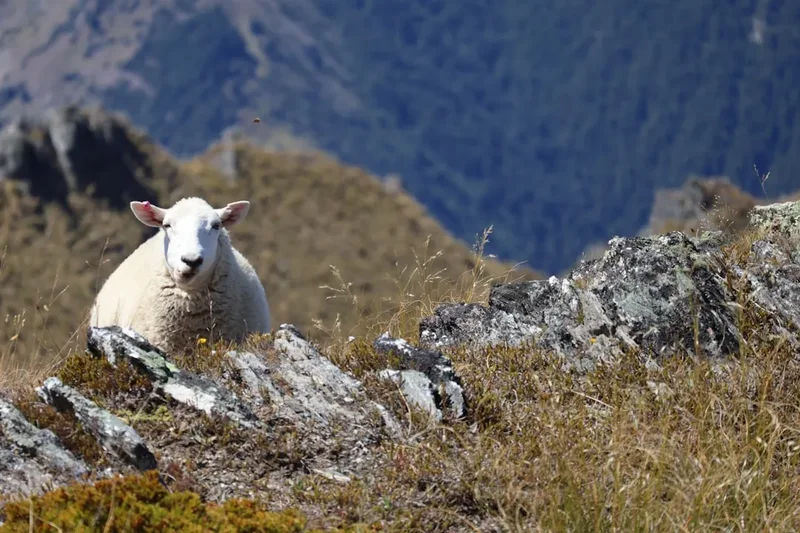
Wildlife Spotting: Keep an eye out for native birdlife, such as the South Island robin, fantail, and various species of finches. You may also see livestock grazing in the lower sections of the track.
Leave No Trace
The Isthmus Peak Track, like all natural environments, requires visitors to practice Leave No Trace principles to minimise their impact and preserve its beauty for future generations. Adhering to these principles ensures the sustainability of this popular hiking destination.
Plan Ahead and Prepare:
- Know the weather forecast and trail conditions before you go.
- Pack appropriate gear and sufficient food and water.
- Be aware of any regulations or restrictions in the area.
Travel and Camp on Durable Surfaces:
- Stay on the marked track at all times. This prevents erosion and protects fragile alpine vegetation.
- Do not cut switchbacks, as this causes significant erosion.
- This is a day hike, so camping is not permitted on the track or at the summit.
Dispose of Waste Properly:
- Pack it in, pack it out. Carry out all rubbish, including food scraps, wrappers, and tissues.
- Use the toilet facilities provided at the trailhead if available. If not, dig a cathole at least 10 metres away from water sources, trails, and campsites, and bury human waste. Pack out used toilet paper.
Leave What You Find:
- Do not remove any natural objects, such as rocks, plants, or flowers.
- Avoid damaging trees or other vegetation.
- Do not carve or mark any surfaces.
Minimise Campfire Impacts:
- Campfires are not permitted on the Isthmus Peak Track.
Respect Wildlife:
- Observe wildlife from a distance. Do not feed any animals, as this can harm their health and alter their natural behaviours.
- Secure your food to prevent attracting pests.
Be Considerate of Other Visitors:
- Yield to uphill hikers.
- Keep noise levels down to appreciate the natural sounds of the environment.
- Be courteous and respectful to all users of the track.
By following these principles, you help to ensure that the Isthmus Peak Track remains a pristine and enjoyable experience for everyone.
 New Zealand