
Around the Maroon Bells in four days
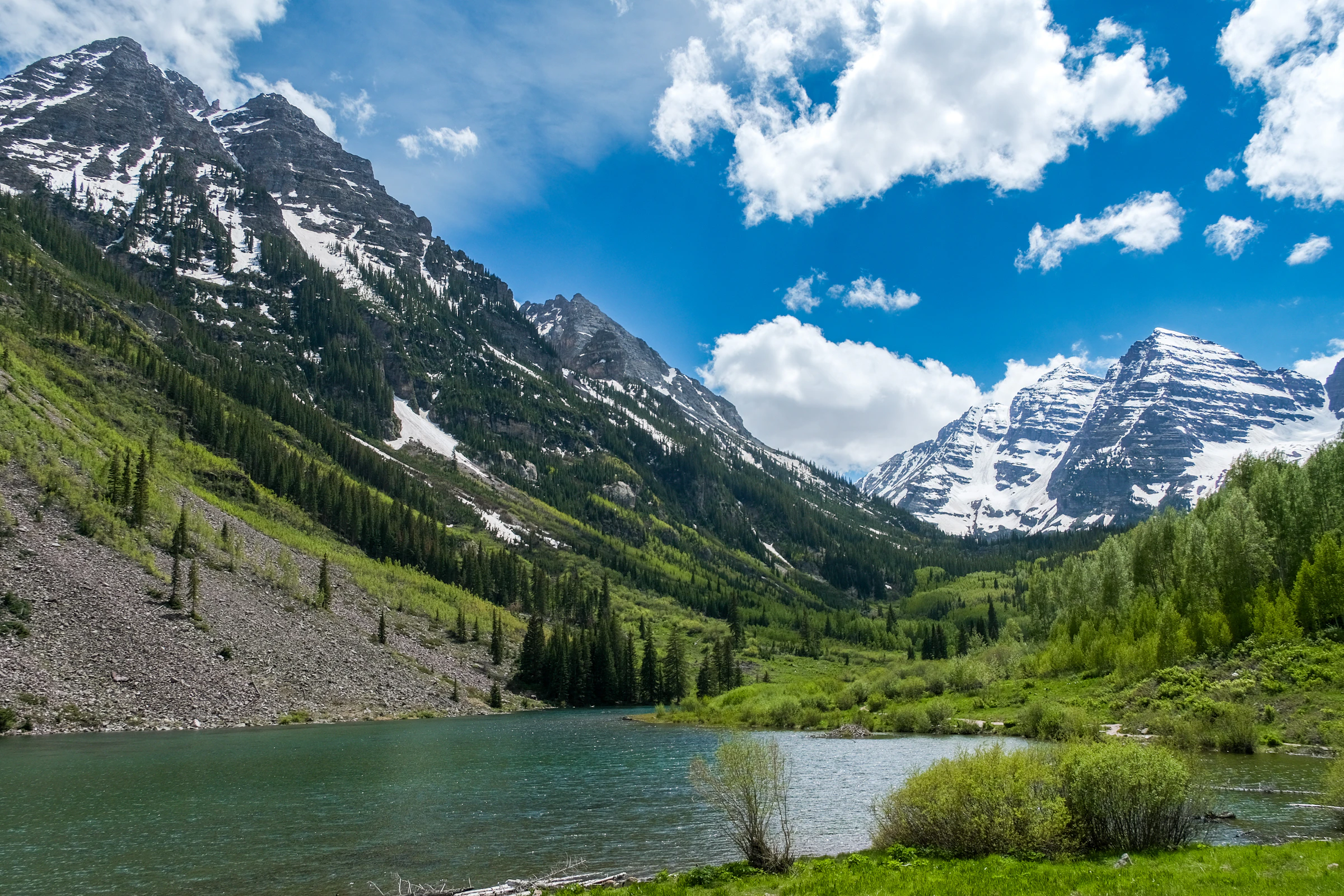
From Maroon Lake the peaks look like a single wall. Over the next four days you walk around them, following streams out of four separate basins and crossing one high pass each day. This clockwise circuit starts and ends at the Maroon Lake trailhead near Aspen. It covers about 42 km and uses the East Fork, North Fork and Snowmass Lake overnight zones, in that order.
All four passes rise above 3,650 m. The first day already takes you over West Maroon Pass, so choose dates and a first-night booking that suit how you travel at altitude.
Reaching Maroon Lake from Aspen
In the access season, book the Maroon Bells shuttle from the Welcome Center at Aspen Highlands or reserve trailhead parking that covers every night away. Bus connections run to Aspen Highlands from Aspen and downvalley. Check how long you can leave a car at your chosen parking area. Arrange the return ride and note the last departure from the lake before you set off.
Start at the Maroon Lake Day Use trailhead at the end of Maroon Creek Road. The Colorado Mountain Club’s four-day itinerary calls for arrival at the Maroon Lake trailhead by 07:30 on day one. The lakeside viewpoint is only the beginning. Follow signs for Crater Lake onto the Maroon–Snowmass Trail and carry a map showing both the trail junctions and the camping-zone boundaries.

Clockwise over the four passes
Total ascent is about 2,500 m (estimated) on the Colorado Mountain Club’s four-day route. The distance to your tent each evening depends on the site you find inside the booked zone.
Day 1 · Maroon Lake to the East Fork zone over West Maroon Pass
Follow the wooded, rocky approach towards Crater Lake. At the fork for the circuit, take the West Maroon Creek route. The valley narrows into willow and open alpine ground before the final climb to West Maroon Pass. Cross to the west side and choose an established site inside the East Fork zone. Camping on the approach side of the pass would put you in a different zone.
Day 2 · East Fork zone to the North Fork zone over Frigid Air Pass
Take the Frigid Air Pass turn. From the pass, look into Fravert Basin and follow the trail down from open slopes into forest along the North Fork of the Crystal River. The night’s reservation is for the North Fork zone. Check the water level and the weather as you go. Snowmelt can make a ford difficult well beyond the last patch of snow on the path.
Day 3 · North Fork zone to the Snowmass Lake zone over Trail Rider Pass
From the Fravert Basin trail, follow the North Fork Cutoff uphill and join the Geneva Lake Trail towards Trail Rider Pass. Take care with this junction. A descent to Geneva Lake would lead away from the planned crossing. The pass gives the first view down to Snowmass Lake. Descend the rocky slopes and take the lake-side branch into the booked zone. Upper Snowmass is a separate booking.
Day 4 · Snowmass Lake zone to Maroon Lake over Buckskin Pass
Pick up the Maroon–Snowmass Trail towards Buckskin Pass. From the saddle the route descends towards the Maroon Bells and rejoins the approach near Crater Lake. Follow the familiar trail back to Maroon Lake and your transport. Leave time for the rocky descent even after the last climb is behind you.
Book a zone for each night
Reserve East Fork for night one, North Fork for night two and Snowmass Lake for night three through Recreation.gov. Check the release window for the first and last dates of your trip. If the sequence is unavailable, change dates or plan a different itinerary before paying for transport. The named permit holder or listed alternate must travel with the group and carry a printed permit and photo ID.
Most permits cover up to four people. Each person can reserve up to two permits per calendar year. From 1 May through 31 October the fee is US$10 per person per night for ages 17 and up. Children 16 and under are exempt from the nightly fee. There is also a non-refundable US$6 reservation fee per permit (fees checked 20 November 2026).
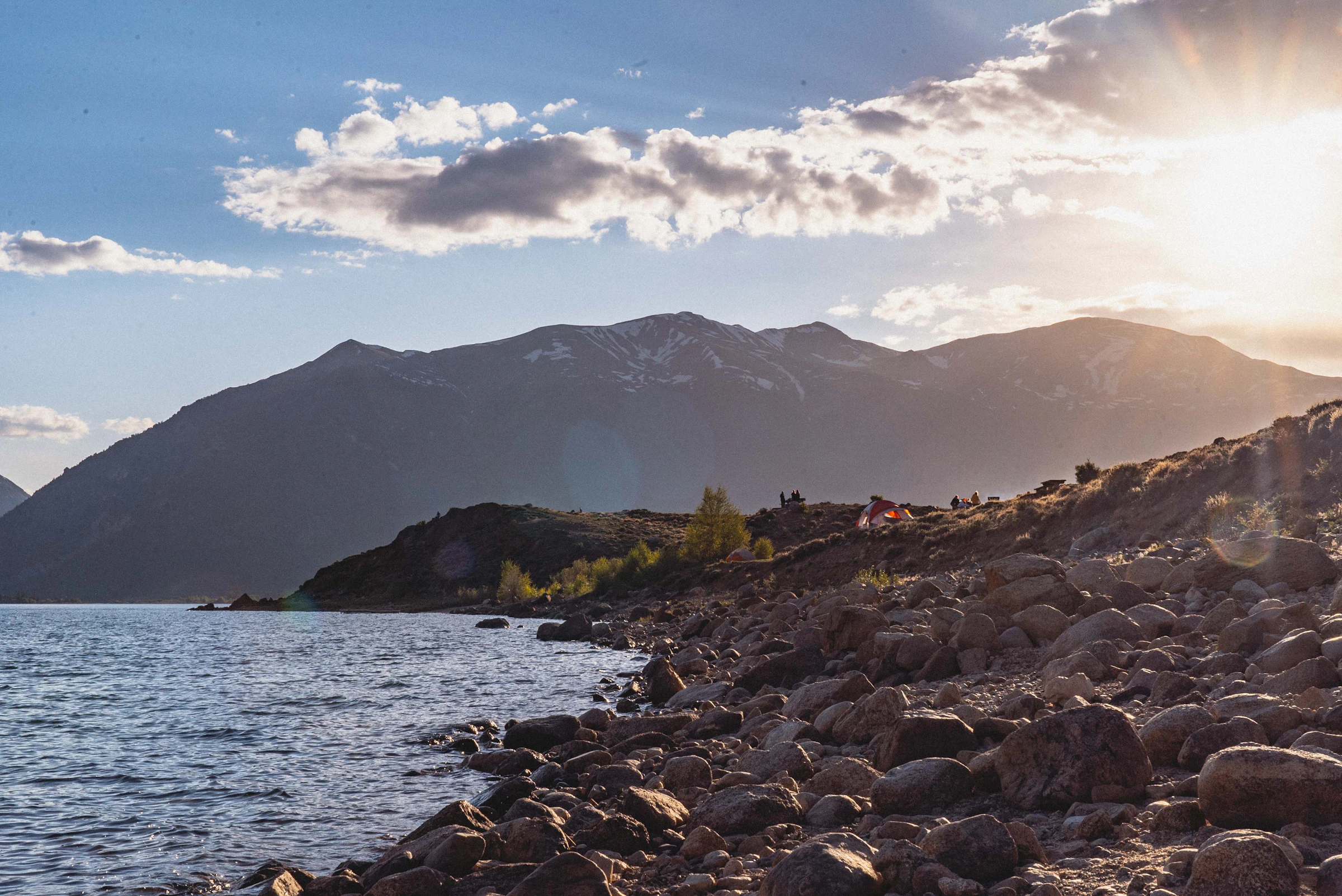
These are backcountry tent sites. Pack shelter, warm bedding, meals, a stove and enough fuel for the whole loop. Treat water collected from streams and lakes and fill up before climbing away from water. Use established sites inside your booked zone, about 70 large paces from water and trail. Campfires are prohibited anywhere in the Maroon Bells-Snowmass Wilderness above 10,800 ft (about 3,290 m), including Snowmass Lake, and at all designated sites at Conundrum Hot Springs, Crater Lake and Capitol Lake. Use your stove at Snowmass Lake and at any camp above that elevation. Store meals, rubbish and toiletries in a bear-resistant container approved by the Interagency Grizzly Bear Committee.
There are no backcountry toilets. The Forest Service recommends using a human-waste bag and packing it out. Without a bag, bury solid waste 6–8 inches (15–20 cm) deep and at least 200 ft (about 70 paces) from water, camp and trails.

Book Your Trip
Everything you need to plan your journey
Accommodation
Find places to stay near Aspen
Snowmelt, storms and the last shuttle
July to September offers the usual backpacking window. Early in the season, lingering snow can hide the trail on either side of a pass and streams can run high. Wait or turn back if a crossing is unsafe. Mosquitoes can be heavy around Snowmass Lake in summer. Carry repellent. Nights can fall below freezing even when the approach from Aspen is warm.
Check the mountain forecast and start early enough to be down from exposed passes before afternoon storms. If thunder builds earlier, retreat from the ridge. A missed shuttle is easier to deal with than an exposed crossing in lightning. Snow can return in September. Winter brings avalanche terrain, a closed access road and much harder navigation. Carry the route offline, leave your itinerary with a contact and take a satellite communicator for places without phone service. In an emergency call 911 where a signal is available.