15 Best Hiking Tents for 2026 – Ultralight to Expedition Shelters
From fastpacking missions in the Alps to multi-day trails across Patagonia or Aoraki's alpine ridges, choosing the right tent is crucial for safety and comfort. The ideal hiking tent balances weight, durability, weather protection, and livability — all while packing efficiently for travel.
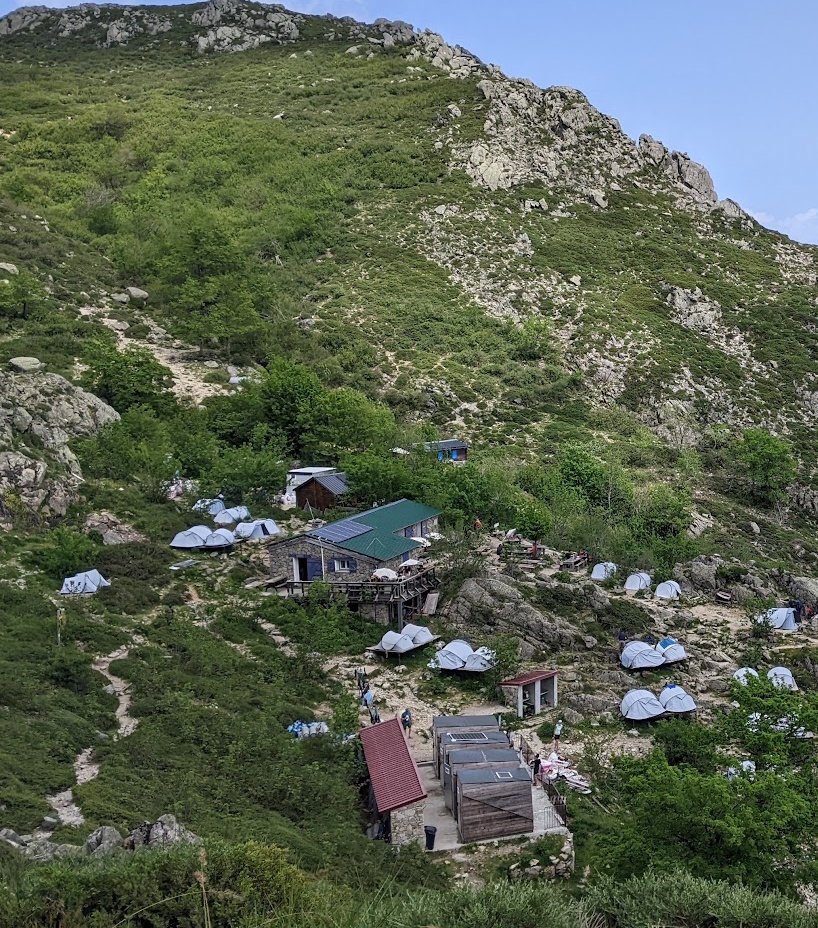
Fifteen of the best hiking tents for 2025–2026, divided into three performance categories: Ultralight & Backpacking, 3-Season Touring, and Expedition & Mountaineering.
Ultralight & Backpacking Tents
1. Big Agnes Fly Creek HV UL2
At ~1.1 kg, one of the lightest freestanding two-person tents available. The high-volume hub design adds headroom without excess fabric, while DAC Featherlite NFL poles balance weight and strength. Perfect for solo or fast-and-light pairs.
View on Amazon2. Zpacks Duplex
Weighing around 425 g in Dyneema fabric, this is for purists who measure every gram. Non-freestanding, uses trekking poles for structure, but delivers impressive storm stability once pitched. The thru-hiker gold standard for efficiency.
View on Amazon3. MSR Hubba Hubba 2
At ~1.7 kg, long defining all-round dependability. Twin vestibules, freestanding pitch, and strong pole geometry make it ideal for varied terrain. Heavier than some ultralights, but delivers comfort and reliability under wind and rain.
View on Amazon4. Nemo Hornet Elite 2P
Weighing ~1.1 kg, merging minimalist design with livability. Half-mesh inner manages condensation, dual doors enhance accessibility. Slightly fiddly to pitch, but ideal for mixed-weather adventures where every gram counts.
View on Amazon5. Sea to Summit Telos TR2
A single-wall trekking-pole tent at ~1.2 kg. Excels at ventilation and internal volume — the 20D silpoly fabric resists rain without sag, and the bilateral pole layout adds wind stability. A standout for minimalists prioritising comfort.
View on Amazon3-Season Touring Tents
6. Hilleberg Nallo 3
A tunnel-style classic at ~1.9 kg. Delivers durability and storm security through Kerlon 1200 fabric and high-tensile poles. Large vestibule stores packs easily, double doors improve airflow. Pricier, but built to last decades.
View on Amazon7. Big Agnes Copper Spur HV UL3
Keeps weight to ~1.7 kg while offering superior headroom and livability for two hikers plus gear. Dual vestibules and high-volume hub system make it exceptional for comfort without bulk.
View on Amazon8. Big Agnes Fly Creek HV UL3
Similar to the UL2 but roomier at ~1.5 kg. The increased inner width suits couples or gear-heavy hikers seeking more elbow space without a major weight penalty.
View on Amazon9. REI Co-op Half Dome SL 2+
At ~1.6 kg, generous vestibules, reliable waterproofing, and dual entrances at an affordable price. Materials are modest but dependable — a smart mid-range touring tent for most conditions.
View on Amazon10. Sierra Designs High Route 3
A 1.8 kg hybrid dome/tunnel tent that adapts well to changing weather. Flexible venting and multiple entry points suit small groups wanting versatility on longer treks.
View on AmazonExpedition & Mountaineering Tents
11. Hilleberg Keron 4 GT
Built for the Arctic at 3.2 kg. Kerlon 1200 fabric and tunnel shape withstand extreme wind and snow. The large vestibule doubles as a protected cooking space during storms.
View on Amazon12. The North Face Mountain 25
A proven four-season geodesic tent at ~4.0 kg, engineered for serious alpine use. Double-wall design and reinforced poles deliver warmth, structure, and weather security in severe cold.
View on Amazon13. MSR Access 2
At ~2.2 kg, balancing alpine strength with portability. The low aerodynamic profile and strong poles make it ideal for fast-moving mountaineers who still need protection above the snowline.
View on Amazon14. Mountain Hardwear Trango 4
At ~4.5 kg, built for expeditions facing extreme wind and snow. Robust frame, heavy-duty materials, and double vestibules create a true basecamp shelter for the most demanding conditions.
View on Amazon15. Fjällräven Abisko Shape 3
At ~2.7 kg, an aerodynamic profile with extra interior length — comfortable for taller hikers or stormy conditions. Not a full alpine tent, but excellent for demanding treks needing strength and space.
View on AmazonWakahi Tip
- Always test-pitch your tent before departure. Practice setup with gloves on and adjust guy lines for your expected terrain — mountain winds are rarely forgiving.
This post contains affiliate links. As an Amazon Associate, Wakahi earns from qualifying purchases at no extra cost to you.