
Athens: A City I Loved
for 49 Years Until I Went Back
In 1976 I cycled through Athens and fell in love. In 2025 I returned on foot. The Acropolis is still there. Almost everything else has changed.
In 1976 I was cycling through Greece. I was young, the roads were open, and Athens felt like one of the great cities of the world — not because of what it had become, but because of what it still was: a Mediterranean city that wore its ancient past lightly, where the tourists who came were curious and quiet, and where the locals had not yet learned to treat every visitor as a transaction.
I kept that memory for 49 years. I carried it the way you carry a photograph — something fixed and golden, taken before the world moved on. When I went back in 2025, I was not prepared for what I found.
All photographs in this post were taken by me on foot in Athens, June 2025.
The Acropolis: the monument survives, the experience does not
The Acropolis is still one of the most extraordinary things built by human hands. That has not changed. What has changed is everything around it — the approach, the crowds, the atmosphere, the feeling of what it is to be there.
In 1976 you could walk up in relative quiet. The stones were the same stones, the view the same view, but you felt some version of what the ancients might have intended: a place apart, elevated in every sense, where you left the ordinary world behind. In 2025 you leave the ordinary world and enter a different kind of ordinary — a slow-moving column of tourists, phones raised, headphone guides murmuring in a dozen languages, and an atmosphere closer to an airport terminal than a sacred hill.
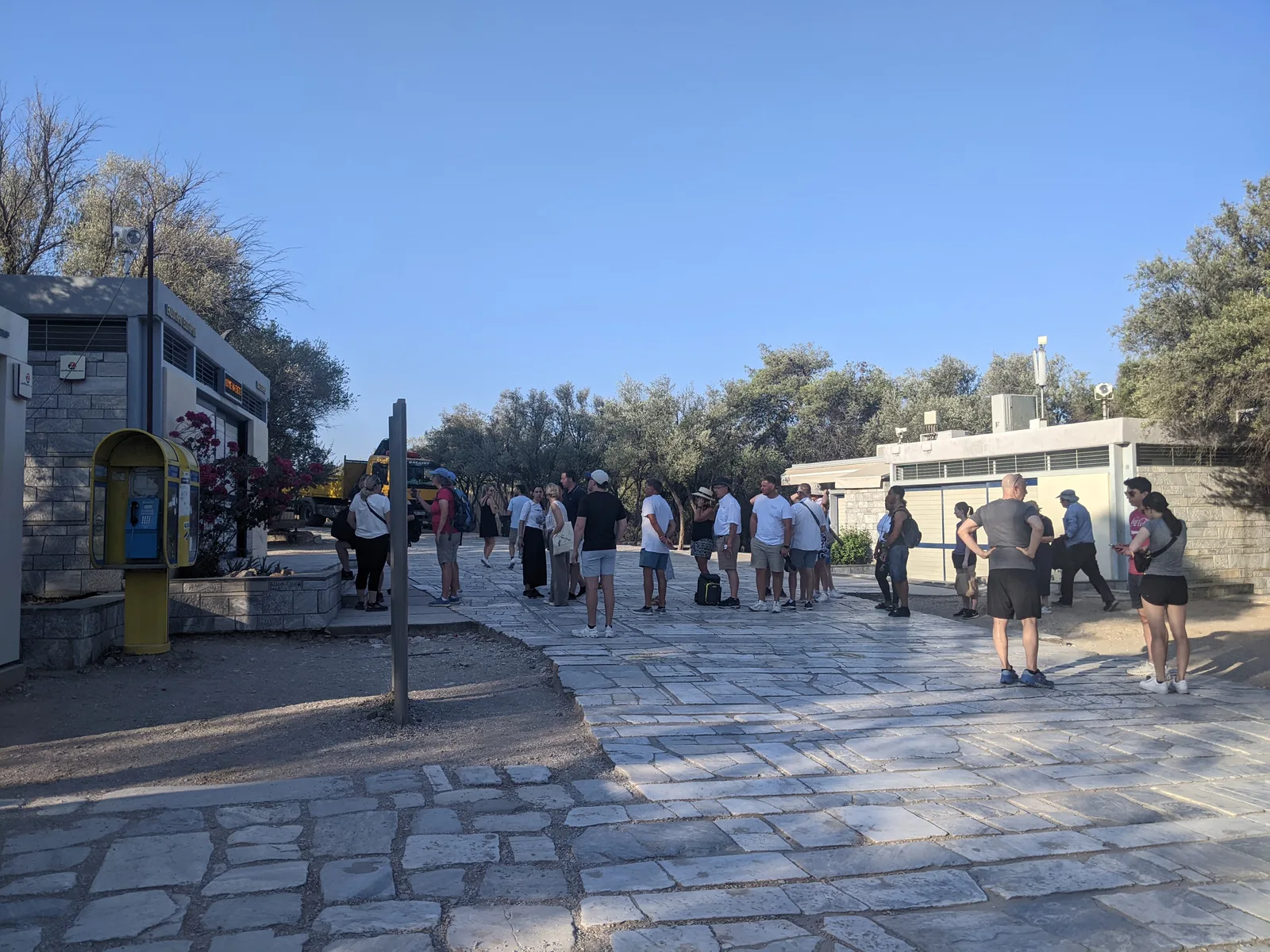
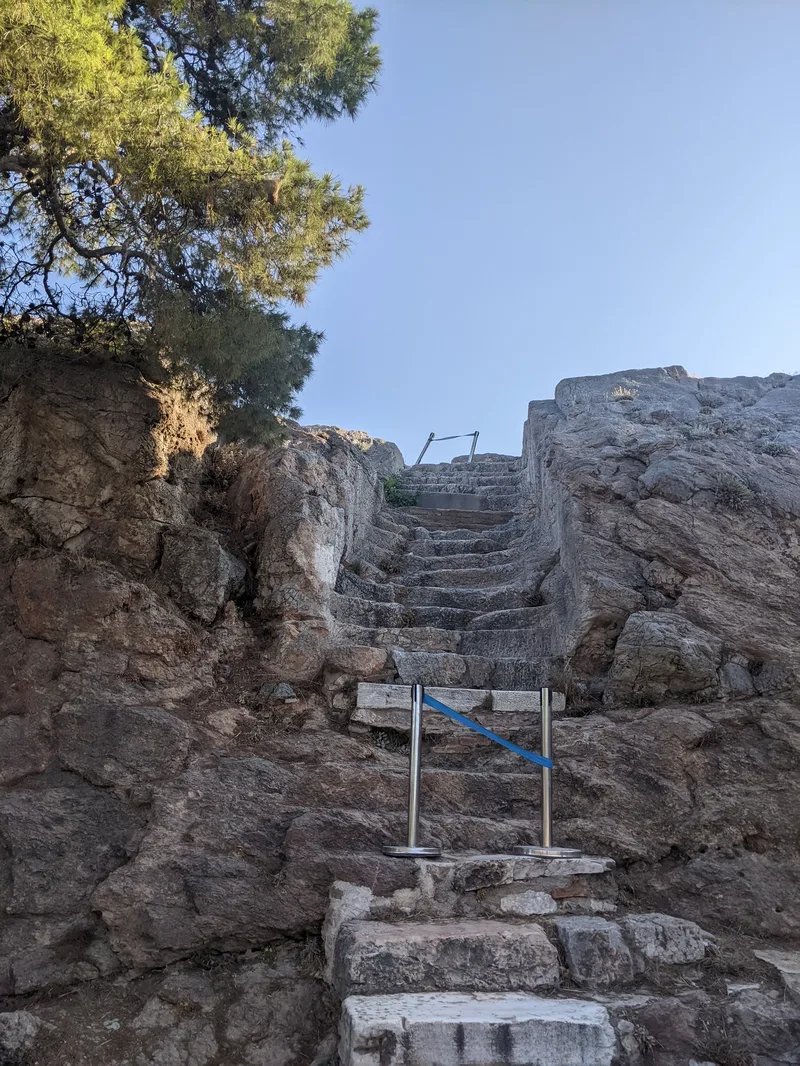
I am not naive about this. The Acropolis has always drawn people. But there is a difference between a place that is loved by many and a place that is consumed by many — and Athens has crossed that line. The evidence is not just in the crowds. Near the top, I photographed something I could not ignore: empty plastic water bottles discarded in the cracks of the ancient rock. Not one or two. Dozens. At one of the oldest and most significant monuments on earth.
I had wanted to include that photograph here as a document, a small honest record of what overtourism looks like up close. But in the end I left it out — it felt more like an accusation than an image, and the people who left those bottles are not reading this. The people who are reading this already know.
“There is a difference between a place that is loved by many and a place that is consumed by many. Athens has crossed that line.”
Rafick, Athens 2025The view that still delivers
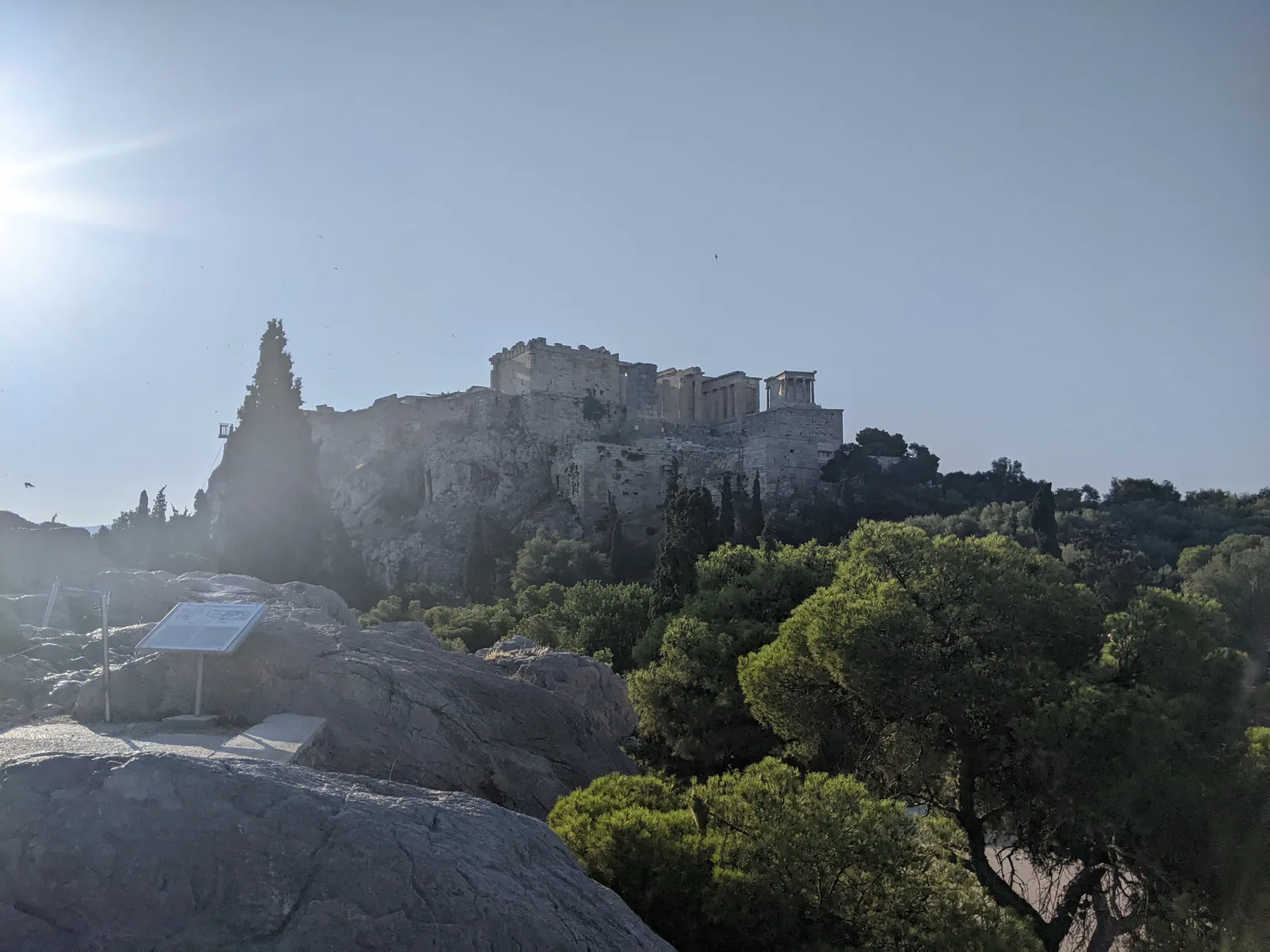
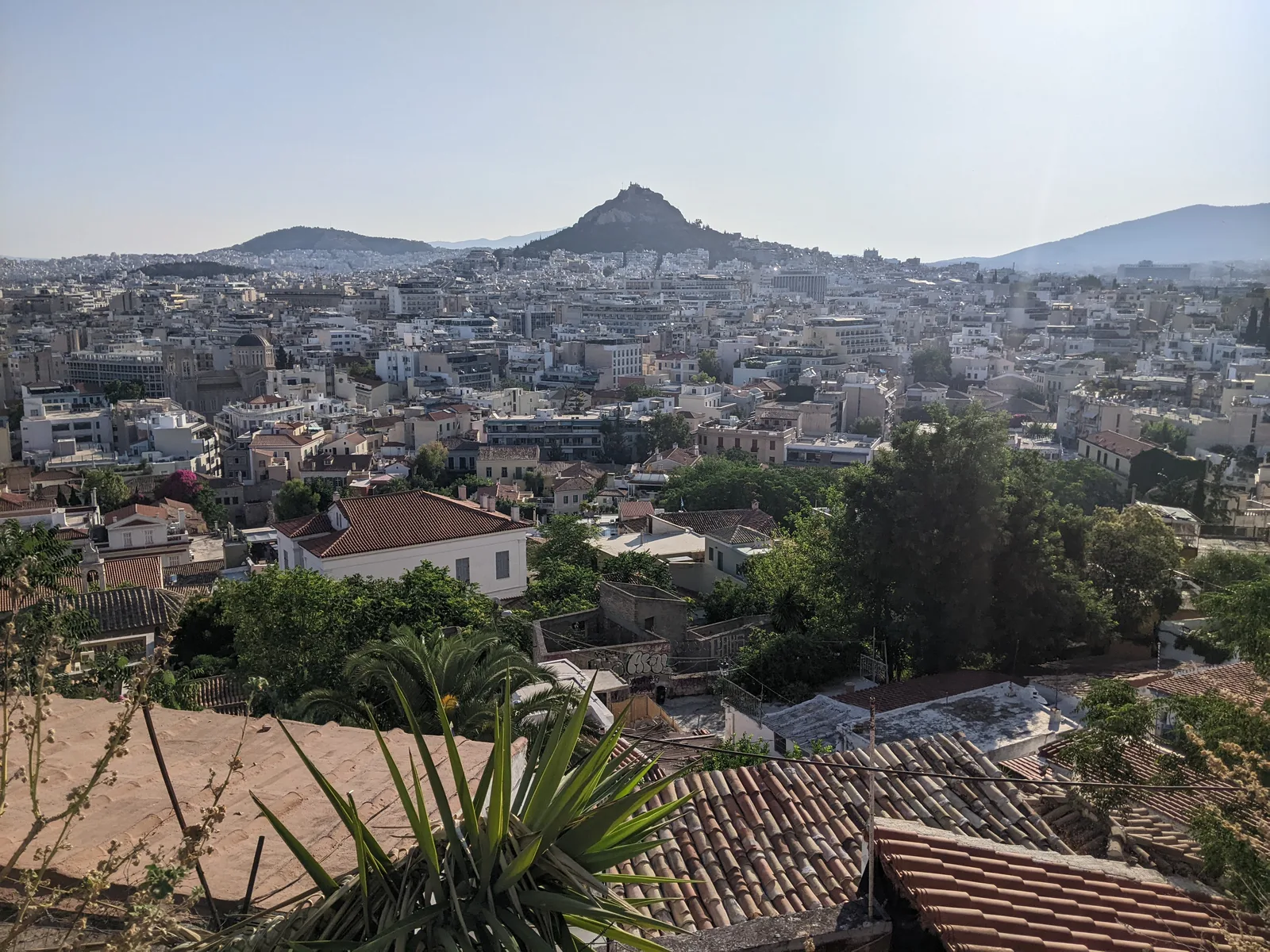
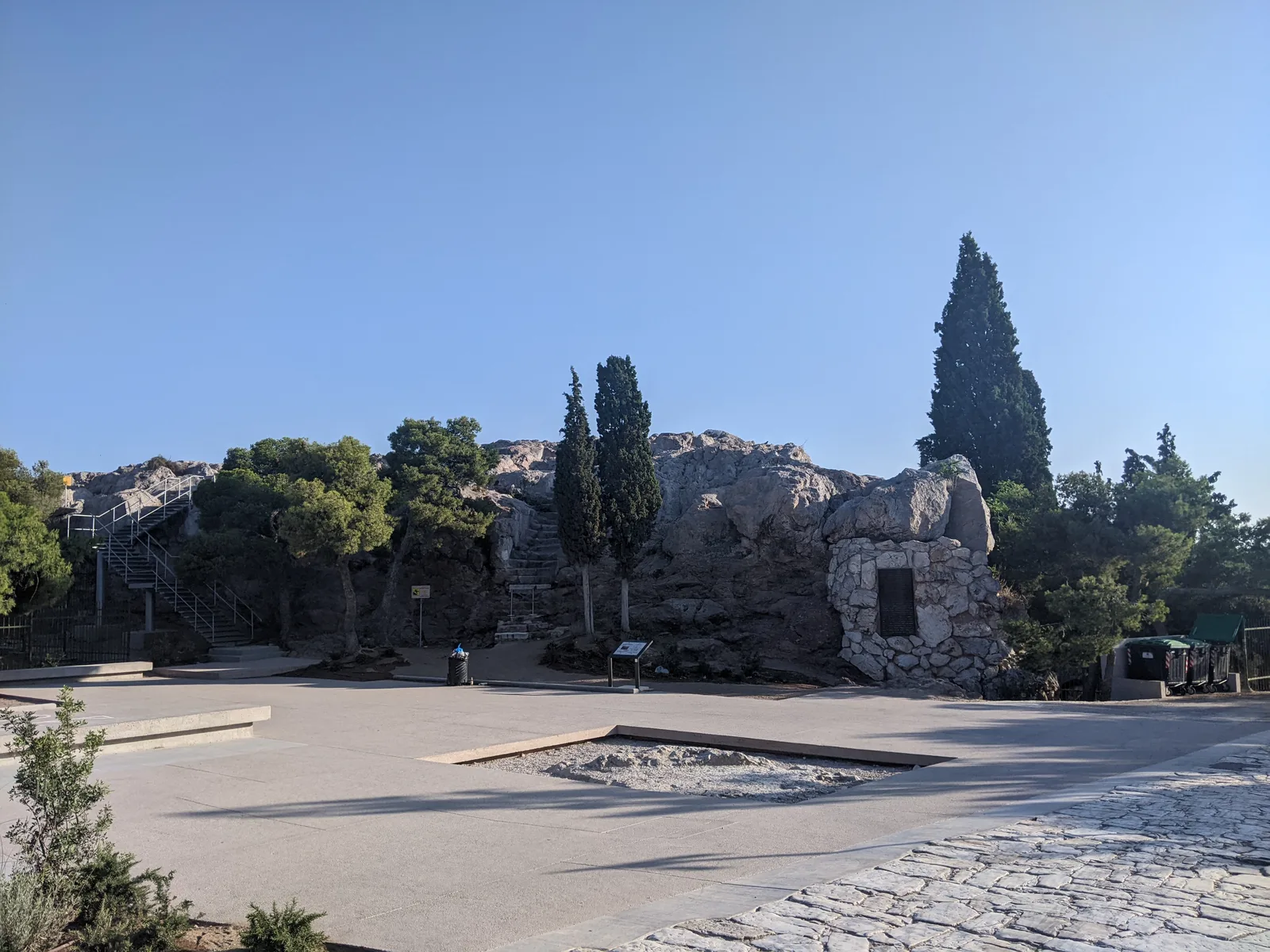
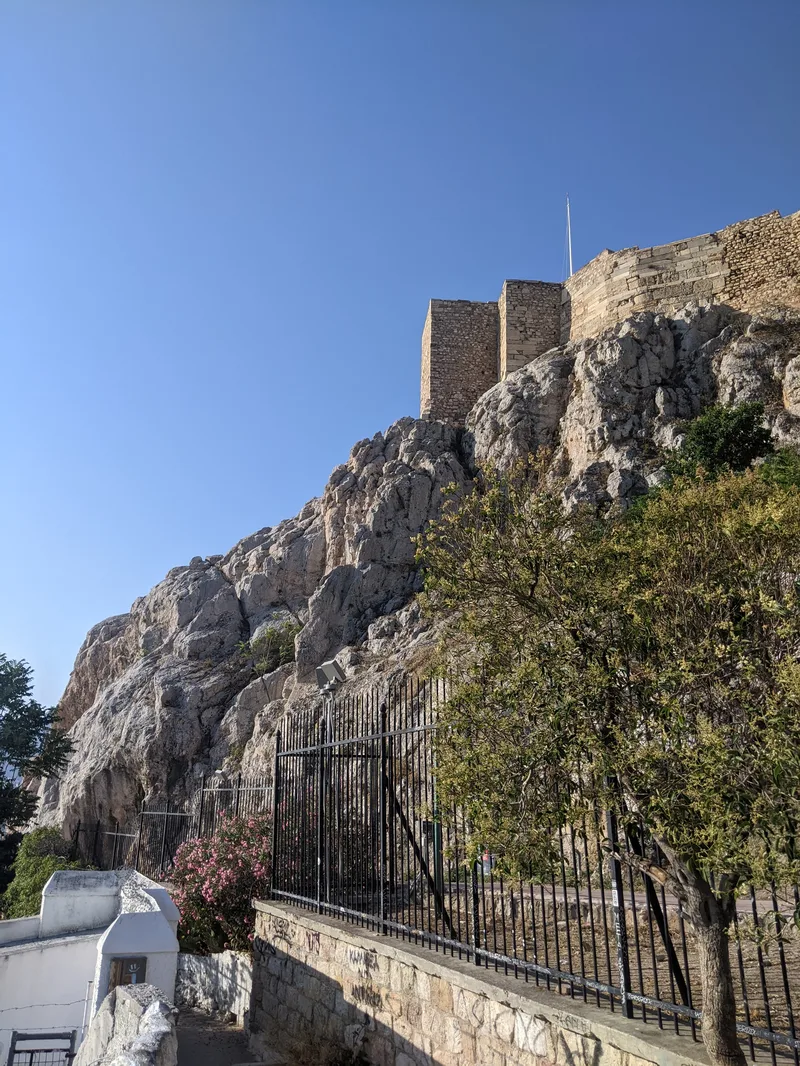
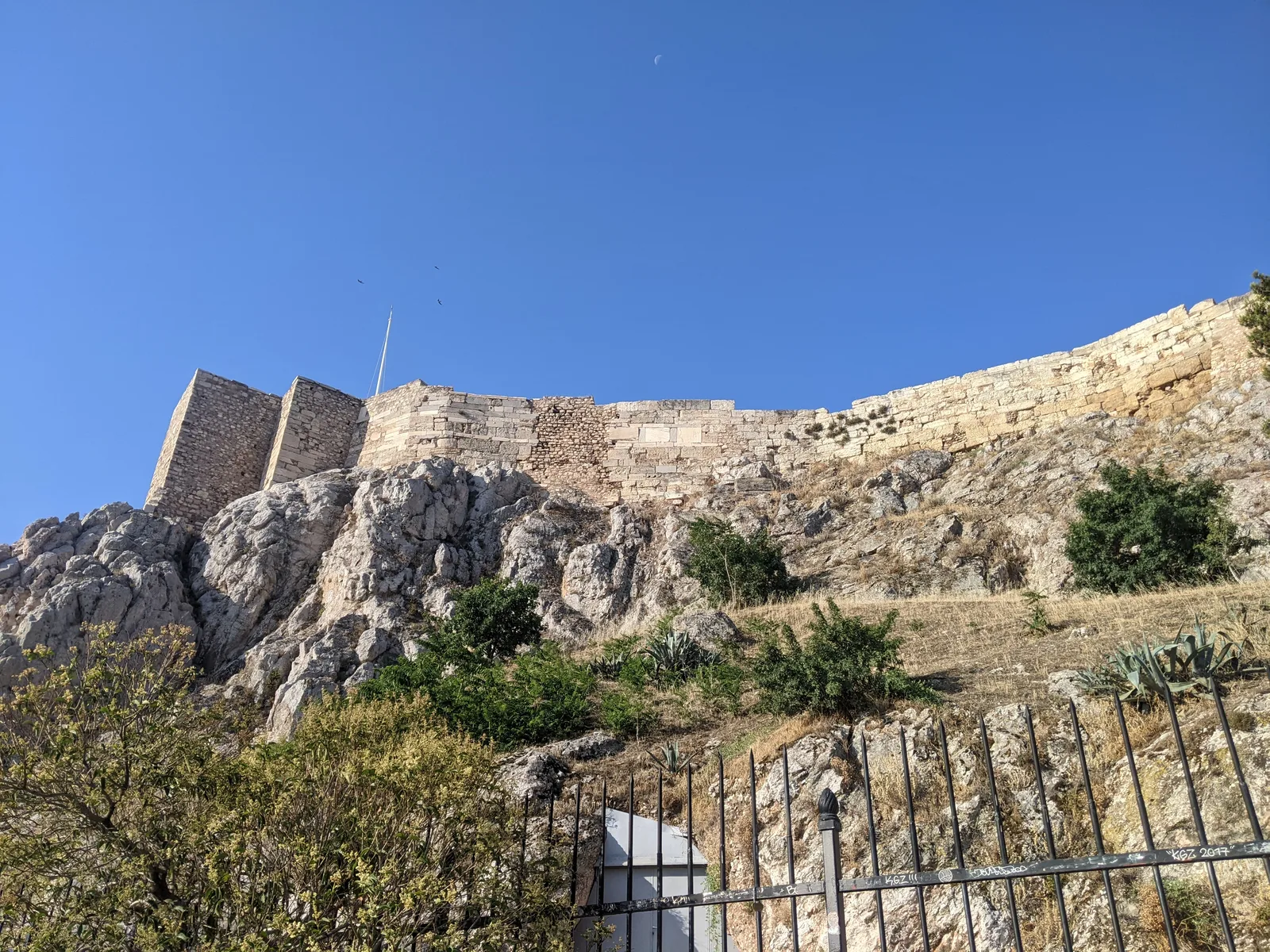
The saving grace is the view. From Areopagus Hill — the rocky outcrop just below the Acropolis, free to access, no queue — you can look up at the Parthenon against the sky and feel something close to what you came for. The city spreads below you in every direction: white and terracotta rooftops, the haze of the basin, Lycabettus Hill rising in the distance like a punctuation mark. Athens is still beautiful from up here. It just takes a little more work to find the angles where the beauty is uncluttered.
Monastiraki and the Roman Agora: history between the souvenir shops
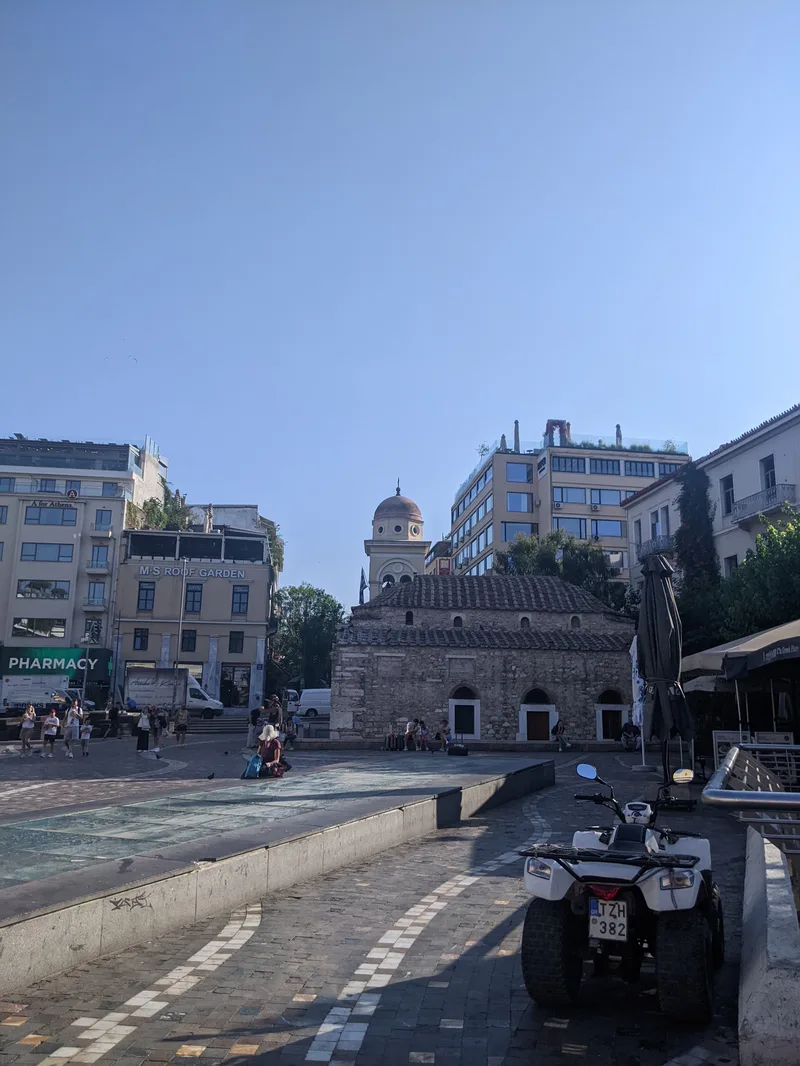
Down from the hill, the neighbourhood of Monastiraki has become the commercial engine of tourist Athens. The square is busy at every hour, the lanes around it packed with shops selling everything from genuine hand-painted ceramics to mass-produced mythology at full mythology prices. The taxi drivers, I will say plainly, no longer inspire trust. I was quoted three different fares for the same journey on the same day. In 1976 nobody tried this.
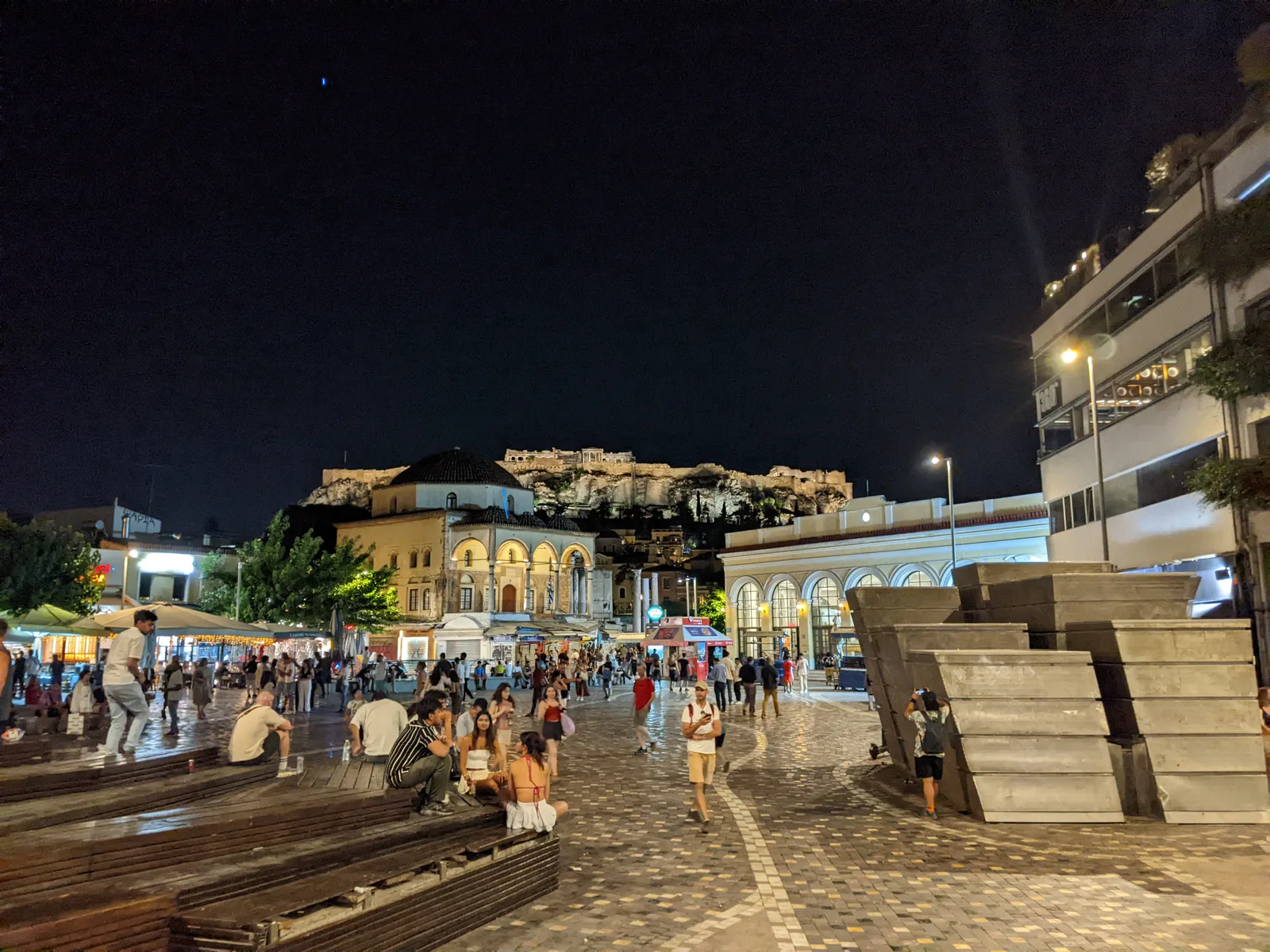
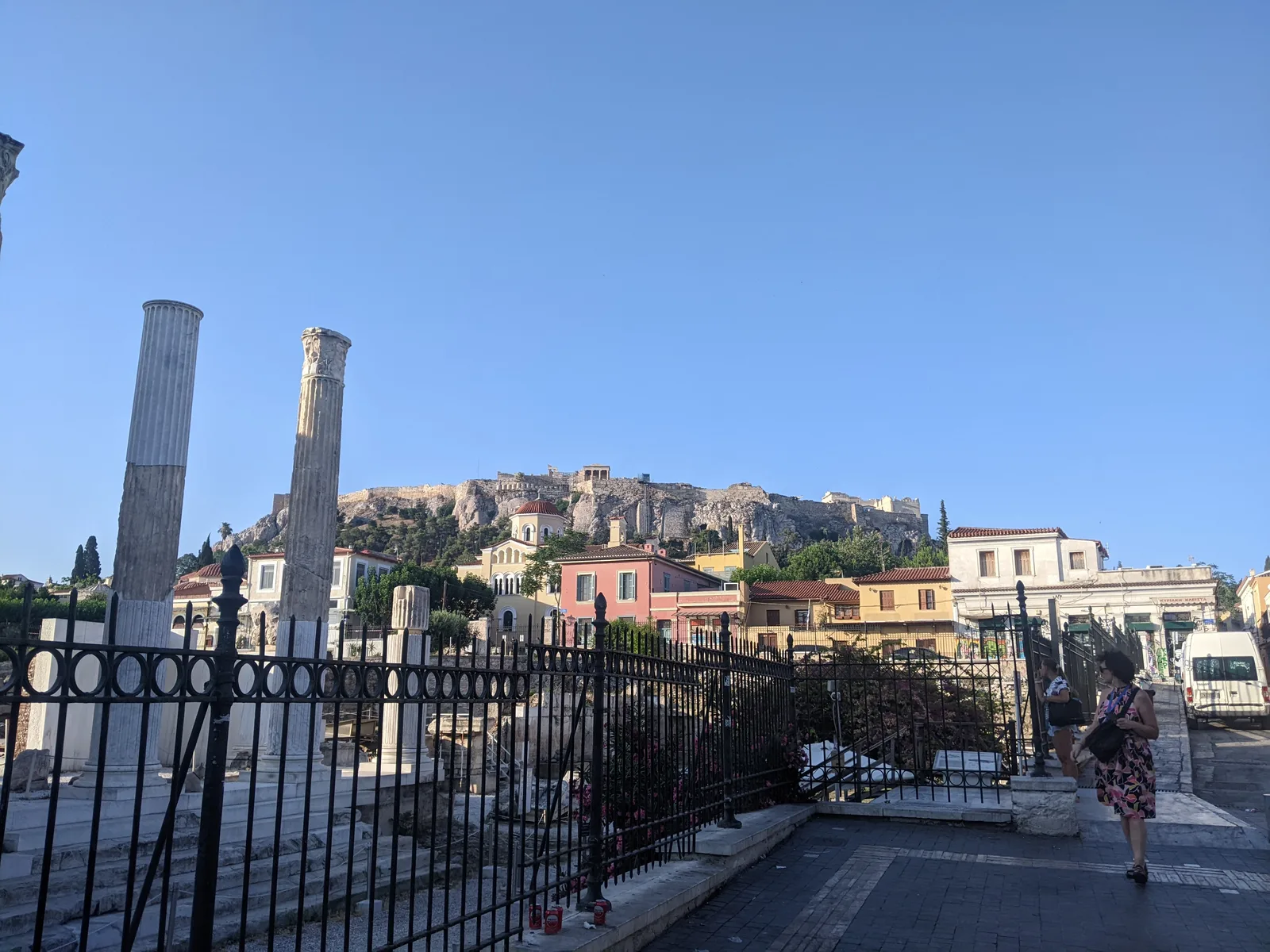
But walk past the square into the area of the Roman Agora and something shifts. The ruins here — columns, gateways, fragments of the ancient city — sit behind a low fence at street level, visible from the pavement as you pass. Unlike the Acropolis, they are not mobbed. A woman was photographing the columns at the same unhurried pace I was walking. We acknowledged each other the way people do when they are both pleased to have found a quiet corner. That moment, small as it was, felt more like the Athens I remembered than anything else that morning.
Hadrian’s Library: the best ruin you might walk straight past
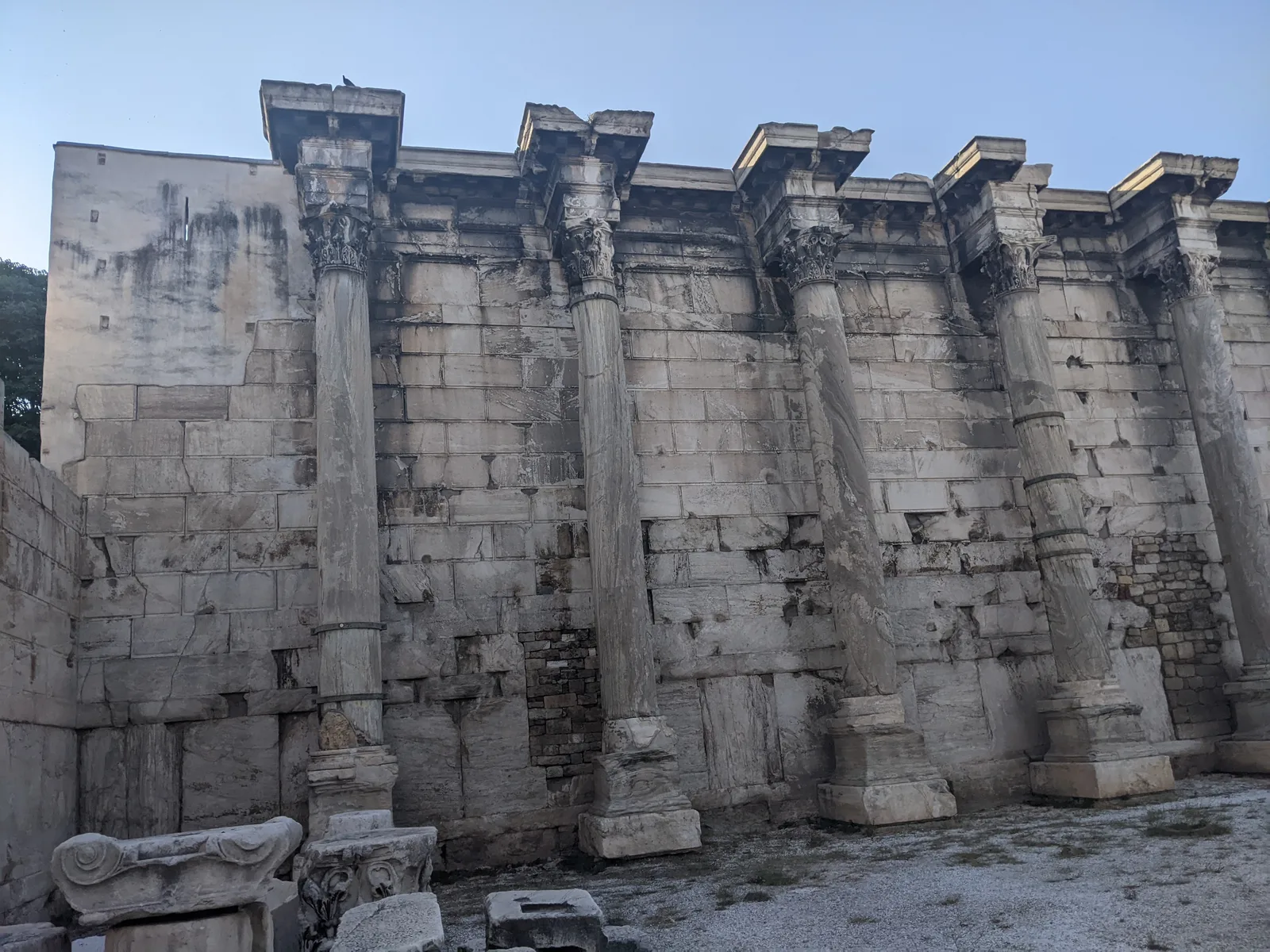
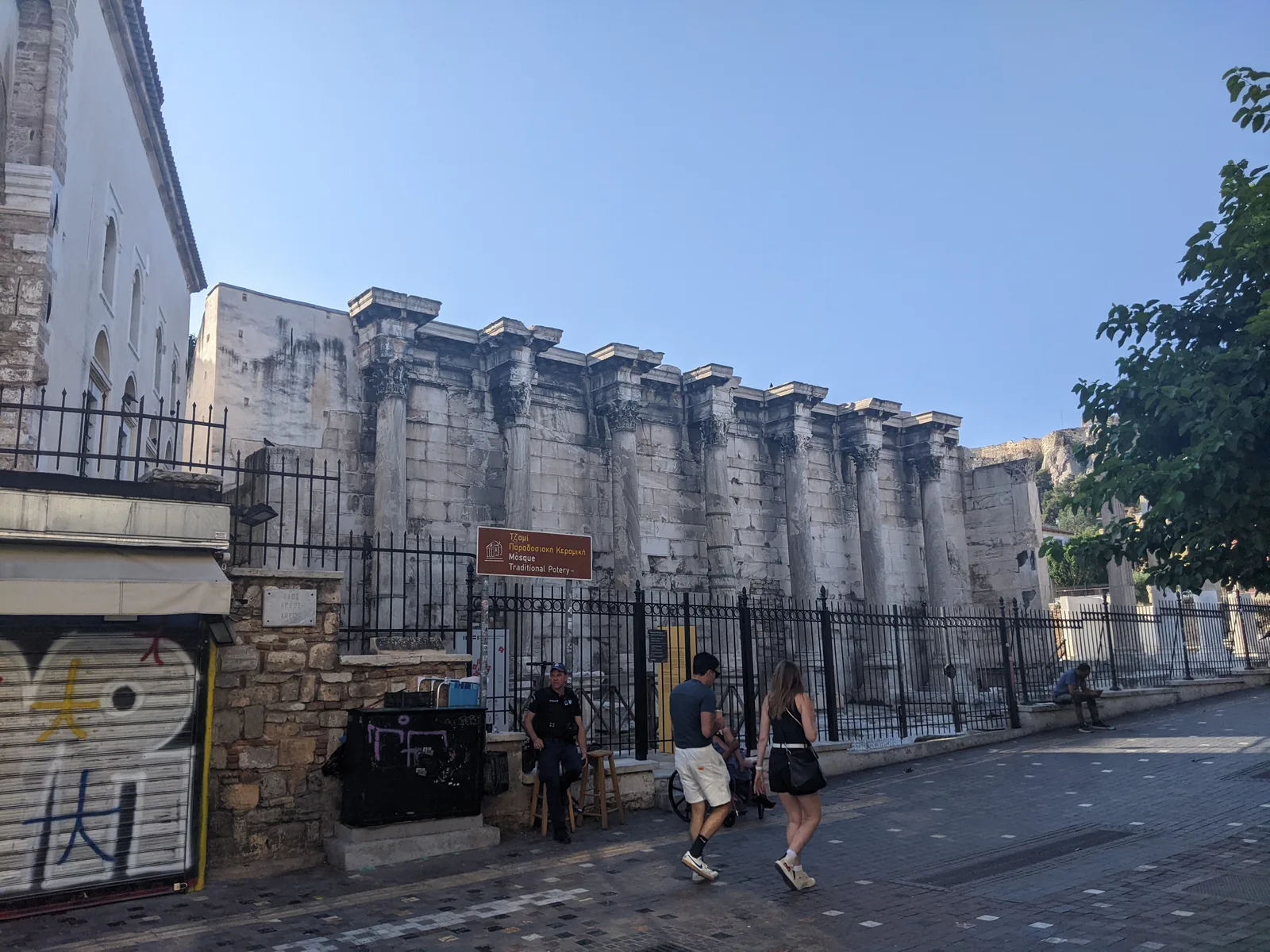
A few minutes on foot from Monastiraki is Hadrian’s Library — a vast second-century complex whose surviving wall runs along a busy street, columns embedded in the facade, entirely unannounced. Most people walk past it without stopping. Those who do stop find one of the most impressive Roman walls still standing in Greece: deep, warm stone, Corinthian capitals, the scale of a building that once housed the greatest collection of books in the ancient world.
Walking toward Omonia: a city within a city
Walk north from Monastiraki toward Omonia Square and Athens begins to feel like a different city entirely. The souvenir shops fall away. The streets become denser, louder, more layered. This is where Athens’s immigrant communities have put down roots — and where, if you are paying attention, the city becomes genuinely interesting again.
Around Omonia you pass Indian grocery shops with sacks of spices stacked at the door, Bangladeshi restaurants with handwritten menus, South Asian fabric shops, and the whole sensory atmosphere of a neighbourhood that has been claimed and made comfortable by people who arrived from somewhere else. Walk a few more streets and the character shifts again: Middle Eastern cafes, Arabic script on shopfronts, the smell of cardamom and grilled meat.
On one of those streets I walked into Mikra Asia, a Middle Eastern restaurant, and sat down for what I expected to be a light meal. The plate that arrived was built for four people. Rice, two kinds of grilled meat, flatbread, grilled tomatoes, pickled vegetables, yoghurt, a whole lemon. I ate what I could, which was perhaps a third of it, and I left full in the way you only get in places that have not yet learned to portion for tourists.

I am aware that not everyone finds this kind of neighbourhood change comfortable. Some visitors come to Athens for Greece and feel disoriented when they find themselves walking through what feels more like Karachi or Beirut. I understand that reaction, but I did not share it. These streets were alive in a way that the tourist quarter of Monastiraki was not. People were not performing a version of their city for visitors. They were just living.
The streets have found their own voice
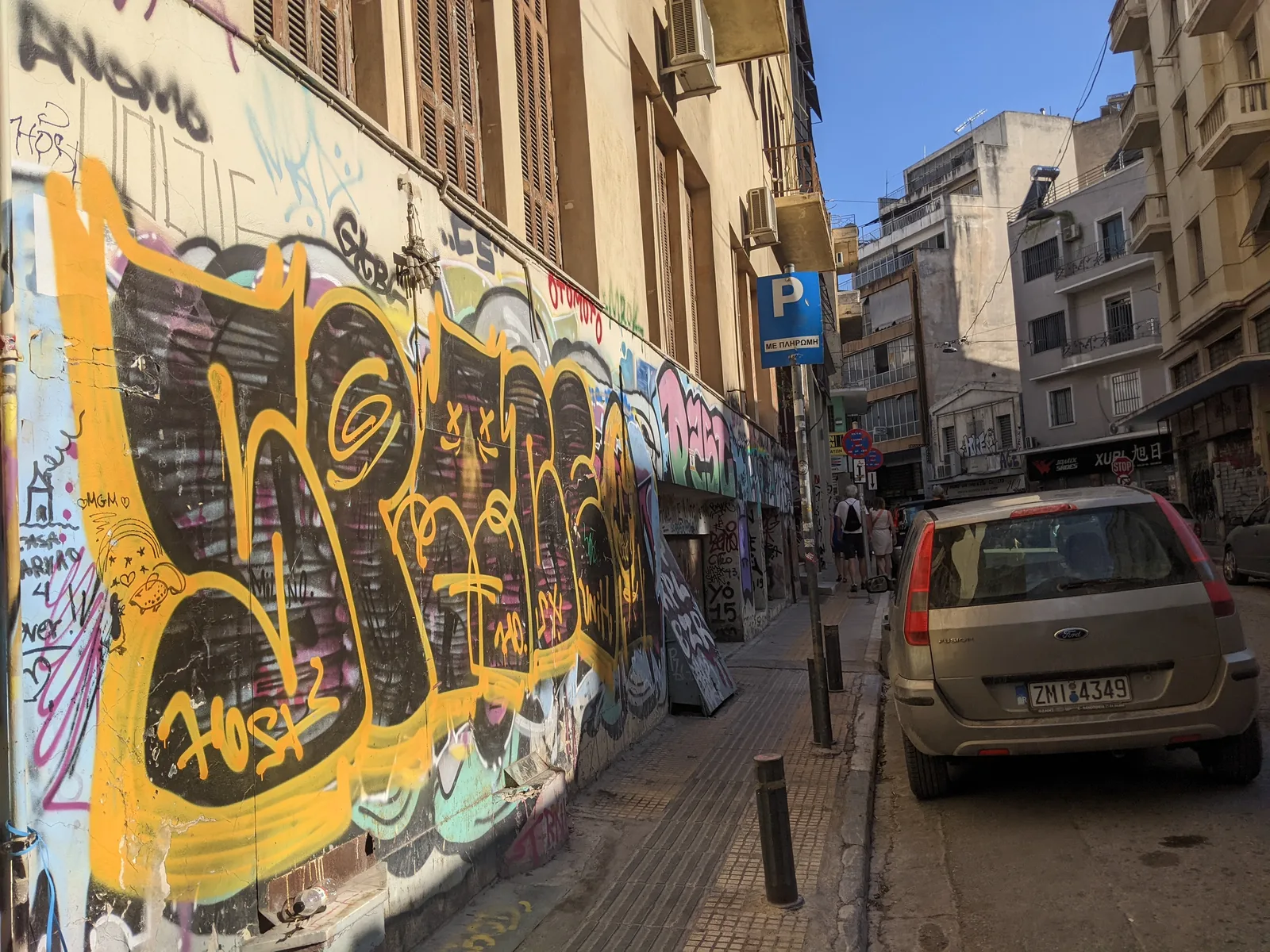
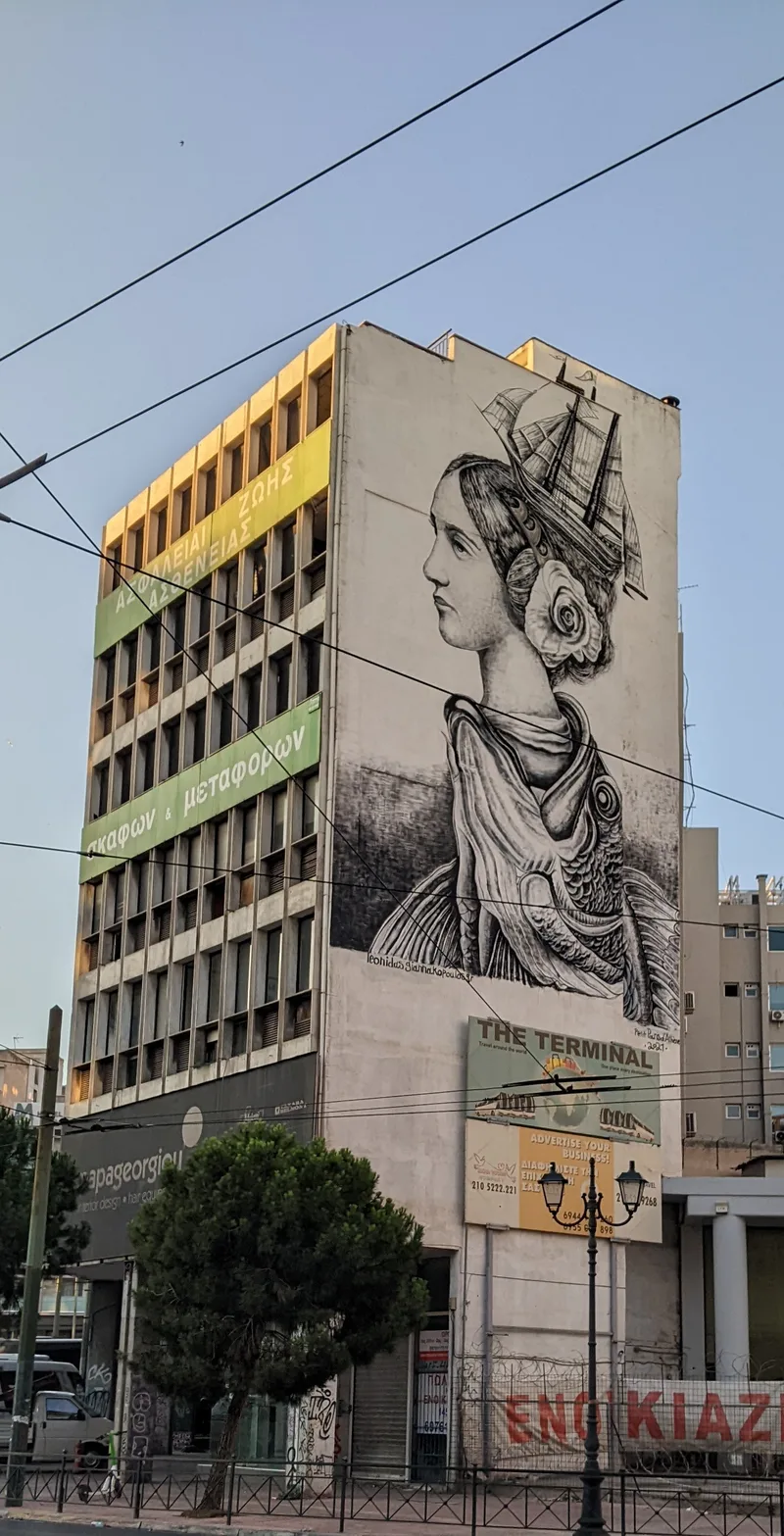
Athens has always had graffiti. In 2025 it has something more considered alongside it — murals, large-scale street art, work that is clearly not just tags and rage but thought and craft. Walking the side streets between Monastiraki and Omonia you find both: lanes where entire building facades have been taken over by painted figures, and other lanes where the layered scrawl of years has accumulated into something unreadable and almost abstract.
Tap any image to enlarge.
Athens and Thessaloniki: an honest comparison
Just before coming to Athens, I had walked Thessaloniki, and the contrast stayed with me the whole time I was in the capital. In Thessaloniki, people talk to you. They smile. A shopkeeper asks where you are from and means it. I nearly got caught at a restaurant and a shop there — the usual tourist-price manoeuvres — but even those encounters had a human texture to them, a kind of cheerful negotiation rather than the flat extraction I felt in Athens.
Athens has lost something that Thessaloniki has kept. I am not sure it can be recovered once it is gone. When a city’s relationship with its visitors becomes purely transactional, the warmth that made it worth visiting in the first place begins to drain away. What is left is the monuments — and the monuments are magnificent, but they cannot carry the whole weight of a city on their own.
If you are choosing between the two for a first visit to Greece, I would say: go to both, but arrive in Thessaloniki first. Let it set your expectations for what Greece can be, and then come to Athens with that in mind. The Acropolis deserves your full attention. The city around it will ask for your patience.
Read my Thessaloniki post: Walking Among Ruins: How Thessaloniki Lives With Its Ancient Past.
Have you been to Athens recently? Did you find the same thing, or something different?
Log in or sign up to share your thoughts below — we’d love to hear from you.
This post may contain affiliate links. Wakahi earns from qualifying purchases at no extra cost to you.