
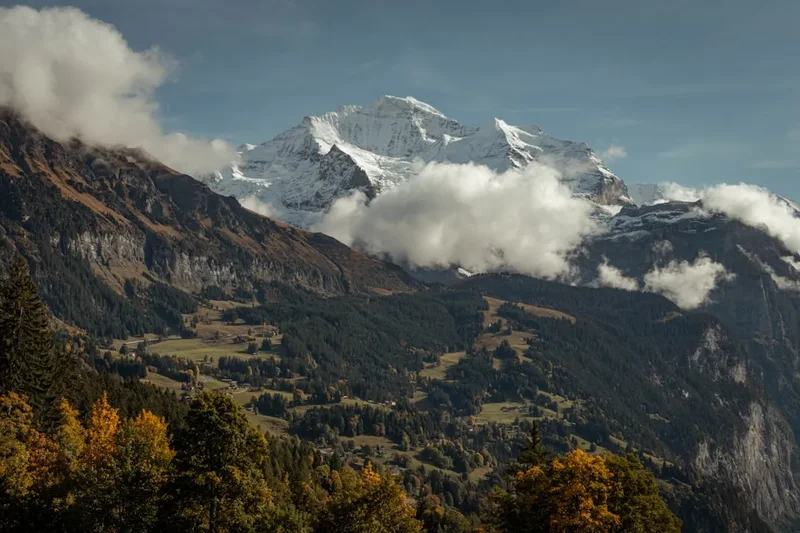
Zugerberg Panorama Trail
The Zugerberg Panorama Trail is a delightful and accessible day walk offering breathtaking views over Lake Zug and the surrounding Swiss Alps. This relatively short but rewarding route is perfect for families, casual walkers, and anyone seeking a scenic escape without a strenuous climb. The trail winds through pleasant woodlands and open meadows, culminating in expansive vistas that change with the seasons. Its proximity to the city of Zug makes it an ideal excursion for a few hours of fresh air and stunning natural beauty.
- Distance: 9.0 km
- Elevation Gain: 320 m
- Duration: 2-3 hours
- Difficulty: Moderate
- Best Time: May to October
- Closest City: Zug
- Trailhead Access: Nearest airport: Zurich (ZRH). Take train to Zug (approx. 45 mins). From Zug, take bus #11 to Zugerbergbahn valley station. Then take the funicular to Zugerberg. Parking available at Zugerbergbahn valley station. No permits required.
Overview
The Zugerberg Panorama Trail is a circular route that begins at the top of the Zugerbergbahn funicular, a convenient starting point accessible from the city of Zug. The trail is well-marked and maintained, making it suitable for most fitness levels, though it does involve some steady ascents and descents. The path initially leads through charming alpine meadows dotted with wildflowers in the warmer months, offering glimpses of the shimmering Lake Zug below. As the trail progresses, it enters sections of tranquil forest, providing shade and a different kind of natural beauty.
The highlight of the walk is undoubtedly the panoramic views. From various vantage points along the route, walkers are treated to sweeping vistas of the turquoise waters of Lake Zug, the picturesque towns nestled along its shores, and the majestic Swiss Alps in the distance. On clear days, the panorama can extend to iconic peaks like the Rigi, Pilatus, and even further afield. The trail is designed to offer a continuous visual feast, with open sections interspersed with forest clearings, ensuring that the scenery remains dynamic and engaging throughout the walk.
The moderate difficulty level means that while some effort is required, the rewards are immediate and sustained. The trail's length and duration make it an excellent option for an afternoon outing or a leisurely morning walk. The presence of the Zugerbergbahn funicular at the start and end point adds to its accessibility, allowing visitors to easily reach the trailhead and return to the valley without needing to retrace their steps or arrange complex transport. This combination of stunning scenery, manageable terrain, and excellent accessibility solidifies the Zugerberg Panorama Trail's reputation as a must-do walk in the Zug region.
History and Cultural Context
The Zugerberg, the mountain on which this trail is located, has a long history of human interaction and appreciation. For centuries, the local communities of Zug have used the slopes of the Zugerberg for agriculture, forestry, and recreation. The mountain has always been a natural extension of the city, offering a place of respite and natural beauty easily accessible to its inhabitants.
The development of the Zugerbergbahn funicular in the early 20th century (opened in 1907) was a pivotal moment in making the Zugerberg accessible to a wider public. This engineering marvel transformed the mountain from a place requiring a significant physical effort to reach into a readily available destination for leisure and sightseeing. The funicular's construction was driven by a desire to promote tourism and provide city dwellers with an easy escape to the countryside, a concept that remains relevant today.
The panorama trail itself, while perhaps not having a singular, documented "discovery" moment like some more remote wilderness tracks, has evolved organically over time. Local authorities and hiking associations have worked to mark and maintain the paths, ensuring they are safe and enjoyable for walkers. The trail's route likely follows ancient pathways and routes used by farmers and foresters for generations, now formalised into a designated walking route. The cultural context of the Zugerberg is one of integration between urban life and the natural environment, where the mountain serves as a vital green lung and recreational space for the city of Zug.
Seasonal Highlights and Weather Reality
The Zugerberg Panorama Trail is a year-round destination, but its appeal and conditions vary significantly with the seasons. The best time for walking is generally from May to October, when the weather is most favourable and the landscape is at its most vibrant.
Spring (May-June): This is a beautiful time to walk the trail as nature awakens. Wildflowers begin to bloom in the meadows, adding splashes of colour to the landscape. The forests are a lush green, and the air is fresh. Temperatures are mild, making for comfortable walking conditions. However, occasional spring showers are common, and higher elevations might still have lingering snow patches early in the season.
Summer (July-August): Summer offers the warmest temperatures and longest daylight hours, ideal for extended walks. The meadows are in full bloom, and the views of the Alps are often at their clearest. This is also the peak season for visitors, so the trail may be busier, especially on weekends. Afternoon thunderstorms can occur, so it's wise to start your walk earlier in the day and be prepared for sudden changes in weather.
Autumn (September-October): Autumn is a spectacular season for the Zugerberg Panorama Trail. The deciduous forests transform into a breathtaking display of reds, oranges, and yellows, creating a stunning contrast with the evergreen pines and the blue of the lake and sky. The air is crisp, and the crowds of summer have thinned. The views of the Alps are often exceptionally clear during this period.
Winter (November-April): While the trail is technically accessible in winter, it is not recommended for casual walkers without appropriate winter gear and experience. Snowfall can make the paths slippery and difficult to navigate, and the funicular may operate on a reduced schedule or be closed due to weather. The views can be beautiful with a blanket of snow, but the primary focus shifts from panoramic vistas to a more serene, wintery landscape. For those equipped for snowshoeing or winter hiking, it can offer a peaceful experience, but caution is advised.
Recommended Itinerary
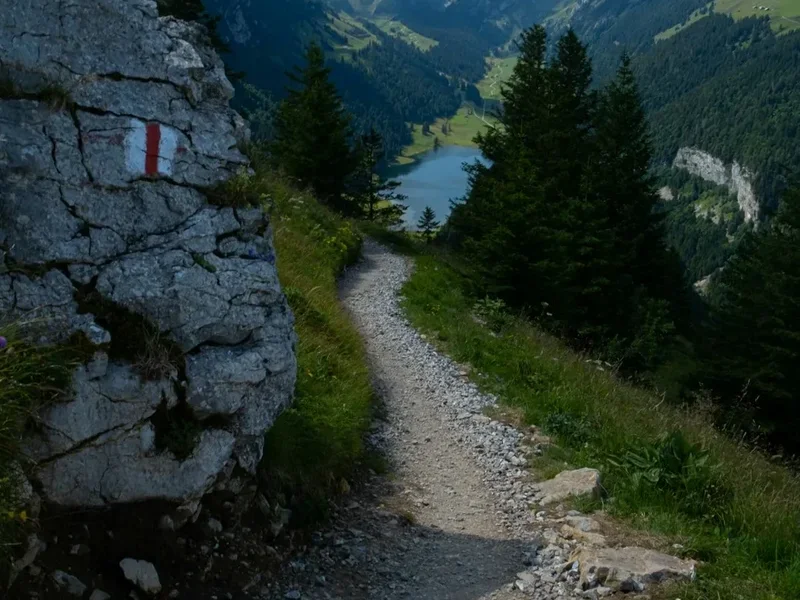
Zugerberg Panorama Trail - Day Walk Itinerary
Early Morning (Approx. 9:00 AM): Arrival in Zug & Funicular Ascent
- Travel to Zug by train (approx. 45 minutes from Zurich Airport).
- From Zug train station, take bus #11 to the Zugerbergbahn valley station.
- Board the historic Zugerbergbahn funicular for a scenic 5-minute ride up to the Zugerberg plateau.
- Enjoy the initial views as you ascend.
Morning (Approx. 9:30 AM - 11:00 AM): Start of the Trail & Forest Section
- Begin the walk from the top of the funicular station.
- Follow the well-marked signs for the "Panoramaweg" or "Zugerberg Panorama Trail".
- The initial section leads through pleasant woodlands, offering shade and a gentle introduction to the terrain.
- Listen to the sounds of the forest and enjoy the fresh mountain air.
Midday (Approx. 11:00 AM - 12:30 PM): Meadow Views & Lake Panorama
- Emerge from the forest into open meadows.
- This is where the panoramic views truly begin to open up.
- Take in the expansive vistas of Lake Zug, the surrounding towns, and the distant Alps.
- Find a suitable spot for a short break or to take photographs.
- The trail may involve some gentle ups and downs as it traverses the rolling terrain.
Afternoon (Approx. 12:30 PM - 2:00 PM): Continued Trail & Return to Funicular
- Continue following the marked trail, which may loop back towards the main Zugerberg area.
- Enjoy the changing perspectives of the landscape as you complete the circuit.
- The trail is generally well-maintained and easy to follow.
- Arrive back near the Zugerbergbahn funicular station, completing the loop.
Late Afternoon (Approx. 2:00 PM onwards): Descent & Departure
- Take the funicular back down to the valley station.
- From the valley station, catch bus #11 back to Zug train station.
- Continue your journey from Zug.
Optional Extensions:
- Several restaurants and cafés are located at the top of Zugerberg, offering opportunities for lunch or refreshments.
- There are also shorter, more informal walking paths around the Zugerberg plateau that can be explored.
Planning and Bookings
Book Your Trip
Everything you need to plan your journey
Accommodation
Find places to stay near Zug
Flights
Search flights to Zug
Essential Preparation
The Zugerberg Panorama Trail is a day walk, meaning no overnight accommodation is required. The primary logistical consideration is reaching the trailhead via the Zugerbergbahn funicular. Zurich Airport (ZRH) is the most convenient international gateway. From the airport, take a train directly to Zug (approximately 45 minutes). In Zug, transfer to bus #11, which will take you to the valley station of the Zugerbergbahn funicular. Parking is available at the valley station for those arriving by car.
It is advisable to check the operating hours of the Zugerbergbahn funicular, especially if planning to visit outside of peak season or on public holidays, as schedules can vary. The trail itself is well-marked and does not require special permits or advance bookings. However, checking the weather forecast before your visit is crucial, as conditions on the mountain can change rapidly.
Trail Accommodation
This is a day hike requiring no overnight accommodation.
Required Gear
- Footwear: Sturdy walking shoes or hiking boots with good grip are recommended. Trainers may suffice for dry conditions, but boots offer better ankle support and protection.
- Clothing: Wear comfortable, layered clothing suitable for the prevailing weather conditions. A waterproof and windproof jacket is essential, even in summer, as mountain weather can be unpredictable.
- Navigation: While the trail is well-marked, a map or a reliable navigation app on your phone is always a good idea. Ensure your phone is fully charged.
- Safety Gear: A basic first-aid kit, including blister plasters, antiseptic wipes, and pain relievers, is advisable. A whistle can be useful in emergencies.
What to Bring
- Food and Water: Carry sufficient water for your walk (at least 1-1.5 litres per person). Snacks such as fruit, nuts, or energy bars are recommended to maintain energy levels. There are dining options at the top of Zugerberg, but it's wise to be self-sufficient.
- Sun Protection: Sunscreen, sunglasses, and a hat are important, especially during the summer months, as exposed sections of the trail can be quite sunny.
- Insect Repellent: While not as notorious as some other Swiss hiking areas, insect repellent can be useful, particularly during warmer months.
- Camera: To capture the stunning panoramic views.
- Cash: For the funicular, bus, or any purchases at the top, as not all vendors may accept cards.
Permits
No permits are required to walk the Zugerberg Panorama Trail. The trail is part of the public access network in the region and is open to all visitors. The Zugerbergbahn funicular operates on a ticket system, and fares apply for its use. These can typically be purchased at the valley station or online in advance.
Other Activities in the Area
The Zugerberg offers more than just the panorama trail:
- Restaurants and Cafés: Several establishments at the top of Zugerberg provide excellent dining options with fantastic views. Enjoy traditional Swiss cuisine or a simple coffee and cake while soaking in the scenery.
- Playgrounds: There are playgrounds for children near the funicular station, making it a great family destination.
- Short Walks: Numerous smaller, informal paths branch off the main panorama trail, allowing for shorter explorations of the surrounding woodlands and meadows.
- Zugersee (Lake Zug): Upon descending, you can explore the charming city of Zug, walk along the lake promenade, or even take a boat trip on Lake Zug during the warmer months.
- Zuger Altstadt (Old Town): Wander through the picturesque medieval old town of Zug, with its historic buildings, cobblestone streets, and the Zytturm (Clock Tower).
Safety and Conditions
Weather: Mountain weather can change rapidly. Always check the forecast before you go. Be prepared for cooler temperatures, wind, and potential rain, even on a sunny day. Hypothermia is a risk if you get wet and cold.
Trail Conditions: The Zugerberg Panorama Trail is generally well-maintained and clearly marked. However, after heavy rain, some sections may become muddy or slippery. In winter, snow and ice can make the trail hazardous, and appropriate winter gear and experience are necessary.
Funicular Operation: Verify the operating hours and any potential closures of the Zugerbergbahn funicular before your visit, as these can affect access to the trailhead.
Navigation: While the trail is straightforward, it's always wise to carry a map or use a navigation app. Ensure you stay on marked paths to avoid getting lost or damaging sensitive vegetation.
Emergency: In case of an emergency, dial 112 (European emergency number) or the Swiss emergency number 144 for medical assistance. Inform someone of your hiking plans and expected return time.
Hydration and Nutrition: Carry enough water and snacks. Dehydration and low blood sugar can lead to fatigue and poor decision-making.
Side Trips and Points of Interest
Zugerberg Funicular: The journey on the historic Zugerbergbahn funicular itself is a point of interest. Opened in 1907, it offers a charming and efficient way to reach the mountain plateau, providing initial scenic views as you ascend.
Restaurant Zugerberg: Located near the funicular station, this restaurant offers not only refreshments but also a prime vantage point for the panoramic views. It's a perfect spot to relax and enjoy the scenery.
Various Viewpoints: The trail is designed to offer multiple viewpoints. Keep an eye out for designated viewing platforms or clearings in the trees that provide unobstructed vistas of Lake Zug and the Alps. These spots are ideal for photography and quiet contemplation.
Woodland Trails: Beyond the main panorama trail, numerous smaller paths wind through the forests of Zugerberg. These offer a more intimate experience of the mountain's natural environment, with opportunities to observe local flora and fauna.
Leave No Trace
The Zugerberg Panorama Trail, like all natural areas, benefits from responsible visitor behaviour. Adhering to Leave No Trace principles ensures that this beautiful environment remains pristine for everyone to enjoy.
- Stay on Marked Trails: Stick to the designated paths to prevent erosion and protect delicate vegetation. Venturing off-trail can damage plant life and disturb wildlife habitats.
- Pack It In, Pack It Out: Carry out all litter, including food scraps, wrappers, and any other waste you generate. Do not bury or burn trash.
- Respect Wildlife: Observe animals from a distance and never feed them. Feeding wildlife can disrupt their natural behaviours and diets.
- Leave What You Find: Do not take rocks, plants, or other natural objects from the trail.
- Minimise Campfire Impacts: Campfires are not permitted on this day walk.
- Be Considerate of Other Visitors: Keep noise levels down and yield to other walkers, especially on narrower sections of the trail.
- Dispose of Waste Properly: Use designated bins where available, or carry your waste until you can dispose of it properly.
By following these simple guidelines, you help preserve the natural beauty and ecological integrity of the Zugerberg for future generations.
 Switzerland