
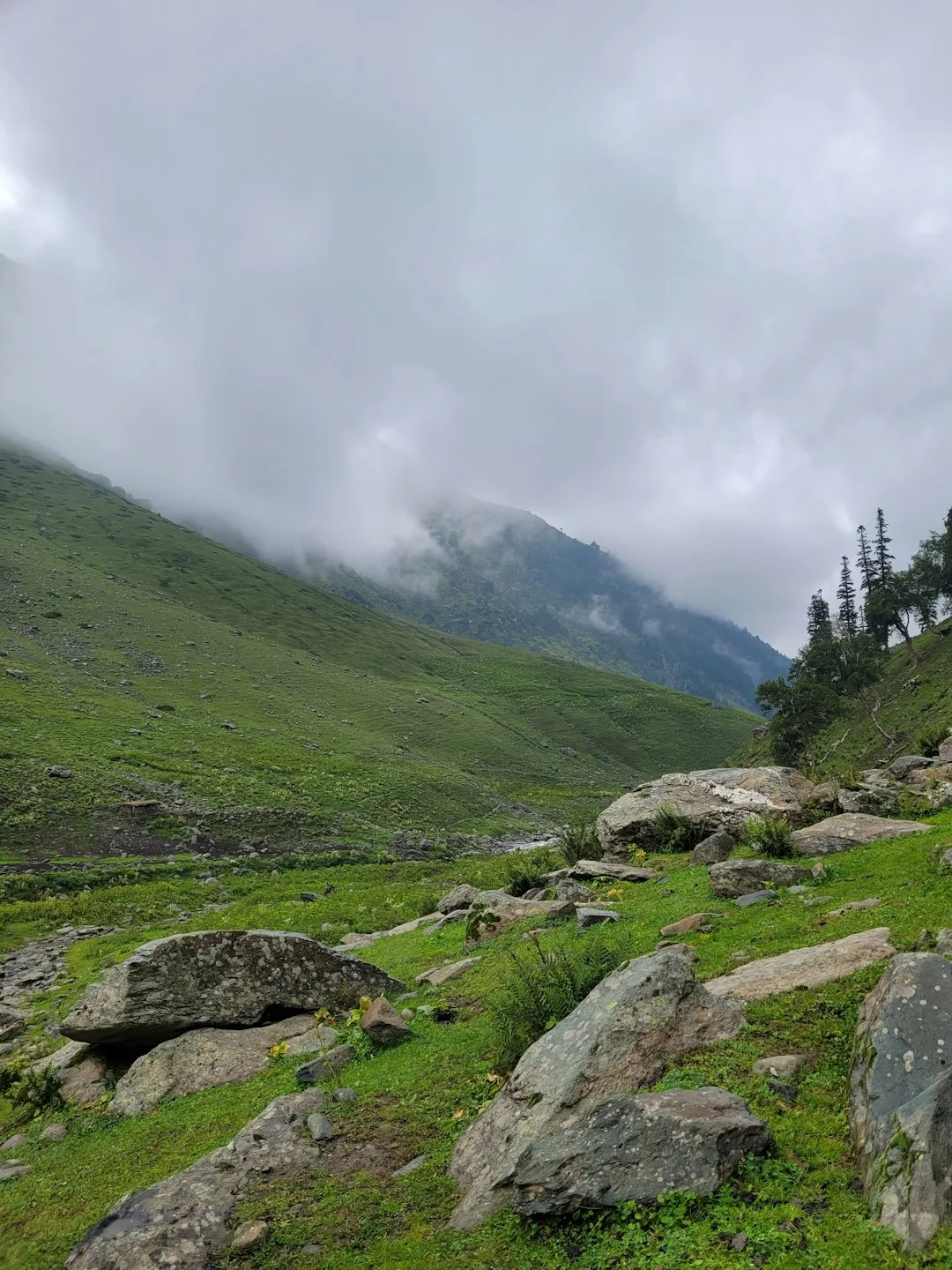
Ziro Valley Trail
The Ziro Valley Trail is a captivating day walk nestled in the picturesque Ziro Valley of Arunachal Pradesh, India. This trail offers a moderate challenge, leading hikers through diverse landscapes that showcase the region's natural beauty and cultural richness. With its accessible distance and manageable elevation gain, it's an ideal excursion for those seeking an immersive experience in the foothills of the Himalayas. The valley is renowned for its unique landscape, vibrant indigenous culture, and the serene atmosphere that pervades the area, making the Ziro Valley Trail a memorable adventure for day hikers.
- Distance: 15.0 km one-way
- Duration: 5-7 hours
- Season: October to April (dry season)
- Difficulty: Moderate
- Closest City: Ziro
- Trailhead Access: Hong Village
- Coordinates: 27.5833, 93.8333
Overview
The Ziro Valley Trail is a moderate day hike that spans approximately 15 kilometres, typically taking between 5 to 7 hours to complete. The trail begins near Hong Village, one of the largest Apatani tribal villages, and winds its way through a varied terrain that includes rolling hills, agricultural fields, and patches of forest. The total elevation gain is around 500 metres, presenting a steady but manageable climb that rewards hikers with panoramic views of the surrounding valley and its distinctive terraced paddy fields.
The journey is characterised by its immersion in the local way of life. Hikers will pass through active farmlands, observe traditional Apatani agricultural practices, and witness the unique landscape shaped by generations of human interaction. The trail is well-defined for the most part, though some sections may require careful footing, especially after rain. The dry season, from October to April, offers the most favourable conditions, with clear skies and pleasant temperatures, making it the best time to undertake this trek.
The Ziro Valley itself is a place of significant cultural importance, home to the Apatani people, who are known for their distinctive traditions, including facial tattoos and nose plugs (though these practices are now rare among younger generations). The valley's UNESCO World Heritage tentative list status underscores its unique cultural and natural significance. The Ziro Valley Trail provides an excellent opportunity to connect with this heritage while enjoying the serene beauty of the Indian Himalayas.
History and Cultural Context
The Ziro Valley has a rich history deeply intertwined with the Apatani tribe, who have inhabited the region for centuries. The Apatani are renowned for their unique agricultural system, which involves intricate wet-rice cultivation and fish farming in the same paddy fields, a practice that has earned them international recognition and a place on the UNESCO World Heritage tentative list. This sustainable approach to land use has shaped the valley's landscape into a mosaic of meticulously terraced fields, a testament to their ingenuity and deep connection with the land.
Historically, the Apatani people lived in relative isolation, developing a distinct social structure, religious beliefs, and artistic traditions. Their villages, such as Hong, are among the largest in the region and are characterised by their traditional wooden houses and communal living arrangements. The valley's history is also marked by its strategic importance and its role in the broader cultural tapestry of Arunachal Pradesh.
The Ziro Valley Trail, while not a historical trade route in the same vein as some Himalayan passes, offers a contemporary pathway to understanding this heritage. As you traverse the landscape, you are walking through areas that have been cultivated and inhabited for generations. The trail provides a tangible connection to the Apatani way of life, allowing visitors to appreciate the enduring traditions and the harmonious relationship between the people and their environment. The valley's history is not just in ancient ruins, but in the living traditions and the landscape itself.
Seasonal Highlights and Weather Reality
The Ziro Valley Trail is best experienced during the dry season, which typically runs from October to April. This period offers the most pleasant weather conditions for hiking, with clear skies and moderate temperatures, making it ideal for exploring the valley's natural beauty and cultural sites.
October to November: Post-Monsoon Charm
Following the monsoon season, the valley is lush and green. The air is crisp, and the skies are often clear, offering excellent visibility of the surrounding mountains. This is a fantastic time for photography, with vibrant colours and good light. Temperatures are generally mild, ranging from 10°C to 20°C.
December to February: Winter Serenity
These months are the coldest, with temperatures potentially dropping to 5°C or lower, especially at night. Daytime temperatures are usually between 10°C and 15°C. While it can be chilly, the skies are typically very clear, offering stunning mountain vistas. Snowfall is rare in the valley itself but can occur at higher elevations nearby. This period is excellent for those who prefer cooler weather and minimal rainfall.
March to April: Spring Bloom and Pre-Monsoon Warmth
As spring arrives, the valley begins to warm up, with temperatures rising to between 15°C and 25°C. The landscape becomes even more vibrant with blooming flora. This period is also excellent for hiking, though occasional pre-monsoon showers might occur towards the end of April. The increased warmth makes for a more comfortable hiking experience.
Monsoon Season (May to September):
The monsoon season brings heavy rainfall to the Ziro Valley. While the landscape is incredibly verdant during this time, the trails can become muddy, slippery, and potentially hazardous. River levels can rise, and visibility may be significantly reduced due to fog and clouds. Hiking during the monsoon is generally not recommended due to these challenging conditions and potential safety risks.
Recommended Itinerary
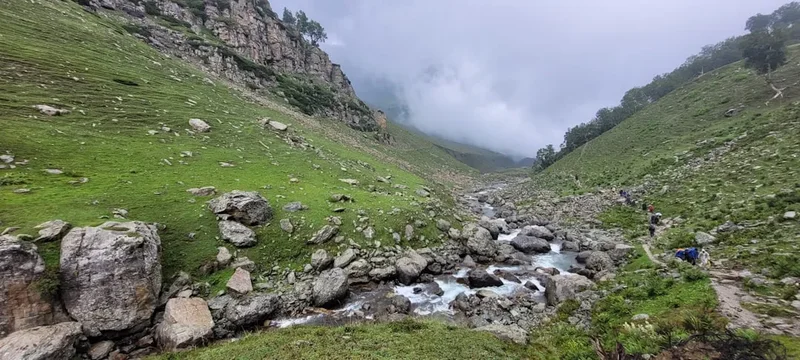
Ziro Valley Trail - Day Hike Itinerary
Early Morning (Approx. 7:00 AM - 8:00 AM): Preparation and Departure from Hong Village
- Begin your day in or near Hong Village, the primary access point for the trail.
- Ensure you have all your gear packed and ready, including water, snacks, and appropriate clothing.
- Briefly familiarise yourself with the starting point of the trail, often accessible from the village outskirts.
- The trailhead is generally well-marked, but local guidance can be helpful.
Morning (Approx. 8:00 AM - 12:00 PM): Ascent through Farmlands and Forests
- Start the hike with a gradual ascent. The initial part of the trail often passes through the iconic Apatani terraced paddy fields.
- Observe the unique irrigation systems and the meticulous cultivation methods.
- The trail then transitions into forested areas, offering shade and a change in scenery.
- Keep an eye out for local flora and fauna.
- The path can be uneven in places, requiring attention to foot placement.
- Elevation gain will be noticeable during this phase.
Midday (Approx. 12:00 PM - 1:00 PM): Summit Ridge and Panoramic Views
- Reach a higher elevation, potentially a ridge or a prominent viewpoint.
- This is an excellent spot for a break, to enjoy a packed lunch, and to take in the expansive views of the Ziro Valley.
- Admire the patchwork of fields, the winding rivers, and the distant mountains.
- The 500m elevation gain will have been largely achieved by this point.
Afternoon (Approx. 1:00 PM - 4:00 PM): Descent and Return to Hong Village
- Begin the descent back towards Hong Village.
- The descent route may follow a similar path or a slightly different variation, offering new perspectives.
- Continue to observe the rural life and agricultural activities.
- The trail may become steeper in sections during the descent, so proceed with caution.
- Arrive back at or near Hong Village, completing the 15 km loop or out-and-back hike.
- Total hiking time: 5-7 hours.
Important Notes:
- This is a day hike; no overnight accommodation is required on the trail itself.
- Carry sufficient water (at least 2 litres per person) as water sources may be limited or require treatment.
- Pack high-energy snacks and a substantial lunch.
- Wear sturdy, broken-in hiking boots with good ankle support.
- Carry a basic first-aid kit.
- Inform someone of your hiking plans and expected return time.
- Respect local customs and ask permission before photographing people.
Planning and Bookings
Book Your Trip
Everything you need to plan your journey
Accommodation
Find places to stay near Ziro
Flights
Search flights to Ziro
Essential Preparation
The Ziro Valley Trail is a day hike, meaning overnight accommodation is not a primary concern on the trail itself. However, planning your logistics to reach Ziro and prepare for the hike is crucial. Ziro is accessible by road, with the nearest airport being Lilabari Airport (IXI) in North Lakhimpur, Assam. From Lilabari, a taxi or bus journey of approximately 4-5 hours will take you to Ziro. Road conditions can be challenging, so allow ample time for travel. Accommodation in Ziro ranges from guesthouses to homestays, offering a comfortable base before and after your hike. It is essential to arrange your transport to Ziro in advance, especially if travelling during peak tourist seasons. For foreign nationals and Indian citizens from outside Arunachal Pradesh, an Inner Line Permit (ILP) is mandatory for entry into Arunachal Pradesh. This permit must be obtained in advance from designated authorities in Delhi, Kolkata, Guwahati, or Tezpur, or through online portals. Ensure you have your ILP sorted well before your travel dates.
Trail Accommodation
This is a day hike requiring no overnight accommodation.
Required Gear
- Hiking Boots: Sturdy, waterproof hiking boots with good ankle support are essential. Ensure they are well broken-in to prevent blisters.
- Clothing: Layered clothing is recommended. Include moisture-wicking base layers, an insulating mid-layer (fleece or down jacket), and a waterproof and windproof outer shell. Trousers should be comfortable for walking and quick-drying.
- Navigation: While the trail is generally well-marked, a map of the Ziro Valley area and a compass or GPS device are advisable. A smartphone with offline maps downloaded can also be useful.
- Safety Gear: A basic first-aid kit including bandages, antiseptic wipes, pain relievers, and any personal medications is crucial. A head torch with spare batteries is recommended, even for a day hike, in case of unexpected delays.
- Sun Protection: A wide-brimmed hat, sunglasses, and high-SPF sunscreen are necessary, as the sun can be intense, especially at higher elevations.
What to Bring
- Food: Pack enough high-energy snacks (nuts, dried fruits, energy bars) and a substantial packed lunch to sustain you for the 5-7 hour hike.
- Water: Carry at least 2 litres of water per person. Water sources along the trail may not be potable without treatment. Consider carrying a water filter or purification tablets as a backup.
- Toiletries: Biodegradable soap, toothbrush, toothpaste, and hand sanitiser. Pack out all personal waste.
- Personal Items: A small backpack to carry your essentials, a camera to capture the scenery, insect repellent (especially during warmer months), and a small amount of cash for any local purchases or emergencies.
- Rain Gear: Even in the dry season, weather can change unexpectedly. A lightweight, packable rain jacket and trousers are advisable.
Permits
For foreign nationals and Indian citizens not residing in Arunachal Pradesh, an Inner Line Permit (ILP) is mandatory for entry into Arunachal Pradesh. This permit can be obtained from the Resident Commissioner, Arunachal Bhawan, in Delhi, Kolkata, or Guwahati, or from the Deputy Resident Commissioner, Arunachal Bhawan, Tezpur. Applications can also be made through the online portal of the Department of Home Affairs, Government of Arunachal Pradesh. It is advisable to obtain the ILP well in advance of your travel dates, as processing times can vary. For domestic Indian tourists from outside Arunachal Pradesh, the ILP is also required and can be obtained from designated authorities.
There are no specific permits required for hiking the Ziro Valley Trail itself, as it is not a protected national park or wildlife sanctuary with restricted access. However, it is always good practice to check for any local regulations or advisories that may be in place at the time of your visit. Respect for local customs and traditions is paramount when visiting tribal areas like Ziro.
Other Activities in the Area
While the Ziro Valley Trail offers a fantastic day of hiking, the Ziro region provides numerous other attractions and activities for visitors:
- Explore Apatani Villages: Beyond Hong Village, visit other Apatani settlements like Hari, Bamin, and Pura to experience their unique architecture, culture, and way of life. Observe traditional houses, community halls (Lapang), and the daily routines of the villagers.
- Apatani Cultural Museum: Located in Ziro, this museum offers insights into the history, traditions, and artefacts of the Apatani people, providing a deeper understanding of their heritage.
- Ziro Music Festival: If your visit coincides with the annual Ziro Festival of Music (usually held in September), you're in for a treat. This renowned festival showcases indigenous and contemporary music in a stunning natural setting, attracting artists and audiences from around the globe.
- Tarin Fish Farm: Visit this government-run fish farm to learn about the Apatani's innovative fish-cum-paddy cultivation techniques. It's a great place to understand the ecological balance they maintain.
- Dolo Mando: A scenic spot offering panoramic views of the Ziro Valley, ideal for photography and enjoying the landscape.
- Kardo Forest: A sacred forest area with significant cultural importance to the Apatani people. It's a place for quiet contemplation and appreciating the natural environment.
- Local Cuisine: Sample traditional Apatani cuisine, which often features rice beer (Apong), local vegetables, and various meats prepared using traditional methods.
Safety and Conditions
Trail Conditions: The Ziro Valley Trail is generally well-defined but can be uneven, especially in forested sections. During the monsoon season (May to September), trails can become muddy, slippery, and potentially hazardous due to heavy rainfall. The dry season (October to April) offers the most stable and safest conditions.
Weather: While the dry season is generally pleasant, weather can change rapidly in mountainous regions. Be prepared for variations in temperature, especially between day and night. Always check the local weather forecast before setting out.
Wildlife: While large dangerous wildlife is uncommon on this specific trail, it's always wise to be aware of your surroundings. Inform yourself about any local wildlife that might be present and take appropriate precautions.
Navigation: Although the trail is generally straightforward, it's recommended to carry a map and compass or use a GPS device, especially if venturing off the main path or during periods of poor visibility. Informing someone about your hiking plans and expected return time is a crucial safety measure.
Health: Carry a basic first-aid kit for minor injuries. Ensure you are adequately hydrated by carrying sufficient water. If you plan to drink water from natural sources, use a reliable water filter or purification tablets. Consult your doctor regarding necessary vaccinations or health precautions before travelling to the region.
Cultural Sensitivity: The Ziro Valley is home to the Apatani tribe. It is essential to be respectful of their customs, traditions, and privacy. Always ask for permission before taking photographs of people, especially elders and women. Dress modestly when visiting villages.
Emergency Contacts: Keep a list of local emergency contact numbers, including police and any local tourism officials, readily accessible.
Side Trips and Points of Interest
Apatani Terraced Fields: The most prominent feature of the Ziro Valley, these meticulously crafted rice terraces are a UNESCO World Heritage tentative site. The trail often winds through and around these fields, offering close-up views of the Apatani's ingenious irrigation and farming techniques. The visual spectacle of the green or golden fields, depending on the season, is a highlight.
Hong Village Exploration: As one of the largest Apatani villages, Hong offers a fascinating glimpse into traditional Apatani life. The trail may start or end here, providing an opportunity to observe the unique architecture of their stilt houses, the communal village squares, and the daily activities of the residents. Look for the traditional bamboo structures and the communal hearths.
Sacred Forests (Kardo Forest): While not directly on the main trail, nearby sacred groves like Kardo Forest are significant cultural sites. These forests are considered sacred by the Apatani and are often home to ancient trees and unique flora. If time permits and local guidance is available, a visit can offer a spiritual and natural experience.
Panoramic Viewpoints: Along the trail, particularly as you gain elevation, there are several points offering breathtaking panoramic views of the entire Ziro Valley. These spots are ideal for photography and for appreciating the vastness and beauty of the landscape, including the distant mountain ranges.
Local Flora and Fauna: The trail passes through varied ecosystems, from cultivated fields to natural forest patches. Keep an eye out for local bird species, butterflies, and the diverse plant life that thrives in the Himalayan foothills. The transition from agricultural land to forest offers a rich biodiversity experience.
Leave No Trace
The Ziro Valley is a place of immense natural beauty and profound cultural significance, recognised by its inclusion on the UNESCO World Heritage tentative list. As visitors, it is our responsibility to tread lightly and preserve this unique environment and its heritage for future generations. Adhering to Leave No Trace principles is paramount.
Plan Ahead and Prepare: Research the trail and local customs before your visit. Pack appropriately for the weather and terrain. Ensure you have the necessary permits (ILP) and inform someone of your hiking plans.
Travel and Camp on Durable Surfaces: Stick to the marked trail to avoid damaging vegetation and soil. The Ziro Valley Trail is a day hike, so camping is not applicable, but staying on the path is crucial.
Dispose of Waste Properly: Pack out everything you pack in. This includes all food scraps, wrappers, and any other litter. Use designated waste disposal facilities in Ziro town or carry your waste back with you. Avoid burying or burning trash.
Leave What You Find: Do not take any natural objects (rocks, plants, flowers) or cultural artefacts from the valley. Leave them for others to enjoy and to maintain the ecological and cultural integrity of the area.
Minimise Campfire Impacts: Campfires are not permitted on this day hike. If you are visiting other areas where campfires are allowed, use established fire rings and ensure fires are completely extinguished.
Respect Wildlife: Observe wildlife from a distance and never feed animals. Feeding wildlife can disrupt their natural behaviours and diets, and can be harmful to their health.
Be Considerate of Other Visitors: Maintain a respectful attitude towards other hikers and, most importantly, the local Apatani people. Keep noise levels down, especially in villages, and be mindful of their privacy and cultural practices.
By following these principles, you contribute to the preservation of the Ziro Valley's unique landscape and the enduring cultural heritage of the Apatani people.