
Zion Traverse: A Desert Wilderness Expedition
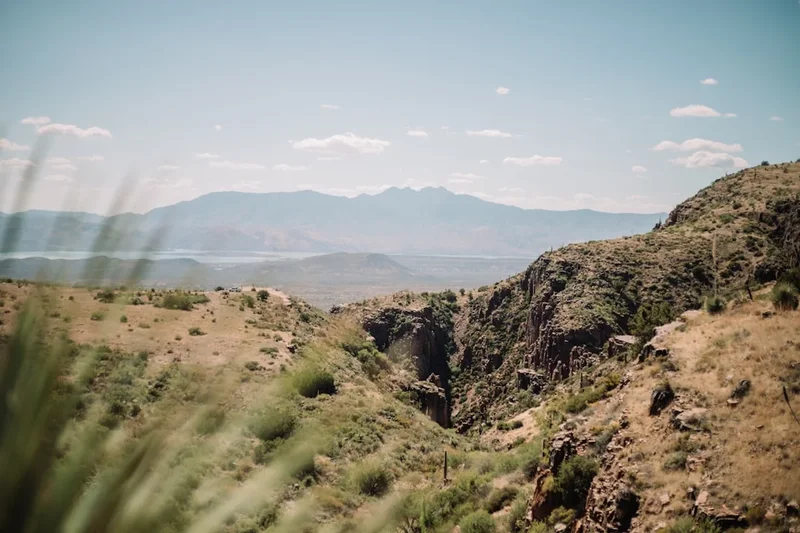
The Zion Traverse is an epic, multi-day backpacking route through the heart of Zion National Park, Utah, USA. This challenging trek spans approximately 77 kilometres, traversing the park's iconic sandstone canyons, high desert plateaus, and remote wilderness areas. It offers a profound immersion into the dramatic landscapes that define Zion, moving from the lush canyon floor to the exposed, sun-baked heights. Unlike the popular paved paths and short hikes, the Zion Traverse is a true wilderness experience, demanding self-sufficiency, navigation skills, and a high level of physical fitness. It is a journey that reveals the park's diverse ecosystems, from the Virgin River's riparian zones to the arid, windswept slickrock, providing a perspective few visitors ever witness.
- Distance: 77.0 km one-way
- Duration: 5-7 days
- Season: April-May and September-October
- Difficulty: Very Challenging
- Highest point: Approximately 2,300 m
- Permits: Required for overnight backpacking
- Direction: Typically North to South (East Mesa Trailhead to West Rim Trailhead), but can be done in reverse.
- Closest City: Springdale, Utah
Overview
The Zion Traverse is a demanding, yet incredibly rewarding, backpacking adventure that showcases the vastness and raw beauty of Zion National Park beyond its most famous viewpoints. This route is not for the faint of heart; it involves significant elevation changes, long stretches of exposed terrain, and requires meticulous planning and navigation. The traverse typically begins at the East Mesa Trailhead, offering a gradual introduction to the park's high country, before descending into the iconic Zion Canyon. Alternatively, starting from the West Rim Trailhead provides an immediate immersion into the dramatic canyon views.
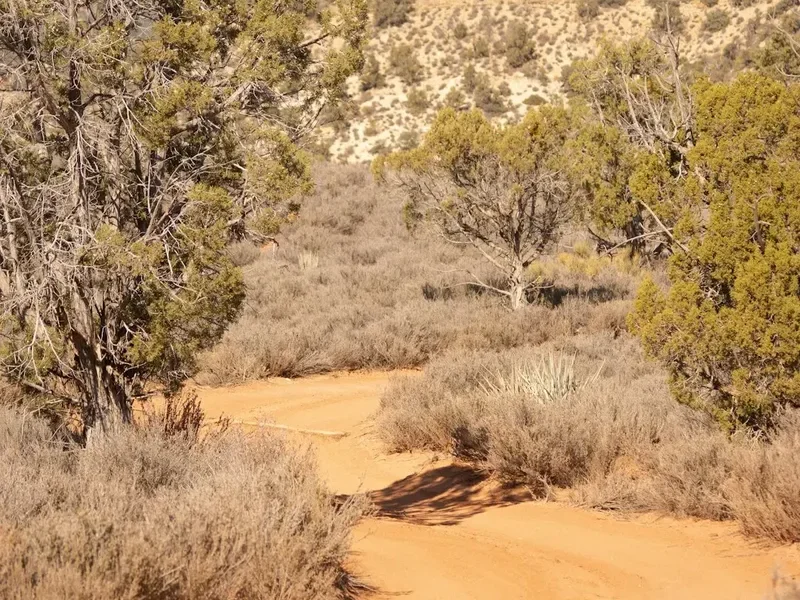
The journey unfolds through a series of distinct ecological zones. Initially, hikers might find themselves on the relatively flat, sandy trails of the East Mesa, surrounded by pinyon-pine and juniper woodlands. As the route progresses, it often involves navigating the labyrinthine slickrock formations, where the sandstone itself becomes the trail. The descent into Zion Canyon is a highlight, offering breathtaking vistas of iconic formations like Angels Landing and the Great White Throne from above. The final stages often follow sections of the West Rim Trail, providing a classic Zion canyon experience before concluding near the park's main visitor centre.
Water sources are scarce and often unreliable, especially on the higher plateau sections. This necessitates careful planning for water carrying capacity and knowledge of potential refill points, which are typically found near established campgrounds or along the Virgin River. The weather can be extreme, with scorching heat in the summer months and potential for snow and ice in the shoulder seasons. Therefore, the best times to undertake the Zion Traverse are during the spring (April-May) and autumn (September-October), when temperatures are more moderate.
This trek is a true test of endurance and self-reliance, offering a profound connection with the desert wilderness. It’s an opportunity to experience Zion's grandeur in solitude, away from the crowds, and to appreciate the park's geological wonders and ecological diversity on a grand scale.
History and Cultural Context
The land that now constitutes Zion National Park has a rich human history stretching back thousands of years. Indigenous peoples, including the Ancestral Puebloans and later the Southern Paiute, inhabited and utilized this region for millennia. They found sustenance in the fertile canyon floor, relying on the Virgin River for water and cultivating crops. Their presence is evidenced by archaeological sites, rock art, and artifacts scattered throughout the park, offering glimpses into their deep connection with this dramatic landscape.
European American exploration began in the mid-19th century. Mormon pioneers, seeking to establish settlements in the fertile valleys, were among the first to venture into the canyon. They were struck by its immense beauty and named it "Mukuntuweap," meaning "straight canyon." Over time, its awe-inspiring scale and unique geological features led to its designation as a national monument in 1909 and later as a national park in 1919. The name "Zion," meaning a place of peace and refuge, was given by early Mormon settlers, reflecting their spiritual connection to the valley.
The development of trails and infrastructure within Zion Canyon, particularly in the early 20th century, was a monumental undertaking. Civilian Conservation Corps (CCC) crews played a significant role in constructing many of the park's iconic roads, trails, and buildings, including sections of the Zion-Mount Carmel Highway and the Zion Lodge. These efforts, while facilitating access, also began to shape the modern perception and use of the park.
The concept of a "Zion Traverse" as a continuous backpacking route emerged more organically as experienced hikers and park rangers explored the less-travelled areas of the park. It represents a modern interpretation of traversing the park's diverse terrain, moving beyond the established day-hike routes to embrace the challenge of a multi-day wilderness expedition. The route often incorporates sections of historic trails, such as the West Rim Trail, and newer, less-maintained paths that require advanced navigation and a deep respect for the desert environment.
Seasonal Highlights and Weather Reality
The Zion Traverse is best undertaken during the spring and autumn months, offering a balance of manageable temperatures and fewer extreme weather events. However, even during these periods, the desert climate can be unpredictable.
Spring (April-May): This is an ideal time for the traverse. Wildflowers bloom, particularly in the lower elevations and along riparian areas, adding vibrant colour to the landscape. Temperatures are generally pleasant, ranging from cool mornings and evenings to warm afternoons. However, snowmelt can still be a factor at higher elevations, and occasional late spring storms can bring rain or even snow. Water sources are typically more reliable during this period due to winter precipitation.
Summer (June-August): Summer in Zion is characterized by extreme heat. Daytime temperatures can regularly exceed 38°C (37°C), making hiking on exposed slickrock incredibly dangerous and potentially life-threatening. Water sources can become scarce, and the risk of flash floods increases significantly with monsoon thunderstorms. While technically possible with extreme caution, early morning and late evening hiking, and carrying copious amounts of water, the Zion Traverse is generally not recommended during the peak summer months due to the severe heat and associated risks.
Autumn (September-October): This season offers another excellent window for the traverse. The intense summer heat subsides, and temperatures become more moderate, with crisp mornings and comfortable afternoons. The autumn colours, particularly in the cottonwood trees along the Virgin River, can be spectacular. However, the risk of flash floods from monsoon storms persists into early autumn. Water sources may begin to diminish as the season progresses.
Winter (November-March): Winter in Zion can bring cold temperatures, snow, and ice, especially at higher elevations. While the lower canyon floor may remain relatively mild, the slickrock plateaus and higher trails can be treacherous. Many water sources may freeze. The Zion Traverse is generally considered a challenging winter hike, requiring specialized gear and experience with winter conditions. Permits are still required, and conditions can change rapidly.
Weather Considerations: Regardless of the season, always be prepared for rapid weather changes. Flash floods are a significant hazard in Zion's canyons, triggered by thunderstorms that may occur miles away. Always check the weather forecast and be aware of the potential for sudden downpours. High winds can also be a factor, particularly on exposed ridges and plateaus.
Recommended Itinerary
5-Day Zion Traverse Itinerary (North to South)
Day 1: East Mesa Trailhead to The Grotto (via Observation Point)
- Distance: Approximately 18 km
- Elevation Gain: ~300 m gain, ~1200 m loss
- Time: 7-9 hours
- Start at East Mesa Trailhead (requires 4WD or shuttle access to trailhead)
- Hike through pinyon-juniper woodlands and open slickrock
- Reach Observation Point for iconic views into Zion Canyon (Note: The main Observation Point trail from the canyon floor is closed due to rockfall; this route accesses it from above)
- Descend steeply via East Mesa Trail towards the canyon floor
- Connect with East Rim Trail and then West Rim Trail
- Camp at designated backcountry campsite (e.g., near The Grotto, requires permit)
- This day involves significant elevation loss and can be hard on the knees.
Day 2: The Grotto to Angels Landing Campsite (or nearby)
- Distance: Approximately 8 km
- Elevation Gain: ~600 m gain
- Time: 4-6 hours
- Hike along the West Rim Trail
- Pass Scout Lookout
- Optional: Hike the chain section of Angels Landing (requires separate permit and is not recommended for those with a fear of heights or during wet conditions)
- Camp at Angels Landing Campsite (highly sought-after, requires permit) or another designated site along the West Rim Trail
- This day offers some of Zion's most dramatic and exposed hiking.
Day 3: Angels Landing Campsite to Lava Point Campground
- Distance: Approximately 15 km
- Elevation Gain: ~700 m gain
- Time: 6-8 hours
- Continue on the West Rim Trail, ascending towards the park's western plateau
- Experience the transition from canyon views to high desert terrain
- Pass through diverse vegetation and open slickrock
- Camp at Lava Point Campground (primitive, first-come, first-served or permit may be required depending on season/regulations)
- This day involves significant elevation gain and exposure to the elements.
Day 4: Lava Point Campground to Kolob Terrace Road
- Distance: Approximately 20 km
- Elevation Gain: ~300 m gain, ~600 m loss
- Time: 7-9 hours
- Hike along the Kolob Terrace Road or connecting trails
- Explore the Kolob Canyons section of Zion National Park
- This section is generally less crowded and offers a different perspective on Zion's geology
- Camp at a designated backcountry site or find a suitable dispersed camping spot (check regulations)
- This is a long day with varied terrain.
Day 5: Kolob Terrace Road to Lee Pass Trailhead
- Distance: Approximately 16 km
- Elevation Gain: ~200 m gain, ~400 m loss
- Time: 5-7 hours
- Continue on trails within the Kolob Canyons area
- Conclude the traverse at the Lee Pass Trailhead
- Arrange for shuttle or pick-up from Lee Pass Trailhead
- This day offers a final immersion into the remote beauty of Zion's northern reaches.
Important Notes:
- This itinerary is a suggestion and can be modified based on permit availability, fitness levels, and personal preferences.
- Permits are essential and highly competitive. Apply well in advance through the Zion National Park backcountry permit system.
- Water sources are extremely limited and unreliable. Carry sufficient water for each day and know your refill points.
- The Angels Landing chain section requires a separate lottery permit.
- Shuttle services or pre-arranged transportation are crucial for logistics, especially for the start and end points.
- Always check current trail conditions and weather forecasts before and during your hike.
Planning and Bookings
Book Your Trip
Everything you need to plan your journey
Accommodation
Find places to stay near Springdale, Utah
Flights
Search flights to Springdale, Utah
Essential Preparation
The Zion Traverse is a serious undertaking that requires meticulous planning. The most critical element is securing backcountry permits, which are highly competitive and often require applying months in advance through Zion National Park's lottery system. Understanding the park's shuttle system and arranging transportation to and from trailheads is also paramount, as many trailheads are not accessible by private vehicle or are located far apart.
Physical fitness is non-negotiable. The traverse involves significant mileage, substantial elevation changes, and often challenging terrain. Hikers should be comfortable with carrying a multi-day pack, navigating off-trail or on poorly marked routes, and enduring potentially extreme weather conditions. Training should include long hikes with a loaded pack, focusing on elevation gain and loss, and acclimatisation to heat if hiking in warmer months.
Logistics for water and food are critical. Water sources are scarce and often seasonal, necessitating carrying a significant amount of water or having a reliable filtration/purification system and knowledge of where to find water. Food planning must account for the duration of the hike and the need for lightweight, high-energy provisions. Base towns like Springdale offer essential services, including gear shops, grocery stores, and accommodation, but once on the traverse, you are entirely self-sufficient.
Trail Accommodation
The Zion Traverse is a backcountry backpacking trip that relies on designated backcountry campsites and, in some sections, primitive campgrounds. There are no lodges or established huts along the route.
Backcountry Campsites: Zion National Park has a limited number of designated backcountry campsites scattered throughout the park. These sites must be reserved in advance via the park's lottery system. Campsites vary in their amenities, but generally offer a designated tent pad and a bear-resistant food storage container (though bear activity is less common than in other parks, proper food storage is still essential). Water sources near campsites are not guaranteed and can be seasonal.
Primitive Campgrounds: Some sections of the traverse may pass through or near primitive campgrounds, such as Lava Point Campground. These are typically basic sites with minimal facilities, often just a pit toilet and a tent pad. They may operate on a first-come, first-served basis or require a permit, depending on the season and specific regulations.
Permit Requirements: All overnight stays in the backcountry require a permit obtained through Zion National Park's backcountry permit system. This system operates on a lottery basis for popular areas and routes like the Zion Traverse. Applications typically open several months in advance of the hiking season.
What's NOT Provided: Hikers must be entirely self-sufficient. This includes carrying all necessary camping gear (tent, sleeping bag, sleeping pad), cooking equipment, food, water treatment devices, and all personal items. There are no services, no food, and no water available at backcountry campsites.
Seasonal Availability: Backcountry campsites are generally available year-round, but access and conditions vary significantly with the seasons. Spring and autumn offer the most favourable conditions. Summer heat can make camping at lower elevations extremely uncomfortable and dangerous. Winter can bring snow and ice, making some routes inaccessible or hazardous.
Costs: Backcountry permit fees vary but are generally modest, typically ranging from $15 to $30 per permit, depending on the number of nights and group size. Campground fees, if applicable, are also typically low.
Required Gear
- Backpacking backpack (60-75 litre capacity) with rain cover
- Tent suitable for desert conditions (lightweight, durable, good ventilation)
- Sleeping bag rated for expected nighttime temperatures (consider 0-10°C comfort rating for spring/autumn)
- Sleeping pad for insulation and comfort
- Water filter or purification tablets (essential for treating all water sources)
- Water bottles or hydration reservoir (capacity for at least 4-6 litres per person per day, depending on route and conditions)
- Sturdy, broken-in hiking boots with good ankle support
- Moisture-wicking socks (wool or synthetic)
- Layered clothing: moisture-wicking base layers, insulating mid-layers (fleece or down), waterproof and windproof outer shell jacket and trousers
- Sun hat with a wide brim
- Sunglasses
- Sunscreen (SPF 30 or higher)
- Headlamp or flashlight with extra batteries
- Navigation tools: map of Zion National Park (including backcountry trails), compass, and GPS device or smartphone with downloaded offline maps
- First-aid kit (comprehensive, including blister treatment, pain relievers, antiseptic wipes, bandages, and any personal medications)
- Trekking poles (highly recommended for steep descents and ascents)
- Knife or multi-tool
- Toiletries (biodegradable soap, toothbrush, toothpaste, toilet paper, trowel for catholes if not using designated toilets)
- Insect repellent (especially for mosquitoes and biting flies, though less of an issue on the dry plateaus)
- Emergency shelter (e.g., lightweight bivy sack or emergency blanket)
What to Bring
- Food for the duration of the trip (lightweight, high-calorie meals, snacks, and electrolytes)
- Camp stove and fuel
- Cook pot, utensils, mug
- Plate or bowl
- Bear-resistant food canister (if required by permit or park regulations)
- Trash bags (pack it in, pack it out)
- Personal hygiene items (hand sanitizer, wet wipes)
- Camera and extra batteries/power bank
- Book or journal for downtime
- Identification and park permit
- Cash for potential shuttle services or unexpected needs
- Duct tape and cordage for repairs
- Small trowel for digging catholes where designated toilets are not available
Permits
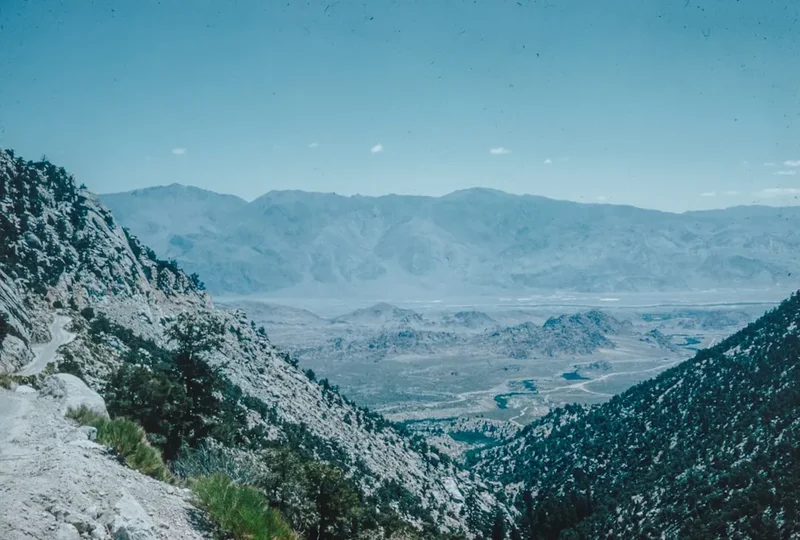
Securing a backcountry permit is the single most critical step in planning a Zion Traverse. Zion National Park employs a highly competitive lottery system for its backcountry permits, especially for popular routes like the traverse and its key trailheads. Due to the limited number of permits available and the high demand, it is essential to plan well in advance.
Permit Application Process:
- Lottery System: Zion National Park uses a lottery system for most backcountry permits. Applications are typically accepted for specific windows several months before the desired hiking dates. For example, applications for spring hikes might open in late autumn of the previous year.
- Online Application: Applications are submitted online through the Zion National Park backcountry permit portal. You will need to create an account and provide detailed information about your planned itinerary, including dates, campsites, and group size.
- Advance Planning: It is crucial to research the specific permit zones and campsites that make up your desired traverse route. Understand the camping regulations for each zone.
- Flexibility is Key: Be prepared to be flexible with your dates and itinerary. Having multiple alternative dates and route options will significantly increase your chances of success.
- Permit Fees: A non-refundable application fee is usually required to enter the lottery. If successful, there will be an additional per-person, per-night fee for the permit itself.
Key Considerations for Zion Traverse Permits:
- Angels Landing: Hiking the chain section of Angels Landing requires a separate permit obtained through a different lottery system. This permit is in addition to your backcountry permit if you plan to camp near Angels Landing.
- Trailhead Access: Permits are often tied to specific trailheads. Ensure your permit covers your intended start and end points. For example, a permit for the East Mesa Trailhead will be different from one for the West Rim Trailhead.
- Campsite Availability: The number of available campsites along the traverse route is limited. You must secure permits for each night you plan to camp.
- Last-Minute Permits: Zion National Park does release a small number of permits on a first-come, first-served basis for walk-up applications, but these are extremely limited and highly competitive, especially for popular routes.
Where to Find Information: The official Zion National Park website is the definitive source for all information regarding backcountry permits, including application windows, fees, and regulations. Always consult the park's official website for the most up-to-date information.
Other Activities in the Area
While the Zion Traverse offers an immersive wilderness experience, the surrounding areas and the main Zion Canyon provide numerous other activities for those looking to extend their stay or explore different facets of the park:
- Zion Canyon Scenic Drive: Accessible via the park's mandatory shuttle system for most of the year, this drive offers access to iconic viewpoints and trailheads such as the Emerald Pools, Weeping Rock, and the Temple of Sinawava (start of the Riverside Walk and The Narrows).
- The Narrows: A world-famous slot canyon hike where you wade through the Virgin River. This can be done as a day hike from the Riverside Walk or as a multi-day backpacking trip (requiring permits).
- Angels Landing Hike: A strenuous hike with sheer drop-offs and chains for assistance. Requires a separate permit obtained via lottery.
- Canyoneering: Zion is a premier destination for canyoneering, with numerous technical canyons accessible for guided or experienced independent canyoneers.
- Rock Climbing: Zion offers world-class big wall climbing and sport climbing opportunities on its towering sandstone cliffs.
- Scenic Drives outside the park: The Zion-Mount Carmel Highway itself is a scenic drive, offering stunning views and access to the park's east side. Nearby areas like Kolob Canyons also offer scenic drives and hiking.
- Stargazing: Zion is an International Dark Sky Park, offering incredible opportunities for stargazing away from light pollution.
- Photography: The dramatic landscapes of Zion provide endless opportunities for photographers, from grand vistas to intricate details of desert flora and fauna.
Safety and Conditions
Flash Flood Potential: This is the most significant hazard in Zion's canyons. Thunderstorms, even if miles away, can cause sudden and dangerous flash floods. Always check the weather forecast and be aware of the conditions. If there is any chance of rain, do not enter narrow canyons. If caught in a flash flood, seek higher ground immediately.
Extreme Heat: During warmer months, temperatures can soar. Dehydration, heat exhaustion, and heatstroke are serious risks. Hike during the cooler parts of the day (early morning and late evening), carry ample water (at least 4-6 litres per person per day), and use electrolytes. Wear light-coloured, loose-fitting clothing and a wide-brimmed hat.
Water Scarcity: Water sources are often unreliable and seasonal. Always carry more water than you think you will need and have a reliable water filter or purification method. Do not rely on finding water at every planned stop.
Navigation: While some sections of the traverse follow established trails, others are less marked or require off-trail navigation. Carry a detailed map, compass, and GPS device, and know how to use them. Inform someone of your itinerary and expected return time.
Exposure: Much of the Zion Traverse is on exposed slickrock or high plateaus, offering little shade. Be prepared for intense sun exposure and wind. Sunscreen, a hat, and sunglasses are essential.
Terrain: The terrain can be challenging, with steep ascents and descents, loose rock, and sandy sections. Sturdy hiking boots and trekking poles are highly recommended.
Wildlife: While large predators are rare, be aware of rattlesnakes and scorpions. Give them a wide berth and never put your hands or feet where you cannot see. Proper food storage is important to deter smaller animals.
Permit Compliance: Adhere strictly to your permitted itinerary and camping locations. Violations can result in fines and removal from the park.
Emergency Preparedness: Carry a well-stocked first-aid kit and know how to use it. Consider carrying a personal locator beacon (PLB) or satellite messenger for emergencies, as cell service is unreliable in most of the backcountry.
Side Trips and Points of Interest
Observation Point: While the main trail from the canyon floor is closed, accessing Observation Point from the East Mesa Trailhead (as part of the traverse) offers one of the most commanding and breathtaking views in Zion National Park. From this vantage point, you look down into the main Zion Canyon, with Angels Landing and the Great White Throne appearing as miniature formations far below. It's a spectacular reward for the initial hike.
Angels Landing: For those with the necessary permits and a head for heights, the hike along the narrow spine of Angels Landing, aided by chains bolted into the rock, is an unforgettable experience. The panoramic views from the summit are unparalleled, offering a unique perspective of the canyon's grandeur.
Scout Lookout: Located just before the chain section of Angels Landing, Scout Lookout provides incredible views into the canyon and is a popular turnaround point for those not attempting the final ascent. It's a great spot for a break and to appreciate the scale of the landscape.
Kolob Canyons: The northern section of Zion, accessed via the Kolob Terrace Road, offers a more remote and less crowded experience. The Finger Rock, Taylor Creek, and Timber Creek trails provide opportunities for shorter hikes and exploration within this distinct part of the park, showcasing different geological formations and ecosystems.
The Subway (Bottom-Up): While not directly on the typical traverse route, a popular side trip from the Kolob Terrace area is the hike to The Subway, a stunning slot canyon formation. This requires a separate permit and is a challenging, water-involved hike.
Virgin River: As you descend into Zion Canyon, the Virgin River becomes a constant companion. Its riparian corridor supports a different ecosystem than the arid plateaus, with cottonwood trees and lush vegetation. The river itself is the lifeblood of the canyon.
Leave No Trace
The Zion Traverse traverses a fragile desert environment, and adhering to Leave No Trace principles is paramount to preserving its beauty and ecological integrity for future generations. The park's popularity means that even its remote areas are subject to human impact, making responsible backcountry practices essential.
Plan Ahead and Prepare: Research your route thoroughly, understand permit requirements, and be aware of weather conditions. Pack appropriate gear and sufficient supplies to be self-sufficient. Know the park's regulations regarding fires, camping, and waste disposal.
Travel and Camp on Durable Surfaces: Stick to established trails whenever possible. When camping, use designated backcountry campsites. If dispersed camping is permitted in certain areas, choose sites that are already impacted or on durable surfaces like rock or sand, avoiding vegetation.
Dispose of Waste Properly: Pack out everything you pack in, including all food scraps, wrappers, and toilet paper. Use designated toilets where available. If not, dig catholes at least 60 metres (60 m) from water sources, trails, and campsites, and bury human waste at least 15-20 cm (6-8 inches) deep. Pack out all toilet paper.
Leave What You Find: Do not remove any natural objects, such as rocks, plants, or artifacts. Leave them for others to enjoy and for the ecosystem to maintain. Avoid carving or marking on rocks or trees.
Minimize Campfire Impacts: Campfires are often prohibited in Zion's backcountry due to the risk of wildfire and the impact on fragile desert soils. If fires are permitted, use established fire rings and keep fires small. Ensure fires are completely extinguished and cold before leaving.
Respect Wildlife: Observe wildlife from a distance and never feed animals. Feeding wildlife can disrupt their natural behaviours, diets, and health, and can make them more aggressive towards humans. Store food securely to prevent attracting animals.
Be Considerate of Other Visitors: Yield to other hikers on trails. Keep noise levels down, especially in the backcountry, to allow others to enjoy the natural quiet. Respect the solitude of the wilderness.
 USA
USA