
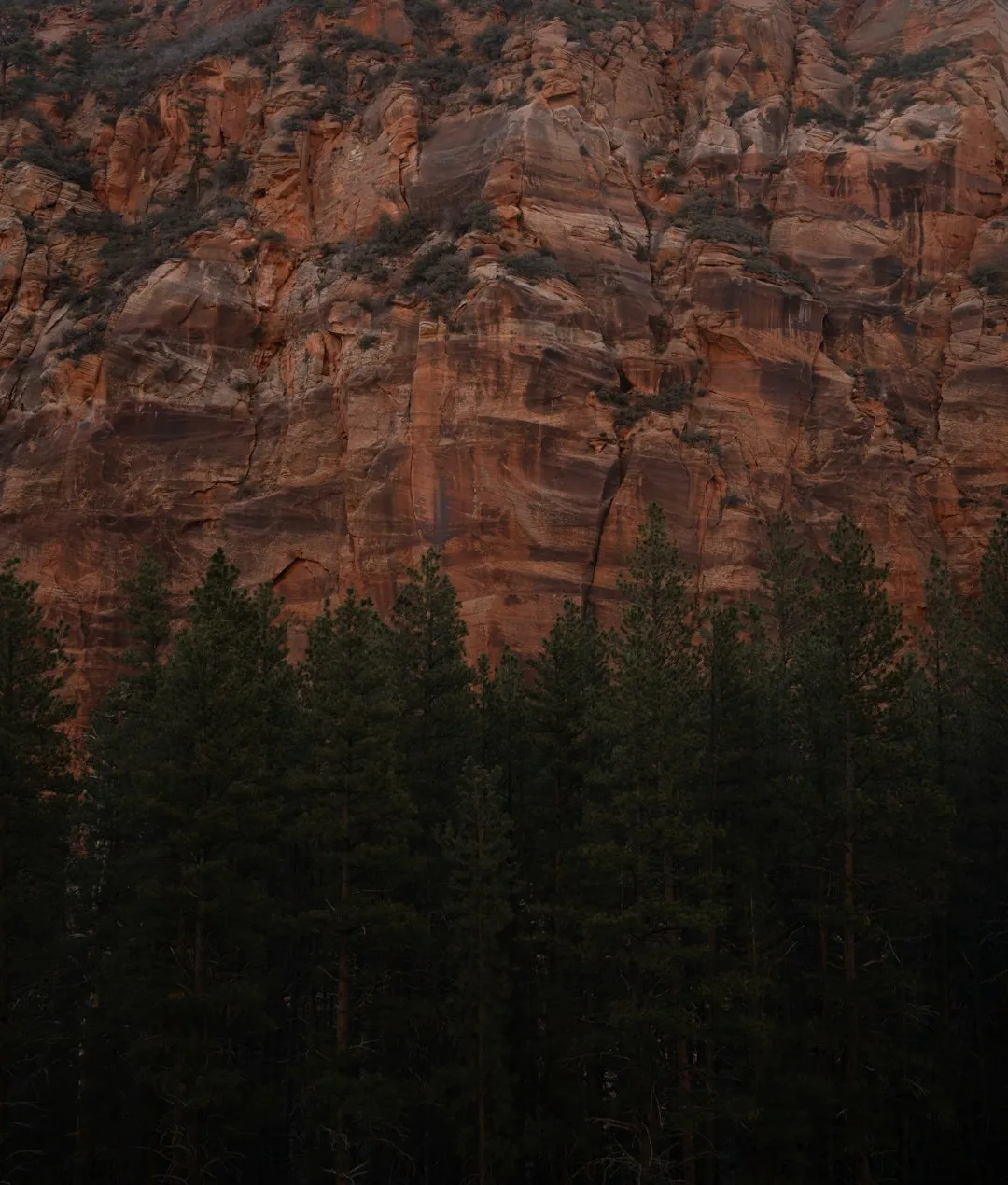
Zion Canyon Overlook Trail
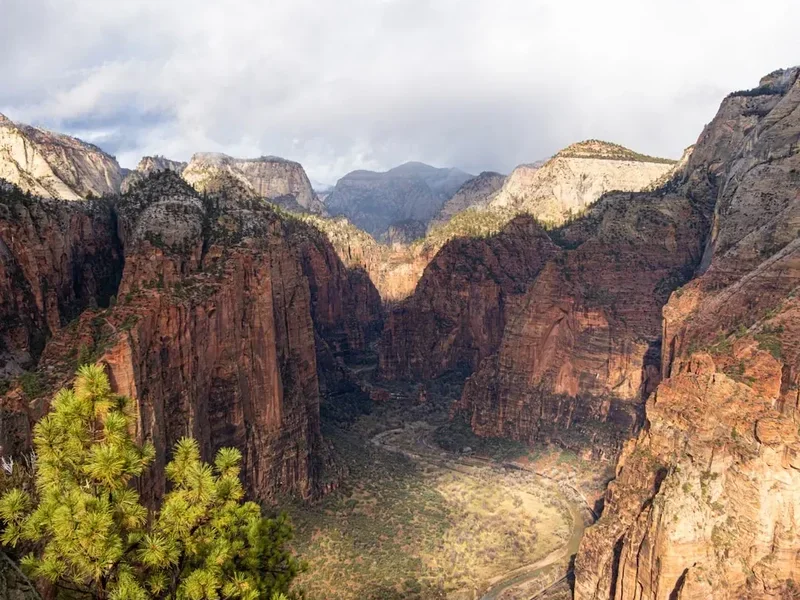
The Zion Canyon Overlook Trail is a short, spectacular day hike located on the east side of Zion National Park, Utah, USA. This trail offers breathtaking panoramic views of the main Zion Canyon, including iconic formations like the West Temple, the Towers of the Virgin, and the Great White Throne. It's a popular choice for visitors seeking dramatic vistas without the commitment of a longer, more strenuous trek. The trail itself is a marvel of engineering, carved into the sandstone cliffs, and features a unique combination of paved sections, rock steps, and narrow ledges, providing a sense of adventure and immersion in the rugged desert landscape.
- Distance: 1.6 km (1.6 km) round trip
- Elevation Gain: 182 m (182 m)
- Duration: 1–2 hours
- Season: Year-round, but best in spring and fall
- Difficulty: Moderate
- Closest City: Springdale, Utah
- Trailhead Access: Zion-Mount Carmel Highway (UT-9), east of the Zion-Mount Carmel Tunnel. Parking is extremely limited and fills quickly.
Overview
The Zion Canyon Overlook Trail is a quintessential Zion experience, delivering immense scenic rewards for a relatively short effort. Situated just east of the historic Zion-Mount Carmel Tunnel, the trailhead is easily accessible by vehicle, though parking is a significant challenge, especially during peak season. The trail begins with a paved path that quickly transitions into a more rugged, natural surface, winding its way along the edge of the canyon. Hikers will encounter a series of stone steps, narrow sections with protective railings, and exposed ledges that offer increasingly dramatic views as they ascend.
The trail's moderate difficulty stems from its consistent elevation gain and the uneven terrain. However, the well-maintained path and the presence of safety features make it accessible to a wide range of hikers. The highlight is undoubtedly the final viewpoint, a broad, open ledge that provides an unparalleled, sweeping vista of Zion Canyon. From this vantage point, the sheer scale of the sandstone monoliths, carved over millennia by the Virgin River, is truly awe-inspiring. The contrast between the vibrant red rock, the deep blue sky, and the sparse desert vegetation creates a visually stunning tableau.
This trail is particularly popular for sunrise and sunset photography, as the changing light casts dramatic shadows and highlights across the canyon walls. The unique geological formations, the sheer drop-offs, and the vastness of the landscape combine to create a memorable and impactful hiking experience. It’s a perfect introduction to the grandeur of Zion for those with limited time or seeking a less physically demanding way to appreciate the park's iconic scenery.
History and Cultural Context
The land that now comprises Zion National Park has a rich human history stretching back thousands of years. Archaeological evidence suggests that Ancestral Puebloans and later Southern Paiute people inhabited the region, utilizing its resources for shelter, food, and water. These early inhabitants developed a deep understanding of the canyon's ecology and its seasonal rhythms, leaving behind traces of their presence in rock art and artifacts.
The modern era of exploration and development in Zion began in the late 19th and early 20th centuries. Prospectors, ranchers, and early tourists were drawn to the area's dramatic landscapes. The construction of the Zion-Mount Carmel Highway and Tunnel, completed in 1930, was a monumental engineering feat that significantly improved access to the park's eastern side and connected it to the main canyon. This project was instrumental in opening up areas like the one where the Canyon Overlook Trail is located to a wider audience.
The trail itself, while seemingly natural, is a product of human ingenuity, designed to provide safe access to a spectacular viewpoint. Its construction likely involved significant labor to carve paths, build steps, and install safety features into the resistant sandstone. The trail's existence is a testament to the park service's efforts to balance visitor access with the preservation of the natural environment. The overlook offers a perspective that has been appreciated by indigenous peoples for centuries and by modern visitors since the park's development, connecting us to the enduring power and beauty of this desert landscape.
Seasonal Highlights and Weather Reality
The Zion Canyon Overlook Trail is a year-round destination, but each season offers a distinct experience and presents unique considerations for hikers.
Spring (March–May): This is arguably the most pleasant time to hike the trail. Temperatures are mild, typically ranging from 10°C to 25°C, making for comfortable hiking conditions. The desert flora begins to bloom, adding splashes of colour to the landscape. However, spring can also bring unpredictable weather, including occasional rain showers and wind. Crowds begin to increase significantly, especially during spring break and weekends, making early morning or late afternoon visits advisable to avoid congestion and secure parking.
Summer (June–August): Summers in Zion are hot, with daytime temperatures frequently exceeding 35°C and often reaching into the low 40s Celsius. Hiking the Overlook Trail during the midday heat can be dangerous due to the risk of heat exhaustion and heatstroke. If hiking in summer, it is crucial to start very early in the morning (before sunrise) or hike in the late evening. The paved sections and exposed nature of the trail offer little shade. Despite the heat, the long daylight hours allow for extended exploration. The skies are typically clear and blue, offering excellent visibility.
Autumn (September–November): Autumn is another prime season for the Zion Canyon Overlook Trail. The intense summer heat subsides, and temperatures become pleasantly cool, usually between 15°C and 25°C. The crowds are still present but generally less intense than in spring. The autumn foliage, though not as dramatic as in deciduous forests, can add subtle hues of yellow and red to the surrounding vegetation. The light during autumn mornings and evenings is particularly beautiful for photography.
Winter (December–February): Winter offers a quieter experience on the trail. Temperatures are cooler, with daytime highs often in the 5°C to 15°C range, and nighttime lows can drop below freezing. Snowfall is possible, though it rarely accumulates for extended periods on the trail itself, often melting quickly due to the sun's intensity. If snow or ice is present, the trail can become slippery and hazardous, requiring caution and appropriate footwear. The stark beauty of the desert landscape under a dusting of snow can be stunning, and the lack of crowds is a significant advantage. However, road closures due to snow are a possibility on the Zion-Mount Carmel Highway.
Weather Reality: Regardless of the season, always check the weather forecast before your visit. Zion's desert climate can experience rapid changes. Flash floods are a serious concern, especially during monsoon season (July–September) and after heavy rains, even if the rain isn't falling directly on the trail. The narrow canyons and exposed ledges of the Overlook Trail can be dangerous in severe weather.
Recommended Itinerary
Zion Canyon Overlook Trail - Day Hike Itinerary
Early Morning (Sunrise Option):
- Approx. 5:30 AM - 6:30 AM (depending on season): Depart from Springdale or your accommodation. Drive east on UT-9 towards the Zion-Mount Carmel Tunnel. Aim to arrive at the trailhead parking area before sunrise to secure a spot and experience the canyon bathed in the soft, golden light of dawn.
- Approx. 6:30 AM: Begin the hike. The trail is relatively short, allowing for a leisurely pace.
Morning (Standard Visit):
- Approx. 8:00 AM - 10:00 AM: Arrive at the trailhead. Parking will likely be challenging; be prepared to wait or return later.
- Approx. 8:30 AM: Commence the hike. The trail is well-defined, starting with a paved section.
- 8:45 AM - 9:15 AM: Ascend the initial switchbacks and rock steps. Enjoy the first glimpses of the canyon opening up.
- 9:15 AM - 9:30 AM: Reach the narrow ledge sections with protective railings. Take your time and appreciate the dramatic drop-offs and expanding views.
- Approx. 9:30 AM: Arrive at the main overlook. Spend ample time here, taking photographs, and absorbing the panoramic scenery.
- 10:00 AM - 10:30 AM: Begin the descent back to the trailhead.
Midday (Caution Advised):
- Approx. 11:00 AM - 2:00 PM: If hiking during midday, especially in warmer months, start very early or be prepared for extreme heat. Carry ample water and wear sun protection. The trail is exposed with minimal shade.
- 12:00 PM: Reach the overlook. The sun will be high, creating strong contrasts.
- 1:00 PM: Descend.
Afternoon (Sunset Option):
- Approx. 3:00 PM - 5:00 PM (depending on season): Depart for the trailhead. Aim to reach the overlook at least an hour before sunset to allow time to enjoy the views and capture the changing light.
- Approx. 4:00 PM: Begin the hike.
- Approx. 4:30 PM: Arrive at the overlook.
- Approx. 5:30 PM - 6:30 PM: Witness the sunset. The canyon walls will glow with warm colours.
- Approx. 6:30 PM - 7:00 PM: Descend carefully. A headlamp is essential for the return journey after dark.
Important Notes:
- Parking at the trailhead is extremely limited and often full by 8:00 AM. Consider using the Zion shuttle system to reach the tunnel entrance and walking the short distance to the trailhead, or visit during the off-season or very early/late in the day.
- The trail is one-way (out and back).
- No camping is permitted along the trail.
- Weather can change rapidly; always be prepared for sun, wind, and potential rain.
- Carry plenty of water, especially during warmer months.
Planning and Bookings
Book Your Trip
Everything you need to plan your journey
Accommodation
Find places to stay near Springdale, Utah
Flights
Search flights to Springdale, Utah
Essential Preparation
The Zion Canyon Overlook Trail is a popular day hike, and its accessibility means it can get very crowded, especially during peak seasons (spring, summer, and fall weekends). The primary logistical challenge is parking at the trailhead, which is extremely limited. Arriving very early in the morning (before 8:00 AM) or late in the afternoon (after 4:00 PM) is highly recommended. If parking is unavailable, you may need to park in the main canyon and take the park shuttle to the Zion-Mount Carmel Tunnel, then walk to the trailhead. This adds significant time and distance to your excursion.
Springdale, the gateway town to Zion National Park, offers a range of accommodation options from budget motels to luxury resorts, as well as numerous restaurants, cafes, and outdoor gear shops. It's advisable to book accommodation in Springdale well in advance, particularly if visiting during peak season. Ensure you have a valid park entrance pass, which can be purchased at the park entrance stations or online in advance.
Trail Accommodation
This is a day hike requiring no overnight accommodation.
Required Gear
- Sturdy hiking shoes or boots with good traction: The trail involves uneven terrain, rock steps, and some exposed sections.
- Daypack: To carry water, snacks, and personal items.
- Sun protection: Wide-brimmed hat, sunglasses, and high SPF sunscreen are essential due to the exposed nature of the trail and the intensity of the desert sun.
- Water bottles or hydration reservoir: Carry at least 1-2 litres of water per person, more in warmer months.
- Navigation: While the trail is well-marked, a downloaded map on your phone or a physical map is always a good idea.
- First-aid kit: For minor cuts, blisters, or scrapes.
- Headlamp or flashlight: Essential if hiking for sunrise or sunset, as the trail can be dark and potentially hazardous after dusk.
What to Bring
- Snacks: Energy bars, trail mix, fruit, or other portable food items to keep you fuelled.
- Camera: To capture the stunning panoramic views.
- Binoculars (optional): For a closer look at distant formations.
- Insect repellent (optional): While not typically a major issue, some biting insects may be present, especially near water sources or during certain times of the year.
- Trekking poles (optional): Can provide extra stability on uneven terrain and help reduce strain on knees during the descent.
Permits
No permits are required to hike the Zion Canyon Overlook Trail. It is a public trail within Zion National Park, and access is granted with the purchase of a standard park entrance fee.
Park Entrance Fees:
- Private Vehicle: A 7-day pass costs approximately $35 USD.
- Motorcycle: A 7-day pass costs approximately $30 USD.
- Per Person: For those entering on foot, bicycle, or via shuttle, the fee is approximately $20 USD per person, valid for 7 days.
- Annual Pass: The "America the Beautiful" National Parks Pass costs $80 USD and provides access to all national parks and federal recreation lands for one year. This is a cost-effective option for frequent visitors.
These fees can be paid at the park entrance stations or purchased online in advance through the official Zion National Park website or recreation.gov. It is highly recommended to purchase your pass in advance to save time upon arrival, especially during busy periods.
Shuttle System: While the Canyon Overlook Trail is accessed via the Zion-Mount Carmel Highway and not the main canyon shuttle route, understanding the park's shuttle system is crucial for overall park navigation. The main canyon shuttle operates seasonally and is the primary means of accessing many popular trailheads within the main canyon. If you are combining this hike with other Zion activities, familiarize yourself with the shuttle schedule and routes.
Other Activities in the Area
The Zion Canyon Overlook Trail is just one of many incredible experiences available in and around Zion National Park. Consider these other activities to enhance your visit:
- Zion Main Canyon Scenic Drive: Accessible via the park's free shuttle system (seasonal), this drive offers access to iconic trailheads like Angels Landing, The Narrows, Emerald Pools, and Weeping Rock.
- The Narrows: A world-famous slot canyon hike where you wade through the Virgin River. This requires significant planning, appropriate gear, and often a permit for longer overnight trips.
- Angels Landing: A strenuous and thrilling hike with chains bolted into the rock for support along narrow ledges. Requires a permit obtained via lottery.
- Emerald Pools Trails: A series of trails leading to lush pools and waterfalls, offering a different kind of beauty within the canyon.
- Pa'rus Trail: A paved, accessible trail suitable for walking, cycling, and wheelchairs, offering gentle views of the Virgin River and canyon walls.
- Kolob Canyons: Located in the northern section of Zion, this area offers a more remote experience with scenic drives and hiking trails, including the Timber Creek Overlook Trail.
- Canyoneering: For the adventurous, Zion offers numerous opportunities for guided canyoneering trips, exploring slot canyons and rappelling down cliffs.
- Stargazing: Zion is an International Dark Sky Park, offering incredible opportunities for stargazing away from light pollution.
- Photography: The park is a photographer's paradise, with dramatic light and landscapes at every turn. Sunrise and sunset are particularly magical times.
Safety and Conditions
Flash Flood Potential: The most significant hazard in Zion, especially on trails like the Canyon Overlook, is the risk of flash floods. Even if it's not raining at your location, a storm miles upstream can send a wall of water down the canyons. Always check the weather forecast and flash flood potential before heading out. If there is any chance of rain, especially in the higher elevations, avoid narrow canyons and low-lying areas. The Overlook Trail itself is not in a slot canyon, but the surrounding terrain is prone to rapid water runoff.
Heat Exhaustion and Heatstroke: During the summer months, temperatures can be extreme. Hike early in the morning or late in the afternoon. Carry and drink plenty of water (at least 1 litre per hour per person). recognise the symptoms of heat exhaustion (dizziness, nausea, headache, fatigue) and heatstroke (high body temperature, confusion, lack of sweating) and take immediate action if they occur.
Trail Conditions: The trail is generally well-maintained, but sections can be uneven, rocky, and steep. Exposed ledges require careful footing. In winter, ice and snow can make the trail slippery and hazardous; microspikes or traction devices may be necessary.
Wildlife: While encounters are rare, be aware of potential wildlife such as rattlesnakes, scorpions, and mule deer. Maintain a safe distance and never feed wild animals.
Navigation: The trail is clearly marked, but it's always wise to carry a map or use a GPS device, especially if you plan to explore any unofficial routes or side areas. Cell service can be spotty within the park.
Personal Locator Beacon (PLB) or Satellite Messenger: For solo hikers or those venturing into more remote areas, consider carrying a PLB or satellite messenger for emergency communication.
Stay Hydrated and Fueled: Dehydration and low blood sugar can lead to poor decision-making and accidents. Ensure you have enough water and snacks.
Side Trips and Points of Interest
The Zion-Mount Carmel Tunnel: While not a hike, the tunnel itself is a significant point of interest. Completed in 1930, it is 1.8 km (1.8 km) long and was a marvel of engineering for its time. Large vehicles may require an escort due to its narrowness. The drive through the tunnel offers a dramatic transition between the park's east and main canyons.
Checkerboard Mesa: Located a short drive east of the Canyon Overlook Trailhead, Checkerboard Mesa is a distinctive sandstone formation characterized by a unique cross-hatching pattern of erosion. It's a popular spot for photography and offers a different geological perspective.
The East Mesa Trail: For those seeking a longer, less crowded hike on the east side of Zion, the East Mesa Trail offers access to the park's upper plateau. It provides different views and a more remote wilderness experience, often used as an alternative access point to Observation Point.
The Hoodoos of Bryce Canyon National Park: While not directly in Zion, Bryce Canyon is a relatively short drive (approximately 1.5–2 hours) from the east side of Zion. If you have extra time, visiting Bryce Canyon to see its otherworldly hoodoo formations is highly recommended.
Leave No Trace
The Zion Canyon Overlook Trail, like all trails within Zion National Park, is a precious natural resource that must be protected for future generations. Adhering to Leave No Trace principles is paramount to preserving the park's delicate desert ecosystem and its stunning beauty.
Plan Ahead and Prepare: Research the trail, understand its conditions, and be prepared for the desert environment. Know the park regulations and any specific guidelines for the Overlook Trail.
Travel and Camp on Durable Surfaces: Stay on the marked trail at all times. The desert soil and vegetation are fragile and can take decades to recover from off-trail travel. The paved sections and rock steps of the Overlook Trail are designed to protect the underlying environment.
Dispose of Waste Properly: Pack out everything you pack in. This includes all food scraps, wrappers, and any other trash. Use the designated trash and recycling receptacles at the trailhead or in Springdale. Do not bury or burn trash.
Leave What You Find: Do not take rocks, plants, or any other natural or cultural artifacts from the park. These items are part of the park's natural heritage and should be left for others to enjoy.
Minimize Campfire Impacts: Campfires are not permitted on the Zion Canyon Overlook Trail or in most areas of Zion National Park. If you are camping elsewhere in the park, follow all fire regulations.
Respect Wildlife: Observe wildlife from a distance. Never feed animals, as this can disrupt their natural behaviours and diets, and can be harmful to their health. Secure your food properly to avoid attracting animals.
Be Considerate of Other Visitors: Keep noise levels down, yield to uphill hikers, and be mindful of others trying to enjoy the scenery. The Overlook Trail can be crowded, so patience and courtesy are essential.
 USA
USA