
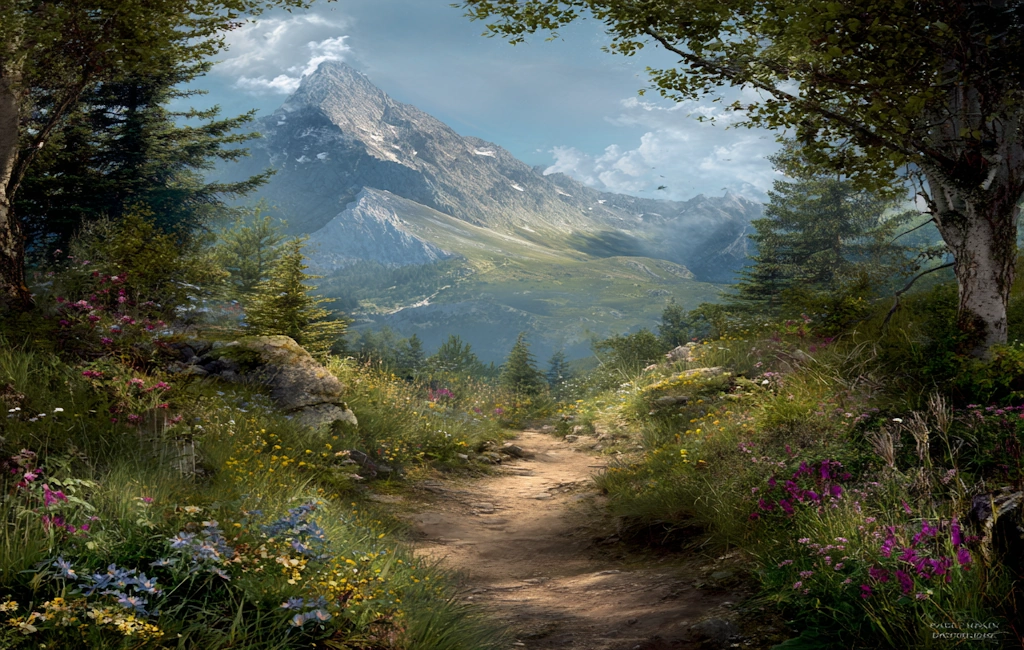
Zermatt to Hornli Hut: Gateway to the Matterhorn
The trail to the Hornli Hut is not merely a hike; it is a pilgrimage for mountaineers and a breathtaking ascent for adventurous trekkers, offering unparalleled proximity to the iconic Matterhorn. Situated in the Swiss Alps, this challenging route begins in the charming, car-free village of Zermatt and winds its way up to the base camp for ascents of the world's most photographed mountain. The path is a testament to alpine engineering, carved into steep slopes and offering increasingly dramatic vistas with every metre gained. It’s a journey that immerses you in the raw beauty of the high Alps, where jagged peaks pierce the sky and glaciers carve their slow, inexorable paths through the landscape. This is an experience that demands respect for the mountain environment, rewards with unforgettable panoramas, and provides a profound connection to the spirit of alpine exploration.
- Distance: 11.7 km one-way
- Elevation Gain: 1545 m
- Duration: 6-8 hours (one way)
- Difficulty: Challenging
- Best Time: July to September
- Highest Point: Hornli Hut (3,260 m)
- Starting Point: Zermatt (1,620 m)
- Access: Car-free village of Zermatt; accessible by train.
- Permits: No specific permits required for the trail itself, but booking accommodation at Hornli Hut is essential.
Overview
The Zermatt to Hornli Hut trail is a demanding yet incredibly rewarding trek that serves as the primary access route for climbers aiming for the summit of the Matterhorn. This path is a masterclass in alpine ascent, beginning in the picturesque village of Zermatt and steadily climbing through varied terrain. The initial stages traverse alpine meadows and rocky paths, offering increasingly spectacular views of the surrounding 4,000-metre peaks, including the Weisshorn and the Dom. As the altitude increases, the landscape transforms into a rugged, scree-covered environment, with the Matterhorn itself dominating the skyline. The final approach to the Hornli Hut involves navigating rocky sections, often aided by fixed ropes and chains, providing a taste of the mountaineering challenges that lie ahead.
The trail is renowned for its dramatic scenery. The Matterhorn, with its distinctive pyramidal shape, is a constant, awe-inspiring presence. The air becomes thinner, the vegetation sparser, and the silence of the high mountains more profound. The Hornli Hut, perched at 3,260 metres, is a rustic but vital refuge, offering basic accommodation and a communal atmosphere for climbers and hikers. The views from the hut, especially at sunrise and sunset, are simply spectacular, with the surrounding peaks bathed in golden light. This is a trail that tests physical endurance and mental fortitude, but the payoff is an intimate encounter with one of the world's most magnificent mountains and its formidable alpine environment.
The trail is well-marked and maintained, but its challenging nature means it is suitable only for experienced hikers with a good level of fitness and a head for heights. The weather in the Alps can change rapidly, so preparedness is key. The journey to the Hornli Hut is more than just a hike; it's an immersion into the heart of the Swiss Alps, a place of raw beauty, immense scale, and enduring allure.
History and Mountaineering Heritage
The history of the Zermatt to Hornli Hut trail is inextricably linked to the golden age of alpinism and the conquest of the Matterhorn. While the mountain itself had been a prominent landmark for centuries, its formidable appearance deterred early attempts at ascent. The first successful ascent of the Matterhorn in 1865, led by Edward Whymper, was a landmark event in mountaineering history. Tragically, the descent was marred by a fatal accident when four members of the climbing party fell to their deaths. This event, while tragic, cemented the Matterhorn's place in mountaineering lore and spurred further interest in its exploration.
The Hornli Hut, established in 1865, was one of the earliest mountain huts in the Alps, built specifically to facilitate ascents of the Matterhorn. Its construction marked a significant step in making the mountain accessible to a wider range of climbers. Initially, the hut was a very basic structure, but it has been expanded and modernised over the years to accommodate the growing number of mountaineers and hikers. The trail leading to the hut evolved from rudimentary paths used by early guides and climbers into the well-defined route it is today, incorporating fixed ropes and chains in steeper sections to aid passage.
Zermatt itself has a rich history as a mountaineering centre. The village grew from a small farming community into a world-renowned tourist destination, driven by the allure of the Matterhorn. The development of the railway to Zermatt in the late 19th century made the village more accessible, further boosting its popularity among climbers and tourists. The trail to the Hornli Hut is a living testament to this history, a path trodden by generations of adventurers, guides, and enthusiasts who have been drawn to the magnetic pull of the "Mountain of Mountains."
Seasonal Highlights and Weather Considerations
The optimal season for hiking the Zermatt to Hornli Hut trail is during the summer months, from July to September. During this period, the snow has largely melted from the higher sections of the trail, making it safer and more accessible. The weather is generally more stable, with longer daylight hours, allowing ample time for the ascent and descent.
July and August: These are the peak months for both hiking and climbing. The weather is typically warm, though afternoon thunderstorms are common in the Alps. The trails are usually clear of snow, and the alpine meadows are in bloom, offering beautiful scenery. However, these months also see the highest number of visitors, so the trail and the hut can be crowded.
September: This month often offers excellent hiking conditions with clearer skies and fewer crowds than in July and August. The autumn colours begin to appear in the lower valleys, adding another layer of beauty to the landscape. However, the weather can become more unpredictable, with a higher chance of early snowfalls at higher altitudes. The days are shorter, so starting early is crucial.
October: While still potentially viable early in the month, October brings a significant increase in the risk of snow and ice, making the trail hazardous and potentially impassable without mountaineering equipment and experience. The Hornli Hut typically closes for the season in mid-October, and services are significantly reduced.
Weather Reality: The high alpine environment is subject to rapid and dramatic weather changes. Even in summer, temperatures at the Hornli Hut can be close to freezing, especially at night. Strong winds, fog, and sudden snow showers are common. It is essential to check the weather forecast meticulously before setting out and to be prepared for all conditions. Hypothermia is a real risk, even on a seemingly clear day.
Recommended Itinerary
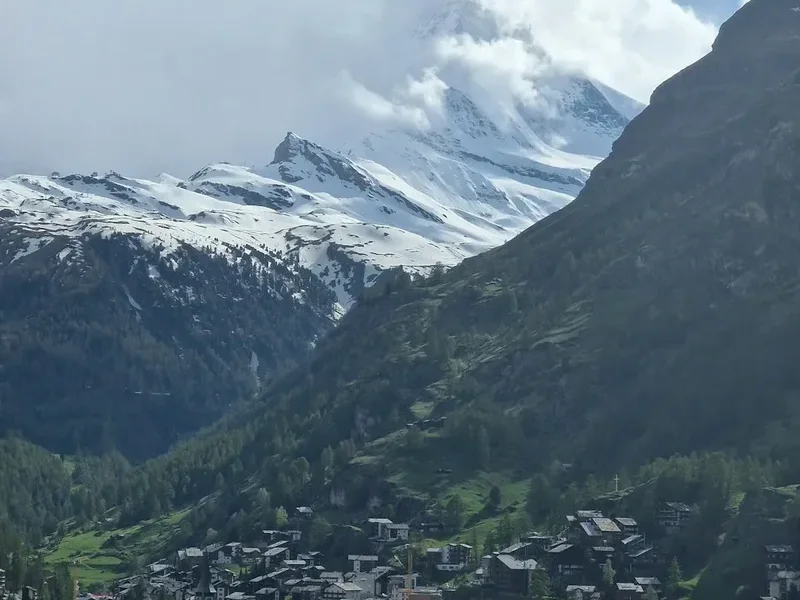
Zermatt to Hornli Hut - One-Day Ascent
Early Morning (approx. 6:00 AM): Departure from Zermatt
- Start from Zermatt village (1,620 m).
- Begin the ascent towards Schwarzsee. This initial section can be done by walking or by taking the Matterhorn Express gondola to Schwarzsee (2,583 m) to save time and energy for the steeper climb ahead.
- If walking from Zermatt, the path winds through alpine meadows and past traditional Swiss chalets.
Morning (approx. 8:00 AM - 10:00 AM): Schwarzsee to Riffelalp/Furi (if walking) or directly towards Hörnli Hut
- From Schwarzsee, the trail becomes more rugged and begins a steady climb.
- The path ascends towards the Hörnli Hut (3,260 m).
- You will pass the iconic Matterhorn viewpoint near the Schwarzsee lake.
- The terrain transitions from grassy slopes to rocky scree.
Midday (approx. 12:00 PM - 2:00 PM): Ascent to Hörnli Hut
- The final approach to the Hörnli Hut involves navigating steeper, rocky sections.
- Fixed ropes, chains, and metal steps are installed to assist climbers and hikers.
- This section requires a good head for heights and careful foot placement.
- The Matterhorn looms larger and more imposing with every step.
- Arrive at the Hörnli Hut (3,260 m).
Afternoon (approx. 2:00 PM - 4:00 PM): At the Hornli Hut
- Rest and refuel at the hut.
- Enjoy the spectacular panoramic views of the surrounding Alps.
- For those not climbing the Matterhorn, this is the turnaround point.
- Begin the descent back to Zermatt.
Late Afternoon/Evening (approx. 4:00 PM onwards): Descent to Zermatt
- The descent follows the same route as the ascent.
- Be mindful that descents can be hard on the knees and require concentration, especially on the rocky sections.
- Return to Zermatt, likely in the late afternoon or early evening, depending on your pace and any stops.
Important Notes:
- This is a challenging hike, requiring excellent physical fitness and acclimatisation to altitude.
- The final section to the hut is exposed and requires comfort with heights and scrambling.
- Weather can change rapidly; always check the forecast and be prepared for cold, wind, and precipitation.
- Carry sufficient water and high-energy snacks.
- Consider using the Matterhorn Express gondola to Schwarzsee to reduce the overall elevation gain and time, making the hike more manageable.
- The Hornli Hut offers basic accommodation and food, but booking is essential if you plan to stay overnight.
Planning and Bookings
Book Your Trip
Everything you need to plan your journey
Accommodation
Find places to stay near Zermatt
Flights
Search flights to Zermatt
Essential Preparation
The Zermatt to Hornli Hut hike is a serious undertaking that requires thorough preparation. Begin by assessing your fitness level; this is a strenuous climb with significant elevation gain and requires good cardiovascular health and strong leg muscles. Acclimatisation to altitude is crucial, especially if you are arriving from sea level. Spending a day or two in Zermatt (1,620 m) before attempting the hike can help your body adjust. Research the route thoroughly, understanding the terrain, potential hazards, and the need for appropriate gear. Zermatt is a well-equipped village with outdoor gear shops, but it's advisable to have essential items sorted before arrival. Logistics for reaching Zermatt involve flying into Zurich (ZRH) or Geneva (GVA) and taking a scenic train journey (approximately 3.5 hours from Zurich, 4 hours from Geneva), as Zermatt is a car-free village.
Trail Accommodation
The primary accommodation option for those undertaking the Zermatt to Hornli Hut hike, especially if planning an early start for a Matterhorn ascent or breaking the journey, is the Hornli Hut (Hörnlihütte). This mountain hut is situated at an altitude of 3,260 metres.
Hut Facilities:
- Dormitory-style bunks with mattresses and blankets.
- A communal dining area where meals are served.
- Basic toilet facilities.
- Access to water (often from melting snow or springs; treatment may be advisable).
- Limited electricity for charging devices (often only available for a few hours).
- A warden is present during the operational season.
What's NOT Provided:
- No private rooms.
- No showers.
- No cooking facilities for guests to use.
- No bedding other than blankets (a sleeping bag liner is highly recommended).
- No extensive food supplies beyond what is offered by the hut.
Seasonal Availability: The Hornli Hut is typically open from late June or early July to mid-October, depending on snow conditions. Outside these dates, it is closed and inaccessible. It is crucial to check the official opening and closing dates.
Booking Requirements: Booking accommodation at the Hornli Hut is mandatory and must be done well in advance, especially during the peak climbing season (July and August). Reservations can usually be made online through the Swiss Alpine Club (SAC) or the hut's official website. Demand is very high.
Costs: Hut fees vary but typically range from CHF 70-90 for SAC members and CHF 90-110 for non-members per night. Prices are subject to change.
Note: For day hikers, the Hornli Hut serves as a turnaround point and a place to rest and enjoy the views. Overnight stays are primarily for climbers preparing for the Matterhorn summit or those who wish to experience a night in the high Alps.
Required Gear
- Sturdy Hiking Boots: Waterproof, broken-in, with good ankle support. Essential for the rocky and uneven terrain.
- Waterproof and Windproof Jacket: A high-quality shell jacket (e.g., Gore-Tex) is vital due to unpredictable alpine weather.
- Waterproof Overtrousers: To protect against rain and wind.
- Warm Layers: Including a fleece jacket or insulated mid-layer, and a thermal base layer (merino wool or synthetic).
- Hat and Gloves: Even in summer, temperatures at altitude can be very cold. A warm hat and waterproof gloves are essential.
- Backpack: A comfortable daypack (30-40 litres) with a rain cover.
- Head Torch: With spare batteries, essential for early starts or late finishes, and for use inside the hut.
- Sunglasses: High UV protection is needed at altitude.
- Sunscreen: High SPF (50+).
- First-Aid Kit: Including blister treatment, pain relievers, antiseptic wipes, and any personal medications.
- Navigation Tools: A map of the area, a compass, and a GPS device or smartphone with offline maps. While the trail is generally well-marked, it's crucial to be prepared.
- Trekking Poles: Highly recommended for stability and to reduce strain on knees during ascent and descent.
- Sleeping Bag Liner: For hygiene and added warmth inside the hut.
What to Bring
- Food: High-energy snacks such as nuts, dried fruit, energy bars, and chocolate. If not planning to eat at the hut, pack a substantial lunch.
- Water: Carry at least 2-3 litres of water per person. Water sources may be available, but carrying sufficient supply is recommended. Water purification tablets or a filter can be useful.
- Toiletries: Toothbrush, toothpaste, biodegradable soap, hand sanitiser.
- Personal Items: Camera, power bank for electronics, identification, and cash (Swiss Francs) for hut fees and any purchases.
- Emergency Whistle: For signalling in an emergency.
- Duct Tape: Useful for quick gear repairs.
- Small Towel: Quick-drying.
Permits
For the Zermatt to Hornli Hut trail itself, no specific hiking permits are required. The path is part of the general mountain access network in the region. However, if you intend to stay overnight at the Hornli Hut, booking accommodation in advance is absolutely essential. The hut has limited capacity, and demand, particularly during the peak climbing season (July and August), is very high. Reservations are typically made through the Swiss Alpine Club (SAC) website or directly with the hut. It is advisable to book several weeks, or even months, in advance, especially if you are planning to climb the Matterhorn and require a night at the hut.
Key Points for Accommodation Booking:
- Advance Booking: Mandatory for overnight stays.
- High Demand: Especially during July and August.
- Booking Platform: Usually via the SAC website or the hut's official portal.
- Cancellation Policy: Familiarise yourself with the hut's cancellation policy.
- Membership Benefits: Swiss Alpine Club (SAC) members often receive discounted rates and priority booking.
Note: While no permit is needed to hike the trail, respecting the mountain environment and adhering to local regulations is paramount. This includes proper waste disposal and staying on marked paths.
Other Activities in the Area
Zermatt and its surroundings offer a wealth of activities beyond the hike to the Hornli Hut, catering to various interests and fitness levels:
- Matterhorn Glacier Paradise: Take the highest cable car station in Europe (3,883 m) for breathtaking 360-degree views of over 38 peaks and glaciers. It also features an ice palace and a viewing platform.
- Gornergrat Railway: A cogwheel railway that ascends to Gornergrat (3,089 m), offering iconic views of the Matterhorn, Gorner Glacier, and surrounding peaks.
- Hiking Trails: Numerous other hiking trails exist around Zermatt, ranging from easy valley walks to challenging high-alpine routes. Popular options include the Five Lakes Walk (5-Seenweg) and trails around Riffelsee.
- Mountain Biking: Zermatt has a network of trails suitable for mountain biking, with options for all skill levels.
- Paragliding: Experience the thrill of paragliding over Zermatt, with tandem flights offering spectacular aerial views of the Matterhorn and the valley.
- Zermatt Village Exploration: Wander through the charming streets of Zermatt, visit the Matterhorn Museum (Zermatlantis) to learn about the mountain's history and the first ascent, and enjoy the local cuisine.
- Skiing and Snowboarding: Zermatt is a world-class ski resort, offering year-round skiing on the Theodul Glacier.
- Via Ferrata: For those seeking an adrenaline rush, Zermatt offers via ferrata routes that allow you to traverse steep rock faces with the aid of fixed cables and ladders.
Safety and Conditions
Pre-Trip Checks:
- Weather Forecast: Always check the latest mountain weather forecast for the Zermatt region and the Hornli Hut altitude (e.g., MeteoSwiss, local Zermatt weather services). Be prepared for rapid changes.
- Trail Conditions: Inquire locally in Zermatt about current trail conditions, especially regarding snow or ice at higher elevations. The local tourist office or mountain guides can provide up-to-date information.
- Personal Fitness: Honestly assess your physical condition. This hike is strenuous and requires good stamina and acclimatisation.
- Gear Check: Ensure all your gear is in good working order, especially waterproofs, boots, and navigation equipment.
Altitude Sickness: The Hornli Hut is at 3,260 metres. Altitude sickness (Acute Mountain Sickness - AMS) can affect anyone, regardless of fitness. Symptoms include headache, nausea, dizziness, and fatigue. Ascend gradually, stay hydrated, avoid alcohol and strenuous activity on your first day at altitude, and descend if symptoms worsen. If you are not acclimatised, consider taking the gondola to Schwarzsee to reduce the initial ascent.
Terrain Hazards:
- Rocky and Uneven Ground: The trail is often steep, loose, and rocky. Proper footwear and trekking poles are essential for stability.
- Exposure: The final approach to the Hornli Hut involves exposed sections with steep drop-offs. Fixed ropes and chains are present, but a good head for heights is necessary.
- Scree Slopes: Loose scree can make footing difficult and increase the risk of slips.
- Weather Changes: Sudden storms, fog, wind, and snow can occur rapidly, drastically reducing visibility and making navigation difficult. Hypothermia is a serious risk.
Emergency Procedures:
- Emergency Numbers: In Switzerland, the general emergency number is 144 for medical emergencies and 112 for general emergencies. For mountain rescue, contact REGA (Swiss Air Rescue) at +41 33 814 14 14 or via their app.
- Communication: Mobile phone reception can be unreliable at higher altitudes. Consider carrying a personal locator beacon (PLB) or satellite messenger for remote areas.
- Inform Someone: Let someone know your hiking plans, including your intended route and expected return time.
Responsible Hiking: Stay on marked trails to prevent erosion and protect fragile alpine vegetation. Pack out all litter. Respect wildlife and do not feed animals.
Side Trips and Points of Interest
Schwarzsee: Located at 2,583 metres, Schwarzsee is a beautiful alpine lake offering iconic, postcard-perfect views of the Matterhorn reflected in its waters on calm days. It's a popular spot for photography and a good place to pause and acclimatise before the final push to the Hornli Hut. The small chapel overlooking the lake adds to its charm.
Matterhorn Viewpoints: Throughout the hike, numerous vantage points offer increasingly dramatic perspectives of the Matterhorn. The trail is designed to showcase the mountain from various angles, highlighting its imposing presence and unique geological formation.
Alpine Flora and Fauna: Depending on the season, you may encounter a variety of alpine flowers, such as edelweiss (though rare), gentians, and alpine roses. Keep an eye out for marmots, chamois, and ibex in their natural habitat. The birdlife can also be interesting, with species adapted to the high-altitude environment.
The Hörnli Hut Itself: Even if not staying overnight, the hut is a significant point of interest. It serves as the base camp for Matterhorn climbers and offers a unique atmosphere of camaraderie and shared adventure. The views from the terrace are unparalleled, providing a sense of accomplishment and awe.
The Matterhorn Museum - Zermatlantis: Located in Zermatt village, this museum offers a fascinating insight into the history of the Matterhorn's first ascent, the pioneering climbers, and the development of Zermatt as a mountaineering centre. It provides valuable context for the hike to the Hornli Hut.
Leave No Trace
The Zermatt to Hornli Hut trail traverses a pristine and sensitive alpine environment. Adhering to Leave No Trace principles is crucial to preserve its natural beauty and ecological integrity for future generations. As you hike, remember that you are a guest in this magnificent landscape.
Your Responsibility:
- Plan Ahead and Prepare: Understand the trail, weather, and your own capabilities. Pack appropriately to avoid needing to leave anything behind.
- Travel and Camp on Durable Surfaces: Stick to the marked trails. Avoid walking on fragile alpine meadows or disturbing vegetation. The path to the Hornli Hut is well-defined; stay on it.
- Dispose of Waste Properly: Pack out everything you pack in, including all food scraps, wrappers, and any other litter. Use designated toilet facilities at the Hornli Hut. If caught short, dig a cathole at least 60 metres away from water sources, trails, and campsites, and bury human waste. Pack out toilet paper.
- Leave What You Find: Do not take rocks, plants, or any other natural objects. Leave them for others to enjoy and for the ecosystem to thrive.
- Minimise Campfire Impacts: Campfires are generally not permitted in this high-alpine environment. If you are camping (which is not typical for this hike, but for general LNT principles), use a lightweight stove for cooking.
- Respect Wildlife: Observe animals from a distance. Do not feed them, as this can disrupt their natural behaviours and diets, and can be harmful.
- Be Considerate of Other Visitors: Keep noise levels down, especially at the hut. Yield to uphill hikers. Respect the shared experience of being in the mountains.
By following these principles, you help ensure that the breathtaking beauty of the Matterhorn region remains unspoiled.
 Switzerland