
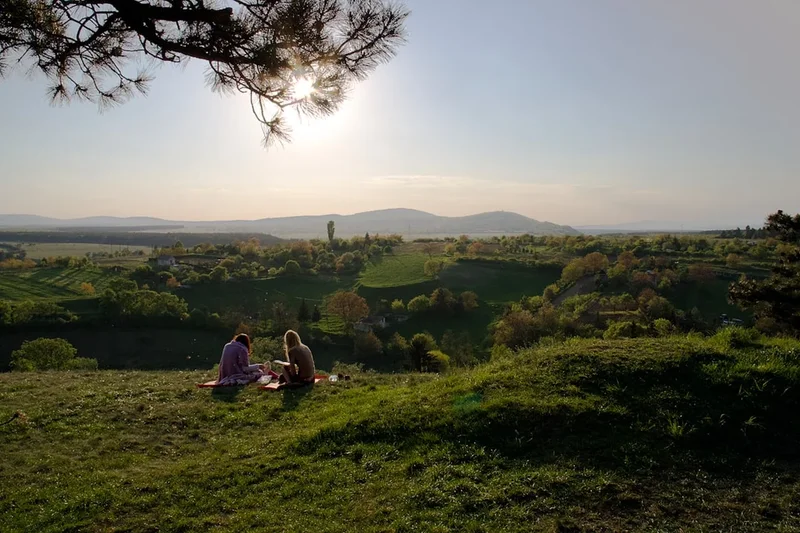
Zalakaros Coastal Path - A Journey Through Hungary's Green Heart
The Zalakaros Coastal Path is a hidden gem located in the southwestern corner of Hungary, within the rolling hills of Zala County. While Hungary is a landlocked nation, this 12.5-kilometre trail earns its "coastal" moniker from its proximity to the ancient geological shores of the Pannonian Sea and its modern-day circumnavigation of the stunning Zalakaros Thermal Lake and Eco-park. This easy-grade day walk offers a perfect synthesis of manicured parklands, dense deciduous forests, and sun-drenched vineyards, providing walkers with a comprehensive overview of the Transdanubian landscape. Starting and ending in the renowned spa town of Zalakaros, the path serves as both a physical challenge and a sensory experience, where the scent of pine needles mingles with the distant aroma of ripening grapes and the therapeutic steam of mineral-rich waters.
Unlike the rugged alpine tracks of neighbouring countries, the Zalakaros Coastal Path focuses on accessibility and natural harmony. It is designed to be enjoyed by families, casual hikers, and those seeking a restorative escape from the bustle of Budapest or the crowded shores of Lake Balaton. The route is meticulously marked, guiding visitors through the "Park Forest" (Parkerdő), up to panoramic lookout towers that offer views stretching toward the Croatian border, and down through traditional wine cellars where the region's viticultural heritage remains vibrantly alive. Whether you are visiting for the world-class thermal baths or specifically for the hiking opportunities, this trail represents the very best of Hungarian rural charm, combining gentle physical exertion with deep cultural immersion.
- Distance: 12.5 km loop
- Duration: 3–4 hours
- Season: April–October (Best in late spring and early autumn)
- Elevation Gain: 150 m
- Difficulty: Easy (Suitable for all fitness levels)
- Start/End Point: Zalakaros Town Centre / Thermal Lake Eco-park
- Highest Point: Kilátó Lookout (approx. 230 m above sea level)
Overview
The Zalakaros Coastal Path is more than just a walking track; it is a curated journey through the ecological and geological history of the Zala region. The trail begins at the edge of the Zalakaros Thermal Lake, an artificial but beautifully integrated body of water that serves as the town's ecological lungs. From here, the path transitions from the soft, level surfaces of the Eco-park into the more varied terrain of the Zalakaros Park Forest. This forest is a prime example of the mixed broadleaf woodlands that once covered much of Central Europe, dominated by silver lime, sessile oak, and European hornbeam. The air here is noticeably cooler and richer in oxygen, providing a natural "climatotherapy" effect that complements the town's famous thermal treatments.
As the path ascends the gentle ridges surrounding the town, the landscape opens up to reveal the "Coastal" aspect of the walk. Millions of years ago, this entire region was submerged beneath the Pannonian Sea. Today, the "coastline" is defined by the undulating hills that rise like waves above the surrounding plains. The trail reaches its literal and metaphorical high point at the wooden lookout tower (Kilátó), which provides a 360-degree panorama. To the north, the shimmering waters of Kis-Balaton (Little Balaton) are visible—a vital wetland habitat for rare bird species. To the south and west, the hills roll toward the Mura and Drava rivers, marking the frontier with Croatia and Slovenia.
The final third of the walk descends through the "Vineyard Hill" (Szőlőhegy). This section is a highlight for many, as the path weaves between small, private vineyards and traditional whitewashed wine cellars (pince). The microclimate of Zala is particularly suited for white wine production, and the sight of neatly trellised vines against the backdrop of the forest is quintessentially Hungarian. The path is designed as a loop, ensuring that walkers return to the town centre just in time to enjoy a soak in the thermal baths or a hearty meal of local Zala specialities, such as "dödölle" (potato dumplings). The terrain is predominantly gravel paths, forest tracks, and quiet paved lanes, making it accessible for anyone with a basic level of fitness and a pair of comfortable walking shoes.
History and Cultural Context
The history of the Zalakaros Coastal Path is inextricably linked to the discovery of the region's thermal waters. While the surrounding hills have been inhabited since the Roman era—when the province of Pannonia was a vital part of the Empire—the modern town of Zalakaros remained a small, quiet agricultural village until the mid-20th century. In 1962, during exploratory drilling for oil, engineers instead struck a massive reservoir of 96°C mineral water. This discovery transformed the village into one of Europe's most significant spa destinations. The Coastal Path was developed as part of a broader initiative to provide "active relaxation" for spa guests, recognising that the healing properties of the water are best complemented by movement and fresh air.
Culturally, the path traverses land that has been shaped by centuries of traditional Hungarian land management. The Park Forest section was historically used for sustainable timber and foraging, while the vineyard ridges reflect a viticultural tradition that dates back to the Romans. In the 18th and 19th centuries, these hills were the site of "mountain laws" (hegytörvények), unique local regulations that governed how grapes were grown and how wine was produced. Walking through the vineyard section today, you can still see the "press houses" that served as both functional workspaces and social hubs for local families. Many of these structures are over a hundred years old, featuring thick adobe walls and thatched or tiled roofs designed to keep the wine at a constant, cool temperature.
The region also holds a deeper, more ancient history. The Zala hills were a strategic defensive line during the Ottoman wars in the 16th and 17th centuries. While no major battles were fought directly on the path, the nearby "Várhely" (Castle Hill) contains remnants of ancient earthworks. The Zalakaros Coastal Path honours this heritage by maintaining the traditional character of the landscape, ensuring that the expansion of tourism does not erase the agricultural and natural soul of the region. The recent addition of the Thermal Lake and Eco-park in 2014 added a modern layer to this history, showcasing contemporary Hungarian landscape architecture and a commitment to environmental education.
Want more background? Read extended notes on history and cultural context → Learn more
Seasonal Highlights and Weather Reality
The Zalakaros Coastal Path is a four-season destination, but the experience changes dramatically with the turning of the calendar. Because the trail is located in the southwestern part of Hungary, it enjoys a slightly milder and more humid climate than the Great Hungarian Plain, influenced by Mediterranean air masses coming from the Adriatic Sea.
Spring (April–June): This is arguably the most beautiful time to walk the path. The Park Forest erupts in a vibrant, almost neon green as the beech and lime trees leaf out. Wildflowers, including wild garlic (medvehagyma) and various orchid species, carpet the forest floor. Temperatures are typically a pleasant 15°C to 22°C, making the uphill sections effortless. However, spring can bring occasional heavy rain showers, so waterproof footwear is recommended for the forest tracks which can become muddy.
Summer (July–August): Summers in Zala can be hot, with temperatures frequently reaching 30°C or higher. The Coastal Path offers a reprieve, as a significant portion of the route is under the dense canopy of the Park Forest, which remains 5–10 degrees cooler than the open town. The vineyards are in full growth during this time, and the Thermal Lake is at its most picturesque with blooming water lilies. It is essential to start early in the morning to avoid the midday heat and to carry ample water.
Autumn (September–October): This is the "Golden Season" in Zalakaros. The forest turns into a tapestry of ochre, gold, and deep red. September is the time of the grape harvest (szüret), and the air in the vineyard section is thick with the sweet scent of pressed grapes. The weather is usually stable and dry, with crisp mornings and mild afternoons. This is the best time for photography, as the low autumn sun illuminates the rolling hills and the distant Kis-Balaton.
Winter (November–March): While the path remains open, it is much quieter. Snow is possible but rarely deep enough to require specialised equipment. The leafless trees allow for better views of the surrounding landscape from the ridges. The main draw in winter is the contrast between a brisk walk in the cold air and the subsequent soak in the 36°C thermal pools of the Zalakaros Spa. Note that some of the smaller wine cellars may be closed during the deepest winter months.
Recommended Itinerary
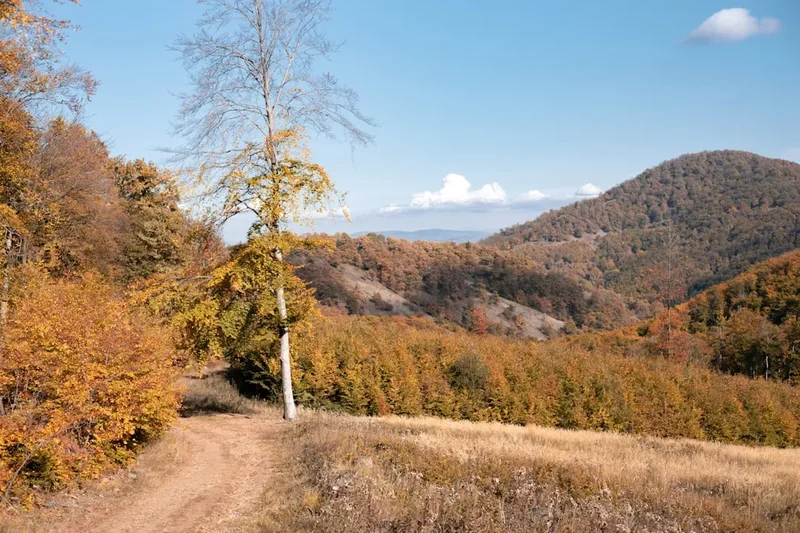
Zalakaros Coastal Path Loop
Early Morning: The Eco-park and Thermal Lake
- Distance: 1.5 km
- Key Waypoints: Thermal Lake (Termáltó), Sound-play Pavilion, Meditation Space
- Start at the Zalakaros Eco-park, located adjacent to the main spa complex.
- Walk the wooden boardwalks over the lake, observing the unique aquatic flora and the "running track" that circles the water.
- Visit the "Sound-play" installation where you can interact with wooden musical instruments built into the landscape.
- This section is flat and serves as a gentle warm-up for the legs.
Mid-Morning: The Park Forest Ascent
- Distance: 4 km
- Elevation Gain: 100 m
- Key Waypoints: Forest Gym, Snail Trail (Csiga-túra), Resting Benches
- Enter the Park Forest (Parkerdő) via the marked green or blue trails.
- The path begins a steady but gentle climb through ancient broadleaf forest.
- Pass the "Forest Gym" equipment, popular with local fitness enthusiasts.
- Follow the "Snail Trail" section, which features educational plaques about the local ecosystem and interactive wooden sculptures.
- The canopy provides excellent shade, making this the most comfortable part of the walk during warmer hours.
Midday: The Ridge and Lookout Tower
- Distance: 3 km
- Elevation Gain: 50 m
- Key Waypoints: Kilátó Lookout Tower, 7-Chieftains Monument, Panoramic Ridge
- Reach the highest point of the trail at the wooden lookout tower.
- Climb the tower for views of the Balaton Uplands and the Croatian mountains.
- Continue along the ridge path, which transitions from forest to open meadows.
- Pass the monument dedicated to the seven original Hungarian chieftains.
- This is the ideal spot for a packed lunch, with several picnic tables and benches positioned to take advantage of the views.
Afternoon: The Vineyard Descent
- Distance: 4 km
- Elevation: 150 m descent
- Key Waypoints: Wine Cellar Row (Pince-sor), St. Orbán Statue, Town Centre
- Descend from the ridge into the vineyard zone.
- The path follows quiet, paved lanes lined with traditional wine cellars and modern holiday homes.
- Look for the statue of St. Orbán, the patron saint of winemakers, overlooking the valley.
- Many local cellars offer "wine tasting from the gate" during the season—look for signs saying "Borkóstoló".
- The final kilometre brings you back into the heart of Zalakaros, finishing near the main entrance of the Granite Thermal Bath.
Important Notes:
- The trail is a loop; you can start at any point, but the Eco-park is the most logical trailhead.
- Signage is excellent, using standard Hungarian hiking symbols (coloured stripes on white backgrounds).
- The path is shared with occasional cyclists in the vineyard section; stay to the right.
- Public toilets are available in the Eco-park and the town centre, but not in the forest or ridge sections.
- The total walking time is approximately 3.5 hours at a leisurely pace.
Planning and Bookings
Book Your Trip
Everything you need to plan your journey
Accommodation
Find places to stay near Zalakaros
Flights
Search flights to Zalakaros
Essential Preparation
The Zalakaros Coastal Path is a low-intensity day hike, meaning it requires minimal logistical planning compared to multi-day wilderness treks. However, to make the most of the experience, some preparation is beneficial. Zalakaros is located approximately 200 kilometres from Budapest. The most efficient way to reach the town is by car via the M7 motorway (approx. 2 hours) or by direct bus from the Népliget bus station in Budapest (approx. 2.5 to 3 hours). There is no direct train station in Zalakaros; the nearest station is in Zalakomár (6 km away), from which local buses connect to the town centre.
Fitness requirements are modest. Anyone capable of walking 12 kilometres on varied but mostly stable terrain will find the path manageable. The elevation gain is spread out over several kilometres, so there are no punishingly steep climbs. If you are staying in Zalakaros, most hotels and guesthouses provide free trail maps at the reception desk. The local Tourinform office, located near the spa entrance, is also an excellent resource for current trail conditions and local events.
Trail Accommodation
This is a day hike requiring no overnight accommodation on the trail itself. However, Zalakaros is a major tourism hub with a vast array of options for your base of operations. Because the trail starts and ends in the town, you can choose accommodation that suits your budget and preferences.
Accommodation Types in Zalakaros:
- Wellness Hotels: Numerous 4-star hotels (e.g., Hotel Karos Spa, Park Inn) offer direct access to thermal pools and full-board options. These are ideal for those who want to combine hiking with luxury spa treatments.
- Private Guesthouses (Apartmanok): The town is filled with private rentals. These are often more affordable and provide a more "local" experience, frequently located in the quieter streets near the forest edge.
- Campsites: There are organised campsites near the town outskirts for those travelling with caravans or tents, typically open from April to October.
- Booking: During the peak summer months and Hungarian public holidays, it is essential to book accommodation several weeks in advance. In the shoulder seasons, availability is generally good.
Required Gear
- Walking Shoes: While heavy hiking boots are not necessary, a pair of sturdy walking shoes or trail runners with good grip is essential, especially for the forest sections which can be slippery after rain.
- Day Pack: A small 15–20L backpack is sufficient to carry water, snacks, and an extra layer of clothing.
- Weather Protection: A lightweight waterproof jacket or poncho, as Transdanubian weather can be unpredictable.
- Sun Protection: A hat and sunglasses are vital for the ridge and vineyard sections where there is little shade.
- Navigation: A physical map (available at Tourinform) or a downloaded offline map (such as Maps.me or Komoot). The trail is well-marked, but a map provides peace of mind.
- Insect Repellent: Ticks are common in Hungarian forests during spring and summer. Use a repellent containing DEET or Icaridin and perform a tick check after your walk.
What to Bring
- Water: At least 1.5 litres per person. There are no reliable drinking water fountains within the Park Forest or on the ridge.
- Snacks: High-energy snacks like nuts, dried fruit, or energy bars. While there are restaurants in town, there are no shops on the trail itself.
- Cash (Hungarian Forint): While most places in town accept cards, some of the smaller wine cellars on the "Vineyard Hill" may only accept cash for a glass of wine or a bottle of juice.
- Mobile Phone: Fully charged, with emergency numbers saved. Mobile signal is excellent throughout the entire loop.
- Personal First Aid: Plasters (band-aids) for blisters, antiseptic wipes, and any personal medications.
- Camera: The views from the lookout tower and the aesthetic of the wine cellars are highly photogenic.
Permits
One of the greatest advantages of the Zalakaros Coastal Path is its accessibility. No permits, fees, or registrations are required to walk the trail. The path is entirely public and open 24 hours a day, 365 days a year. The Park Forest, the Eco-park, and the vineyard lanes are all free-access areas maintained by the local municipality and the state forestry agency (Zalaerdő Zrt.).
Access Guidelines:
- Parking: If you are arriving by car and not staying in the town, there are several large, free parking areas near the Thermal Lake and the main spa entrance. Some central parking zones may have a small hourly fee during the peak summer season, but free options are always available within a 5-minute walk of the trailhead.
- Group Walks: For large organised groups (more than 20 people), it is a courtesy to inform the local Tourinform office, though not legally required. They can provide advice on whether any local events (like running races or festivals) might coincide with your walk.
- Cycling: Most of the Coastal Path is also open to mountain bikes, though hikers have the right of way. No cycling permits are needed.
- Dogs: Dogs are welcome on the trail but must be kept on a lead within the town limits and the Eco-park. In the forest, they should be under close control to avoid disturbing local wildlife such as roe deer and foxes.
While the trail itself is free, please note that entry to the Zalakaros Thermal Bath (the Granite Spa) and the climb to the very top of the Lookout Tower (Kilátó) may require a small fee. The tower fee is typically around 500–800 HUF (approx. €1.50–€2.00) and is used for the maintenance of the wooden structure.
Other Activities in the Area
Zalakaros is a versatile destination where the Coastal Path is often just one part of a broader holiday. Consider these nearby attractions to round out your trip:
- Zalakaros Thermal Bath: The primary reason most people visit. It features over 25 pools, including indoor and outdoor thermal baths, a massive water park for children, and a high-end sauna world. The water is particularly effective for treating joint pain and muscular recovery after a hike.
- Kis-Balaton (Little Balaton): Located just 15 km away, this protected wetland is a paradise for birdwatchers. You can visit the Kányavári Island, which features a unique wooden bridge and observation towers, or take a guided tour of the Diás Isle to see the memorial hut of famous Hungarian nature writer István Fekete.
- Kápolnapuszta Buffalo Reserve: Home to Hungary's largest herd of water buffalo. It is a fascinating place to learn about these powerful animals, which were once common across the Pannonian Basin. The reserve features a walking path and an interactive exhibition.
- Segway Tours: For those who want to see the hills without the walking, several local operators offer guided Segway tours that cover parts of the vineyard and forest ridges.
- Wine Tasting: Beyond the casual cellars on the trail, several professional wineries in the Zala region (such as the Cezar Winery) offer formal tastings and cellar tours, showcasing the unique volcanic and loess-based wines of the area.
- Great Balaton: The southern shore of Lake Balaton (at Balatonszentgyörgy or Keszthely) is only a 25-minute drive away, offering swimming, sailing, and the magnificent Festetics Palace.
Safety and Conditions
Pre-Departure Checks:
- Check the local weather forecast for Zalakaros. While the forest provides cover, the ridge is exposed to wind and lightning during summer storms.
- Ensure you have sufficient water; dehydration is the most common issue for walkers in the Hungarian summer.
- Inform your accommodation provider of your intended route, especially if walking alone.
- Check for any local "forest closures" (erdőlátogatási tilalom), which occasionally occur during the autumn hunting season (usually September) or after extreme windstorms. These are always posted at the forest entrances.
Terrain Hazards: The path is generally very safe, but be aware of a few minor risks. The forest floor can be slippery when wet, particularly on the descent from the ridge. Exposed tree roots are common on the "Snail Trail" section. In the vineyard area, the roads are narrow and shared with local agricultural vehicles; always listen for approaching tractors and step aside to let them pass.
Wildlife and Insects: Hungary has no dangerous large predators (bears or wolves are not present in this region). The primary safety concern is the tick population. Ticks in Central Europe can carry Lyme disease or TBE (Tick-borne encephalitis). Wear long trousers if possible, use repellent, and check your body thoroughly after the walk. If you find a tick, remove it promptly with tweezers. Mosquitoes can also be prevalent near the Thermal Lake and Eco-park in the evenings.
Heat and Sun: The Hungarian sun can be surprisingly intense from June through August. Heatstroke is a genuine risk on the open ridge and vineyard sections. Wear a hat, apply high-SPF sunscreen, and take frequent breaks in the shade of the Park Forest. If you feel dizzy or nauseous, stop in the shade immediately and sip water.
Emergency Numbers: The general emergency number in Hungary is 112. Operators usually speak English. For non-emergency medical issues, there is a medical clinic in the centre of Zalakaros that caters to tourists.
Side Trips and Points of Interest
The Snail Trail (Csiga-túra): This is a 1.1-kilometre interactive section within the Park Forest specifically designed for families with children. It features beautifully carved wooden sculptures of local animals and "sound-based" installations. It is a perfect "trail within a trail" that encourages children to engage with the forest environment through play and discovery.
The 7-Chieftains Monument: Located on the ridge, this stone and wood monument commemorates the leaders of the seven Hungarian tribes who arrived in the Carpathian Basin in 895 AD. It is a place of national pride and offers a quiet, contemplative space with some of the best views on the entire loop. It is a popular spot for local hikers to gather on national holidays.
St. Orbán Statue: As you descend into the vineyards, you will encounter a small shrine to St. Orbán. In Hungarian folk tradition, if the weather is good on St. Orbán’s day (May 25th), a good harvest is expected. If the weather is bad, tradition says the statue should be "punished" with a splash of sour wine. It is a charming example of the living folklore that still permeates the Zala countryside.
The Eco-park Sound Pavilion: At the start or end of your walk, spend some time in the Eco-park’s Sound Pavilion. It is an architectural curiosity designed to amplify the natural sounds of the lake—the wind in the reeds, the calls of the frogs, and the splashing of the water. It is a masterclass in "slow tourism" and provides a meditative bookend to the physical exertion of the hike.
Rocking Stones and Geological Markers: Keep an eye out for small geological information boards that explain the formation of the Zala hills. You can see evidence of the ancient Pannonian Sea in the sandy soil and occasional fossilised shell fragments found in the vineyard cuttings.
Leave No Trace
The Zalakaros Coastal Path passes through sensitive ecological zones, including protected forest and a carefully balanced artificial wetland. Maintaining the beauty of this trail requires every walker to adhere to the principles of Leave No Trace. The Zala region is known for its "Green Heart" status, and preserving this for future generations is a collective responsibility.
Your responsibility as a walker:
- Carry Out All Trash: There are bins in the town and the Eco-park, but very few in the forest. Pack out every piece of litter, including organic waste like apple cores or banana peels, which can take a long time to decompose in this climate and can attract unwanted pests.
- Stay on the Marked Path: The Park Forest contains rare flora, including wild orchids. Stepping off the trail compacts the soil and destroys these delicate plants. In the vineyard section, remember that the vines are private property—do not enter the rows or pick the grapes.
- Respect the Silence: Many people visit the Park Forest for its therapeutic silence. Avoid loud music or shouting. Let the sounds of the forest—the birdsong and the rustle of the leaves—be the soundtrack to your walk.
- No Fires: Fire risk can be high in the pine-heavy sections of the forest during dry summers. Open fires are strictly prohibited except in clearly marked, designated fire pits (tűzrakóhely), and even then, only when no fire ban is in place.
- Protect the Water: Do not throw anything into the Thermal Lake or the forest streams. The Eco-park is a delicate ecosystem designed to filter and clean the water naturally.
- Wildlife: Observe animals from a distance. Do not feed the birds in the Eco-park or any wildlife you encounter in the forest.
By following these simple guidelines, you ensure that the Zalakaros Coastal Path remains a pristine and welcoming environment for the thousands of visitors who walk it each year. Leave only footprints, take only photographs.