

Yufuin to Mount Yufu Hike
The Yufuin to Mount Yufu hike is a rewarding day walk offering spectacular panoramic views of the surrounding Oita Prefecture and the charming town of Yufuin below. This challenging ascent takes you through diverse landscapes, from lush forests to rugged alpine terrain, culminating at the summit of Mount Yufu, one of Kyushu's most iconic peaks. The hike is renowned for its stunning natural beauty, particularly during the autumn foliage season and the vibrant spring bloom, making it a popular destination for both local hikers and international visitors seeking an authentic Japanese mountain experience.
- Distance: 10.0 km one-way
- Elevation Gain: 900 m
- Duration: 6–8 hours
- Difficulty: Challenging
- Best Time: October to November (autumn colours), April to May (spring)
- Closest City: Yufuin
- Trailhead Access: Nearest airport: Fukuoka (FUK). From Fukuoka, take the Yufuin no Mori train to Yufuin Station. From the station, a taxi (15 min) or bus (20 min) can reach the trailhead. Limited parking available. Road access good. No permits required.
- Coordinates: 33.2642, 131.3647
Overview
Mount Yufu, standing at 1,583 metres, is a majestic twin-peaked volcano that dominates the skyline of Yufuin. The hike to its summit is a journey that tests endurance and rewards with unparalleled vistas. The trail begins in the lower foothills, often passing through agricultural land and dense forests of cedar and oak. As you ascend, the vegetation changes, and the path becomes steeper and more rugged, transitioning into rocky scree and exposed ridges closer to the summit. The two peaks, known as the "Male Peak" (1,583 m) and the "Female Peak" (1,492 m), offer slightly different perspectives, with the Male Peak being the higher and more popular destination for hikers.
The ascent is a gradual but persistent climb, with sections that require scrambling and careful foot placement. The trail is generally well-marked, but the challenging elevation gain means it is best suited for experienced hikers or those with a good level of fitness. The reward for the effort is immense: from the summit, you can gaze down upon the picturesque town of Yufuin, famous for its hot springs (onsen), serene Lake Kinrin, and the rolling green hills of the surrounding countryside. On a clear day, the views can extend to the distant Kuju Mountains and even the Seto Inland Sea.
The hike is particularly spectacular in autumn (October–November) when the mountainsides are ablaze with vibrant reds, oranges, and yellows. Spring (April–May) offers a different kind of beauty, with fresh green foliage and blooming wildflowers. While the hike can be undertaken year-round, winter conditions can bring snow and ice, making the trail treacherous and requiring specialised winter gear and experience. The challenging nature of the climb, combined with the stunning natural beauty and cultural significance of the area, makes the Yufuin to Mount Yufu hike a truly memorable experience.
History and Cultural Context
Mount Yufu has long held a significant place in the spiritual and cultural landscape of Japan, particularly within the Kyushu region. For centuries, it has been revered as a sacred mountain, a place of worship and pilgrimage. Local folklore and Shinto beliefs often associate mountains with deities and spirits, and Mount Yufu is no exception. Its twin peaks are sometimes interpreted as representing a divine couple or embodying powerful natural forces.
Historically, the area around Yufuin has been known for its natural beauty and therapeutic hot springs. The town itself developed as a resort destination, attracting visitors seeking relaxation and rejuvenation. The hike up Mount Yufu would have been undertaken by ascetics, hunters, and those seeking spiritual enlightenment or a connection with the divine. The trails, though now maintained for recreational hiking, likely follow ancient paths trodden by generations of worshippers and villagers.
The modern era has seen Mount Yufu become a popular destination for hikers and nature enthusiasts. The development of infrastructure, including improved trail access and signage, has made the mountain more accessible to a wider audience. However, the challenging nature of the climb has preserved its reputation as a serious undertaking, attracting those who appreciate a demanding trek combined with breathtaking scenery. The juxtaposition of the rugged mountain wilderness with the tranquil, culturally rich town of Yufuin below creates a unique and compelling destination.
Seasonal Highlights and Weather Reality
The Yufuin to Mount Yufu hike offers distinct experiences throughout the year, each with its own charm and challenges. Understanding the seasonal variations is crucial for planning a safe and enjoyable trek.
Spring (April to May): This is a beautiful time to hike Mount Yufu. The weather is generally mild and pleasant, with average temperatures ranging from 10°C to 20°C. The mountainsides come alive with fresh green foliage, and wildflowers begin to bloom, adding splashes of colour to the landscape. The higher elevations may still have patches of snow in early spring, but the main trails are usually clear. The views are often crisp and clear, offering excellent visibility.
Summer (June to August): Summer in Yufuin can be hot and humid, with average temperatures reaching 25°C to 30°C, and sometimes higher. The rainy season (tsuyu) typically occurs in June and July, bringing frequent rainfall and increased humidity. While hiking is possible, be prepared for wet conditions, potential thunderstorms, and reduced visibility. The lush green scenery is at its peak, but the heat and humidity can make the strenuous climb more challenging. It is advisable to start hikes early in the morning to avoid the midday heat and potential afternoon storms.
Autumn (October to November): This is arguably the most spectacular season for hiking Mount Yufu. The weather is typically cool, dry, and clear, with average temperatures between 10°C and 20°C. The mountainsides transform into a breathtaking tapestry of autumn colours, with maple and oak trees displaying vibrant shades of red, orange, and yellow. The crisp air and clear skies provide exceptional panoramic views of the surrounding landscape. This is a very popular time for hikers, so expect more company on the trails.
Winter (December to March): Winter on Mount Yufu can be cold, with temperatures often dropping below freezing, especially at higher elevations. Snowfall is common, and the trails can be covered in snow and ice, making them slippery and hazardous. While the snow-covered landscapes offer a unique beauty, this season is only recommended for experienced hikers with appropriate winter gear, including crampons and ice axes, and a thorough understanding of winter mountain safety. The higher peak may be inaccessible due to snow and ice.
Weather Considerations: Regardless of the season, mountain weather can change rapidly. Always check the local weather forecast before you go and be prepared for sudden shifts in temperature, wind, and precipitation. The summit can be significantly colder and windier than the base.
Recommended Itinerary
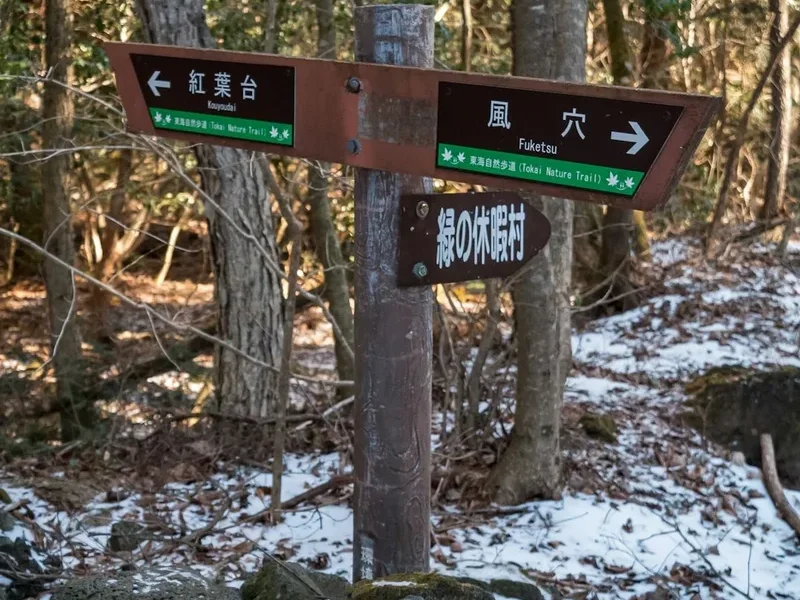
Yufuin to Mount Yufu Summit Hike (Challenging Day Walk)
Early Morning (Approx. 7:00 AM - 8:00 AM): Preparation and Trailhead Arrival
- Depart from your accommodation in Yufuin.
- Travel to the Mount Yufu trailhead. Taxis are readily available from Yufuin Station (approx. 15-minute ride). Alternatively, local buses can reach the vicinity, but may require a short walk to the actual trailhead.
- Ensure you have all your gear, water, and snacks.
- Briefly review the trail map and conditions.
Morning (Approx. 8:00 AM - 12:00 PM): Ascent through Forests and Lower Slopes
- Begin the hike from the trailhead.
- The initial section involves a steady climb through dense cedar and oak forests.
- The path is generally well-maintained but can be uneven and root-covered.
- Elevation gain is noticeable, and your heart rate will start to increase.
- Take short breaks to hydrate and enjoy the dappled sunlight filtering through the canopy.
- You may encounter smaller streams or clearings offering glimpses of the surrounding landscape.
Midday (Approx. 12:00 PM - 2:00 PM): Reaching Higher Elevations and Rocky Terrain
- The forest begins to thin as you gain altitude.
- The trail becomes steeper and more rugged, with sections of loose scree and larger rocks.
- You may need to use your hands for balance in some steeper sections.
- Take a longer break for lunch at a suitable viewpoint or rest stop.
- Enjoy the expanding views of Yufuin town and the surrounding valleys.
- The air will feel cooler and thinner.
Afternoon (Approx. 2:00 PM - 4:00 PM): Summit Push and Exploration
- The final push to the summit of the Male Peak (1,583 m).
- This section is the most challenging, involving steep ascents and potentially some minor scrambling.
- Arrive at the summit and take time to absorb the 360-degree panoramic views.
- Explore the summit area, including the smaller Female Peak if time and energy permit.
- Take photographs and rest.
Late Afternoon (Approx. 4:00 PM - 6:00 PM): Descent and Return to Yufuin
- Begin your descent. The descent can be as challenging as the ascent, especially on your knees.
- Take care on the rocky and scree sections.
- Continue through the forests back to the trailhead.
- Return to Yufuin town.
- Consider a relaxing soak in one of Yufuin's famous hot springs to soothe your muscles after the hike.
Important Notes:
- This is a challenging day hike requiring good physical fitness.
- Carry ample water (at least 2 litres per person) and high-energy snacks.
- Wear sturdy, broken-in hiking boots with good ankle support.
- Be prepared for rapidly changing weather conditions.
- The summit can be very windy and cold, even in warmer months.
- Carry a basic first-aid kit.
- Mobile phone reception may be intermittent on the trail.
Planning and Bookings
Book Your Trip
Everything you need to plan your journey
Accommodation
Find places to stay near Yufuin
Flights
Search flights to Yufuin
Essential Preparation
The Yufuin to Mount Yufu hike is a demanding day walk that requires careful planning to ensure a safe and enjoyable experience. Given its challenging nature, a good level of physical fitness is essential. This includes having strong cardiovascular endurance and leg strength to cope with a sustained 900-metre elevation gain over approximately 5 km of ascent. Familiarity with hiking on uneven, rocky, and potentially steep terrain is also beneficial.
Logistics for accessing the trailhead are straightforward. The nearest major transport hub is Fukuoka Airport (FUK). From Fukuoka, the most scenic and convenient way to reach Yufuin is by the "Yufuin no Mori" limited express train, which offers a comfortable and picturesque journey directly to Yufuin Station. The train ride takes approximately 2 hours. From Yufuin Station, the trailhead for Mount Yufu is accessible via a short taxi ride (about 15 minutes) or a local bus service (approximately 20 minutes), though bus routes may require a short walk to the actual starting point. Limited parking is available near the trailhead for those travelling by car, but it is advisable to confirm availability in advance, especially during peak seasons.
It is highly recommended to base yourself in Yufuin town the night before your hike. This allows for an early start, maximising daylight hours and avoiding the midday heat. Yufuin offers a wide range of accommodation options, from traditional ryokans (Japanese inns) with onsen (hot springs) to modern hotels and guesthouses. Booking accommodation in advance is advisable, particularly during popular hiking seasons like autumn and spring.
Trail Accommodation
This is a day hike requiring no overnight accommodation.
Required Gear
- Hiking Boots: Sturdy, waterproof hiking boots with good ankle support are essential. Ensure they are well broken-in to prevent blisters.
- Backpack: A comfortable daypack (20-30 litre capacity) to carry essentials.
- Waterproof Jacket: A lightweight, breathable waterproof jacket is crucial, as mountain weather can change rapidly.
- Warm Layers: Even in warmer months, the summit can be significantly cooler. Bring a fleece or insulating mid-layer and a hat.
- Navigation: A map of the trail and a compass, or a reliable GPS device/smartphone with offline maps downloaded. While the trail is generally marked, it's wise to have backup navigation.
- Head Torch: With spare batteries, in case of unexpected delays or an early start/late finish.
- First-Aid Kit: Including blister treatment, pain relievers, antiseptic wipes, bandages, and any personal medications.
- Sun Protection: Sunscreen, sunglasses, and a hat, as the sun can be intense at higher altitudes.
What to Bring
- Water: Carry at least 2 litres of water per person. There are no reliable water sources on the upper parts of the trail.
- Food: High-energy snacks such as trail mix, energy bars, fruit, and sandwiches for lunch. Pack more than you think you'll need.
- Toiletries: Hand sanitiser, toilet paper (for emergencies, as facilities are limited), and any personal hygiene items.
- Trekking Poles: Optional, but highly recommended for assisting with balance and reducing strain on knees during the ascent and descent.
- Camera: To capture the stunning views.
- Small Trash Bag: To pack out all your rubbish.
- Insect Repellent: Especially during warmer months, though less of an issue at higher altitudes.
Permits
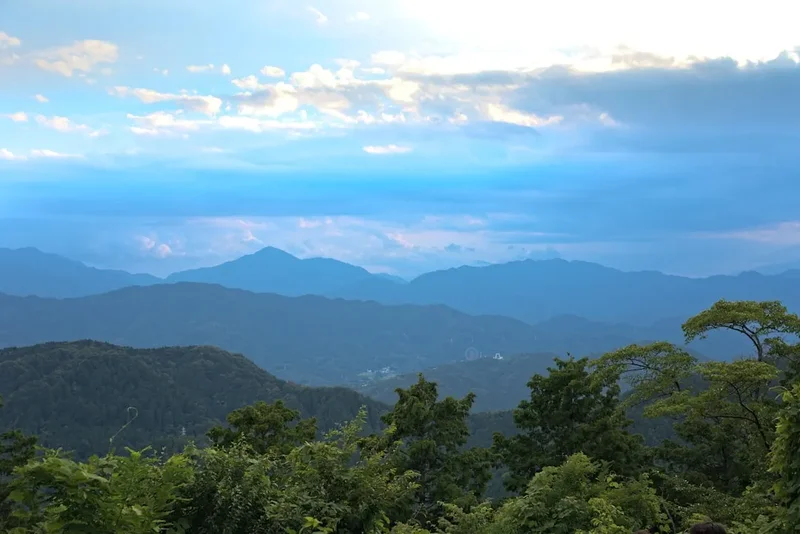
No permits are required to hike Mount Yufu. The trails are part of the natural landscape and are open to the public without any entry fees or booking requirements. This makes it a very accessible destination for hikers.
However, while no formal permits are needed, it is always good practice to be aware of local regulations and guidelines. Respect the natural environment and follow Leave No Trace principles. Ensure you are adequately prepared for the challenging terrain and variable weather conditions, as you will be responsible for your own safety.
Important Considerations:
- Trail Etiquette: Be mindful of other hikers. Uphill hikers generally have the right of way.
- Respect the Environment: Do not disturb wildlife, pick flowers, or leave any trace of your passage.
- Safety First: Inform someone of your hiking plans, including your expected return time.
Other Activities in the Area
Yufuin is a charming town renowned for its relaxing atmosphere and natural beauty, offering numerous activities to complement your Mount Yufu hike:
- Onsen (Hot Springs): Yufuin is famous for its numerous hot spring resorts. After your strenuous hike, a soak in a traditional onsen is the perfect way to relax and rejuvenate your muscles. Many ryokans and public bathhouses offer this experience.
- Lake Kinrin: A picturesque lake at the eastern end of Yufuin town. It is known for its mist that often rises from the surface, especially on cool mornings, creating a magical atmosphere. The lake is fed by both hot and cold springs.
- Yunotsubo Kaido Street: The main street of Yufuin, lined with charming shops selling local crafts, souvenirs, delicious snacks, and cafes. It's a delightful place for a leisurely stroll and to sample local delicacies.
- Yufuin Floral Village: A themed village designed to resemble a quaint European town, featuring unique shops and photo opportunities.
- Art Museums: Yufuin has several small art museums and galleries showcasing local and international art, adding a cultural dimension to your visit.
- Cycling: Rent a bicycle and explore the surrounding countryside, rice paddies, and quiet lanes at your own pace.
- Mount Yufu Base Area: Even if you don't hike to the summit, the areas around the base of Mount Yufu offer pleasant walking paths and scenic views of the mountain.
Safety and Conditions
Pre-Hike Checks:
- Weather Forecast: Always check the local weather forecast for Yufuin and the summit of Mount Yufu before you depart. Mountain weather can be unpredictable and change rapidly. Websites like the Japan Meteorological Agency (JMA) or local weather services are invaluable.
- Trail Conditions: While generally well-maintained, conditions can vary. Check for any recent reports or alerts regarding trail closures or hazards, although formal alerts are rare for this popular day hike.
- Road Access: Ensure the road to the trailhead is accessible, especially if travelling by car.
On-Trail Hazards:
- Steep and Uneven Terrain: The trail involves significant elevation gain and can be rocky, root-covered, and steep, particularly in the upper sections. Proper footwear and careful foot placement are essential to prevent slips and falls.
- Weather Changes: Be prepared for sudden shifts in weather. Temperatures can drop significantly at higher altitudes, and rain or fog can reduce visibility and make the trail slippery. Hypothermia is a risk, even in milder seasons, if you become wet and cold.
- Sun Exposure: At higher elevations, the sun's rays are more intense. Wear sunscreen, a hat, and sunglasses, and stay hydrated.
- Fatigue: The sustained climb can be exhausting. Pace yourself, take regular breaks, and do not push yourself beyond your limits.
- Navigation: While the main trail is usually clear, it's possible to take wrong turns, especially in fog or poor visibility. Always carry a map and compass or a reliable GPS device.
- Wildlife: While large dangerous animals are uncommon, be aware of your surroundings.
Emergency Preparedness:
- Inform Someone: Let your accommodation provider or a friend know your hiking plans, including your intended route and estimated return time.
- Mobile Phone: Carry a fully charged mobile phone. Reception may be intermittent on the mountain, but it's crucial for emergencies.
- First-Aid Kit: Ensure you have a well-stocked first-aid kit and know how to use its contents.
- Emergency Contact: Know the local emergency number (110 for police, 119 for fire and ambulance in Japan).
Recommended Gear: Always carry more water and food than you think you will need. Trekking poles can significantly aid stability and reduce strain on joints during the descent.
Side Trips and Points of Interest
While the primary objective is the summit of Mount Yufu, the journey itself offers several points of interest and potential minor detours:
Yufuin Town Exploration: Before or after your hike, spend time exploring the charming streets of Yufuin. Yunotsubo Kaido street is a delightful area with unique shops, cafes, and local crafts. The serene Lake Kinrin, with its often misty surface, offers a peaceful contrast to the mountain's ruggedness.
Trail Junctions and Viewpoints: As you ascend, you will encounter various trail junctions and natural clearings that offer excellent vantage points. These spots provide opportunities to rest, hydrate, and admire the expanding views of Yufuin town and the surrounding agricultural landscape. Keep an eye out for these natural resting places, which often have benches or flat areas.
The Twin Peaks: Mount Yufu is characterised by its distinctive twin peaks: the higher "Male Peak" (1,583 m) and the slightly lower "Female Peak" (1,492 m). Most hikers aim for the Male Peak, which offers the most commanding views. If time and energy permit, and the conditions are safe, it is possible to traverse between the peaks, offering a slightly different perspective and a sense of accomplishment. However, the route between the peaks can be more exposed and challenging.
Summit Panorama: The true "point of interest" is the summit itself. Upon reaching the Male Peak, you are rewarded with a breathtaking 360-degree panorama. On a clear day, you can see the entire Yufuin basin, the rolling hills of Oita Prefecture, and the distant Kuju mountain range. This expansive view is the ultimate reward for your challenging ascent.
Flora and Fauna: Depending on the season, you may encounter various plant species and small wildlife. In spring and summer, wildflowers can be abundant. Keep an eye out for birds and other small creatures that inhabit the mountain's diverse ecosystems.
Leave No Trace
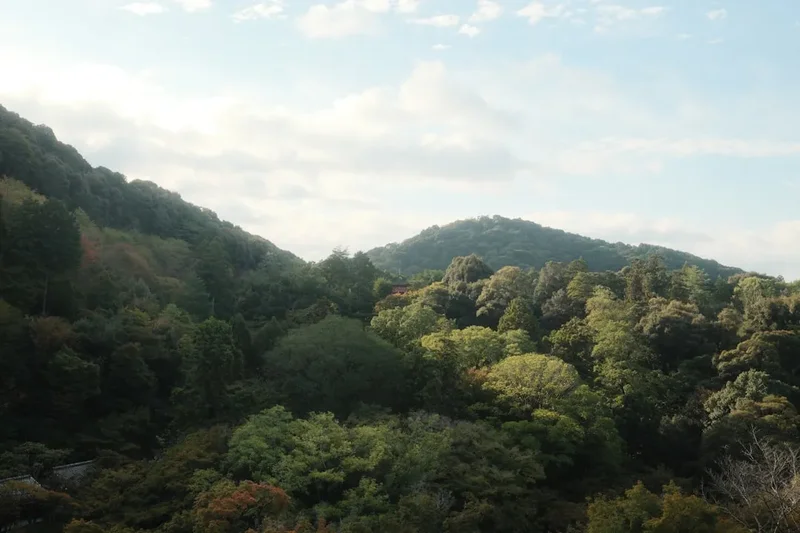
The Yufuin to Mount Yufu hike traverses a beautiful natural environment that deserves our utmost respect. Adhering to Leave No Trace principles ensures that this mountain remains a pristine and enjoyable destination for future generations of hikers and nature lovers.
Your responsibility as a hiker:
- Pack It In, Pack It Out: Carry out all your rubbish, including food scraps, wrappers, and any other waste. Do not bury or burn trash.
- Stay on the Trail: Stick to the marked paths to prevent erosion and protect fragile vegetation. Going off-trail can damage delicate plant life and contribute to soil degradation.
- Respect Wildlife: Observe wildlife from a distance and never feed them. Feeding wild animals can alter their natural behaviour and diet, and can be harmful to their health.
- Minimise Campfire Impacts: Campfires are not permitted on this day hike. If you were to camp (which is not standard practice for this hike), use established fire rings and keep fires small.
- Travel and Camp on Durable Surfaces: For this day hike, this means staying on the designated trail.
- Leave What You Find: Do not take rocks, plants, or any natural objects from the mountain.
- Be Considerate of Other Visitors: Keep noise levels down, yield to other hikers when appropriate, and maintain a respectful attitude towards fellow visitors.
By following these principles, you help preserve the natural beauty and ecological integrity of Mount Yufu, ensuring it remains a cherished natural asset for all to enjoy.
 Japan
Japan