
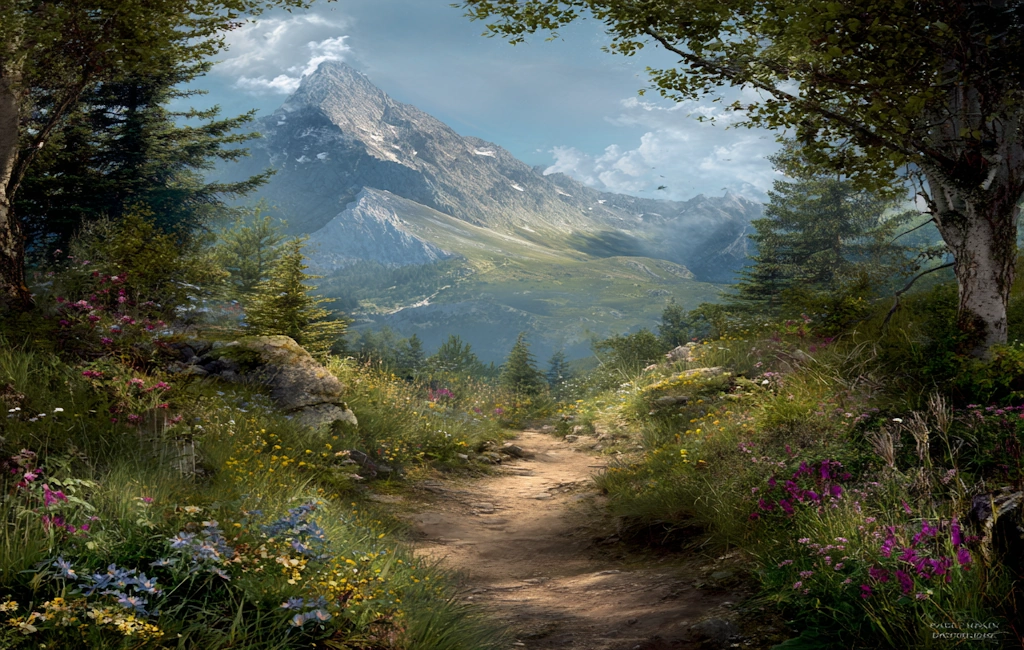
Yedigoller National Park Loop
The Yedigoller National Park Loop is a captivating day walk nestled within the stunning natural beauty of Turkey's Bolu province. This moderate trail offers a delightful immersion into a landscape renowned for its seven pristine lakes, each with its own unique charm and character. Winding through dense, verdant forests, the loop provides a refreshing escape into nature, perfect for those seeking a moderate challenge with rewarding scenery. The trail is accessible and well-maintained, making it an ideal destination for day hikers looking to experience the tranquility and ecological richness of Yedigoller (meaning "Seven Lakes").
- Distance: 15.0 km
- Duration: 5-6 hours
- Season: Spring to Autumn (April-October)
- Difficulty: Moderate
- Closest City: Bolu
- Trailhead Access: Accessible by car via a well-maintained road
- Coordinates: 40.7463, 31.6348
Overview
The Yedigoller National Park Loop is a circular route that artfully connects the park's seven famous lakes: Büyükgöl, Nazlıgöl, Kurugöl, İncegöl, Sazlıgöl, Dilekgöl, and Yıldızgöl. The trail begins at the main entrance area, often near the park's administrative buildings or designated parking zones, and immediately plunges into the embrace of ancient deciduous and coniferous forests. The path is generally well-trodden, with some sections featuring natural earth and rock underfoot, while others might have wooden boardwalks or stone steps, particularly in wetter or more sensitive areas.
As you progress, the trail offers a dynamic experience. You'll traverse through dense woodland where sunlight filters through the canopy, creating dappled patterns on the forest floor. The air is often filled with the scent of pine and damp earth, and the sounds of birdsong and rustling leaves provide a natural soundtrack. The elevation gain of 450 metres is spread throughout the hike, meaning there are consistent ascents and descents rather than one single, arduous climb. This gradual change in elevation allows for a comfortable pace and ample opportunity to appreciate the surroundings.
The highlight of the loop is undoubtedly the series of lakes. Each lake has its own distinct personality. Büyükgöl, the largest, often serves as a central point, with picnic areas and facilities nearby. Nazlıgöl is known for its serene beauty, reflecting the surrounding trees. Kurugöl, meaning "dry lake," can vary in water levels depending on the season. İncegöl is slender and elongated, while Sazlıgöl is often fringed with reeds. Dilekgöl and Yıldızgöl offer further picturesque vistas. The trail often skirts the edges of these lakes, providing stunning reflections and opportunities for photography. The moderate difficulty rating is due to the consistent elevation changes and the length of the walk, requiring a reasonable level of fitness and stamina. The best times to visit are spring, when the forest awakens with vibrant green and wildflowers, and autumn, when the foliage transforms into a breathtaking palette of reds, oranges, and yellows.
History and Cultural Context
Yedigoller National Park was established in 1965 to protect its unique geological formations and rich biodiversity, particularly the seven interconnected lakes formed by landslides that dammed the streams in the valley. The area has a long history of human interaction, primarily as a source of timber and a place for local communities to gather resources. However, its designation as a national park marked a significant shift towards conservation and ecotourism.
The concept of preserving natural landscapes for their aesthetic and ecological value gained momentum in Turkey during the mid-20th century. Yedigoller, with its distinctive lake system and diverse forest ecosystem, was identified as a prime candidate for protection. The park's development has focused on creating accessible trails and facilities that allow visitors to experience its natural wonders without causing undue harm to the environment. Over the decades, it has become a popular destination for nature lovers, photographers, and hikers from across Turkey and beyond.
The park's history is intertwined with the geological processes that shaped it. The landslides that created the lakes are a testament to the dynamic nature of the region's topography. The forests, predominantly beech, oak, and pine, have grown and adapted over centuries, creating a mature woodland ecosystem. While there isn't a deep, ancient human history tied directly to the trails themselves in the way some world-famous tracks might have, the park represents a modern commitment to preserving natural heritage. The establishment of the park and the development of the loop trail are part of a broader national effort to safeguard Turkey's natural treasures for future generations, promoting environmental awareness and sustainable tourism practices.
Seasonal Highlights and Weather Reality
The Yedigoller National Park Loop offers a distinct experience throughout its operational season, from spring to autumn. Each period presents unique visual spectacles and weather conditions that influence the hike.
Spring (April-May): This is a time of renewal and vibrant life. The forests burst into a lush green, and wildflowers carpet the forest floor. The air is fresh and often carries the scent of blooming flora. Temperatures are generally mild, making for comfortable hiking conditions. However, spring can also bring unpredictable rainfall, and some sections of the trail might be muddy or damp. The lakes are typically full and reflect the verdant surroundings beautifully.
Summer (June-August): Summer offers the warmest weather and the longest daylight hours, ideal for extended exploration. The forest canopy provides ample shade, making the hike pleasant even on warmer days. The lakes are calm and inviting. However, this is also the peak tourist season, so the trails and facilities might be more crowded, especially on weekends. Rainfall is less frequent but can occur in the form of afternoon thunderstorms.
Autumn (September-October): This is arguably the most spectacular season for the Yedigoller loop. The deciduous trees transform into a breathtaking display of fiery reds, vibrant oranges, and golden yellows. The contrast between the colourful foliage, the deep green of the evergreens, and the serene blue of the lakes is simply stunning. The weather is typically crisp and cool, with clear skies often prevailing. This season is perfect for photography and offers a more tranquil experience as the summer crowds dissipate. However, as autumn progresses, temperatures can drop, and early frosts are possible, especially in the mornings and evenings.
Weather Considerations: While the park is generally accessible from spring to autumn, it's crucial to be prepared for variable weather. Even in summer, temperatures can fluctuate, and rain showers are not uncommon. In spring and autumn, mornings and evenings can be cool, requiring layers. The well-maintained nature of the trail means it's generally safe in most conditions, but heavy rainfall can make some sections slippery. Always check the local weather forecast before your visit.
Recommended Itinerary
Yedigoller National Park Loop - Day Hike Itinerary
Early Morning (Approx. 08:00 - 09:00): Arrival and Trailhead Start
- Arrive at Yedigoller National Park, pay entrance fees if applicable.
- Locate the designated trailhead, typically near the main visitor area or parking.
- Brief orientation, check map, and ensure you have all necessary gear and water.
- Begin the loop, likely starting with a gentle descent or flat section towards the first lakes.
Morning (Approx. 09:00 - 12:00): Exploring the Upper Lakes and Forest Trails
- Follow the marked path, which will lead you towards the upper lakes such as Yıldızgöl and Dilekgöl.
- Enjoy the initial immersion into the dense forest, with sunlight filtering through the trees.
- The trail will involve some gentle ascents and descents as it navigates the undulating terrain.
- Pass by smaller, perhaps less-visited lakes, appreciating the quietude and natural beauty.
- Keep an eye out for local flora and fauna.
Midday (Approx. 12:00 - 13:30): Büyükgöl and Lunch Break
- Reach Büyükgöl, the largest of the seven lakes.
- This area often has picnic facilities, making it an ideal spot for a lunch break.
- Take time to relax by the lake, enjoy your packed meal, and absorb the panoramic views.
- Observe the reflections of the surrounding trees and mountains on the water's surface.
- This is a good point to assess your energy levels and enjoy the most developed part of the park.
Afternoon (Approx. 13:30 - 16:30): Traversing the Lower Lakes and Forest Paths
- Continue the loop, heading towards the lower lakes such as Sazlıgöl, İncegöl, and Kurugöl.
- The trail may become slightly more challenging with steeper ascents or descents in sections.
- Experience the varied character of the smaller lakes, some may be fringed with reeds or have unique shapes.
- The forest may change in character, offering different tree species and undergrowth.
- The final stretch of the loop will guide you back towards the starting point.
Late Afternoon (Approx. 16:30 - 17:00): Return to Trailhead
- Complete the loop, returning to the trailhead or parking area.
- Take a moment to reflect on the journey and the natural beauty experienced.
- Ensure all litter is packed out and the area is left as you found it.
Important Notes:
- This is a day hike; no overnight accommodation is required.
- Carry sufficient water and snacks, as facilities are limited along the trail.
- Wear sturdy, comfortable walking shoes or hiking boots.
- Dress in layers to adapt to changing weather conditions.
- The trail is generally well-marked, but carrying a map or using a navigation app is advisable.
- Respect the natural environment and follow Leave No Trace principles.
Planning and Bookings
Book Your Trip
Everything you need to plan your journey
Accommodation
Find places to stay near Bolu
Flights
Search flights to Bolu
Essential Preparation
The Yedigoller National Park Loop is a day hike, which simplifies planning considerably compared to multi-day treks. The primary logistical consideration is reaching the park itself. Yedigoller is located approximately 42 kilometres north of Bolu city centre. The most convenient way to access the trailhead is by private vehicle (car or motorcycle). The road leading to the park is generally well-maintained and paved for a significant portion, though the final kilometres might be unpaved or rougher, especially after periods of heavy rain. If travelling without a car, hiring a taxi from Bolu or arranging a private transfer is an option, though this can be more expensive. Public transport options directly to the park are limited and infrequent, making a car the most practical choice for flexibility.
Bolu city serves as the closest urban centre and offers a range of accommodation options, from budget guesthouses to comfortable hotels, should you wish to stay overnight before or after your hike. Bolu also provides essential services such as supermarkets for purchasing food and supplies, outdoor gear shops for any last-minute necessities, and restaurants for dining. It is advisable to pack all your food and water for the day hike, as amenities within the park are minimal, typically limited to basic picnic areas and perhaps a small kiosk near the main entrance during peak season.
Trail Accommodation
This is a day hike requiring no overnight accommodation.
Required Gear
- Hiking Boots/Shoes: Sturdy, broken-in footwear with good grip is essential for navigating varied terrain, including natural paths, occasional rocks, and potentially damp or muddy sections.
- Backpack: A comfortable daypack (20-30 litres) to carry essentials like water, food, extra clothing, and a first-aid kit.
- Waterproof Jacket: Lightweight and breathable, suitable for sudden rain showers common in forested mountain areas.
- Navigation Tools: A trail map (available at the park entrance or online) and a compass or GPS device/app on your phone. Ensure your phone is fully charged and consider a portable power bank.
- First-Aid Kit: Including bandages, antiseptic wipes, pain relievers, blister treatment, and any personal medications.
- Sun Protection: Sunscreen, sunglasses, and a hat, even though much of the trail is shaded, the sun can be intense, especially in summer.
- Insect Repellent: Particularly useful during warmer months to ward off mosquitoes and other biting insects.
What to Bring
- Food: Plenty of high-energy snacks (nuts, dried fruit, energy bars) and a packed lunch. There are limited or no food services within the park itself.
- Water: Carry at least 2-3 litres of water per person. While there are lakes, the water is not treated for drinking.
- Toiletries: Hand sanitiser, tissues, and any personal hygiene items. Pack out all waste.
- Camera: To capture the stunning scenery of the lakes and forests.
- Binoculars: For wildlife spotting and enjoying distant views.
- Walking Poles (Optional): Can provide extra stability and reduce strain on knees, especially during descents.
- Trash Bags: To pack out all your rubbish, adhering to Leave No Trace principles.
Permits
Yedigoller National Park operates on an entrance fee system rather than requiring specific hiking permits for the loop trail. Visitors are typically required to pay an entrance fee per vehicle and/or per person upon arrival at the park's main gate. These fees contribute to the maintenance and conservation of the park's natural resources, including trail upkeep, facility management, and wildlife protection.
Entrance Fees:
- Fees are subject to change and can vary based on the season and type of visitor (e.g., individual, vehicle).
- It is advisable to have some Turkish Lira (TRY) in cash available, as card payment facilities may not always be available or reliable, especially for smaller transactions or during off-peak times.
- Check the official website of the Turkish Ministry of Agriculture and Forestry or local park authorities for the most up-to-date fee structure before your visit.
Booking:
- No advance booking is required for day hiking the Yedigoller National Park Loop.
- The park is generally open to visitors during daylight hours throughout its operational season (Spring to Autumn).
- Peak times, especially weekends and public holidays during autumn foliage season, can see higher visitor numbers. Arriving early in the morning is recommended to secure parking and enjoy a more peaceful experience.
Park Regulations:
- Visitors are expected to adhere to park regulations, which typically include rules against camping outside designated areas, making fires outside of approved fire pits, feeding wildlife, and littering.
- Respect the natural environment and stay on marked trails to minimise your impact.
Other Activities in the Area
While the Yedigoller National Park Loop is the primary attraction, the surrounding region offers several other activities and points of interest for visitors:
- Picnicking: The park has designated picnic areas, particularly around Büyükgöl, equipped with tables and benches. It's an ideal spot to enjoy a meal amidst nature.
- Photography: Yedigoller is a paradise for photographers, especially during autumn when the colours are at their peak. The reflections in the lakes and the diverse forest scenery provide endless opportunities.
- Nature Observation: The park is home to a variety of flora and fauna. Keep an eye out for deer, wild boar, various bird species, and the diverse plant life that thrives in the temperate forest ecosystem.
- Exploring Bolu City: The nearby city of Bolu offers a glimpse into Turkish urban life. It has a pleasant city centre with local markets, historical sites like the Bolu Museum, and a good selection of restaurants serving regional cuisine.
- Abant Lake: Located not far from Yedigoller, Abant Lake is another popular natural attraction. It's a larger lake with more developed tourist facilities, including hotels, restaurants, and horse riding opportunities. It can be visited as a separate day trip or combined with Yedigoller if time permits.
- Kartalkaya Ski Resort: For winter visitors, Kartalkaya, located in the nearby Köroğlu Mountains, is a major ski resort offering winter sports activities. This is a seasonal attraction, distinct from the hiking season.
Safety and Conditions
Trail Conditions: The Yedigoller National Park Loop is generally well-maintained and marked. However, conditions can vary. After rain, sections of the trail can become muddy, slippery, and potentially hazardous. Uneven ground, exposed roots, and rocks are common. Always wear appropriate footwear with good ankle support and grip.
Weather: Mountain weather can change rapidly. Be prepared for cooler temperatures, especially in the mornings and evenings, and for sudden rain showers, even during summer. Check the weather forecast for Bolu and the Yedigoller region before your visit. Dress in layers to adapt to changing conditions.
Wildlife: While generally shy, the park is home to various wildlife, including deer, wild boar, and foxes. It is important to maintain a safe distance, never feed the animals, and store food securely. Be aware of your surroundings, especially in denser forest areas.
Navigation: The loop trail is marked, but it's always wise to carry a map and/or use a GPS device or smartphone app with offline maps. Familiarise yourself with the route before you start. If you are unsure, stick to the main, most well-trodden paths.
Water and Food: Carry sufficient water and high-energy snacks. There are limited facilities within the park, and relying on finding water sources is not advisable without proper purification methods. Ensure you have enough food to sustain you for the 5-6 hour hike.
Emergency Preparedness: Inform someone of your hiking plans, including your intended route and expected return time. Carry a fully charged mobile phone, though signal coverage can be intermittent within the park. In case of an emergency, contact park rangers if available, or use your phone to call local emergency services (112 in Turkey). A basic first-aid kit is essential for treating minor injuries.
Seasonal Hazards: In spring, melting snow can contribute to muddy conditions. In autumn, fallen leaves can obscure the trail and make surfaces slippery. Be mindful of these seasonal changes.
Side Trips and Points of Interest
Büyükgöl Reflections: The largest lake, Büyükgöl, is renowned for its stunning reflections of the surrounding trees and sky, especially during calm weather. Early morning or late afternoon light can create particularly magical photographic opportunities.
Nazlıgöl Serenity: Often considered one of the most picturesque lakes, Nazlıgöl is known for its tranquil atmosphere and the way it mirrors the dense forest. It's a perfect spot for quiet contemplation and enjoying the natural beauty.
Forest Trails: Beyond the immediate lake areas, the loop trail delves deep into the mature forest. These sections offer a chance to experience the rich biodiversity, observe different tree species like beech, oak, and pine, and enjoy the dappled sunlight filtering through the canopy. The scent of pine and damp earth is particularly invigorating here.
Wooden Boardwalks and Bridges: In certain marshy or sensitive areas, the park has constructed wooden boardwalks and small bridges. These not only protect the environment but also add to the charm of the trail, offering unique perspectives over streams and wetlands.
Picnic Spots: Strategically located picnic areas, especially around Büyükgöl, provide excellent vantage points to rest, refuel, and soak in the scenery. These spots are often nestled in scenic locations, making them more than just places to eat.
Seasonal Foliage: While not a specific "side trip," the seasonal transformation of the forest, particularly in autumn, is a major point of interest. The vibrant colours create a breathtaking spectacle that is a highlight for many visitors and can be enjoyed from various points along the loop.
Leave No Trace
The Yedigoller National Park Loop traverses a delicate ecosystem, and adhering to Leave No Trace (LNT) principles is paramount to preserving its beauty and ecological integrity for future visitors. As a national park, Yedigoller is a protected area, and responsible behaviour ensures its long-term sustainability.
Plan Ahead and Prepare: Familiarise yourself with the trail, weather conditions, and any park regulations before your visit. Pack appropriate gear and sufficient food and water to minimise reliance on park resources.
Travel and Camp on Durable Surfaces: Stick to the marked trails and designated picnic areas. Avoid walking on vegetation, especially mosses and delicate ground cover, which can take years to recover. The loop trail is designed to guide you through the most resilient areas.
Dispose of Waste Properly: Pack out everything you pack in. This includes all food scraps, wrappers, and any other litter. Use the bins provided at designated areas, but if they are full, carry your rubbish with you until you find a suitable disposal point. Do not bury or burn trash.
Leave What You Find: Resist the urge to take natural souvenirs such as rocks, plants, or flowers. These are part of the park's natural heritage and should be left for others to enjoy and for the ecosystem to thrive.
Minimise Campfire Impacts: As this is a day hike, campfires are generally not permitted. If you encounter designated fire pits (unlikely on this loop), use them responsibly and ensure fires are completely extinguished before leaving.
Respect Wildlife: Observe wildlife from a distance. Never feed animals, as this can disrupt their natural behaviours, diets, and health. Secure your food properly to avoid attracting unwanted attention.
Be Considerate of Other Visitors: Keep noise levels down, especially in quieter sections of the trail. Yield to other hikers when necessary. Respect the peaceful atmosphere of the park.
By following these principles, you contribute to the conservation of Yedigoller National Park, ensuring its natural wonders remain intact for generations to come.