
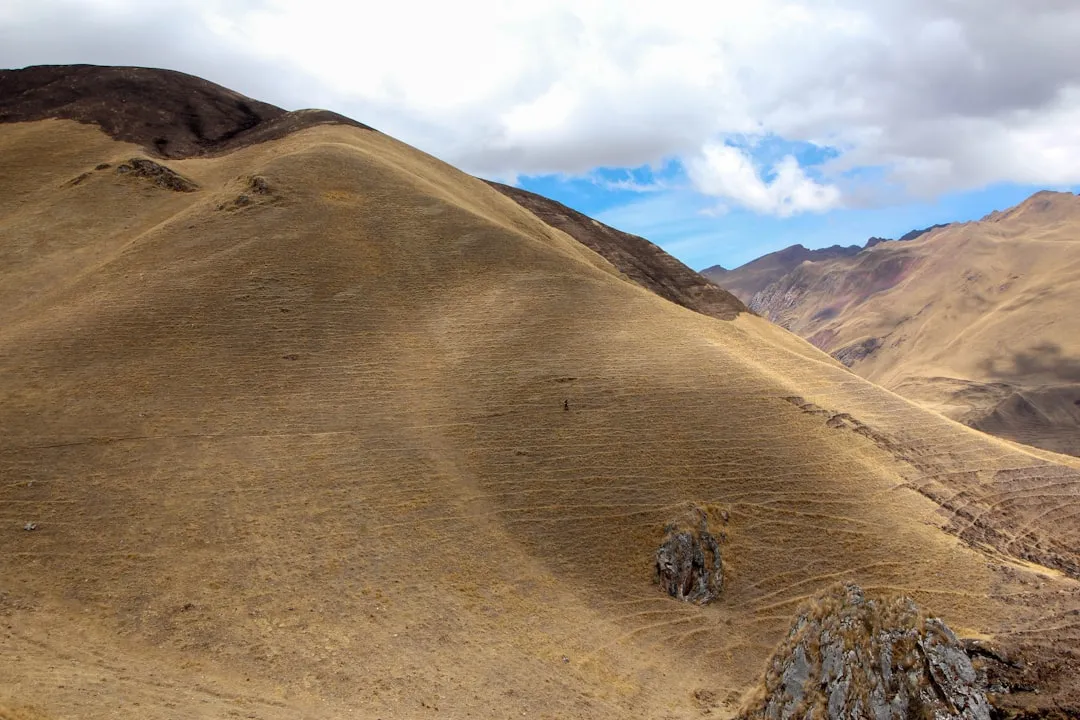
Yanacocha Lake Trail
The Yanacocha Lake Trail is a rewarding day walk located in the Cordillera Blanca mountain range of Peru, offering stunning alpine scenery and a glimpse into the high-altitude ecosystems of the Andes. This trail leads to the beautiful Yanacocha Lake, a glacial tarn nestled amidst rugged peaks. It's an accessible option for those looking to experience the grandeur of the Cordillera Blanca without the commitment of multi-day trekking, providing a taste of the dramatic landscapes that define this region. The trail is relatively short but involves a steady ascent, rewarding hikers with panoramic views and the serene beauty of the mountain lake.
- Distance: 10.0 km return
- Duration: 3-4 hours
- Season: May to September (dry season)
- Elevation Gain: 200 m
- Difficulty: Easy to Moderate
- Closest City: Huaraz
- Trailhead Access: Via Llanganuco Lakes road
Overview
The Yanacocha Lake Trail is a popular day hike originating from the vicinity of the famous Llanganuco Lakes in Peru's Cordillera Blanca. This trail offers a more intimate and less crowded experience compared to the main Llanganuco circuit, yet it delivers equally spectacular Andean vistas. The path winds through high-altitude grasslands, known as punas, dotted with hardy shrubs and grasses adapted to the harsh environment. As you ascend, the views open up, revealing the imposing peaks of the Cordillera Blanca, including potentially Huascarán, Peru's highest mountain, depending on cloud cover and visibility. The trail's moderate elevation gain makes it a suitable option for acclimatised hikers looking for a shorter excursion from Huaraz.
The destination, Yanacocha Lake (meaning "Black Lake" in Quechua), is a tranquil body of water whose dark, reflective surface often mirrors the surrounding snow-capped mountains. The lake's serene atmosphere provides a perfect spot for a picnic lunch and quiet contemplation of the immense natural beauty. The trail itself is generally well-defined, though it can be rocky in places. The altitude is a significant factor, and hikers should be well-acclimatised to avoid altitude sickness. The dry season, from May to September, offers the most stable weather conditions, with clear blue skies and minimal rainfall, making it the ideal time to undertake this trek.
This walk is a fantastic introduction to the trekking opportunities in the Cordillera Blanca, showcasing the raw, untamed beauty of the Peruvian Andes. It’s a journey that combines physical activity with breathtaking natural scenery, making it a memorable experience for any visitor to the Huaraz region.
History and Cultural Context
The area surrounding Yanacocha Lake, like much of the Cordillera Blanca, has a rich history intertwined with ancient Andean civilisations and traditional pastoralism. For centuries, indigenous communities, primarily Quechua speakers, have utilised these high-altitude pastures for grazing llamas and alpacas. The trails themselves often follow ancient routes used for trade and seasonal migration, connecting communities across the mountain ranges.
The name "Yanacocha" itself is derived from the Quechua words "yana" (black) and "cocha" (lake), reflecting the lake's appearance, often dark due to its depth or the surrounding mineral-rich soil. This naming convention is common throughout the Andes, with many geographical features bearing descriptive Quechua names that speak to the deep connection between the people and their land.
In more recent history, the Cordillera Blanca has become a world-renowned destination for mountaineering and trekking, attracting adventurers from across the globe. The establishment of the Huascarán National Park in 1975 was a crucial step in preserving the unique biodiversity and geological wonders of the region, including the Yanacocha Lake area. While Yanacocha Lake itself may not have specific documented historical events tied to it, its existence within this protected national park signifies its importance as part of a larger, culturally and ecologically significant landscape. The trail represents a modern access point to a landscape that has been vital to Andean life for millennia.
Seasonal Highlights and Weather Reality
The Yanacocha Lake Trail is best experienced during the dry season in the Cordillera Blanca, which typically runs from May to September. This period offers the most favourable weather conditions for hiking in the high Andes.
Dry Season (May to September): This is the prime trekking season. Days are generally sunny with clear blue skies, offering excellent visibility of the surrounding peaks. Temperatures during the day can be pleasant, often reaching 15-20°C in direct sunlight. However, nights and early mornings are cold, with temperatures frequently dropping below freezing (0°C to -5°C), and frost is common. Rainfall is minimal, making the trails less muddy and more predictable. This season is ideal for photography due to the clear light and dramatic mountain backdrops.
Shoulder Months (April and October): These months can be transitional. April may still see some lingering rain from the wet season, while October can mark the beginning of the rains. Weather can be more unpredictable, with a higher chance of cloud cover and occasional showers. However, these months can offer fewer crowds and potentially more vibrant green landscapes after the rains.
Wet Season (November to March): This period is characterised by frequent and heavy rainfall, often in the afternoons. While mornings can sometimes be clear, the risk of thunderstorms and heavy downpours is significant. Trails can become muddy, slippery, and potentially hazardous due to swollen streams. Visibility of the peaks is often obscured by clouds. This season is generally not recommended for hiking the Yanacocha Lake Trail unless you are experienced in challenging conditions and have appropriate gear. The park entrance fees may still apply, but the overall experience is significantly diminished by the weather.
Altitude and Weather: Regardless of the season, the high altitude means that weather can change rapidly. Even on a sunny day, temperatures can drop quickly with the onset of clouds or wind. It is crucial to be prepared for a range of conditions, including cold, wind, and potential rain, even during the dry season.
Recommended Itinerary
Yanacocha Lake Trail - Day Hike Itinerary
Early Morning (Approx. 7:00 AM - 8:00 AM): Departure from Huaraz
- Depart from Huaraz via pre-arranged taxi or shared combi (local bus).
- The journey towards the Llanganuco Lakes area takes approximately 1 to 1.5 hours.
- The road is paved but can be rough in sections, especially closer to the park entrance.
- Ensure your transport is aware of the Yanacocha Lake trailhead destination.
Morning (Approx. 8:30 AM - 9:00 AM): Arrival at Trailhead and Start of Hike
- Arrive at the designated trailhead for Yanacocha Lake, typically located near the access road for Llanganuco Lakes.
- Pay any required park entrance fees for Huascarán National Park.
- Begin the hike. The trail starts with a gradual ascent through high-altitude grasslands.
- Initial views of the surrounding valleys and lower mountain slopes.
Midday (Approx. 10:00 AM - 11:30 AM): Ascent and Panoramic Views
- Continue ascending. The trail becomes more defined, with rocky sections.
- The gradient increases slightly, providing a good workout.
- As you gain elevation, the panoramic views of the Cordillera Blanca become more expansive.
- Look out for potential sightings of the iconic peaks like Huascarán (weather permitting).
- Observe the hardy alpine flora and fauna adapted to this environment.
Late Morning/Early Afternoon (Approx. 11:30 AM - 1:00 PM): Arrival at Yanacocha Lake
- Reach Yanacocha Lake.
- Spend time admiring the lake and its reflections of the surrounding mountains.
- Enjoy a packed lunch and rest by the lakeside.
- Take photographs of the serene landscape.
- The altitude here is significant, so take it easy and stay hydrated.
Afternoon (Approx. 1:00 PM - 2:30 PM): Descent and Return to Trailhead
- Begin the descent back towards the trailhead.
- The descent is generally quicker than the ascent but requires careful footing on rocky sections.
- Enjoy the changing perspectives of the landscape as you descend.
Late Afternoon (Approx. 2:30 PM - 3:00 PM): Departure from Trailhead
- Arrive back at the trailhead.
- Meet your pre-arranged transport.
- Begin the journey back to Huaraz.
Evening (Approx. 4:00 PM - 4:30 PM): Return to Huaraz
- Arrive back in Huaraz.
- Allow time for rest and recovery after your hike.
Important Notes:
- This is a day hike; no overnight accommodation is required.
- Acclimatisation in Huaraz (at least 1-2 days) is highly recommended before attempting this hike.
- Carry all necessary food and water for the day.
- Be prepared for rapidly changing weather conditions.
- Wear sturdy hiking boots and dress in layers.
Planning and Bookings
Book Your Trip
Everything you need to plan your journey
Accommodation
Find places to stay near Huaraz
Flights
Search flights to Huaraz
Essential Preparation
The Yanacocha Lake Trail is a day hike, but proper preparation is still crucial due to the high altitude and remote location. The closest major city and logistical hub is Huaraz, which sits at an elevation of 3,052 metres. It is strongly advised to spend at least 1-2 full days in Huaraz acclimatising to the altitude before undertaking any strenuous hikes, including Yanacocha Lake. This involves resting, staying hydrated, avoiding alcohol, and eating light meals. For transport, you can arrange a private taxi from Huaraz, which offers flexibility and comfort, or opt for a combi (local shared minibus) for a more budget-friendly option. Ensure your transport is booked in advance, especially if travelling during peak season. The road to the Llanganuco Lakes area can be rough, so a vehicle with decent clearance is preferable. Parking at the trailhead is limited and informal.
Trail Accommodation
This is a day hike requiring no overnight accommodation.
Required Gear
- Hiking Boots: Sturdy, broken-in hiking boots with good ankle support are essential for navigating the rocky and uneven terrain.
- Waterproof Jacket: A waterproof and windproof jacket is crucial, as weather can change rapidly in the mountains, and rain or strong winds are possible even during the dry season.
- Warm Layers: Bring several layers of clothing, including a fleece or down jacket, a thermal base layer, and a hat and gloves. Temperatures can drop significantly, especially at higher elevations and during early mornings or late afternoons.
- Sun Protection: High-altitude sun is intense. Pack a wide-brimmed hat, sunglasses, and high SPF sunscreen.
- Backpack: A comfortable daypack (20-30 litres) to carry essentials like water, food, extra clothing, and a first-aid kit.
- Navigation: While the trail is generally well-marked, a map of the area or a GPS device/app on your phone is recommended, especially if you plan to explore beyond the main path.
- First-Aid Kit: A basic kit including blister treatment, pain relievers, antiseptic wipes, and any personal medications.
- Head Torch: Essential in case of unexpected delays, ensuring you can navigate safely if you are out after dark.
What to Bring
- Food: Pack plenty of high-energy snacks such as trail mix, energy bars, fruit, and sandwiches for lunch. There are no facilities for purchasing food along the trail.
- Water: Carry at least 1.5 to 2 litres of water per person. While there are streams, it is advisable to treat or filter any water collected from natural sources due to potential contamination. Water purification tablets or a filter are recommended.
- Toiletries: Biodegradable toilet paper, hand sanitiser, and any personal hygiene items.
- Camera: To capture the stunning Andean scenery.
- Insect Repellent: While not as notorious as in some other regions, biting insects can be present, especially near water sources.
- Cash: For park entrance fees, transport, and any small purchases in Huaraz.
- Trekking Poles: Optional but highly recommended for stability on ascents and descents, especially on rocky terrain.
Permits
Access to the Yanacocha Lake Trail is within the boundaries of Huascarán National Park. Therefore, a park entrance fee is required for all visitors. This fee contributes to the conservation and maintenance of the park's natural resources and infrastructure.
Park Entrance Fees:
- The exact fee can vary, but typically it is a daily rate. For international visitors, expect to pay approximately S/. 30-65 soles (Peruvian currency) for a one-day pass.
- It is advisable to confirm the current fee structure with the park authorities or your tour operator before your visit.
- Fees are usually payable in Peruvian Soles (PEN). It is recommended to carry sufficient cash as card facilities are rarely available at the park entrance or trailhead.
Booking Requirements:
- There are no specific booking requirements for the Yanacocha Lake Trail itself, as it is a day hike.
- However, if you are arranging transport through a tour operator or hiring a guide, you will need to book these services in advance, especially during the peak trekking season (May to September).
- For independent hikers, it is wise to arrange your transport from Huaraz a day or two in advance to secure your preferred option.
Important Considerations:
- Always carry your park entrance ticket with you, as it may be checked by park rangers.
- Ensure you have enough cash in Peruvian Soles to cover the entrance fee and any other potential expenses.
- If you plan to visit multiple areas within Huascarán National Park over several days, inquire about multi-day passes, which might offer better value.
Other Activities in the Area
The region around Huaraz and the Cordillera Blanca offers a wealth of activities for outdoor enthusiasts and cultural explorers:
- Llanganuco Lakes (Chinancocha and Orconcocha): The primary attraction near Yanacocha Lake. These two stunning turquoise glacial lakes are easily accessible and offer spectacular reflections of the surrounding mountains, including Huascarán. A short walk around the lakes is highly recommended.
- Laguna 69: A more challenging but incredibly rewarding day hike to a vibrant turquoise lake at the base of a massive glacier. This hike involves a significant altitude gain and is considered one of the most beautiful day treks in the Cordillera Blanca.
- Pastoruri Glacier: Visit the rapidly receding Pastoruri Glacier, a stark reminder of climate change. The site also features Puya Raimondii plants, the world's largest bromeliad.
- Huaraz City Tour: Explore the bustling city of Huaraz, visit the Museo Arqueológico de Ancash to learn about the ancient Recuay and Chavín cultures, and wander through the local markets.
- Chavín de Huántar: A UNESCO World Heritage site, this ancient archaeological complex was a major ceremonial centre for the Chavín culture, dating back over 3,000 years. It's a fascinating day trip from Huaraz.
- Santa Cruz Trek: For those seeking a multi-day trekking experience, the Santa Cruz Trek is a classic 3-4 day route through the Cordillera Blanca, offering stunning mountain scenery, high passes, and glacial lakes.
- Rock Climbing and Mountaineering: Huaraz is a world-renowned base for climbing. Numerous peaks of varying difficulty are accessible, from beginner-friendly climbs to challenging ascents for experienced mountaineers.
- Thermal Baths: Relax in the hot springs of Baños Termales de Monterrey or Baños Termales de Chancos after a day of hiking.
Safety and Conditions
Altitude Sickness (Soroche): This is the primary concern for hikers in the Cordillera Blanca. Yanacocha Lake is situated at a significant altitude (approximately 4,000 metres). Symptoms can include headache, nausea, dizziness, and fatigue. Acclimatisation in Huaraz for 1-2 days is essential. Stay hydrated, avoid alcohol and heavy meals, and ascend gradually. If symptoms worsen, descend immediately.
Weather: Mountain weather is unpredictable. Be prepared for sudden changes, including strong winds, rain, hail, and even snow, especially at higher elevations. The dry season offers more stable conditions, but afternoon thunderstorms can still occur. Always check the weather forecast before heading out.
Trail Conditions: The trail is generally well-maintained but can be rocky and uneven. Loose scree is possible on steeper sections. Wear sturdy hiking boots with good ankle support. During the wet season, trails can become muddy and slippery.
Navigation: While the main trail to Yanacocha Lake is usually clear, it's always wise to carry a map or use a GPS device/app. If you are unfamiliar with the area, consider hiring a local guide.
Water: Always treat water from natural sources before drinking. Carry a water filter or purification tablets. Dehydration can exacerbate altitude sickness.
Sun Exposure: The sun's rays are very strong at high altitudes. Use high SPF sunscreen, wear a hat and sunglasses, and cover exposed skin to prevent sunburn.
Emergency: Carry a basic first-aid kit. Mobile phone reception can be unreliable in the mountains. Inform someone of your hiking plans and expected return time. For serious emergencies, evacuation may be necessary, which can be costly and time-consuming. Travel insurance that covers high-altitude trekking and emergency evacuation is highly recommended.
Transport: Ensure your taxi or combi driver knows the exact trailhead and agrees on a return time. Confirm they will wait for you or be back at the agreed time, as finding alternative transport at the trailhead can be difficult.
Side Trips and Points of Interest
While the Yanacocha Lake Trail is a relatively short day hike, the surrounding area offers several points of interest and potential short detours:
Llanganuco Lakes (Chinancocha and Orconcocha): The primary attraction in the immediate vicinity. These two stunning glacial lakes, known for their vibrant turquoise and emerald colours, are located just a short distance from the Yanacocha trailhead. They are easily accessible by vehicle and offer spectacular reflections of the surrounding peaks, including Huascarán, Pisco, and Huandoy. A leisurely walk around the shores of Chinancocha (the lower lake) is highly recommended and provides excellent photographic opportunities.
Mirador de Yanacocha: As you ascend towards Yanacocha Lake, there are several points along the trail that offer increasingly impressive viewpoints. These natural lookouts provide panoramic vistas of the valley below, the Llanganuco Lakes, and the imposing mountain ranges. Taking short breaks at these points allows for appreciation of the scale of the Cordillera Blanca.
Alpine Flora and Fauna: Keep an eye out for the unique high-altitude plant life, such as ichu grass (a tough, golden grass common in the Andes) and various hardy shrubs. If you are lucky, you might spot Andean condors soaring overhead, or smaller birds adapted to the alpine environment. Llamas and alpacas may also be seen grazing in the higher pastures.
Geological Formations: The trail passes through a landscape shaped by glacial activity. Observe the U-shaped valleys, moraines, and rock formations that are evidence of past glaciation, which has sculpted the dramatic topography of the Cordillera Blanca.
Leave No Trace
The Yanacocha Lake Trail, like all natural environments, requires visitors to practice Leave No Trace principles to minimise their impact and preserve its beauty for future generations. The Cordillera Blanca is a fragile ecosystem, and responsible behaviour is paramount.
Plan Ahead and Prepare: Research the trail, understand the weather conditions, and pack appropriately. Ensure you have adequate food and water for your day hike.
Travel and Camp on Durable Surfaces: Stick to the established trail. Avoid cutting switchbacks or walking on fragile vegetation, which can take years to recover. The trail itself is the most durable surface.
Dispose of Waste Properly: Pack out everything you pack in. This includes all food scraps, wrappers, and any other litter. Do not bury or burn trash. Use designated toilet facilities if available, or if not, dig a cathole at least 60 metres away from water sources, trails, and campsites, and bury human waste.
Leave What You Find: Do not take rocks, plants, or any other natural objects from the environment. Leave them for others to enjoy and for the ecosystem to thrive.
Minimise Campfire Impacts: Campfires are generally not permitted on day hikes and are discouraged in high-altitude environments due to their impact. Use a portable stove for cooking if necessary.
Respect Wildlife: Observe wildlife from a distance. Do not feed animals, as this can disrupt their natural behaviours and diets. Store food securely to prevent attracting animals.
Be Considerate of Other Visitors: Keep noise levels down, especially in natural settings. Yield to other hikers on the trail. Respect the local culture and customs.
By adhering to these principles, you help ensure that the Yanacocha Lake Trail and the wider Huascarán National Park remain pristine and enjoyable for everyone.