
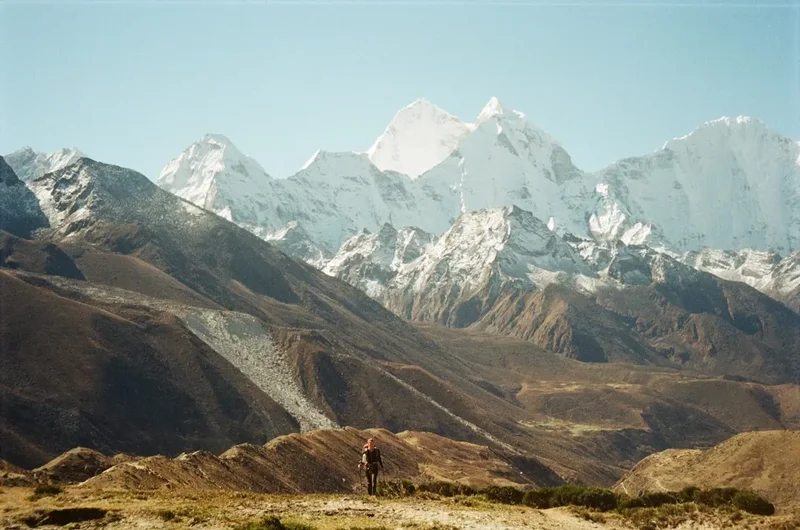
Yala Peak Climb - A Himalayan Adventure
The Yala Peak Climb is a challenging yet rewarding trek in the Langtang region of Nepal, offering breathtaking panoramic views of the Ganesh Himal, Langtang Lirung, and even the distant Tibetan plateau. This trek is ideal for those seeking a taste of Himalayan mountaineering without the extreme technical demands of higher peaks. It combines cultural immersion with stunning natural beauty, traversing through traditional Tamang villages, rhododendron forests, and alpine meadows before ascending to the snow-capped summit of Yala Peak (5,732 metres).
- Country: Nepal
- Region: Langtang
- Category: Mountain Track / Peak Climb
- Distance: 12.0 km (round trip from base camp)
- Elevation Gain: 1200 m (from Kyanjin Gompa to Yala Peak summit)
- Duration: 3-4 days (trek to base camp + ascent)
- Difficulty: Challenging
- Best Time: October-November or March-May
- Closest City: Kathmandu
- Trailhead Access: Syabrubesi
- Highest point: Yala Peak Summit (5,732 m)
Overview
The Yala Peak climb is a spectacular journey that begins with a scenic drive from Kathmandu to Syabrubesi, the gateway to the Langtang Valley. From Syabrubesi, the trek winds its way through lush forests, past cascading waterfalls, and into traditional Tamang villages, offering a glimpse into the unique culture and lifestyle of the local people. The trail gradually ascends, with the landscape transforming from dense jungle to open alpine meadows as you approach Kyanjin Gompa, a picturesque settlement nestled in the heart of the Langtang Valley.
Kyanjin Gompa (3,870 m) serves as the base for the Yala Peak ascent. From here, the trek to the summit is a demanding but achievable climb. The route typically involves an overnight stay at a higher camp or an early morning start from Kyanjin Gompa to reach the summit. The ascent takes you across moraines and snowfields, with the final push to the summit offering unparalleled 360-degree views of some of the world's highest peaks. The descent is equally exhilarating, retracing your steps through the stunning Langtang Valley.
This trek is renowned for its accessibility to a high-altitude summit, making it a popular choice for trekkers looking to experience mountaineering in the Himalayas. The cultural encounters, combined with the dramatic mountain scenery and the achievement of summiting a peak over 5,000 metres, make the Yala Peak climb an unforgettable adventure.
History and Cultural Context
The Langtang region, including the area around Yala Peak, has a rich history deeply intertwined with the Tamang people, one of Nepal's indigenous ethnic groups. For centuries, the Tamang have inhabited these valleys, their lives shaped by the harsh mountain environment and their Buddhist faith. Their traditional way of life, characterised by agriculture, yak herding, and trade, has remained largely unchanged for generations.
The region's spiritual significance is evident in the numerous monasteries and chortens (stupas) scattered throughout the valleys. Kyanjin Gompa, the primary settlement before the Yala Peak ascent, is a vibrant centre of Tamang culture and Buddhist practice. The gompa itself is a place of worship and a focal point for the community.
The ascent of Yala Peak, while not a historically significant expedition in the same vein as Everest or Annapurna, has become a popular objective for trekkers and amateur mountaineers in recent decades. Its accessibility and the stunning views it offers have contributed to its growing reputation. The peak itself, often referred to as "Tserko Ri" by some, is a prominent landmark in the Langtang landscape, and its summit has been a goal for adventurers seeking high-altitude experiences in the Himalayas.
The region has also faced challenges, most notably the devastating earthquake of 2015, which caused widespread destruction and loss of life. However, the resilience of the Tamang people and the support from international organisations have led to the rebuilding of villages and the restoration of trekking routes, allowing visitors to once again experience the beauty and culture of the Langtang Valley.
Seasonal Highlights and Weather Reality
The Yala Peak climb is best undertaken during the post-monsoon (autumn) and pre-monsoon (spring) seasons, when the weather is generally stable and the skies are clear, offering excellent mountain views.
Autumn (October-November): This is considered the prime trekking season in Nepal. The skies are typically clear, providing crisp, unobstructed views of the Himalayan giants. The temperatures are cool and pleasant during the day, making for comfortable trekking. The rhododendron forests, if still in bloom from spring, can add a splash of colour, though they are more vibrant in spring. The air is dry, and the risk of rain is minimal.
Spring (March-May): This season is also excellent for trekking and climbing. The weather is generally stable, and the temperatures begin to warm up. The rhododendron forests are in full bloom, creating a spectacular display of red, pink, and white flowers, especially at lower altitudes. The days are longer, allowing for more trekking time. However, there can be occasional afternoon showers, and the visibility might be slightly less consistent than in autumn.
Monsoon (June-September): This period is generally not recommended for trekking in the Langtang region. Heavy rainfall can lead to landslides, making the trails treacherous and potentially impassable. The skies are often cloudy, obscuring mountain views, and the humidity can be high. Leeches are also prevalent during this season.
Winter (December-February): While possible, winter trekking and climbing can be challenging due to cold temperatures, snow, and ice. The trails can be slippery, and the higher passes may be blocked by snow. However, winter offers the clearest skies and the fewest crowds. If attempting a winter climb, advanced mountaineering skills and appropriate gear are essential.
Weather on Yala Peak: Regardless of the season, weather conditions at higher altitudes, especially on Yala Peak itself, can change rapidly. Expect cold temperatures, strong winds, and potential snowfall, even during the trekking seasons. It is crucial to be prepared for all types of weather.
Recommended Itinerary
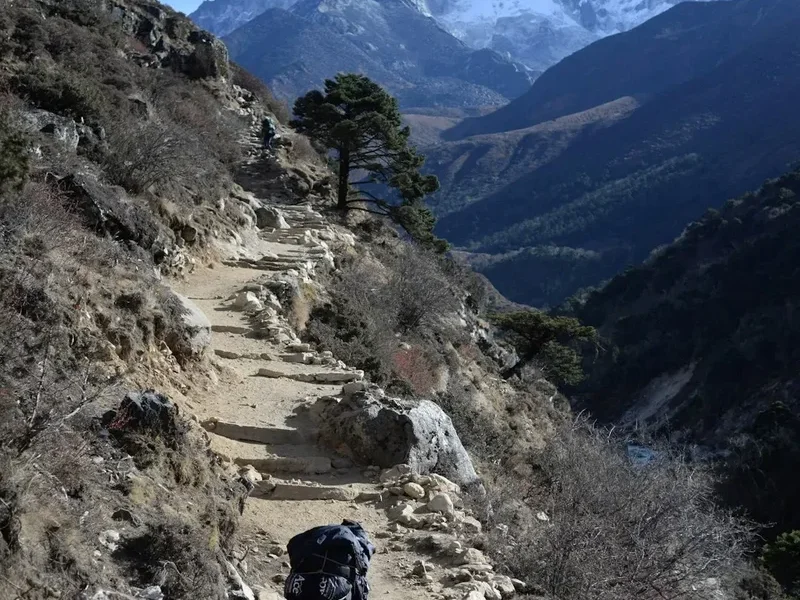
This itinerary is a guideline and can be adjusted based on individual fitness, acclimatisation, and weather conditions. It assumes a trek to Kyanjin Gompa and then the ascent of Yala Peak.
Day 1: Arrival in Kathmandu and Preparation
- Arrive at Tribhuvan International Airport (KTM), Kathmandu.
- Transfer to your hotel.
- Meet your trekking agency for a briefing and gear check.
- Obtain necessary permits (Langtang National Park entry permit and TIMS card).
- Explore Kathmandu, visit cultural sites, and purchase any last-minute gear.
Day 2: Drive to Syabrubesi
- Early morning drive from Kathmandu to Syabrubesi (approx. 7-8 hours).
- The road is winding and can be rough, offering glimpses of rural Nepal.
- Syabrubesi is a small village at an altitude of 1,550 metres.
- Overnight stay in a teahouse.
Day 3: Trek to Lama Hotel
- Trek from Syabrubesi to Lama Hotel (2,470 m).
- The trail follows the Langtang Khola (river) through dense rhododendron and bamboo forests.
- Pass through small settlements and cross suspension bridges.
- Distance: Approx. 11 km.
- Time: Approx. 6-7 hours.
Day 4: Trek to Langtang Village
- Trek from Lama Hotel to Langtang Village (3,430 m).
- The trail continues to ascend, with the vegetation becoming sparser.
- Pass through beautiful alpine scenery and yak pastures.
- Langtang village is a traditional Tamang settlement.
- Distance: Approx. 12 km.
- Time: Approx. 5-6 hours.
Day 5: Trek to Kyanjin Gompa
- Trek from Langtang Village to Kyanjin Gompa (3,870 m).
- A shorter day, allowing for acclimatisation.
- The valley opens up, revealing stunning views of Langtang Lirung.
- Kyanjin Gompa is a picturesque settlement with a monastery and cheese factory.
- Distance: Approx. 7 km.
- Time: Approx. 3-4 hours.
Day 6: Acclimatisation and Exploration around Kyanjin Gompa
- Rest day for acclimatisation.
- Optional short hikes to Kyanjin Ri (4,773 m) or Tserko Ri (4,984 m) for panoramic views.
- Visit the Kyanjin Gompa monastery and the local cheese factory.
- Prepare for the Yala Peak ascent.
Day 7: Ascent to Yala Peak Base Camp (Optional) or Direct Ascent
- Option 1 (with Base Camp): Trek from Kyanjin Gompa to Yala Peak Base Camp (approx. 4,800 m). This involves a gradual ascent across moraine and snowfields. Overnight in tents or a basic shelter.
- Option 2 (Direct Ascent): Start very early from Kyanjin Gompa for the summit attempt. This is a longer day but avoids an extra camp setup.
- Distance (to Base Camp): Approx. 5-6 km.
- Time (to Base Camp): Approx. 4-5 hours.
Day 8: Summit Yala Peak and Return to Kyanjin Gompa
- Early morning start (around 2-3 AM) for the summit push.
- The climb involves navigating snow and ice, potentially requiring crampons and an ice axe.
- Reach the summit of Yala Peak (5,732 m) for breathtaking sunrise views of the Himalayas.
- Descend back to Kyanjin Gompa.
- Distance (from Base Camp): Approx. 5-6 km.
- Time (to summit and back): Approx. 8-10 hours.
Day 9: Trek back to Langtang Village
- Trek from Kyanjin Gompa back to Langtang Village (3,430 m).
- Retrace your steps through the valley.
- Distance: Approx. 7 km.
- Time: Approx. 3-4 hours.
Day 10: Trek to Syabrubesi
- Trek from Langtang Village to Syabrubesi (1,550 m).
- A longer trekking day as you descend back to the starting point.
- Distance: Approx. 19 km.
- Time: Approx. 7-8 hours.
Day 11: Drive back to Kathmandu
- Morning drive from Syabrubesi to Kathmandu (approx. 7-8 hours).
- Check into your hotel and enjoy a farewell dinner.
Day 12: Departure from Kathmandu
- Transfer to Tribhuvan International Airport (KTM) for your departure.
Note: This itinerary can be extended to include other parts of the Langtang region or shortened by omitting the base camp night and doing a direct ascent from Kyanjin Gompa.
Planning and Bookings
Book Your Trip
Everything you need to plan your journey
Accommodation
Find places to stay near Kathmandu
Flights
Search flights to Kathmandu
Essential Preparation
The Yala Peak climb requires careful planning, especially concerning acclimatisation and logistics. Given its altitude, proper acclimatisation is paramount to prevent altitude sickness. This itinerary includes rest days and gradual ascents to aid this process. It is highly recommended to book your trek through a reputable trekking agency in Kathmandu. They will handle permits, guides, porters, accommodation, and transportation, ensuring a smoother and safer experience. Ensure you have adequate travel insurance that covers high-altitude trekking and emergency helicopter evacuation.
Base Town/City Information: Kathmandu is the capital city and the primary entry point for most international travellers to Nepal. It offers a wide range of accommodation, from budget guesthouses to luxury hotels. It's also the hub for trekking agencies and gear shops. Syabrubesi is a small village that serves as the starting point for the trek. Accommodation here is basic, typically in teahouses.
Trail Accommodation
Accommodation along the Yala Peak trek is primarily in teahouses (lodges) in the villages and settlements. For the Yala Peak ascent itself, camping is usually required.
Teahouses:
- Availability: Available in villages like Syabrubesi, Lama Hotel, Langtang Village, and Kyanjin Gompa.
- Facilities: Basic rooms with twin beds and mattresses. Communal dining areas with stoves for warmth. Toilets are usually squat-style and shared. Showers may be available but are often cold or require an extra charge.
- What's NOT provided: Bedding (sleeping bags are essential), toiletries, towels, heating in rooms, electricity for charging devices (may be available at a cost in some places).
- Seasonal Availability: Open year-round, but more comfortable during the trekking seasons (spring and autumn).
- Costs: Rooms are generally inexpensive (around $5-15 USD per night), but the cost of food and drinks is higher.
Camping for Yala Peak Ascent:
- Availability: Required for the ascent of Yala Peak, typically at a base camp (around 4,800 m) or a higher camp.
- Facilities: Tents, sleeping mats, and cooking equipment will be provided by your trekking agency. A portable toilet may also be set up.
- What's NOT provided: Food (will be prepared by your cook/guide), personal camping gear (sleeping bag, mat if not provided).
- Seasonal Availability: Only feasible during the trekking seasons (spring and autumn) due to snow and extreme cold in winter.
- Costs: Included in the overall trekking package price.
Required Gear
- Footwear: Sturdy, waterproof trekking boots with good ankle support. Broken-in boots are essential to prevent blisters. Camp shoes or sandals for evenings.
- Clothing:
- Layering system: Thermal base layers (merino wool or synthetic), fleece mid-layers, and a warm, waterproof, and windproof outer jacket (down or synthetic insulated jacket).
- Waterproof overtrousers.
- Warm hat (beanie) and gloves.
- Sun hat or cap.
- Sleeping Gear: A warm sleeping bag (rated to at least -10°C or -17°C) is crucial, as teahouse rooms are unheated.
- Backpack: A comfortable trekking backpack (40-60 litres) with a rain cover. A smaller daypack for summit days.
- Navigation: While guides are essential, a map and compass or GPS device can be useful for experienced trekkers.
- Safety Gear:
- First-aid kit: Including blister treatment, pain relievers, antiseptic wipes, bandages, and any personal medications.
- Headlamp or torch with spare batteries.
- Sunscreen (SPF 50+).
- Sunglasses (UV protection).
- Water purification tablets or a filter.
- Trekking poles (highly recommended for ascents and descents).
- Crampons and ice axe (essential for Yala Peak ascent, usually provided by the agency or rentable).
What to Bring
- Food and Water: While teahouses provide meals, carry high-energy snacks like nuts, dried fruits, energy bars, and chocolate. Ensure you have a reusable water bottle and purification method.
- Toiletries: Biodegradable soap, toothbrush and toothpaste, toilet paper (carry out used paper), hand sanitiser, lip balm with SPF.
- Personal Items: Camera, power bank for charging electronics, book or journal, small towel, passport and visa copies, cash (Nepalese Rupees) for expenses not covered by the agency.
- Documents: Passport, visa, trekking permits, TIMS card, travel insurance details.
- Miscellaneous: Small padlock for your duffel bag, waterproof bags for electronics and valuables.
Permits
To trek in the Langtang region and climb Yala Peak, you will need two main permits:
1. Langtang National Park Entry Permit:
- This permit is required for entry into the Langtang National Park, which protects the diverse flora and fauna of the region.
- Cost: Approximately NPR 30 per person per day, plus a surcharge of NPR 200 per person for SAARC nationals and NPR 1,000 per person for other foreign nationals.
- Where to obtain: Can be purchased at the Nepal Tourism Board office in Kathmandu or at the park entrance in Dhunche.
2. TIMS Card (Trekkers' Information Management System):
- This card helps in tracking trekkers and ensuring their safety in case of emergencies.
- Cost: NPR 2,000 for individual trekkers or NPR 1,000 if trekking with a registered agency.
- Where to obtain: Can be obtained from the Nepal Tourism Board office in Kathmandu or from registered trekking agencies.
Yala Peak Climbing Permit:
- While Yala Peak is considered a "trekking peak" and not a major expedition peak, a climbing permit is generally required. However, for peaks below 6,000 metres, the requirements can sometimes be less stringent, and the permit cost is often included in the overall trekking package arranged by an agency.
- It is advisable to confirm the exact permit requirements and costs with your trekking agency, as regulations can change. The cost for climbing permits for peaks in this category is typically a few hundred US dollars, but for Yala Peak, it might be significantly less or bundled.
Important Notes:
- It is highly recommended to arrange your permits through your trekking agency in Kathmandu. They will have the most up-to-date information and can streamline the process.
- Carry your permits with you at all times, as they may be checked at various points along the trek.
Other Activities in the Area
While the primary focus of this trip is the Yala Peak climb, the Langtang region offers several other enriching experiences:
- Exploring Kyanjin Gompa: Spend time visiting the local monastery, observing the monks' daily rituals, and learning about Tibetan Buddhism. The gompa is a peaceful and spiritual place.
- Visiting the Cheese Factory: Kyanjin Gompa is known for its yak cheese production. You can visit the local factory to see how the cheese is made and sample some of the fresh produce.
- Hiking to Kyanjin Ri (4,773 m): This is a popular acclimatisation hike from Kyanjin Gompa, offering stunning panoramic views of the Langtang Valley, including Langtang Lirung, Ganesh Himal, and the surrounding peaks. It's a good test of your fitness and acclimatisation before the Yala Peak ascent.
- Hiking to Tserko Ri (4,984 m): A slightly higher and more challenging hike than Kyanjin Ri, Tserko Ri provides even more expansive views of the Langtang massif and the Tibetan plateau. This hike is often done early in the morning for sunrise views.
- Cultural Immersion: Engage with the local Tamang people. Learn about their unique culture, traditions, and way of life. Visiting their villages and observing their daily activities offers a valuable cultural exchange.
- Photography: The Langtang Valley is a photographer's paradise, with dramatic mountain landscapes, lush forests, traditional villages, and unique cultural elements.
Safety and Conditions
Altitude Sickness (Acute Mountain Sickness - AMS):
- Yala Peak is at a significant altitude (5,732 m), and AMS is a serious risk. Symptoms include headache, nausea, dizziness, fatigue, and loss of appetite.
- Prevention: Ascend gradually, stay well-hydrated, avoid alcohol and smoking, and eat well. The itinerary includes acclimatisation days.
- Treatment: If symptoms appear, do not ascend further. Descend immediately if symptoms worsen. Diamox (acetazolamide) can be prescribed by a doctor to aid acclimatisation.
Weather:
- Mountain weather is unpredictable. Be prepared for cold temperatures, strong winds, snow, and rain, even during the trekking seasons.
- Check weather forecasts regularly, though they can be unreliable at high altitudes.
- Always carry appropriate clothing layers.
Trail Conditions:
- The trails can be steep, rocky, and uneven.
- During the Yala Peak ascent, expect snow and ice, especially in the early morning. Crampons and an ice axe are essential.
- Landslides can occur, particularly during and after the monsoon season.
Guides and Porters:
- Hiring a licensed guide is highly recommended for safety, navigation, and cultural insights.
- Porters can carry your main luggage, making the trek more enjoyable. Ensure they are well-equipped and insured.
Emergency Procedures:
- Carry a basic first-aid kit and know how to use it.
- Have a communication plan. Mobile phone reception is limited in the valley. Satellite phones or personal locator beacons (PLBs) are recommended for remote areas.
- Ensure you have comprehensive travel insurance that covers high-altitude trekking and emergency helicopter evacuation.
Health and Hygiene:
- Drink only purified or boiled water.
- Practice good hand hygiene to prevent gastrointestinal illnesses.
- Be cautious with food choices, opting for well-cooked meals.
Side Trips and Points of Interest
Kyanjin Ri (4,773 m): A popular acclimatisation hike from Kyanjin Gompa. The trail is steep but rewarding, offering spectacular panoramic views of the Langtang Valley, including Langtang Lirung (7,227 m), Ganesh Himal (7,422 m), and the distant peaks of the Tibetan plateau. It's an excellent opportunity to test your lungs and legs at altitude.
Tserko Ri (4,984 m): A higher and more challenging viewpoint than Kyanjin Ri. The ascent takes longer, but the views from the summit are even more expansive, providing a breathtaking vista of the entire Langtang massif and the surrounding Himalayan giants. An early morning start is recommended for sunrise views.
Langtang Village: This traditional Tamang village, though impacted by the 2015 earthquake, is a significant cultural stop. Observing the resilience of the community and their unique way of life offers a profound insight into the region's heritage. The village is surrounded by prayer flags and chortens.
Yak Herding Camps: As you ascend towards Kyanjin Gompa and beyond, you may encounter temporary camps where local herders tend to their yaks. These camps offer a glimpse into the traditional pastoral lifestyle that has sustained communities in the Himalayas for centuries.
Rhododendron Forests: During the spring season (March-May), the lower and mid-altitudes of the Langtang Valley are adorned with vibrant rhododendron blooms. The forests become a riot of colour, adding an extra layer of beauty to the trek.
Leave No Trace
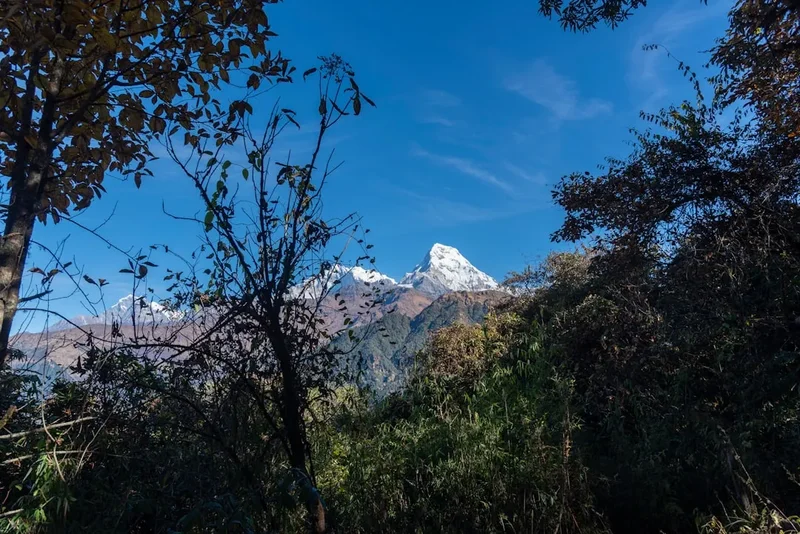
The Langtang region, like all pristine mountain environments, is fragile and requires careful stewardship. Adhering to Leave No Trace principles is crucial to preserve its natural beauty and cultural heritage for future generations.
Plan Ahead and Prepare: Understand the regulations and special concerns for the area. Prepare for extreme weather and carry appropriate gear. Make arrangements for waste disposal.
Travel and Camp on Durable Surfaces: Stick to the established trails to avoid damaging vegetation. When camping (if applicable), use designated campsites or choose durable surfaces like rock or gravel.
Dispose of Waste Properly: Pack out everything you pack in, including all food scraps, wrappers, and toilet paper. Use designated toilets where available. If no toilets are available, dig a cathole at least 60 metres away from water sources, trails, and campsites.
Leave What You Find: Do not disturb or remove natural objects, cultural artifacts, or plants. Take only photographs and memories.
Minimize Campfire Impacts: Campfires are generally discouraged in the Himalayas due to the risk of wildfires and the scarcity of firewood. Use a lightweight stove for cooking.
Respect Wildlife: Observe wildlife from a distance. Do not feed animals, as it can disrupt their natural behaviours and diets. Store food securely to prevent attracting animals.
Be Considerate of Other Visitors: Respect the local culture and traditions. Keep noise levels down, especially in villages and at campsites. Yield to ascending trekkers.
By following these principles, you contribute to the long-term sustainability of trekking in the Langtang region and ensure that its natural and cultural wonders remain intact.
 Nepal
Nepal