
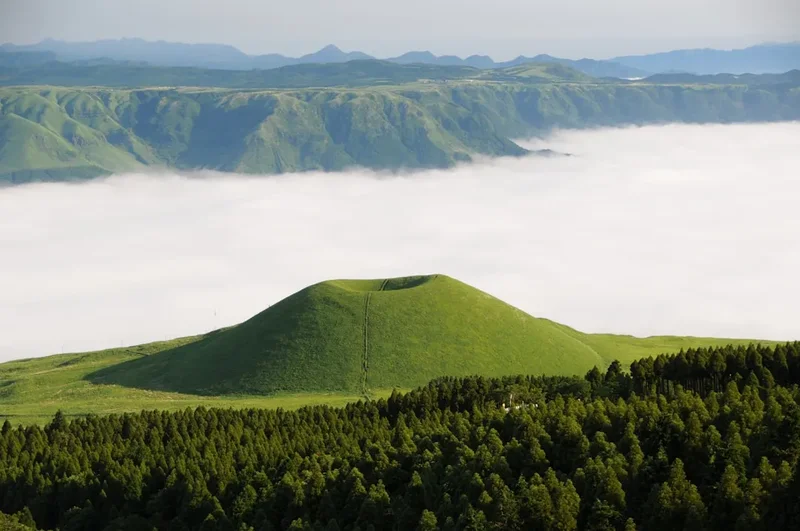
Shiratani Unsuikyo Ravine - Yakushima's Enchanted Forest
Shiratani Unsuikyo, often translated as "White Valley Cloud Water," is a protected forest area on the island of Yakushima, Japan. Famous for its ancient cedar trees (sugi), vibrant mosses, and mystical atmosphere, it is one of the island's most popular natural attractions. This ravine served as a significant inspiration for Hayao Miyazaki's animated film Princess Mononoke, imbuing it with a sense of otherworldly magic and ancient wilderness. The trails wind through a dense, primeval forest where sunlight filters through a thick canopy, illuminating a landscape carpeted in a rich tapestry of green mosses and ferns. Towering Yakusugi trees, some over a thousand years old, stand as silent sentinels, their gnarled branches and massive trunks exuding an aura of timelessness. The air is perpetually moist, carrying the scent of damp earth and ancient wood, and the gentle murmur of streams and waterfalls provides a constant, soothing soundtrack. Shiratani Unsuikyo offers a profound connection to nature, a journey into a living, breathing fairy tale where the boundaries between the real and the mythical blur.
- Distance: 4.2 km (main loop)
- Elevation Gain: 350 m
- Duration: 3-5 hours
- Season: Year-round, though spring and autumn offer pleasant temperatures and fewer crowds.
- Closest City: Miyanoura, Yakushima
- Trailhead Access: Accessible by car or bus from Miyanoura Port or Yakushima Airport.
- Permits: No permits required for the main trails.
- Facilities: Visitor centre, restrooms, parking (fee applies).
Overview
Shiratani Unsuikyo is a microcosm of Yakushima's unique ecological significance, a UNESCO World Heritage site renowned for its biodiversity and ancient forests. The ravine's name itself hints at its ethereal quality: "Shiratani" (White Valley) and "Unsuikyo" (Cloud Water Ravine), evoking images of mist-shrouded peaks and crystal-clear streams. The primary attraction is the Yakusugi, the endemic Japanese cedar trees that have survived for millennia. The most famous of these is the "Jōmon Sugi," though it is located on a much longer and more challenging trek. Within Shiratani Unsuikyo, visitors can marvel at impressive specimens like the "Kusōgi" (Moss Tree) and "Sen-nin Sugi" (Thousand-Year Cedar), which are easily accessible via well-maintained trails. The forest floor is a vibrant ecosystem of mosses, ferns, and fungi, creating a lush, verdant carpet that muffles footsteps and enhances the sense of tranquility. The trails are a mix of boardwalks, stone paths, and natural earth, designed to minimise impact while allowing visitors to immerse themselves in the forest's beauty. The elevation gain of 350 metres over a relatively short distance means the walk is moderately challenging, offering a rewarding sense of accomplishment as you ascend through the varied terrain. The constant presence of water, from trickling streams to cascading waterfalls, adds to the ravine's serene and mystical ambiance. Shiratani Unsuikyo is not just a hike; it's an experience that engages all the senses, transporting visitors to a realm of ancient natural wonder.
History and Cultural Context
Yakushima's forests, and Shiratani Unsuikyo in particular, have a long and complex history intertwined with human interaction and reverence for nature. For centuries, the island's dense cedar forests were a vital source of high-quality timber, particularly for temple construction and shipbuilding throughout Japan. The Yakusugi, with their incredibly durable and aromatic wood, were highly prized. This exploitation led to significant deforestation in the past, but by the Edo period (1603-1868), conservation efforts began to emerge, driven by both practical concerns and a growing appreciation for the spiritual and ecological value of these ancient trees. The establishment of Shiratani Unsuikyo as a protected area was a crucial step in preserving this unique ecosystem. In 1993, Yakushima was inscribed as a UNESCO World Heritage site, recognising its outstanding universal value, particularly its ancient forests and unique biodiversity. This designation brought increased international attention and reinforced the importance of conservation. The area's connection to the animated film "Princess Mononoke" in 1997 further cemented its global recognition, drawing visitors from around the world eager to experience the real-life inspiration for the film's fantastical forest. This cultural resonance adds another layer to the visitor experience, blending natural beauty with artistic imagination and a deep respect for the ancient forest.
Seasonal Highlights and Weather Reality
Shiratani Unsuikyo is a year-round destination, each season offering a distinct experience. The island of Yakushima is known for its exceptionally high rainfall, with over 4,000 mm of precipitation annually, making it one of Japan's wettest regions. This constant moisture is what sustains the lush, moss-covered environment.
Spring (March to May): This is a popular time to visit, with mild temperatures and the emergence of new greenery. The forest floor begins to burst with life, and the air is fresh. Cherry blossoms may be seen in lower elevations, adding a touch of colour. However, spring can still bring significant rainfall.
Summer (June to August): Summers are warm and humid, with frequent heavy downpours. The dense canopy provides shade, but the humidity can be high. This is also the peak season for insects, including mosquitoes and sandflies, so insect repellent is essential. The abundant rain, however, ensures the mosses and ferns are at their most vibrant, and waterfalls are at their most impressive.
Autumn (September to November): Autumn offers a pleasant respite from the summer heat and humidity. Temperatures are cooler, and the rainfall tends to decrease, although it remains significant. The forest takes on a different beauty, with the subtle changes in foliage and a crispness in the air. This is often considered one of the best times to visit for comfortable hiking conditions.
Winter (December to February): Winters are mild, with temperatures rarely dropping below freezing. Snowfall is uncommon in the ravine itself, though higher elevations on the island may receive snow. The forest takes on a starker, more dramatic beauty, with a quiet stillness. The mosses remain a vibrant green, providing a striking contrast against the bare branches of deciduous trees. Rainfall is still common, contributing to the atmospheric mist and dampness.
Weather Considerations: Regardless of the season, visitors should always be prepared for rain. Waterproof clothing and sturdy, waterproof footwear are essential. The trails can become slippery when wet. The high humidity and frequent mist contribute to the ravine's unique, enchanting atmosphere, so embracing the damp conditions is part of the experience.
Recommended Itinerary
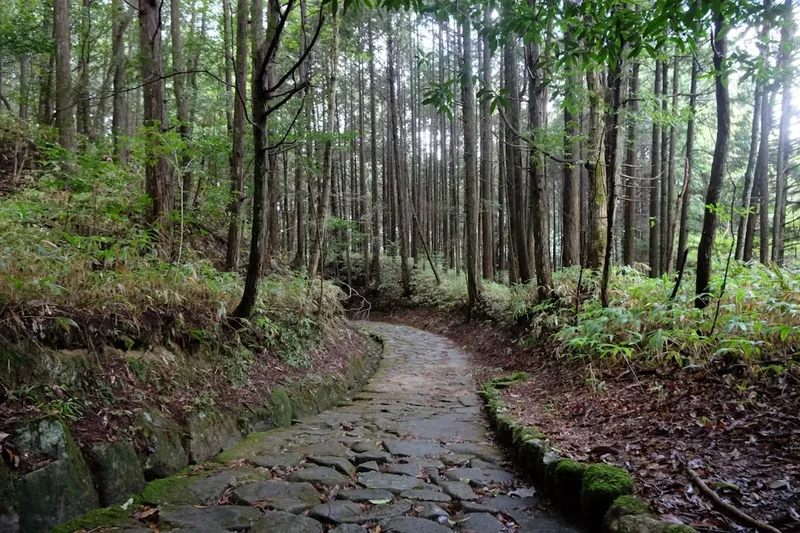
Shiratani Unsuikyo Day Hike Itinerary
Early Morning (Approx. 8:00 AM - 9:00 AM): Arrival and Preparation
- Travel to the Shiratani Unsuikyo Visitor Centre.
- Park your vehicle (fee applies) or alight from the bus.
- Visit the restrooms and gather information at the visitor centre.
- Ensure you have your waterproof gear, sturdy footwear, water, and snacks.
- Begin the walk from the trailhead near the visitor centre.
Morning (Approx. 9:00 AM - 12:00 PM): Exploring the Moss Forest and Ancient Trees
- Follow the main trail, which starts as a well-maintained path, often boardwalked, through the lower sections of the ravine.
- Ascend gradually, enjoying the increasingly dense forest.
- Encounter the "Kusōgi" (Moss Tree), a magnificent Yakusugi covered in a thick blanket of vibrant green moss.
- Continue on the trail, which may involve some natural earth paths and stone steps.
- Reach the "Sen-nin Sugi" (Thousand-Year Cedar), another impressive ancient tree.
- The path becomes more rugged in places as you gain elevation.
- Admire the diverse flora, including numerous species of ferns and mosses.
- Listen to the sounds of the forest: trickling streams, birdsong, and the gentle rustling of leaves.
Midday (Approx. 12:00 PM - 1:00 PM): Reaching the Higher Sections and Scenic Views
- The trail continues to ascend, offering glimpses of the surrounding mountainous terrain through breaks in the canopy.
- You may encounter smaller streams and waterfalls along the way.
- The path can be steep and uneven in sections, requiring careful footing.
- Take breaks to appreciate the scale of the ancient trees and the unique ecosystem.
- Consider finding a suitable spot for a rest and a snack, surrounded by the primeval forest.
Afternoon (Approx. 1:00 PM - 3:00 PM): Descent and Return to Trailhead
- Begin your descent, retracing your steps or following a slightly different loop if available and time permits.
- The descent offers a new perspective on the forest and its features.
- Pay attention to your footing, as the trails can be slippery, especially after rain.
- Continue to enjoy the sights and sounds of the ravine.
- Arrive back at the Shiratani Unsuikyo Visitor Centre.
- Reflect on the magical experience of walking through this ancient forest.
Important Notes:
- The 4.2 km loop is an estimate; actual distance walked may vary depending on chosen paths and detours.
- Wear sturdy, waterproof hiking boots with good grip.
- Carry sufficient water and high-energy snacks.
- Be prepared for rain at any time of year.
- Insect repellent is recommended, especially during warmer months.
- Respect the fragile environment and stay on marked trails.
- The "Princess Mononoke Forest" area is a specific section within Shiratani Unsuikyo, known for its particularly dense and mossy atmosphere.
Planning and Bookings
Book Your Trip
Everything you need to plan your journey
Accommodation
Find places to stay near Yakushima
Flights
Search flights to Yakushima
Essential Preparation
Shiratani Unsuikyo is a day hike, meaning no overnight accommodation bookings are required for the trail itself. However, planning your trip to Yakushima island is crucial. The island is accessible by ferry or plane. Ferries depart from Kagoshima, and flights operate from Kagoshima, Osaka, and Fukuoka to Yakushima Airport (KUM). Upon arrival on Yakushima, you can reach Shiratani Unsuikyo via rental car, taxi, or the local bus service. The bus route is convenient, with a stop near the trailhead. If driving, be aware that roads can be narrow and winding, especially as you approach the ravine. Parking is available at the Shiratani Unsuikyo Visitor Centre, but a fee applies. It is advisable to check bus schedules and rental car availability in advance, especially during peak travel seasons. Familiarise yourself with the weather patterns of Yakushima; it is one of Japan's rainiest regions, so be prepared for wet conditions regardless of the season.
Trail Accommodation
This is a day hike requiring no overnight accommodation on the trail itself. Visitors typically stay in accommodation on Yakushima island, with Miyanoura and Anbo being the main towns offering a range of options from guesthouses (minshuku) and hotels to rental cottages. These accommodations should be booked in advance, particularly during popular seasons like spring and autumn.
Required Gear
- Waterproof Hiking Boots: Essential for navigating potentially slippery and wet trails. Ensure they are comfortable and broken in.
- Waterproof Jacket and Trousers: Absolutely crucial due to Yakushima's high rainfall. A breathable, waterproof outer layer will keep you dry and comfortable.
- Backpack: A comfortable daypack (20-30 litres) to carry essentials.
- Navigation: While the main trails are well-marked, a map of the area or a reliable GPS device/app is advisable.
- Head Torch: Useful if you plan to start early or finish late, or for exploring darker sections of the forest.
- First Aid Kit: Include blister treatment, antiseptic wipes, pain relievers, and any personal medications.
- Insect Repellent: Highly recommended, especially during summer months, to ward off mosquitoes and sandflies.
What to Bring
- Food and Water: Carry enough water for your hike (at least 1-2 litres per person). While streams are present, water should be treated before drinking. Pack high-energy snacks and a packed lunch.
- Toiletries: Biodegradable soap, toothbrush, toothpaste, hand sanitiser.
- Sun Protection: Even with a dense canopy, sun protection like sunscreen, a hat, and sunglasses can be useful.
- Warm Layers: While Yakushima is generally mild, temperatures can be cooler in the shaded ravine, especially in spring or autumn. A fleece or thermal layer is recommended.
- Camera: To capture the stunning scenery. Ensure it is protected from moisture.
- Trekking Poles (Optional): Can provide extra stability on uneven or slippery terrain.
- Small Towel: Useful for drying off after unexpected rain showers.
Permits
No specific permits are required to hike the main trails within Shiratani Unsuikyo Ravine. The area is managed by the Yakushima Forest Environment Conservation Centre and is accessible to the public. However, it is important to note that while no entry fee or permit is mandated for the trails themselves, there is a parking fee for vehicles at the Shiratani Unsuikyo Visitor Centre. This fee contributes to the maintenance and preservation of the area. For those planning to camp within the broader Yakushima National Park (outside of designated Shiratani Unsuikyo trails), specific regulations and potential permits may apply, so it is always advisable to check with the local authorities or the Yakushima Forest Environment Conservation Centre for the most up-to-date information regarding any camping or overnight activities in the wider park area.
Other Activities in the Area
Yakushima island offers a wealth of activities beyond the Shiratani Unsuikyo hike, catering to nature lovers and adventurers:
- Jōmon Sugi Trek: For the more ambitious, the trek to Jōmon Sugi, the island's oldest and largest cedar tree (estimated to be between 2,000 and 7,200 years old), is a full-day, challenging hike. This requires a much earlier start and a higher level of fitness.
- Yakusugi Land: Another accessible forest area featuring ancient cedar trees and well-maintained walking trails, offering a different perspective on Yakushima's unique flora.
- Shiratani Unsuikyo Forest Culture Village: Located near the trailhead, this village offers insights into the traditional lifestyle and forest culture of Yakushima.
- Coastal Exploration: Yakushima's coastline offers beautiful beaches, opportunities for snorkelling and diving (in warmer months), and chances to spot sea turtles nesting (seasonal).
- Waterfalls: Besides those within Shiratani Unsuikyo, the island boasts impressive waterfalls like Senpiro Falls and Oko Falls, accessible via shorter hikes.
- Onsen (Hot Springs): Relax and rejuvenate in one of Yakushima's natural hot springs, such as Hirauchi Kaikyō Onsen, a unique seaside hot spring.
- Miyanoura and Anbo Towns: Explore the main towns for local crafts, seafood restaurants, and cultural experiences.
Safety and Conditions
Weather Preparedness: Yakushima is renowned for its high rainfall. Always be prepared for wet conditions, even if the forecast is clear. Carry waterproof clothing and footwear. Trails can become slippery and muddy, increasing the risk of slips and falls. Check the weather forecast before you go, but be aware that conditions can change rapidly.
Trail Conditions: The trails in Shiratani Unsuikyo are generally well-maintained, but they can be uneven, steep, and rocky in places. Boardwalks and stone steps are used to protect the forest floor, but these can also become slippery. Stick to marked paths to avoid getting lost and to protect the fragile moss and vegetation.
Wildlife: While Yakushima is home to unique wildlife, including the Yakushima macaque and Yakushima deer, encounters are generally peaceful. However, it's important to maintain a respectful distance and never feed wild animals. Be aware of insects, particularly mosquitoes and sandflies, especially during warmer months. Carry insect repellent.
Navigation: The main trails within Shiratani Unsuikyo are clearly marked. However, it is always wise to carry a map or use a GPS device, especially if you plan to explore less-travelled paths or venture further afield. Inform someone of your hiking plans and expected return time.
Hydration and Nutrition: Carry sufficient water and high-energy snacks. While there are streams, it is advisable to treat or purify any water collected from natural sources before drinking. Dehydration and fatigue can increase the risk of accidents.
Emergency Services: In case of an emergency, contact local authorities or emergency services. Mobile phone reception can be intermittent within the ravine, so be prepared for this. It is advisable to have a fully charged mobile phone and consider carrying a portable power bank.
Respect the Environment: Follow Leave No Trace principles. Do not litter, stay on marked trails, and avoid disturbing the flora and fauna. The ancient forest is a precious ecosystem that requires careful preservation.
Side Trips and Points of Interest
The "Princess Mononoke Forest" Area: This is perhaps the most iconic section of Shiratani Unsuikyo, widely believed to be the direct inspiration for the forest in Hayao Miyazaki's animated masterpiece. Here, the moss growth is exceptionally dense, covering every surface – rocks, fallen logs, and tree trunks – in a vibrant, emerald carpet. Sunlight filters through the thick canopy, creating an ethereal, almost magical atmosphere. The gnarled, ancient trees, draped in moss and ferns, evoke a sense of primeval wonder. This area is a photographer's dream and a must-see for fans of the film and lovers of enchanted landscapes.
Kusōgi (Moss Tree): One of the most impressive Yakusugi trees within the accessible trails. This ancient cedar is completely enveloped in a thick, luxuriant layer of moss, giving it a soft, almost otherworldly appearance. Its massive trunk and sprawling branches are a testament to centuries of growth and resilience, embodying the spirit of Yakushima's ancient forests.
Sen-nin Sugi (Thousand-Year Cedar): Another significant Yakusugi, this tree stands as a majestic example of the island's ancient cedars. Its sheer size and age are awe-inspiring, and it serves as a powerful reminder of the forest's long history and ecological importance. The area around Sen-nin Sugi often feels particularly tranquil and profound.
Tatsudō Falls: While not a major waterfall, Tatsudō Falls is a beautiful cascade encountered along the main trail. It adds to the ravine's constant presence of water and contributes to the serene, damp atmosphere of the forest. The sound of the falling water is a soothing element of the hiking experience.
Various Streams and Bridges: Throughout the hike, you will cross numerous small streams and picturesque bridges. These elements enhance the charm of the trail, offering opportunities for reflection and appreciation of the natural beauty. The constant sound of flowing water is a defining characteristic of Shiratani Unsuikyo.
Leave No Trace
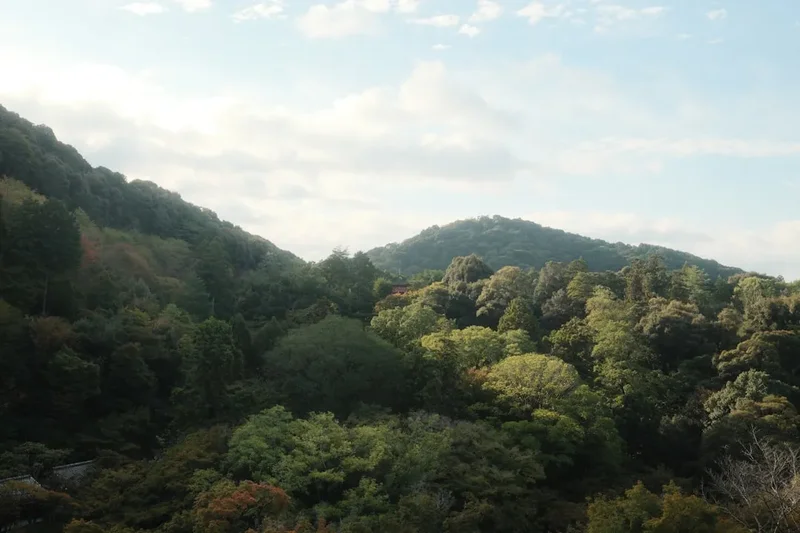
Shiratani Unsuikyo is a precious natural treasure, a vital part of the Yakushima UNESCO World Heritage site. Preserving its pristine condition for future generations is paramount. Adhering to Leave No Trace principles ensures that your visit has a minimal impact on this delicate ecosystem.
Plan Ahead and Prepare: Research the trail conditions, weather, and any specific regulations before your visit. Pack appropriately for the conditions, including waterproof gear and sturdy footwear.
Travel and Camp on Durable Surfaces: Stick to the designated trails, boardwalks, and paths. Avoid walking on moss or vegetation, as it is easily damaged and takes a very long time to recover. The trails are designed to guide visitors through the forest with minimal impact.
Dispose of Waste Properly: Pack out everything you pack in. This includes all food scraps, wrappers, and any other litter. There are waste bins at the visitor centre, but it is best practice to carry your rubbish with you until you can dispose of it properly. Use the restrooms at the visitor centre; do not leave human waste in the forest.
Leave What You Find: Do not take any natural souvenirs, such as plants, rocks, or moss. The beauty of Shiratani Unsuikyo lies in its intact natural state. Leave it as you found it for others to enjoy.
Minimise Campfire Impacts: Campfires are not permitted within Shiratani Unsuikyo. If camping elsewhere on Yakushima, use established fire rings and ensure fires are completely extinguished.
Respect Wildlife: Observe wildlife from a distance and never feed animals. Feeding can alter their natural behaviour and diet, potentially harming them and the ecosystem.
Be Considerate of Other Visitors: Keep noise levels down to appreciate the natural sounds of the forest. Yield to others on narrow trails. Respect the tranquil atmosphere of this ancient woodland.
 Japan
Japan