

Wistman's Wood Walk
The Wistman's Wood Walk is a short, accessible, and incredibly atmospheric trail on Dartmoor, Devon, UK. This walk takes you into the heart of Wistman's Wood, one of the most ancient and enchanting oak woodlands in the country. Famous for its gnarled, moss-covered trees, twisted branches, and the mystical aura that pervades the area, Wistman's Wood feels like stepping back in time. The walk itself is relatively easy, making it suitable for families and those seeking a gentle immersion into a unique natural environment. It's a place where the imagination can run wild, conjuring images of ancient spirits and forgotten tales amidst the primeval beauty of the forest.
- Distance: 5.5 km loop
- Duration: 1–2 hours
- Season: Year-round (best in spring for new growth, autumn for colours)
- Difficulty: Easy
- Elevation Gain: 180 m
- Closest Town: Princetown
- Trailhead Access: Wistman's Wood Car Park
- Permits: None required
Overview
The Wistman's Wood Walk is a delightful exploration of a truly special place. The trail begins from the Wistman's Wood Car Park, a popular starting point situated just off the B3357 road between Two Bridges and Postbridge. From the car park, a well-trodden path leads you towards the West Dart River. The initial section of the walk is relatively flat, traversing open moorland, offering expansive views of the surrounding Dartmoor landscape. You'll often see Dartmoor ponies grazing freely, adding to the wild charm of the area.
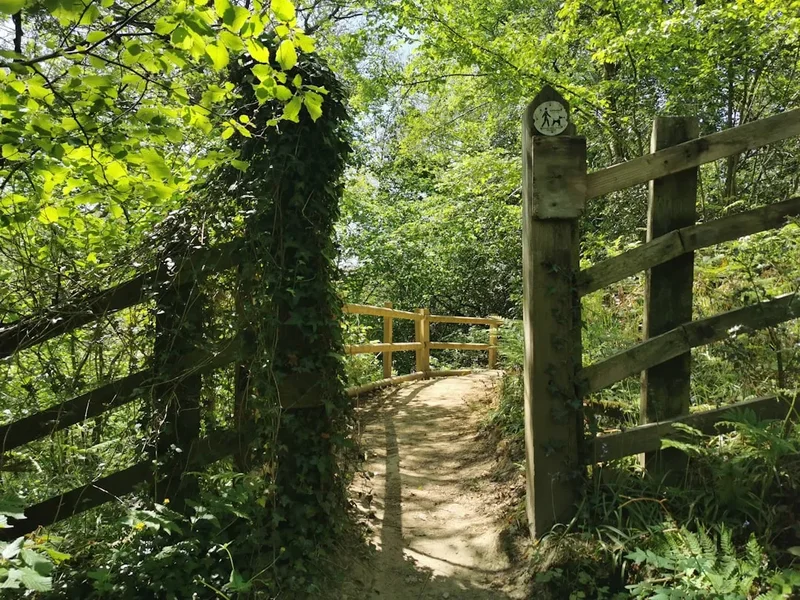
As you approach the river, the path becomes a little more rugged, requiring careful footing as you navigate over stones and uneven ground. The highlight of the walk is undoubtedly entering Wistman's Wood itself. This is not a typical forest; it's a relic of ancient woodland, a place where the trees are stunted and contorted, their branches draped with thick carpets of moss and lichen. The light filters through the dense canopy in dappled patterns, creating an ethereal atmosphere. The ground underfoot is often soft and springy, covered in a thick layer of leaf litter and moss.
The walk typically follows a loop, taking you along the banks of the West Dart River, which itself is a beautiful feature with its clear, fast-flowing water and granite boulder-strewn bed. You'll cross the river via stepping stones or a small footbridge, depending on the water level. The path then winds back through the woodland and eventually emerges onto the open moor, leading you back to the car park. The elevation gain of 180 metres is spread throughout the walk, with some gentle ascents and descents as you navigate the riverbanks and the undulating moorland.
The sensory experience of Wistman's Wood is profound. The air is often cool and damp, carrying the scent of damp earth, moss, and decaying wood. The sounds are muted, dominated by the gentle murmur of the river and the rustling of leaves, occasionally punctuated by the call of a bird or the distant bleating of sheep. It's a place that encourages quiet contemplation and a deep connection with nature.
History and Cultural Context
Wistman's Wood is one of the most significant surviving examples of ancient oak woodland in Western Europe. Its origins are shrouded in mystery, but it is believed to be a relic of the primeval forest that once covered much of Britain after the last Ice Age. Radiocarbon dating of wood samples from the area suggests that the wood has been in existence for at least 4,000 years, making it a truly ancient site.
The unique, stunted appearance of the oak trees (Quercus robur) is not due to disease or poor growing conditions, but rather to the harsh environment of the high moorland. Exposed to strong winds and poor soil, the trees grow slowly and contort into their characteristic shapes. They are often described as looking like bonsai trees on a grand scale, or like ancient, wizened figures. The thick covering of mosses, lichens, and ferns that adorns every surface is a testament to the high humidity and clean air of the area.
Historically, Wistman's Wood has been a place of folklore and legend. Its ancient, gnarled appearance has led to it being associated with myths and stories of druids, fairies, and other mystical beings. Local legends speak of the wood being a place where the veil between worlds is thin, and where spirits roam. It's easy to see why, standing amidst the twisted branches and dappled light, one might feel a sense of enchantment and wonder.
The wood is also of significant ecological importance. It provides a unique habitat for a wide variety of plant and animal life, including rare species of mosses, lichens, and insects. The surrounding moorland is also a vital ecosystem, supporting a diverse range of flora and fauna, including the iconic Dartmoor ponies, which have grazed here for centuries.
In more recent times, Wistman's Wood has been recognised for its scientific and conservation value. It is a designated Site of Special Scientific Interest (SSSI) and is managed by the National Trust to preserve its unique character and ecological integrity. The walk is a popular way for people to experience this ancient landscape, but it is crucial that visitors tread lightly and respect the fragile environment.
Seasonal Highlights and Weather Reality
Wistman's Wood offers a different kind of beauty throughout the year, though the weather on Dartmoor can be unpredictable at any time.
Spring (April-May): This is a wonderful time to visit. The ancient oaks begin to bud, and the woodland floor comes alive with new growth. The surrounding moorland bursts into vibrant green, and the air is fresh and invigorating. The weather can still be cool and showery, but the longer daylight hours are a bonus.
Summer (June-August): The wood is at its fullest and greenest. The days are longer, offering more time for exploration. However, summer can also bring the most sandflies (though less of an issue than in some other regions, they can still be present near water) and potentially warmer, drier conditions. The river levels may be lower, making stepping stones easier to navigate. The moorland can be a riot of heather and wildflowers.
Autumn (September-November): This is arguably one of the most spectacular times to visit. The oak leaves turn to shades of gold, russet, and brown, creating a breathtaking display of colour within the wood. The crisp air and the changing light add to the magical atmosphere. The surrounding moorland also takes on autumnal hues.
Winter (December-March): Wistman's Wood takes on a stark, dramatic beauty in winter. The bare branches of the oaks create intricate silhouettes against the often grey skies. Frost can transform the landscape into a glittering wonderland. The river can be swollen and powerful after rain. While the days are short and the weather can be harsh, with potential for snow and ice, the solitude and raw beauty can be incredibly rewarding for those prepared for the conditions.
Weather Reality: Dartmoor is renowned for its changeable weather. Even in summer, you can experience all four seasons in a single day. Rain is frequent, and the wind can be strong, especially on the open moor. It is essential to be prepared for all conditions, regardless of the season. Waterproof clothing, sturdy footwear, and layers are always recommended.
Recommended Itinerary
Wistman's Wood Walk (Loop)
Start: Wistman's Wood Car Park
- Early Morning (Approx. 9:00 AM): Arrive at Wistman's Wood Car Park. This is a free car park located off the B3357 road. Ensure you have sturdy walking boots and waterproofs, as Dartmoor weather can change rapidly.
- Morning (Approx. 9:15 AM): Begin the walk from the car park. Follow the clear, well-trodden path heading towards the West Dart River. The initial section is across open moorland, offering expansive views. Keep an eye out for Dartmoor ponies and other wildlife.
- Mid-Morning (Approx. 9:45 AM): Reach the West Dart River. The path here becomes a little more uneven and rocky. You will need to navigate across the river. Depending on the water level, this may involve using stepping stones or a small footbridge. Take your time and ensure your footing is secure.
- Late Morning (Approx. 10:00 AM - 11:30 AM): Enter Wistman's Wood. Immerse yourself in the ancient woodland. Explore the gnarled oaks, marvel at the moss-covered branches, and soak in the unique, mystical atmosphere. Spend time wandering through the wood, taking photographs, and appreciating the primeval beauty. The loop trail will guide you through the heart of the wood and along the riverbank.
- Midday (Approx. 11:30 AM): Begin the return journey. The path will lead you out of the denser woodland and back onto the open moorland. Follow the signs or the established path that will guide you back towards the car park.
- Early Afternoon (Approx. 12:00 PM): Arrive back at Wistman's Wood Car Park.
Important Notes:
- This is a relatively short walk, so the itinerary is flexible. Adjust timings based on your pace and how much time you wish to spend exploring the wood.
- The river crossing can be challenging after heavy rain. If the river is too high or fast, consider turning back or taking a different route.
- Wear appropriate footwear – sturdy walking boots are essential due to the uneven terrain and potential for wet conditions.
- Carry water and snacks, especially if you plan to spend longer in the area.
- Mobile phone signal can be intermittent on Dartmoor.
Planning and Bookings
Book Your Trip
Everything you need to plan your journey
Accommodation
Find places to stay near Princetown
Flights
Search flights to Princetown
Essential Preparation
The Wistman's Wood Walk is a day walk, so extensive logistical planning is not required. However, preparation is key to enjoying your visit to Dartmoor. The closest town to Wistman's Wood is Princetown, which offers basic amenities such as a post office, a few shops, and pubs. Princetown is also home to the National Park Visitor Centre, which can provide maps, information on local walks, and weather updates.
Getting There: Wistman's Wood is accessible by car. The nearest major city is Plymouth. From Plymouth, you can drive north onto Dartmoor. The most direct route to Wistman's Wood Car Park is via the B3357 road, which runs between Two Bridges and Postbridge. The car park is clearly signposted. Public transport options are limited on Dartmoor, but there are bus services that run to Princetown from larger towns like Plymouth and Tavistock. From Princetown, you may need to arrange a taxi or a longer walk to reach the trailhead.
Base Town: Princetown is the most convenient base town for accessing Wistman's Wood. It offers a range of accommodation, from pubs with rooms to small guesthouses. Alternatively, you could stay in larger towns on the edge of Dartmoor, such as Tavistock or Okehampton, and drive in for the day.
Trail Accommodation
This is a day hike requiring no overnight accommodation.
Required Gear
- Footwear: Sturdy, waterproof walking boots with good ankle support are essential. The terrain can be uneven, rocky, and muddy.
- Clothing: Wear layers. A moisture-wicking base layer, an insulating mid-layer (fleece or wool), and a waterproof and windproof outer jacket are recommended. Even on a warm day, the weather can change quickly.
- Waterproof Overtrousers: Highly recommended, especially if rain is forecast or if you plan to spend extended time in the wood.
- Navigation: While the Wistman's Wood loop is generally well-marked, a map of the area (e.g., Ordnance Survey Explorer OL28 Dartmoor) and a compass are advisable, especially if you plan to explore beyond the main path. A GPS device or a reliable offline map app on your phone can also be useful.
- Safety Gear: A basic first-aid kit including blister plasters, antiseptic wipes, pain relievers, and any personal medication. A fully charged mobile phone is essential for emergencies, though signal can be unreliable. A whistle can be useful for signalling.
What to Bring
- Food: Pack sufficient snacks and a packed lunch. There are no facilities for purchasing food or drink along the trail.
- Water: Carry at least 1-2 litres of water per person. While there is the West Dart River, it is advisable to treat or filter any water taken from natural sources.
- Toiletries: Biodegradable toilet paper and a small trowel if you need to go to the toilet away from designated facilities (though the car park may have basic facilities). Hand sanitiser.
- Personal Items: Sunscreen and a hat (even on cloudy days, UV can be strong on the moor), insect repellent (especially for warmer months, though less of an issue here than some other UK locations), a small backpack to carry your gear.
- Camera: Wistman's Wood is incredibly photogenic.
Permits

No permits are required to walk to Wistman's Wood or to park at the Wistman's Wood Car Park. This is a public access area managed by the National Trust, and the walk is free to enjoy.
However, it is important to be aware of the Dartmoor National Park Byelaws, which govern activities within the park. These include regulations regarding:
- Camping: Wild camping is generally not permitted on Dartmoor, except in specific designated areas or with landowner permission. For a day walk like this, it is not relevant.
- Fires: Open fires are strictly prohibited on Dartmoor due to the high risk of moorland fires.
- Litter: All litter must be taken home.
- Livestock: Do not disturb or interfere with the livestock (ponies, sheep, cattle) that graze on the moor.
- Dogs: Dogs are welcome but must be kept under close control, especially during lambing season and when near livestock.
The Wistman's Wood Car Park is free to use. It can get busy, especially on weekends and during peak season, so arriving early is recommended. There are no facilities at the car park itself, other than the parking spaces.
Other Activities in the Area
Dartmoor offers a wealth of activities for those who enjoy the outdoors and history:
- Exploring Princetown: Visit the National Park Visitor Centre for information, maps, and local history. The town also has pubs and shops.
- Dartmoor Prison Museum: Located in Princetown, this museum offers a fascinating insight into the history of the infamous prison.
- Walking other Dartmoor Trails: Dartmoor is crisscrossed with numerous walking routes, from short strolls to challenging multi-day hikes. Popular options include walks to Hound Tor, Grimspound, or the tors around Postbridge.
- Cycling: Designated cycle routes are available on Dartmoor, offering a different way to explore the landscape.
- Horse Riding: Several stables offer guided horse riding treks across the moor.
- Geocaching: Dartmoor is a popular area for geocaching, with many hidden caches to find.
- Visiting ancient sites: Dartmoor is rich in prehistoric remains, including stone circles, burial chambers, and ancient settlements.
- River activities: While Wistman's Wood is not ideal for swimming due to its rocky nature, other parts of the Dart River or nearby reservoirs may offer opportunities for kayaking or wild swimming for experienced individuals.
Safety and Conditions
Weather: Dartmoor's weather is notoriously unpredictable. Be prepared for rain, wind, and fog at any time of year. Check the Met Office mountain forecast for Dartmoor before you set out. Hypothermia is a risk, even in summer, if you get wet and cold.
Terrain: The path to Wistman's Wood can be uneven, rocky, and muddy. The river crossing requires careful attention. Ensure you have appropriate footwear and take your time. If the river is in flood, do not attempt to cross.
Navigation: While the Wistman's Wood loop is generally straightforward, it is easy to get disoriented on the open moor, especially in fog. Always carry a map and compass and know how to use them. A GPS device or smartphone with offline maps is a useful backup.
Livestock: Dartmoor is home to free-roaming ponies, sheep, and cattle. They are wild animals and should be treated with respect. Do not feed them, and keep a safe distance. Dogs should be kept under close control to avoid disturbing the animals.
Mobile Signal: Mobile phone reception can be patchy or non-existent in many parts of Dartmoor, including around Wistman's Wood. Inform someone of your plans and expected return time.
Emergency: In case of an emergency, dial 999 or 112 and ask for the Police. If you have a mobile signal, you can also use the emergency SMS service (text '304 m to 112). If you have a personal locator beacon (PLB), activate it.
River Safety: The West Dart River can rise quickly after heavy rain. Be cautious when crossing and never attempt to cross a fast-flowing or deep river.
Side Trips and Points of Interest
The West Dart River: The river itself is a significant feature of the walk. Its clear, fast-flowing waters tumble over granite boulders, creating a picturesque and lively environment. The sound of the river is a constant companion as you walk through Wistman's Wood. The stepping stones and small bridges offer opportunities for photography and a chance to appreciate the natural beauty of the waterway.
Dartmoor Ponies: You are very likely to encounter Dartmoor ponies grazing on the open moorland surrounding Wistman's Wood. These hardy animals are an iconic part of the Dartmoor landscape. Observe them from a respectful distance and do not attempt to feed or touch them, as they are wild animals.
Ancient Moorland Landscape: The open moorland leading to and from Wistman's Wood is a landscape shaped by centuries of grazing and human activity. Look for evidence of ancient settlements, such as stone circles and burial mounds, though these are more prevalent in other parts of Dartmoor. The vast, undulating expanse of the moor is a stark contrast to the enclosed, ancient woodland.
The Twisted Oaks: The primary point of interest is, of course, Wistman's Wood itself. The unique character of the trees, with their gnarled, twisted branches, thick mossy coverings, and stunted growth, is unlike any other woodland. Take time to appreciate the intricate details of the bark, the lichen formations, and the way the light filters through the dense canopy.
Leave No Trace
Wistman's Wood is a precious and ancient ecosystem, and it is vital that visitors tread lightly and minimise their impact. Adhering to Leave No Trace principles ensures that this unique environment can be enjoyed by future generations.
Plan Ahead and Prepare: Familiarise yourself with the area and its conditions before you go. Pack appropriate gear and be prepared for the weather.
Travel and Camp on Durable Surfaces: Stick to the marked paths and trails. Avoid walking on fragile vegetation, especially the mosses and lichens that are so characteristic of Wistman's Wood. The open moorland is generally durable, but avoid trampling sensitive areas.
Dispose of Waste Properly: Pack out everything you pack in. This includes all food scraps, wrappers, and any other litter. There are no bins provided. Use the toilet facilities at the car park if available, or if not, dig a cathole at least 70 metres away from water sources, trails, and campsites, and bury human waste.
Leave What You Find: Do not take any natural souvenirs, such as stones, plants, or wood. Leave the woodland and moorland as you found them.
Minimise Campfire Impacts: Open fires are prohibited on Dartmoor. If you are camping elsewhere on the moor, use a lightweight stove for cooking.
Respect Wildlife: Observe wildlife from a distance and do not feed the animals. The Dartmoor ponies are wild and should not be approached or disturbed.
Be Considerate of Other Visitors: Keep noise levels down, especially within the woodland, to allow everyone to enjoy the peace and tranquility of the area. Yield to other walkers on narrow paths.