

Wineglass Bay and Hazards Beach Circuit
The Wineglass Bay and Hazards Beach Circuit is a quintessential day walk located within Freycinet National Park, Tasmania, Australia. This popular loop offers a stunning introduction to the park's dramatic granite peaks, pristine white-sand beaches, and crystal-clear turquoise waters. The circuit combines the iconic views of Wineglass Bay with the rugged beauty of Hazards Beach, providing a diverse and rewarding hiking experience suitable for most fitness levels. It's a chance to immerse yourself in the unique coastal environment of the Freycinet Peninsula, renowned for its natural beauty and abundant wildlife.
- Distance: 11.0 km
- Elevation Gain: 450 m
- Duration: 3–5 hours
- Difficulty: Moderate
- Best Time: Autumn and Spring (March–May & September–November)
- Closest City: Swansea
- Trailhead Access: Nearest airport: Hobart (HBA). Drive approx. 2.5 hours to Freycinet National Park. Follow Tasman Hwy/A3 to Coles Bay Rd. Parking available at the trailhead. Park entry fees apply. No registration required for day hikes.
- GPS Coordinates: -42.1275, 148.3042
Overview
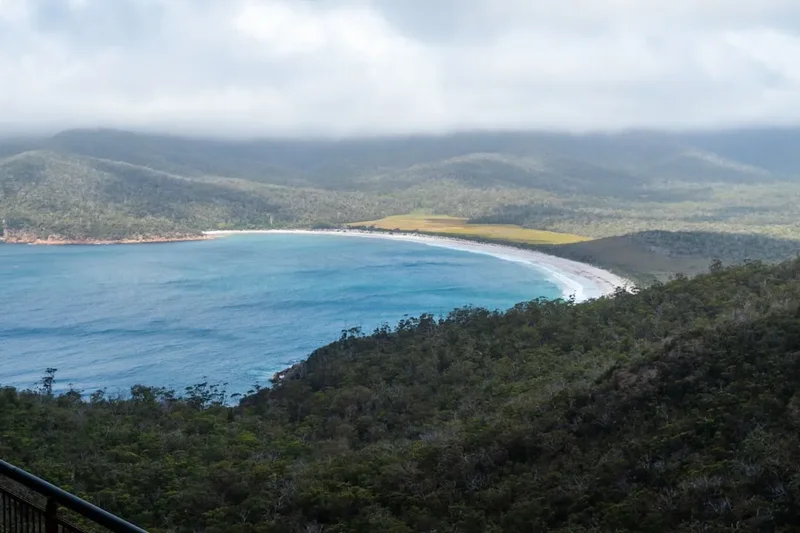
This circuit walk is a highlight of any visit to Freycinet National Park, offering a comprehensive taste of the peninsula's diverse landscapes. Starting from the main visitor car park near the Freycinet Lodge, the trail initially ascends towards the Wineglass Bay lookout, providing breathtaking panoramic views of the crescent-shaped beach and the surrounding Freycinet Range. The descent to the beach itself is steep but rewarding, allowing walkers to feel the soft sand underfoot and admire the bay from sea level.
From Wineglass Bay, the track continues south, eventually linking up with the Hazards Beach track. This section traverses coastal heathland and offers glimpses of the ocean before reaching the longer, more exposed Hazards Beach. This beach is known for its striking pink granite boulders and the dramatic backdrop of the Hazards mountain range. The return leg of the circuit follows the western side of the peninsula, offering a different perspective and often a more sheltered walk, before completing the loop back to the starting point.
The moderate difficulty rating is primarily due to the steep ascent and descent to Wineglass Bay and the undulating terrain throughout the circuit. However, the well-maintained paths, clear signage, and the sheer beauty of the surroundings make it an accessible and highly recommended experience for those visiting Tasmania's east coast.
History and Cultural Context
The Freycinet Peninsula, and the land on which this circuit walk is situated, holds deep cultural significance for the Paredarerme people, an Aboriginal group of Tasmania's east coast. For thousands of years, this area was a vital source of food and resources, with evidence of Aboriginal occupation dating back over 4,000 years. Shell middens found along the coast attest to the long-standing relationship between the Paredarerme people and the marine bounty of this region. The dramatic granite peaks of the Hazards are believed to have spiritual importance, and the entire peninsula is a landscape rich with ancestral stories and traditions.
European exploration of the area began in the early 19th century. The peninsula was named after French navigator Louis de Freycinet, who visited the region in 1802. However, it was later charted more extensively by James Kelly in 1819, who named Wineglass Bay and the Hazards after the distinctive shape of the bay and the prominent pink granite peaks.
In the early 20th century, the area began to gain recognition for its natural beauty, leading to its proclamation as a National Park in 1916. This designation aimed to protect the unique flora, fauna, and geological features of the peninsula. Over time, walking tracks were developed to allow visitors to explore the park's stunning coastline and mountains, with the Wineglass Bay and Hazards Beach Circuit becoming one of the most popular routes, offering a accessible yet immersive experience of this iconic Tasmanian landscape.
Seasonal Highlights and Weather Reality
The Wineglass Bay and Hazards Beach Circuit can be enjoyed year-round, but certain seasons offer distinct advantages and challenges.
Autumn (March–May): This is often considered the ideal time to visit. The weather is typically mild and stable, with lower humidity and fewer biting insects than in summer. The colours of the surrounding vegetation can be beautiful, and the park is less crowded than during peak summer holidays. Temperatures generally range from 10°C to 20°C.
Spring (September–November): Spring brings blooming wildflowers and a resurgence of wildlife activity. The weather is generally pleasant, though can be more unpredictable than autumn, with occasional rain showers. Temperatures are similar to autumn, ranging from 10°C to 20°C. The park starts to become busier as the weather warms.
Summer (December–February): This is the busiest period, with warm to hot temperatures (often 20°C to 30°C, sometimes higher). The beaches are perfect for swimming, and the long daylight hours are ideal for hiking. However, it can be very hot, increasing the risk of dehydration and heatstroke. Sandflies can also be prevalent, especially near the coast and in sheltered areas. Bookings for accommodation and park entry (if applicable) are essential.
Winter (June–August): Winter offers a quieter experience with dramatic coastal scenery. The weather can be cold (5°C to 15°C), wet, and windy, with occasional frost. While less ideal for swimming, the crisp air and dramatic skies can be very appealing for photographers and those seeking solitude. The trails are generally well-maintained, but waterproof gear is essential.
Weather Considerations: Freycinet National Park is exposed to coastal weather systems. Conditions can change rapidly, with strong winds and rain possible at any time of year. Always check the forecast before you set out and be prepared for a range of conditions.
Recommended Itinerary
Wineglass Bay and Hazards Beach Circuit - Day Walk
Early Morning: Arrival and Ascent to Wineglass Bay Lookout
- Arrive at the Freycinet National Park visitor car park near Freycinet Lodge.
- Begin the walk by following the well-marked track towards Wineglass Bay.
- The initial section involves a steady, sometimes steep, climb through coastal bushland.
- Reach the Wineglass Bay Lookout (approx. 1.4 km from start).
- Spend time admiring the iconic panoramic view of Wineglass Bay, the Hazards, and the surrounding coastline.
Morning: Descent to Wineglass Bay and Coastal Traverse
- Continue the descent from the lookout down to the shores of Wineglass Bay.
- This section is steep with many stairs and can be slippery when wet.
- Enjoy the pristine white sand and turquoise waters of Wineglass Bay.
- Walk along the beach (approx. 1 km).
- Follow the track that leads away from the southern end of Wineglass Bay, heading towards Hazards Beach.
- This section traverses coastal heath and offers intermittent views of the ocean.
Midday: Hazards Beach and Return Leg
- Arrive at Hazards Beach, a long, exposed stretch of sand backed by the pink granite peaks of the Hazards.
- Walk along Hazards Beach (approx. 3 km).
- At the northern end of Hazards Beach, join the Hazards Beach Track.
- This track follows the western side of the peninsula, often through coastal scrub and woodland.
- The terrain is undulating, with some short, sharp climbs and descents.
Afternoon: Completion of the Circuit
- Continue on the Hazards Beach Track as it winds its way back towards the starting car park.
- The track may offer glimpses of Great Oyster Bay and the mainland.
- The final section of the walk leads back to the main visitor car park.
- Total walking time: 3–5 hours, depending on pace and time spent at lookouts and beaches.
Important Notes:
- Wear sturdy walking shoes with good grip.
- Carry plenty of water (at least 1.5–2 litres per person).
- Sun protection (hat, sunscreen, sunglasses) is essential, especially during warmer months.
- Be prepared for changing weather conditions; pack a waterproof jacket.
- Sandflies can be present, particularly in sheltered areas and during warmer months; bring insect repellent.
- The descent to Wineglass Bay is steep; take your time and use handrails where provided.
- Respect the natural environment and stay on marked trails.
Planning and Bookings
Book Your Trip
Everything you need to plan your journey
Accommodation
Find places to stay near Swansea
Flights
Search flights to Swansea
Essential Preparation
The Wineglass Bay and Hazards Beach Circuit is a popular day walk, and while no specific bookings are required for the track itself, it's wise to plan your visit, especially during peak seasons. Freycinet National Park has an entry fee, which can be paid at the park entrance station or online in advance. It is advisable to check the Tasmania Parks and Wildlife Service website for any current alerts, track conditions, or potential closures before your visit.
The closest town with comprehensive services is Swansea, located approximately 45 minutes' drive from the park entrance. Swansea offers accommodation, supermarkets, fuel stations, and a visitor information centre. Coles Bay, located just outside the park, provides limited accommodation and dining options. For those travelling from further afield, Hobart is the nearest major city and airport, approximately a 2.5-hour drive away.
Ensure you have adequate supplies of water and food, as there are no facilities within the park itself. The walk is moderately challenging, so a reasonable level of fitness is recommended. Allow ample time to complete the circuit and enjoy the stunning scenery without rushing.
Trail Accommodation
This is a day hike requiring no overnight accommodation. All walking is completed within a single day, returning to your accommodation in Swansea, Coles Bay, or elsewhere in the region.
Required Gear
- Sturdy walking shoes: With good ankle support and non-slip soles. Trails can be steep and uneven, especially the descent to Wineglass Bay.
- Backpack: A comfortable day pack (20–30 litres) to carry essentials.
- Waterproof jacket: Essential for protection against sudden rain showers and wind.
- Sun protection: Wide-brimmed hat, sunglasses, and high SPF sunscreen.
- Navigation: While the track is well-marked, a map of Freycinet National Park and a compass or GPS device are advisable for safety.
- First-aid kit: Including blister treatment, pain relievers, antiseptic wipes, and any personal medications.
- Insect repellent: Particularly for sandflies, which can be prevalent during warmer months.
What to Bring
- Water: At least 1.5–2 litres per person. There are no water sources along the track.
- Food: Plenty of snacks and a packed lunch. Energy bars, fruit, and sandwiches are good options.
- Toiletries: Hand sanitiser, tissues.
- Camera: To capture the spectacular scenery.
- Binoculars: For wildlife spotting.
- Towel: If you plan to swim at Wineglass Bay.
- Cash: For park entry fees if not paid online, and for any purchases in nearby towns.
Permits
No specific permits are required to walk the Wineglass Bay and Hazards Beach Circuit. However, Freycinet National Park has an entry fee per vehicle. This fee contributes to the maintenance and conservation of the park's natural and cultural heritage.
Park Entry Fees:
- Fees are typically paid per vehicle per day.
- Current fees can be found on the Tasmania Parks and Wildlife Service website.
- Payment can usually be made at the park entrance station (cash or card) or pre-purchased online.
Booking Accommodation: If you plan to stay overnight in or near the park (e.g., at Freycinet Lodge or campgrounds), advance bookings are highly recommended, especially during peak season (summer holidays, Easter, long weekends). These bookings are separate from park entry and track access.
Alerts and Conditions: It is always advisable to check the Tasmania Parks and Wildlife Service website for any current alerts, track closures, or fire bans before your visit. Conditions can change due to weather or park management activities.
Other Activities in the Area
Freycinet National Park and its surrounds offer a wealth of activities beyond the Wineglass Bay and Hazards Beach Circuit:
- Honeymoon Bay: A smaller, sheltered bay near the start of the Wineglass Bay track, perfect for a quiet picnic or a dip in calm waters.
- Cape Tourville Lighthouse: A short drive from the main park area, offering spectacular 360-degree views of the coastline, including the Hazards and the Tasman Sea. It's a great spot for whale watching during migration seasons (May–October).
- Sleepy Bay: Located near Cape Tourville, this secluded bay is known for its unique black, volcanic rocks and the sound of waves crashing against them.
- Kayaking and Paddleboarding: Explore the calm waters of Great Oyster Bay or the sheltered bays within the park. Rentals are often available in Coles Bay.
- Fishing: Anglers can try their luck in Great Oyster Bay, known for its diverse marine life.
- Wildlife Spotting: Keep an eye out for wallabies, echidnas, various bird species (including black cockatoos and wedge-tailed eagles), and marine life such as seals and dolphins.
- Scenic Drives: The drive into Freycinet National Park and along the peninsula offers stunning coastal vistas.
- Coles Bay: Visit the small town for local crafts, cafes, and boat tours.
Safety and Conditions
Weather: Freycinet National Park is exposed to coastal weather. Conditions can change rapidly, with strong winds, rain, and temperature fluctuations possible at any time of year. Always check the Bureau of Meteorology forecast for the Freycinet Peninsula before you depart and be prepared for a range of conditions. Pack layers and waterproof gear.
Hydration: Carry sufficient water. There are no water sources along the circuit, and dehydration can occur quickly, especially on warm days or during strenuous sections. Aim for at least 1.5–2 litres per person.
Sun Protection: The sun can be intense, even on cloudy days. Use high SPF sunscreen, wear a wide-brimmed hat, and sunglasses. The reflection off the water and sand can increase sun exposure.
Footwear: Sturdy walking shoes or hiking boots with good grip are essential. The track to Wineglass Bay involves steep ascents and descents with many stairs, which can be slippery when wet. Loose rocks and uneven terrain are also present.
Sandflies: Sandflies are common in coastal areas, particularly during warmer months and in sheltered, damp conditions. They can be a nuisance. Use effective insect repellent containing DEET or picaridin, and consider wearing long sleeves and trousers when stationary.
Track Conditions: The circuit is generally well-maintained. However, sections can become muddy or slippery after rain. Be mindful of your footing, especially on descents and ascents.
Wildlife: While generally shy, be aware of native wildlife. Do not feed animals, as this can harm their health and alter their natural behaviour. Keep a safe distance from all wildlife.
Emergency: Mobile phone reception can be patchy within the park. In case of emergency, note the location of emergency call points or contact park rangers if possible. It is advisable to inform someone of your hiking plans and expected return time.
Side Trips and Points of Interest
Wineglass Bay Lookout: This is the primary viewpoint for the iconic Wineglass Bay. The short, steep climb offers a spectacular reward with panoramic views of the pristine crescent beach, the turquoise waters, and the dramatic granite peaks of the Hazards. It's an essential stop for photography and to appreciate the scale of the landscape.
Wineglass Bay Beach: Descending to the beach itself allows you to experience the soft, white sand and the clarity of the water. It's a beautiful spot for a swim (be aware of currents and conditions) or a relaxing break. The walk along the beach provides a different perspective of the bay.
Hazards Beach: This longer, more exposed beach offers a different character to Wineglass Bay. Its striking pink granite boulders and the imposing backdrop of the Hazards mountains create a dramatic scene. It's a great place to observe coastal birdlife and enjoy the rugged beauty of the peninsula.
The Hazards: While not a hike in itself for this circuit, the prominent pink granite peaks of The Hazards are a defining feature of the Freycinet Peninsula. Their unique geological formation and striking colour make them a constant visual landmark throughout the walk.
Coastal Heathland: The vegetation between Wineglass Bay and Hazards Beach, and along the return leg, consists of hardy coastal heath. This ecosystem supports a variety of native plants, which can be particularly beautiful when in bloom during spring.
Leave No Trace
The Wineglass Bay and Hazards Beach Circuit traverses a sensitive natural environment within Freycinet National Park. Adhering to Leave No Trace principles is crucial to preserve its beauty and ecological integrity for future visitors and the native flora and fauna.
- Plan Ahead and Prepare: Check weather forecasts, park alerts, and pack appropriate gear and supplies. Know the regulations for the park.
- Travel and Camp on Durable Surfaces: Stick to the marked trails. Avoid walking on vegetation, especially the delicate coastal heath, which can take years to recover from damage. Stay on the sand when walking on beaches.
- Dispose of Waste Properly: Pack out everything you pack in. This includes all food scraps, wrappers, and any other litter. Use the provided toilet facilities where available, or if caught short, bury human waste at least 100 metres from water sources, tracks, and campsites, and pack out toilet paper.
- Leave What You Find: Do not remove any natural items such as rocks, shells, or plants. Take only photographs and memories.
- Minimise Campfire Impacts: Campfires are generally not permitted in Freycinet National Park. If they are allowed in designated areas (check current regulations), use existing fire rings and ensure fires are completely extinguished.
- Respect Wildlife: Observe wildlife from a distance. Never feed animals, as this can disrupt their natural behaviours and diets. Store food securely to prevent attracting pests.
- Be Considerate of Other Visitors: Keep noise levels down, yield to other walkers on narrow sections of the track, and be mindful of others enjoying the natural environment.
By following these principles, you help ensure that Freycinet National Park remains a pristine and enjoyable destination for everyone.
 Australia