
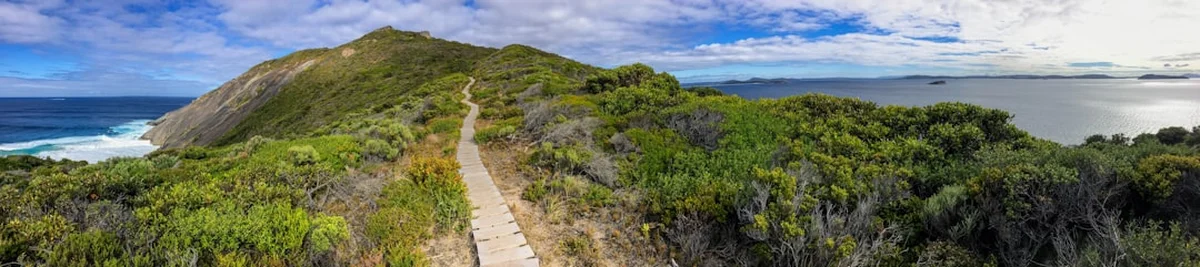
Wild Dog Creek Track - A Temperate Rainforest Escape
The Wild Dog Creek Track is one of Victoria's hidden gems, offering a profound immersion into the towering mountain ash forests and lush fern gullies of the Yarra Ranges. Located just over an hour's drive from the bustling metropolitan centre of Melbourne, this 10-kilometre circuit provides a challenging yet accessible escape for hikers seeking to experience the raw beauty of Australia's Great Dividing Range. The trail winds through ancient landscapes where the world's tallest flowering plants—the Eucalyptus regnans—reach toward the heavens, creating a canopy that filters the sunlight into a soft, emerald glow. This is a journey through a landscape defined by its resilience, from the deep, damp gullies that harbour prehistoric tree ferns to the rugged ridgelines that offer glimpses of the surrounding blue-tinged mountains. Whether you are a local Melburnian looking for a weekend refresh or a visitor wanting to experience the unique ecology of the Victorian bush, the Wild Dog Creek Track delivers a sensory experience that is both humbling and revitalising.
- Distance: 10.0 km loop
- Duration: 3–4 hours
- Season: Autumn and Spring (March–May & September–November)
- Difficulty: Moderate (steep sections and potentially slippery terrain)
- Highest point: Approximately 650 m
- Closest City: Melbourne (approx. 65 km)
- Trailhead: Maroondah Highway access point
Overview
The Wild Dog Creek Track is a masterclass in the diverse ecosystems of the Victorian highlands. The route is characterised by its dramatic transitions between damp, shaded gullies and drier, open eucalypt forest. As you depart the trailhead, the air immediately cools, scented with the distinctive, medicinal aroma of eucalyptus and the damp, earthy smell of decomposing leaf litter. The first few kilometres are a steady climb, testing the lungs as the trail ascends through stands of Mountain Ash. These trees are the giants of the Australian bush, often exceeding 80 metres in height, their smooth, grey trunks rising like the pillars of a natural cathedral. Beneath them, a dense understory of Silver Wattles and Hazel Pomaderris creates a layered habitat teeming with birdlife.
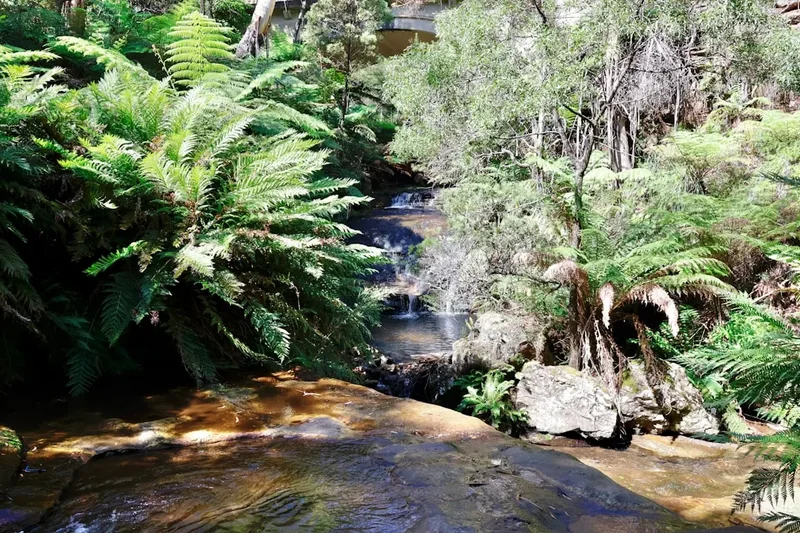
As the track reaches its mid-point, it follows the contours of the hills, providing occasional windows through the dense foliage toward the rolling peaks of the Yarra Valley. The descent into the Wild Dog Creek gully itself is the highlight of the walk. Here, the environment shifts into a temperate rainforest. The temperature drops noticeably, and the sound of running water begins to dominate the soundscape. Soft Tree Ferns (Dicksonia antarctica) and Rough Tree Ferns (Cyathea australis) dominate the landscape, their massive fronds creating a prehistoric atmosphere. The creek itself, often a clear, bubbling stream, provides a focal point for the lower sections of the track. The trail crosses the water via well-maintained bridges or stepping stones, depending on recent rainfall levels, before beginning the final loop back toward the starting point.
This trail is not merely a physical challenge; it is an ecological education. The region is a critical catchment area for Melbourne's water supply, and the pristine nature of the forest reflects its protected status. Hikers are likely to encounter a variety of native fauna, from the elusive Superb Lyrebird, known for its incredible mimicry of forest sounds, to the Black Wallaby darting through the undergrowth. The moderate difficulty rating stems from the elevation gain and the nature of the track surface, which can become muddy and slick after the frequent rains that characterise the region. However, for those with a reasonable level of fitness and sturdy footwear, the rewards are immense—a genuine sense of wilderness within striking distance of Australia's second-largest city.
History and Cultural Context
The land encompassing the Wild Dog Creek Track is the traditional country of the Wurundjeri Woi-wurrung people of the Kulin Nation. For tens of thousands of years, these traditional owners managed the forests of the Yarra Ranges, using fire and traditional knowledge to maintain a complex and balanced ecosystem. The mountains provided a rich source of food, medicine, and materials. The "Wild Dog" of the creek's name likely refers to the Dingo, a significant animal in Indigenous culture and a predator that once roamed these hills in great numbers. To the Wurundjeri, the mountains are not just a physical landscape but a spiritual one, deeply connected to the Dreaming and the ancestral spirits who shaped the land.
Following European settlement in the mid-19th century, the region underwent a dramatic transformation. The discovery of the massive Mountain Ash trees led to a booming timber industry. Sawmills were established throughout the Yarra Ranges, and narrow-gauge tramways were carved into the steep hillsides to transport the colossal logs down to the valleys. Many of the walking tracks used today, including sections of the Wild Dog Creek area, follow the old alignments of these timber tramways or the paths cut by early foresters. The history of the area is one of extraction followed by a slow, deliberate shift toward conservation. By the early 20th century, the importance of the region as a water catchment for the growing city of Melbourne was recognised, leading to the closure of many areas to the public and the cessation of large-scale logging in key zones.
The 1939 "Black Friday" bushfires and the more recent 2009 "Black Saturday" fires have also left an indelible mark on the history of the track. These catastrophic events reshaped the forest, and the varying ages of the trees you see today are a testament to the forest's cycle of destruction and rebirth. Today, the Wild Dog Creek Track is managed as part of the state's park system, balancing the needs of recreational users with the absolute necessity of protecting the water quality and biodiversity of the Yarra Ranges. Walking this track is a journey through these layers of history—from Indigenous heritage to colonial industry and modern environmental stewardship.
Want more background? Read extended notes on history and cultural context → Learn more
Seasonal Highlights and Weather Reality
The Wild Dog Creek Track is a year-round destination, but the experience changes dramatically with the seasons. Understanding the Victorian climate is essential for a safe and enjoyable hike, as the weather in the Yarra Ranges can be notoriously unpredictable, often described as "four seasons in one day."
Spring (September–November): This is arguably the best time to visit. The forest is at its most vibrant, with new growth appearing on the ferns and the wattles bursting into golden bloom. The birdlife is particularly active during the breeding season, and the Superb Lyrebird is frequently heard performing its complex vocal displays. Rainfall is common, ensuring the creek is flowing strongly and the mosses are a brilliant, saturated green. Temperatures are mild, typically ranging from 10°C to 20°C, making for comfortable climbing.
Autumn (March–May): Another peak season for the track. The air is crisp and clear, and the summer heat has dissipated. While the Australian bush is largely evergreen, the soft light of autumn highlights the textures of the bark and the deep shadows of the gullies. Fungi enthusiasts will find this the best time to spot a dizzying array of colourful mushrooms emerging from the damp forest floor. The weather is generally more stable than in spring, though the days are shorter.
Winter (June–August): Winter brings a moody, atmospheric quality to the Wild Dog Creek Track. Mist often clings to the mountain tops and drifts through the tall trees, creating a scene reminiscent of a gothic novel. It is the wettest and coldest time of year, with temperatures often dropping below 5°C. The track can become very muddy and slippery, requiring careful footwork and waterproof gear. However, the waterfalls and the creek are at their most spectacular during this period.
Summer (December–February): Summer can be challenging. While the deep gullies remain significantly cooler than the surrounding plains, the ridgelines can become hot and dry. Temperatures can soar above 35°C. The most critical factor in summer is bushfire risk. The Yarra Ranges are one of the most fire-prone areas in the world. On days of Total Fire Ban or Extreme Fire Danger, the track may be closed, and it is highly recommended to avoid the forest entirely. Always check the Bureau of Meteorology and the Country Fire Authority (CFA) websites before heading out in summer.
Recommended Itinerary
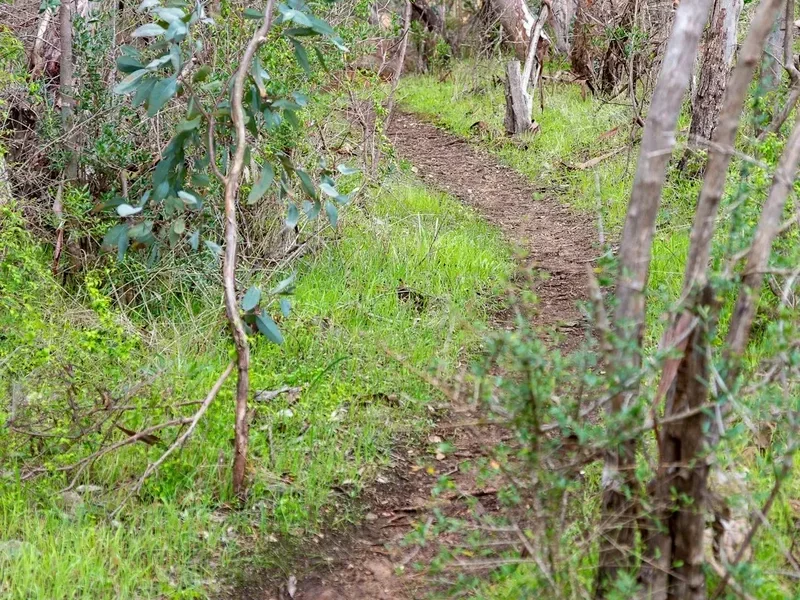
Wild Dog Creek Track Day Walk Itinerary
Early Morning: Arrival and The Ascent
- 08:30 – 09:00: Arrive at the trailhead parking area off Maroondah Highway. Ensure all gear is checked and water bottles are full.
- 09:00 – 10:00: Begin the walk with the steady climb through the Mountain Ash forest. This section covers the first 2.5 kilometres and involves the bulk of the elevation gain.
- Key Waypoint: The "Giant's Gate" – a pair of massive fallen logs that the trail passes between, marking the transition into the deeper forest.
- Focus on steady breathing and enjoying the vertical scale of the timber.
Mid-Morning: The Ridgeline and Flora Transition
- 10:00 – 11:00: The trail levels out somewhat as it follows a high ridgeline. The vegetation shifts to a drier sclerophyll forest with more undergrowth of banksias and tea-trees.
- Key Waypoint: The Valley Lookout. A small clearing approximately 4.5 kilometres in that offers views across the Yarra Ranges toward Mount Donna Buang.
- This is an excellent spot for a quick snack and to listen for the mimicry of the Lyrebirds in the valleys below.
Midday: The Creek Descent and Rainforest Immersion
- 11:00 – 12:00: The track begins its descent into the Wild Dog Creek gully. This is the most technical part of the walk, as the path can be narrow and damp.
- Key Waypoint: The Fern Cathedral. A section of the track roughly 7 kilometres in where the tree ferns form a complete canopy over the trail.
- Arrive at the Wild Dog Creek crossing. This is the lowest point of the gully and the perfect place for a longer rest. The sound of the water and the cool microclimate provide a natural sanctuary.
Afternoon: The Return Loop and Conclusion
- 12:00 – 13:00: The final 3 kilometres follow the creek for a short distance before climbing gently back toward the ridgeline to complete the loop.
- Key Waypoint: The Old Sawmill Site. Look for the rusted remains of machinery and the cleared flat area that hints at the region's industrial past.
- 13:00: Return to the trailhead. Take time to stretch and check for leeches (common in the damp gullies) before the drive back.
Important Notes:
- The track is a loop, but it is generally recommended to walk it in a clockwise direction to tackle the steepest climb early in the day.
- Mobile reception is intermittent; download offline maps before arrival.
- There are no toilet facilities on the track itself; the nearest public toilets are in Healesville or at nearby picnic grounds.
- Always tell someone your intended return time, as the deep gullies can make navigation difficult if you stray from the path.
Planning and Bookings
Book Your Trip
Everything you need to plan your journey
Accommodation
Find places to stay near Melbourne
Flights
Search flights to Melbourne
Essential Preparation
The Wild Dog Creek Track requires a moderate level of physical fitness. While it is only 10 kilometres, the 400-metre elevation gain and the potentially uneven terrain mean you should be comfortable walking for several hours on inclines. There is no formal booking system or fee required to hike the track, making it an excellent spontaneous option, but this also means parking can be limited. Arriving before 9:00 AM on weekends is highly recommended to secure a spot at the trailhead.
The nearest major town is Healesville, located approximately 15 minutes away. Healesville is the ideal base for your trip, offering a wide range of accommodation from luxury cottages to caravan parks. It also features excellent supermarkets, bakeries, and outdoor supply stores if you need to pick up last-minute items like gaiters or insect repellent. If travelling from Melbourne, the drive takes about 65–75 minutes via the Maroondah Highway. Public transport is limited; while you can take a train to Lilydale and a bus to Healesville, reaching the trailhead itself requires a private vehicle or a local taxi/rideshare service.
Trail Accommodation
This is a day hike requiring no overnight accommodation on the trail itself. Camping is strictly prohibited within the immediate vicinity of the Wild Dog Creek Track to protect the water catchment and the fragile rainforest ecosystem. For those wishing to stay overnight in the region, there are several options nearby:
- Healesville: A variety of hotels, motels, and Airbnbs.
- Badger Weir Picnic Area (Nearby): While no camping is allowed here, it is a great spot for a post-hike BBQ.
- Upper Yarra Reservoir Park: Located further east, this park offers established campsites with basic facilities (toilets, fire pits) for those wanting a multi-day experience in the region. Bookings for these sites are managed through Parks Victoria.
- Commercial Caravan Parks: Several are located on the outskirts of Healesville, providing powered sites and cabin options.
Required Gear
- Hiking Boots: Sturdy, waterproof boots with good ankle support are essential. The track can be muddy, and the descent into the gully involves slippery roots and rocks.
- Waterproof Jacket: Even on a clear day, the weather in the ranges can change. A lightweight, breathable rain shell is a must.
- Layered Clothing: Use a moisture-wicking base layer (merino or synthetic), an insulating mid-layer (fleece), and your outer shell. The temperature difference between the ridgeline and the creek gully can be significant.
- Navigation: A physical map and compass, or a reliable GPS app with offline maps (such as AllTrails or Gaia GPS). Do not rely on live cellular data.
- First Aid Kit: Include snake bite bandages (compression bandages), antiseptic wipes, bandaids, and any personal medications.
- Backpack: A 20–30L daypack with a comfortable hip belt to carry your gear and supplies.
What to Bring
- Water: At least 2–3 litres per person. Do not drink the water from Wild Dog Creek without high-grade filtration or boiling, as it may contain pathogens from upstream wildlife.
- Food: High-energy snacks (trail mix, fruit, energy bars) and a substantial lunch. There are no food outlets near the trailhead.
- Sun Protection: Even under the canopy, UV levels in Australia are high. Bring SPF 50+ sunscreen, a hat, and sunglasses.
- Insect Repellent: Essential for warding off mosquitoes and, more importantly, leeches in the damp sections of the track.
- Personal Items: Tissues, hand sanitiser, and a small bag for your rubbish (everything must be packed out).
- Emergency Whistle and Torch: Even for a day hike, these are basic safety items if you are delayed past sunset.
Permits
Currently, no permits are required to hike the Wild Dog Creek Track. Access is free for all visitors. However, it is important to note that the track is located within a sensitive environmental zone. While no fee is charged, hikers must adhere to all Parks Victoria regulations, which are in place to ensure the long-term sustainability of the area.
Key Regulations:
- No Dogs: Despite the name "Wild Dog Creek," domestic dogs are strictly prohibited on the track to protect native wildlife and water quality.
- No Drones: The use of recreational drones is generally restricted in Victorian National and State Parks without a specific permit to avoid disturbing wildlife and other visitors.
- Group Size: While there is no hard limit, large organised groups (over 15 people) should contact Parks Victoria in advance to ensure their activity doesn't conflict with maintenance or other events.
- Vehicle Access: Ensure your vehicle is parked within designated areas at the trailhead. Parking on the shoulder of the Maroondah Highway is dangerous and may result in fines.
Always check the Parks Victoria website for "Change of Conditions" or "Track Closures" before you leave Melbourne. Planned burns, storm damage repairs, or high fire danger can result in temporary closures of the Wild Dog Creek area.
Other Activities in the Area
The Yarra Ranges region is a premier tourism destination. Consider pairing your hike with these local attractions:
- Healesville Sanctuary: One of Australia's most acclaimed zoological parks, focusing on native species. It is an excellent place to see the animals you might have missed on the trail, including platypus, koalas, and Tasmanian devils.
- Yarra Valley Wineries: The region is world-famous for its cool-climate wines, particularly Chardonnay and Pinot Noir. Many cellar doors offer tastings and world-class dining just a short drive from the trailhead.
- Maroondah Reservoir Park: Located nearby, this park features historic gardens, impressive dam architecture, and easier walking paths suitable for families.
- TarraWarra Museum of Art: For a cultural shift, visit this stunning gallery which features modern Australian art in a spectacular architectural setting overlooking the vineyards.
- Black Spur Drive: If you are continuing east, the drive along the Maroondah Highway between Healesville and Narbethong is one of the most scenic in Australia, winding through giant mountain ash forests.
Safety and Conditions
Weather and Environmental Hazards:
- Bushfire Risk: This is the most significant safety concern in the Victorian bush. During the summer months, check the Fire Danger Rating daily. If the rating is "Extreme" or "Catastrophic," do not enter the forest. On "Total Fire Ban" days, no fires of any kind (including gas stoves) are permitted.
- Rapid Weather Changes: The mountains create their own microclimates. A sunny day in Melbourne can be a freezing, rainy day in the Yarra Ranges. Always carry a waterproof layer and a warm fleece, regardless of the forecast.
- Slippery Terrain: The combination of steep gradients and damp leaf litter makes for slippery conditions. Take particular care on the descent into Wild Dog Creek. Trekking poles can be very helpful for stability.
Wildlife Safety:
- Snakes: During the warmer months (October–March), Tiger Snakes and Lowland Copperheads may be present. They are venomous but generally shy. Stay on the track, wear long trousers or gaiters, and watch where you step. If you encounter a snake, stop, remain calm, and allow it to move away. Never attempt to handle or kill a snake.
- Leeches: In the damp fern gullies, leeches are common, especially after rain. While they are not dangerous, they can be unpleasant. Wear long socks, tuck your trousers into your socks, and apply insect repellent to your shoes and ankles.
- Falling Limbs: Eucalyptus trees, particularly the giant Mountain Ash, are known for dropping large limbs without warning, especially during or after high winds. Avoid hiking during gale-force wind warnings.
Emergency Procedures:
- Communication: Do not rely on mobile phones. Carry a whistle and, if hiking alone, consider a Personal Locator Beacon (PLB).
- Stay on the Track: The forest is extremely dense. Getting lost in a fern gully can lead to disorientation very quickly. If you lose the trail, stop, retrace your steps to the last known marker, and do not push forward into the scrub.
- First Aid: Ensure you know how to apply a pressure immobilisation bandage for snake bites. This is a critical skill for Australian hikers.
Side Trips and Points of Interest
The Lyrebird Glade: About 3 kilometres into the track, there is a specific section of the forest where the undergrowth thins slightly. This area is a known "display ground" for the Superb Lyrebird. If you remain quiet and still, you may see the male lyrebird clearing a small mound of earth to perform his dance. The sheer variety of sounds they can mimic—from other birds to the sound of a camera shutter—is one of the great wonders of the Australian bush.
The Mossy Bridge: The main crossing of Wild Dog Creek features an older wooden bridge that has been almost entirely reclaimed by vibrant green moss and small delicate ferns. It is a highly photogenic spot that captures the essence of the temperate rainforest. The humidity here is often 20–30% higher than on the ridgeline, creating a lush, dripping environment even in the height of summer.
Mountain Ash Giants: Keep an eye out for the "Old Growth" markers. While much of the forest was logged or burnt in the last century, a few individual trees survived. These specimens are hundreds of years old and have girths exceeding 10 metres. Standing at the base of one of these giants provides a profound sense of the scale of time in this forest.
Fungi Foray: In the autumn months, the section of the track between the ridgeline and the creek becomes a gallery of fungi. Look for the bright red Fly Agaric (introduced but striking), the electric blue Pixie’s Parasol, and various species of bracket fungi growing on fallen logs. Remember: many Australian fungi are highly toxic; look and photograph, but never touch or consume.
Leave No Trace
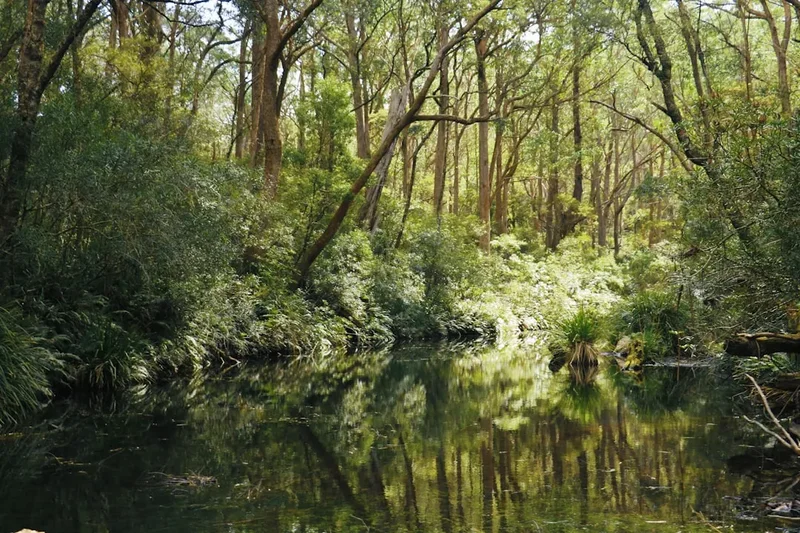
The Wild Dog Creek Track passes through a vital ecosystem and a primary water catchment area. Maintaining its pristine condition is the responsibility of every hiker. By following the Leave No Trace principles, you ensure that this beautiful environment remains healthy for the wildlife that calls it home and for the generations of hikers who will follow you.
Your responsibility as a walker:
- Carry Out All Rubbish: This includes "organic" waste like orange peels and apple cores, which do not belong in this ecosystem and can take a long time to decompose in the cool climate.
- Stay on the Marked Path: Short-cutting switchbacks causes significant erosion and destroys the delicate mosses and ferns that line the trail.
- Respect the Water: Do not use soaps or detergents in Wild Dog Creek. Even "biodegradable" soaps can harm aquatic life and affect water quality downstream.
- Leave What You Find: Do not pick wildflowers, remove rocks, or take home pieces of wood. Leave the forest exactly as you found it.
- Be Considerate of Others: Keep noise levels low. The sound of the forest is part of the experience. Avoid using speakers or shouting.
- No Fire: Fires are strictly prohibited. Use a small gas stove for cooking if necessary, but only in designated areas and never on Total Fire Ban days.
The Victorian bush is a place of great beauty but also great fragility. Walk with care, tread lightly, and take nothing but photographs.
 Australia