
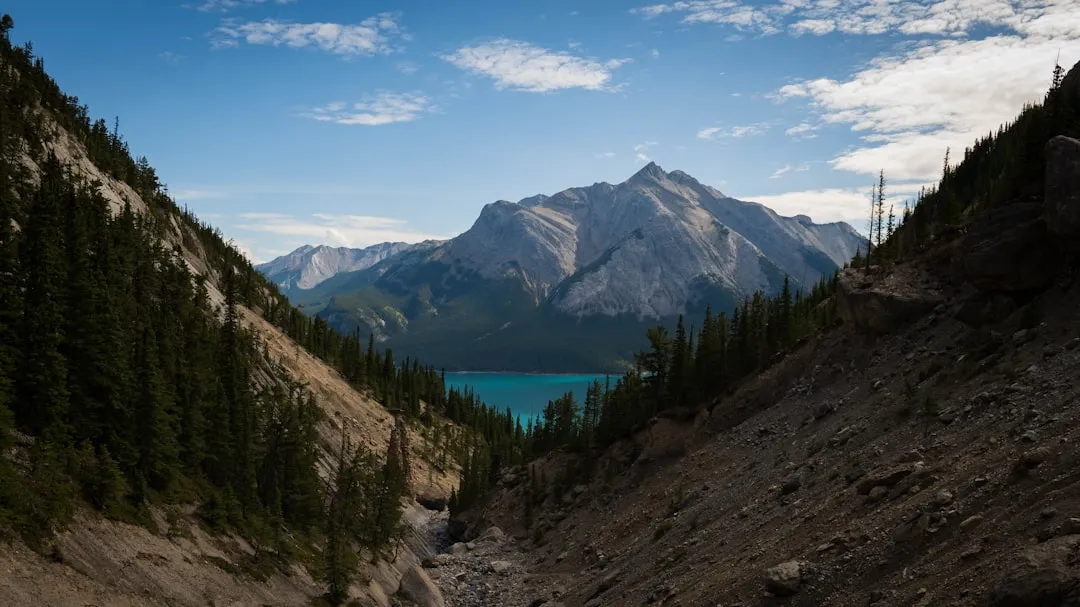
Wilcox Pass Trail - A Jasper Alpine Gem
The Wilcox Pass Trail is a spectacular day hike located in Jasper National Park, Alberta, Canada. This trail offers a relatively accessible yet profoundly rewarding alpine experience, showcasing the raw beauty of the Canadian Rockies. It winds its way through subalpine forests before emerging onto an expansive alpine meadow, providing breathtaking panoramic views of surrounding glaciers, jagged peaks, and the vast Icefields Parkway below. The trail is renowned for its accessibility, stunning scenery, and the chance to encounter wildlife such as bighorn sheep and mountain goats. It's a perfect introduction to Jasper's high-country wonders, offering a significant elevation gain and a true sense of mountain wilderness without the commitment of an overnight trek.
- Distance: 9.0 km one-way
- Elevation Gain: 400 m
- Duration: 2-3 hours (one-way)
- Season: May to October
- Difficulty: Moderate
- Closest City: Jasper
- Trailhead Access: Icefields Parkway (Hwy 93), approximately 40 km south of Jasper. Well-signed on the right.
- Permits: No specific permits required for day hiking in Jasper National Park; a Parks Canada Discovery Pass is required for entry into the park.
Overview
The Wilcox Pass Trail is a classic Jasper National Park day hike that delivers an exceptional alpine experience for a moderate effort. The journey begins with a steady ascent through dense subalpine fir and spruce forests, offering glimpses of the dramatic landscape to come. As the trail gains elevation, the trees begin to thin, giving way to the open expanse of the alpine tundra. This transition is marked by a dramatic change in scenery, with the trail opening up to vast meadows carpeted with wildflowers in the summer months and offering unobstructed, sweeping vistas.
The highlight of the hike is undoubtedly the approach to Wilcox Pass itself, a broad saddle that provides unparalleled views of the Athabasca Glacier and the Columbia Icefield. The sheer scale of the icefield, a vast expanse of ancient ice, is awe-inspiring. From the pass, you can observe the powerful forces of nature that have shaped this landscape over millennia. The trail is also a prime location for wildlife viewing; bighorn sheep and mountain goats are frequently spotted grazing on the alpine slopes, often unfazed by hikers. The return journey offers a different perspective on the same magnificent scenery, making the entire experience a truly memorable one.
The trail is well-maintained and generally easy to follow, making it suitable for most hikers with a reasonable level of fitness. The moderate elevation gain means that while challenging, it is achievable for many, and the rewards—spectacular views and the chance to immerse yourself in a pristine alpine environment—are immense. The proximity to the Icefields Parkway also makes it an easily accessible destination for those travelling between Jasper and Banff.
History and Cultural Context
The area surrounding Wilcox Pass has a rich history, deeply intertwined with the Indigenous peoples of the region and the era of exploration and resource development in the Canadian Rockies. For millennia, the lands now encompassed by Jasper National Park were the traditional territory of Indigenous peoples, including the Cree, Stoney Nakoda, and Métis. These groups utilized the valleys and mountain passes for hunting, gathering, and travel, possessing an intimate knowledge of the land and its resources.
The modern era of exploration in the Canadian Rockies began in the late 19th and early 20th centuries. Surveyors, geologists, and adventurers began to map and document the vast mountain ranges. The construction of the Canadian Pacific Railway and later the Canadian National Railway opened up the region to a wider audience. The Icefields Parkway, which now provides access to the Wilcox Pass Trailhead, was originally conceived as a scenic motor road to connect Jasper and Banff National Parks, a project that began in the 1930s and was largely completed by the 1940s. Its construction facilitated access to previously remote areas, including the Wilcox Pass region.
The trail itself likely developed from early game trails and routes used by prospectors and surveyors. Its designation as a formal hiking trail within Jasper National Park reflects the growing appreciation for the region's natural beauty and its potential for recreation. The name "Wilcox" is believed to honour Walter Wilcox, an American explorer and photographer who extensively documented the Canadian Rockies in the late 19th and early 20th centuries, including expeditions around the Athabasca Glacier and the surrounding peaks. His photographs and writings helped to popularise the grandeur of this wilderness, inspiring future generations of visitors.
Seasonal Highlights and Weather Reality
The Wilcox Pass Trail is a seasonal trail, primarily accessible and enjoyable during the warmer months when snow has receded from the higher elevations. The best time to hike the trail is generally from late May or early June through to October.
Late Spring (Late May - June): As the snow melts, the lower sections of the trail become accessible. Wildflowers begin to bloom, and the landscape starts to awaken from its winter slumber. However, higher elevations may still hold significant snow, and the pass itself might not be fully clear until mid-June. Weather can be unpredictable, with a chance of late snowfalls or cool temperatures.
Summer (July - August): This is peak season for the Wilcox Pass Trail. The alpine meadows are typically in full bloom, creating a vibrant tapestry of colour. The weather is generally warmer and more stable, although afternoon thunderstorms are common in the mountains. Wildlife is often more active during these months, increasing the chances of sightings. The trail is usually clear of snow, making for excellent hiking conditions.
Early Autumn (September - Early October): The autumn colours in the alpine meadows can be spectacular, with grasses and low-lying shrubs turning golden and red. The air is crisp, and the crowds tend to thin out compared to mid-summer. Wildlife, particularly bighorn sheep and mountain goats, can be very active as they prepare for winter. However, early snowfalls are possible, and temperatures can drop significantly, especially at higher elevations. It's essential to be prepared for winter-like conditions even in early autumn.
Weather Considerations: Mountain weather is notoriously fickle. Even during the summer months, conditions can change rapidly. Hikers should always be prepared for rain, wind, and cooler temperatures, regardless of the forecast. Hypothermia is a risk, even on a sunny day, if you become wet and exposed to wind. Always check the weather forecast before you go and be prepared to turn back if conditions deteriorate.
Recommended Itinerary
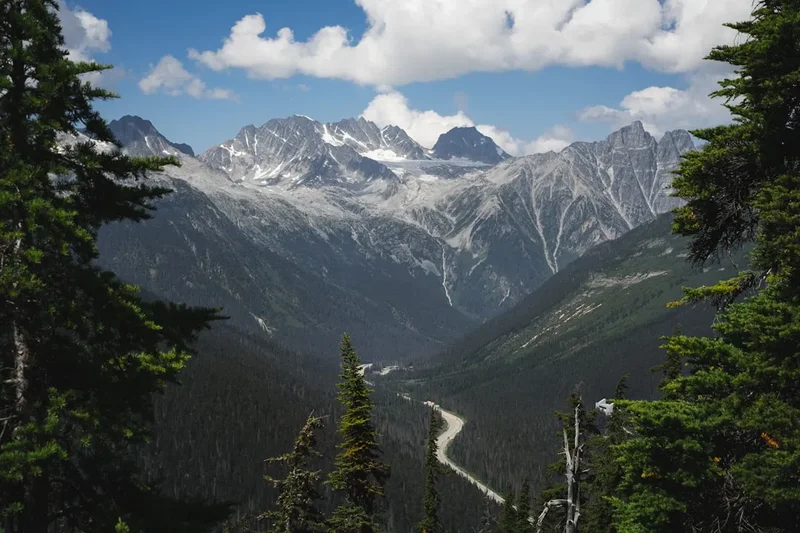
Wilcox Pass Trail - Day Hike Itinerary
Early Morning (Approx. 8:00 AM - 9:00 AM):
- Depart from Jasper townsite.
- Drive south on the Icefields Parkway (Highway 93) for approximately 40 km.
- The trailhead is well-signed on the right side of the highway.
- Park at the designated trailhead parking area.
- Ensure you have your Parks Canada Discovery Pass displayed if required.
Morning (Approx. 9:00 AM - 11:00 AM):
- Begin the hike from the trailhead.
- The initial section of the trail ascends through a dense subalpine forest of fir and spruce.
- The path is well-defined and maintained, with a moderate gradient.
- Enjoy the sounds of the forest and the fresh mountain air.
- Keep an eye out for smaller wildlife such as squirrels and birds.
Midday (Approx. 11:00 AM - 1:00 PM):
- The trail emerges from the treeline into open alpine meadows.
- The landscape transforms dramatically, offering expansive views of the surrounding mountains and glaciers.
- Continue the ascent towards Wilcox Pass.
- This is an excellent section for photography, with panoramic vistas opening up.
- Look for bighorn sheep and mountain goats grazing on the slopes.
- Reach the saddle of Wilcox Pass (elevation approximately 2,300 metres).
- Take time to absorb the breathtaking views of the Athabasca Glacier and the Columbia Icefield.
- Enjoy a packed lunch at the pass, taking in the magnificent scenery.
Afternoon (Approx. 1:00 PM - 3:00 PM):
- Begin the descent back towards the trailhead.
- The descent offers a different perspective on the landscape you've just experienced.
- Continue to be observant for wildlife.
- The forest section on the way down can be cooler and shadier.
Late Afternoon (Approx. 3:00 PM onwards):
- Arrive back at the trailhead parking area.
- Complete the hike and return to Jasper townsite or continue your journey along the Icefields Parkway.
Important Notes:
- This is a day hike; no overnight accommodation is required.
- The trail is best hiked between June and October.
- Be prepared for rapidly changing mountain weather.
- Carry sufficient water and snacks.
- A Parks Canada Discovery Pass is required for entry into Jasper National Park.
- Respect wildlife and maintain a safe distance.
Planning and Bookings
Book Your Trip
Everything you need to plan your journey
Accommodation
Find places to stay near Jasper
Flights
Search flights to Jasper
Essential Preparation
The Wilcox Pass Trail is a popular day hike, and while no advance bookings are required for the trail itself, proper preparation is key to a safe and enjoyable experience. Jasper National Park requires a Parks Canada Discovery Pass for entry, which can be purchased online in advance or at park gates. Ensure your vehicle has this pass displayed. The trailhead is located directly off the Icefields Parkway, a scenic highway that connects Jasper and Banff National Parks. This highway is well-maintained during the hiking season, but it's advisable to check road conditions, especially in the shoulder seasons, as weather can impact accessibility. Jasper townsite is the primary hub for services, including accommodation, dining, and outdoor gear shops. It's recommended to stock up on supplies, including food and water, before heading out to the trailhead, as services are limited along the Parkway.
Trail Accommodation
This is a day hike requiring no overnight accommodation.
Required Gear
- Hiking Boots: Sturdy, broken-in hiking boots with good ankle support are essential for navigating the varied terrain, from forest paths to rocky alpine slopes.
- Waterproof and Windproof Jacket: Mountain weather can change rapidly. A reliable waterproof and windproof jacket is crucial for protection against rain, wind, and sudden temperature drops.
- Layered Clothing: Wear moisture-wicking base layers, an insulating mid-layer (fleece or down jacket), and an outer shell. Avoid cotton, as it retains moisture and can lead to hypothermia.
- Trousers: Comfortable, durable hiking trousers. Waterproof overtrousers are recommended, especially in the shoulder seasons or if rain is forecast.
- Navigation: While the trail is generally well-marked, a map of the area and a compass or GPS device are recommended, especially if you plan to explore off the main path. A downloaded offline map on your smartphone is also useful.
- Sun Protection: Sunglasses, a wide-brimmed hat, and sunscreen with a high SPF are necessary, as the sun's rays are intense at higher altitudes, even on cloudy days.
- Headlamp or Torch: Essential in case your hike takes longer than expected or if you encounter unexpected delays. Carry spare batteries.
- First-Aid Kit: A well-stocked first-aid kit including blister treatment, bandages, antiseptic wipes, pain relievers, and any personal medications.
- Insect Repellent: Especially important during the summer months to ward off mosquitoes and black flies.
What to Bring
- Water: Carry at least 1.5 to 2 litres of water per person. There are no reliable water sources on the trail that can be safely consumed without treatment.
- Food: High-energy snacks such as trail mix, energy bars, fruit, and sandwiches are essential to maintain energy levels throughout the hike.
- Water Treatment: If you plan to refill water from natural sources (not recommended on this trail due to potential contamination), carry a water filter or purification tablets.
- Backpack: A comfortable daypack (20-30 litres) to carry all your gear, food, and water.
- Trekking Poles: Optional but highly recommended, especially for the descent, as they can reduce strain on your knees and improve balance.
- Camera: To capture the stunning scenery.
- Binoculars: For enhanced wildlife viewing.
- Toilet Paper and Trowel: For emergencies, if you need to go to the toilet away from designated facilities (though there are none on this trail, so pack it out).
- Hand Sanitiser: For hygiene.
Permits
For day hiking on the Wilcox Pass Trail, no specific trail permit is required. However, entry into Jasper National Park requires a Parks Canada Discovery Pass. These passes are mandatory for all visitors who wish to enter a national park. They can be purchased:
- Online: In advance through the Parks Canada website. This is the most convenient option and ensures you have your pass before arriving.
- At Park Gates: Upon arrival at the park entrance.
- At Visitor Centres: Within the park.
The cost of a Discovery Pass varies depending on the duration of your stay and the type of pass (daily, monthly, or annual). An annual pass is often the most economical option for those planning multiple visits to national parks within a year.
It is crucial to have your Discovery Pass displayed in your vehicle at all times while within the park boundaries. Failure to do so can result in fines. While no specific booking is needed for the Wilcox Pass Trail itself, it is a popular destination, especially during peak season (July and August). Arriving early in the morning is recommended to secure parking, particularly on weekends and holidays.
Other Activities in the Area
The Icefields Parkway and the surrounding Jasper National Park offer a wealth of activities for visitors:
- Columbia Icefield Discovery Centre: Located near the Wilcox Pass Trailhead, this centre provides information about the Athabasca Glacier and the Columbia Icefield. You can take an Ice Explorer tour onto the glacier or walk the Glacier Skywalk for a unique perspective.
- Athabasca Glacier Hike: Guided tours are available to walk on the Athabasca Glacier, offering an up-close experience with this massive ice formation.
- Parker Ridge Trail: Another excellent day hike nearby, offering stunning views of the Saskatchewan Glacier.
- Sunwapta Falls and Athabasca Falls: These powerful waterfalls are easily accessible from the Icefields Parkway and are must-see attractions.
- Maligne Canyon: A short drive from Jasper townsite, this is the largest canyon in Jasper National Park, with a series of bridges offering dramatic views of the water carving through the limestone.
- Maligne Lake: Home to Spirit Island, a picturesque and iconic Jasper landmark. Boat tours are available.
- Wildlife Viewing: Jasper National Park is renowned for its abundant wildlife. Keep an eye out for elk, deer, bighorn sheep, mountain goats, bears, and wolves along the Icefields Parkway and in the surrounding areas. Always maintain a safe distance and never feed wildlife.
- Jasper SkyTram: Ascend Whistlers Mountain for panoramic views of the surrounding mountain ranges and the Athabasca River valley.
- Kayaking and Canoeing: Enjoy the pristine waters of lakes like Pyramid Lake, Patricia Lake, or Medicine Lake.
Safety and Conditions
Trail Conditions: The Wilcox Pass Trail is generally well-maintained and marked. However, conditions can vary significantly depending on the season and recent weather. In early spring and late autumn, snow and ice can make sections of the trail slippery and hazardous. Always check the latest trail conditions with Parks Canada before you go. The alpine meadows can be exposed, so be prepared for wind and sun.
Weather: Mountain weather is unpredictable. Be prepared for rapid changes, including sudden rain, hail, wind, and even snow, regardless of the season. Hypothermia is a risk, even on a warm day, if you get wet and cold. Always carry appropriate layers, including a waterproof and windproof jacket.
Wildlife: Jasper National Park is home to a variety of wildlife, including bears (black and grizzly), elk, deer, bighorn sheep, and mountain goats. While wildlife sightings are a highlight, it's crucial to maintain a safe distance and never feed animals. Carry bear spray and know how to use it, especially if hiking in areas with higher bear activity. Make noise while hiking to avoid surprising animals.
Navigation: While the main trail to Wilcox Pass is clear, it's always wise to carry a map and compass or a GPS device, especially if you plan to venture off the main path or explore side routes. Ensure your phone is fully charged and consider downloading offline maps.
Water: There are no reliable potable water sources on the Wilcox Pass Trail. Carry all the water you will need for the hike, or be prepared to treat any water you collect from natural sources.
Fitness: The trail involves a moderate elevation gain of 400 metres over 9 km (one-way). Ensure you have a reasonable level of fitness and are prepared for a sustained uphill climb. Take breaks as needed and listen to your body.
Emergency: Cell service can be unreliable in mountainous areas. Consider carrying a satellite communication device (like a personal locator beacon or satellite messenger) for emergencies, especially if hiking alone or in remote areas. Inform someone of your hiking plans, including your intended route and expected return time.
Side Trips and Points of Interest
Wilcox Pass Saddle: The primary destination of the hike, this broad saddle offers unparalleled panoramic views. To the south, the immense Athabasca Glacier and the vast Columbia Icefield dominate the horizon. To the north and west, you can see the rugged peaks of the Canadian Rockies stretching out in all directions. It's an ideal spot for a picnic lunch and to simply soak in the grandeur of the alpine environment.
Wildlife Viewing Opportunities: The alpine meadows around Wilcox Pass are prime habitat for bighorn sheep and mountain goats. These animals are often seen grazing on the slopes, and with patience and a keen eye, hikers have a good chance of spotting them. Remember to maintain a safe distance and avoid disturbing them.
Alpine Wildflowers: During the summer months (July and August), the alpine meadows burst into bloom with a vibrant array of wildflowers. Species such as Indian paintbrush, lupine, glacier lilies, and alpine daisies create a colourful spectacle against the backdrop of the mountains and glaciers.
Views of the Icefields Parkway: As you ascend, the trail provides increasingly impressive views of the Icefields Parkway winding its way through the valley below. This perspective highlights the scale of the landscape and the engineering feat of the highway.
Potential for Extended Exploration: While the main trail ends at the pass, experienced hikers with appropriate navigation skills and gear might consider exploring further into the surrounding alpine terrain. However, this should only be undertaken with proper preparation and awareness of the risks associated with off-trail travel in alpine environments.
Leave No Trace
The Wilcox Pass Trail traverses a fragile alpine environment that is susceptible to human impact. Adhering to Leave No Trace principles is crucial to preserving its natural beauty and ecological integrity for future generations. As a visitor to Jasper National Park and this beautiful trail, your responsibility is to minimise your impact.
Plan Ahead and Prepare: Research the trail, understand its conditions, and be prepared for all types of weather. Pack appropriate gear and sufficient food and water. Know the regulations for Jasper National Park, including those related to wildlife and camping (though camping is not permitted on this trail).
Travel and Camp on Durable Surfaces: Stick to the designated trail. The alpine meadows are particularly fragile; even a single footprint can take years to recover. Avoid walking on vegetation or creating new paths.
Dispose of Waste Properly: Pack out everything you pack in. This includes all food scraps, wrappers, and any other litter. Use designated toilets where available, or if caught short, dig a cathole at least 70 metres away from water sources, trails, and campsites, and bury human waste. Pack out used toilet paper.
Leave What You Find: Do not pick wildflowers, collect rocks, or disturb natural objects. These are part of the natural environment and should be left for others to enjoy and for the ecosystem to thrive.
Minimise Campfire Impacts: Campfires are not permitted on the Wilcox Pass Trail. If you are camping elsewhere in the park, use established fire rings and ensure fires are completely extinguished.
Respect Wildlife: Observe wildlife from a distance. Never feed animals, as this can alter their natural behaviour and diet, and can be harmful to their health. Store food securely. Carry bear spray and know how to use it.
Be Considerate of Other Visitors: Keep noise levels down, yield to other hikers, and be mindful of the experience of others. The goal is to enjoy the wilderness without negatively impacting it or the enjoyment of others.
 Canada