
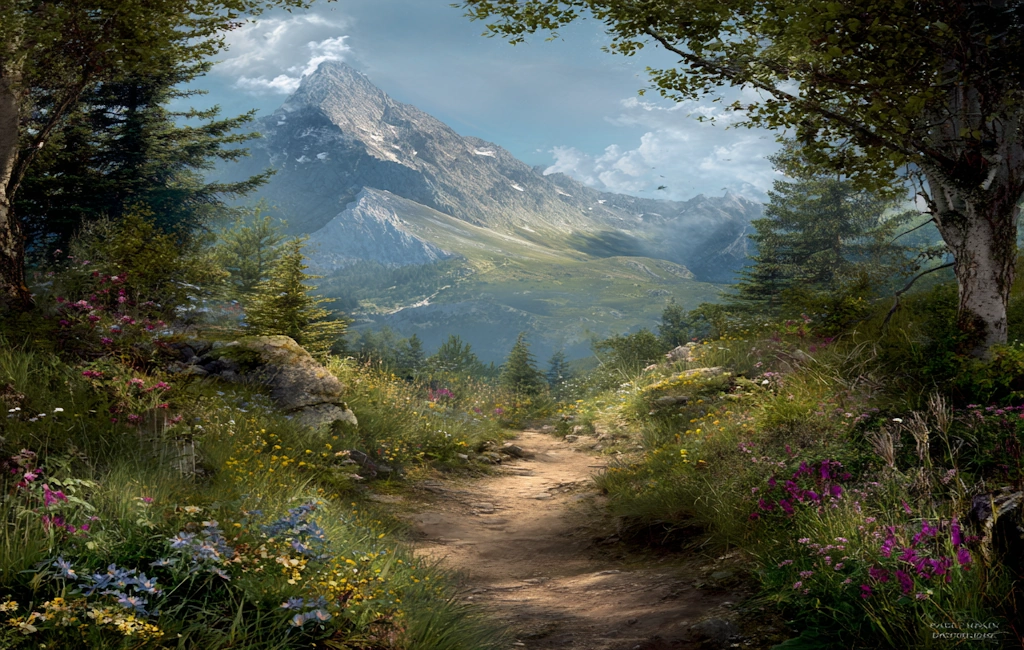
White Mountains Hut Traverse - The High Peaks Odyssey
The White Mountains Hut Traverse is North America’s premier alpine hut-to-hut experience, a gruelling yet sublime 80.5 km journey through the rugged heart of New Hampshire’s White Mountain National Forest. This trek is defined by its relentless verticality, boasting a staggering 8,230 metres of elevation gain—a figure that rivals many Himalayan approaches when measured by kilometre. The route connects a historic network of high-altitude mountain huts managed by the Appalachian Mountain Club (AMC), allowing walkers to traverse the legendary Presidential Range and the vast Pemigewasset Wilderness without the burden of heavy camping gear. From the weather-beaten summit of Mount Washington to the emerald depths of the Zealand Valley, this traverse offers a masterclass in glacial geology, sub-alpine ecology, and the raw, unpredictable power of North Atlantic weather systems. It is a journey that demands peak physical conditioning and rewards the resilient with some of the most expansive mountain vistas in the eastern United States.
- Distance: 80.5 km point-to-point
- Duration: 5–7 days
- Season: Late June to Mid-October (full-service hut season)
- Huts (mandatory booking): Madison Spring, Lakes of the Clouds, Mizpah Spring, Zealand Falls, Galehead, Greenleaf, Lonesome Lake
- Highest point: Mount Washington (1,917 m)
- Total Elevation Gain: 8,230 m
- Difficulty: Challenging (extreme terrain and weather variability)
- Direction: Typically North-East to South-West (Pinkham Notch to Franconia Notch)
Overview
The White Mountains Hut Traverse is not a mere walk; it is a sustained engagement with some of the most ancient and unforgiving terrain in North America. While the absolute elevations may seem modest compared to the Rockies or the Alps, the "Whites" are notorious for their "relentless up"—the trails here were often built before the concept of switchbacks reached the region, meaning paths frequently take the most direct, steepest line possible over boulders and through ravines. This traverse links the "High Huts," a series of mountain refuges spaced a day's walk apart, providing a unique cultural and logistical framework for exploring the wilderness. The experience is defined by the transition between the "krummholz"—the stunted, wind-twisted trees of the sub-alpine zone—and the vast, treeless alpine tundra that characterises the Presidential Range.
The landscape is a product of intense glaciation. As you move across the range, you will witness massive cirques (locally known as ravines), U-shaped valleys, and glacial erratics—boulders the size of houses perched precariously on ridgelines. The traverse is divided into distinct geographical segments: the northern Presidentials, which are rocky, exposed, and alpine; the southern Presidentials, which offer softer ridgelines and historic paths; the Zealand Valley, a lush transition zone; and the Franconia Range, famous for its narrow, knife-edge ridges. This variety ensures that no two days are alike, though the physical demand remains constant.
What sets this trail apart is the hut culture. Each hut is staffed by a "Croo"—typically young, energetic mountain enthusiasts who pack in fresh supplies on their backs and prepare communal meals for guests. This social element provides a warm counterpoint to the often-harsh conditions outside. However, walkers must not be lulled into a false sense of security; the White Mountains are home to some of the most volatile weather on Earth. Mount Washington, the traverse's highest point, held the world record for surface wind speed (372 km/h) for decades, and snow can fall in any month of the year. Success on this trail requires a deep respect for the environment, meticulous planning, and the stamina to climb the equivalent of Mount Everest from sea level over the course of a week.
History and Cultural Context
The human history of the White Mountains begins with the Abenaki and other Indigenous peoples, who called the highest peaks "Agiocochook," meaning "Place of the Great Spirit" or "Home of the Great Spirit." These mountains were regarded with profound reverence and were generally avoided as sacred ground, though the valleys provided rich hunting and gathering territories. The arrival of European settlers in the 18th and 19th centuries brought a different perspective—one of exploration, resource extraction, and eventually, the birth of American mountain tourism.
The Appalachian Mountain Club (AMC), founded in 1876, was instrumental in developing the trail network and the hut system. The first hut, Madison Spring Hut, was constructed in 1888 to provide shelter for those exploring the northern Presidential Range. It was a simple stone structure, but it marked the beginning of a system that would eventually grow to eight huts. The development of these huts mirrored the "Golden Age" of hiking in New England, as urbanites from Boston and New York sought refuge in the cool mountain air. Many of the trails you walk today were hand-cleared by early AMC members and the Civilian Conservation Corps (CCC) during the Great Depression, their stonework still standing as a testament to their craftsmanship.
The traverse also passes through areas of significant industrial history. The Zealand Valley, now a pristine wilderness, was once the site of intensive logging in the late 19th century. Massive forest fires, sparked by logging locomotives, once ravaged the landscape, leading to the passage of the Weeks Act in 1911, which allowed for the creation of the White Mountain National Forest. Today, the forest has reclaimed the land, but sharp-eyed walkers can still find old railroad grades and rusted hardware from the logging era. The White Mountains Hut Traverse is thus a journey through both natural and human resilience, where the scars of the past have been healed by a century of conservation.
Want more background? Read extended notes on history and cultural context → Learn more
Seasonal Highlights and Weather Reality
The window for a full Hut Traverse is dictated by the AMC hut season. While the mountains are open year-round, the huts only provide "full service" (meals and staff) from late June through mid-September, with some huts offering "self-service" in the shoulder seasons of late May and October.
Summer (July to August): This is the peak season. The alpine flowers, including the rare Robbins' Cinquefoil, are in bloom, and the days are at their longest. However, this is also the season of "Black Flies" (small, biting gnats) in June and early July, and frequent afternoon thunderstorms. Humidity can be high in the valleys, but the summits remain cool. This is the busiest time on the trail, and hut reservations must be made months in advance.
Autumn (September to mid-October): Many consider this the finest time to hike. The air is crisp and clear, providing the best visibility for long-range views. The famous New England "Fall Foliage" begins in late September, turning the valleys into a sea of crimson, orange, and gold. While the huts begin to close in stages during October, the lack of bugs and the stable weather make it ideal for experienced walkers. Be prepared for freezing temperatures at night and the possibility of early snow on the high peaks.
Winter and Spring (November to June): This is the "off-season" and should only be attempted by those with advanced winter mountaineering skills. The White Mountains in winter are a world-class alpine environment, with extreme avalanche danger, sub-zero temperatures, and hurricane-force winds. Most huts are closed and shuttered, and the trails are buried under metres of snow. Spring (May to June) is known as "Mud Season," where melting snow turns trails into streams and the aforementioned black flies emerge in force.
Recommended Itinerary
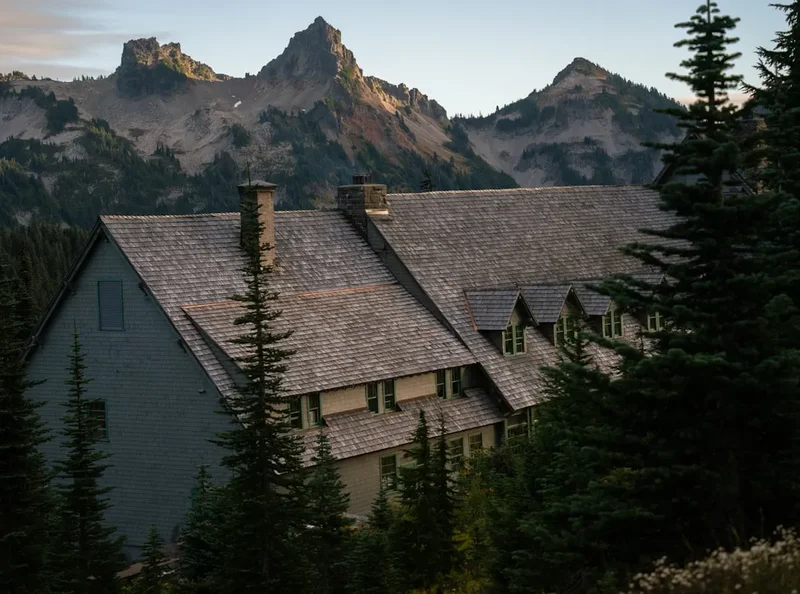
6-Day White Mountains Hut Traverse Itinerary
Day 1: Pinkham Notch to Madison Spring Hut
- Distance: 6.5 km
- Elevation gain: 1,050 m
- Time: 4–5 hours
- Start at Pinkham Notch Visitor Centre (618 m)
- Ascend via the Valley Way trail, a steady but relentless climb through hardwood forest into the sub-alpine zone
- Pass the "Tent Platforms" and the junction with the Gulfside Trail
- Arrive at Madison Spring Hut (1,463 m), nestled in the "col" between Mount Madison and Mount Adams
- Optional: Afternoon summit of Mount Madison (1,636 m) for views of the Great Gulf Wilderness
- The first day is a "vertical introduction" to the Whites, testing your lungs and legs immediately
Day 2: Madison Spring Hut to Lakes of the Clouds Hut
- Distance: 11.5 km
- Elevation gain: 950 m
- Time: 6–8 hours
- Follow the Gulfside Trail, staying almost entirely above the treeline
- Traverse the rugged flanks of Mount Adams and Mount Jefferson, two of the most difficult miles on the Appalachian Trail
- Cross the "Sphinx" junction and begin the final ascent of Mount Washington
- Summit Mount Washington (1,917 m), the highest peak in the North-East
- Descend 1.5 km to Lakes of the Clouds Hut (1,533 m), the highest and most famous hut in the system
- This is the most exposed day of the trip; if weather is poor, use lower-elevation escape routes
Day 3: Lakes of the Clouds Hut to Mizpah Spring Hut
- Distance: 8 km
- Elevation gain: 350 m
- Time: 4–5 hours
- Descend the historic Crawford Path, the oldest continuously maintained hiking trail in the United States (established 1819)
- Summit Mount Monroe (1,637 m) immediately after leaving the hut
- Traverse the broad, grassy shoulders of Mount Eisenhower and Mount Pierce
- Re-enter the forest near Mount Pierce and descend to Mizpah Spring Hut (1,158 m)
- A shorter day distance-wise, allowing for recovery after the intensity of the Presidential summits
Day 4: Mizpah Spring Hut to Zealand Falls Hut
- Distance: 19.5 km
- Elevation gain: 850 m
- Time: 7–9 hours
- Descend to Crawford Notch (the lowest point of the traverse) and cross Route 302
- Ascend the Avalon Trail or A-Z Trail toward the Zealand Valley
- Pass through beautiful birch forests and over the summit of Mount Tom or Mount Field
- Follow the Twinway along the ridge before descending to Zealand Falls Hut (823 m)
- The hut is located next to a spectacular series of cascades and offers views across the Zealand Notch
- This is a high-mileage day that transitions from the Presidentials to the Pemigewasset Wilderness
Day 5: Zealand Falls Hut to Galehead Hut
- Distance: 11.5 km
- Elevation gain: 1,100 m
- Time: 6–7 hours
- Ascend the steep "Zealand Ridge" to the summit of Zealand Mountain (1,300 m)
- Follow the Twinway over the summits of South Twin Mountain (1,494 m), offering 360-degree views of the "Pemi"
- Drop steeply into the col to reach Galehead Hut (1,158 m), the most remote hut in the network
- Optional: A short 0.8 km side trip to the summit of Galehead Mountain
- The terrain here is exceptionally rocky and requires careful footwork on the descents
Day 6: Galehead Hut to Greenleaf Hut (via Franconia Ridge)
- Distance: 12.5 km
- Elevation gain: 1,200 m
- Time: 7–8 hours
- Traverse the notorious Garfield Ridge Trail, known for its "Pemi-style" ups and downs
- Summit Mount Garfield (1,367 m) and enjoy views of the Franconia Ridge ahead
- Ascend the steep slopes of Mount Lafayette (1,591 m) to join the Franconia Ridge Trail
- Descend the Greenleaf Trail to Greenleaf Hut (1,280 m), overlooking Eagle Lake
- Finish the day with a sunset view of the "Old Man of the Mountain" historic site across the notch
Important Notes:
- Hut check-in is typically by 4:00 PM to ensure you are present for the communal dinner
- Weather on Mount Washington can change from sunny to life-threatening in under 30 minutes
- Water is available at all huts, but should be treated if collected from streams between huts
- The "Croo" at each hut provides a weather briefing every morning; listen to it carefully
- Cell phone service is extremely spotty and should not be relied upon for navigation or emergencies
Planning and Bookings
Book Your Trip
Everything you need to plan your journey
Accommodation
Find places to stay near North Conway, New Hampshire
Flights
Search flights to North Conway, New Hampshire
Essential Preparation
The White Mountains Hut Traverse is a significant physical undertaking. Walkers should be capable of hiking 15–20 km per day with over 1,000 metres of elevation gain on extremely rocky, uneven terrain. Training should focus on weighted stair climbing and "rock hopping" to prepare the ankles and knees for the granite slabs of New Hampshire. Logistics require careful coordination, as the trail is a point-to-point route. Most hikers leave a vehicle at the finish (Franconia Notch) and use the AMC Hiker Shuttle to reach the start (Pinkham Notch). North Conway serves as the primary base town, offering a wide range of gear shops, grocery stores, and accommodation. It is recommended to spend at least one night at a lower elevation (like Joe Dodge Lodge at Pinkham Notch) to acclimatise and finalise gear checks before heading into the high peaks.
Trail Accommodation
The AMC Hut system is the backbone of this traverse. There are seven huts typically used in a full traverse, each offering a unique atmosphere and varying levels of exposure. During the full-service season (late June to mid-September), your stay includes a bunk, dinner, and breakfast.
Hut Facilities:
- Co-ed bunk rooms with tiered wooden platforms and mattresses
- Communal dining area where "family-style" meals are served
- Composting or "clivus multrum" toilets (no showers)
- Potable water (filtered or from deep wells)
- Wool blankets and pillows (though many prefer their own lightweight sleeping bag)
- Small library and board games
- Educational programmes presented by the Croo in the evenings
What Huts Don't Provide:
- Towels or toiletries
- Electricity for charging devices (some huts have very limited solar charging, but it is not for public use)
- Private rooms (all sleeping areas are shared)
- Heating (huts can be very cold, even in August)
- WiFi or reliable cell signal
Booking Requirements:
- Reservations are essential and open in January for the following summer
- Popular huts like Lakes of the Clouds and Madison Spring sell out months in advance, especially for weekends
- Costs: Approximately US$150–$250 per night per person (AMC members receive a significant discount)
- Cancellation policies are strict; travel insurance is advised
Required Gear
- Hiking boots - Sturdy, waterproof, and with excellent grip (Vibram soles recommended) for wet granite
- Waterproof jacket - High-quality hardshell with a hood; must be able to withstand 100 km/h winds
- Insulating layers - Fleece or synthetic "puffy" jacket; avoid cotton entirely
- Hiking poles - Highly recommended to save knees on the 8,230 m of descent
- Backpack - 35–45L is usually sufficient since you aren't carrying a tent or heavy food
- Headlamp - Essential for navigating bunk rooms or if delayed on the trail
- Navigation - Physical AMC White Mountain Map and a compass (and the knowledge to use them)
- First aid kit - Focus on blister care (moleskin/Leukotape) and anti-inflammatories
What to Bring
- Lunch and snacks - Huts provide breakfast and dinner, but you must carry your own midday fuel
- Water storage - At least 2–3 litres of capacity; hydration bladders are convenient for the steep climbs
- Sleeping bag liner - Or a very lightweight summer sleeping bag (rated to 10°C)
- Personal toiletries - Toothbrush, biodegradable soap, and a small quick-dry towel
- Sun protection - High SPF sunscreen, lip balm, and sunglasses (UV is intense on the exposed ridges)
- Bug repellent - Essential for the lower-elevation forest sections in early summer
- Emergency whistle - Often built into backpack chest straps
- Cash - For purchasing AMC maps, merchandise, or "soup of the day" at the huts
Permits
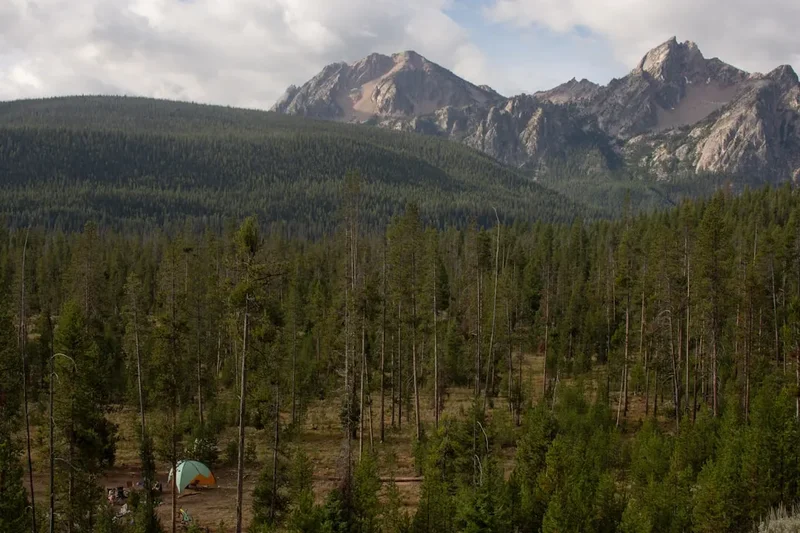
Unlike many Western US parks, the White Mountain National Forest does not require a "wilderness permit" for day hiking or general access. However, the Hut Traverse is effectively regulated by the hut reservation system. Because camping is strictly prohibited above the treeline (to protect fragile alpine flora) and within 400 metres of the huts, your hut booking serves as your "permit" to stay in these high-altitude zones.
Parking and Fees:
- A "Recreation Pass" is required for parking at most trailheads within the National Forest. These can be purchased as daily passes (approx. US$5) or annual passes
- Pinkham Notch (the start) has free parking for hikers, but it fills up very early on summer mornings
- If you are using the AMC Hiker Shuttle, you will need to book your seat in advance (approx. US$25 per person)
Group Size:
- Organised groups (scouts, clubs, etc.) of 10 or more people require a special use permit from the US Forest Service
- Independent hiking groups are limited to 10 people to minimise impact on the trails and hut facilities
Other Activities in the Area
The White Mountains are a year-round adventure hub. If you have extra time before or after your traverse, consider these options:
- Mount Washington Auto Road: For those who want to see the summit without the 1,300 m climb, this historic toll road offers a spectacular drive to the top.
- The Cog Railway: A world-first mountain-climbing rack-and-pinion railway that ascends the western slopes of Mount Washington.
- Rock Climbing in Cathedral Ledge: Located near North Conway, this is one of the premier traditional climbing destinations in the Eastern US.
- Kancamagus Highway: A 55 km scenic drive that offers some of the best foliage viewing in the world during October.
- Flume Gorge: A natural 240-metre gorge at the base of Mount Liberty with towering granite walls and waterfalls.
- Echo Lake State Park: A perfect spot for a post-hike swim and a view of the cliffs you just traversed.
Safety and Conditions
The Mount Washington Factor: The Presidential Range is home to "The World's Worst Weather." This is not hyperbole; the convergence of storm tracks from the Atlantic, the Great Lakes, and the Gulf of Mexico creates conditions that can turn lethal in minutes. Even in July, temperatures can drop to freezing, and visibility can vanish in a "whiteout" of cloud and mist. If the "Higher Summits Forecast" predicts winds over 65 km/h or thunderstorms, do not attempt the exposed ridgelines.
Terrain Hazards: The trails in the Whites are exceptionally rocky. Expect to spend hours "rock hopping" over jagged granite. This leads to high rates of ankle sprains and knee fatigue. Wet rocks are incredibly slippery; the local "Lichen" becomes like ice when damp. Take your time on descents, which are often more taxing than the climbs.
Hypothermia: This is the leading cause of search-and-rescue incidents in the White Mountains. Because of the high winds and frequent rain, hikers can become hypothermic even in 10°C weather. Always carry a waterproof shell and a warm synthetic layer, regardless of how the weather looks at the trailhead.
Water and Hydration: While water is available at huts, the ridges are dry. In summer, you may go 10–15 km without a natural water source. Carry more than you think you need. If you collect water from streams, it must be treated for Giardia and Cryptosporidium.
Emergency Protocol: If you are injured or caught in a storm above the treeline, your best option is to descend below the treeline as quickly as possible. Do not attempt to "summit through" a storm. Search and rescue is coordinated by the New Hampshire Fish and Game Department; be aware that in New Hampshire, hikers can be billed for the cost of their rescue if they are found to be negligent or ill-prepared.
Side Trips and Points of Interest
The Alpine Garden: Located on a plateau just below the summit of Mount Washington, this area contains one of the most concentrated populations of rare alpine plants in North America. In June, the garden is a carpet of pink Diapensia and yellow Lapland Rosebay. A side trail (the Alpine Garden Trail) allows you to traverse this delicate ecosystem without the crowds of the summit.
Star Lake: A tiny, crystal-clear alpine tarn located in the col between Mount Madison and Mount Adams. It is one of the highest bodies of water in the Whites and offers a stunning reflection of the jagged peaks above. It is a short 10-minute walk from Madison Spring Hut.
The Dungeon: For a bit of hut history, ask the Croo at Lakes of the Clouds about "The Dungeon." This is a small, basic stone shelter beneath the main hut used for emergency overflow and by hikers on a strict budget. It is a stark reminder of the rugged conditions early hikers faced.
Zealand Falls: Right outside the door of Zealand Falls Hut, these cascades tumble over smooth granite slabs. It is one of the best places on the traverse to soak tired feet in the cold mountain water while looking out over the vast, green expanse of the Zealand Notch.
Franconia Ridge: While part of the main traverse, the 3 km stretch between Mount Lafayette and Little Haystack Mountain is widely considered the most beautiful ridgeline in the Eastern US. The trail stays on a narrow spine of rock with 360-degree views and sheer drops on either side.
Leave No Trace
The alpine zone of the White Mountains is an "island in the sky"—a fragile remnant of the last ice age. The plants here, such as Bigelow’s Sedge and Highland Rush, are adapted to extreme cold but can be destroyed by a single misplaced footstep. Once the thin layer of soil is disturbed, it can take centuries to regenerate in the harsh climate.
Specific LNT Guidelines for the Whites:
- Walk on Rocks: When above the treeline, always step on solid rock surfaces rather than vegetation. "Rock hopping" is the best way to preserve the alpine tundra.
- No Camping Above Treeline: This is a strict US Forest Service regulation. Camping is only permitted on frozen snow (in winter) or at designated sites below the treeline.
- Carry Out All Waste: This includes fruit peels, nut shells, and especially toilet paper. The cold temperatures mean that organic waste does not decompose quickly.
- Respect the Croo: The hut staff are volunteers and low-wage workers who dedicate their summers to mountain conservation. Follow their instructions regarding hut etiquette and waste disposal.
- Keep Wildlife Wild: Do not feed the "Grey Jays" (Canada Jays) or chipmunks at the huts. Feeding them disrupts their natural foraging behaviour and makes them aggressive toward hikers.
 USA
USA