
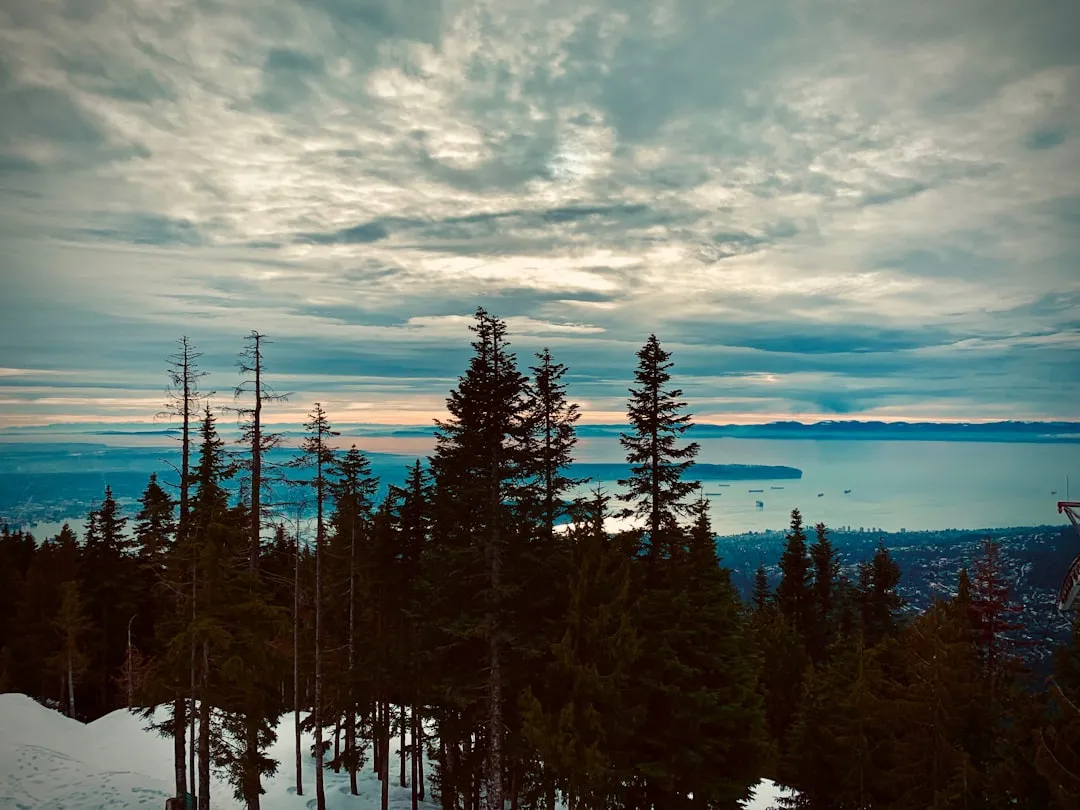
Whistler Train Wreck Trail
The Whistler Train Wreck Trail is a popular and accessible day walk located near Whistler, British Columbia, Canada. This relatively short trail offers a unique experience, leading hikers to the remnants of a Canadian Pacific Railway train that derailed in 1956. The accessible nature of the trail, combined with the intriguing historical site, makes it a favourite for locals and visitors alike. It provides a glimpse into industrial history set against the backdrop of the stunning Pacific Northwest wilderness.
- Distance: 2.0 km return
- Duration: 1 hour
- Season: May to October
- Difficulty: Easy
- Closest City: Whistler
- Trailhead Access: From Vancouver, drive north on BC-99 N (Sea to Sky Highway) to Whistler. Park at Function Junction.
- Permits: No permits required.
Overview
The Whistler Train Wreck Trail is a testament to how nature reclaims industrial remnants. The trail itself is a gentle, well-maintained path that winds through a lush temperate rainforest, characteristic of the region. Towering evergreen trees, thick mosses, and ferns create a verdant canopy overhead, filtering the sunlight and providing a serene atmosphere. The path is mostly flat with minimal elevation gain, making it suitable for hikers of all fitness levels, including families with young children and those seeking a leisurely stroll.
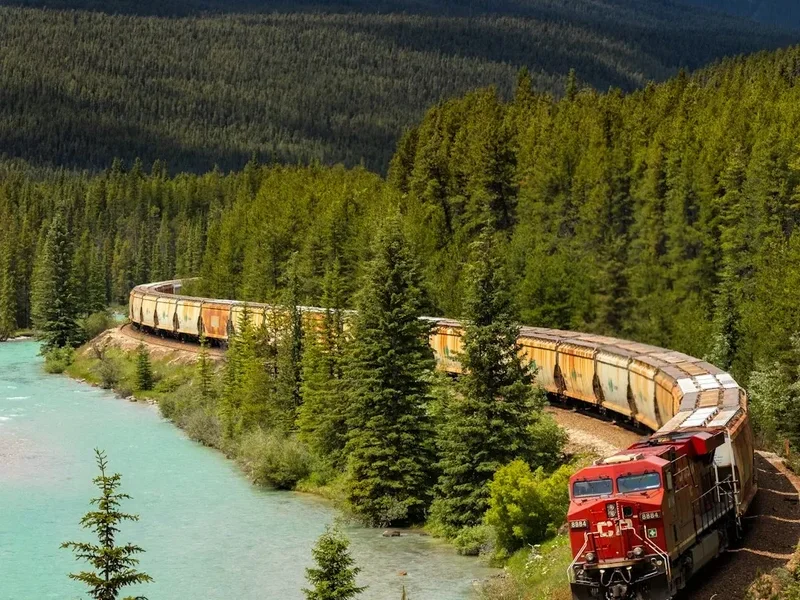
The main attraction is undoubtedly the collection of train cars scattered along the forest floor and beside the Cheakamus River. These are not just scattered pieces but substantial sections of the train, including locomotives and carriages, slowly being enveloped by the forest. The juxtaposition of the decaying man-made structures against the vibrant, living forest is striking and offers excellent photographic opportunities. The sound of the nearby Cheakamus River, a powerful turquoise waterway, often accompanies the walk, adding to the sensory experience.
The trail is typically divided into two main sections: the approach to the wreck site and the exploration of the wreck itself. While the main trail is straightforward, exploring the immediate vicinity of the train cars requires a bit more care due to uneven terrain and the presence of debris. The entire experience is a unique blend of natural beauty and historical intrigue, offering a memorable short hike.
History and Cultural Context
The history of the Whistler Train Wreck Trail is intrinsically linked to the Canadian Pacific Railway (CPR) and the development of the Sea to Sky Highway corridor. On January 10, 1956, a freight train carrying lumber and other goods derailed approximately 10 kilometres north of Squamish, near Function Junction, which is now part of Whistler. The cause of the derailment was attributed to a broken rail, a common hazard on railway lines in mountainous terrain, especially during winter conditions.
The derailment was significant, with several locomotives and freight cars plunging down an embankment into the dense forest and the Cheakamus River. While there were no fatalities reported, the incident marked the end of the line for these particular railway cars. Due to the challenging terrain and the cost of removal, the majority of the wreckage was left in situ. Over the decades, the forest has gradually reclaimed the site, with trees growing around and through the decaying metal, creating the unique visual spectacle that hikers encounter today.
The area has a long history of use by Indigenous peoples, including the Skwxwú7mesh (Squamish) and Lil'wat Nations, who have traditionally used the lands and waterways for hunting, fishing, and gathering for millennia. The Cheakamus River valley itself is a significant ecological and cultural landscape. The train wreck site, while a more recent historical feature, has become a point of interest that draws people to explore this part of the traditional territories.
Seasonal Highlights and Weather Reality
The Whistler Train Wreck Trail is accessible and enjoyable for a significant portion of the year, primarily from late spring through autumn. Each season offers a slightly different experience.
Spring (May-June): As the snow melts, the forest floor begins to awaken. Wildflowers may start to appear, and the vibrant green of new growth becomes prominent. The Cheakamus River can be high and fast-flowing due to snowmelt, displaying its characteristic turquoise colour. The weather can be variable, with a mix of sunny days and rain. Sandflies may begin to emerge, though they are typically less intense than in mid-summer.
Summer (July-August): This is the most popular time to visit. The forest is at its lushest, and the weather is generally warmer and drier, although rain showers are still common in the Pacific Northwest. The river is usually at a moderate level, and the trail is in excellent condition. Sandflies can be at their most active during the warmer months, so insect repellent is highly recommended. The long daylight hours allow for extended exploration.
Autumn (September-October): Autumn brings a spectacular display of fall colours to the surrounding deciduous trees, contrasting beautifully with the evergreen conifers. The air is crisp, and the crowds tend to thin out. The weather can be cooler, with a higher chance of rain and frost. The forest floor may be damp, and fallen leaves can make some sections of the trail slightly slippery. This season offers a more tranquil experience.
Winter (November-April): While the trail is technically accessible in winter, it is not typically recommended for casual hikers. Snowfall can accumulate, making the trail difficult to follow and potentially hazardous, especially around the train wreckage. Ice can form on surfaces, increasing the risk of slips and falls. Access to the trailhead might also be affected by snow. For those with winter hiking experience and appropriate gear, it can be a unique, quiet experience, but caution is paramount.
Recommended Itinerary
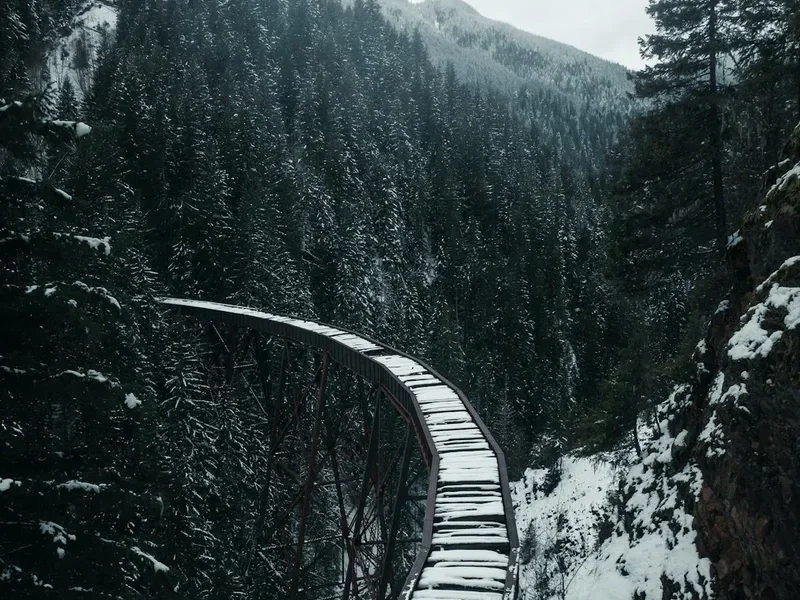
Whistler Train Wreck Trail - Day Walk Itinerary
Early Morning (Approx. 9:00 AM): Departure from Whistler Village
- Begin your day by heading towards Function Junction.
- Drive north on BC-99 N (Sea to Sky Highway) for approximately 10-15 minutes from Whistler Village.
- Look for signs indicating Function Junction and the industrial area.
- Park at the designated parking area near the trailhead. Parking can be limited, especially on weekends and during peak season.
Morning (Approx. 9:30 AM): Trailhead and Initial Walk
- Locate the trailhead, which is usually well-marked.
- Begin the walk along the well-maintained path.
- The trail immediately enters a dense temperate rainforest.
- Enjoy the sights and sounds of the forest: towering trees, moss-covered branches, and the distant murmur of the Cheakamus River.
- The path is relatively flat, with gentle undulations.
- Distance to the main wreck site: Approximately 1 km.
- Estimated time to reach the wreck site: 20-30 minutes.
Midday (Approx. 10:00 AM - 11:30 AM): Exploring the Train Wreck
- Arrive at the primary site of the train wreckage.
- Explore the various train cars and locomotives scattered amongst the trees.
- Take your time to observe the details of the decaying machinery and how nature has begun to reclaim it.
- Be mindful of your footing; the terrain around the wreck can be uneven and may involve navigating around debris.
- Walk along the riverbank for views of the turquoise Cheakamus River.
- Capture photographs of the unique juxtaposition of industrial decay and natural beauty.
- Allow approximately 1 to 1.5 hours for exploration.
Afternoon (Approx. 11:30 AM - 12:00 PM): Return Journey
- Begin the walk back to the trailhead.
- The return journey follows the same path, offering a different perspective in reverse.
- Reflect on the historical significance and the natural beauty you have experienced.
- Estimated time for return: 20-30 minutes.
Post-Hike:
- Return to your vehicle at Function Junction.
- Consider visiting nearby attractions in Whistler Village or enjoying a meal at one of the local restaurants.
Important Notes:
- Wear sturdy, comfortable walking shoes or hiking boots.
- Carry water and snacks, as there are no facilities along the trail.
- Bring insect repellent, especially during summer months.
- Be aware of your surroundings and do not climb on the unstable train wreckage.
- Respect the historical site and the natural environment; pack out all trash.
Planning and Bookings
Book Your Trip
Everything you need to plan your journey
Accommodation
Find places to stay near Whistler
Flights
Search flights to Whistler
Essential Preparation
The Whistler Train Wreck Trail is a straightforward day hike, meaning extensive pre-trip planning is not required. However, a few key considerations will ensure a smooth and enjoyable experience. The closest major city and logistical hub is Whistler, which offers a wide range of accommodation, dining, and retail options. If travelling from Vancouver, the drive north on BC-99 N (Sea to Sky Highway) is scenic and takes approximately 1.5 to 2 hours, depending on traffic and road conditions. It is advisable to check the DriveBC website for any road closures or advisories before you depart, especially outside of the peak summer season.
Parking at the Function Junction trailhead can be limited, particularly on weekends and during peak tourist seasons. Arriving earlier in the day is recommended to secure a spot. While no permits are required for this trail, it's always good practice to be aware of local regulations and to practice responsible outdoor ethics. The trail is generally well-maintained, but conditions can vary, especially after periods of heavy rain or snow.
Trail Accommodation
This is a day hike requiring no overnight accommodation. The trail is designed for a short excursion, typically completed within a few hours. Visitors usually base themselves in Whistler or surrounding areas for accommodation, which offers a wide variety of options ranging from luxury hotels and resorts to budget-friendly hostels and rental cabins. Function Junction itself has limited services, with most amenities concentrated in Whistler Village and Creekside.
Required Gear
- Footwear: Sturdy, closed-toe walking shoes or hiking boots with good grip are essential. The trail can be uneven in places, and the forest floor may be damp.
- Clothing: Wear comfortable, layered clothing suitable for the current weather conditions. A waterproof and windproof outer layer is highly recommended, as weather in the mountains can change rapidly.
- Navigation: While the trail is generally well-marked and easy to follow, a basic map or a GPS device/app on your phone can be useful for orientation, especially if you plan to explore off the main path (which is not recommended around the wreckage).
- Safety Gear: A basic first-aid kit is always advisable for any outdoor excursion. Include items for blisters, minor cuts, and any personal medications. A head torch or flashlight might be useful if you plan to hike very early or late, though daylight hours are ample during the main season.
What to Bring
- Water: Carry sufficient water for the duration of your hike. There are no water sources or refill stations along the trail.
- Food: Pack snacks and a light lunch, especially if you plan to spend a good amount of time exploring the train wreck site.
- Insect Repellent: Essential, particularly during the summer months (July-August), to ward off mosquitoes and sandflies. Look for products with DEET or picaridin.
- Sun Protection: Even in a forested area, the sun can be intense. Bring sunscreen, a hat, and sunglasses.
- Camera: The train wreck site offers unique photographic opportunities.
- Trash Bag: To pack out all your waste and leave the area as you found it.
- Hand Sanitizer: Useful for maintaining hygiene, especially before eating snacks.
Permits
No permits are required to access or hike the Whistler Train Wreck Trail. This trail is part of the public land managed by the provincial government of British Columbia and is open for recreational use without the need for special permits or fees. This accessibility is one of the reasons for its popularity among visitors and locals alike.
However, it is important to note that while no permits are needed, visitors are expected to adhere to responsible outdoor recreation principles. This includes staying on marked trails, packing out all garbage, respecting the historical nature of the train wreck site, and not disturbing the natural environment. The area is a popular spot, so arriving earlier in the day, especially during peak season (summer weekends), is advisable to ensure parking availability at the Function Junction trailhead.
Other Activities in the Area
Whistler and its surrounding areas offer a wealth of activities for visitors, catering to all interests and energy levels:
- Whistler Village Exploration: Wander through the pedestrian-friendly village, browse the shops, enjoy world-class dining, and soak in the vibrant atmosphere.
- Hiking and Mountain Biking: Whistler is renowned for its extensive network of hiking and mountain biking trails. Beyond the Train Wreck, explore trails in Whistler Olympic Park, Callaghan Valley, or the extensive network around Whistler Blackcomb.
- Whistler Blackcomb Resort: Ride the Peak 2 Peak Gondola for breathtaking panoramic views, hike at higher elevations, or enjoy summer activities at the resort base.
- Lost Lake Park: A popular spot for swimming, picnicking, and easy walking trails, located just a short distance from Whistler Village.
- Audain Art Museum: Discover a significant collection of Canadian art, with a focus on the art of the First Nations of the Northwest Coast.
- Squamish Lil'wat Cultural Centre: Learn about the history, art, and culture of the local Skwxwú7mesh and Lil'wat Nations.
- Adventure Activities: Whistler offers a wide range of adventure sports, including ziplining, bungee jumping, white-water rafting on the Elaho River, and ATV tours.
- Golfing: Several championship golf courses are located in and around Whistler, offering stunning mountain scenery.
- Scenic Drives: The Sea to Sky Highway (BC-99) itself is a major attraction, offering spectacular coastal and mountain vistas. Consider driving further south to Shannon Falls Provincial Park or the Stawamus Chief.
Safety and Conditions
Trail Conditions: The Whistler Train Wreck Trail is generally well-maintained and easy to navigate. However, conditions can vary:
- Mud and Slippery Surfaces: After rain, sections of the trail can become muddy and slippery. Wear appropriate footwear with good traction.
- Uneven Terrain: While the main path is clear, the areas around the train wreckage can be uneven, with debris and loose ground. Exercise caution when exploring these areas.
- Riverbank: The Cheakamus River is a powerful waterway. Stay a safe distance from the riverbank, especially during periods of high water flow. Do not attempt to cross the river.
Wildlife: While encounters are not common on this short, popular trail, you are in bear country. Be aware of your surroundings, make noise as you hike (talking, singing) to avoid surprising wildlife, and carry bear spray if you are venturing into less populated areas or during dawn/dusk. Store food properly and never feed wild animals.
Weather: Mountain weather can change rapidly. Always check the forecast before you go and be prepared for rain, wind, and cooler temperatures, even in summer. Layering clothing is key.
Sandflies and Insects: During warmer months, sandflies and mosquitoes can be prevalent. Bring effective insect repellent and consider wearing long sleeves and trousers when stationary.
Train Wreck Site: The train cars are old, rusted, and unstable. It is crucial not to climb on or inside the wreckage. Treat the site with respect and maintain a safe distance to avoid injury.
Communication: Cell phone reception can be spotty in forested areas. Inform someone of your hiking plans, including your expected return time.
Emergency: In case of an emergency, call 911. Be prepared to provide your exact location, including the trailhead name (Function Junction) and approximate distance along the trail.
Side Trips and Points of Interest
While the Whistler Train Wreck Trail itself is a compact experience, the surrounding area offers several points of interest and potential short detours:
Cheakamus River: The trail runs alongside the vibrant turquoise waters of the Cheakamus River. While direct access to the river for swimming or boating is limited and potentially hazardous due to strong currents, the riverbanks offer scenic viewpoints. The colour of the water, a result of glacial silt, is particularly striking on sunny days. You can often hear the river's flow from the trail, adding a natural soundtrack to your walk.
Function Junction Area: The trailhead is located in an industrial area known as Function Junction. While not a typical tourist attraction, it houses various businesses, including breweries and artisan workshops. A brief exploration of this area before or after your hike might reveal some local gems.
Sea to Sky Highway Views: The drive to and from the trailhead along BC-99 offers numerous pull-offs with stunning views of Howe Sound, coastal mountains, and the surrounding wilderness. Consider stopping at viewpoints like the Tantalus Range viewpoint or Shannon Falls Provincial Park on your way to or from Whistler.
Short Detours on the Trail: While the main trail is clear, there are often small, unofficial paths leading closer to the river or to different vantage points of the train cars. It is important to exercise extreme caution if venturing off the main path, as the terrain can be unstable and the riverbanks steep. Sticking to the marked trail is the safest option.
Leave No Trace
The Whistler Train Wreck Trail, like all natural areas, benefits greatly from visitors practising Leave No Trace principles. This ensures the preservation of its unique environment and historical significance for future generations.
Plan Ahead and Prepare: Familiarise yourself with the trail and its conditions. Know that it's a short hike, but be prepared for variable weather and potential insects. Pack accordingly.
Travel and Camp on Durable Surfaces: Stick to the marked trail. The forest floor, especially around the train wreck, is fragile. Avoid creating new paths or trampling vegetation. The train wreck itself is a historical site; do not climb on or disturb the wreckage.
Dispose of Waste Properly: Pack it in, pack it out. This includes all food scraps, wrappers, and any other litter. There are no bins along the trail or at the trailhead. Use the facilities in Whistler Village if needed before or after your hike.
Leave What You Find: Do not take souvenirs from the train wreck site or the natural environment. Leave rocks, plants, and historical artifacts in place.
Minimise Campfire Impacts: Campfires are not permitted on this trail or at the trailhead. This is a day-use area.
Respect Wildlife: Observe wildlife from a distance. Never feed animals, as it can harm their health, alter their natural behaviours, and put you at risk. Be aware of bears and carry bear spray if venturing further afield.
Be Considerate of Other Visitors: Keep noise levels down, especially around the train wreck site, to allow everyone to enjoy the atmosphere. Yield to other hikers on the trail.
 Canada