
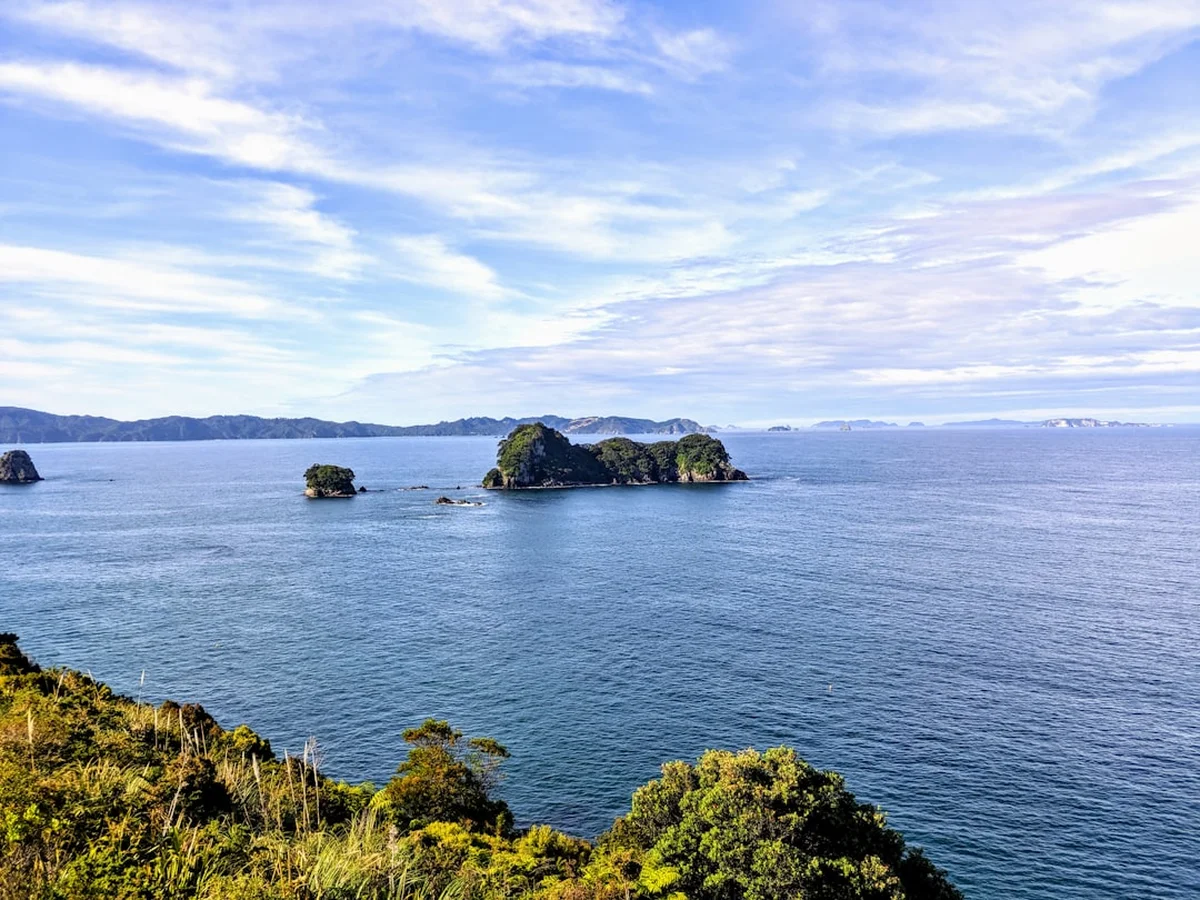
Whanganui Journey - New Zealand's River Great Walk
The Whanganui Journey is New Zealand's only Great Walk that primarily takes place on water, offering a unique and immersive experience through the heart of the North Island's Northland region. This 145 km, 5-day adventure follows the Whanganui River, the longest navigable river in New Zealand, from its headwaters near Taumarunui to the coastal settlement of Pipiriki. Unlike other Great Walks, the Whanganui Journey is not a wilderness trek but a journey through a landscape rich in Māori history, cultural significance, and natural beauty. It's a chance to connect with the spirit of the river, explore its stories, and witness the changing scenery from remote bush-clad gorges to more settled farmlands.
- Distance: 145 km
- Duration: 5 days / 4 nights
- Season: Late October–April (bookings required for huts and campsites; outside this window, facilities are basic and booking is recommended)
- Accommodation: Huts, campsites, lodges, and private lodges along the river
- Highest point: Not applicable (river journey)
- Daily walkers: No daily limit for independent travellers, but accommodation can book out
- Direction: Primarily downstream, from Taumarunui to Pipiriki
Overview
The Whanganui Journey offers a profoundly different Great Walk experience. Instead of alpine passes and dense forests, you'll navigate the gentle currents of the Whanganui River, a waterway revered by Māori as Te Awa Tupua – a living entity with its own spiritual power and ancestral connections. The journey begins in the small town of Taumarunui, where the river is still relatively young and the surrounding landscape is a mix of farmland and native bush. As you paddle downstream, the river carves its way through increasingly dramatic gorges, flanked by towering native trees, fern-filled gullies, and the occasional glimpse of historic Māori pā sites and settlements.
This is a journey of discovery, both of the natural environment and of the rich cultural heritage that permeates the Whanganui River catchment. You'll pass through areas of deep spiritual significance to the iwi (tribes) of the river, learning about the legends, traditions, and the ongoing efforts to protect and revitalise this taonga (treasure). The pace is dictated by the river's flow, allowing ample time for reflection, photography, and interaction with the local communities you encounter along the way.
The journey is suitable for a range of fitness levels, as the primary mode of transport is by canoe, kayak, or guided boat. While some paddling experience is beneficial, the river's gentle gradient means it's accessible to beginners. The accommodation options vary, from basic DOC campsites and huts to more comfortable lodges, offering a chance to experience the river at different levels of immersion. The Whanganui Journey is more than just a walk; it's a cultural immersion, a historical exploration, and a serene passage through one of New Zealand's most cherished waterways.
History and Cultural Context
The Whanganui River has been a vital artery for Māori for centuries. Its waters provided sustenance, transport, and a spiritual connection to the land. The river is considered Te Awa Tupua, a single, unified, and living entity, recognised by the New Zealand government in 2017 with the granting of legal personhood. This landmark decision acknowledged the deep spiritual and cultural significance of the river to the Whanganui iwi, including Ngāti Rangi, Ngāti Hau, Whanganui, Ngā Rauru, and Te Āti Haunui-a-Pāpārangi.
The river was a crucial travel route, connecting inland communities with the coast. Māori developed sophisticated methods of navigating its currents, using waka (canoes) to transport goods, people, and pounamu (greenstone). Numerous pā sites and settlements dotted the riverbanks, testament to its importance as a centre of life and activity. The stories and legends associated with the Whanganui River are numerous, speaking of gods, ancestors, and the very creation of the landscape.
European settlement brought changes, with the river becoming a route for traders and missionaries. The development of paddle steamers in the late 19th and early 20th centuries opened up the river to a wider range of transport, bringing goods and people to remote settlements. However, the advent of roading and later, the decline of river trade, saw many of these communities become more isolated. The establishment of the Whanganui River as a Great Walk in 1989 was a significant step in recognising its unique value, not just as a natural asset but as a living cultural landscape.
Today, the journey is managed in partnership between the Department of Conservation (DOC) and the iwi of the Whanganui River, ensuring that the cultural heritage and spiritual significance of Te Awa Tupua are respected and protected. This collaborative approach ensures that visitors can experience the river's stories and its living essence.
Seasonal Highlights and Weather Reality
The Whanganui Journey is accessible year-round, but the Great Walks season (late October to April) offers the most comfortable conditions and full access to facilities. Outside this period, some facilities may be closed or have reduced services, and weather can be more unpredictable.
Spring (Late October – November): The landscape bursts into life with new growth. Birdsong is abundant, and the weather is generally mild, though rain is still common. This is a good time to avoid the peak summer crowds and sandflies.
Summer (December – February): The warmest months offer long daylight hours, ideal for extended paddling and exploration. However, this is also peak season for sandflies, and accommodation can book up quickly. River levels are generally stable, making for pleasant paddling.
Autumn (March – April): The colours of the native bush change, offering beautiful scenery. The weather is often settled and crisp, with fewer sandflies than in summer. This is a popular time for those seeking a quieter experience.
Winter (May – September): While the river is navigable, winter brings cooler temperatures, shorter daylight hours, and a higher chance of rain and fog. Some campsites and huts may have limited facilities, and private lodges may be closed. However, winter offers a unique, serene experience with fewer visitors and a dramatic, moody atmosphere.
Weather: The Whanganui region experiences a temperate climate. Rainfall is distributed throughout the year, and fog can be common, especially in the upper reaches and gorges. Temperatures typically range from 10°C to 25°C during the warmer months and 5°C to 15°C in winter. Always be prepared for changeable weather, including rain, wind, and cooler temperatures, regardless of the season.
Recommended Itinerary
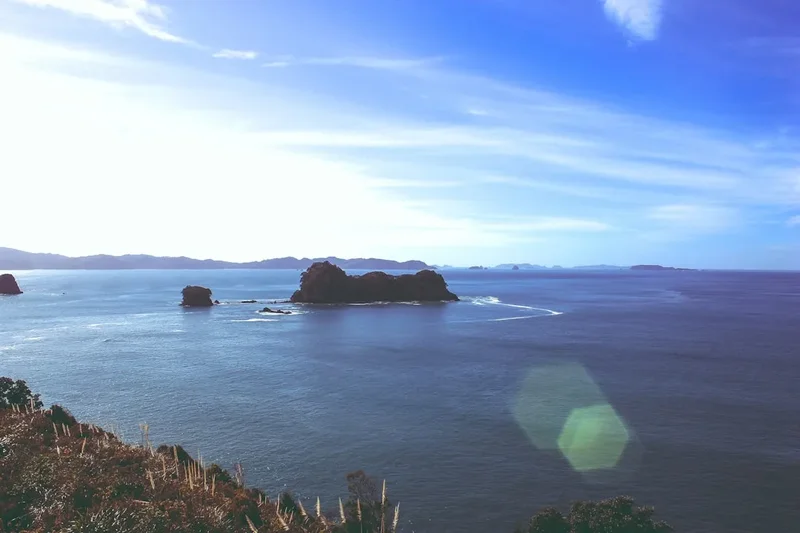
5-Day Whanganui Journey Itinerary (Canoe/Kayak)
Day 1: Taumarunui to Ōhura Road Bridge
- Distance: 25 km
- Time: 4–6 hours paddling
- Start point: Taumarunui (various launch points available)
- Paddle through farmland and open country
- Pass through gentle rapids and calm stretches
- Arrive at Ōhura Road Bridge campsite or nearby private lodge
- This day is about getting accustomed to the river and your craft
Day 2: Ōhura Road Bridge to Piriaka (or nearby campsite)
- Distance: 20 km
- Time: 3–5 hours paddling
- Continue downstream through a mix of farmland and bush
- The river begins to narrow and the scenery becomes more enclosed
- Pass the Piriaka settlement
- Accommodation options include DOC campsites or private lodges
- Opportunity to spot native birds
Day 3: Piriaka to Atene Viewpoint (or nearby campsite)
- Distance: 30 km
- Time: 5–7 hours paddling
- Enter the more dramatic gorges of the Whanganui River
- Pass through sections of native forest with steep banks
- Look out for historic pā sites and remnants of early settlements
- Arrive near Atene, known for its historic church and viewpoint
- Accommodation options include DOC campsites or private lodges
Day 4: Atene Viewpoint to Ranana (or nearby campsite)
- Distance: 35 km
- Time: 6–8 hours paddling
- Continue through the heart of the Whanganui River gorges
- Pass through the historic Māori settlement of Ranana
- Opportunity to learn about the river's cultural significance and visit marae (meeting grounds) if arrangements are made
- Accommodation options include DOC campsites, huts, or private lodges
- This is often considered the most scenic day of the journey
Day 5: Ranana to Pipiriki
- Distance: 35 km
- Time: 5–7 hours paddling
- The river widens as you approach Pipiriki
- Pass through more settled areas and farmland
- Arrive at Pipiriki, the traditional end point for many river journeys
- Transport options available from Pipiriki back to Taumarunui or other destinations
- Celebrate the completion of your Whanganui Journey!
Important Notes:
- This itinerary is a guideline; paddling times can vary significantly based on river flow, weather, and individual pace.
- Bookings for accommodation (DOC huts/campsites and private lodges) are essential, especially during the Great Walks season.
- Canoe/kayak hire and shuttle services must be booked in advance.
- Consider a guided trip for a richer cultural and historical experience.
- Always check river conditions and weather forecasts before and during your trip.
- Be prepared for sandflies, especially during warmer months.
Planning and Bookings
Book Your Trip
Everything you need to plan your journey
Accommodation
Find places to stay near Taumaranui
Flights
Search flights to Taumaranui
Essential Preparation
The Whanganui Journey requires careful planning, particularly regarding transport and accommodation. Taumarunui is the primary starting point and is accessible by road and rail. From Taumarunui, you will need to arrange for canoe or kayak hire and a shuttle service to your chosen launch point. Similarly, at your destination (typically Pipiriki), you'll need to arrange transport back to Taumarunui or your next destination.
Taumarunui offers basic amenities, including accommodation, food supplies, and outdoor gear shops. It's advisable to stock up on all your food and supplies here, as options are limited further down the river. For those opting for a guided trip, many operators will handle logistics such as equipment hire, shuttles, and accommodation bookings.
Consider the time of year you wish to travel. The Great Walks season (late October to April) offers the best weather and full facility access, but also higher demand. Booking accommodation and transport well in advance is crucial, especially for popular periods.
Trail Accommodation
Accommodation along the Whanganui Journey is varied and caters to different preferences and budgets. It is essential to book all accommodation in advance, particularly during the Great Walks season.
Department of Conservation (DOC) Huts and Campsites:
- Huts: Basic, serviced huts with bunks, mattresses, and a wood burner. Sleeping bags are required. Facilities include a cooking bench, table, and seating. Water is usually from a stream (treatment recommended). Composting toilets are standard.
- Campsites: Designated areas for camping, often with a long drop toilet and a fireplace. Some may have a basic shelter.
- Booking Requirements: Huts and campsites must be booked through the DOC booking system. Fees apply.
- Seasonal Availability: Generally available year-round, but services may be reduced outside the Great Walks season.
- Costs: Hut fees are typically NZ$15 per person per night. Campsite fees are usually NZ$5 per person per night.
Private Lodges and Motels:
- Numerous private operators offer a range of accommodation, from comfortable lodges with meals provided to motels and bed and breakfasts in settlements along the river.
- Booking Requirements: Book directly with the individual operators.
- Facilities: Vary widely, but generally offer more comfort than DOC facilities, including beds, cooking facilities, and sometimes hot showers.
- Costs: Significantly higher than DOC facilities, ranging from NZ$100 to NZ$300+ per night.
What's NOT Provided:
- Food and cooking equipment (unless specified by private lodges)
- Sleeping bags and bedding (for DOC huts)
- Personal toiletries
- Fuel for stoves (if not using hut facilities)
Required Gear
- Canoe/Kayak: If not hiring, ensure your own craft is suitable for river travel and has adequate storage.
- Paddle: One per person.
- Personal Flotation Device (PFD): Mandatory for all river users. Must be worn at all times while on the water.
- Waterproof Barrel or Dry Bags: Essential for keeping gear dry. Multiple smaller bags are often more practical than one large one.
- Waterproof Jacket and Trousers: For protection against rain and spray.
- Footwear: Water shoes or sturdy sandals that can get wet and provide good grip. Avoid flip-flops.
- Hat: Wide-brimmed for sun protection, and a warm beanie for cooler days.
- Sunglasses: With a retainer strap to prevent loss.
- Sunscreen: High SPF.
- Insect Repellent: Especially for sandflies.
- First Aid Kit: Comprehensive, including blister treatment and any personal medications.
- Navigation: Waterproof map of the Whanganui River, compass, and knowledge of how to use them. GPS device or smartphone with offline maps is also recommended.
- Head Torch: With spare batteries for use in huts and campsites.
What to Bring
- Food: Sufficient non-perishable food for the duration of your trip, including snacks. Plan meals carefully as resupply points are limited.
- Water Bottles/Bladder: Carry enough water for paddling between reliable water sources.
- Water Treatment: Filter or purification tablets are essential, as stream water should not be drunk untreated.
- Cooking Gear: Lightweight stove, fuel, pot, utensils, plate, cup, and cleaning supplies if using DOC facilities or camping.
- Sleeping Bag: Rated for the expected temperatures.
- Toiletries: Biodegradable soap, toothbrush, toothpaste, toilet paper, hand sanitiser.
- Clothing: Layers of quick-drying synthetic or merino wool clothing. Avoid cotton. Include thermal base layers, mid-layers, and a warm fleece or down jacket.
- Camp Towel: Quick-drying.
- Camera: Waterproof or in a dry bag.
- Book or entertainment: For evenings at campsites or huts.
- Cash: For any small purchases in settlements or for emergency use.
Permits
While the Whanganui Journey is a Great Walk, it operates differently from the more remote, track-based Great Walks. Permits are required for overnight stays in Department of Conservation (DOC) huts and campsites along the river. These can be booked online through the DOC website.
Booking Process:
- DOC Huts and Campsites: Bookings are made through the official DOC booking system. It is highly recommended to book well in advance, especially for the Great Walks season (late October to April) and for popular locations.
- Private Accommodation: If you plan to stay in private lodges, motels, or B&Bs, you must book these directly with the operators.
- Canoe/Kayak Hire and Shuttles: These services are provided by private operators and must be booked separately and in advance.
Fees:
- DOC Huts: NZ$15 per person, per night.
- DOC Campsites: NZ$5 per person, per night.
- Private Accommodation: Varies significantly by operator and type of accommodation.
Outside the Great Walks Season: While bookings are still recommended for DOC facilities outside the peak season, some may operate on a first-come, first-served basis or have reduced services. It's always best to check the DOC website for the most up-to-date information.
Guided Trips: If you book a guided trip, the operator will typically handle all necessary permits and bookings for accommodation and transport as part of the package.
Other Activities in the Area
The Whanganui River region offers a wealth of activities beyond the river journey itself:
- Visit the Bridge to Nowhere: A popular side trip involves a walk from the Matemateonga Track to the historic "Bridge to Nowhere," a remnant of a failed roading project from the early 20th century. This requires an additional day or two and is best accessed from Pipiriki.
- Explore Taumarunui: Before or after your river journey, spend time in Taumarunui. Visit the local museum, explore the town centre, or enjoy the surrounding countryside.
- Visit Māori Cultural Centres: In settlements like Ranana and Pipiriki, you can often arrange visits to local marae (meeting grounds) and cultural centres to learn more about the iwi's history and traditions. Pre-arrangement is usually required.
- Hiking and Walking: Numerous shorter walks and day hikes are available in the region, including sections of the Matemateonga Track and trails around Pipiriki.
- Fishing: The Whanganui River is known for its trout fishing. Anglers should ensure they have the appropriate licenses.
- Scenic Flights: Experience the Whanganui River and its surrounding landscapes from the air with a scenic flight, offering a unique perspective on the gorges and remote areas.
Safety and Conditions
River Safety:
- PFDs: Always wear your Personal Flotation Device (PFD) while on the water. Ensure it fits correctly and is securely fastened.
- River Conditions: Be aware of changing river conditions. Heavy rainfall upstream can cause rapid rises in water levels and increase the speed of the current. Always check weather forecasts and river condition reports before and during your trip.
- Rapids: While the Whanganui River is generally gentle, there are sections with small rapids. Practice basic paddling techniques and be prepared to navigate them safely. If unsure, portage (carry) your craft around challenging sections.
- Obstacles: Be aware of submerged logs, rocks, and other potential hazards. Maintain a good lookout.
- Hypothermia: Even in warmer months, prolonged exposure to water can lead to hypothermia. Wear appropriate clothing layers and have dry clothes readily accessible.
Weather:
- Fiordland experiences unpredictable weather. Be prepared for rain, wind, and cooler temperatures at any time of year.
- Check the MetService forecast for the Whanganui region before you depart and monitor it throughout your journey if possible.
Sandflies:
- Sandflies are prevalent, especially during warmer months. Use effective insect repellent (containing DEET or Picaridin), wear long sleeves and trousers when stationary, and consider a head net.
Communication:
- Mobile phone coverage is intermittent along the river. Inform someone of your itinerary and expected return time.
- Consider carrying a personal locator beacon (PLB) for emergencies, especially if travelling independently.
Cultural Respect:
- The Whanganui River is a place of deep cultural and spiritual significance. Be respectful of Māori customs, traditions, and sacred sites. Always seek permission before entering marae or private land.
Emergency Contacts:
- In case of emergency, contact emergency services (111 in New Zealand).
- DOC visitor centres and local police can also provide assistance.
Side Trips and Points of Interest
The Bridge to Nowhere: This iconic, albeit somewhat ironic, landmark is a significant detour from the main river journey. Located deep within the Matemateonga State Forest, the concrete bridge spans the Mangapurua Stream, a tributary of the Whanganui River. It was built in the 1930s to serve a failed soldier settlement scheme. Access is typically via a walk from the riverbank, requiring a full day or an overnight camp. The walk itself is through beautiful native bush, offering a different perspective on the region's history and natural environment.
Atene Viewpoint and Church: Near the settlement of Atene, a short walk leads to a viewpoint offering panoramic vistas of the Whanganui River and its surrounding gorges. The historic Atene Church, a beautifully preserved Māori church, is also a point of interest in this area, reflecting the enduring cultural presence along the river.
Ranana Māori Village: Ranana is a significant Māori settlement with a rich history. Visitors can learn about the river's cultural heritage, visit the local marae (with prior arrangement), and gain insights into the ongoing efforts to preserve the river's spiritual and cultural significance. The community often welcomes visitors who show respect for their traditions.
Pipiriki: The traditional end point for many river journeys, Pipiriki is a small settlement with a DOC visitor centre and facilities. It's a good place to reflect on your journey and arrange onward transport. The area around Pipiriki also offers opportunities for short walks and exploring the local environment.
Historic Pā Sites: Throughout the journey, keep an eye out for the remnants of ancient Māori pā (fortified villages) on the hilltops and riverbanks. These sites are a reminder of the river's long history as a vital transportation and settlement route.
Leave No Trace
The Whanganui River is a living entity, Te Awa Tupua, and its preservation is a shared responsibility. Adhering to Leave No Trace principles is paramount to protecting its natural beauty and cultural integrity.
- Plan Ahead and Prepare: Understand the river, its conditions, and the facilities available. Book accommodation and transport in advance. Pack appropriate gear and sufficient food.
- Travel and Camp on Durable Surfaces: Use designated DOC campsites and huts. If camping outside these areas, choose established sites or areas that can withstand impact. Avoid camping on fragile vegetation.
- Dispose of Waste Properly: Pack out everything you pack in, including all food scraps, packaging, and toilet paper. Use designated toilet facilities. If no facilities are available, dig a cathole at least 10 metres away from water sources and bury human waste.
- Leave What You Find: Do not remove or disturb natural or cultural features. Take only photographs and memories. Respect archaeological sites and avoid disturbing any artefacts.
- Minimise Campfire Impacts: Use designated fireplaces where available. Keep fires small and ensure they are completely extinguished before leaving. Consider using a lightweight stove for cooking to minimise impact.
- Respect Wildlife: Observe wildlife from a distance. Do not feed any animals, as this can disrupt their natural behaviours and diets.
- Be Considerate of Other Visitors: Keep noise levels down, especially in huts and campsites. Respect the privacy and experience of others. Be mindful of Māori cultural protocols and sacred sites.
By following these principles, you contribute to the ongoing health and cultural significance of the Whanganui River for generations to come.
 New Zealand