
The Whale Trail - South Africa’s Premier Coastal Wilderness Journey
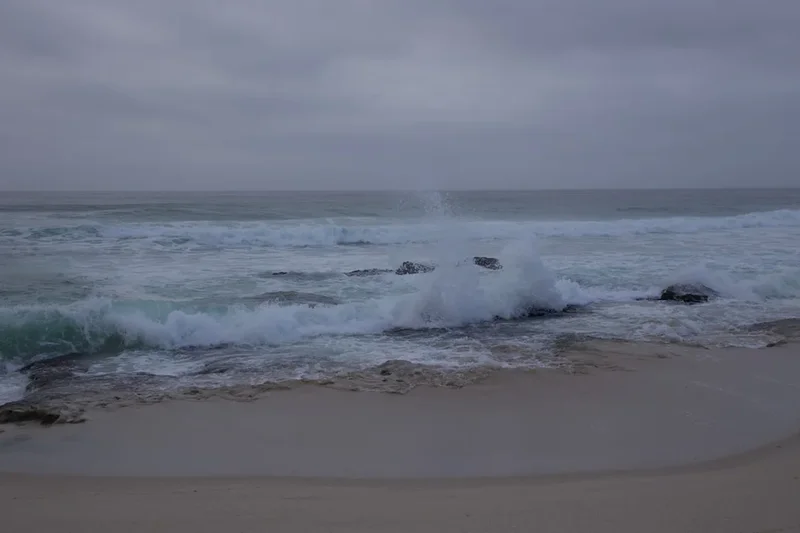
The Whale Trail is a world-renowned 55-kilometre, five-day hiking route situated within the pristine De Hoop Nature Reserve in the Western Cape of South Africa. Stretching from the rugged heights of the Potberg Mountains to the shimmering white sands of Koppie Alleen, this trail offers an unparalleled immersion into the Cape Floral Kingdom—the smallest yet most diverse of the world’s six floral kingdoms. As a flagship route managed by CapeNature, the Whale Trail is celebrated not only for its botanical richness but for its front-row seat to one of nature’s greatest spectacles: the annual migration of Southern Right Whales. Between June and November, these gentle giants congregate in the sheltered bays of the De Hoop Marine Protected Area to calve and mate, often breaching just metres from the shore.
The journey is a masterclass in ecological transition. It begins with a challenging ascent through mountain fynbos, where rare Cape Vultures soar on thermals above limestone ridges, before descending into a coastal wonderland of turquoise rock pools, dramatic sea caves, and shifting dunes. Unlike many wilderness trails that require heavy load-bearing, the Whale Trail is famous for its "slackpacking" option, allowing hikers to have their luggage transported between overnight huts. This accessibility, combined with the high standard of eco-cabins provided, makes it a bucket-list experience for those seeking a blend of physical challenge and natural luxury. However, the trail remains a true wilderness experience; there is no mobile reception for much of the route, and the rhythm of the hike is dictated entirely by the tides, the wind, and the sun.
- Distance: 55.0 km one-way
- Duration: 5 days / 5 nights
- Season: Year-round (Best for whales: August–November; Best for flowers: July–September)
- Huts: Potberg, Cupidoskraal, Noetsie, Vaalkrans, Koppie Alleen
- Highest point: Potberg Crest (611 m)
- Daily walkers: Maximum 12 people per group (fixed group departures)
- Direction: West to East (Potberg to Koppie Alleen)
Overview
The Whale Trail is frequently cited as the finest coastal walk in Africa, a reputation built on its extraordinary biodiversity and the sheer drama of its coastline. Located approximately three hours from Cape Town, the De Hoop Nature Reserve serves as the backdrop for this 55-kilometre odyssey. The trail is designed to showcase the two distinct faces of the reserve: the mountainous interior and the marine-rich coastline. The first two days are spent traversing the Potberg Mountain range, where the elevation provides panoramic views of the Breede River valley and the Indian Ocean. The final three days are spent at sea level, navigating a coastline that has remained largely untouched by modern development.
The botanical diversity of the trail is staggering. Hikers walk through dense stands of Proteas, Ericas, and Restios—plants that have adapted over millennia to the nutrient-poor soils and frequent fires of the Cape. In spring, the landscape erupts in a kaleidoscope of colour, with wildflowers carpeting the dunes and mountain slopes. This floral wealth supports a vibrant ecosystem of birdlife, including the endemic Orange-breasted Sunbird and the Cape Sugarbird. Offshore, the De Hoop Marine Protected Area extends three nautical miles into the sea, providing a sanctuary for dolphins, seals, and the star of the show, the Southern Right Whale. The sight of a mother whale and her calf resting in the shallows is a common occurrence during the peak season, providing a profound sense of connection to the marine world.
Logistically, the Whale Trail is a highly organised experience. CapeNature limits the trail to just 12 hikers per day, ensuring that the sense of solitude is never compromised. The overnight accommodation consists of well-appointed cottages that blend into the landscape, offering hot showers, solar-powered lighting, and fully equipped kitchens. This "luxury" element does not diminish the physical effort required; the trail involves significant elevation gain on the first day and technical beach walking on the latter days. It is a journey that rewards the patient observer—those who stop to examine the intricate patterns of a sea shell or the flight of a Black Oystercatcher are the ones who truly experience the magic of the Whale Trail.
The weather on the Whale Trail is typical of the Western Cape’s Mediterranean climate. Summers (December to February) are hot and dry, with the prevailing South-Easterly wind providing a cooling but sometimes fierce breeze. Winters (June to August) are cooler and bring the majority of the region's rainfall, transforming the fynbos into a lush green tapestry. Regardless of the season, the trail demands respect for the elements. The coastal sections are particularly sensitive to tidal movements, and hikers must time their daily departures to ensure safe passage around rocky headlands. It is this interplay between the land, the sea, and the seasons that makes the Whale Trail a dynamic and ever-changing adventure.
History and Cultural Context
The land encompassing the Whale Trail has a human history stretching back tens of thousands of years. Archaeological excavations in the De Hoop area, particularly at Klipdrift Shelter, have revealed evidence of Middle Stone Age habitation. The ancestors of the Khoi-San people lived along this coastline, harvesting shellfish and medicinal plants from the fynbos. Their presence is still felt in the shell middens—ancient refuse heaps of discarded shells—that can be found tucked away in coastal caves along the route. These sites are protected heritage areas, offering a silent testimony to a way of life that was perfectly synchronised with the coastal environment.
In the 18th and 19th centuries, the area was settled by European farmers who established vast estates for sheep and cattle grazing. The name "De Hoop" (The Hope) reflects the optimism of these early settlers. However, the rugged terrain and the lack of reliable fresh water made large-scale agriculture difficult. Many of the historic farmsteads, with their distinctive Cape Dutch architecture, have been preserved within the reserve, providing a glimpse into the colonial history of the Overberg region. The transition from farmland to nature reserve began in 1957, when the first portions of land were purchased by the provincial government to protect the unique fynbos and the breeding colony of Cape Vultures on Potberg.
The establishment of the Marine Protected Area in 1985 was a turning point for the region. Prior to this, Southern Right Whales had been hunted to the brink of extinction by commercial whaling fleets. The protection of the De Hoop coastline provided a safe haven for these animals to return to their ancestral calving grounds. Today, the Whale Trail is a symbol of successful conservation, demonstrating how eco-tourism can support the preservation of both terrestrial and marine ecosystems. The trail was officially opened in the early 2000s and has since become a flagship project for CapeNature, attracting hikers from across the globe who come to witness the results of decades of dedicated environmental stewardship.
Want more background? Read extended notes on history and cultural context → Learn more
Seasonal Highlights and Weather Reality
The Whale Trail is a year-round destination, but the experience changes dramatically with the seasons. Understanding the weather patterns of the Western Cape is essential for planning a successful trip. The region experiences a Mediterranean climate, characterised by hot, dry summers and cool, wet winters. However, the coastal location means that weather can be unpredictable, with sudden mists or strong winds occurring at any time of year.
Spring (August to November): This is widely considered the "Golden Season" for the Whale Trail. It coincides with the peak of the Southern Right Whale migration, offering the best opportunities for whale watching from the cliffs. Simultaneously, the fynbos is in full bloom, with Proteas and Ericas creating a spectacular floral display. Temperatures are mild, typically ranging from 15°C to 25°C, making for comfortable hiking conditions. However, this is also the most popular time to hike, and bookings must be made up to a year in advance.
Summer (December to February): Summer brings long, sunny days and high temperatures, often exceeding 30°C. The heat can be intense, especially on the first two days when traversing the inland mountains. Hikers must carry extra water and start their days early to avoid the midday sun. The cooling "South-Easter" wind is common, which can make beach walking challenging but provides relief from the heat. This is the best time for swimming in the rock pools, though the whales have usually departed for their Antarctic feeding grounds by mid-December.
Autumn (March to May): Autumn is a season of transition, offering stable weather and calm seas. The intense heat of summer begins to fade, and the winds often die down. While the floral display is less dramatic than in spring, many species of Protea bloom during these months. It is an excellent time for photography, as the light is softer and the visibility is often crystal clear. This is a "quiet" season on the trail, ideal for those seeking maximum solitude.
Winter (June to July): Winter is the rainy season, but it is rarely a period of continuous rain. Instead, the region experiences cold fronts followed by days of brilliant sunshine. The landscape becomes incredibly green, and the first whales begin to arrive in the bays. Temperatures can drop to 5°C at night, and the mountain sections can be shrouded in mist. Hikers must be prepared with high-quality waterproof gear and warm layers for the evenings in the huts.
Recommended Itinerary
5-Day Whale Trail Itinerary
Day 1: Potberg to Cupidoskraal
- Distance: 15.5 km
- Elevation gain: 611 m
- Time: 6–8 hours
- The trail begins at the Potberg office with a steady climb to the crest of the Potberg Mountain.
- This is the most strenuous day of the trail, requiring a good level of fitness.
- Key Waypoint: The Potberg Vulture Colony. Look out for the rare Cape Vultures nesting on the cliffs.
- Panoramic views from the summit extend across the Breede River and the distant Indian Ocean.
- The descent leads through dense mountain fynbos to the Cupidoskraal hut, nestled in a valley.
- Cupidoskraal is a historic site, once used by early farmers as a mountain retreat.
Day 2: Cupidoskraal to Noetsie
- Distance: 15.2 km
- Elevation gain: 450 m
- Time: 7–8 hours
- A long but rewarding day that takes hikers from the mountains to the sea.
- The route follows the ridge of the Potberg before descending towards the coast.
- Key Waypoint: Hamerkop. A dramatic viewpoint where the first sight of the coastline is revealed.
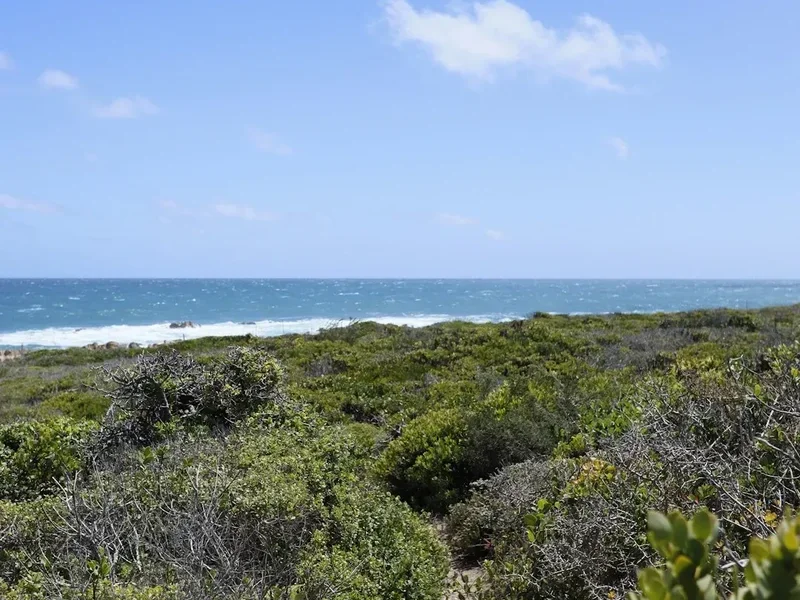
- The vegetation changes from mountain fynbos to coastal thicket as you descend.
- The final stretch involves a steep descent into the secluded bay of Noetsie.
- Noetsie hut is perched on the cliffs, offering spectacular views of the crashing surf below.
Day 3: Noetsie to Vaalkrans
- Distance: 8.5 km
- Elevation gain: 150 m
- Time: 4–6 hours
- A shorter day designed to allow for maximum whale watching and exploration of the coastline.
- The trail follows the cliff tops, providing elevated vantage points over the marine protected area.
- Key Waypoint: Stilbaai. A beautiful beach section perfect for a midday break (tide dependent).
- Explore the numerous sea caves and rock arches carved into the limestone cliffs.
- Arrive at Vaalkrans hut, which is situated on a high promontory overlooking a vast bay.
- Vaalkrans is famous for its sunsets and the sound of whales breaching in the dark.
Day 4: Vaalkrans to Koppie Alleen
- Distance: 10.5 km
- Elevation gain: 100 m
- Time: 5–6 hours
- This day is almost entirely coastal, alternating between rocky platforms and sandy beaches.
- Key Waypoint: Hippie’s Pool. A large, sheltered rock pool ideal for snorkelling and swimming.
- The trail passes through the "Whale Nursery," where the highest concentration of whales is often found.
- Hikers must be aware of the tides, as some sections of the beach can be cut off at high tide.
- The day ends at Koppie Alleen, a landmark limestone outcrop that marks the end of the wilderness section.
- The Koppie Alleen hut is the final overnight stop, offering a chance to reflect on the journey.
Day 5: Koppie Alleen to Trailhead (Potberg)
- Distance: 7.0 km
- Elevation gain: 50 m
- Time: 2–3 hours
- The final day is a gentle walk through the coastal dunes and fynbos.
- The trail leads away from the beach towards the pick-up point at the Koppie Alleen parking area.
- Key Waypoint: The Bird Hide. A great spot for observing wading birds and flamingos in the distance.
- A shuttle service (pre-arranged) transports hikers back to the Potberg office to collect their vehicles.
- The short distance allows for a relaxed finish and a final celebratory lunch in the reserve.
Important Notes:
- The trail is strictly one-way and must be completed in the designated five days.
- Tide tables are provided at the start; hikers must plan their coastal days accordingly.
- The "slackpacking" portage service must be booked in advance and is highly recommended.
- Water is available at all huts, but it is rainwater and should be treated.
- There is no shade on the coastal sections; sun protection is critical.
Planning and Bookings
Book Your Trip
Everything you need to plan your journey
Accommodation
Find places to stay near Cape Town
Flights
Search flights to Cape Town
Essential Preparation
The Whale Trail is one of South Africa’s most sought-after hiking experiences, and successful completion requires meticulous planning. Because the trail is limited to 12 people per day, bookings often fill up 12 months in advance. It is highly recommended to coordinate your group well before the booking window opens. The trail is typically booked as a block of 12, though smaller groups can sometimes find spots if a block is not fully utilised.
Fitness is a key consideration. While the "slackpacking" option removes the burden of a heavy pack, the distances and terrain are still challenging. Day 1 and Day 2 involve significant climbing and long hours on your feet. Hikers should be comfortable walking 15 kilometres a day on uneven surfaces. Training should include hill climbs and walking on sand to prepare for the coastal sections. The nearest major city is Cape Town, which serves as the primary gateway. Most hikers fly into Cape Town International Airport and rent a car for the three-hour drive to De Hoop. It is advisable to stay in the reserve or nearby Bredasdorp the night before the trail starts to ensure an early departure on Day 1.
Trail Accommodation
The accommodation on the Whale Trail is managed by CapeNature and is of a high standard for a wilderness trail. There are five overnight huts: Potberg (at the start), Cupidoskraal, Noetsie, Vaalkrans, and Koppie Alleen. Each hut is designed to accommodate a maximum of 12 people, usually in two or three separate bedrooms with bunk beds.
Hut Facilities:
- Bunk beds with high-quality mattresses (hikers must bring their own sleeping bags and pillows).
- Fully equipped kitchens with gas stoves, solar-powered fridges, and all necessary cutlery and crockery.
- Indoor and outdoor "braai" (barbecue) areas with wood provided.
- Solar-powered lighting in common areas and bedrooms.
- Hot water showers (gas-heated) and flush toilets.
- Rainwater tanks for drinking and washing (treatment recommended).
- Communal dining areas with tables and benches.
What Huts Don't Provide:
- Electricity for charging devices (no wall sockets; bring power banks).
- Bedding, towels, or toiletries.
- Food or beverages (this is a self-catering trail).
- Mobile phone signal or WiFi (the huts are in a "dead zone").
- Heating (huts can be cold in winter; bring warm clothing).
Booking Requirements:
- Bookings are made through the CapeNature central reservations office.
- The cost is approximately ZAR 3,500 to ZAR 5,000 per person for the five-day trail, depending on the season.
- The portage service (slackpacking) is an additional cost, usually around ZAR 600 per 60-litre crate.
- Full payment is required at the time of booking to secure your dates.
Required Gear
- Hiking boots: Sturdy, waterproof boots with good ankle support are essential for the rocky mountain sections.
- Lightweight shoes/sandals: For wearing around the huts and for crossing shallow rock pools.
- Daypack: A 20–30 litre pack for carrying water, snacks, a rain jacket, and a first aid kit.
- Waterproof jacket: A high-quality, breathable shell is necessary for the coastal winds and potential rain.
- Sleeping bag: A 3-season bag is recommended; even in summer, the coastal nights can be cool.
- Sun protection: A wide-brimmed hat, high-SPF sunscreen, and polarised sunglasses (to help spot whales).
- First aid kit: Include blister plasters, antiseptic cream, rehydration salts, and any personal medications.
- Head torch: Essential for moving around the huts at night, as solar lights are limited.
- Power bank: To keep cameras and GPS devices charged throughout the five days.
What to Bring
- Food for 5 days: Plan calorie-dense meals. If using the portage service, you can bring fresh meat and vegetables for the first few nights.
- Water treatment: Chlorine tablets or a portable filter for treating rainwater from the tanks.
- Toiletries: Biodegradable soap and shampoo, toothpaste, and a small travel towel.
- Braai equipment: While wood is provided, you may want to bring your own fire-lighters and a "braai rooster" (grill).
- Snacks: Trail mix, energy bars, and dried fruit for sustained energy during the long days.
- Binoculars: A lightweight pair is highly recommended for whale watching and birding.
- Tide table: Essential for planning the coastal sections (usually provided by CapeNature at the start).
- Cash: For the shuttle service at the end and for any small purchases at the Potberg shop.
Permits
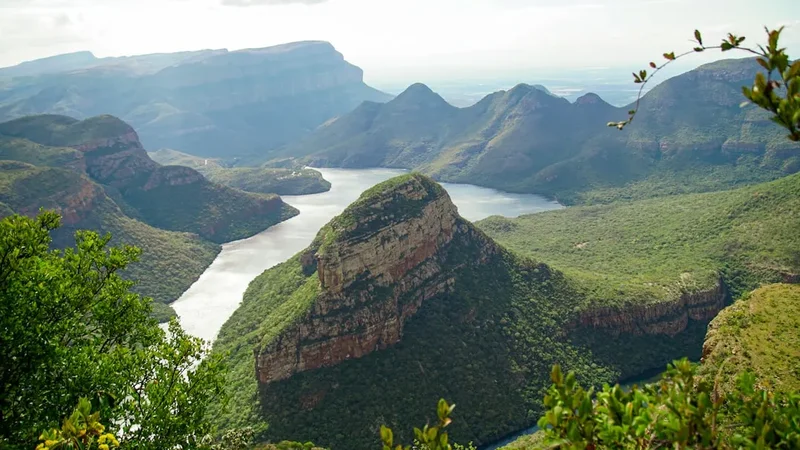
Access to the Whale Trail is strictly controlled by CapeNature to protect the fragile ecosystem of the De Hoop Nature Reserve. A permit is required for every hiker, and these are issued as part of the formal booking process. You cannot simply "show up" and hike the trail; the fixed-group format means that every spot is accounted for months in advance.
Booking Process:
- Reservations open on a rolling basis, usually 12 months in advance.
- Contact the CapeNature Contact Centre via telephone or email to check availability.
- Once a date is confirmed, you will receive a provisional booking and an invoice.
- Payment must be made within the specified timeframe (usually 48 hours) to confirm the permit.
- The permit covers your entry into the reserve, your accommodation in the huts, and your right to hike the trail.
Portage (Slackpacking) Permits:
- If you opt for the portage service, this must be declared and paid for at the time of booking.
- You will be allocated 60-litre plastic crates (one per person).
- These crates are transported by 4x4 vehicle between the huts each day.
- There are strict weight limits (usually 30kg per crate) to prevent damage to the transport vehicles.
Cancellations and Changes:
- CapeNature has a strict cancellation policy. Refunds are rarely given for cancellations made less than three months before the start date.
- It is highly recommended to take out travel insurance that covers "hiking trip cancellations" to protect your investment.
- Permits are non-transferable without prior written consent from CapeNature.
Other Activities in the Area
The Overberg region offers a wealth of activities that can be combined with a Whale Trail hike:
- Hermanus Whale Watching: Known as the whale-watching capital of the world, Hermanus is a 90-minute drive from De Hoop. It offers boat-based whale watching and the world's only "Whale Crier."
- Cape Agulhas: Visit the southernmost tip of Africa, where the Atlantic and Indian Oceans officially meet. The historic lighthouse and the iconic monument are must-sees.
- Wine Tasting in the Hemel-en-Aarde Valley: This region is famous for its cool-climate Pinot Noir and Chardonnay. Many world-class estates offer tastings and gourmet lunches.
- Shark Cage Diving in Gansbaai: For the ultimate adrenaline rush, head to Gansbaai to see Great White Sharks and Bronze Whaler Sharks from the safety of a cage.
- Bredasdorp Shipwreck Museum: A fascinating look at the treacherous history of the "Graveyard of Ships" along the Agulhas coastline.
- Mountain Biking in De Hoop: The reserve has several dedicated mountain bike trails for those who haven't had enough exercise on the Whale Trail.
Safety and Conditions
Tidal Awareness: This is the most critical safety factor on the Whale Trail. Days 3 and 4 involve significant sections of beach and rock-platform walking. At high tide, certain headlands become impassable, and the force of the Indian Ocean can be deadly. Hikers must consult the tide tables provided and ensure they pass these "pinch points" during low tide. Never attempt to outrun a rising tide around a rocky point.
Sun and Heat: The South African sun is exceptionally strong, and the white sands of De Hoop reflect UV rays, increasing the risk of severe sunburn and heatstroke. There is virtually no shade on the trail. Hikers must wear high-SPF sunscreen, a hat, and long-sleeved lightweight clothing. Dehydration is a constant risk; carry at least 3 litres of water on the mountain days and 2 litres on the coastal days.
Wildlife Encounters: While the whales are harmless observers, the terrestrial environment has its own residents. The reserve is home to several species of venomous snakes, including the Puff Adder and Cape Cobra. Always watch where you step, especially in thick fynbos. If you encounter a snake, stand still and allow it to move away. The reserve also has Cape Leopards, though they are incredibly elusive and pose no threat to hikers. Baboons can be a nuisance at the huts; ensure all food is stored inside and doors are kept closed.
Emergency Communication: There is no mobile phone reception on most of the trail. In the event of an emergency, hikers must send a member of the group to the nearest high point to search for a signal or wait for the CapeNature rangers who check the huts periodically. Carrying a satellite communication device (like a Garmin inReach) is highly recommended for peace of mind.
Water Safety: The Indian Ocean along this coast is notorious for rip currents and heavy swells. While there are sheltered rock pools like Hippie’s Pool that are safe for swimming, avoid swimming in the open ocean. The water is also surprisingly cold, even in summer, which can lead to rapid fatigue.
Side Trips and Points of Interest
The Potberg Vulture Colony: Located near the start of the trail, this is the only remaining breeding colony of the endangered Cape Vulture in the Western Cape. A short detour to the viewing platform offers a chance to see these massive birds (with wingspans up to 2.5 metres) soaring over the cliffs. It is a conservation success story that adds a unique dimension to the first day's hike.
Klipdrift Shelter: For those interested in archaeology, the cliffs near Noetsie contain several important Stone Age sites. While many are closed to the public to protect ongoing research, the general area provides a sense of the deep human history of the coastline. Look for the dark, soot-stained ceilings of caves which indicate ancient hearths.
The Intertidal Rock Pools: Between Noetsie and Vaalkrans, the limestone shelf creates a series of intricate rock pools. These are miniature ecosystems teeming with life, including colourful sea anemones, starfish, sea urchins, and small octopuses. Spending an hour at low tide exploring these pools is one of the highlights of the trail.
The Vaalkrans Caves: The limestone cliffs at Vaalkrans are riddled with sea caves. Some are large enough to walk into and offer a cool respite from the sun. The echoes of the crashing waves inside the caves create a hauntingly beautiful atmosphere. Be sure to check the tide before entering any cave that is at sea level.
Dune Surfing at Koppie Alleen: The massive white sand dunes near the end of the trail are not just beautiful to look at; they are also fun to explore. While formal "sandboarding" is not permitted to protect the vegetation, walking to the top of the highest dunes provides the best possible vantage point for whale spotting across the entire bay.
Leave No Trace
The Whale Trail passes through a highly sensitive Marine Protected Area and a World Heritage Site. The "Leave No Trace" principles are not just guidelines here; they are essential for the continued existence of the trail. The fynbos ecosystem is particularly fragile, and the marine life depends on a pollution-free environment.
Core Principles for the Whale Trail:
- Pack it in, pack it out: All rubbish, including organic waste like orange peels and apple cores, must be carried out. Organic waste does not belong in the fynbos and can attract scavengers that disrupt the natural balance.
- Stay on the path: The limestone soils are easily eroded, and trampling the fynbos can kill rare plant species. Stick to the marked trail at all times.
- No fires: Fynbos is highly flammable. Fires are strictly prohibited except in the designated braai areas at the huts. Never discard a cigarette butt on the trail.
- Respect the whales: It is illegal to disturb the whales. Do not throw objects into the water or attempt to swim out to them. Observe from a respectful distance on the cliffs.
- Do not collect: It is tempting to pick up beautiful shells, stones, or wildflowers. However, everything in the reserve plays a role in the ecosystem. Leave everything as you found it for the next hiker to enjoy.
- Water conservation: The huts rely on rainwater. Use water sparingly for showering and washing dishes, especially during the dry summer months.