
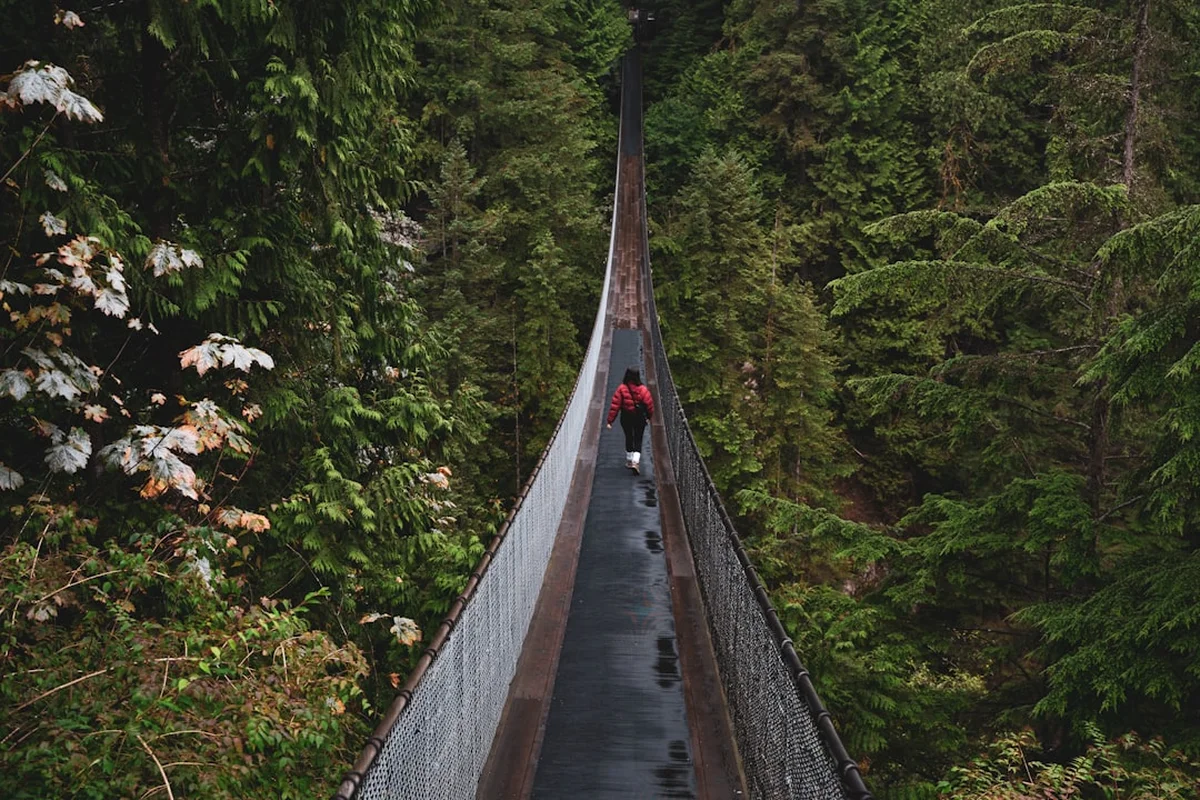
West Coast Trail (Day Section) - A Glimpse into the Graveyard of the Pacific
The West Coast Trail (WCT) is arguably Canada’s most iconic wilderness trek, a 75-kilometre odyssey that traces the rugged southwestern edge of Vancouver Island. While the full multi-day expedition is a rite of passage for backpackers worldwide, the West Coast Trail (Day Section) offers a concentrated, accessible, yet profoundly challenging encounter with this ancient landscape. This 10-kilometre journey, typically beginning at the Pachena Bay trailhead near Bamfield, provides a masterclass in coastal ecology, maritime history, and the raw power of the Pacific Ocean. It is a path where the emerald canopy of a temperate rainforest meets the relentless surge of the sea, offering hikers a visceral connection to a coastline that has both sustained indigenous cultures for millennia and claimed the lives of countless mariners.
Walking even a fraction of the West Coast Trail requires a shift in perspective. This is not a manicured park path; it is a reclaimed telegraph route and life-saving trail, originally carved through nearly impenetrable bush to rescue shipwreck survivors. Today, the day section allows visitors to experience the towering Sitka spruces, the intricate network of wooden boardwalks, and the haunting beauty of the "Graveyard of the Pacific" without the logistical burden of a week-long pack. From the rhythmic barking of sea lions at offshore haul-outs to the stoic presence of the Pachena Lighthouse, every kilometre of this trail tells a story of resilience, survival, and the enduring majesty of the Canadian wild.
- Distance: 10.0 km (return to Pachena Lighthouse)
- Duration: 4–6 hours
- Season: May to September (strictly regulated by Parks Canada)
- Elevation Gain: 150 m (characterised by short, steep undulations and ladders)
- Difficulty: Moderate (requires agility for ladders and boardwalks)
- Closest City: Victoria, British Columbia
- Trailhead: Pachena Bay (Northern Terminus)
- Permits: Mandatory Parks Canada West Coast Trail permit required
Overview
The West Coast Trail (Day Section) is a sensory immersion into the Pacific Rim National Park Reserve. Unlike many coastal hikes that remain at sea level, the WCT frequently climbs onto high bluffs, offering dramatic vistas of the open ocean before plunging back into the deep, damp silence of the rainforest. The 10-kilometre return route from Pachena Bay to the Pachena Lighthouse is the most popular day-use segment, providing a representative sample of the trail’s unique architecture—specifically its famous wooden ladders and extensive boardwalk systems designed to navigate the deep mud and vertical terrain of the West Coast.
The landscape is defined by its extremes. On a clear day, the Pacific Ocean stretches toward the horizon in a brilliant display of sapphire and white foam, with the Olympic Peninsula of Washington State occasionally visible in the distance. However, the region is equally famous for its "fog zone," where a thick, ethereal mist can roll in within minutes, swallowing the forest and muffling the sound of the crashing surf. This atmospheric volatility is a core part of the WCT experience. The forest itself is a cathedral of giants; Sitka spruce, Western hemlock, and Western red cedar trees, some over 800 years old, draped in club moss and lichens, create a multi-layered ecosystem that feels prehistoric.
For the day hiker, the primary objective is often the Pachena Lighthouse, a functional maritime sentinel that has guided ships since 1908. The route to the lighthouse involves navigating several sets of the trail's signature ladders—sturdy but steep wooden structures that require a steady hand and a lack of vertigo. Along the way, hikers pass through the traditional territories of the Huu-ay-aht First Nations, whose presence in this region is woven into the very soil and cedar of the trail. The day section is a perfect balance of physical exertion and contemplative beauty, offering enough challenge to satisfy the adventurous spirit while remaining achievable for those with moderate fitness and a keen eye for the wonders of the natural world.
History and Cultural Context
The history of the West Coast Trail is a tapestry of indigenous heritage and maritime tragedy. For thousands of years, the Pacheedaht, Ditidaht, and Huu-ay-aht First Nations utilised these coastal routes for travel, trade, and resource gathering. The trail follows ancient paths that connected villages and provided access to the rich bounty of the sea. To the First Nations people, this land is not a "wilderness" to be conquered, but a home and a spiritual provider. Hikers are guests in a landscape that remains of vital cultural and sovereign importance to these Nations, and the trail passes near several archaeological sites and traditional areas that demand the utmost respect.
The modern iteration of the trail as a "life-saving route" was born out of catastrophe. The waters off the west coast of Vancouver Island are notoriously treacherous, earning the moniker "The Graveyard of the Pacific." Between 1854 and 1906, dozens of ships were lost to the hidden reefs, violent storms, and deceptive currents of the Juan de Fuca Strait. The catalyst for the trail's formal construction was the 1906 wreck of the SS Valencia. The passenger steamer struck a reef in thick fog, and despite being close to shore, 136 people perished because the rugged cliffs and dense forest made rescue from land impossible. The public outcry following the disaster forced the Canadian government to build the Pachena Lighthouse and establish a telegraph line and a rugged trail to allow shipwreck survivors to reach safety.
Throughout the early 20th century, "linemen" patrolled the trail to maintain the telegraph wires, often living in isolated cabins along the route. As maritime technology improved with the advent of radar and GPS, the life-saving trail fell into disuse until it was incorporated into the Pacific Rim National Park Reserve in 1970. Today, the West Coast Trail serves as a living memorial to those lost at sea and a testament to the bravery of the rescuers and linemen who once traversed these difficult kilometres. Walking the day section allows you to step into this history, passing the same headlands where survivors once huddled and seeing the lighthouse that finally brought light to this dark corner of the coast.
Want more background? Read extended notes on history and cultural context → Learn more
Seasonal Highlights and Weather Reality
The West Coast Trail is only open from 1 May to 30 September. Outside of this window, the trail is closed to all users due to extreme winter storms, heavy rainfall, and the removal of essential infrastructure like suspension bridges and cable cars. Even within the operating season, the weather is the primary architect of the hiking experience.
May and June: These months are often characterised by "June Gloom," where persistent fog and drizzle dominate the coast. While the temperatures are cool and comfortable for hiking (12°C to 16°C), the trail can be exceptionally muddy. The benefit of this season is the lushness of the forest; the mosses are vibrant green, and the ferns are at their most dramatic. Wildlife sightings, particularly black bears foraging on the beaches, are common.
July and August: This is the peak season, offering the highest probability of clear skies and sunshine. Temperatures can reach 20°C or higher, though the ocean breeze keeps the air fresh. This is the best time for photography and for enjoying the beach sections of the trail. However, this is also the busiest time, and permits must be booked months in advance. Even in high summer, a sudden Pacific storm can bring heavy rain, so waterproof gear remains mandatory.
September: The late season brings a change in light and a crispness to the air. The crowds begin to thin, and the berries (salmonberries and huckleberries) are often ripe along the trail margins. While the weather can remain stable, the risk of early autumn storms increases toward the end of the month. The "fog zone" is particularly active in September, creating atmospheric, moody conditions that are quintessential to the Vancouver Island experience.
Recommended Itinerary
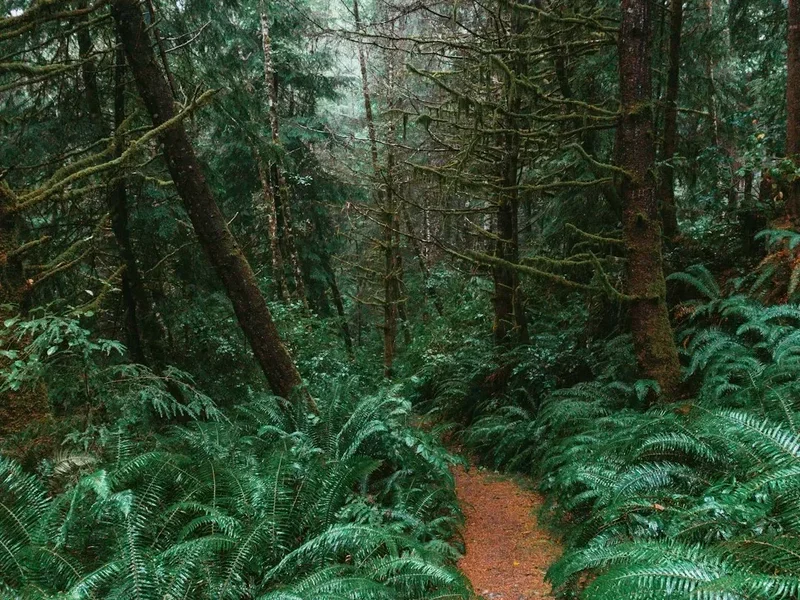
Pachena Bay to Pachena Lighthouse (Return)
Early Morning: Arrival and Orientation
- 08:30 – Arrive at the Pachena Bay Trailhead (near Bamfield).
- 08:45 – Check in at the Parks Canada Information Centre. Even for a day hike, it is essential to notify staff of your plans and ensure you have the correct permit.
- 09:00 – Final gear check. Ensure your water bottles are full and your tide table is accessible (though less critical for this specific inland-leaning section, it is good practice).
- 09:15 – Begin the hike. The trail starts with a gentle climb into the old-growth forest, immediately immersing you in the scent of cedar and salt.
Morning: The Forest and the Ladders
- 09:15 – 10:30 – Traverse the first 3 kilometres. This section features well-maintained boardwalks that protect the fragile forest floor. You will encounter your first set of ladders—take your time and maintain three points of contact.
- 10:30 – Reach the sea lion haul-out viewpoint. From the high bluffs, you can often hear the cacophony of Steller and California sea lions barking on the rocks below. Bring binoculars for the best view.
- 11:00 – Continue through the "Green Cathedral," a section of particularly massive Sitka spruces. The trail undulates here, with short climbs and descents that test your rhythm.
Midday: The Lighthouse Destination
- 11:30 – Arrive at the Pachena Lighthouse (Kilometre 10 of the full WCT). This is the turnaround point for the day hike.
- 11:30 – 12:30 – Lunch break. Find a spot near the lighthouse (respecting the lightkeeper's privacy and staying within designated areas) to enjoy the panoramic views of the Pacific.
- Explore the historical markers and take in the scale of the coastline. On a clear day, the view south toward Michigan Creek is spectacular.
Afternoon: The Return Journey
- 12:30 – Begin the return trek to Pachena Bay. While the route is the same, the perspective from the opposite direction often reveals details missed on the way in, such as hidden fungi or different angles of the coastal bluffs.
- 14:00 – Pause at the sea lion viewpoint again; tide changes may have brought more animals onto the rocks.
- 15:30 – Arrive back at the Pachena Bay Trailhead.
- 15:45 – Sign out at the Parks Canada office (if required) and take a moment to walk onto the expansive sands of Pachena Bay to cool your feet in the Pacific.
Important Notes:
- The 10 km distance is a return total (5 km each way).
- Always carry a physical map; GPS can be unreliable under the thick canopy.
- Be prepared for mud even if it hasn't rained recently; the forest retains moisture year-round.
- Ladders can be slippery when wet; use caution and ensure your pack is balanced.
Planning and Bookings
Book Your Trip
Everything you need to plan your journey
Accommodation
Find places to stay near Victoria
Flights
Search flights to Victoria
Essential Preparation
Planning for the West Coast Trail, even for a day section, requires more coordination than a standard park visit. The trailhead at Pachena Bay is remote. If you are driving from Victoria, the journey takes approximately 5 hours, much of it on active logging roads if coming via Port Alberni, or via the winding BC-14 through Port Renfrew. Ensure your vehicle is in good condition, has a full tank of fuel, and you are comfortable driving on gravel surfaces. If you prefer not to drive, the West Coast Trail Express bus operates during the season, connecting Victoria and Nanaimo to the trailheads.
Fitness is a key consideration. While 10 kilometres sounds modest, the "WCT kilometre" is notoriously more taxing than a standard flat kilometre. The constant stepping over roots, navigating mud, and climbing ladders engages different muscle groups. Ensure you have done some training on uneven terrain and are comfortable with vertical ladders. Finally, check the Parks Canada website for any "Trail Alerts"—closures due to bear activity or infrastructure damage can happen at any time.
Trail Accommodation
This is a day hike requiring no overnight accommodation on the trail itself. Camping on the West Coast Trail is strictly reserved for multi-day hikers with overnight permits. However, there are several excellent options for staying near the trailhead before or after your hike.
Accommodation Options:
- Pachena Bay Campground: Located right at the trailhead, this campground is managed by the Huu-ay-aht First Nations. It offers beautiful beachfront sites for tents and RVs. Booking in advance is highly recommended during the summer months.
- Bamfield Lodging: The nearby town of Bamfield (about 5 km from the trailhead) offers a range of accommodation, from rustic hostels and B&Bs to more upscale fishing lodges. Bamfield is split into "East" and "West" sections, separated by a water taxi.
- Port Renfrew: If you are exploring the southern end of the trail, Port Renfrew has several hotels and cottages, though it is a significant drive from the Pachena Bay (Northern) end.
Facilities at the Trailhead:
- Parks Canada Information Centre (permits, maps, orientation)
- Public toilets and rubbish bins
- Potable water (usually available at the Information Centre)
- Limited parking (ensure you follow parking regulations to avoid towing)
Required Gear
- Hiking Boots: Sturdy, waterproof boots with excellent ankle support are non-negotiable. The trail is a mix of mud, roots, and slippery boardwalks.
- Waterproof Jacket: A high-quality, breathable waterproof shell (Gore-Tex or similar). The West Coast can see heavy rain even on "sunny" days.
- Backpack: A 20–30 litre daypack with a rain cover. Ensure it has a chest and waist strap to keep it stable while you are on the ladders.
- Tide Table: Even for the day section, knowing the tide is essential for safety if you decide to explore any beach areas near the trailhead.
- Map and Compass: A waterproof trail map (available at the Parks Canada office). Do not rely solely on your phone.
- Whistle and Signalling Mirror: Standard safety items for coastal wilderness.
- Gaiters: Highly recommended to keep mud and debris out of your boots.
What to Bring
- Water: At least 2 litres per person. While there are streams, the water must be treated for Giardia and Cryptosporidium.
- High-Energy Food: Pack a substantial lunch plus extra snacks (nuts, energy bars, dried fruit). You will burn more calories than you expect.
- First Aid Kit: Include blister pads (moleskin), antiseptic wipes, bandages, and any personal medications.
- Sun Protection: Sunscreen, sunglasses, and a hat. The reflection off the ocean can be intense.
- Warm Layers: A fleece or lightweight down jacket. Temperatures can drop significantly when the fog rolls in or when you stop for lunch.
- Bear Spray: This is bear and cougar country. Carry bear spray in an accessible holster (not inside your pack) and know how to use it.
- Headlamp: With extra batteries, in case your hike takes longer than planned and you lose daylight.
- Toilet Paper and Trowel: While there are facilities at the trailhead and lighthouse, be prepared for emergencies (follow LNT principles).
Permits
Access to the West Coast Trail is strictly controlled by Parks Canada to preserve the wilderness character of the park and ensure hiker safety. For the day section starting at Pachena Bay, you must obtain a Day Use Permit. While these are generally easier to obtain than the coveted overnight permits, they are still mandatory.
Permit Process:
- Day Use: You can typically obtain a day-use permit at the Pachena Bay Information Centre on the morning of your hike. However, during peak periods, it is wise to call ahead to confirm availability.
- Overnight (Full Trail): If you decide to upgrade to an overnight trip, bookings open in early January each year and usually sell out for the entire season within hours.
- Fees: There is a per-person fee for day use, which contributes to trail maintenance and search and rescue services. Check the Parks Canada website for the current season's pricing (usually around $20–$30 CAD).
- Orientation: All hikers, including day users, are encouraged to watch the safety orientation video or speak with a ranger about current trail conditions and wildlife sightings.
Important Compliance:
- You must carry your permit with you at all times. Rangers frequently patrol the trail and will ask to see your documentation.
- The permit is only valid for the date issued and for the specific section of the trail indicated.
- Failure to have a permit can result in significant fines and being escorted off the trail.
Other Activities in the Area
The region surrounding Bamfield and Pachena Bay offers a wealth of activities for those looking to extend their stay on the wild west coast:
- Bamfield Marine Sciences Centre: A world-class research and teaching facility. They often offer public tours and "beach walks" where you can learn about the incredible biodiversity of the intertidal zone.
- Whale Watching: Take a boat tour from Bamfield to see Grey whales, Humpbacks, and Orcas. The waters of Barkley Sound are a primary feeding ground for these giants.
- Kayaking in Barkley Sound: Explore the Broken Group Islands, a paddler’s paradise of over 100 islands and islets with calm waters and abundant marine life.
- Brady’s Beach: A stunning, secluded beach near Bamfield accessible by a short hike or water taxi. It features dramatic sea stacks and excellent tide pooling.
- Fishing: Bamfield is world-renowned for salmon and halibut fishing. Several local charters offer half-day or full-day excursions.
- Cultural Tours: Connect with the Huu-ay-aht First Nations to learn about their history, art, and ongoing stewardship of the land.
Safety and Conditions
Wildlife Encounters: The West Coast Trail is home to black bears, cougars, and wolves. These animals are an integral part of the ecosystem but require respect. Always make noise while hiking (clapping or talking) to avoid surprising an animal. If you encounter a bear, stay calm, do not run, and back away slowly while speaking in a firm voice. Carry bear spray and ensure it is easily accessible. Never leave food or scented items unattended.
The Ladder System: The ladders on the WCT are a unique challenge. They can be over 10 metres high and are often slippery from rain or sea spray. Always maintain three points of contact (two hands and one foot, or two feet and one hand). If travelling in a group, allow only one person on a ladder section at a time to avoid overloading or accidental falls. Ensure your pack is properly fitted so it doesn't shift your centre of gravity.
Hypothermia and Weather: Even in summer, the combination of wind, rain, and cold Pacific water creates a high risk of hypothermia. Avoid cotton clothing, which loses its insulating properties when wet. Dress in layers of wool or synthetic materials. If you become wet and cold, stop, change into dry clothes, and consume high-energy food and warm liquids.
Tide Awareness: While the Pachena Bay to Lighthouse section is primarily inland, any exploration of the shoreline requires a tide table. Some beach sections of the full WCT are completely cut off at high tide, and hikers have been trapped against cliffs by the rising sea. Always know the time of the next high tide and use the forest trails if the tide is rising.
Emergency Communication: Cell phone service is non-existent on most of the trail. In an emergency, you may need to rely on other hikers to carry a message to the lighthouse or the trailhead. Carrying a satellite communication device (like a Garmin inReach or Zoleo) is highly recommended for any wilderness travel on Vancouver Island.
Side Trips and Points of Interest
Pachena Lighthouse: Built in 1908 following the SS Valencia disaster, this is one of the few remaining staffed lighthouses on the coast. The red-and-white tower is a striking landmark against the dark green forest. While the interior of the lighthouse is not open to the public, the surrounding grounds offer a fascinating look at maritime history and the life of a modern lightkeeper. The views from the cliffs here are some of the best on the entire trail.
Sea Lion Haul-out: Located approximately 3.5 km from the Pachena Bay trailhead, this rocky outcrop is a favourite sunning spot for hundreds of sea lions. The sound of their barking can often be heard long before you see them. It is a spectacular display of marine life, but remember to stay on the trail and use binoculars to avoid disturbing the animals.
The "Graveyard" Markers: Along the trail, you may notice small markers or clearings that hint at the maritime history of the area. While many of the shipwrecks are now submerged or reclaimed by the sea, the sense of history is palpable. Take a moment to read the interpretive signs at the trailhead to understand the specific wrecks that occurred near the points you are passing.
Old-Growth Giants: Keep an eye out for "culturally modified trees" (CMTs). These are ancient cedars where First Nations people traditionally harvested bark or planks without killing the tree. These trees are living archaeological sites and provide a direct link to the indigenous history of the coastline.
Leave No Trace
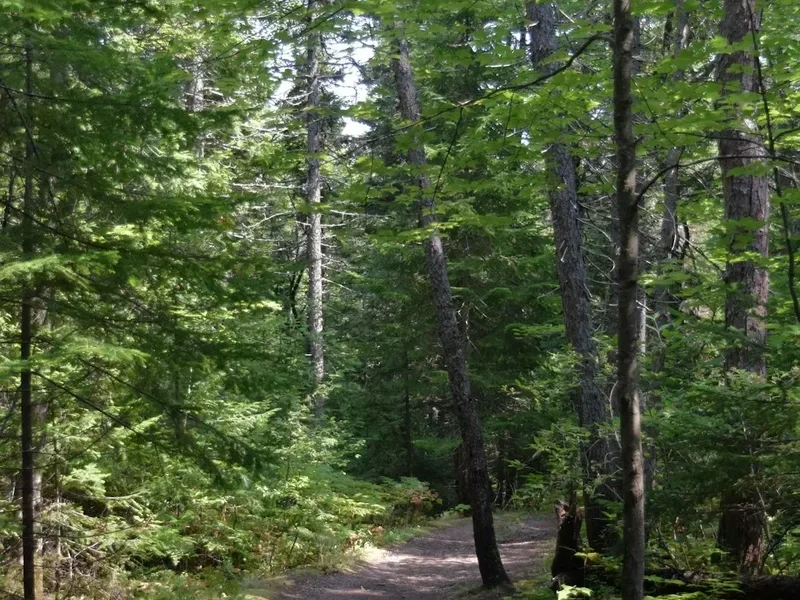
The West Coast Trail is a fragile ecosystem that faces immense pressure from its popularity. Adhering to Leave No Trace principles is essential to ensure the trail remains pristine for future generations and to respect the traditional lands of the First Nations.
Core Principles for the WCT:
- Pack it in, Pack it out: This includes all food scraps, orange peels, and even biodegradable items. There is no rubbish collection on the trail.
- Stay on the Trail: The boardwalks are there for a reason. Stepping off the trail tramples delicate mosses and contributes to soil erosion and "mud bogs."
- Respect Wildlife: Observe from a distance. Never feed animals, as this habituates them to humans and often leads to the animal having to be destroyed.
- Leave What You Find: Do not collect shells, stones, or plants. Leave historical artefacts and CMTs exactly as you found them.
- Proper Waste Disposal: Use the pit toilets provided at the trailhead and near the lighthouse. If you must go in the woods, dig a "cathole" at least 15 cm deep and 60 metres away from water sources and the trail. Pack out your toilet paper.
- No Fires: Day users should not build fires. They scar the landscape and pose a significant forest fire risk in the summer months.
 Canada