
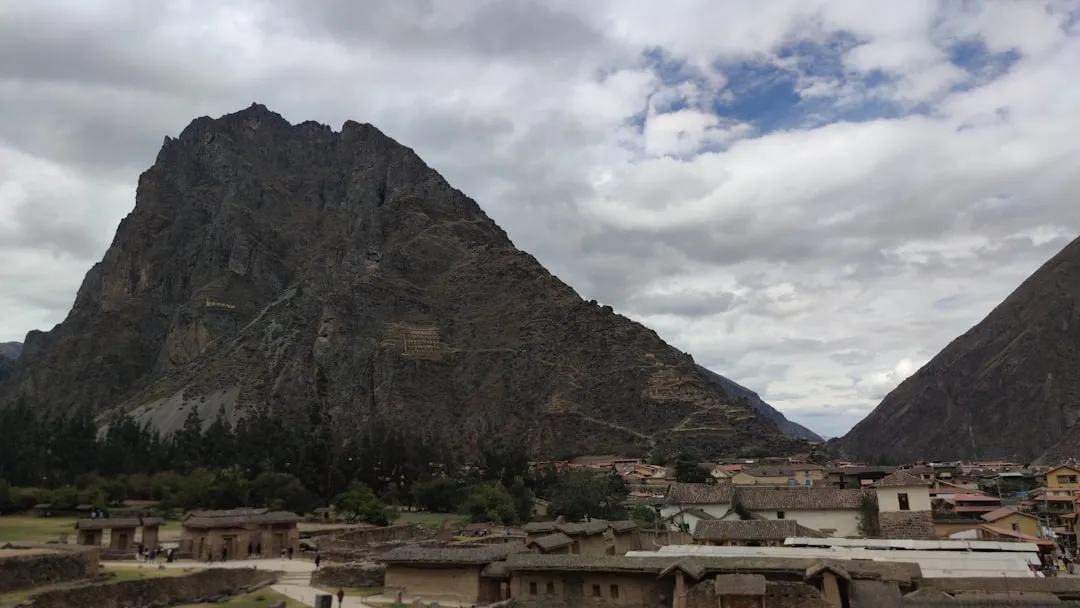
Waqrapukara Hike - The Fortress of the Clouds
The Waqrapukara Hike is a spectacular day walk in the Peruvian Andes, offering a profound connection to Incan history and breathtaking high-altitude scenery. Located south of Cusco, this trail leads to the impressive Waqrapukara ruins, a pre-Incan and Incan archaeological site perched dramatically on a cliff face. The name "Waqrapukara" translates to "Horned Fortress" in Quechua, a fitting description for its unique architecture and commanding position. This hike is a journey through rugged Andean landscapes, past glacial lakes, and into a realm of ancient spiritual significance. It's a moderate challenge, accessible to those with a reasonable level of fitness, and rewards walkers with unparalleled views and a deep sense of discovery.
- Distance: 10.0 km (round trip)
- Duration: 6–8 hours
- Elevation gain: Approximately 500 m
- Difficulty: Moderate
- Best Time: April to November (dry season)
- Highest point: Approximately 4,300 m
- Closest City: Cusco
- Trailhead Access: From Cusco, a 3-hour drive to the trailhead near Sangarara.
Overview
The Waqrapukara Hike is a journey into the heart of the Andes, a region steeped in history and natural grandeur. The trail begins at a modest altitude and gradually ascends through rolling hills and open puna grasslands, characteristic of the high Andean environment. As you progress, the landscape becomes increasingly dramatic, with rugged peaks and vast, sweeping vistas. The air is thin and crisp, and the silence is profound, broken only by the wind and the occasional call of a bird. The route is well-defined for much of its length, though some sections can be rocky and uneven, requiring careful footing.
The highlight of the hike is undoubtedly Waqrapukara itself. The ruins are not just a collection of stone structures; they are an integral part of the natural landscape. Built on a prominent rocky outcrop, the fortress-like complex features distinctive, horn-shaped formations that give it its name. The site is believed to have served as a ceremonial centre and a defensive stronghold, with evidence of both pre-Incan (Colla) and Incan construction. Walking among these ancient stones, with panoramic views of the surrounding valleys and mountains, offers a powerful glimpse into the ingenuity and spiritual connection of the people who inhabited this land centuries ago.
The hike is typically completed as a day trip, making it an accessible yet deeply rewarding adventure for travellers based in Cusco. The moderate difficulty level, combined with the stunning scenery and historical significance, makes Waqrapukara a must-do for anyone seeking an authentic Andean experience beyond the more crowded tourist trails.
History and Cultural Context
The region surrounding Waqrapukara holds a rich and complex history, predating the Inca Empire. Archaeological evidence suggests that the site was initially occupied by the Colla people, a powerful ethnic group in the Andes who flourished before the Inca expansion. The Colla were known for their agricultural prowess, their sophisticated social structures, and their distinct architectural styles. Waqrapukara, with its strategic location and impressive stonework, likely served as a significant ceremonial and administrative centre for the Colla.
When the Inca Empire began its eastward expansion, they encountered and eventually conquered the Colla. The Inca, renowned for their engineering and architectural skills, recognised the strategic and spiritual importance of Waqrapukara. They incorporated the existing structures into their own designs, adding their characteristic precision stonework and expanding the complex. The Inca likely used Waqrapukara as a fortress, a religious sanctuary, and possibly an astronomical observatory, given its commanding position and alignment with celestial events.
The site remained in use for centuries, but with the Spanish conquest and the subsequent decline of indigenous populations, Waqrapukara was gradually abandoned and fell into disrepair. For a long time, it remained a relatively unknown and inaccessible ruin, known only to local communities. In recent decades, however, archaeological research and the development of tourism have brought Waqrapukara back into prominence. Today, it stands as a testament to the enduring legacy of the pre-Incan and Incan civilisations, offering a tangible link to the ancient peoples who shaped this remarkable landscape.
Seasonal Highlights and Weather Reality
The best time to undertake the Waqrapukara Hike is during the dry season, which generally runs from April to November. This period offers the most favourable weather conditions for high-altitude trekking.
April to May (Autumn): This is an excellent time to visit. The rainy season has ended, and the landscape is still vibrant and green. The weather is typically stable, with clear skies and moderate temperatures during the day. Nights can be cold, especially at higher elevations.
June to August (Winter): This is the heart of the dry season and often considered the prime time for hiking. Days are usually sunny and clear, offering spectacular visibility. However, this is also the coldest period, with temperatures often dropping below freezing at night and can be quite chilly during the day, especially in the shade or when the wind picks up. Snow is possible at higher elevations, though the main trail is usually kept clear.
September to November (Spring): The weather remains generally good, with increasing temperatures as summer approaches. The landscape begins to show signs of life after the dry winter. While still part of the dry season, there's a slightly higher chance of occasional rain showers as the season progresses towards December.
December to March (Rainy Season): This period is generally not recommended for the Waqrapukara Hike. Heavy rainfall is common, which can make the trails muddy, slippery, and potentially dangerous. Visibility can be severely reduced, obscuring the stunning views. River crossings may become hazardous, and the overall experience can be significantly diminished. While some local operators may still offer tours, it is advisable to avoid this season for this particular hike.
Regardless of the season, always be prepared for rapid weather changes in the Andes. Even during the dry season, temperatures can fluctuate significantly, and strong winds can make it feel much colder. Layering clothing is essential.
Recommended Itinerary
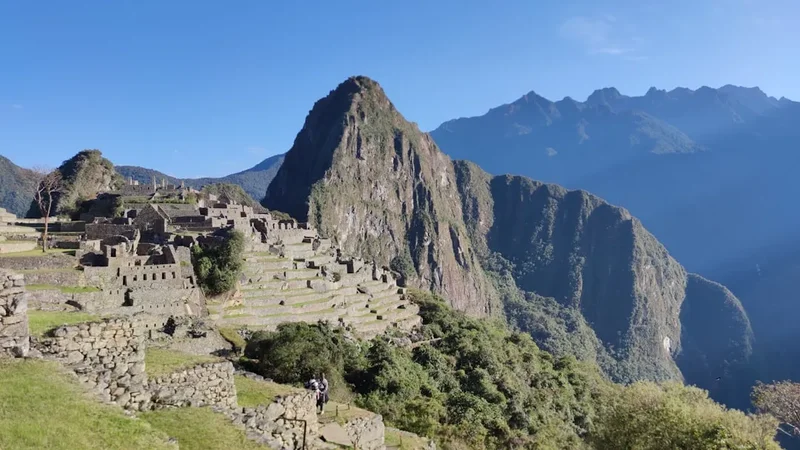
Waqrapukara Day Hike Itinerary
Early Morning (Approx. 4:00 AM - 5:00 AM): Departure from Cusco
- Pick-up from your accommodation in Cusco.
- Begin the scenic drive towards the trailhead. This journey typically takes around 3 hours.
- The drive offers glimpses of rural Andean life and changing landscapes as you ascend in altitude.
Morning (Approx. 8:00 AM - 9:00 AM): Arrival at Trailhead and Start of Hike
- Arrive at the trailhead, usually located near the town of Sangarara or a designated parking area.
- Briefing from your guide (if applicable) on the route, safety precautions, and the history of Waqrapukara.
- Begin the hike. The initial part of the trail is often a gradual ascent through open grasslands.
- Distance covered: Approximately 2.5 km.
- Elevation gain: Gradual, around 150 m.
- Time: 1–1.5 hours.
Midday (Approx. 10:30 AM - 1:00 PM): Ascent to Waqrapukara
- Continue the ascent. The terrain becomes steeper and more rugged in sections.
- You will pass by stunning natural rock formations and potentially small glacial lakes.
- The air is thin, so pace yourself and take breaks as needed.
- Distance covered: Approximately 2.5 km.
- Elevation gain: Significant, around 350 m.
- Time: 1.5–2 hours.
- Arrive at the magnificent Waqrapukara archaeological site.
Afternoon (Approx. 1:00 PM - 3:00 PM): Exploration of Waqrapukara and Lunch
- Explore the ruins of Waqrapukara. Take time to appreciate the unique architecture, the strategic positioning, and the panoramic views.
- Enjoy a packed lunch amidst the ancient stones, soaking in the atmosphere and the incredible scenery.
- Time for photography and reflection.
Late Afternoon (Approx. 3:00 PM - 5:00 PM): Descent to Trailhead
- Begin the descent back to the trailhead. The descent is generally faster but requires careful footing on loose or rocky sections.
- Distance covered: Approximately 5.0 km.
- Elevation loss: Approximately 500 m.
- Time: 1.5–2 hours.
Evening (Approx. 5:00 PM - 8:00 PM): Return to Cusco
- Arrive back at the trailhead.
- Begin the drive back to Cusco.
- Dinner may be included or you can stop en route.
- Arrive back at your accommodation in Cusco.
Important Notes:
- This itinerary is a guideline and can vary based on group pace, weather conditions, and specific tour operator arrangements.
- Acclimatisation to the altitude in Cusco for at least 2-3 days prior to this hike is highly recommended.
- Carry plenty of water and snacks.
- Wear sturdy hiking boots and dress in layers.
Planning and Bookings
Book Your Trip
Everything you need to plan your journey
Accommodation
Find places to stay near Cusco
Flights
Search flights to Cusco
Essential Preparation
The Waqrapukara Hike is a day trip, but its high altitude and remote location necessitate careful planning. The closest major city and logistical hub is Cusco. It is crucial to spend at least 2-3 days in Cusco (altitude: 3,400 m) to acclimatise to the thin air before attempting this hike, which reaches over 4,300 m. Rushing the acclimatisation process can lead to altitude sickness, which can significantly impact your enjoyment and safety.
Logistics: Most visitors book Waqrapukara as a guided tour from Cusco. These tours typically include transportation to and from the trailhead, a guide, and sometimes meals. While it's possible to arrange independent transport, it requires more effort in terms of navigation and understanding local transport options. The drive from Cusco to the trailhead near Sangarara takes approximately 3 hours, and road conditions can vary, with some sections being unpaved and bumpy.
Base Town: Cusco is the ideal base town. It offers a wide range of accommodation options, from budget hostels to luxury hotels, and a vibrant culinary scene. It also has numerous tour operators that can arrange the Waqrapukara hike, as well as other essential services like gear rental and medical facilities.
Trail Accommodation
This is a day hike requiring no overnight accommodation. The Waqrapukara Hike is typically completed within a single day, starting from Cusco in the early morning and returning in the evening. Therefore, no specific trail accommodation such as huts, lodges, or campsites is required or available along the route itself.
Required Gear
- Sturdy Hiking Boots: Waterproof and well broken-in, with good ankle support for uneven terrain.
- Backpack: A comfortable daypack (20-30 litres) to carry essentials.
- Waterproof Jacket: Essential for protection against wind and potential rain showers, even in the dry season.
- Warm Layers: Including a fleece or down jacket, as temperatures can drop significantly, especially at higher altitudes and during the descent.
- Headwear: A warm hat or beanie to protect against the cold and a sun hat or cap for sun protection.
- Gloves: Warm gloves are recommended, particularly for the early morning start and higher elevations.
- Sunglasses: High UV protection is crucial due to the intense sun at altitude.
- Sunscreen: High SPF (50+) sunscreen, as the sun's rays are very strong at high altitudes.
- Head Torch: With spare batteries, for the early start or if the hike extends beyond daylight hours.
- First-Aid Kit: Including personal medications, blister treatment, pain relievers, and any altitude sickness medication you may have been advised to take.
- Trekking Poles: Highly recommended for stability on ascents and descents, and to reduce strain on knees.
What to Bring
- Water: At least 2-3 litres per person. Hydration is critical at high altitudes.
- Snacks: High-energy snacks such as nuts, dried fruit, energy bars, and chocolate.
- Lunch: A packed lunch, as there are no food facilities on the trail.
- Camera: To capture the stunning scenery and ruins.
- Portable Charger/Power Bank: For your phone or camera.
- Toilet Paper: And a small bag for carrying out any waste.
- Hand Sanitiser: For hygiene.
- Identification: Passport or ID.
- Cash: Small denominations for any unexpected purchases or tips.
Permits
For the Waqrapukara Hike, typically no specific permits are required for independent hikers or small groups. The trail is generally considered open access. However, it is always advisable to check with local authorities or your tour operator for the most up-to-date information, as regulations can change.
Tour Operators: If you book through a tour operator, any necessary arrangements or fees related to accessing the site or trailhead will usually be included in the tour package. They will handle any logistical requirements on your behalf.
Local Community Fees: In some instances, there might be a small, informal community fee collected at the trailhead or in nearby villages. This is often used to support local infrastructure and services. If such a fee is in place, your guide will inform you, or it will be included in your tour cost.
Best Practice: Always confirm with your chosen tour provider or local contacts in Cusco regarding any entry requirements or fees before your hike. This ensures a smooth and hassle-free experience.
Other Activities in the Area
While Waqrapukara is a significant draw, the region around Cusco offers a wealth of other activities and historical sites:
- Machu Picchu: The iconic Inca citadel, a UNESCO World Heritage site and one of the New Seven Wonders of the World. Accessible via train from Cusco or the Sacred Valley.
- Sacred Valley Tour: Explore the fertile valley of the Incas, visiting sites like Pisac (with its impressive ruins and market), Ollantaytambo (a living Inca town with a formidable fortress), and Moray (circular agricultural terraces).
- Cusco City Tour: Discover the historic capital of the Inca Empire, including the Plaza de Armas, Cusco Cathedral, Qorikancha (Temple of the Sun), and the nearby Inca ruins of Sacsayhuamán, Q'enqo, Puka Pukara, and Tambomachay.
- Rainbow Mountain (Vinicunca): Another high-altitude hike offering spectacular views of a mountain with naturally occurring colourful mineral stripes. Requires good acclimatisation.
- Humantay Lake: A stunning turquoise glacial lake nestled beneath the Humantay mountain. Often combined with treks in the region.
- Andean Markets: Immerse yourself in local culture by visiting vibrant markets in Cusco and towns throughout the Sacred Valley, where you can find traditional crafts, textiles, and local produce.
- Culinary Experiences: Cusco is a gastronomic hub. Enjoy traditional Peruvian dishes like ceviche, lomo saltado, and cuy (guinea pig), and explore the world-renowned fine dining scene.
Safety and Conditions
Altitude Sickness (Soroche): This is the primary safety concern for the Waqrapukara Hike. Cusco sits at 3,400 metres, and Waqrapukara reaches over 4,300 metres. Symptoms can include headache, nausea, dizziness, fatigue, and shortness of breath. To mitigate risk:
- Acclimatise: Spend at least 2-3 days in Cusco before hiking.
- Hydrate: Drink plenty of water throughout the day.
- Avoid Alcohol and Heavy Meals: Especially during the first few days at altitude.
- Pace Yourself: Hike slowly and steadily, taking frequent breaks.
- Consider Medication: Consult your doctor about prescription altitude sickness medication (e.g., Diamox).
- Listen to Your Body: If symptoms become severe, descend immediately.
Trail Conditions: The trail is generally well-trodden but can be rocky, uneven, and steep in places. Good hiking boots are essential for ankle support and grip. During the rainy season (December-March), the trail can become muddy and slippery, increasing the risk of falls.
Weather: Andean weather is notoriously unpredictable. Even during the dry season, temperatures can fluctuate dramatically, and strong winds can make it feel much colder. Be prepared for sunshine, wind, and potential rain showers. Always carry layers of clothing.
Navigation: While the main trail to Waqrapukara is usually clear, it's always wise to hike with a guide or carry a reliable map and GPS device, especially if you are hiking independently. Stick to marked paths to avoid getting lost or disturbing the fragile environment.
Emergency Services: In case of a medical emergency, contact your tour operator or local emergency services. Mobile phone reception can be intermittent in remote areas. Carrying a personal locator beacon (PLB) is recommended for independent trekkers.
Guides: Hiring a local guide is highly recommended. They are knowledgeable about the terrain, weather patterns, local culture, and can provide assistance in emergencies. They also enhance the historical and cultural understanding of the site.
Side Trips and Points of Interest
While Waqrapukara itself is the main destination, the journey to and from the site offers several points of interest:
The Approach Landscape: The hike traverses the high Andean puna, a unique ecosystem characterised by vast grasslands, hardy shrubs, and dramatic mountain backdrops. Keep an eye out for native flora and fauna, such as vicuñas (wild relatives of llamas and alpacas), vizcachas (rodents resembling rabbits), and various high-altitude birds. The sheer scale and emptiness of the landscape are awe-inspiring.
Natural Rock Formations: The "horn" formations that give Waqrapukara its name are a natural wonder in themselves. As you approach the site, you'll see these distinctive rock spires jutting out from the cliff face, a testament to the geological forces that shaped the region.
Glacial Lakes: Depending on the exact route and conditions, you may pass by small, pristine glacial lakes. These bodies of water, often a striking blue or green, add to the ethereal beauty of the high Andes.
Pre-Incan and Incan Terraces: Beyond the main Waqrapukara complex, you may observe remnants of agricultural terraces built by earlier inhabitants and the Incas. These demonstrate the advanced farming techniques used to cultivate crops in challenging mountain environments.
Panoramic Views: The entire hike offers spectacular panoramic views of the surrounding mountain ranges, deep valleys, and the expansive Andean sky. The vistas change with the light and weather, providing a constantly evolving spectacle.
Leave No Trace
The Waqrapukara site and its surrounding environment are precious natural and cultural heritage. Practising Leave No Trace principles is essential to preserve this area for future generations and to maintain its integrity.
Plan Ahead and Prepare: Research the hike, understand the conditions, and pack appropriately. Know the regulations and any specific guidelines for Waqrapukara.
Travel and Camp on Durable Surfaces: Stick to the established trails. Avoid walking on vegetation or creating new paths, as the high-altitude ecosystem is fragile and slow to recover.
Dispose of Waste Properly: Pack out everything you pack in. This includes all food scraps, wrappers, and any other litter. Use designated toilets if available, or dig catholes at least 60 metres away from water sources, trails, and campsites if necessary (though this is a day hike, so waste disposal is primarily about packing out).
Leave What You Find: Do not remove any natural objects (rocks, plants) or cultural artefacts from the site. Take only photographs and memories.
Minimise Campfire Impacts: Not applicable for this day hike, but a general principle for responsible outdoor recreation.
Respect Wildlife: Observe animals from a distance and never feed them. Feeding wildlife can disrupt their natural behaviours and diets, and can be harmful to their health.
Be Considerate of Other Visitors: Maintain a respectful attitude towards other hikers and local communities. Keep noise levels down and allow others to enjoy the peace and solitude of the mountains.
By adhering to these principles, you help protect the unique cultural and natural heritage of Waqrapukara and the Andean region.