
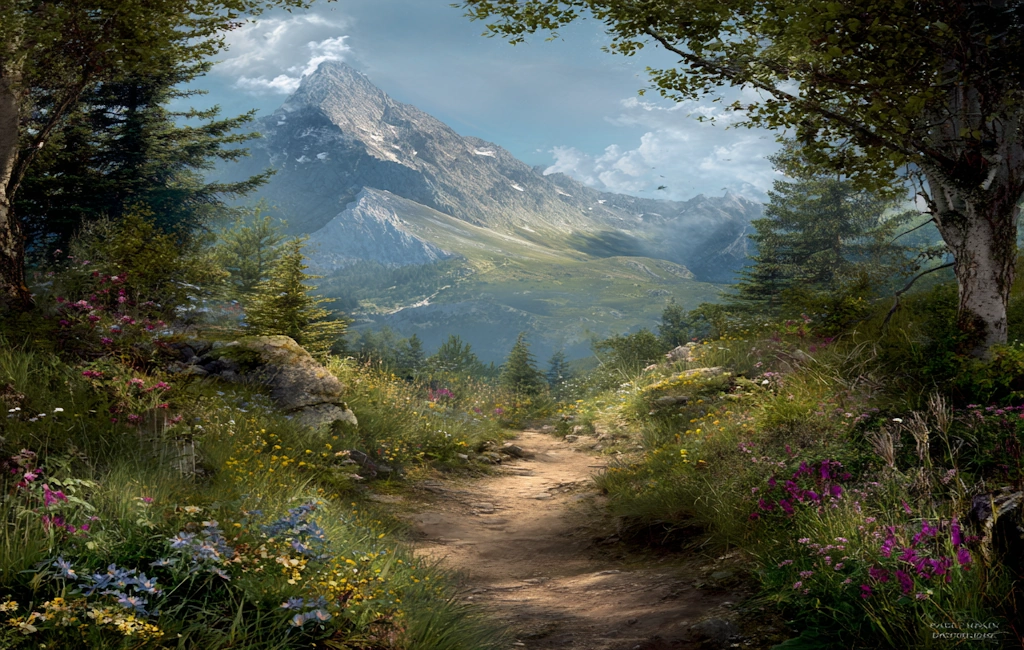
Walls of Jerusalem Circuit
The Walls of Jerusalem Circuit is a challenging multi-day walk in Tasmania's Central Highlands, renowned for its dramatic alpine scenery, unique geological formations, and remote wilderness experience. This circuit takes you through a landscape of jagged dolerite peaks, pristine alpine lakes, and ancient pencil pine forests, offering a true immersion into Tasmania's wild heart. It's a journey that demands good fitness and navigation skills, rewarding those who undertake it with unparalleled solitude and breathtaking vistas. Unlike more developed tracks, the Walls of Jerusalem offers a raw, untamed adventure, where the landscape itself is the primary attraction.
- Distance: 26.0 km (circuit)
- Elevation Gain: 800 m
- Duration: 3-4 days
- Season: Summer (December to February) for warmer temperatures and less snow
- Difficulty: Challenging
- Closest City: Launceston
- Trailhead Access: From Launceston (nearest airport): Drive ~2 hours west via the A5 and C138 to Lake Rowallan. Road is mostly sealed. Parking available at Lake Rowallan car park (-41.6789, 146.2345). A Parks Pass is required; purchase online before arrival. No public transport directly to the trailhead.
- Coordinates: -41.7958, 146.2908
Overview
The Walls of Jerusalem Circuit is a spectacular trek through a high alpine plateau, characterised by its distinctive dolerite spires and walls that give the area its name. The circuit is not a formally marked track in the same vein as some of Tasmania's more popular walks; instead, it relies on cairns, poles, and route-finding skills, particularly in the higher sections. The terrain is rugged, featuring rocky scrambles, boulder fields, and sections of boggy ground, especially after rain. The landscape is starkly beautiful, with vast open plains dotted with tarns, interspersed with dramatic rock formations and ancient, gnarled pencil pines that have survived centuries of harsh alpine conditions.
The circuit typically starts from the Lake Rowallan car park, leading walkers into the heart of the Walls. The route ascends gradually, offering increasingly impressive views as you gain elevation. Key landmarks include the distinctive "Walls" themselves, the summit of Mount Jerusalem, and the numerous alpine lakes that dot the plateau. The remoteness of the area means that encounters with other walkers are infrequent, providing a profound sense of solitude and connection with nature. The weather in the Central Highlands is notoriously unpredictable, with conditions capable of changing from sunny and warm to cold, wet, and windy within a matter of hours, even in summer. This necessitates careful preparation and a flexible attitude.
The circuit offers a true wilderness experience, far removed from the comforts of civilisation. It's a place where the raw power of nature is evident, from the sculpted rock formations to the resilient alpine flora. The challenge of navigating and the physical demands of the terrain are balanced by the immense beauty and tranquility of the surroundings. For those seeking an authentic alpine adventure in Tasmania, the Walls of Jerusalem Circuit is an unforgettable destination.
History and Cultural Context
The Central Highlands of Tasmania have a long and complex history, shaped by both natural forces and human activity. For millennia, Aboriginal Tasmanians, particularly the Paredarerme people, traversed these highlands, utilising the rich resources of the alpine environment for hunting and gathering. Evidence of their presence, such as stone artefacts and campsites, can be found throughout the region, attesting to a deep and enduring connection with this land.
European exploration and settlement in the Central Highlands began in earnest in the 19th century, driven by the pursuit of pastoralism and mining. The rugged terrain and harsh climate presented significant challenges, but hardy settlers gradually established sheep stations and explored the vast expanses. The area's unique geological features, including the dolerite formations of the Walls of Jerusalem, captured the imagination of early surveyors and naturalists.
The concept of preserving these unique landscapes for future generations gained momentum in the early 20th century. The Walls of Jerusalem National Park was established in 1974, recognising the exceptional natural values of the area, including its distinctive geological formations, rare alpine flora, and significant Aboriginal heritage. The park is part of the Tasmanian Wilderness World Heritage Area, acknowledging its outstanding universal value.
The development of walking tracks in the Walls of Jerusalem has been a gradual process, often driven by the efforts of bushwalking clubs and individuals rather than formal government initiatives. The circuit, as it is known today, has evolved through a combination of established routes and informal paths, reflecting the area's wild and untamed character. The emphasis has always been on maintaining a low-impact, wilderness experience, with minimal infrastructure to preserve the natural integrity of the landscape.
Seasonal Highlights and Weather Reality
The best time to tackle the Walls of Jerusalem Circuit is during the Tasmanian summer, from December to February. During these months, the weather is generally at its most favourable, with longer daylight hours and a higher probability of clear skies and milder temperatures. This period offers the best conditions for navigation and reduces the risk of encountering snow and ice on the higher passes.
Summer in the Central Highlands, however, is still subject to rapid and dramatic weather changes. Even on a sunny day, temperatures can drop significantly, and strong winds can develop quickly. Snowfall is possible at any time of year, particularly at higher elevations, and can occur even in mid-summer. It is crucial to be prepared for all conditions, including rain, wind, and cold, regardless of the season.
The shoulder seasons, spring (October-November) and autumn (March-April), can offer beautiful colours and fewer crowds. However, these periods also bring a greater risk of snow, ice, and unpredictable weather. Spring can see lingering snowmelt, making some sections boggy and challenging. Autumn brings crisp air and stunning foliage, but daylight hours are shorter, and the temperature can plummet rapidly.
Winter (May to September) transforms the Walls of Jerusalem into a formidable alpine environment. Snowfall is common, and the track can be completely obscured. The area becomes suitable only for experienced winter mountaineers with appropriate equipment and navigation skills. For most walkers, winter is not a viable season for this circuit.
Regardless of the season, always check the weather forecast immediately before your trip and be prepared to alter your plans if conditions are unfavourable. The remoteness and challenging terrain mean that safety is paramount.
Recommended Itinerary
3-Day Walls of Jerusalem Circuit Itinerary
Day 1: Lake Rowallan to Dixons Kingdom Hut
- Distance: 8.0 km
- Elevation gain: 350 m
- Time: 3–4 hours
- Start at Lake Rowallan car park
- Follow the well-defined track through mixed eucalypt and rainforest
- Ascend gradually towards the alpine plateau
- Pass through areas of ancient pencil pines
- Arrive at Dixons Kingdom Hut, a basic shelter offering protection
- Set up camp near the hut or utilise the hut facilities if available
- This day is about acclimatisation and entering the wilderness
Day 2: Dixons Kingdom Hut to Lake Solitude (or similar campsite) via Mount Jerusalem
- Distance: 10.0 km
- Elevation gain: 400 m
- Time: 5–7 hours
- Leave Dixons Kingdom Hut and head towards the Walls of Jerusalem
- Navigate through boulder fields and rocky terrain
- Ascend to the summit of Mount Jerusalem (1,459 m) for panoramic views
- Descend from Mount Jerusalem and traverse towards Lake Solitude
- The route becomes less defined here; cairns and poles are essential for navigation
- Find a suitable campsite near Lake Solitude or another alpine lake
- This is the most challenging day, requiring good navigation and fitness
Day 3: Lake Solitude to Lake Rowallan
- Distance: 8.0 km
- Elevation loss: 400 m
- Time: 3–4 hours
- Depart from your campsite and begin the descent
- Follow the route back towards Lake Rowallan
- The descent can be steep and rocky in places
- Rejoin the initial track and return to the car park
- This day offers a chance to reflect on the journey and enjoy the final alpine vistas
Important Notes:
- This itinerary is a suggestion; flexibility is key due to weather and personal pace.
- Camping is permitted in designated areas or suitable spots away from the main track.
- Water sources are generally plentiful from streams and lakes, but treatment is essential.
- Navigation skills are paramount; carry a map, compass, and GPS device, and know how to use them.
- The track is not always clearly marked, especially between Dixons Kingdom and Lake Solitude.
- Be prepared for significant temperature fluctuations and potential snow, even in summer.
Planning and Bookings
Book Your Trip
Everything you need to plan your journey
Accommodation
Find places to stay near Launceston
Flights
Search flights to Launceston
Essential Preparation
The Walls of Jerusalem Circuit is a challenging, remote walk that requires thorough preparation. Before embarking on this journey, ensure you have a high level of physical fitness, as the terrain is rugged and involves significant elevation changes. Familiarise yourself with map reading and navigation techniques, as the track is not always clearly marked and can be difficult to follow in poor visibility. Inform someone of your itinerary and expected return time, and carry a personal locator beacon (PLB) for emergencies.
The closest major town with comprehensive services is Launceston, which is approximately a two-hour drive from the trailhead at Lake Rowallan. Launceston offers a range of accommodation options, from budget hostels to hotels, as well as supermarkets for stocking up on supplies, outdoor gear shops, and medical facilities. It is advisable to spend at least one night in Launceston before heading to the trailhead to finalise preparations and ensure you have all necessary gear and food.
Trail Accommodation
The Walls of Jerusalem Circuit does not have formal, bookable huts like some of Tasmania's more developed tracks. Instead, basic shelters and designated camping areas are available. Walkers are expected to be self-sufficient and carry their own camping gear.
Shelters:
- Dixons Kingdom Hut: A basic, unserventiced shelter located approximately 8 km from the trailhead. It provides a roof and walls but no other facilities. It is a popular stopping point for the first night.
- Cradle Mountain Huts (if extending): If you choose to extend your walk or connect to other routes, there are more established huts in adjacent areas, but these are not part of the standard Walls of Jerusalem Circuit.
Camping:
- Camping is permitted in suitable locations away from the main track and water sources.
- Popular camping spots include areas near Dixons Kingdom Hut and around alpine lakes such as Lake Solitude.
- Campers must be prepared to carry all their gear, including tents, sleeping bags, and cooking equipment.
- Leave No Trace principles must be strictly adhered to.
Booking Requirements: No bookings are required for the shelters or camping on the Walls of Jerusalem Circuit. However, a Parks Pass is mandatory for entry into the national park.
Facilities Provided: Basic shelter at Dixons Kingdom Hut. No other facilities are provided on the track.
What's NOT Provided: All food, cooking equipment, water treatment, sleeping gear, toilets, rubbish disposal, and any form of electricity or charging facilities.
Seasonal Availability: The shelters and camping areas are accessible year-round, but conditions vary significantly with the seasons. Summer offers the most favourable conditions.
Costs: No direct costs for accommodation, but a Parks Pass is required.
Required Gear
- Sturdy, waterproof hiking boots with good ankle support, well broken-in.
- Waterproof and windproof jacket and overtrousers (Gore-Tex or similar).
- Warm layers: thermal base layers (merino wool recommended), fleece or down mid-layer, warm hat, and gloves.
- Tramping pack (50-70 litres) with a rain cover.
- Sleeping bag rated for cold temperatures (0°C comfort rating or lower is advisable).
- Sleeping mat for insulation and comfort.
- Head torch with spare batteries.
- Navigation tools: topographic map of the area, compass, and a GPS device or smartphone with offline maps. Ensure you know how to use them.
- First-aid kit: including blister treatment, pain relievers, antiseptic wipes, bandages, and any personal medications.
- Sun protection: high SPF sunscreen, sunglasses, and a wide-brimmed hat.
- Insect repellent: particularly important during warmer months for flies and mosquitoes.
- Water treatment system: water filter, purification tablets, or a method to boil water.
- Trowel and toilet paper for burying human waste (if not using designated toilet facilities where available).
- Emergency shelter: lightweight bivvy bag or emergency blanket.
What to Bring
- Food for the duration of your trip: lightweight, high-energy meals, snacks, and drinks. Plan for at least one extra day's supply in case of delays.
- Cooking equipment: lightweight stove, fuel, pot, mug, bowl, and utensils.
- Water bottles or hydration reservoir (minimum 2-3 litres capacity per person).
- Toiletries: biodegradable soap, toothbrush, toothpaste, small towel, hand sanitiser.
- Personal items: camera, book, journal, power bank for electronics.
- Duct tape and cordage: useful for repairs.
- Rubbish bags: to pack out all waste.
- Parks Pass: purchased online or from a service centre.
- Personal Locator Beacon (PLB): highly recommended for remote areas.
Permits
A Parks Pass is required for entry into the Walls of Jerusalem National Park. This pass covers your vehicle and all occupants for the duration of your visit. Passes can be purchased online in advance from the Tasmania Parks and Wildlife Service website or from designated service centres.
Parks Pass Information:
- Day Pass: Valid for 24 hours.
- Holiday Pass: Valid for up to two months.
- Annual Pass: Valid for 12 months.
It is strongly recommended to purchase your Parks Pass online before you travel to the trailhead to avoid any delays or disappointment. Ensure you have a copy of your pass with you during your walk.
No bookings are required for the track itself or for camping. The Walls of Jerusalem is a wilderness area, and access is generally open to all, provided you have the necessary pass and are prepared for the conditions. However, due to the challenging nature of the walk and the potential for rapidly changing weather, it is crucial to be well-prepared and to inform someone of your plans.
Important Considerations:
- Leave No Trace: Adhere strictly to Leave No Trace principles. Pack out everything you pack in, including all rubbish and food scraps.
- Waste Disposal: Human waste should be buried at least 100 metres from water sources and campsites. Use a trowel and toilet paper, and pack out used toilet paper.
- Fire Restrictions: Check current fire restrictions before your trip. Campfires are generally discouraged in alpine areas due to the fragile environment and risk of wildfire. Use a lightweight stove for cooking.
- Safety: Inform a reliable person of your itinerary, expected return time, and emergency contact details. Carry a Personal Locator Beacon (PLB) for emergencies.
Other Activities in the Area
While the Walls of Jerusalem Circuit is a significant undertaking, the surrounding Central Highlands and nearby national parks offer a wealth of other activities for those looking to extend their stay or explore further:
- Cradle Mountain-Lake St Clair National Park: A world-renowned destination offering numerous walking tracks, from short strolls to multi-day treks like the Overland Track. Iconic scenery includes Cradle Mountain itself, Dove Lake, and ancient rainforests.
- Lake St Clair: Tasmania's deepest lake, offering opportunities for kayaking, fishing, and scenic cruises. The starting point for the Overland Track.
- Tasmanian Wilderness World Heritage Area: The Walls of Jerusalem is part of this vast protected area. Explore other sections of the highlands, such as the Pine River or Eldon Range, for more remote bushwalking experiences.
- Fishing: The Central Highlands are renowned for their excellent trout fishing in numerous lakes and rivers. A valid fishing licence is required.
- Stargazing: The remote location and minimal light pollution make the Central Highlands an ideal spot for observing the night sky.
- Scenic Drives: Explore the Highland Lakes Road, which offers stunning vistas and access to various lakes and viewpoints.
Safety and Conditions
Pre-Trip Checks:
- Weather Forecast: Always check the latest weather forecast from the Bureau of Meteorology (BOM) and the Tasmania Parks and Wildlife Service (PWS) for the Central Highlands region before you depart. Be prepared for rapid changes.
- Track Conditions: While there are no official track alerts for the Walls of Jerusalem circuit, check the PWS website for any general park alerts or fire bans.
- Road Conditions: Ensure the road to Lake Rowallan is accessible. While generally well-maintained, it can be affected by weather.
- Inform Someone: Leave a detailed itinerary with a trusted friend or family member, including your expected return time and contact details.
Navigation:
- The Walls of Jerusalem Circuit is not a well-marked track. Navigation relies heavily on cairns, poles, and map and compass skills.
- In poor visibility (fog, rain, snow), it can be extremely difficult to find the correct route. A GPS device or smartphone with offline maps is highly recommended, but should not be relied upon solely.
- Familiarise yourself with the route and key landmarks before you go.
Weather Hazards:
- Hypothermia: Temperatures can drop significantly, even in summer. Wind chill can exacerbate the effects of cold and wet conditions. Ensure you have adequate warm and waterproof clothing.
- Snow and Ice: Snowfall can occur at any time of year, making the track slippery and difficult to navigate. Ice can form on rocks and in boggy areas.
- Wind: Strong winds are common in the alpine environment and can make walking difficult and increase the risk of hypothermia.
- Rain: Heavy rain can lead to flash flooding in low-lying areas and make the track boggy and treacherous.
Other Hazards:
- Boggy Terrain: Sections of the track can be very boggy, especially after rain. Wear waterproof footwear and be prepared for wet feet.
- Rocky Ground: The terrain is often rocky and uneven, increasing the risk of trips and falls.
- Insects: Flies and mosquitoes can be prevalent, particularly during warmer months.
Emergency:
- Carry a Personal Locator Beacon (PLB) or satellite phone for emergencies.
- Know how to use it and understand the emergency procedures.
- The nearest emergency services are in Launceston.
Side Trips and Points of Interest
Mount Jerusalem Summit: The highest point on the circuit at 1,459 metres. A worthwhile detour from the main track, offering spectacular 360-degree panoramic views of the surrounding alpine landscape, including the Walls of Jerusalem, numerous lakes, and distant mountain ranges. The ascent is rocky but generally straightforward for experienced walkers.
The Walls of Jerusalem: The namesake geological formations are a series of dramatic dolerite spires and cliffs that create a unique and imposing landscape. Exploring the base of these formations provides a sense of the raw power of nature and the forces that shaped this region.
Alpine Lakes: The circuit passes by or near several beautiful alpine lakes, such as Lake Solitude and Lake Myrtle. These offer opportunities for photography, quiet contemplation, and a refreshing dip on a warm day (though the water is bracingly cold!).
Pencil Pines: Ancient and gnarled pencil pines (Athrotaxis cupressoides) are a distinctive feature of the Walls of Jerusalem. These slow-growing conifers have survived centuries of harsh alpine conditions, their twisted forms a testament to resilience. They are particularly striking in the early morning or late afternoon light.
Dixons Kingdom Hut: While a functional shelter, the hut itself is a point of interest, representing a basic human presence in a wild landscape. It's a good place to pause, rest, and appreciate the remoteness of the location.
Leave No Trace
The Walls of Jerusalem National Park is a fragile alpine environment that requires the utmost care and respect from all visitors. Adhering to Leave No Trace principles is not just a guideline; it is essential for preserving the integrity of this unique wilderness for future generations.
Your responsibilities include:
- Plan Ahead and Prepare: Research the area, understand the conditions, and pack appropriately. Inform someone of your plans.
- Travel and Camp on Durable Surfaces: Stick to established tracks and cairns where they exist. Camp on durable surfaces such as rock, gravel, dry grass, or snow, and avoid fragile vegetation.
- Dispose of Waste Properly: Pack out everything you pack in, including all food scraps, wrappers, and toilet paper. Use a trowel to bury human waste at least 100 metres from water sources and campsites.
- Leave What You Find: Do not remove or disturb natural objects, plants, or cultural artefacts. Take only photographs and memories.
- Minimise Campfire Impacts: Campfires are generally prohibited in the Walls of Jerusalem due to the fragile alpine environment and the risk of wildfire. Use a lightweight stove for cooking.
- Respect Wildlife: Observe wildlife from a distance and never feed animals. Their natural behaviours and diets are crucial for their survival.
- Be Considerate of Other Visitors: Keep noise levels down and respect the solitude of others. The Walls of Jerusalem is a place for quiet contemplation and immersion in nature.
By following these principles, you help ensure that the Walls of Jerusalem remains a pristine and wild place for all to enjoy.
 Australia