
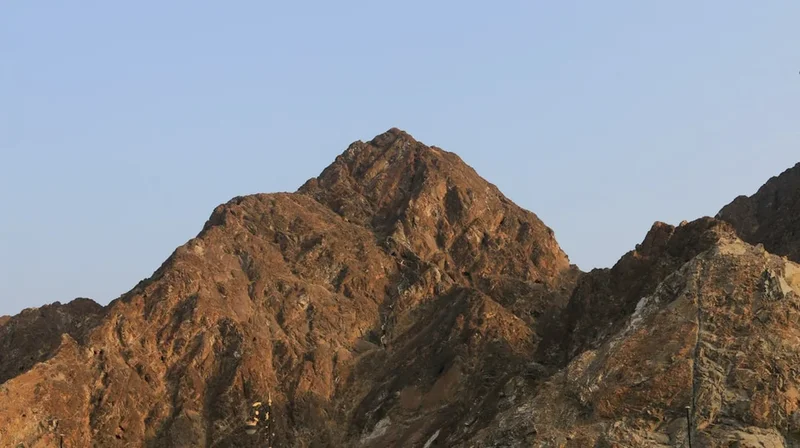
Wadi Shab Trail - The Emerald Oasis of the Al Sharqiyah
The Wadi Shab Trail is Oman’s most iconic day hike—a breathtaking journey into a deep limestone canyon where arid desert landscapes collide with vibrant, turquoise freshwater pools. Located in the Al Sharqiyah South Governorate, approximately 150 kilometres from the capital city of Muscat, this trail offers a sensory experience unlike any other in the Middle East. The route begins with a traditional boat crossing across a wide estuary, leading walkers into a narrow gorge flanked by towering orange cliffs that reach hundreds of metres into the sky. As you progress deeper into the wadi, the sound of rustling date palms and the gentle trickle of ancient irrigation channels (aflaj) replace the hum of the coastal highway. The trail culminates in a series of swimmable pools, leading to a hidden cavern where a subterranean waterfall plunges into a crystal-clear basin. This is not merely a walk; it is a transition from the scorched earth of the Arabian Peninsula into a lush, hidden sanctuary that has provided life and water to local communities for millennia. The Wadi Shab experience demands a blend of hiking, scrambling, and swimming, rewarding those who venture into its depths with a profound connection to Oman’s unique geological and cultural heritage.
- Distance: 3.5 km return
- Duration: 3–4 hours (including swimming time)
- Season: October–April (cooler months; summer temperatures can exceed 45°C)
- Difficulty: Moderate (requires uneven terrain walking and swimming)
- Highest point: Approximately 120 m (elevation gain is minimal but involves scrambling)
- Daily walkers: High popularity on weekends; quieter during weekdays
- Direction: Out-and-back (return via the same route)
Overview
Wadi Shab, which translates to "Gorge between the Cliffs," is a masterclass in desert geology and hydrological beauty. The trail is famous for its dramatic contrast: the stark, sun-bleached limestone of the Hajar Mountains serves as a frame for the vivid emerald and turquoise waters that flow year-round. Unlike many other wadis in Oman that remain dry for much of the year, Wadi Shab maintains a consistent flow, fed by underground aquifers and seasonal rains in the high plateaus. The walk is divided into three distinct phases: the initial riverside stroll through palm groves, the rugged mid-section along the canyon walls, and the final aquatic segment where the trail ends and the swimming begins.
The landscape is defined by the power of water. Over millions of years, flash floods have carved deep into the limestone, creating smooth, rounded boulders and vertical walls that provide shade even in the heat of the day. The ecosystem here is a delicate balance of flora and fauna; you will encounter vibrant green dragonflies, small freshwater fish that nibble at your toes in the pools, and the occasional mountain goat perched precariously on the cliffs above. The presence of the "falaj" system—Oman’s ancient gravity-fed irrigation network—is a constant companion in the early stages of the hike, showcasing the ingenuity of local villagers who have harnessed this water to grow dates, bananas, and citrus fruits in an otherwise inhospitable environment.
While the distance of 3.5 kilometres may seem short, the terrain is varied and requires focus. The path transitions from flat gravel to narrow ledges and slippery limestone boulders. The true climax of the journey is the "Keyhole"—a narrow crack in the rock at the end of the third pool that requires swimmers to tilt their heads to pass through. Beyond this narrow opening lies a magnificent cave with a waterfall, a sight that remains one of the most photographed and cherished natural wonders in the Sultanate. Whether you are an experienced hiker or a casual traveller, Wadi Shab offers a perfect introduction to the rugged beauty of the Omani wilderness.
History and Cultural Context
The history of Wadi Shab is inextricably linked to the history of water in Oman. For centuries, this wadi has been a vital resource for the nearby village of Tiwi. The Al Sharqiyah region has been inhabited for thousands of years, with archaeological evidence suggesting that these canyons were used as natural fortresses and reliable water sources by early nomadic tribes. The most significant cultural feature of the trail is the Aflaj irrigation system. Recognised by UNESCO as a World Heritage site (though the specific channels in Wadi Shab are part of a broader national tradition), the aflaj represent a 2,000-year-old method of water management. These hand-carved stone channels distribute water from the wadi’s source to the agricultural terraces at the canyon’s mouth, ensuring that every drop is utilised for the survival of the community.
The village of Tiwi, which sits at the entrance to the wadi, remains a traditional Omani settlement. The locals have long served as the guardians of the wadi, and today, they operate the small boats that ferry hikers across the deep water at the trailhead. This boat crossing is more than just a logistical necessity; it is a symbolic entry into a protected space. Historically, the wadi was also a route for traders moving between the coast and the interior mountains, though the terrain becomes significantly more difficult further upstream beyond the tourist trail.
In Omani culture, wadis are seen as places of gathering and refreshment. It is common to see Omani families enjoying picnics near the entrance, continuing a tradition of communal appreciation for the land. The respect for the wadi is deeply rooted in the Islamic principle of stewardship (Khilafa), where the natural environment is viewed as a trust to be preserved. As you walk the trail, you are treading on ground that has sustained generations of farmers, herders, and explorers, making it a living museum of Omani resilience and adaptation.
Want more background? Read extended notes on history and cultural context → Learn more
Seasonal Highlights and Weather Reality
The climate in Oman is extreme, and timing your visit to Wadi Shab is critical for both safety and enjoyment. The "Great Walk" season in Oman runs from October to April, when the daytime temperatures range from a pleasant 20°C to 30°C. During these months, the water in the pools is refreshing but not cold, and the humidity remains manageable.
Winter (November to February): This is the peak season. The skies are almost always clear blue, and the air is crisp in the early mornings. This is the best time for the full hike and swim, as the physical exertion of the scramble is mitigated by the cooler ambient temperature. However, this is also the busiest time, particularly on Fridays and Saturdays (the Omani weekend).
Shoulder Seasons (October and April): These months can be quite warm, with temperatures often hitting 35°C. It is essential to start the hike as early as possible (around 7:00 AM or 8:00 AM) to finish before the midday sun reaches its zenith. The water is exceptionally warm during these periods, making the swimming sections very comfortable.
Summer (May to September): Hiking Wadi Shab in the summer is generally discouraged for international visitors. Temperatures in the canyon can soar above 45°C, and the high humidity from the nearby Gulf of Oman can make the air feel stifling. Heatstroke is a genuine risk. If you must visit during summer, you should only attempt the very early morning and carry significantly more water than usual.
The Flash Flood Risk: Regardless of the season, the most significant weather hazard in Wadi Shab is rain. While rain is infrequent in Oman, when it does fall, it often results in violent flash floods. Because the wadi is a narrow drainage point for a large mountain catchment area, water can rise several metres in a matter of minutes, even if it is not raining at the trailhead. Always check the local forecast for the Al Hajar Mountains before starting your hike.
Recommended Itinerary
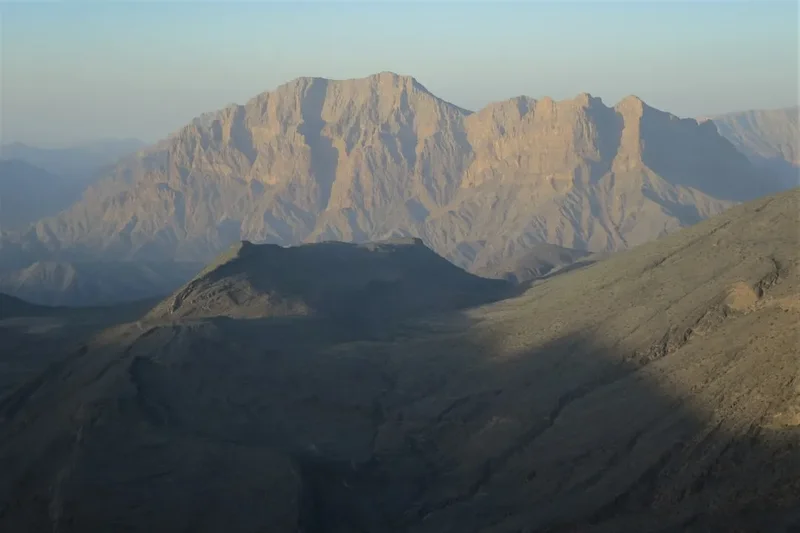
Wadi Shab Day Hike Route
Waypoint 1: The Estuary Crossing
- Distance: 100 m (by boat)
- Time: 5 minutes
- The journey begins at the car park under the highway bridge.
- Pay the small fee (usually 1 OMR return) to the local boatmen.
- The boat takes you across the deep, brackish water to the start of the walking path.
- Note the operating hours; the last boat usually returns around 5:00 PM or 5:30 PM.
Waypoint 2: The Palm Groves and Falaj Path
- Distance: 1 km
- Elevation gain: 20 m
- Time: 20–30 minutes
- The trail starts as a wide, flat path through lush date palm plantations.
- You will walk alongside the ancient falaj irrigation channels.
- The canyon walls begin to narrow, providing welcome shade in the early morning.
- This section is easy and accessible, suitable for all fitness levels.
Waypoint 3: The Rocky Scramble
- Distance: 1.5 km
- Elevation gain: 50 m
- Time: 45–60 minutes
- The path becomes more rugged, requiring you to step over boulders and navigate narrow ledges.
- In some sections, the trail is carved directly into the cliffside.
- The terrain can be slippery due to dust and polished limestone; sturdy footwear is essential.
- You will pass several smaller, shallow pools that are beautiful but not the main destination.
Waypoint 4: The First Swimming Pool
- Distance: 200 m (swimming)
- Time: 15 minutes
- The walking trail effectively ends at a large, deep pool.
- Leave your hiking boots and non-waterproof gear here (many people leave bags on the rocks, but use a dry bag for valuables).
- Enter the water and swim or wade through the first pool. The water depth varies; some sections are chest-deep, while others require swimming.
Waypoint 5: The Middle Pools and Boulders
- Distance: 300 m (mixed wading and walking)
- Time: 20 minutes
- After the first pool, you will climb over a series of smooth boulders and wade through shallower sections.
- The water here is incredibly clear, with a striking turquoise colour.
- The canyon walls are at their most dramatic here, towering vertically above the water.
Waypoint 6: The Keyhole and Hidden Cave
- Distance: 50 m (swimming)
- Time: 10 minutes
- The final pool leads to a narrow slit in the rock known as the "Keyhole."
- You must swim through this gap (approximately 1 metre wide) with only your head above water.
- Inside, the canyon opens into a magnificent cave with a thundering waterfall.
- Strong swimmers can climb the rope up the waterfall to jump into the pool below (exercise extreme caution).
- Return via the same route, allowing time for a leisurely swim on the way back.
Important Notes:
- The boat crossing is mandatory as the water is too deep and wide to wade across at the start.
- There are no facilities (toilets or shops) once you leave the car park area.
- The "Keyhole" can be intimidating for weak swimmers; life jackets are not provided but can be brought along.
- The rocks inside the cave and near the waterfall are extremely slippery.
- Allow at least 3 hours to enjoy the pools without rushing.
Planning and Bookings
Book Your Trip
Everything you need to plan your journey
Accommodation
Find places to stay near Sur
Flights
Search flights to Sur
Essential Preparation
Wadi Shab does not require advanced bookings or permits, making it one of the most accessible adventures in Oman. However, preparation is key to a successful trip. The trail is located near the town of Tiwi, which is a 1.5 to 2-hour drive from Muscat. Most visitors base themselves in Muscat and visit as a day trip, or stay in the nearby coastal city of Sur (45 minutes away) to combine the hike with a visit to the Ras Al Jinz turtle reserve.
Fitness requirements are moderate. While the elevation gain is minimal, the uneven terrain and the swimming component require a basic level of agility and cardiovascular health. If you are not a confident swimmer, you can still enjoy the first two-thirds of the hike, but you will miss the hidden cave. Coordination with the local boatmen is simple: they operate on a first-come, first-served basis. Ensure you arrive with small denominations of Omani Rial (OMR) for the boat fee.
Trail Accommodation
There is no accommodation or camping allowed within Wadi Shab itself. The area is a protected natural site and a vital water source for the local village, so overnight stays are strictly prohibited to prevent pollution and littering.
Nearby Options:
- Tiwi Villages: There are several small guesthouses and "rest houses" in the village of Tiwi, located just minutes from the trailhead. These offer basic but clean rooms and a chance to experience local hospitality.
- Wadi Shab Resort: Located near the entrance, this offers more traditional hotel-style accommodation with views of the Gulf of Oman.
- Sur: A 45-minute drive south, Sur offers a wide range of hotels, from budget apartments to mid-range resorts. It is an excellent base for exploring the wider Al Sharqiyah region.
- Wild Camping: While not allowed in the wadi, wild camping is legal and popular on many of Oman’s beaches. The pebble beaches near Tiwi and Fins (White Beach) are popular spots for self-sufficient campers.
Required Gear
- Water Shoes or Hybrid Sandals: This is the most important piece of gear. You need footwear with excellent grip for the slippery rocks that can also be worn while swimming. Brands like Keen or Merrell offer ideal hybrid options.
- Dry Bag: Essential for keeping your phone, camera, and car keys dry during the swimming sections. A 10L or 15L bag is usually sufficient.
- Lightweight Hiking Clothing: Breathable, quick-dry fabrics are best. Omani culture is conservative, so it is respectful to wear clothing that covers the shoulders and knees, even when hiking.
- Swimwear: Wear your swimwear under your hiking clothes. For women, a t-shirt and leggings over a swimsuit are recommended to respect local customs. For men, long swim shorts are appropriate.
- Sun Protection: A wide-brimmed hat and high-SPF sunscreen. Even inside the canyon, the Arabian sun is intense.
What to Bring
- Water: At least 2–3 litres per person. Dehydration happens quickly in the desert heat.
- Snacks: High-energy food like dates, nuts, and energy bars. There are no food stalls inside the wadi.
- Waterproof Phone Case: If you don't have a dry bag, at least ensure your phone is protected for photos in the cave.
- Small First Aid Kit: Include waterproof plasters (band-aids) for minor scrapes on the rocks and antiseptic wipes.
- Towel: A lightweight microfibre towel that dries quickly.
- Cash: Small change (1 OMR notes) for the boat crossing and any snacks you might buy at the small shops near the car park.
Permits
Currently, no permits are required to hike Wadi Shab. It is a public natural site open to both residents and tourists. There are no entry fees for the wadi itself, other than the nominal fee for the boat crossing at the start.
Access Regulations:
- Opening Hours: The wadi is technically open 24 hours, but the boat service typically operates from 7:00 AM to 5:30 PM. If you stay past the last boat, you will have to swim across the wide estuary to return to your car, which is dangerous and not recommended.
- Group Sizes: There are no formal limits on group sizes, but large commercial groups should be mindful of the narrow paths and limited space in the hidden cave.
- Photography: Drone photography in Oman requires a permit from the Public Authority for Civil Aviation (PACA). Using a drone without a permit can lead to heavy fines and confiscation of equipment. Standard photography and filming for personal use are welcomed.
Logistics and Transport:
- Car Rental: A 2WD vehicle is perfectly sufficient to reach the Wadi Shab car park, as the entire route from Muscat is on a modern, paved highway (Route 17).
- Parking: There is a large, free parking area under the highway bridge. On weekends, this can fill up by 10:00 AM, so early arrival is advised.
- Guided Tours: While the trail is easy to follow and does not require a guide, many tour operators in Muscat offer day trips that include transport, lunch, and a guide who can provide cultural insights.
Other Activities in the Area
The coastline between Muscat and Sur is packed with natural wonders. Consider these nearby attractions to round out your trip:
- Bimmah Sinkhole (Hawiyat Najm Park): A stunning limestone depression filled with turquoise seawater, located just 20 minutes north of Wadi Shab. It is a perfect spot for a quick swim and a picnic.
- Wadi Tiwi: Often called the "Wadi of Nine Villages," this neighbouring canyon is accessible by car (4WD recommended). It is much more lush and agricultural than Wadi Shab, with spectacular mountain roads and deep pools.
- Fins Beach (White Beach): A beautiful stretch of white pebble coastline ideal for wild camping and snorkelling.
- Sur Maritime Museum and Dhow Factory: Visit the historic city of Sur to see how traditional Omani wooden boats (dhows) are still built by hand.
- Ras Al Jinz Turtle Reserve: Located about an hour south of Wadi Shab, this is one of the most important nesting sites in the world for the endangered Green Turtle. Night tours are available to see the turtles laying eggs.
Safety and Conditions
Flash Flood Awareness: This is the single greatest danger in Omani wadis. Rain in the distant mountains can cause a "wall of water" to sweep through the canyon with no warning. If the sky looks dark over the mountains, or if you hear a distant rumbling sound like a freight train, exit the wadi immediately and climb to higher ground. Never enter the wadi if rain is forecast for the Al Hajar region.
Swimming Safety: The pools in Wadi Shab are deep, and there are no lifeguards. The "Keyhole" section requires you to swim through a narrow gap where the water can be turbulent if there has been recent rain. If you are not a strong swimmer, do not attempt the final cave. Be aware that the freshwater provides less buoyancy than seawater, which can tire swimmers more quickly.
Heat and Hydration: The canyon walls reflect heat, creating a "fan oven" effect. Even if the temperature feels okay at the start, it can rise rapidly. Drink water constantly, even if you don't feel thirsty. Signs of heat exhaustion include dizziness, nausea, and cessation of sweating—if you experience these, find shade and rest immediately.
Slippery Surfaces: The limestone rocks in the wadi have been polished smooth by thousands of years of water flow and millions of footsteps. They are incredibly slippery, especially when wet. Move slowly and test your footing before committing your weight. Head injuries from slips are the most common medical incidents in the wadi.
Emergency Contacts: Dial 9999 for emergency services in Oman. Note that mobile signal is very weak or non-existent once you are deep inside the canyon. It is always best to hike with a partner.
Side Trips and Points of Interest
The Subterranean Waterfall: The ultimate goal of the Wadi Shab hike. Located inside the final cave, this waterfall is fed by the upper reaches of the wadi. Depending on the season, it can range from a gentle veil to a powerful torrent. The acoustics inside the cave are incredible, amplifying the sound of the falling water against the limestone walls.
Upper Wadi Scramble: For the truly adventurous and experienced, it is possible to scramble past the waterfall and continue further up the wadi. This area is much less visited and requires advanced climbing skills and high fitness levels. There is no marked trail here, and the risk of getting trapped or injured is significantly higher.
The Abandoned Terraces: Along the mid-section of the hike, look up at the canyon walls to see remnants of old stone walls and abandoned agricultural terraces. These offer a glimpse into a time when the wadi supported a larger population of subsistence farmers who lived deeper within the gorge.
Tiwi Village Walk: Before or after your hike, take 30 minutes to walk through the old part of Tiwi village. The narrow alleys (sikkas) and traditional Omani architecture provide a beautiful cultural contrast to the wild nature of the wadi. You can see the end of the falaj system as it reaches the sea.
Leave No Trace
Wadi Shab is a fragile ecosystem and a primary water source for local people. In recent years, increased tourism has led to issues with litter and water pollution. As a visitor, it is your responsibility to ensure this paradise remains pristine for future generations.
Principles for Wadi Shab:
- Carry Out All Trash: There are no bins inside the wadi. Everything you bring in—including fruit peels, cigarette butts, and plastic bottles—must be carried back to the car park.
- Respect the Water: Do not use soap, shampoo, or sunscreen in the pools. These chemicals are toxic to the small fish and frogs that live in the wadi and can contaminate the drinking water for the village downstream. Apply sunscreen at least 30 minutes before swimming so it is absorbed into your skin.
- Stay on the Path: Avoid trampling the small plants and mosses that grow near the water’s edge. These are vital for preventing erosion.
- Cultural Sensitivity: Oman is a modest society. While swimming is allowed, please dress respectfully. Avoid bikinis or brief swim trunks; instead, opt for t-shirts and longer shorts. This shows respect for the local families who also use the wadi.
- No Graffiti: Do not carve names or symbols into the limestone walls or the trees.
- Wildlife: Do not feed the fish or any other animals you encounter. Let them find their natural food sources.
 Chile
Chile Norway