
Wadi Rum Trek - Journey Through the Valley of the Moon
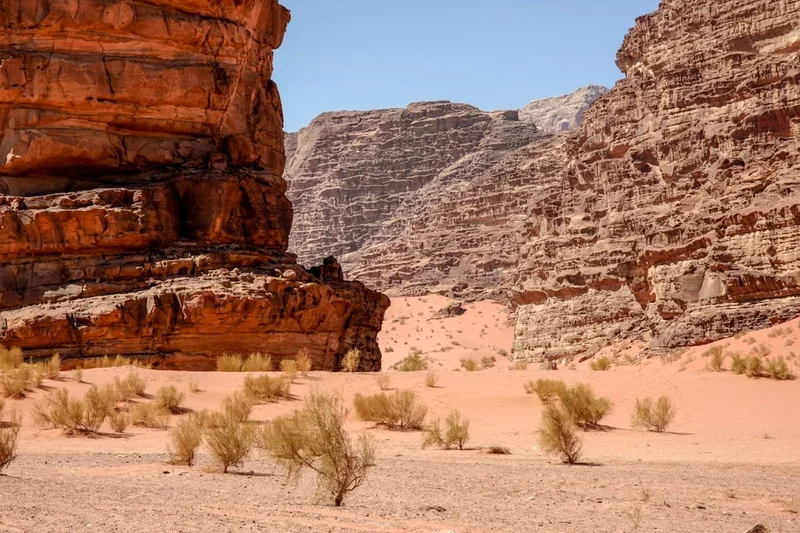
The Wadi Rum Trek is an immersive odyssey into the heart of Jordan’s southern desert—a 70-kilometre expedition through a landscape so otherworldly it has stood in for Mars in cinema and legends in history. Known locally as Wadi Al-Qamar (the Valley of the Moon), this trek traverses a UNESCO World Heritage site where monolithic sandstone mountains rise abruptly from vast plains of red and ochre sand. Unlike traditional mountain treks, the Wadi Rum experience is defined by its immense scale, profound silence, and the deep cultural heritage of the Zalabia and Zuwaydeh Bedouin tribes who have called these canyons home for centuries. The route winds through narrow siqs (canyons), over high desert passes, and across shifting dunes, offering a physical challenge that is matched only by the spiritual stillness of the Arabian wilderness. This is not merely a walk; it is a passage through time, where ancient petroglyphs share the stage with towering natural arches and the hospitality of the desert’s traditional guardians.
- Distance: 70.0 km (variable based on specific route)
- Duration: 5–7 days
- Season: October to April (avoiding the extreme heat of the summer months)
- Accommodation: Bedouin-style camps or wild camping under the stars
- Highest point: Jebel Um Ad Dami (1,854 m)
- Difficulty: Moderate (requires endurance for soft sand and heat management)
- Direction: Generally southwards from Wadi Rum Village towards the Saudi Arabian border
Overview
The Wadi Rum Trek is a masterclass in geological drama and environmental contrast. Located in the southern reaches of the Hashemite Kingdom of Jordan, approximately 60 kilometres north of the Red Sea port of Aqaba, the protected area covers 720 square kilometres of desert wilderness. The trek is characterised by its "jebels"—massive massifs of sandstone and granite that have been sculpted by wind and water over millions of years into fantastic shapes, domes, and sheer cliffs. The terrain is a complex mosaic of soft sand dunes, hard-packed gravel plains, and rocky labyrinthine canyons that require careful navigation and a steady pace. While the total elevation gain of 800 metres may seem modest over 70 kilometres, the physical demand of walking on soft sand and the constant exposure to the desert sun elevate the challenge to a moderate level that rewards the fit and prepared hiker.
The aesthetic of the trek is dominated by a spectrum of reds, oranges, and yellows. In the northern sections, the sand is a deep, burnt ochre, while further south, the landscape transitions into the "White Desert," where the sandstone takes on a pale, ethereal quality. This shifting palette is most spectacular at dawn and dusk, when the low sun ignites the cliff faces in a display of light that explains why T.E. Lawrence described the area as "vast, echoing and God-like." The silence here is a tangible presence; away from the jeep tracks of the main tourist hubs, the only sounds are the crunch of boots on sand and the occasional call of a desert lark.
Culturally, the trek is inseparable from the Bedouin way of life. While many visitors experience Wadi Rum via a two-hour jeep tour, the multi-day trek allows for a genuine connection with the land. Hikers often travel with Bedouin guides who possess an ancestral knowledge of the springs, hidden canyons, and weather patterns. Evenings are spent around a fire, drinking sweet sage tea and eating "Zarb"—a traditional meal of meat and vegetables slow-cooked in an underground oven. This blend of physical exertion and cultural immersion makes the Wadi Rum Trek one of the most unique long-distance walking experiences in the Middle East.
History and Cultural Context
The history of Wadi Rum is etched into its very walls. Human habitation in the valley dates back at least 12,000 years, evidenced by over 25,000 petroglyphs and 20,000 inscriptions found throughout the protected area. These carvings, ranging from the Neolithic period to the Nabataean era, depict hunters, camels, and various desert fauna, providing a prehistoric record of the region's changing climate and human evolution. The Thamudic and Kufic inscriptions found in canyons like Khazali offer a glimpse into the lives of ancient nomadic tribes who used the valley as a vital corridor for trade and migration.
In the 4th century BCE, the Nabataeans—the same master builders who created Petra—established a presence in Wadi Rum. They utilised the valley's natural catchment areas to build sophisticated water management systems, some of which are still visible today. They built a temple dedicated to the goddess Allat at the foot of Jebel Rum, marking the valley as a site of religious and commercial significance on the incense trade routes connecting Arabia with the Mediterranean.
In more recent history, Wadi Rum gained international fame through its association with T.E. Lawrence (Lawrence of Arabia) during the Arab Revolt of 1917–18. Lawrence used the valley as a strategic base for his operations against the Ottoman Empire, and his vivid descriptions in "Seven Pillars of Wisdom" immortalised the landscape for the Western world. Sites like "Lawrence’s Spring" and the "Seven Pillars of Wisdom" rock formation remain key landmarks on the trek, serving as reminders of the region's pivotal role in the formation of the modern Middle East. Today, the area is managed by the Aqaba Special Economic Zone Authority (ASEZA) in partnership with the local Bedouin communities, ensuring that the influx of modern tourism does not erase the ancient traditions and ecological integrity of the desert.
Want more background? Read extended notes on history and cultural context → Learn more
Seasonal Highlights and Weather Reality
Timing is the most critical factor when planning a Wadi Rum Trek. The desert environment is one of extremes, where temperatures can fluctuate by 20 degrees Celsius between day and night. The trekking season is strictly defined by the heat; attempting the full 70-kilometre route during the summer months (June to September) is dangerous due to the risk of heatstroke and severe dehydration, with daytime temperatures frequently exceeding 40 degrees Celsius.
Autumn (October to November): This is arguably the best time for the trek. The intense heat of summer has dissipated, but the nights remain comfortably cool rather than freezing. The air is often clear, providing exceptional visibility for the vast desert panoramas. Daytime temperatures typically hover between 25 and 30 degrees Celsius.
Winter (December to February): Winter offers crisp, bright days with temperatures around 15 to 20 degrees Celsius—perfect for strenuous walking. However, hikers must be prepared for very cold nights, as temperatures can drop to zero or even slightly below. Occasional rain can occur, which, while rare, can lead to spectacular (and dangerous) flash floods in the narrow canyons. The desert flora often blooms briefly after these rains, adding splashes of green and purple to the red sand.
Spring (March to April): Similar to autumn, spring provides moderate temperatures and long daylight hours. This is a popular time for trekking, as the desert is at its most vibrant. However, this season can also bring the "Khamsin"—a hot, dusty wind from the south that can reduce visibility and make walking uncomfortable for several days at a time.
Regardless of the season, the sun is a constant factor. The lack of shade in the open desert means that even on cooler days, the UV index remains high. Proper sun protection and a disciplined approach to hydration are mandatory year-round.
Recommended Itinerary
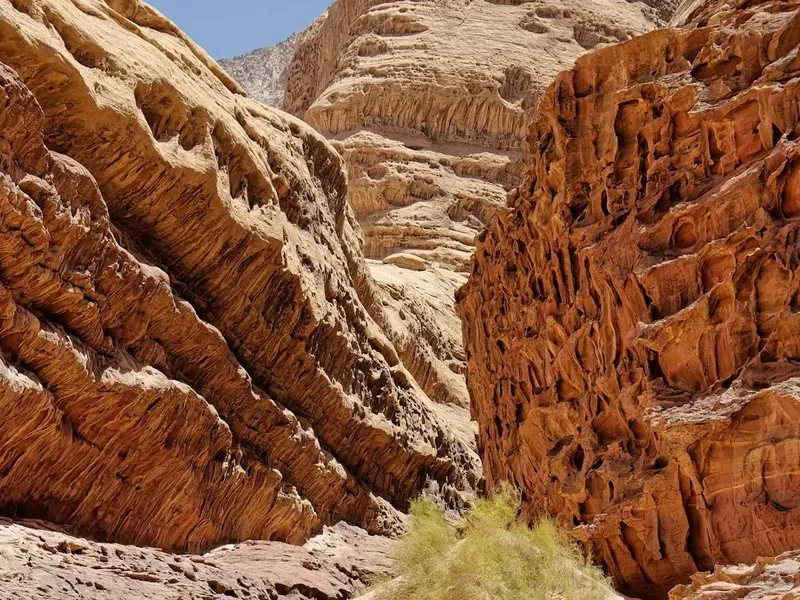
6-Day Wadi Rum Expedition Itinerary
Day 1: Wadi Rum Village to Lawrence’s Spring and Khazali Canyon
- Distance: 12 km
- Elevation gain: 150 m
- Time: 5–6 hours
- Start at the Wadi Rum Visitor Centre for registration
- Walk south from the village towards the base of Jebel Rum
- Visit Lawrence’s Spring (Ain Abu Aineh) to see the ancient cisterns and inscriptions
- Continue across the red sand flats to Khazali Canyon
- Explore the narrow siq of Khazali to view Thamudic and Nabataean petroglyphs
- Camp near the red dunes of Al-Hasany for the first night under the stars
Day 2: Al-Hasany Dunes to Burdah Rock Bridge
- Distance: 14 km
- Elevation gain: 200 m
- Time: 6–7 hours
- Traverse the massive red sand dunes, offering panoramic views of the central valley
- Head east towards the Jebel Burdah massif
- The terrain becomes rockier as you approach the base of the mountain
- Optional scramble to the Burdah Rock Bridge (one of the highest natural arches in the world)
- The climb to the bridge is steep and requires basic scrambling skills but offers the best views in the park
- Set up camp in the secluded canyons behind Jebel Burdah
Day 3: Burdah to Um Frouth Bridge and the South Desert
- Distance: 13 km
- Elevation gain: 100 m
- Time: 5–6 hours
- Walk south through the "Barrah Canyon," a majestic corridor flanked by sheer cliffs
- Visit Um Frouth Rock Bridge, a highly photogenic and easily accessible arch
- Transition from the "Red Desert" into the "White Desert" as the sandstone colour changes
- Observe the change in vegetation, with more hardy desert shrubs appearing
- Camp in the southern wilderness area, far from the main jeep tracks
Day 4: South Desert to the Base of Jebel Um Ad Dami
- Distance: 15 km
- Elevation gain: 100 m
- Time: 6–7 hours
- A long day of trekking through the remote southern reaches of the protected area
- The landscape opens up into vast gravel plains and isolated jebels
- This area is rarely visited by day-trippers, offering profound solitude
- Navigate towards the Saudi Arabian border, where the mountains become more rugged and dark
- Arrive at the base of Jebel Um Ad Dami, Jordan’s highest peak
Day 5: Summit of Jebel Um Ad Dami and Return North
- Distance: 8 km (plus 400 m ascent/descent)
- Elevation gain: 450 m
- Time: 5–6 hours
- Early morning ascent of Jebel Um Ad Dami (1,854 m)
- The path is a rocky scramble but well-marked; no technical climbing gear required
- Summit views extend across the border into the mountains of Saudi Arabia and west to the Gulf of Aqaba
- Descend and begin the trek back towards the central Wadi Rum area
- Camp in a sheltered valley near the "Chicken Rock" formation
Day 6: Return to Wadi Rum Village via Seven Pillars of Wisdom
- Distance: 8 km
- Elevation gain: 50 m
- Time: 3–4 hours
- Final trek through the wide valleys leading back to the village
- Pass the iconic "Seven Pillars of Wisdom" rock formation near the visitor centre
- Reflect on the journey through the changing light of the morning desert
- Arrive back at Wadi Rum Village by midday for transport to Aqaba or Amman
Important Notes:
- Distances are approximate and can vary based on the specific canyons chosen by your guide
- Water is the heaviest part of your pack; ensure your logistics (guide/jeep support) are organised for daily refills
- The soft sand sections are significantly more tiring than the hard-packed sections; adjust pace accordingly
- Always carry a head torch for early starts or late finishes
Planning and Bookings
Book Your Trip
Everything you need to plan your journey
Accommodation
Find places to stay near Aqaba
Flights
Search flights to Aqaba
Essential Preparation
The Wadi Rum Trek requires a different style of preparation than a typical alpine hike. The primary challenges are heat, navigation, and logistics. While it is possible for highly experienced desert navigators to trek independently, it is strongly recommended to hire a local Bedouin guide. Not only is this a requirement for certain protected zones, but the guides provide essential logistics, including water drops and traditional meals, which are difficult to manage alone in a 70-kilometre desert stretch.
Fitness requirements are moderate. You should be comfortable walking 15 kilometres a day for several consecutive days. The most taxing element is the "sand-walking" technique, which engages different muscles than firm trails. Before arriving, ensure you have organised your transport from Aqaba (1 hour) or Amman (4 hours). Most trekkers base themselves in Aqaba for a night before and after the trek to enjoy the amenities and the Red Sea.
Trail Accommodation
Accommodation on the Wadi Rum Trek is a highlight of the experience, blending traditional Bedouin hospitality with the raw beauty of the desert. There are two primary options for overnight stays during the trek.
Bedouin Camps: These are semi-permanent structures located throughout the protected area. They typically consist of private or shared tents made of goat hair or heavy canvas, equipped with basic beds and blankets. Most camps have a central "communal tent" where meals are served around a fire. Facilities usually include shared pit toilets and, in some larger camps, basic solar-powered showers. Electricity is limited to a few hours in the evening for charging devices.
Wild Camping (Bivouacking): For a more authentic experience, many trekking groups choose to "sleep under the stars." This involves finding a sheltered spot in a canyon or at the base of a dune. You will sleep on a mattress provided by your guide or your own sleeping mat. There are no facilities in these locations; you must follow strict Leave No Trace principles for waste management. This option provides the ultimate connection to the desert's silence and the spectacular night sky.
Costs and Bookings: Trekking packages (including guide, food, and accommodation) typically range from 60 to 100 JOD (Jordanian Dinars) per person per day. It is essential to book these in advance through a reputable local operator based in Wadi Rum Village.
Required Gear
- Trekking boots or high-cut trail shoes - Must be breathable but have a closed tongue to keep sand out. Ankle support is helpful for rocky scrambles.
- Sand gaiters - Lightweight Lycra gaiters that seal the top of your boots are essential to prevent sand from filling your shoes.
- Daypack - 25–35L for carrying daily water, snacks, and layers if you have jeep support for your main luggage.
- Sleeping bag - A 2-season bag (comfort 5°C) is sufficient for autumn/spring; a 3-season bag (comfort 0°C) is necessary for winter.
- Sun hat - Wide-brimmed or a traditional "Shemagh" (Bedouin scarf) for full head and neck protection.
- Sunglasses - High UV protection (Category 3 or 4) to combat the intense glare from the sand.
- Head torch - Essential for camp life and early morning summit pushes.
- Trekking poles - Highly recommended for stability on shifting dunes and during the descent of Jebel Um Ad Dami.
What to Bring
- Water capacity - Ability to carry at least 3–4 litres of water on your person at all times.
- Sunscreen and Lip Balm - SPF 50+ is mandatory. Reapply every two hours.
- Personal First Aid - Include blister pads (Compeed), rehydration salts (Electrolytes), and any personal medications.
- Clothing - Lightweight, long-sleeved shirts and trousers (merino or synthetic) to protect against sun and abrasions. Avoid cotton.
- Warm layers - A down jacket or heavy fleece for the rapid temperature drop after sunset.
- Power bank - Solar chargers work well in the desert, but a high-capacity power bank is more reliable for keeping phones and cameras charged.
- Biodegradable wet wipes and hand sanitiser - Water is a precious resource; these are essential for personal hygiene.
- High-energy snacks - Nuts, dried fruit, and energy bars to supplement the provided meals.
Permits
Entering the Wadi Rum Protected Area requires a permit, which is managed at the Visitor Centre. For most international travellers, the most efficient way to handle this is by purchasing the Jordan Pass before arrival. The Jordan Pass includes the entry fee to Wadi Rum (5 JOD), as well as entry to Petra and over 40 other sites, and waives the visa entry fee if you stay in Jordan for at least three nights.
Permit Procedures:
- Upon arrival at the Visitor Centre, you must present your Jordan Pass or pay the 5 JOD entry fee.
- You will be required to register your name and the name of your guide/tour operator. This is a safety measure so the authorities know who is out in the desert.
- If you are planning to climb Jebel Rum or Jebel Um Ad Dami independently, you must inform the rangers of your intended route and expected return time.
- The permit is valid for the duration of your stay within the protected area, provided you are with an authorised guide or staying in a registered camp.
Important Regulations: Off-road driving is strictly regulated. Trekkers must stay on established paths or follow their guide's lead to prevent damage to the fragile desert crust. Hunting and the removal of any archaeological artefacts or stones are strictly prohibited and carry heavy fines.
Other Activities in the Area
Wadi Rum is a hub for adventure and culture. Consider these additions to your trekking itinerary:
- Rock Climbing: Wadi Rum is world-renowned for its traditional "trad" climbing. Routes range from moderate scrambles to world-class technical climbs on the sheer faces of Jebel Rum and Jebel Barrah.
- Stargazing: With minimal light pollution, the desert offers some of the best stargazing on Earth. Several "Rum Sky" centres offer guided tours of the constellations using high-powered telescopes.
- Camel Trekking: For a traditional perspective, replace a day of walking with a camel ride. It is a slower, rhythmic way to experience the desert that connects you to the ancient caravan routes.
- Hot Air Ballooning: At sunrise, balloons take flight over the northern part of the protected area, providing a breathtaking aerial view of the rock formations and dunes.
- Visit Petra: Only 1.5 hours away, the "Rose Red City" is the perfect cultural bookend to a Wadi Rum trek.
- Aqaba Red Sea Diving: After a week in the dry desert, the coral reefs of the Red Sea offer a refreshing and vibrant contrast.
Safety and Conditions
Dehydration and Heat: This is the primary risk. In the dry desert air, sweat evaporates instantly, meaning you may not realise how much fluid you are losing. Drink regularly, even if you do not feel thirsty. Use electrolyte powders to maintain salt balance. If you stop sweating or develop a headache, seek shade immediately and alert your guide.
Navigation: The desert is a labyrinth. Sandstone jebels can look remarkably similar, and tracks are easily covered by shifting sand. GPS is useful, but batteries fail and signals can be blocked in deep canyons. Always carry a physical map and compass, and unless you are an expert in desert navigation, stay with your Bedouin guide.
Flash Floods: While rain is rare, it can be intense. Narrow canyons (siqs) act as funnels for water from the surrounding jebels. If rain is forecast or if you see dark clouds over the mountains, avoid entering narrow canyons. A flash flood can arrive as a wall of water with very little warning.
Wildlife: Wadi Rum is home to the Arabian Oryx (reintroduced), ibex, and various desert foxes. While beautiful, be cautious of smaller residents. Scorpions and vipers (such as the Horned Viper) exist but are nocturnal and shy. Always shake out your boots in the morning and avoid sticking your hands into dark rock crevices.
Communication: Mobile signal is available near Wadi Rum Village and in some elevated spots, but it is non-existent in the deep canyons of the south. Ensure your guide has a satellite phone or a radio for emergencies. It is highly recommended to carry a Personal Locator Beacon (PLB) if trekking in remote sections.
Side Trips and Points of Interest
Burdah Rock Bridge: While mentioned in the itinerary, this deserves special focus. It is the most dramatic natural arch in Wadi Rum, suspended 35 metres above the valley floor. The scramble to reach it involves some "Class 3" sections where you will need to use your hands. The reward is a walk across the bridge itself—a heart-pounding experience with views that stretch to the horizon.
Lawrence’s House: Located in the central valley, these are the ruins of an old Nabataean building that T.E. Lawrence reportedly used to store supplies and stay in during the Arab Revolt. Nearby, a large rock face is covered in inscriptions from various eras, making it a concentrated site of history.
The Seven Pillars of Wisdom: Named after Lawrence’s famous book, this massive rock formation near the Visitor Centre features seven distinct natural buttresses. While it is a popular photo spot, the best way to see it is by walking around its base at sunset when the rock turns a deep, glowing red.
Mushroom Rock: A unique geological formation where wind erosion has carved a large sandstone block into the shape of a giant mushroom. It is a perfect example of the "Aeolian" processes that shape the desert and provides a rare patch of shade for a midday lunch break.
Nabataean Temple: Located near the village, this temple was dedicated to the goddess Allat. The ruins include columns and altars, and the site offers a quiet place to reflect on the spiritual history of the valley before heading into the deep desert.
Leave No Trace
The desert ecosystem is deceptively fragile. The "biological soil crust"—a living layer of cyanobacteria, lichens, and mosses—takes decades to form and can be destroyed by a single footstep. This crust is vital for preventing erosion and retaining moisture.
Desert Ethics:
- Stay on existing tracks or walk on hard-packed gravel and sand where possible. Avoid stepping on any visible crust or vegetation.
- Pack out all trash, including organic waste like orange peels and nut shells, which decompose very slowly in the arid environment.
- Manage human waste responsibly. Use toilets at established camps. If wild camping, bury waste at least 20 centimetres deep and 100 metres from any dry riverbeds (wadis) or campsites. Pack out all toilet paper.
- Do not touch or deface ancient petroglyphs. The oils from human skin can accelerate the degradation of these ancient carvings.
- Use water sparingly. Every drop used in the desert has been transported by jeep or camel from distant wells.
- Fires should be kept small and contained. Use only dead wood provided by your guide; never break branches off desert shrubs, which are essential for local wildlife.