
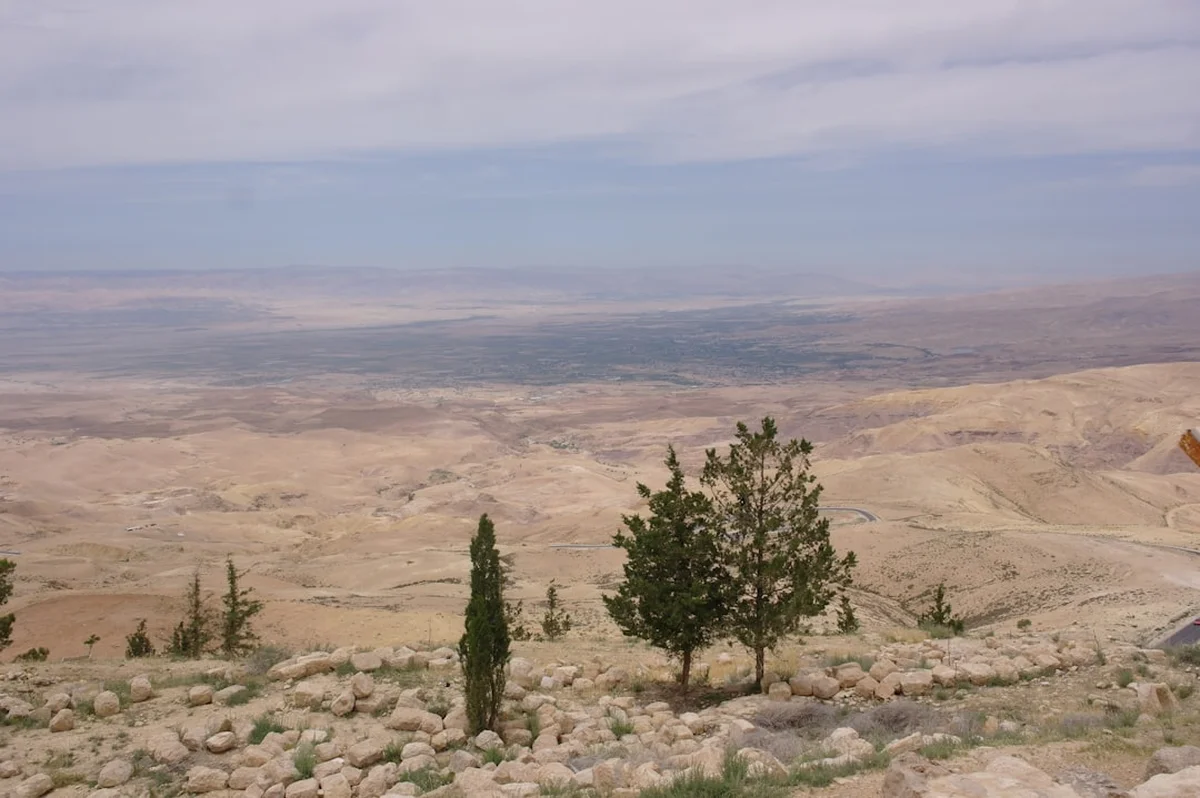
Wadi Mujib Siq Trail - Jordan’s Watery Grand Canyon
The Wadi Mujib Siq Trail is perhaps the most exhilarating day hike in the Middle East, offering a dramatic departure from the arid, sun-scorched landscapes typically associated with the Hashemite Kingdom of Jordan. Located at the lowest nature reserve on Earth, the trail follows the deep chasm of the Mujib River as it cuts through towering sandstone cliffs to reach the Dead Sea. Unlike traditional mountain treks, the Siq Trail is a "wet hike" where participants navigate against the current of a perennial river, wading through pools, scrambling over boulders, and ascending fixed ladders against rushing cascades. It is a sensory explosion of cool water, echoing canyon walls, and the vibrant hues of iron-rich rock. This 2.5-kilometre journey is not merely a walk; it is a physical engagement with the geological forces that have shaped the Jordan Rift Valley over millions of years.
- Distance: 2.5 km return
- Duration: 2–4 hours (depending on water levels and fitness)
- Season: April to October (strictly closed in winter due to flash flood risk)
- Difficulty: Moderate (requires swimming, climbing, and balance)
- Highest point: Approximately -380 m (below sea level)
- Trailhead: Mujib Adventure centre, Dead Sea Highway
- Requirements: Minimum age 18, ability to swim, reasonable physical fitness
Overview
The Wadi Mujib Biosphere Reserve covers an area of 212 square kilometres, but the Siq Trail is its most famous and accessible artery. The trail begins at the Mujib Adventure centre, situated just off the main Dead Sea Highway. From the moment you descend the metal staircase into the canyon floor, the temperature drops significantly, shielded by the massive sandstone walls that rise up to 50 metres on either side. The "Siq"—a narrow gorge—is a geological marvel, featuring undulating rock patterns in shades of ochre, rose, and deep purple, polished smooth by millennia of seasonal floods.
The experience is defined by the river itself. Depending on the time of year and recent rainfall in the eastern highlands, the water level can range from ankle-deep ripples to chest-high torrents. The trail is self-guided, but the presence of fixed ropes and metal rungs at key obstacles provides a structured path through the chaos of the riverbed. The ultimate goal is a spectacular 20-metre waterfall at the head of the canyon, where the river plunges into a deep pool, creating a natural amphitheatre of mist and sound. Because the trail is an "out-and-back" route, the return journey allows hikers to float with the current, turning the trek into a natural water park experience.
Ecologically, Wadi Mujib is a critical sanctuary. It serves as a stopover for migratory birds travelling between Africa and Europe and provides a habitat for the Syrian wolf, the caracal, and the majestic Nubian ibex. While the Siq Trail is primarily a recreational water route, the surrounding cliffs are home to rare desert flora that clings to the vertical rock faces, sustained by the humidity trapped within the canyon. Walking the Siq Trail is a humbling reminder of the power of water in a desert landscape—a life-giving force that has carved a masterpiece into the bedrock of Jordan.
History and Cultural Context
Wadi Mujib has been a significant geographical and political boundary for thousands of years. In antiquity, it was known as the River Arnon, a formidable barrier mentioned frequently in the Hebrew Bible. It served as the border between the Moabites to the south and the Amorites (and later the tribe of Reuben) to the north. The deep, treacherous nature of the canyon made it a natural defensive line, and various fortresses and watchtowers once dotted the plateaus above to monitor movement through this strategic corridor.
The cultural history of the region is inextricably linked to the Nabataeans, the master hydrologists who built Petra. While their primary capital was further south, the Nabataeans understood the value of the Mujib’s perennial water source. They developed sophisticated systems to manage water in the desert, and evidence of ancient terracing and water management can still be found in the wider biosphere reserve. For the local Bedouin tribes, the wadi has historically provided a vital source of water for livestock and a refuge from the intense summer heat of the Jordan Valley.
In modern times, the protection of this landscape fell to the Royal Society for the Conservation of Nature (RSCN), an independent non-governmental organisation devoted to the conservation of Jordan's natural resources. Established as a reserve in 1987, Wadi Mujib became a model for sustainable eco-tourism in the Middle East. The RSCN’s management ensures that the delicate balance between high-volume tourism and environmental preservation is maintained, with entrance fees directly funding the protection of the Nubian ibex and the maintenance of the trail’s safety infrastructure. The Siq Trail today represents a successful marriage of ancient geological wonder and modern conservation ethics.
Want more background? Read extended notes on history and cultural context → Learn more
Seasonal Highlights and Weather Reality
The Wadi Mujib Siq Trail is strictly seasonal, typically opening on April 1st and closing on October 31st. These dates are subject to change based on the prevailing weather conditions and water levels. Unlike many trails where rain is merely an inconvenience, in Wadi Mujib, rain is a lethal threat. The canyon drains a massive catchment area in the Jordanian highlands; a storm 50 kilometres away can trigger a flash flood that reaches the Siq in a matter of hours, turning the peaceful stream into a wall of debris and water.
Spring (April to May): This is arguably the best time to visit. The water is refreshing but not bone-chilling, and the surrounding desert is often surprisingly green with short-lived wildflowers. Water levels are generally higher during this period due to the tail-end of the winter rains, making the scrambles more challenging and the waterfalls more thunderous.
Summer (June to August): While the rest of Jordan swelters in temperatures exceeding 40°C, the Siq remains a cool sanctuary. The water provides natural air conditioning. However, this is also the peak tourist season. To avoid the crowds, it is essential to arrive at the Adventure centre as soon as it opens (8:00 AM). The sun is intense at the canyon entrance, so high-factor sunscreen is required for the initial and final sections.
Autumn (September to October): As the summer heat fades, the water levels typically drop, making the trail slightly easier to navigate. The water remains warm from the summer sun. This is a fantastic time for photography, as the light enters the canyon at lower angles, highlighting the textures of the sandstone walls.
Winter (November to March): The trail is closed. Do not attempt to enter the canyon during this time. The risk of flash flooding is extreme, and the RSCN strictly prohibits access for safety reasons. Even if the weather at the Dead Sea looks clear, the highlands may be experiencing heavy rain or snowmelt.
Recommended Itinerary
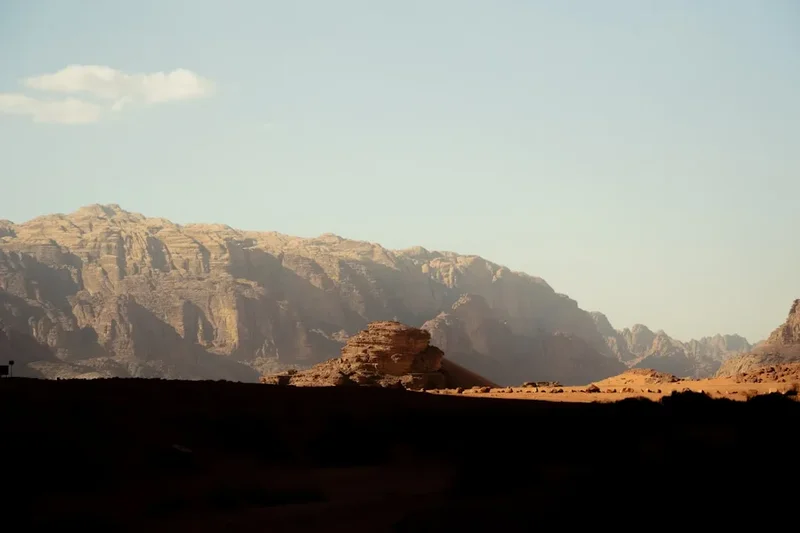
Wadi Mujib Siq Trail Progression
Stage 1: The Descent and Entry
- Location: Mujib Adventure centre to Canyon Floor
- Distance: 100 m
- Time: 10–15 minutes
- Check-in at the RSCN office, sign the waiver, and receive your mandatory life jacket.
- Descend the metal stairs and walkways that lead from the visitor centre down to the riverbed.
- Enter the water for the first time. The initial section is usually shallow, with water reaching ankle or knee height.
- Adjust your gear and ensure your waterproof bag is sealed before the canyon walls begin to narrow.
Stage 2: The Lower Siq
- Location: Canyon Entrance to the First Scramble
- Distance: 800 m
- Time: 30–45 minutes
- Walk against a gentle current over a bed of smooth river stones.
- Marvel at the "hanging gardens"—ferns and mosses growing from the canyon walls where groundwater seeps through the sandstone.
- The canyon narrows significantly here, and the sky becomes a thin ribbon of blue far above.
- Navigate the first few deep pools where swimming may be required for short distances (3–5 metres).
Stage 3: The Ropes and Cascades
- Location: Middle Canyon to the Base of the Falls
- Distance: 400 m
- Time: 45–60 minutes
- This is the most technical section of the trail. You will encounter several small waterfalls (1–3 metres high).
- Use the fixed metal rungs and thick ropes provided by the RSCN to climb up and over these obstacles.
- Expect heavy spray and rushing water as you pull yourself up against the current.
- Teamwork is often required here; help fellow hikers find footings on the submerged rocks.
- The sound of the river becomes a roar as you approach the final section.
Stage 4: The Great Waterfall
- Location: The Trail Terminus
- Distance: N/A (Stationary)
- Time: 20–30 minutes
- Reach the end of the accessible Siq, marked by a massive 20-metre waterfall plunging from the upper canyon.
- The pool at the base is deep and perfect for swimming, though the current near the fall is very strong.
- Take time to rest, hydrate, and enjoy the sheer power of the water. This is the turnaround point for the Siq Trail.
- Photography is best here, but be mindful of the constant mist on your lens.
Stage 5: The Return Float
- Location: Waterfall back to Adventure centre
- Distance: 1.25 km
- Time: 45–60 minutes
- The return journey is significantly faster as you move with the current.
- In deeper sections, lie on your back and let your life jacket float you downstream—a relaxing "lazy river" experience.
- Exercise extreme caution when descending the ladders and ropes you climbed earlier; going down is often more slippery than going up.
- Exit the water at the metal staircase and return your life jacket to the centre.
Important Notes:
- The trail is self-guided, but RSCN rangers are often stationed at the most difficult climbing points to assist.
- Always maintain three points of contact when climbing the ladders.
- Do not attempt to jump into pools unless a ranger explicitly tells you it is safe; submerged rocks are a constant hazard.
- The total time varies greatly based on the number of people on the trail; expect delays at the rope sections during weekends.
Planning and Bookings
Book Your Trip
Everything you need to plan your journey
Accommodation
Find places to stay near Madaba
Flights
Search flights to Madaba
Essential Preparation
The Wadi Mujib Siq Trail requires more physical preparation than a standard walk. You must be comfortable in moving water and have the upper body strength to pull yourself up ropes and ladders. While you do not need to be an Olympic swimmer, the ability to tread water and move confidently while wearing a life jacket is essential. There is no formal booking system for individuals; it operates on a first-come, first-served basis. However, groups of more than 10 should contact the RSCN in advance.
The closest major town is Madaba (approx. 1 hour drive), which serves as an excellent base. Alternatively, many visitors stay at the Dead Sea resorts, which are only 20–30 minutes north of the trailhead. Amman is roughly 90 minutes away. Ensure you arrive early; the trail opens at 8:00 AM and often closes to new entries by 2:00 PM or 3:00 PM to ensure everyone is out before dusk. You must bring a valid form of identification (passport or Jordanian ID) to register at the entrance.
Trail Accommodation
This is a day hike requiring no overnight accommodation on the trail itself. Camping inside the canyon is strictly prohibited due to the extreme danger of flash floods and the narrowness of the gorge.
Nearby Options:
- Mujib Chalets: Located directly across the highway from the Adventure centre. These eco-friendly chalets offer stunning views of the Dead Sea and are managed by the RSCN. They provide a convenient option for those wanting to start the hike at opening time.
- Dead Sea Resorts: A wide range of luxury hotels (Marriott, Hilton, Movenpick) are located 20 kilometres north. These offer full amenities but are at a higher price point.
- Madaba Guesthouses: For budget-conscious travellers, Madaba offers numerous boutique hotels and hostels with a more authentic Jordanian feel.
Facilities at the Trailhead:
- Changing rooms and basic showers (cold water only).
- Toilets and sinks.
- Small kiosk selling water and snacks.
- Lockers for rent (essential for car keys and dry clothes).
- Life jackets (included in the entrance fee and mandatory).
Required Gear
- Footwear: Closed-toe water shoes or old trainers with excellent grip. Do not wear flip-flops or loose sandals; they will be lost in the current or cause you to slip on wet rocks.
- Life Jacket: Provided by the RSCN at the trailhead. It must be worn and properly buckled at all times while in the water.
- Clothing: Lightweight, quick-drying athletic wear. Men typically wear board shorts and a T-shirt; women often wear leggings and a T-shirt over swimwear. Please be mindful of local customs; while the Dead Sea is tourist-friendly, modest dress is appreciated.
- Dry Bag: A high-quality, roll-top waterproof bag (10–20L) is essential if you plan to bring a camera or phone. Even "water-resistant" backpacks will get soaked.
- Sun Protection: Waterproof sunscreen (SPF 30+) and a hat for the exposed sections at the start and end of the trail.
What to Bring
- Water: At least 1.5 litres per person. Even though you are in a river, the Jordanian heat is dehydrating. Do not drink the river water.
- Snacks: High-energy bars or dried fruit. Keep these in your dry bag. There are no food facilities once you enter the canyon.
- Change of Clothes: Leave a full set of dry clothes and a towel in your car or a locker for after the hike. You will be 100% wet when you finish.
- Waterproof Phone Case: Even if your phone is "waterproof," the pressure of the waterfalls and the risk of dropping it in deep pools make a dedicated floating case a wise investment.
- Personal Medications: If you require an inhaler or EpiPen, ensure it is in a double-sealed waterproof container within your dry bag.
- Cash: For the entrance fee (approx. 21 JOD for foreigners) and locker rental. Credit cards are usually accepted at the main office, but the system can be temperamental.
Permits
Access to the Wadi Mujib Siq Trail is regulated by the Royal Society for the Conservation of Nature (RSCN). You do not need to apply for a permit weeks in advance, but you must register at the Adventure centre upon arrival. The entrance fee is mandatory and contributes directly to the maintenance of the reserve and the salaries of the rangers who ensure hiker safety.
Current Fees (Subject to Change):
- Foreign Visitors: Approximately 21 JOD (Jordanian Dinars)
- Jordanian Residents/Nationals: Approximately 15 JOD
- Locker Rental: 2–5 JOD
Entry Requirements and Restrictions:
- Age Limit: You must be at least 18 years old to enter the Siq Trail. This is strictly enforced due to the physical nature of the scrambles and the depth of the water. Families with children can explore other parts of the reserve (like the Ibex Trail) but not the Siq.
- Physical Condition: You will be asked to sign a waiver acknowledging the risks. If you have heart conditions, severe back problems, or are pregnant, this trail is not recommended.
- Group Size: While individuals can hike alone, it is safer to go in pairs or small groups. If you are a solo traveller, you will likely find others at the trailhead to buddy up with.
- Guide Policy: The Siq Trail is a self-guided route. You do not need to hire a private guide, although they are available for those who want extra assistance or geological insights.
The Jordan Pass: Note that the Wadi Mujib entrance fee is not included in the Jordan Pass. You must pay the RSCN fee separately at the visitor centre.
Other Activities in the Area
The Dead Sea region offers a wealth of experiences that complement a morning in the canyon:
- Dead Sea Floating: Just a few kilometres north of Wadi Mujib, you can experience the unique buoyancy of the world's saltiest body of water. Visit a public beach or a resort to coat yourself in mineral-rich mud.
- Ma'in Hot Springs: Located in the mountains above the Dead Sea, these thermal springs and waterfalls have been used for medicinal purposes since Roman times. The water reaches temperatures of up to 60°C.
- Mount Nebo: Visit the site where Moses is said to have seen the Promised Land. The church features stunning 6th-century mosaics and panoramic views of the Jordan Valley and the West Bank.
- Madaba Mosaics: Known as the "City of Mosaics," Madaba is home to the famous 6th-century mosaic map of the Holy Land in St. George’s Church.
- Panorama Dead Sea Complex: A museum and restaurant perched on the edge of the cliffs, offering the best sunset views in the country and an excellent geological exhibit on the formation of the Dead Sea.
- Wadi Bin Hammad: For those who loved Mujib, this nearby wadi offers a gentler, more lush experience with hanging gardens and warm water, often with fewer crowds.
Safety and Conditions
Flash Flood Warning: This is the single greatest danger in Wadi Mujib. The canyon is narrow with vertical walls, meaning there is nowhere to climb to safety if the water level rises suddenly. The RSCN monitors weather stations in the highlands constantly. If they tell you the trail is closed or that you must exit immediately, do not argue. Follow instructions instantly. Even a light drizzle in the mountains can cause a catastrophic surge in the Siq.
Water Safety: The current can be deceptively strong, especially near the base of the waterfalls. Always wear your life jacket securely. If you find yourself swept off your feet, flip onto your back, point your feet downstream to ward off rocks, and wait for a calmer section to regain your footing. Never dive into pools; the water depth changes constantly as the river moves sand and boulders.
Slippery Surfaces: The rocks in the riverbed are often covered in a thin layer of algae or silt, making them incredibly slick. Move slowly and deliberately. Use the ropes provided, but test them before putting your full weight on them. Avoid stepping on dark, mossy rocks where possible.
Heat and Hydration: While the water is cool, the physical exertion in a humid canyon can lead to rapid dehydration. Drink plenty of water before you start and carry a bottle with you. Be aware of the signs of heat exhaustion: dizziness, nausea, and excessive sweating.
Wildlife: While rare, snakes and scorpions exist in the reserve. They generally avoid the high-traffic water areas, but be cautious when reaching into rock crevices or moving large stones. The most common "wildlife" encounter is the small fish that may nibble at your toes when you stand still—they are harmless.
Emergency Services: There is no mobile signal inside the canyon. If an injury occurs, one person should stay with the victim while another heads back to the Adventure centre to alert the rangers. The RSCN has evacuation protocols, but extraction from the deep Siq is difficult and time-consuming.
Side Trips and Points of Interest
The Malaqi Trail: For those seeking a longer adventure, the Malaqi Trail is a guided-only route that starts in the upper reaches of the reserve. It involves a long hike through the hills before descending into the river at the confluence of the Mujib and Hidan rivers. It includes a 20-metre abseil (rappelling) down a waterfall and eventually joins the end of the Siq Trail. This requires a full day and a high level of fitness.
The Canyon Geology: Take a moment to look closely at the canyon walls. You are looking at Kurnub Sandstone, which dates back to the Lower Cretaceous period (about 130 million years ago). The distinct bands of colour are caused by different mineral oxides—iron produces the reds and oranges, while manganese creates the purples and blacks. The "honeycomb" weathering patterns (tafoni) on the upper walls are caused by salt crystallisation and wind erosion.
The Ibex Trail: If the Siq is closed or you prefer a dry hike, the Ibex Trail takes you along the ridges above the canyon. It offers spectacular views down into the Siq and is the best place to spot the Nubian ibex, especially in the early morning or late afternoon. This trail is also guided and takes about 3–4 hours.
The Roman Bridge: Near the mouth of the wadi, where it meets the Dead Sea, are the remains of a Roman-era bridge. This was part of the Via Nova Traiana, the great Roman road built by Emperor Trajan to connect the Gulf of Aqaba with southern Syria. It serves as a reminder that this rugged landscape has been a transit corridor for millennia.
Leave No Trace
The Wadi Mujib Biosphere Reserve is a fragile ecosystem under increasing pressure from tourism. Because the water flows directly into the Dead Sea—a closed system with no outlet—any pollution introduced in the canyon stays in the region. As a visitor, you have a moral and environmental obligation to protect this unique site.
Leave No Trace Principles for Wadi Mujib:
- Pack it in, pack it out: This includes fruit peels, nut shells, and cigarette butts. There are no bins inside the canyon. If you see trash left by others, please pick it up and carry it out.
- No Soap or Chemicals: Do not use soap, shampoo, or detergents in the river. Even "biodegradable" soaps can harm the aquatic life and the delicate balance of the water chemistry.
- Respect the Rock: Do not carve your name or "graffiti" into the sandstone. The rock is soft and easily damaged; such marks are permanent and ruin the experience for others.
- Do Not Disturb Wildlife: If you are lucky enough to see an ibex or a rare bird, keep your distance. Do not attempt to feed any animals.
- Stay on the Trail: In the water, this means following the main river course. On the approach paths, stay on the designated walkways to prevent soil erosion and the destruction of desert crust.
- Keep it Quiet: The canyon acts as a natural megaphone. Avoid shouting or playing music. The sound of the wind and water is the primary reason people visit; respect the "soundscape" of the wilderness.
By following these simple rules, you ensure that the Wadi Mujib Siq Trail remains a pristine adventure for the next generation of explorers. The RSCN works hard to maintain this balance; please support their efforts through your actions.