

Torres del Paine W Trek - Patagonia's Iconic Circuit
The Torres del Paine W Trek is a world-renowned multi-day hiking route in Chile's Patagonia region, celebrated for its dramatic granite spires, turquoise glacial lakes, vast ice fields, and abundant wildlife. This iconic trek, typically completed in 4 to 5 days, traverses the heart of Torres del Paine National Park, offering a challenging yet immensely rewarding experience for hikers of all levels. The "W" shape of the trail refers to its distinctive path, which branches out to explore three major valleys: Ascencio Valley (leading to the Towers), French Valley, and Grey Glacier Valley.
- Distance: Approximately 71.0 km one-way (excluding optional side trips)
- Duration: 4–5 days / 3–4 nights
- Season: October to April (shoulder seasons October-November and March-April offer fewer crowds and good weather probabilities)
- Accommodation: Refugios (huts) and campsites (mandatory booking)
- Highest point: John Gardner Pass (if included in a full circuit, otherwise the highest point on the W trek is around 1,200 m in the French Valley)
- Daily walkers: No strict daily limit for independent walkers, but accommodation capacity dictates overall numbers.
- Direction: Typically walked west to east (starting at Paine Grande) or east to west (starting at Hotel Las Torres), but can be done in either direction. This description follows a common east-to-west itinerary.
Overview
The Torres del Paine W Trek is a journey through a landscape of unparalleled grandeur. The trail is a symphony of natural wonders, from the imposing granite towers that give the park its name to the vast, calving glaciers that feed its impossibly blue lakes. Each day presents a new spectacle, a different facet of Patagonia's raw beauty. The trek is not merely a walk; it's an immersion into a wild, untamed environment where weather can shift dramatically, adding to the adventure and the sense of accomplishment.
The trail is divided into distinct sections, each with its own character. The eastern section, leading to the base of the Torres del Paine, involves a steep ascent through the Ascencio Valley, culminating in a moraine climb to witness the iconic granite spires. The central section, the French Valley, is a dramatic amphitheatre of jagged peaks, hanging glaciers, and cascading waterfalls, offering breathtaking views of Paine Grande and the surrounding massif. The western section takes hikers along the shores of Lago Grey, leading to the magnificent Grey Glacier, a colossal river of ice that dominates the horizon. The sheer scale of the landscape, combined with the dynamic Patagonian weather, creates an unforgettable experience.
The park's infrastructure, while well-developed for trekkers, is designed to blend with the environment. Refugios and campsites are strategically located to provide essential services while minimising impact. The challenge of the W Trek lies not only in its distances and elevation changes but also in navigating the unpredictable Patagonian climate, which can bring sunshine, rain, snow, and fierce winds all within a single day. This variability, however, is part of what makes Torres del Paine so captivating and its successful completion so deeply satisfying.
History and Cultural Context
The region now known as Torres del Paine National Park has a rich history stretching back millennia. Indigenous peoples, including the Aonikenk (Tehuelche), were the first inhabitants, their nomadic lifestyle dictated by the abundant guanaco herds and the challenging Patagonian environment. Archaeological evidence suggests human presence in the area for at least 12,000 years. These early inhabitants navigated the vast plains and rugged mountains, leaving behind a legacy of cultural connection to the land.
European exploration of Patagonia began in the 16th century, but it wasn't until the late 19th and early 20th centuries that significant expeditions ventured into the interior. The dramatic granite peaks of the Paine massif were first documented and named by the Chilean explorer Alberto De Agostini in the 1930s. He was a Salesian priest and geographer who extensively mapped the region and was instrumental in promoting its natural beauty. The park itself was established in 1959 as "Parque Nacional de Turismo Lago Grey" and later expanded and renamed Torres del Paine National Park in 1970.
The development of the W Trek as a popular hiking route gained momentum in the latter half of the 20th century. The establishment of refugios and campsites by private operators and the park service facilitated access for trekkers. The park's designation as a UNESCO Biosphere Reserve in 1978 further underscored its ecological significance and the importance of conservation efforts. Today, Torres del Paine is a prime example of successful ecotourism, balancing visitor access with the preservation of its unique natural and cultural heritage. The park continues to be a place of profound beauty and a testament to the enduring power of the Patagonian wilderness.
Seasonal Highlights and Weather Reality
The trekking season in Torres del Paine runs from October to April, with the peak summer months being December, January, and February. Each period offers a distinct experience:
Spring (October–November): This is the shoulder season, offering a good balance of fewer crowds and increasing daylight hours. Wildflowers begin to bloom, and the landscape awakens from winter. However, weather can still be unpredictable, with potential for snow and strong winds. Temperatures are generally cooler.
Summer (December–February): This is the peak season, characterised by the longest daylight hours and generally the most stable weather patterns, though still highly variable. This is also the busiest time, with refugios and campsites booking out months in advance. Temperatures are milder, but strong winds (the infamous Patagonian "wind") are a constant feature and can make hiking challenging.
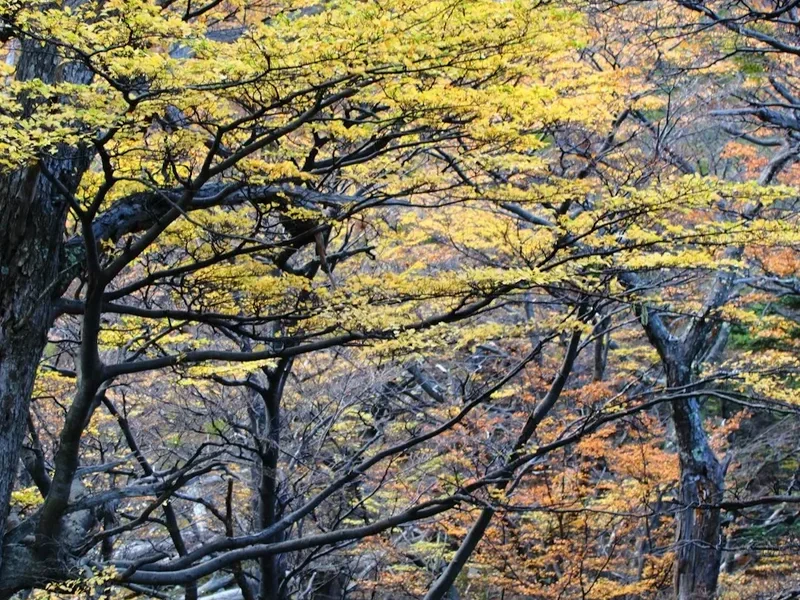
Autumn (March–April): Another shoulder season, autumn offers stunning golden and red hues in the foliage, fewer crowds than summer, and a good chance of clear days. The daylight hours begin to shorten, and temperatures start to drop, with a higher probability of frost and snow, especially later in April. The wind can still be a significant factor.
Winter (May–September): The park is largely closed to independent trekkers during winter due to extreme weather conditions, heavy snowfall, and limited services. Some guided tours may operate, but it is considered an expert-level undertaking requiring specialised winter mountaineering skills and equipment.
Weather Considerations: The most crucial aspect of planning for Torres del Paine is understanding its notoriously fickle weather. The park is situated in a region where the Pacific Ocean meets the Southern Ocean, leading to rapid and dramatic weather changes. Expect sunshine, rain, hail, and strong winds, often within the same day. Layers are essential, and waterproof and windproof outer shells are non-negotiable. The wind can be a significant challenge, particularly on exposed sections of the trail, and can affect hiking times and safety.
Recommended Itinerary
5-Day Torres del Paine W Trek Itinerary (East to West)
Day 1: Puerto Natales to Hotel Las Torres / Chileno Campsite
- Morning bus from Puerto Natales to Torres del Paine National Park (Laguna Amarga entrance).
- Transfer to Hotel Las Torres area.
- Begin hike towards Chileno Campsite (or Refugio Chileno if booked).
- Distance: Approximately 7 km
- Elevation gain: Approximately 400 m
- Time: 3–4 hours
- This day is primarily an acclimatisation hike, setting you up for the challenging climb to the Towers the next day. The trail winds through Lenga forest, with increasing views of the surrounding peaks.
- Accommodation: Chileno Campsite or Refugio Chileno.
Day 2: Chileno Campsite to Base of the Towers and back to Chileno / Refugio Los Cuernos
- Early morning start for the iconic hike to the Base of the Towers (Mirador Las Torres).
- The trail ascends steeply through a rocky moraine field.
- Distance: Approximately 4 km (one way to Towers)
- Elevation gain: Approximately 450 m (to Towers)
- Time: 2–3 hours (one way to Towers)
- After spending time at the Mirador, descend back to Chileno Campsite.
- Continue hike towards Refugio Los Cuernos.
- Distance: Approximately 11 km (from Chileno to Los Cuernos)
- Elevation gain: Minimal, mostly undulating
- Time: 3–4 hours (from Chileno to Los Cuernos)
- Total Distance (Day 2): Approximately 19 km
- Total Elevation Gain (Day 2): Approximately 850 m
- Accommodation: Chileno Campsite (if you choose to stay a second night here) or Refugio Los Cuernos.
- Note: This is a demanding day with a significant early climb and a long descent.
Day 3: Refugio Los Cuernos to Refugio Paine Grande via French Valley
- Hike from Los Cuernos along the northern shore of Lago Nordenskjöld.
- Reach Campamento Italiano (Italian Camp), the entrance to the French Valley.
- Leave larger packs at the ranger station and hike into the French Valley with a daypack.
- Ascend into the valley, passing waterfalls and enjoying views of glaciers and granite peaks.
- The trail leads to Mirador Francés and further into the valley towards Mirador Británico for panoramic views.
- Return to Campamento Italiano and collect packs.
- Continue hiking towards Refugio Paine Grande.
- Distance: Approximately 25 km (Los Cuernos to Paine Grande, including French Valley out-and-back)
- Elevation gain: Approximately 600 m (total, including French Valley ascent)
- Time: 8–10 hours
- Accommodation: Refugio Paine Grande.
- Note: This is the longest and arguably most spectacular day, featuring the dramatic French Valley.
Day 4: Refugio Paine Grande to Refugio Grey
- Hike from Paine Grande along the western shore of Lago Grey.
- The trail offers increasingly dramatic views of the Grey Glacier.
- Distance: Approximately 11 km
- Elevation gain: Approximately 300 m
- Time: 3–4 hours
- Arrive at Refugio Grey, located near the shores of Lago Grey.
- Optional: Kayaking on Lago Grey or a guided ice hike on Grey Glacier (book in advance).
- Accommodation: Refugio Grey.
Day 5: Refugio Grey to Pudeto and return to Puerto Natales
- Morning hike from Refugio Grey back to Paine Grande.
- Distance: Approximately 11 km
- Elevation gain: Approximately 300 m
- Time: 3–4 hours
- From Paine Grande, take the catamaran ferry across Lago Pehoé to Pudeto.
- From Pudeto, catch a bus back to Puerto Natales.
- Catamaran schedule is fixed and must be adhered to.
- Total Distance (Day 5): Approximately 11 km (hiking)
- Note: This is a travel day. Ensure you have booked your bus and catamaran tickets in advance.
Alternative 4-Day Itinerary:
- Day 1: Puerto Natales to Chileno Campsite.
- Day 2: Chileno to Mirador Las Torres and descend to Refugio Los Cuernos.
- Day 3: Los Cuernos to Paine Grande via French Valley.
- Day 4: Paine Grande to Refugio Grey, then catamaran from Paine Grande to Pudeto and bus to Puerto Natales. (This is a very long and rushed day).
Important Notes:
- Accommodation (refugios and campsites) MUST be booked well in advance, often 6–12 months ahead for peak season.
- Catamaran tickets from Paine Grande to Pudeto must be booked in advance.
- Bus tickets from Puerto Natales to Torres del Paine and return must be booked in advance.
- The order of the W Trek can be reversed (west to east).
- Weather can significantly impact hiking times and safety. Be prepared for delays.
- Carry sufficient food and water, as resupply points are limited and expensive.
Planning and Bookings
Book Your Trip
Everything you need to plan your journey
Accommodation
Find places to stay near Puerto Natales
Flights
Search flights to Puerto Natales
Essential Preparation
Planning for the W Trek requires meticulous organisation due to the high demand for accommodation and transport. The primary logistical hub is Puerto Natales, a charming town located approximately 3 hours south of Punta Arenas (the nearest airport with regular flights). Puerto Natales offers a range of accommodation, from hostels to hotels, and is the starting point for most treks. It's essential to book your park entrance fees, accommodation (refugios and campsites), and transport (buses and catamaran) well in advance, ideally 6–12 months prior to your intended travel dates, especially for the peak season (December to February).
Fitness is paramount. While the W Trek is not technically difficult, it involves long days of hiking with significant elevation changes, often in challenging weather conditions. Participants should be comfortable hiking for 6–10 hours per day with a backpack, carrying approximately 10–15 kg. Training that includes hill work, long walks, and carrying a weighted pack is highly recommended. Familiarity with layering clothing systems and managing gear in variable weather is also crucial.
Trail Accommodation
Accommodation within Torres del Paine National Park is managed by private operators (primarily Vertice Patagonia and Las Torres Patagonia) and consists of refugios (mountain huts) and campsites. Booking is mandatory for all options.
Refugios:
- Facilities: Dormitory-style bunk beds with mattresses, communal dining areas, shared bathrooms (often with hot showers), and sometimes small shops selling snacks and basic supplies. Some refugios have electricity for limited hours.
- What's Provided: Basic shelter, beds, and communal spaces.
- What's NOT Provided: Bedding (sleeping bags or sheets are required), towels, toiletries, food (though meals can often be purchased in advance or on-site at a premium), cooking equipment.
- Booking Requirements: Essential to book months in advance via the respective operator's website.
- Seasonal Availability: Generally open from October to April.
- Costs: Varies significantly, typically ranging from USD $50–$100 per person per night for a dorm bed.
Campsites:
- Facilities: Designated tent sites, often with access to shared bathroom facilities and sometimes communal kitchens or cooking shelters. Some campsites are located adjacent to refugios, offering access to their facilities.
- What's Provided: A flat spot to pitch your tent. Some sites may offer tent rental.
- What's NOT Provided: Tents, sleeping bags, sleeping mats, cooking equipment, food.
- Booking Requirements: Essential to book months in advance.
- Seasonal Availability: Generally open from October to April.
- Costs: Typically USD $20–$40 per person per night.
Important Note: Due to the high demand, securing accommodation can be challenging. It is advisable to book your entire itinerary (all refugios/campsites) simultaneously once your dates are confirmed.
Required Gear
- Waterproof and Windproof Outerwear: A high-quality, breathable waterproof jacket and trousers are essential. The Patagonian wind can be relentless, and rain is frequent.
- Layering System:
- Base Layers: Moisture-wicking thermal tops and bottoms (merino wool or synthetic).
- Mid Layers: Fleece jacket or insulated jacket (down or synthetic) for warmth.
- Outer Layer: Waterproof and windproof shell jacket and trousers.
- Footwear: Sturdy, waterproof hiking boots with good ankle support. Ensure they are well broken-in to prevent blisters.
- Backpack: A comfortable 45–65 litre backpack with a good hip belt and rain cover.
- Sleeping Bag: A 0°C to -5°C (0°C to -5°C) comfort rated sleeping bag is recommended, as refugios are unheated and campsites can be cold.
- Headlamp: With spare batteries, for use in refugios and during early morning starts.
- Navigation: While the trail is generally well-marked, a map and compass or GPS device are advisable, especially for understanding the route and potential detours.
- First-Aid Kit: Comprehensive kit including blister treatment, pain relievers, antiseptic wipes, bandages, and any personal medications.
- Sun Protection: High SPF sunscreen, sunglasses, and a wide-brimmed hat. The sun can be intense, especially at higher altitudes and reflected off snow or ice.
- Trekking Poles: Highly recommended for stability on ascents and descents, and for reducing strain on knees.
What to Bring
- Food: Pack sufficient non-perishable food for all your meals and snacks. While some refugios sell food, it is expensive and limited. Aim for lightweight, high-energy options like dried meals, nuts, dried fruit, energy bars, and jerky.
- Water Bottles/Hydration Reservoir: Carry at least 2 litres capacity. Water sources are generally plentiful and safe to drink after treatment, but carrying a filter or purification tablets is recommended.
- Cooking Gear (if camping): Lightweight stove, fuel, pot, utensils, mug, plate/bowl.
- Toiletries: Biodegradable soap, toothbrush, toothpaste, toilet paper (carry out used paper if not using designated bins), hand sanitiser.
- Personal Items: Camera, power bank for electronics, book or journal, insect repellent (though less of an issue than in some other regions, can be present), small towel.
- Dry Bags: To keep essential gear (clothing, electronics) dry inside your backpack.
- Cash: Chilean Pesos (CLP) for small purchases, tips, or in case of card payment issues. Some places may accept USD, but it's best to have local currency.
- Passport: For park entry and identification.
Permits
Entry to Torres del Paine National Park requires a park entrance fee. This fee is typically paid online in advance or at the park entrance gates. It is crucial to check the official CONAF (Corporación Nacional Forestal) website for the most up-to-date information on fees and payment methods, as these can change.
Park Entrance Fee:
- Cost: Varies for international visitors and Chilean residents. Expect approximately USD $35–$50 for international visitors for a 3-day pass, with options for longer stays.
- Booking: It is highly recommended to purchase your park entrance ticket online in advance through the official CONAF portal to avoid queues and ensure entry, especially during peak season.
- Validity: Typically valid for 3 days, but longer options may be available.
Accommodation Bookings:
- As mentioned in the Planning section, booking refugios and campsites is mandatory and must be done directly through the private operators (Vertice Patagonia and Las Torres Patagonia).
- These bookings are separate from the park entrance fee and are often the most challenging aspect of planning due to extremely high demand.
- Bookings typically open 6–12 months in advance for the following season.
Transport Bookings:
- Buses: Buses from Puerto Natales to Torres del Paine (Laguna Amarga entrance) and return must be booked in advance. Several companies operate this route.
- Catamaran: The catamaran ferry across Lago Pehoé from Paine Grande to Pudeto is a critical link in the W Trek itinerary. Tickets must be booked in advance, and their schedule is fixed.
Other Considerations:
- Guided Tours: If you opt for a guided tour, all permits and bookings are usually handled by the tour operator.
- Flexibility: While booking is essential, it's wise to have some flexibility in your dates if possible, as weather can force itinerary changes.
Other Activities in the Area
Beyond the W Trek itself, Torres del Paine and its surroundings offer a wealth of activities for nature enthusiasts:
- Full Circuit Trek (O Trek): For those seeking a more extensive challenge, the full circuit (O Trek) encompasses the W Trek plus the more remote backside of the Paine massif. This typically takes 7–10 days and requires even more advance booking.
- Day Hikes: Numerous shorter hikes are possible from the main refugios or accessible via day trips from Puerto Natales. Popular options include hikes to Mirador Condor, Mirador Cuernos, and the area around Grey Glacier.
- Grey Glacier Kayaking/Ice Hiking: Guided tours offer the opportunity to kayak on Lago Grey amongst icebergs or embark on an ice hike on the surface of the Grey Glacier itself. These are incredible experiences that provide a unique perspective on the ice formations.
- Horseback Riding: Estancias (ranches) surrounding the park offer horseback riding tours, allowing you to explore the Patagonian steppe and gain a different appreciation for the landscape.
- Wildlife Spotting: Torres del Paine is renowned for its wildlife. Keep an eye out for guanacos, condors, rheas, foxes, and if you're extremely lucky, the elusive puma. Guided wildlife tours are available.
- Laguna Azul: Located in the northeastern part of the park, Laguna Azul offers stunning views of the Towers and is a prime location for birdwatching and guanaco sightings.
- Puerto Natales Exploration: The town itself is worth exploring, with its waterfront promenade, local craft shops, and excellent restaurants serving Patagonian lamb and seafood.
Safety and Conditions
Weather Preparedness: The most significant safety concern in Torres del Paine is the unpredictable and often extreme weather. Always check the forecast before setting out each day and be prepared for rapid changes. Strong winds can make exposed sections treacherous, and sudden downpours or snow can lead to hypothermia. Ensure you have appropriate waterproof and windproof gear, and always carry extra layers.
Trail Conditions: The W Trek is generally well-maintained, but conditions can vary. Mud, ice, and snow can be present, especially during the shoulder seasons or after heavy rainfall. Steep ascents and descents, particularly to the Base of the Towers and in the French Valley, require careful footing. Be aware of loose rocks and scree.
Water Sources: Water is generally abundant from streams and rivers. However, it is always recommended to treat water (using a filter, purification tablets, or boiling) to avoid gastrointestinal issues, especially downstream from campsites or refugios.
Wildlife Encounters: While most wildlife is shy, maintain a safe distance. Guanacos are common, and pumas, though rare to spot, inhabit the park. Never feed wildlife, as it can harm their health and alter their natural behaviour. Be aware of your surroundings, especially when hiking alone.
Navigation: The main trails are well-marked, but it's essential to carry a map and compass or GPS device, especially if venturing onto less-travelled paths or in poor visibility. Inform someone of your hiking plans and expected return time.
Emergency Procedures: Familiarise yourself with emergency contact numbers for park rangers and local authorities. Consider carrying a personal locator beacon (PLB) for remote areas or if hiking solo. Many refugios have radios for emergency communication.
Physical Fitness: Ensure you are adequately fit for the demands of the trek. Pushing yourself beyond your limits in challenging conditions can lead to exhaustion, injury, and poor decision-making.
Travel Insurance: It is highly recommended to have comprehensive travel insurance that covers trekking and potential medical evacuation.
Side Trips and Points of Interest
Mirador Las Torres (Base of the Towers): The iconic destination of the eastern arm of the W Trek. This challenging climb up a steep moraine field rewards hikers with breathtaking views of the three granite towers (Torre Sur, Central, and Norte) rising dramatically above a glacial lake. It's a must-do for any visitor to the park.
French Valley (Valle del Francés): A spectacular glacial valley offering some of the most dramatic scenery in the park. Hiking into the valley provides close-up views of hanging glaciers, granite spires like Paine Grande, and the sounds of ice calving. The trail leads to Mirador Francés and further to Mirador Británico for panoramic vistas.
Grey Glacier: The westernmost point of the W Trek, where you encounter the immense Grey Glacier. This colossal river of ice flows from the Southern Patagonian Ice Field and calves icebergs into Lago Grey. Viewing platforms offer stunning perspectives, and optional activities like ice hiking or kayaking provide an even more intimate experience.
Mirador Cuernos: A relatively short and accessible viewpoint offering magnificent views of the distinctive "Cuernos del Paine" (Paine Horns) – the striking grey granite peaks with dark metamorphic caps.
Mirador Condor: A steeper, shorter hike from Refugio Pehoé offering panoramic views of Lago Pehoé, the Cuernos, and the surrounding mountain landscape. It's a great spot for photography.
Lago Nordenskjöld: The beautiful turquoise lake that forms a significant part of the trail between Los Cuernos and Campamento Italiano. Its vibrant colour is a result of glacial silt.
Puma Spotting: While not a specific "side trip," the park is a prime location for spotting pumas. Areas around Laguna Azul and the eastern side of the park are known hotspots. Early morning and late afternoon are the best times for sightings.
Leave No Trace
The pristine beauty of Torres del Paine National Park is a precious resource that requires careful stewardship. Adhering to Leave No Trace principles is paramount to preserving this fragile ecosystem for future generations. As a visitor, you play a vital role in minimising your impact:
- Plan Ahead and Prepare: Research the park regulations, book accommodation and transport in advance, and pack appropriately for the conditions. Understand the weather patterns and be prepared for all eventualities.
- Travel and Camp on Durable Surfaces: Stick to marked trails to avoid damaging vegetation. Camp only in designated campsites. Avoid walking on fragile alpine meadows or disturbing wildlife habitats.
- Dispose of Waste Properly: Pack out everything you pack in, including all food scraps, wrappers, and toilet paper. Use designated toilets and waste disposal facilities. Do not bury or burn trash.
- Leave What You Find: Do not remove any natural objects, such as rocks, plants, or cultural artifacts. Take only photographs and memories.
- Minimise Campfire Impacts: Campfires are generally prohibited in Torres del Paine National Park to protect the environment. Use lightweight stoves for cooking.
- Respect Wildlife: Observe wildlife from a distance. Never feed animals, as it can disrupt their natural behaviours and diets. Store food securely to prevent attracting animals.
- Be Considerate of Other Visitors: Keep noise levels down, especially in refugios and campsites. Yield to others on the trail. Respect the solitude and natural quiet of the park.
By following these principles, you contribute to the ongoing conservation of Torres del Paine and ensure that its wild beauty endures.
 Chile
Chile