
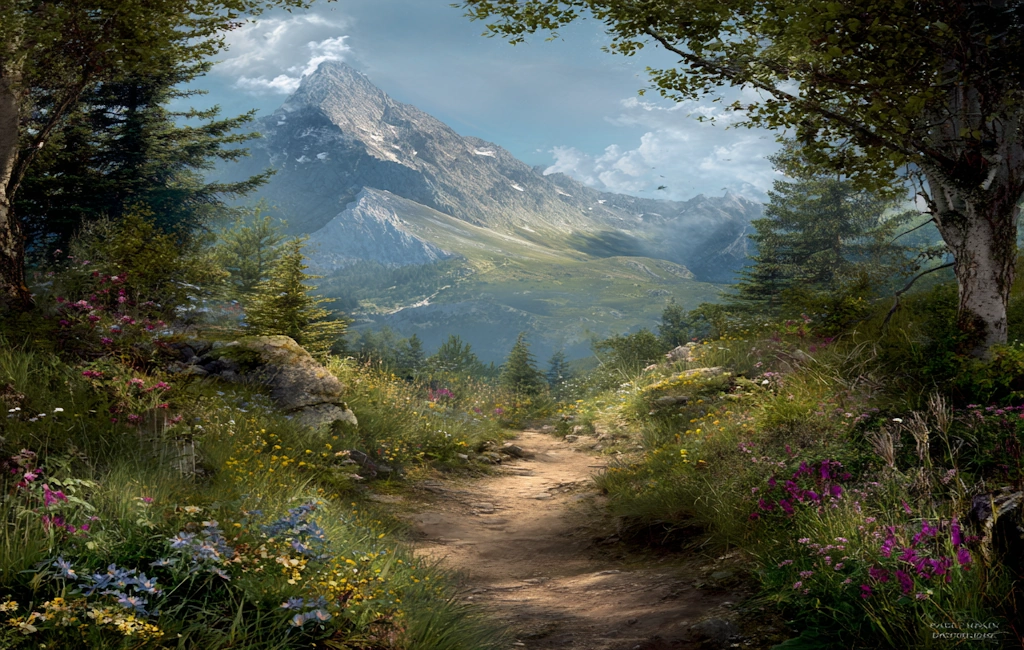
Vilcabamba Trek - The Lost City of the Incas
The Vilcabamba Trek is a challenging multi-day journey through the remote Vilcabamba mountain range in Peru, leading to the legendary Inca citadel of Espíritu Pampa. This trek offers a profound immersion into the Andean wilderness, traversing high mountain passes, cloud forests, and dense jungle, culminating in the discovery of a significant archaeological site that was once the last refuge of the Incas. Unlike the more popular Inca Trail, the Vilcabamba Trek is a true expedition, demanding self-sufficiency, excellent physical condition, and a spirit of adventure. It provides a unique opportunity to walk in the footsteps of history, exploring a landscape that has remained largely untouched by mass tourism, offering a raw and authentic experience of the Peruvian Andes and its rich Inca heritage.
- Distance: Approximately 40 km one-way
- Duration: 4-5 days
- Season: May to September (dry season)
- Difficulty: Challenging
- Highest point: Approximately 4,200 metres
- Closest City: Cusco
- Trailhead Access: Fly to Cusco, then bus to Ollantaytambo, then bus/taxi to Huancacalle.
- Category: Multi-Day Expedition
Overview
The Vilcabamba Trek is an expeditionary route that takes hikers through a dramatic transition of Andean ecosystems, from the high, arid puna grasslands to the humid, verdant cloud forests and finally to the subtropical jungle where the ruins of Espíritu Pampa lie hidden. This trek is a journey back in time, following ancient Inca trails and exploring a region steeped in history and mystery. The route is less defined than many popular treks, often requiring local guides who are familiar with the terrain and the historical significance of the area.
The trek begins with a challenging ascent to high mountain passes, offering breathtaking panoramic views of the surrounding snow-capped peaks and deep valleys. As the trail descends, the landscape transforms into dense cloud forest, alive with unique flora and fauna. This section of the trek is known for its challenging terrain, including steep ascents and descents, river crossings, and often muddy conditions. The air becomes thick with humidity, and the sounds of the jungle begin to dominate.
The ultimate reward of the Vilcabamba Trek is the exploration of Espíritu Pampa, also known as the "Lost City of the Incas." This sprawling archaeological site, rediscovered by Hiram Bingham in 1911, was the last stronghold of the Inca Empire before its final defeat by the Spanish. Exploring these extensive ruins, often overgrown with vegetation, provides a powerful connection to the past and a sense of discovery. The trek is not just a physical challenge but also a historical and cultural immersion, offering a unique perspective on the resilience and ingenuity of the Inca civilization.
History and Cultural Context
The Vilcabamba region holds immense historical significance as the last bastion of the Inca Empire. Following the Spanish conquest in the 16th century, a group of Inca nobles, led by Manco Inca Yupanqui, retreated to the remote Vilcabamba region, establishing it as their capital and a centre of resistance against the Spanish invaders. For several decades, the Incas in Vilcabamba maintained their independence, launching raids and continuing their cultural traditions.
Espíritu Pampa, the ultimate destination of this trek, was the final capital of the Vilcabamba state. It was a strategically chosen location, hidden deep within the jungle, offering natural defences and access to resources. The Incas built impressive stone structures, agricultural terraces, and ceremonial sites here, demonstrating their advanced architectural and engineering skills even in their final years of freedom.
The existence of this Inca refuge remained largely unknown to the outside world for centuries. It was only in 1911 that American explorer Hiram Bingham, who had previously "discovered" Machu Picchu, found Espíritu Pampa. Bingham's expedition confirmed the historical accounts of a lost Inca city and brought this significant archaeological site to international attention. However, due to its remote location and challenging access, Espíritu Pampa has never achieved the same level of fame as Machu Picchu, preserving its aura of mystery and discovery.
The Vilcabamba region is also home to indigenous communities who have lived in the area for generations, maintaining their cultural practices and connection to the land. Their knowledge of the local environment and traditions adds another layer of cultural richness to the trekking experience.
Seasonal Highlights and Weather Reality
The Vilcabamba Trek is best undertaken during the dry season, which typically runs from May to September. This period offers the most favourable weather conditions for trekking in the Andes, with clear skies, lower humidity, and less rainfall.
Dry Season (May to September):
- May-June: The beginning of the dry season. Days are generally sunny and pleasant, with cooler temperatures, especially at higher altitudes. Nights can be quite cold, with frost possible at higher elevations. The landscape is still relatively green from the rainy season.
- July-August: These are typically the driest and coldest months. Days are often clear and sunny, offering excellent visibility for mountain views. However, temperatures can drop significantly at night, especially at camps above 3,500 metres. This is considered the peak season for trekking in the region.
- September: The end of the dry season. Weather remains generally good, though there might be a slight increase in cloud cover towards the end of the month. Temperatures are still cool, but nights begin to moderate slightly.
Rainy Season (October to April):
Trekking during the rainy season is generally not recommended due to several factors:
- Heavy Rainfall: Frequent and intense rainfall can make trails muddy, slippery, and difficult to navigate. River crossings can become dangerous or impassable.
- Landslides and Mudslides: The heavy rains increase the risk of landslides, which can block trails and pose a significant safety hazard.
- Cloud Cover: High cloud cover can obscure mountain views and reduce visibility, diminishing the scenic appeal of the trek.
- Humidity and Insects: Increased humidity and the presence of more insects, including mosquitoes and sandflies, can make the trek uncomfortable.
- Archaeological Site Conditions: The ruins of Espíritu Pampa can become waterlogged and more challenging to explore in wet conditions.
Weather Considerations: Even during the dry season, mountain weather is unpredictable. Be prepared for sudden changes, including strong winds, fog, and occasional rain showers, especially at higher elevations. Temperatures can vary significantly between day and night, and between different altitudes.
Recommended Itinerary
4-Day Vilcabamba Trek Itinerary
Day 1: Cusco to Huancacalle and Trek to Chancachaca Camp
- Early morning departure from Cusco
- Bus to Ollantaytambo (approx. 2 hours)
- Continue by bus or taxi to Huancacalle (approx. 5-6 hours, unpaved road)
- Register with the local community in Huancacalle
- Begin trek from Huancacalle (approx. 2,900 m)
- Ascend through agricultural terraces and cloud forest
- Distance: Approx. 10-12 km
- Elevation gain: Approx. 800-1,000 m
- Time: 5-7 hours
- Camp at Chancachaca (approx. 3,700 m)
- First day involves significant ascent, acclimatising to altitude
Day 2: Chancachaca to Cuyoc Camp
- Trek over the first major pass, the Warmiwañusca Pass (or similar high pass, approx. 4,200 m)
- Descend into a valley, then ascend again
- Pass through varied Andean landscapes, from puna to cloud forest
- Distance: Approx. 10-12 km
- Elevation gain: Approx. 500 m, then significant descent
- Time: 6-8 hours
- Camp at Cuyoc (approx. 3,800 m)
- Challenging day with high altitude and significant elevation changes
- Spectacular views of surrounding mountains and valleys
Day 3: Cuyoc to Pucaypata Camp (near Espíritu Pampa)
- Descend further into the jungle environment
- The landscape becomes increasingly lush and tropical
- Begin to see signs of ancient Inca construction
- Distance: Approx. 10-12 km
- Elevation gain: Gradual descent
- Time: 5-7 hours
- Camp at Pucaypata (approx. 2,500 m)
- This day marks the transition into the lower, more humid jungle region
- The air becomes noticeably warmer and more humid
Day 4: Explore Espíritu Pampa and Trek to La Playa / Return to Huancacalle
- Morning dedicated to exploring the extensive ruins of Espíritu Pampa
- Discover Inca stonework, terraces, and plazas, often overgrown with vegetation
- Afternoon: Begin trek back towards Huancacalle or to a pick-up point like La Playa
- Distance: Approx. 8-10 km (exploration and return trek)
- Elevation gain: Varied, mostly descent
- Time: 4-6 hours (exploration and trek)
- Option to arrange transport from La Playa back to Ollantaytambo/Cusco
- This day offers the culmination of the trek with the exploration of the lost city
- The return journey can be arranged for the same day or the following morning depending on logistics
Note: This itinerary is a guideline and can be adjusted based on group pace, weather conditions, and specific guide recommendations. A 5-day itinerary would allow for more in-depth exploration of Espíritu Pampa and a more relaxed pace.
Planning and Bookings
Book Your Trip
Everything you need to plan your journey
Accommodation
Find places to stay near Cusco
Flights
Search flights to Cusco
Essential Preparation
The Vilcabamba Trek is a remote expedition requiring thorough preparation. Unlike more established treks, it demands a higher degree of self-sufficiency and logistical planning. It is highly recommended to book this trek with a reputable local tour operator who can provide experienced guides, porters, and necessary equipment. These operators will handle most of the logistical challenges, including transport, camping arrangements, and food supplies.
Fitness: This trek is physically demanding. Participants should have a high level of cardiovascular fitness and be accustomed to multi-day hiking with significant elevation changes and carrying a daypack. Prior experience with high-altitude trekking is beneficial. Training should include hiking with a weighted pack, hill climbing, and endurance exercises.
Altitude Acclimatisation: Cusco is situated at a high altitude (3,400 m). It is crucial to spend at least 2-3 days in Cusco or the Sacred Valley acclimatising before commencing the trek. This involves resting, staying hydrated, avoiding alcohol and heavy meals, and engaging in light activities.
Logistics: The journey to the trailhead in Huancacalle is long and involves unpaved roads. Tour operators typically arrange all transport from Cusco, including buses and 4x4 vehicles. Parking in Huancacalle is limited, and it is best to rely on organised transport.
Base Town/City: Cusco is the primary gateway city for this trek. It offers a wide range of accommodation options, from budget hostels to luxury hotels, as well as numerous restaurants, gear shops, and tour agencies. Ollantaytambo is a significant town in the Sacred Valley and serves as a transit point.
Trail Accommodation
This is a camping trek. There are no established huts or lodges along the Vilcabamba Trek. Accommodation is provided in tents at designated campsites. Tour operators will provide tents, sleeping mats, and cooking equipment.
Campsites:
- Booking Requirements: Campsites are generally not formally booked in advance in the same way as huts on other treks. However, tour operators will have pre-arranged camping spots or knowledge of suitable locations.
- Facilities Provided: Tents for sleeping, dining tent for meals, cooking equipment, and basic camping gear. Porters will carry the majority of the camping equipment.
- What's NOT Provided: Sleeping bags, sleeping bag liners, and personal toiletries are usually not provided and must be brought by the trekker. Campsites are basic and do not have permanent facilities like toilets or running water; portable toilets are typically used.
- Seasonal Availability: Campsites are available year-round, but conditions are significantly better during the dry season (May-September).
- Costs: The cost of camping is included in the overall tour package price.
Note: For day hikers or those not using a tour operator, basic camping is possible, but requires significant self-sufficiency in terms of gear, food, and navigation.
Required Gear
- Hiking Boots: Sturdy, waterproof, and well broken-in hiking boots are essential. They should provide good ankle support for uneven terrain.
- Waterproof Jacket and Trousers: Essential for protection against rain and wind, especially at higher altitudes. Gore-Tex or similar breathable, waterproof material is recommended.
- Warm Layers: Multiple layers of clothing are crucial for adapting to changing temperatures. This includes thermal base layers (merino wool or synthetic), fleece jackets or down vests for insulation, and a warm hat and gloves.
- Sleeping Bag: A warm sleeping bag rated for sub-zero temperatures (e.g., -5°C to -10°C comfort rating) is necessary, as nights at high altitudes can be very cold.
- Backpack: A comfortable daypack (25-35 litres) for carrying essentials like water, snacks, camera, and rain gear during the day. Porters will carry larger trekking packs (60-75 litres) containing camping gear and personal belongings.
- Head Torch: With spare batteries, for navigating campsites and tents at night.
- First-Aid Kit: A comprehensive personal first-aid kit including blister treatment, pain relievers, antiseptic wipes, bandages, and any personal medications.
- Sun Protection: High SPF sunscreen, sunglasses, and a wide-brimmed hat are vital due to the intense sun at high altitudes.
- Insect Repellent: Strong repellent with DEET is recommended, especially for the lower jungle sections where mosquitoes and sandflies can be prevalent.
What to Bring
- Food: While tour operators provide meals, it's advisable to bring high-energy snacks such as nuts, dried fruit, energy bars, and chocolate for between meals and during strenuous ascents.
- Water Bottles/Hydration Reservoir: Carry at least 2-3 litres of water capacity. Water sources are available along the trail, but purification is essential.
- Water Treatment: Water filter, purification tablets, or UV steriliser are mandatory for treating all drinking water.
- Toiletries: Biodegradable soap, toothbrush, toothpaste, hand sanitiser, and toilet paper. A small trowel may be useful for emergencies if not using portable toilets.
- Personal Items: Camera, power bank for electronics, book or journal, trekking poles (highly recommended for stability and reducing knee strain), and a small towel.
- Cash: Peruvian Soles (PEN) for tips for guides and porters, souvenirs, and any personal expenses in towns.
- Passport: A copy of your passport is often required for registration at Huancacalle.
Permits
Unlike more regulated treks such as the Inca Trail or Salkantay, the Vilcabamba Trek to Espíritu Pampa does not typically require pre-booked permits for the trail itself or for the archaeological site in the same manner. However, there are specific registration requirements and considerations:
Huancacalle Community Registration:
- Upon arrival in Huancacalle, the starting point of the trek, it is mandatory to register with the local community authorities. This is a requirement to ensure trekkers are accounted for and to contribute to the local community's management of the area.
- Your tour operator will usually handle this registration process. If trekking independently, you will need to inquire locally about the exact procedure and any associated fees.
Espíritu Pampa Site Access:
- While there isn't a formal permit system for accessing Espíritu Pampa, it is considered an archaeological site, and responsible tourism practices are expected.
- Access is generally managed by local guides who are knowledgeable about the site and its preservation. Independent exploration is possible but less common and requires careful navigation.
National Park Fees (if applicable):
- The Vilcabamba region is part of the broader Andean ecosystem, and while not a strictly defined national park with entry fees like Machu Picchu, there might be local conservation contributions or fees associated with certain areas or communities. Your tour operator will clarify any such requirements.
Recommendation:
- It is highly recommended to trek with a registered and reputable tour operator. They will be aware of all current regulations, community requirements, and ensure your access to the trail and the archaeological site is smooth and compliant. They also contribute to the local economy through their operations.
Other Activities in the Area
Beyond the Vilcabamba Trek, the Cusco region and the Sacred Valley offer a wealth of historical, cultural, and natural attractions:
- Machu Picchu: The iconic Inca citadel, a must-visit for any traveller to Peru. Accessible via train from Ollantaytambo or Aguas Calientes.
- Sacred Valley Tour: Explore other significant Inca sites such as Pisac (with its impressive ruins and vibrant market), Ollantaytambo (a living Inca town with a formidable fortress), and Moray (circular agricultural terraces).
- Cusco City Tour: Discover the historical capital of the Inca Empire, including the Plaza de Armas, Cusco Cathedral, Qorikancha (Temple of the Sun), and the Inca ruins of Sacsayhuamán, Q'enqo, Puka Pukara, and Tambomachay.
- Rainbow Mountain (Vinicunca): A popular day hike to a mountain with striking mineral-coloured strata. Requires acclimatisation and is a strenuous trek.
- Humantay Lake: A stunning turquoise glacial lake nestled beneath the Humantay mountain. Accessible via a day hike from the Cusco region.
- Andean Communities: Visit local villages to learn about traditional weaving, agriculture, and daily life. Many communities offer cultural immersion experiences.
- Rafting and Kayaking: The Urubamba River offers opportunities for white-water rafting and kayaking, particularly in the Sacred Valley.
- Culinary Experiences: Cusco is a gastronomic hub. Enjoy traditional Peruvian cuisine, including ceviche, lomo saltado, and cuy (guinea pig), and explore the vibrant food markets.
Safety and Conditions
Altitude Sickness (Soroche): This is the primary concern for trekkers in the Andes. Symptoms can include headache, nausea, dizziness, and fatigue. Proper acclimatisation in Cusco for 2-3 days before the trek is crucial. Staying hydrated, avoiding alcohol and heavy meals, and walking at a slow, steady pace can help prevent or mitigate symptoms. Diamox (acetazolamide) can be prescribed by a doctor for altitude sickness prevention.
Trail Conditions: The Vilcabamba Trek involves challenging terrain. Trails can be steep, rocky, and slippery, especially after rain. River crossings can be hazardous, particularly during the rainy season or after heavy rainfall. Muddy sections are common, especially in the lower jungle altitudes.
Weather: Mountain weather is notoriously unpredictable. Be prepared for rapid changes, including strong winds, fog, and sudden downpours, even during the dry season. Hypothermia is a risk at higher altitudes, so warm, waterproof clothing is essential.
Remoteness: The Vilcabamba region is remote, and access to medical facilities is limited. It is essential to have comprehensive travel insurance that covers emergency evacuation and medical treatment for high-altitude trekking. Carry a well-stocked first-aid kit and know how to use its contents.
Guides and Porters: Trekking with experienced local guides is highly recommended. They possess invaluable knowledge of the terrain, weather patterns, and safety procedures. Porters are essential for carrying heavy loads, allowing trekkers to focus on the hike and enjoy the scenery.
Insects: In the lower jungle sections, mosquitoes and sandflies can be a nuisance. Use effective insect repellent and wear long sleeves and trousers, especially during dawn and dusk.
Food and Water Safety: Ensure all food is properly cooked and served by your tour operator. Treat all drinking water using a filter, purification tablets, or by boiling. Avoid drinking untreated water from streams or rivers.
Communication: Mobile phone signal is non-existent for most of the trek. Emergency communication devices like satellite phones or personal locator beacons (PLBs) may be carried by guides for emergencies.
Side Trips and Points of Interest
Espíritu Pampa Ruins: The primary point of interest and the culmination of the trek. This extensive Inca archaeological site, often referred to as the "Lost City of the Incas," is a sprawling complex of plazas, terraces, temples, and residential areas. Its remote jungle setting, with many structures still partially reclaimed by vegetation, offers a unique and atmospheric exploration experience. Allow ample time to wander through the site, imagining the last stand of the Inca Empire.
Inca Terraces: Throughout the trek, particularly on the initial ascents from Huancacalle, you will encounter impressive Inca agricultural terraces. These demonstrate the Incas' mastery of engineering and their ability to cultivate crops on steep mountain slopes. They are a testament to their ingenuity and adaptation to the Andean environment.
Cloud Forest Ecosystem: The transition zone between the high Andes and the jungle is a rich cloud forest. This environment is teeming with biodiversity, including orchids, bromeliads, ferns, and a variety of bird species. Keep an eye out for hummingbirds, toucans, and other exotic wildlife. The dense vegetation, moss-covered trees, and frequent mist create a mystical and enchanting atmosphere.
High Andean Passes: The trek involves crossing several high passes, offering spectacular panoramic views of the surrounding mountain ranges. These vantage points provide breathtaking vistas of snow-capped peaks, deep valleys, and the vast Andean landscape. The sense of scale and isolation at these altitudes is profound.
River Crossings: While not always a "point of interest" in the traditional sense, the river crossings are a significant part of the trekking experience. They often require careful navigation and can be exhilarating, especially when crossing larger or faster-flowing rivers. The surrounding scenery during these crossings is often dramatic.
Leave No Trace
The Vilcabamba Trek traverses pristine natural environments and culturally significant archaeological sites. Adhering to Leave No Trace principles is paramount to preserving these areas for future generations and respecting the local communities.
Plan Ahead and Prepare: Research the trek thoroughly, understand the conditions, and pack appropriately. Book with reputable operators who practice responsible tourism.
Travel and Camp on Durable Surfaces: Stick to established trails to avoid damaging fragile vegetation. Camp in designated areas or on durable surfaces like rock or dry grass, away from water sources.
Dispose of Waste Properly: Pack out everything you pack in, including all food scraps, wrappers, and any other litter. Use designated toilet facilities or dig catholes at least 60 metres away from water, trails, and campsites. Pack out all toilet paper.
Leave What You Find: Do not remove any natural objects (rocks, plants, flowers) or cultural artifacts from the sites. Take only photographs and memories.
Minimise Campfire Impacts: Campfires are generally not permitted on this trek due to the remote nature and the risk of environmental damage. Use portable stoves for cooking.
Respect Wildlife: Observe wildlife from a distance and never feed animals. Feeding can alter their natural behaviour and diet, and can be harmful to their health.
Be Considerate of Other Visitors: Keep noise levels down, especially in campsites and at archaeological sites. Yield to other trekkers on narrow trails. Respect the local culture and traditions.
By following these principles, you help ensure that the Vilcabamba Trek remains a wild and culturally rich experience for all.