
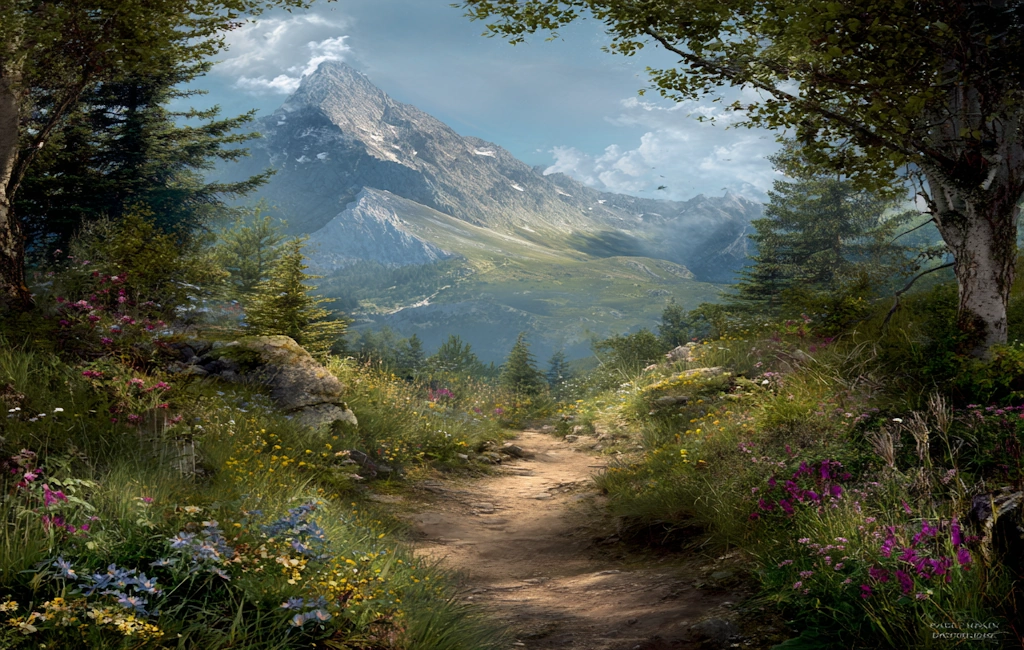
Vilcabamba Traverse - The Lost City Trek
The Vilcabamba Traverse is a challenging multi-day trek in the Peruvian Andes, leading adventurers through remote mountain landscapes to the legendary Inca citadel of Choquequirao, and then onward to the even more remote and historically significant Inca ruins of Machu Picchu. This trek is not for the faint-hearted; it demands significant physical fitness, mental fortitude, and a willingness to embrace rugged conditions. The route traverses dramatic mountain passes, descends into deep canyons, and winds through cloud forests, offering a profound connection with the raw beauty of the Andes and the rich history of the Inca Empire.
Unlike more popular routes, the Vilcabamba Traverse offers a genuine sense of exploration. You'll encounter fewer trekkers, allowing for a more intimate experience with the stunning scenery and the ancient Inca sites. The journey is a testament to the ingenuity of the Inca people, who built their sophisticated settlements in seemingly inaccessible locations. From the awe-inspiring scale of Choquequirao, often referred to as Machu Picchu's "sister city," to the final approach to Machu Picchu, this trek is a pilgrimage through history and a celebration of the enduring spirit of the Andes.
- Distance: Approximately 115 km
- Duration: 6–8 days
- Season: May to September (dry season)
- Difficulty: Very Challenging
- Highest point: Approximately 4,600 metres
- Closest City: Cusco
- Trailhead Access: From Cusco, travel to Huancacalle (approx. 6-8 hours by bus/taxi)
- Permits: Machu Picchu entrance permit required for Day 7. Choquequirao entrance fee required.
Overview
The Vilcabamba Traverse is a journey that unfolds in stages, each presenting unique challenges and rewards. It begins with an ascent towards the remote Inca ruins of Choquequirao, a sprawling archaeological site perched dramatically on a ridge overlooking the Apurímac River canyon. This initial phase is physically demanding, with steep ascents and descents that test your endurance and acclimatisation to the altitude.
After exploring the magnificent terraces and structures of Choquequirao, the trek enters its most remote and challenging section. The path winds through high mountain passes, often above 4,000 metres, where the air is thin and the landscapes are stark and breathtaking. You'll traverse rugged terrain, cross glacial streams, and camp in remote locations, far from any civilisation. This part of the trek offers unparalleled solitude and a deep immersion in the wild beauty of the Andes.
The final leg of the journey leads you towards the iconic Inca Trail and the ultimate destination: Machu Picchu. As you approach the Sacred Valley, the landscape gradually changes, and you'll begin to encounter more signs of human habitation, culminating in the awe-inspiring sight of the "Lost City of the Incas." The Vilcabamba Traverse is more than just a trek; it's an expedition that combines historical discovery, extreme physical challenge, and an unforgettable encounter with the majestic Peruvian Andes.
The trek is characterised by its dramatic elevation changes. You will experience significant ascents to high passes, followed by steep descents into deep river valleys. The weather can be unpredictable, with sunny days giving way to cold winds, rain, or even snow at higher altitudes. Proper preparation and gear are essential for navigating these conditions safely and comfortably.
History and Cultural Context
The Vilcabamba region holds immense historical significance as the last refuge of the Inca Empire. Following the Spanish conquest in the 16th century, a group of Inca nobles, led by Manco Inca Yupanqui, retreated to the Vilcabamba region, establishing a Neo-Inca state that resisted Spanish rule for several decades. This remote and strategically defensible area became the heart of the Inca resistance.
Choquequirao, meaning "Cradle of Gold" in Quechua, was one of the last Inca strongholds. Its construction, believed to have begun during the reign of Pachacuti Inca Yupanqui and expanded by his successors, showcases the architectural prowess of the Inca. Its remote location and the challenging terrain surrounding it likely contributed to its preservation and its eventual rediscovery by Hiram Bingham III in 1909, though local communities knew of its existence long before.
The Vilcabamba Traverse, therefore, is not just a physical journey but a historical expedition. It follows ancient Inca routes, passing through settlements and ceremonial sites that whisper tales of a lost civilisation. The trek offers a unique opportunity to connect with the legacy of the Inca people, understanding their deep connection to the land and their remarkable ability to thrive in such a challenging environment. The journey to Machu Picchu, the most famous of all Inca sites, serves as the grand finale to this historical pilgrimage.
The Quechua people, descendants of the Inca, continue to inhabit these regions, maintaining traditions and a deep spiritual connection to the mountains and the ancient sites. Their presence adds another layer of cultural richness to the trek, offering glimpses into a way of life that has endured for centuries.
Seasonal Highlights and Weather Reality
The Vilcabamba Traverse is best undertaken during the dry season, which typically runs from May to September. This period offers the most favourable weather conditions for trekking in the Andes, with clearer skies, less rainfall, and more stable temperatures.
May to June: The beginning of the dry season. Days are generally sunny and pleasant, though nights can be cold, especially at higher altitudes. The landscapes are often vibrant, and the air is crisp. This is an excellent time to trek, with fewer crowds than in the peak months.
July to August: This is the peak of the dry season and the most popular time to trek. Days are typically sunny and warm, but temperatures can drop significantly at night, often below freezing at higher elevations. The skies are usually clear, offering spectacular views of the surrounding mountains. However, this is also the busiest period, and you may encounter more trekkers on the trail.
September: The end of the dry season. The weather remains generally good, though there's a slightly increased chance of rain towards the end of the month. The landscapes may start to show signs of the approaching wet season, with some vegetation turning brown. It's still a good time to trek, and crowds begin to thin out.
Wet Season (October to April): This period is characterised by heavy rainfall, muddy trails, and increased risk of landslides. While some trekkers may still attempt the route, it is generally not recommended due to the challenging conditions and potential for trail closures. Visibility can be poor, and the high passes may become impassable.
Regardless of the season, weather in the Andes can change rapidly. Be prepared for all conditions, including sun, wind, rain, and cold, even during the dry season. Altitude sickness is also a significant factor, and acclimatisation is crucial.
Recommended Itinerary
6-Day Vilcabamba Traverse Itinerary (Example)
Day 1: Cusco to Huancacalle & Trek to Pincaymayo
- Distance: Approx. 10 km
- Elevation gain: Approx. 800 m
- Time: 5–6 hours trekking
- Morning transfer from Cusco to Huancacalle (approx. 6-8 hours by bus/taxi)
- Begin trek from Huancacalle, passing through Inca ruins
- Ascend through agricultural terraces and cloud forest
- Camp at Pincaymayo
- This day focuses on acclimatisation and initial ascent into the Vilcabamba range
Day 2: Pincaymayo to Chaqueccha
- Distance: Approx. 12 km
- Elevation gain: Approx. 1,000 m
- Time: 6–7 hours trekking
- Continue ascent towards the first high pass
- Traverse rugged terrain with stunning mountain views
- Reach the high point of the day, potentially near a pass around 4,000 m
- Descend to a campsite at Chaqueccha
- A challenging day with significant elevation gain and exposure to high-altitude conditions
Day 3: Chaqueccha to Choquequirao Base Camp
- Distance: Approx. 15 km
- Elevation gain: Approx. 500 m, then significant descent
- Time: 7–8 hours trekking
- Ascend to another high pass, offering panoramic views
- Begin a long, steep descent into the Apurímac River canyon
- The descent is challenging on the knees and requires careful footing
- Reach the campsite near the Apurímac River, at the base of the Choquequirao ruins
- This day is dominated by the dramatic descent into the canyon
Day 4: Explore Choquequirao & Trek to Rio Blanco
- Distance: Approx. 8 km (exploration) + 10 km (trek)
- Elevation gain: Minimal for exploration, then descent
- Time: 3–4 hours exploration + 4–5 hours trekking
- Morning dedicated to exploring the vast Inca ruins of Choquequirao
- Marvel at the agricultural terraces, temples, and the famous llama figures
- Afternoon, begin the trek towards Rio Blanco, crossing the Apurímac River via a suspension bridge
- Camp at Rio Blanco
- A day of historical discovery followed by a challenging river crossing and further descent
Day 5: Rio Blanco to Maizal
- Distance: Approx. 15 km
- Elevation gain: Approx. 1,200 m
- Time: 7–8 hours trekking
- Begin a significant ascent from the river valley towards the village of Maizal
- The trail is steep and demanding, passing through varied vegetation
- Maizal is a small, remote settlement offering a glimpse into rural Andean life
- Camp at Maizal
- This is one of the most physically demanding days, with a relentless climb
Day 6: Maizal to Yanama Pass & Camp
- Distance: Approx. 12 km
- Elevation gain: Approx. 1,000 m
- Time: 6–7 hours trekking
- Ascend towards Yanama Pass, one of the highest points on the traverse
- Enjoy spectacular views from the pass, weather permitting
- Descend from the pass to a suitable campsite in the Yanama valley
- This day involves reaching another significant high point and experiencing the vastness of the high Andes
Day 7: Yanama Pass to La Playa & Transfer to Aguas Calientes
- Distance: Approx. 15 km (trek) + transfer
- Elevation gain: Mostly descent
- Time: 5–6 hours trekking
- Descend from the Yanama valley towards La Playa
- The trail becomes less rugged as you descend into more populated areas
- Meet your transport at La Playa for the journey to Aguas Calientes (Machu Picchu town)
- Check into your hotel and prepare for your visit to Machu Picchu the next day
- This day marks the transition from remote trekking to the final approach to Machu Picchu
Day 8: Machu Picchu & Return to Cusco
- Morning visit to Machu Picchu (requires pre-booked ticket)
- Explore the iconic citadel and its surroundings
- Afternoon train from Aguas Calientes to Ollantaytambo, then transfer to Cusco
- This is the culmination of your journey, experiencing one of the world's most famous archaeological sites
Note: This is a sample itinerary. Actual distances, times, and campsites may vary depending on the specific route taken, guide's discretion, and weather conditions. It is highly recommended to trek with a reputable guide and porters.
Planning and Bookings
Book Your Trip
Everything you need to plan your journey
Accommodation
Find places to stay near Cusco
Flights
Search flights to Cusco
Essential Preparation
The Vilcabamba Traverse is a serious undertaking that requires meticulous planning. Given its remoteness and challenging nature, it is strongly advised to undertake this trek with a reputable tour operator who can arrange logistics, guides, porters, and necessary permits. Attempting this trek independently requires extensive experience in high-altitude trekking, navigation, and self-sufficiency.
Acclimatisation: Cusco, the gateway city, sits at an altitude of 3,400 metres. It is crucial to spend at least 2-3 days in Cusco or the Sacred Valley (which is at a slightly lower altitude) to acclimatise before commencing the trek. This will significantly reduce the risk of altitude sickness.
Physical Fitness: This trek demands excellent cardiovascular fitness and muscular endurance. You should be comfortable hiking for 6-8 hours a day with a heavy pack (if not using porters) over steep and uneven terrain at high altitudes. Regular training, including hiking with a weighted backpack and cardiovascular exercises, is essential.
Logistics: Arrange your transport from Cusco to Huancacalle (the trailhead) and from La Playa to Aguas Calientes. This is typically handled by tour operators. Ensure you have booked your Machu Picchu entrance ticket and train tickets well in advance, as they sell out quickly.
Base Town/City Information: Cusco is the primary base for this trek. It offers a wide range of accommodation options, from budget hostels to luxury hotels, as well as numerous restaurants, gear shops, and medical facilities. It's a vibrant city with a rich history and plenty to explore before and after your trek.
Trail Accommodation
The Vilcabamba Traverse primarily involves camping. There are no established lodges or huts along the route, except for basic accommodations in villages like Huancacalle or Maizal, which are often rudimentary. You will be camping in designated or suitable wild camping spots.
Campsites: Campsites are typically established in relatively flat areas, often near water sources. They can range from basic clearings to more organised sites near small villages. Facilities are usually limited to natural surroundings.
Facilities Provided:
- Tent accommodation (provided by tour operator)
- Sleeping mats (provided by tour operator)
- Communal dining tent
- Portable toilet tents (often provided by tour operator)
What's NOT Provided:
- Sleeping bags (must be rented or brought)
- Food and cooking equipment (handled by tour operator's cook)
- Showers or running water at campsites
- Electricity for charging devices
- Permanent structures or fixed beds
Seasonal Availability: Camping is possible year-round, but the dry season (May to September) is highly recommended for safety and comfort. During the wet season, campsites can become waterlogged and muddy.
Costs: Camping costs are typically included in the overall tour package price. If arranging independently, factor in costs for campsite fees (if applicable), food, and fuel for cooking.
Note: For the final days leading to Machu Picchu, you will stay in a hotel in Aguas Calientes.
Required Gear
- Boots: Sturdy, waterproof hiking boots with good ankle support. Ensure they are well broken-in to prevent blisters.
- Backpack: A comfortable trekking backpack (50-70 litres) with a rain cover. If using porters, a smaller daypack (20-30 litres) for essentials is sufficient.
- Sleeping Bag: A warm, 4-season sleeping bag rated for temperatures well below freezing (e.g., -10°C to -15°C comfort rating) is essential for high-altitude camping.
- Waterproofs: High-quality waterproof and windproof jacket and trousers.
- Warm Layers: Multiple layers of thermal clothing (merino wool or synthetic), fleece jacket, down or synthetic insulated jacket for evenings and high altitudes.
- Headwear: Warm beanie or wool hat, and a sun hat or cap for daytime.
- Gloves: Warm, waterproof gloves or mittens.
- Navigation: Map of the area, compass, and GPS device or app (essential for independent trekkers; guides will have these).
- Safety Gear: First-aid kit (including blister treatment, pain relievers, altitude sickness medication), headlamp with spare batteries, emergency whistle, personal locator beacon (PLB) is highly recommended.
- Trekking Poles: Highly recommended for steep ascents and descents, reducing strain on knees.
What to Bring
- Food: While tour operators provide meals, carry plenty of high-energy snacks such as nuts, dried fruit, energy bars, and chocolate.
- Water Treatment: Water filter or purification tablets. Although water sources are generally available, treating water is always recommended.
- Sun Protection: High SPF sunscreen (SPF 50+), lip balm with SPF, sunglasses. The sun at high altitudes is intense.
- Toiletries: Biodegradable soap, toothbrush and toothpaste, toilet paper, hand sanitiser, wet wipes.
- Personal Items: Prescription medications, insect repellent (especially for lower altitudes), camera and spare batteries/power bank, book or journal for downtime.
- Documents: Passport (valid for at least 6 months), visa (if required), travel insurance details, copies of all bookings and permits.
- Money: Peruvian Soles (PEN) for small purchases, tips, and emergencies. ATMs are available in Cusco but may be scarce elsewhere.
- Duffel Bag: If using porters, a sturdy duffel bag (approx. 80-100 litres) is typically used to carry your main gear.
Permits
Securing the necessary permits is a critical part of planning the Vilcabamba Traverse. The most important permits are for entry into Machu Picchu and potentially for the Choquequirao archaeological site.
Machu Picchu Entrance Ticket: This is the most crucial permit and must be booked well in advance, especially during peak season. There are different circuits available within Machu Picchu, each offering a different perspective. You will also need to decide if you wish to climb Huayna Picchu or Machu Picchu Mountain, which require separate, limited tickets.
- Booking: Tickets can be purchased online through the official Peruvian Ministry of Culture website or through reputable tour operators.
- Timing: Book at least 3-6 months in advance, particularly for peak season (June-August) and for tickets that include Huayna Picchu or Machu Picchu Mountain.
- Types of Tickets: Standard circuit tickets, tickets including Huayna Picchu, tickets including Machu Picchu Mountain.
Choquequirao Entrance Fee: While not a permit in the same sense as Machu Picchu, there is an entrance fee to access the Choquequirao archaeological site. This is usually paid upon arrival or can be arranged by your tour operator.
Inca Trail Permits (if applicable): If your Vilcabamba Traverse includes a section of the classic Inca Trail, you will need an Inca Trail permit. These are extremely limited and sell out months in advance. However, most Vilcabamba Traverse routes bypass the classic Inca Trail and use alternative paths to reach Machu Picchu.
National Park Fees: Depending on the specific route and any variations, there might be small local park entrance fees. Your tour operator will typically cover these.
Important Considerations:
- Tour Operators: Reputable tour operators will handle all necessary permit bookings as part of their package. Confirm this when booking.
- Independent Trekkers: If trekking independently, you are responsible for booking all permits yourself. This requires careful research and timely action.
- Identification: Always carry your passport with you, as it is required for entry into Machu Picchu and for all permit checks.
Other Activities in the Area
Beyond the trek itself, the Cusco region and the Sacred Valley offer a wealth of cultural and natural attractions:
- Explore Cusco: Immerse yourself in the historic capital of the Inca Empire. Visit the Plaza de Armas, Cusco Cathedral, Qorikancha (Temple of the Sun), and the San Blas artisan quarter.
- Sacred Valley Tour: Discover the agricultural terraces of Pisac, the Inca fortress of Ollantaytambo, and the salt mines of Maras.
- Rainbow Mountain (Vinicunca): A popular day trip from Cusco, offering stunning views of a multi-coloured mountain range. This trek also requires acclimatisation and is at a high altitude.
- Humantay Lake: A beautiful turquoise glacial lake nestled beneath the Humantay mountain, accessible via a day hike from Cusco.
- Andean Markets: Experience the vibrant local culture by visiting markets in Pisac or Chinchero, where you can find traditional textiles, crafts, and local produce.
- Peruvian Cuisine: Indulge in the world-renowned Peruvian gastronomy. Try local specialities like ceviche, lomo saltado, and cuy (guinea pig).
- Archaeological Sites: Beyond Machu Picchu and Choquequirao, explore other significant Inca ruins like Moray, Saksaywaman, and Tambomachay.
Safety and Conditions
Altitude Sickness (Soroche): This is the most significant risk on the Vilcabamba Traverse. Symptoms can include headache, nausea, dizziness, and fatigue. Acclimatisation in Cusco or the Sacred Valley for 2-3 days before starting the trek is crucial. Diamox (acetazolamide) can be prescribed by a doctor to aid acclimatisation. Stay hydrated, avoid alcohol and heavy meals, and ascend gradually.
Weather: Andean weather is unpredictable. Be prepared for rapid changes, including intense sun, strong winds, rain, and even snow at higher altitudes. Temperatures can drop significantly at night. Always check the forecast and be ready for all conditions.
Trail Conditions: Trails can be steep, rocky, and uneven. Descents can be particularly challenging on the knees. During the wet season, trails can become muddy and slippery, increasing the risk of falls. Landslides are also a possibility during heavy rains.
River Crossings: The trek involves crossing rivers, including the Apurímac River via a suspension bridge. These crossings can be hazardous, especially after heavy rain when water levels rise. Always use caution and follow your guide's instructions.
Remoteness: Much of the Vilcabamba Traverse is in very remote areas with limited access to emergency services. It is essential to trek with experienced guides and porters who are trained in first aid and emergency procedures. Carrying a personal locator beacon (PLB) is highly recommended.
Food and Water Safety: Ensure all food is properly cooked and served by your tour operator. Treat all drinking water using a filter or purification tablets, even if it appears clear.
Physical Demands: The trek is physically demanding due to the altitude, steep ascents and descents, and long trekking hours. Ensure you are adequately fit and have trained appropriately.
Travel Insurance: Comprehensive travel insurance that covers high-altitude trekking, medical emergencies, and evacuation is essential.
Side Trips and Points of Interest
Choquequirao Archaeological Site: This is the primary point of interest on the first half of the trek. Allow ample time to explore its vast agricultural terraces, ceremonial plazas, temples, and the famous "Llamas of the Sun" mosaics. The scale and engineering of Choquequirao are truly remarkable, offering a profound insight into Inca civilisation.
Apurímac River Canyon: The dramatic descent into and ascent out of the Apurímac River canyon is a significant feature of the trek. The sheer scale of the canyon, with its steep walls and the powerful river below, is awe-inspiring. The suspension bridge crossing the Apurímac is a notable landmark.
High Mountain Passes: The trek traverses several high mountain passes, often exceeding 4,000 metres. These passes offer spectacular panoramic views of the surrounding Andes mountain ranges, including snow-capped peaks and vast, rugged landscapes. The feeling of accomplishment upon reaching these high points is immense.
Remote Villages: Passing through small, remote villages like Huancacalle and Maizal provides a glimpse into the traditional way of life in the Andes. These communities are often agricultural and maintain ancient customs and traditions.
Cloud Forest Ecosystems: As you ascend and descend through different altitudes, you will traverse diverse ecosystems, including lush cloud forests. These areas are rich in biodiversity, with unique flora and fauna.
Machu Picchu: The ultimate destination. The exploration of this iconic Inca citadel is the culmination of the trek. Its intricate stonework, strategic location, and mysterious history make it one of the world's most captivating archaeological sites.
Leave No Trace
The Vilcabamba Traverse takes you through pristine natural environments and culturally significant archaeological sites. Adhering to Leave No Trace principles is paramount to preserving these areas for future generations and respecting the local communities.
Plan Ahead and Prepare: Research the trek thoroughly, understand the challenges, and prepare physically and mentally. Book with reputable operators who follow LNT principles.
Travel and Camp on Durable Surfaces: Stick to established trails and camp in designated or durable areas. Avoid trampling vegetation, especially in fragile ecosystems like cloud forests and around archaeological sites.
Dispose of Waste Properly: Pack out everything you pack in, including all food scraps, wrappers, and toilet paper. Use designated toilets where available, or dig catholes at least 60 metres away from water sources, trails, and campsites. Human waste can contaminate water and spread disease.
Leave What You Find: Do not remove any natural objects (rocks, plants) or cultural artefacts. Respect archaeological sites and do not touch or climb on ruins.
Minimise Campfire Impacts: Campfires are generally not permitted on this trek due to the risk of wildfires and the impact on vegetation. Use portable stoves for cooking.
Respect Wildlife: Observe wildlife from a distance and never feed animals. Feeding can alter their natural behaviour and diet, and can be harmful to their health.
Be Considerate of Other Visitors: Keep noise levels down, especially in campsites and at archaeological sites. Yield to other trekkers on narrow trails. Respect the local culture and traditions of the communities you pass through.
By following these principles, you help ensure that the Vilcabamba Traverse remains a wild and beautiful experience for all.