
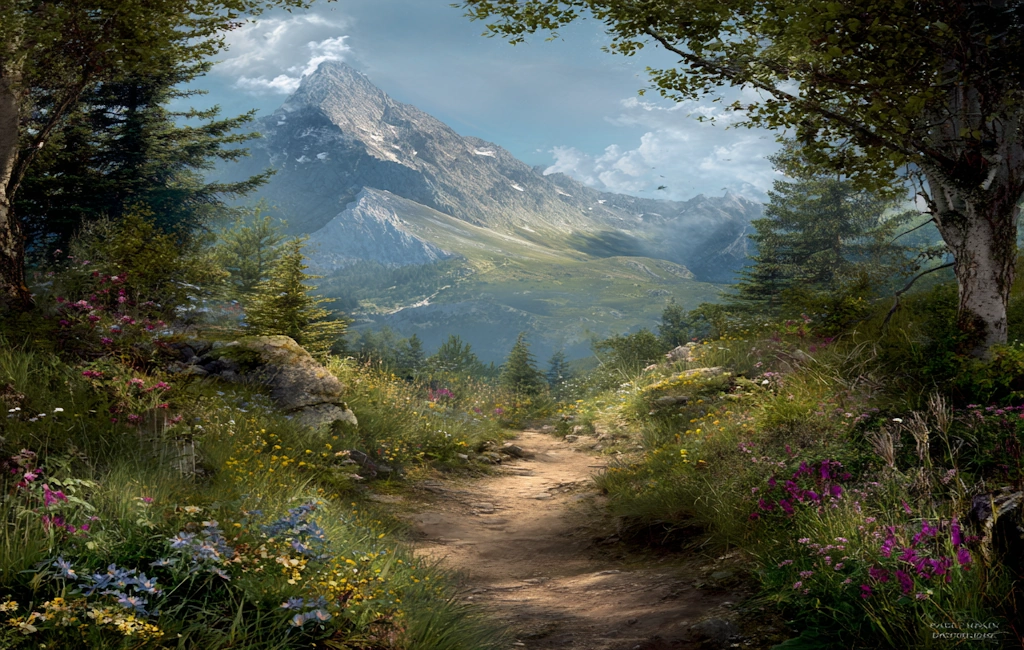
Vilcabamba to Espiritu Pampa Trek
The Vilcabamba to Espiritu Pampa trek is an epic multi-day journey through the remote and rugged Vilcabamba mountain range in Peru, culminating at the ancient Inca ruins of Espiritu Pampa. This challenging expedition offers a profound immersion into the high Andes, traversing dramatic mountain passes, remote valleys, and dense cloud forests, before descending to one of the most significant and least-visited Inca archaeological sites. It is a trek for the adventurous, demanding excellent physical fitness, resilience, and a spirit of exploration. Unlike more popular Inca trails, this route offers a true sense of wilderness and discovery, with opportunities to witness breathtaking landscapes and connect with the rich history of the Inca Empire in a truly unspoiled setting.
- Distance: 70.0 km
- Elevation Gain: 2,500 m
- Duration: 5-6 days
- Difficulty: Challenging
- Best Time: May to September (dry season)
- Closest City: Cusco
- Trailhead Access: Fly to Cusco. Bus/taxi to Vilcabamba (approx. 6-8 hrs). Roads can be rough. 4x4 recommended. Limited parking in Vilcabamba. No permits required to start, but registration for the Espiritu Pampa site is needed at the site itself.
- Coordinates: -13.0500, -73.3333
Overview
The Vilcabamba to Espiritu Pampa trek is a journey into the heart of the Vilcabamba mountain range, a region often referred to as the "Lost City of the Incas" due to its remote location and the presence of significant Inca ruins. This trek is a demanding but incredibly rewarding adventure that takes walkers through a diverse range of ecosystems, from high alpine meadows and windswept passes to humid cloud forests and dense jungle. The route is less defined than many popular treks, often requiring local guides and pack animals to navigate the challenging terrain.
The trek begins in the small Andean village of Vilcabamba, known for its supposed longevity-inducing climate, and heads into the rugged mountains. The initial days involve significant ascents to high passes, offering spectacular panoramic views of the surrounding snow-capped peaks and deep valleys. As the trek progresses, the landscape transitions dramatically. Descending from the high altitudes, walkers enter the dense cloud forest, a vibrant ecosystem teeming with unique flora and fauna. This section of the trek is often challenging due to muddy trails and steep, slippery descents.
The ultimate destination, Espiritu Pampa, is a sprawling Inca archaeological site that was one of the last strongholds of the Inca Empire before its fall to the Spanish. Unlike Machu Picchu, Espiritu Pampa is much less visited, offering a more authentic and less crowded experience. Exploring the ruins, which are partially reclaimed by the jungle, provides a tangible connection to the past and a sense of discovery. The trek requires a good level of physical fitness, acclimatisation to altitude, and a willingness to embrace the unpredictable nature of remote trekking. It is an ideal choice for those seeking an off-the-beaten-path adventure with a rich historical and natural context.
History and Cultural Context
The Vilcabamba region holds immense historical significance, particularly in relation to the Inca Empire. Following the Spanish conquest in the 16th century, a group of Inca nobles, led by Manco Inca Yupanqui, retreated to the Vilcabamba range to establish a Neo-Inca state. This remote and strategically defensible region became their base for resistance against the Spanish for several decades.
Vilcabamba itself, the starting point of this trek, has a history intertwined with the Inca. While the modern village is a peaceful Andean settlement, the surrounding mountains are believed to have been a significant area for Inca settlements and agricultural terraces. The region's isolation and challenging terrain made it an ideal refuge for the Incas seeking to preserve their culture and independence.
The most prominent historical site on this trek is Espiritu Pampa, also known as the Vilcabamba la Vieja (Old Vilcabamba). This was the final capital of the Neo-Inca state, where the last Inca ruler, Túpac Amaru, was eventually captured and executed by the Spanish in 1572, marking the end of Inca resistance. The site was rediscovered by Hiram Bingham III in 1911, the same explorer who brought Machu Picchu to international attention. However, due to its extreme remoteness and difficult access, Espiritu Pampa has remained largely unexcavated and less visited than its more famous counterpart.
The trek itself follows ancient Inca trails and routes used by local communities for centuries. These paths were vital for communication, trade, and movement within the vast Inca empire. Today, walking these trails offers a unique opportunity to retrace the steps of history, experiencing the same challenging landscapes that the Incas navigated. The cultural context of the trek is deeply rooted in the legacy of the Inca civilization, their engineering prowess, their connection to the land, and their enduring spirit of resilience.
Seasonal Highlights and Weather Reality
The Vilcabamba to Espiritu Pampa trek is best undertaken during the dry season, which typically runs from May to September. This period offers the most favourable weather conditions for trekking in the high Andes and cloud forest.
Dry Season (May to September):
- Weather: Characterised by clear, sunny days with cold nights. Daytime temperatures can be pleasant, especially at lower altitudes, but can drop significantly at higher elevations and during the night. Frost is common in the mornings at higher camps. Rainfall is minimal, making the trails less muddy and more predictable.
- Visibility: Excellent visibility for mountain views and the archaeological sites.
- Challenges: Cold temperatures, especially at night and on high passes.
Wet Season (October to April):
- Weather: Frequent and heavy rainfall, particularly in the afternoons. Trails can become extremely muddy, slippery, and potentially dangerous. River crossings can become hazardous due to swollen rivers. Cloud cover is common, obscuring mountain views and making navigation more difficult.
- Visibility: Limited, especially at higher altitudes and in the cloud forest.
- Challenges: Muddy and slippery trails, potential for landslides, river crossings, hypothermia risk, and reduced visibility.
Specific Considerations:
- High Altitude: Regardless of the season, the trek involves significant altitude. Acclimatisation in Cusco or a similar high-altitude location for at least 2-3 days before starting is crucial to mitigate the risk of altitude sickness.
- Cloud Forest: The cloud forest section is humid and can be damp even during the dry season. Expect mist and occasional light rain.
- Temperature Fluctuations: Temperatures can vary dramatically between day and night, and between different altitudes. Layering clothing is essential.
For the Vilcabamba to Espiritu Pampa trek, the dry season (May-September) is strongly recommended to ensure the safest and most enjoyable experience, particularly given the challenging terrain and the remote nature of the route.
Recommended Itinerary
5-Day Vilcabamba to Espiritu Pampa Trek Itinerary
Day 1: Vilcabamba to Ccollpapampa (or similar high camp)
- Distance: Approx. 12-15 km
- Elevation Gain: Approx. 1,000-1,200 m
- Time: 6-8 hours
- Start in Vilcabamba (approx. 2,600 m)
- Begin ascent into the Vilcabamba mountain range
- Pass through agricultural terraces and small hamlets
- Gradual climb towards higher altitudes, with increasingly dramatic mountain scenery
- Camp at a designated spot or with a local family (Ccollpapampa is a common stopping point, altitude approx. 3,600-3,800 m)
- First day focuses on acclimatisation and gaining significant elevation
Day 2: Ccollpapampa to Qasaqasa (or similar high pass camp)
- Distance: Approx. 10-12 km
- Elevation Gain: Approx. 800-1,000 m
- Time: 5-7 hours
- Continue ascent towards a high mountain pass (e.g., Qasaqasa Pass, potentially over 4,000 m)
- Traverse rugged terrain, possibly crossing small streams
- Experience breathtaking views of the surrounding Andes
- Camp at a high altitude location (approx. 4,000-4,200 m)
- This day involves reaching the highest point of the trek, demanding good acclimatisation and stamina
Day 3: Qasaqasa to Yanamayo (or similar cloud forest camp)
- Distance: Approx. 15-18 km
- Elevation Loss: Approx. 1,000-1,200 m
- Time: 7-9 hours
- Descend from the high pass into the cloud forest
- The landscape transforms dramatically from alpine to dense, humid vegetation
- Navigate potentially muddy and slippery trails
- Encounter diverse flora and fauna characteristic of the cloud forest
- Camp at a lower altitude in the cloud forest (approx. 2,800-3,000 m)
- A challenging day of descent through a different ecosystem
Day 4: Yanamayo to Espiritu Pampa Base Camp
- Distance: Approx. 15-18 km
- Elevation Loss: Approx. 800-1,000 m
- Time: 6-8 hours
- Continue descent through the cloud forest and jungle
- The terrain remains challenging, with steep sections and potential river crossings
- The anticipation builds as you approach the archaeological site
- Arrive at a base camp near Espiritu Pampa (altitude approx. 2,000-2,200 m)
- Prepare for exploration of the ruins the following day
Day 5: Explore Espiritu Pampa and Return to Huancacalle/Cusco
- Distance: Approx. 5-8 km (exploration) + transfer
- Time: 3-4 hours (exploration) + travel time
- Morning dedicated to exploring the extensive Inca ruins of Espiritu Pampa
- Discover the remnants of this significant historical site, partially reclaimed by the jungle
- After exploration, begin the journey back towards civilisation. This typically involves a vehicle pick-up from a designated point (e.g., near Huancacalle) and transfer back to Cusco. The road access can be rough and may require a 4x4 vehicle.
- The return journey to Cusco can take several hours.
Alternative 6-Day Itinerary: An extra day can be added for more in-depth exploration of Espiritu Pampa or to break up a particularly long descent day, offering a more relaxed pace.
Important Notes:
- This itinerary is a guideline and can vary based on guide recommendations, weather conditions, and group pace.
- Local guides and pack animals (mules or horses) are highly recommended for navigation, carrying gear, and safety.
- Accommodation is primarily camping. Basic lodging may be available in Vilcabamba and potentially near Huancacalle.
- Food will be prepared by your guide/cook.
- Water sources are generally available but should be treated.
Planning and Bookings
Book Your Trip
Everything you need to plan your journey
Accommodation
Find places to stay near Cusco
Flights
Search flights to Cusco
Essential Preparation
This trek requires significant preparation due to its remote nature and challenging terrain. The primary logistical hub is Cusco, from where you will arrange transport to Vilcabamba. It is highly recommended to book this trek through a reputable local tour operator who can arrange guides, porters/mules, camping equipment, and transport. Independent trekking is possible but requires extensive experience in remote navigation, logistics, and survival skills.
Acclimatisation: Spend at least 2-3 full days in Cusco (approx. 3,400 m) or a similar high-altitude location before commencing the trek. Engage in light activities, stay hydrated, and avoid alcohol and heavy meals. Consider visiting the Sacred Valley (lower altitude) for further acclimatisation.
Transport to Vilcabamba: From Cusco, you will need to arrange transport to Vilcabamba. This is typically a long journey (6-8 hours) over rough roads. A 4x4 vehicle is often recommended, especially during the wet season. Some operators may include this transport as part of the trek package.
Vilcabamba: This small village is the starting point. It offers basic accommodation and services. Limited parking is available if you arrive with your own vehicle.
Trail Accommodation
This is a camping trek. There are no established huts or lodges along the route between Vilcabamba and Espiritu Pampa. Accommodation consists of:
- Campsites: Designated or informal camping spots are used each night. These are typically in relatively flat areas, often near water sources. Campsites are basic and do not have facilities.
- Local Homestays: In some villages along the route (like Vilcabamba or potentially near Huancacalle), it might be possible to arrange basic homestays for the first or last night, offering a more comfortable experience than camping.
Booking Requirements: Accommodation is arranged by your tour operator. If trekking independently, you will need to identify suitable camping locations and potentially seek permission from local landowners.
Facilities Provided: Your tour operator will provide tents, sleeping mats, and cooking equipment. They will also arrange for a cook to prepare meals.
What's NOT Provided: Sleeping bags, personal toiletries, and any personal items are the responsibility of the trekker. There are no toilets, showers, or electricity at campsites.
Seasonal Availability: Camping is available year-round, but conditions vary significantly between the dry and wet seasons.
Costs: Costs are typically bundled into a tour package. Independent camping requires purchasing your own supplies and potentially paying small fees for camping on private land.
Required Gear
- Sturdy Hiking Boots: Waterproof, broken-in boots with good ankle support are essential for navigating varied and challenging terrain.
- Waterproof Jacket and Trousers: High-quality, breathable waterproofs are crucial for protection against rain and wind, especially at higher altitudes and in the cloud forest.
- Warm Layers: Multiple layers of thermal clothing (merino wool or synthetic) for insulation. This includes a fleece jacket or down vest, and a warm hat and gloves.
- Sleeping Bag: A 3-4 season sleeping bag rated for temperatures down to -10°C or lower is recommended due to cold nights at high altitudes.
- Backpack: A comfortable trekking backpack (50-70 litres) with a rain cover. Porters will carry the bulk of your gear, but you'll need a daypack for essentials.
- Head Torch: With spare batteries, for use in camp and during early morning starts.
- First-Aid Kit: Comprehensive personal kit including blister treatment, pain relievers, antiseptic wipes, bandages, and any personal medications.
- Sun Protection: High SPF sunscreen, sunglasses, and a wide-brimmed hat. The sun can be intense at high altitudes.
- Insect Repellent: Especially for the cloud forest and jungle sections.
- Trekking Poles: Highly recommended for stability on descents and ascents, and for stream crossings.
What to Bring
- Food: While your tour operator will provide meals, bring high-energy snacks such as nuts, dried fruit, energy bars, and chocolate for between meals and for your daypack.
- Water Bottles/Hydration Reservoir: Capacity for at least 2-3 litres.
- Water Purification: Water filter, purification tablets, or the ability to boil water. While water sources are generally available, treatment is recommended.
- Toiletries: Biodegradable soap, toothbrush, toothpaste, wet wipes, hand sanitiser.
- Personal Medications: Any prescription or over-the-counter medications you regularly use.
- Camera and Spare Batteries/Power Bank: To capture the stunning scenery.
- Small Towel: Quick-drying.
- Duct Tape and Small Repair Kit: For minor gear repairs.
- Cash: For tips for guides and porters, and for any small purchases in villages.
- Passport: For identification.
- Journal and Pen: To record your experiences.
Permits
For the Vilcabamba to Espiritu Pampa trek, specific permits are generally not required for the trail itself in the same way they are for national parks like Machu Picchu or the Inca Trail. However, there are important considerations:
- Espiritu Pampa Archaeological Site: While the trek to Espiritu Pampa is largely on public land or ancient trails, there may be a requirement to register your visit or pay an entrance fee upon arrival at the Espiritu Pampa site itself. This is often managed by local authorities or the archaeological park administration. Your tour operator will typically handle this. If trekking independently, inquire locally about registration requirements.
- National Park Regulations: The trek passes through areas that may be considered protected landscapes or buffer zones of national parks. While not always strictly enforced for this specific route, it's good practice to be aware of and adhere to any general park regulations regarding waste disposal and environmental protection.
- Local Community Agreements: In some instances, camping on land owned by local communities might require a small fee or prior arrangement. Reputable tour operators will have established relationships with local communities to ensure smooth passage and ethical practices.
Recommendation: It is highly advisable to book this trek through a reputable local tour operator based in Cusco. They will be fully aware of any necessary registrations, fees, or permits required for the Espiritu Pampa site and will manage these logistics on your behalf. This ensures compliance and a smoother experience, allowing you to focus on the trek itself.
Other Activities in the Area
While the Vilcabamba to Espiritu Pampa trek is the primary draw, the region around Vilcabamba and Cusco offers numerous other enriching experiences:
- Cusco Exploration: Spend time exploring the historic city of Cusco, the former capital of the Inca Empire. Visit the Plaza de Armas, Cusco Cathedral, Qorikancha (Temple of the Sun), and the Inca ruins of Sacsayhuamán, Q'enqo, Puka Pukara, and Tambomachay.
- Sacred Valley Tour: Explore the picturesque Sacred Valley of the Incas, visiting sites like Pisac (with its impressive ruins and market), Ollantaytambo (a remarkably preserved Inca town and fortress), and Moray (enigmatic Inca agricultural terraces).
- Machu Picchu: No trip to the Cusco region is complete without a visit to the iconic citadel of Machu Picchu. This can be incorporated before or after your Vilcabamba trek, though it requires separate planning and booking.
- Rainbow Mountain (Vinicunca): For those seeking more high-altitude trekking, a day trip to the colourful Rainbow Mountain is a popular option, though it is a strenuous excursion at over 5,000 metres.
- Maras Salt Mines: Visit the unique and ancient salt pans of Maras, a fascinating testament to pre-Inca and Inca salt extraction techniques.
- Local Markets: Immerse yourself in local culture by visiting vibrant markets in Cusco and the Sacred Valley, where you can find traditional crafts, textiles, and local produce.
- Culinary Experiences: Cusco offers a fantastic culinary scene, from traditional Peruvian dishes to modern fusion cuisine.
Safety and Conditions
Altitude Sickness: This is the most significant risk. Acclimatise properly in Cusco for 2-3 days before starting. Symptoms include headache, nausea, dizziness, and fatigue. Descend if symptoms worsen. Diamox (acetazolamide) can be prescribed by a doctor to aid acclimatisation.
Terrain: The trail is challenging and varied, including steep ascents and descents, rocky paths, muddy sections (especially in the cloud forest), and potential river crossings. Good footwear and trekking poles are essential.
Weather: Weather can change rapidly in the Andes. Be prepared for sun, rain, wind, and cold temperatures, even within the same day. Hypothermia is a risk, especially at higher altitudes and during the wet season.
River Crossings: During the wet season, rivers can become swollen and dangerous. Your guide will assess conditions and determine safe crossing points. If rivers are too high, the itinerary may need to be adjusted.
Remoteness: This trek is remote, with limited access to emergency services. It is crucial to trek with an experienced local guide who knows the route, potential hazards, and emergency procedures. Carrying a satellite communication device (like a SPOT or InReach) is highly recommended for independent trekkers.
Guides and Porters: Using a reputable tour operator that provides experienced guides and porters is strongly advised for safety, navigation, and logistical support. Ensure your operator has a good safety record and provides adequate equipment.
Health: Consult your doctor about necessary vaccinations and travel health advice before your trip. Ensure your travel insurance covers high-altitude trekking and emergency evacuation.
Pre-Trek Checks: Before departing Cusco, ensure your gear is in good condition and you have all necessary supplies. Confirm your transport arrangements to Vilcabamba and your meeting point with your guide.
Side Trips and Points of Interest
Vilcabamba Village: Known as the "Valley of Longevity," Vilcabamba is a charming Andean village with a relaxed atmosphere. Spend some time exploring its central plaza, local market, and surrounding natural beauty before embarking on your trek.
Inca Terraces: As you ascend from Vilcabamba, you will encounter numerous ancient Inca agricultural terraces carved into the hillsides. These demonstrate the Incas' sophisticated understanding of engineering and their ability to cultivate crops in challenging mountain environments.
High Mountain Passes: The trek involves crossing several high passes, often exceeding 4,000 metres. These offer spectacular panoramic views of the Vilcabamba mountain range, including snow-capped peaks and vast, rugged valleys. The sense of achievement upon reaching these summits is immense.
Cloud Forest Ecosystem: The transition from alpine to cloud forest is a significant point of interest. This dense, humid environment is rich in biodiversity, with unique plant species, orchids, bromeliads, and a variety of birdlife, including hummingbirds and possibly spectacled bears if you are very fortunate.
Espiritu Pampa Archaeological Site: The ultimate destination, Espiritu Pampa is a sprawling Inca ruin that served as the last refuge of the Inca Empire. Its remote location and partially jungle-covered state give it an air of mystery and discovery. Key features include agricultural terraces, residential areas, ceremonial platforms, and the main citadel. Exploring this site offers a profound connection to Inca history, far from the crowds of more famous ruins.
Huancacalle: Often a point of access for vehicles to meet trekkers returning from Espiritu Pampa, Huancacalle is a small settlement that can serve as a gateway to the ruins and a point for onward transport. It may also have smaller Inca ruins nearby.
Leave No Trace
The Vilcabamba to Espiritu Pampa trek traverses pristine natural environments and culturally significant archaeological sites. Adhering to Leave No Trace principles is paramount to preserving these areas for future generations and respecting the local communities.
- Plan Ahead and Prepare: Research the trek thoroughly, understand the conditions, and pack appropriately. Book with responsible tour operators who prioritise sustainability.
- Travel and Camp on Durable Surfaces: Stick to established trails to avoid damaging vegetation. When camping, use designated sites or choose durable surfaces like rock or dry grass, well away from water sources.
- Dispose of Waste Properly: Pack out everything you pack in, including all food scraps, wrappers, and toilet paper. Use designated latrines where available, or dig catholes at least 60 metres away from water, trails, and campsites.
- Leave What You Find: Do not remove plants, rocks, or historical artefacts from the trail or archaeological sites. Take only photographs and memories.
- Minimise Campfire Impacts: Campfires are generally not permitted on this trek due to the risk of wildfires and the lack of established fire rings. Use a portable stove for cooking.
- Respect Wildlife: Observe wildlife from a distance and never feed animals. Their natural behaviours and diets are crucial for their survival.
- Be Considerate of Other Visitors: Keep noise levels down, especially in campsites and at archaeological sites. Yield to others on the trail.
By following these principles, you help ensure that the unique beauty and historical integrity of the Vilcabamba region are maintained.