
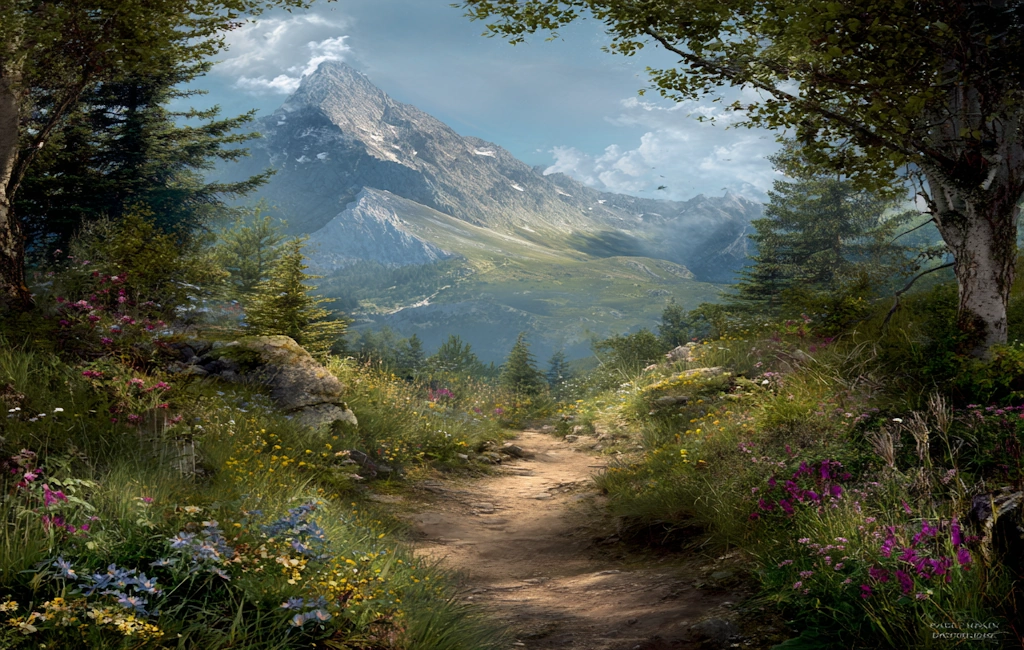
Vikos Gorge Trail - A Journey into Europe's Deepest Canyon
The Vikos Gorge Trail is a spectacular day walk that plunges into the heart of the Vikos-Aoös National Park in the Zagori region of Epirus, Greece. Renowned for being one of the deepest canyons in the world relative to its width, this trail offers an immersive experience into a dramatic natural landscape shaped by millennia of erosion. The route typically follows the canyon floor, providing a unique perspective of the towering limestone walls that rise hundreds of metres above. It's a journey that combines geological wonder with the rugged beauty of the Pindus Mountains, offering a challenging yet incredibly rewarding adventure for those seeking to explore one of Europe's most impressive natural formations.
- Distance: 12.6 km (one-way, typically from Vikos village to Monodendri village)
- Duration: 5-7 hours
- Season: May to October (best weather conditions)
- Difficulty: Moderate to Challenging (due to terrain and elevation changes)
- Highest point: Varies along the gorge floor, but the surrounding peaks reach over 2,400 m
- Access: Trailheads accessible from Vikos and Monodendri villages
- Permits: No permits required for day hiking
Overview
The Vikos Gorge is a geological marvel, a testament to the relentless power of water carving through ancient rock. Stretching for approximately 20 kilometres and reaching depths of up to 1,000 metres in places, its sheer scale is breathtaking. The trail itself is not a single, well-trodden path in the conventional sense but rather a route that navigates the often rocky and uneven floor of the gorge. This means walkers must be prepared for varied terrain, including scree, riverbeds (which can be dry or carry water depending on the season), and sections requiring careful foot placement.
The journey typically begins in the picturesque village of Vikos, perched at the northern end of the gorge. From here, the trail descends into the canyon, following the Voidomatis River for much of its course. The river itself is a striking feature, often a vibrant turquoise colour, fed by springs that emerge from deep within the earth. As you walk deeper into the gorge, the canyon walls close in, creating a sense of awe and isolation. Sunlight filters down, illuminating the sheer rock faces, revealing layers of geological history. The air is often cool and fresh, a welcome respite from the summer heat.
The trail is not always clearly marked, and navigation can be a challenge, especially after heavy rainfall when the riverbed may be submerged or impassable. However, the reward for this effort is an unparalleled experience of being within one of the world's most dramatic natural amphitheatres. The sounds of the gorge are dominated by the rush of the river, the calls of birds, and the echo of your own footsteps. The flora and fauna are unique, adapted to the harsh yet beautiful environment. The hike culminates in the village of Monodendri, located at the southern end of the gorge, offering a well-deserved opportunity to rest and reflect on the incredible journey.
History and Cultural Context
The Vikos Gorge and the surrounding Zagori region have a rich and fascinating history, deeply intertwined with the natural landscape. For centuries, the isolated mountain villages of Zagori, with their distinctive stone architecture, have been shaped by their environment. The gorge itself has served as a natural barrier and a vital water source for the communities that have inhabited this rugged terrain.
Historically, the Vikos Gorge was a significant route for local communities, used for grazing livestock, collecting water, and as a passage between settlements. The Voidomatis River, which flows through the gorge, has been a lifeline, providing water for agriculture and sustaining the unique ecosystem. The villages of Vikos and Monodendri, at either end of the gorge, are prime examples of traditional Zagorian architecture, with their stone houses, arched bridges, and cobbled pathways, reflecting a harmonious relationship with the natural world.
The Vikos-Aoös National Park, established in 1977, protects this unique environment and its cultural heritage. The park encompasses not only the dramatic Vikos Gorge but also the Aoös River gorge and a significant portion of the Pindus Mountains. This designation aims to preserve the biodiversity, geological significance, and traditional way of life of the region. The gorge's depth and scale have also made it a subject of scientific interest, with geological and ecological studies conducted to understand its formation and the life it supports.
Seasonal Highlights and Weather Reality
The best time to hike the Vikos Gorge is during the late spring and summer months, from May to October. During this period, the weather is generally more stable, and the chances of encountering heavy rainfall are lower, although not entirely absent.
Spring (May-June): This is a beautiful time to visit. The landscape is lush and green, wildflowers are in bloom, and the weather is typically mild. The Voidomatis River is usually full and vibrant, though it may still carry a significant flow from snowmelt. Temperatures are pleasant for hiking, generally ranging from 15-25°C.
Summer (July-August): These are the warmest months, with temperatures often reaching 25-35°C, especially in the lower sections of the gorge. While the heat can be intense, the shade provided by the towering canyon walls offers some relief. The Voidomatis River may be lower, revealing more of the riverbed and making navigation easier in some sections. This is also the peak tourist season, so expect more visitors.
Autumn (September-October): Autumn offers a spectacular display of colours as the foliage changes. The weather is usually crisp and clear, with cooler temperatures (10-20°C) making for very comfortable hiking conditions. The risk of rain increases as the season progresses, but generally, this is an excellent time to experience the gorge's beauty with fewer crowds.
Winter (November-April): Hiking the Vikos Gorge in winter is generally not recommended for casual day hikers. Snowfall is common at higher elevations, and the gorge floor can be icy and treacherous. The Voidomatis River can swell significantly due to rain and snowmelt, making sections impassable. Access to trailheads may also be affected by snow. Only experienced hikers with appropriate winter gear and knowledge of avalanche risks should consider attempting this hike during the colder months.
Recommended Itinerary
Vikos Gorge Day Hike Itinerary
Start: Vikos Village
- Early Morning (approx. 8:00 AM): Arrive in Vikos village. Park your vehicle. Ensure you have all your gear, water, and food. Take a moment to appreciate the village and the dramatic entrance to the gorge.
- Morning (approx. 8:30 AM): Begin the descent into the Vikos Gorge. The initial path from Vikos village is relatively steep and can be rocky. Follow the signs or established trail markers towards the gorge floor.
- Mid-Morning (approx. 10:00 AM - 12:00 PM): You will reach the Voidomatis Riverbed. The trail now largely follows the river. Depending on the season, the river may be a trickle or a flowing stream. Navigate the rocky terrain, paying close attention to your footing. Enjoy the immense scale of the canyon walls rising above you.
- Midday (approx. 12:00 PM - 1:00 PM): Find a suitable spot along the riverbed for a lunch break. This is a good opportunity to rest, rehydrate, and refuel. The sheer cliffs and the sound of the river create a unique dining atmosphere.
- Afternoon (approx. 1:00 PM - 3:00 PM): Continue following the gorge floor. The terrain remains uneven, with sections of scree and larger rocks. Keep an eye out for the signs indicating the path towards Monodendri. The gorge gradually widens as you approach the exit.
- Late Afternoon (approx. 3:00 PM - 4:00 PM): The trail will begin to ascend out of the gorge towards Monodendri village. This ascent can be strenuous, especially after a long day of walking.
- End of Hike (approx. 4:00 PM - 5:00 PM): Arrive in Monodendri village. Congratulations, you have successfully traversed the Vikos Gorge! Enjoy the amenities of the village, perhaps a well-deserved meal at a local taverna.
Important Notes:
- This is a one-way hike. You will need to arrange transportation from Monodendri back to Vikos, or vice versa, if you have left a vehicle at the starting point.
- Water sources within the gorge can be unreliable or contaminated. Carry sufficient water for the entire hike (at least 2-3 litres per person).
- The trail is not always clearly marked. A GPS device or offline map is highly recommended.
- Weather can change rapidly in the mountains. Be prepared for sun, rain, and wind.
- Footwear: Sturdy, broken-in hiking boots with good ankle support are essential.
- The Voidomatis River can be impassable after heavy rain. Always check local conditions before starting.
Planning and Bookings
Book Your Trip
Everything you need to plan your journey
Accommodation
Find places to stay near Ioannina
Flights
Search flights to Ioannina
Essential Preparation
The Vikos Gorge hike is a significant undertaking that requires careful planning. The primary logistical challenge is transportation, as it is a one-way hike. You will need to arrange for a taxi or pre-booked transfer to take you from your accommodation to the starting village (Vikos) and to pick you up from the finishing village (Monodendri) at the end of your hike. Alternatively, if you are travelling by car, you can leave one vehicle at Monodendri and drive another to Vikos, or arrange for a taxi to shuttle you back to your starting point after the hike.
The closest major city to the Zagori region is Ioannina. Ioannina has an airport (IOA) and is a hub for bus services. From Ioannina, you can catch a local bus to Monodendri or Vikos, though schedules can be infrequent and should be checked in advance. Driving is the most flexible option, with paved roads leading to both villages. Parking is generally available in both Vikos and Monodendri, though it can be limited during peak season.
Accommodation options are available in Ioannina, as well as in the charming villages of Zagori, including Monodendri and Vikos. Booking accommodation in advance is highly recommended, especially during the summer months.
Trail Accommodation
This is a day hike requiring no overnight accommodation.
Required Gear
- Sturdy Hiking Boots: Waterproof, with good ankle support and excellent grip. The terrain is uneven, rocky, and can be slippery.
- Backpack: A comfortable daypack (20-30 litres) to carry essentials.
- Navigation Tools: A detailed map of the Vikos-Aoös National Park, a compass, and a GPS device or smartphone with offline maps downloaded. The trail can be poorly marked in places.
- First-Aid Kit: Comprehensive kit including blister treatment, bandages, antiseptic wipes, pain relievers, and any personal medications.
- Sun Protection: High SPF sunscreen, sunglasses, and a wide-brimmed hat are essential, as much of the gorge is exposed.
- Head Torch: With spare batteries, in case of unexpected delays or if you start earlier/finish later than planned.
- Trekking Poles: Highly recommended for stability on the rocky terrain and to ease the strain on knees during descents and ascents.
- Waterproof Jacket: Weather can change quickly in the mountains; a lightweight, breathable waterproof jacket is advisable.
What to Bring
- Water: Carry at least 2-3 litres of water per person. There are very few reliable water sources within the gorge, and those that exist may be contaminated.
- Food: High-energy snacks and a packed lunch. There are no facilities within the gorge.
- Toiletries: Hand sanitiser, biodegradable toilet paper (pack out used paper), and any personal hygiene items.
- Insect Repellent: Especially important during warmer months to ward off biting insects.
- Camera: To capture the stunning scenery.
- Mobile Phone: For emergencies, though signal can be intermittent within the gorge. Consider a portable power bank.
- Cash: For local transport, food, and any purchases in the villages.
Permits
No specific permits are required to hike the Vikos Gorge as a day walk. The trail is part of the Vikos-Aoös National Park, which is managed by the Greek National Park authorities. While there are no entry fees or permits for the hiking trail itself, it is important to be aware of park regulations and to practice responsible tourism.
National Park Regulations:
- Stay on marked trails where they exist to protect the fragile ecosystem.
- Do not disturb wildlife or remove any plants or rocks.
- Campfires are strictly prohibited within the national park.
- Dispose of all rubbish properly; pack out everything you pack in.
- Respect the local culture and traditions of the Zagori villages.
Best Time to Visit:
- May to October offers the most favourable weather conditions for hiking.
- Spring (May-June) is ideal for wildflowers and lush greenery.
- Summer (July-August) is warm but can be hot; the river may be lower.
- Autumn (September-October) provides pleasant temperatures and beautiful foliage.
Important Considerations:
- River Conditions: Always check local conditions regarding the Voidomatis River. After heavy rain or snowmelt, the river can swell significantly, making the gorge floor impassable or dangerous. Local tavernas or park information points in Ioannina or the Zagori villages can provide up-to-date information.
- Navigation: While the gorge floor is the primary route, it is not always a clearly defined path. A good map, compass, and GPS device are essential.
- Safety: Inform someone of your hiking plans, including your intended route and estimated return time.
Other Activities in the Area
The Zagori region offers a wealth of activities beyond the Vikos Gorge hike, making it an ideal destination for an extended stay:
- Explore Zagori Villages: Wander through the stone-built villages like Papigo, Aristi, Dilofo, and Tsepelovo. Admire the traditional architecture, visit local churches, and experience the unique atmosphere of these mountain communities.
- Visit the Voidomatis Springs: Located near Vikos village, these are the source of the crystal-clear Voidomatis River. The water is exceptionally pure and cold, even in summer.
- Hike to Drakolimni (Dragon Lake): A challenging but rewarding hike, typically starting from Mikro Papigo, leads to a stunning alpine lake nestled beneath the imposing peaks of the Tymfi mountain range.
- Cross Stone Bridges: Zagori is famous for its beautifully constructed stone arch bridges, such as the Arkadiko Bridge (one of the oldest in Greece) and the Kokkori Bridge.
- Visit Ioannina: Explore the historic city of Ioannina, with its impressive castle, Ottoman-era mosques, and the picturesque island in the middle of Lake Pamvotida.
- Rafting/Kayaking on the Aoös River: For water sports enthusiasts, the Aoös River offers opportunities for rafting and kayaking, particularly in its upper sections.
- Visit the Monastery of Agia Paraskevi: Perched precariously on a cliff edge overlooking the Vikos Gorge, this small monastery offers spectacular views and a sense of spiritual tranquility.
Safety and Conditions
Pre-Hike Checks:
- Weather Forecast: Always check the mountain weather forecast for the Zagori region before you set out. Conditions can change rapidly, with sudden storms, fog, and temperature drops possible even in summer.
- River Conditions: Crucially, ascertain the state of the Voidomatis River. If there has been recent heavy rain or snowmelt, the river can rise significantly, making the gorge floor impassable and dangerous. Local tavernas or the Vikos-Aoös National Park information centre in Ioannina are good sources for this information.
- Trail Conditions: The gorge floor is a natural environment. Expect uneven, rocky terrain, scree slopes, and potentially slippery sections.
Gorge Hazards:
- Navigation: The trail is not always clearly marked. It is essential to have a reliable map, compass, and GPS device or smartphone with offline maps. Getting lost in the gorge can be a serious situation.
- Terrain: The rocky and uneven ground poses a risk of ankle sprains and falls. Trekking poles are highly recommended for stability.
- Water: Carry ample water. There are very few reliable water sources within the gorge, and those that exist may be contaminated. Do not drink untreated water.
- Sun Exposure: The gorge offers limited shade. Sunburn and heatstroke are risks during warmer months.
- Flash Flooding: This is the most significant danger. If heavy rain is forecast or occurs during your hike, do not enter the gorge. The river can rise rapidly, trapping hikers.
- Wildlife: While generally not dangerous, be aware of your surroundings. Snakes can be present in warmer months.
Emergency Procedures:
- Inform Someone: Always let someone know your hiking plans, including your intended route, start time, and estimated finish time.
- Mobile Phone: Carry a fully charged mobile phone. Signal can be intermittent within the gorge, but it may be available at the start and end points, or on higher sections. Consider a portable power bank.
- Emergency Numbers: In Greece, the emergency number is 112.
- Evacuation: In case of serious injury or emergency, rescue may be difficult and time-consuming due to the terrain.
Personal Preparedness: Ensure you are physically fit for a challenging day hike with significant elevation changes. Wear appropriate footwear and clothing, and carry all necessary supplies.
Side Trips and Points of Interest
Voidomatis Springs: Located near the village of Vikos, these are the source of the incredibly clear and cold Voidomatis River. The springs emerge from deep underground, creating a beautiful, vibrant blue pool before the river begins its journey through the gorge. It's a refreshing and visually stunning spot to visit before or after your hike.
Monastery of Agia Paraskevi: Perched dramatically on a cliff edge overlooking the Vikos Gorge, this small, ancient monastery offers breathtaking panoramic views. It's a short detour from the Monodendri side of the gorge and provides a unique perspective on the canyon's immense scale and the surrounding landscape. The climb to the monastery is steep but rewarding.
Stone Bridges of Zagori: The region is dotted with magnificent stone arch bridges, testaments to the engineering prowess of local craftsmen. While not directly on the gorge floor, bridges like the Kokkori Bridge (near Vikos) or the Plakidas Bridge (near Kipoi) are easily accessible from nearby villages and are worth visiting to appreciate the historical context of the area.
Vikos Gorge Viewpoints (from above): Before or after your hike, consider visiting viewpoints that offer a perspective from above the gorge. The viewpoint near the Monastery of Agia Paraskevi is excellent, as are viewpoints accessible from the village of Vikos itself, offering a dramatic overview of the canyon you are about to descend into or have just emerged from.
The Voidomatis River: Even if you don't hike the entire gorge, spending time by the Voidomatis River is a highlight. Its exceptionally clear, turquoise waters are a striking contrast to the grey and brown rock of the gorge. The river is known for being one of the cleanest in Europe.
Leave No Trace
The Vikos Gorge and the surrounding Vikos-Aoös National Park are areas of exceptional natural beauty and ecological significance. Practising Leave No Trace principles is crucial to preserving this environment for future generations.
Plan Ahead and Prepare: Research the trail, understand its challenges, and be prepared for varying weather conditions. Know the local regulations and customs.
Travel and Camp on Durable Surfaces: Stick to the established paths and riverbed where possible. Avoid trampling vegetation, especially in sensitive areas. Since this is a day hike, camping is not applicable, but be mindful of where you rest and take breaks.
Dispose of Waste Properly: Pack out everything you pack in. This includes all food scraps, wrappers, and any other litter. Use designated bins in the villages if available, but never leave waste in the gorge itself. Use toilet facilities in the villages before and after your hike. If absolutely necessary, dig a cathole at least 70 metres away from water sources, trails, and campsites, and bury human waste.
Leave What You Find: Do not remove rocks, plants, or any natural or historical objects from the gorge. Take only photographs and memories.
Minimise Campfire Impacts: Campfires are prohibited within the Vikos Gorge and the national park. Use a portable stove for any cooking if necessary, though for a day hike, packed food is standard.
Respect Wildlife: Observe wildlife from a distance. Do not feed animals, as this can disrupt their natural behaviour and diet. Be aware of snakes and other creatures that inhabit the gorge.
Be Considerate of Other Visitors: Keep noise levels down, especially in the quiet environment of the gorge. Yield to others on narrow sections of the trail. Respect the local culture and traditions of the Zagori villages.