
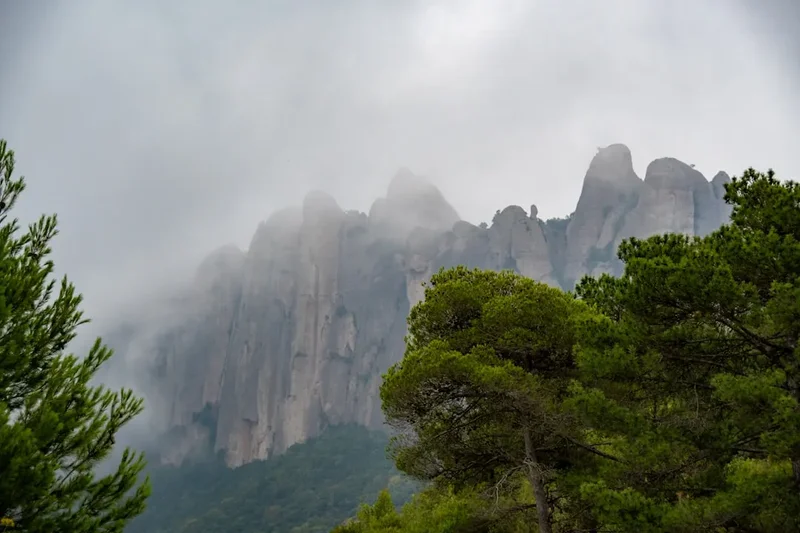
Via Verde de la Sierra - The Green Route of the Sierra
The Via Verde de la Sierra (Green Route of the Sierra) is a spectacular linear park and former railway line that has been transformed into a premier walking and cycling path in Andalusia, Spain. Stretching for 36.5 kilometres, this route offers an accessible and scenic journey through the heart of the Sierra de Cádiz, connecting the historic towns of Puerto Serrano and Olvera. It is renowned for its dramatic viaducts, tunnels, and the stunning natural landscapes of rolling hills, olive groves, and rugged limestone formations. The Via Verde is a testament to sustainable tourism, breathing new life into disused infrastructure and providing a unique recreational experience for locals and visitors alike. Its gentle gradient makes it suitable for all ages and fitness levels, offering a peaceful escape into the Andalusian countryside.
- Distance: 36.5 km one-way
- Duration: 4–6 hours walking; 2–3 hours cycling
- Season: Spring (March–May) and Autumn (September–November)
- Difficulty: Easy
- Elevation Gain: Approximately 200 m (gradual incline from Puerto Serrano to Olvera)
- Closest City: Seville (approx. 1.5 hours drive)
- Trailhead Access: Puerto Serrano (eastern end) and Olvera (western end)
- Permits: No permits required
Overview
The Via Verde de la Sierra is more than just a trail; it's an immersive journey through a landscape shaped by both nature and human history. Originally part of the Jerez-Almargen railway line, construction began in the early 20th century but was never fully completed or operational for its intended purpose. Decades later, this abandoned infrastructure has been ingeniously repurposed into one of Andalusia's most cherished greenways. The path meanders through the picturesque Sierra de Cádiz, a region characterised by its white-washed villages (pueblos blancos), vast olive groves, and dramatic limestone cliffs.
The trail's defining features are its numerous tunnels and viaducts. The longest tunnel, the Túnel de Peñon de la Zorra, spans over 1 kilometre, offering a cool, dark respite from the Andalusian sun and a unique sensory experience as you emerge into bright sunlight. The viaducts, such as the impressive Viaducto de la Argallón, provide breathtaking panoramic views of the surrounding valleys and the Guadalporcún River. The gentle, consistent gradient of the former railway line ensures that the walk is comfortable and enjoyable, with minimal steep ascents or descents.
The natural environment is a significant draw. The route passes through protected areas, offering opportunities to observe local flora and fauna. Birdwatchers will be delighted by the presence of various raptors, including griffon vultures, and the diverse birdlife inhabiting the Mediterranean scrubland. The scent of wild herbs, such as rosemary and thyme, fills the air, especially during the warmer months. The Via Verde is a perfect example of how disused industrial heritage can be transformed into a valuable ecological and recreational asset, promoting sustainable tourism and preserving the natural beauty of the region.
History and Cultural Context
The story of the Via Verde de la Sierra is intrinsically linked to the ambitious, yet ultimately unfulfilled, dream of connecting Jerez de la Frontera with Almargen via a railway line. Construction of the Jerez-Almargen railway began in the early 20th century, with the section through the Sierra de Cádiz being particularly challenging due to the rugged terrain. The line was intended to facilitate the transport of agricultural produce, particularly sherry wine from Jerez, and other goods across this historically significant region of Andalusia.
However, the project faced numerous financial and logistical hurdles. The Spanish Civil War and subsequent economic instability led to prolonged delays. While significant portions of the trackbed, tunnels, and viaducts were constructed, the railway line was never fully completed or put into regular service. The dream of a functional railway line through the Sierra de Cádiz faded, leaving behind a remarkable network of engineering feats embedded within the natural landscape.
In the late 20th and early 21st centuries, a movement emerged across Spain to repurpose abandoned railway lines into "Vías Verdes" – greenways. This initiative aimed to promote sustainable tourism, outdoor recreation, and the preservation of disused railway infrastructure. The Via Verde de la Sierra is a prime example of this successful transformation. The former railway line, once a symbol of an unfinished industrial ambition, has been reborn as a vibrant recreational corridor, connecting communities, promoting healthy lifestyles, and showcasing the rich natural and cultural heritage of the Sierra de Cádiz.
Want more background? Read extended notes on history and cultural context → Learn more
Seasonal Highlights and Weather Reality
The Via Verde de la Sierra is a year-round destination, but its appeal varies significantly with the seasons, largely dictated by the Andalusian climate.
Spring (March–May): This is arguably the best time to visit. The landscape is at its most vibrant, with wildflowers in bloom and the hillsides a lush green. Temperatures are mild and pleasant, ideal for walking or cycling. The air is fresh, and the risk of extreme heat is minimal. This season offers comfortable conditions for enjoying the full length of the trail.
Summer (June–August): Summers in Andalusia can be extremely hot, with temperatures frequently exceeding 35°C and often reaching 40°C or higher. While the tunnels offer some shade, the exposed sections of the trail can become uncomfortably hot, especially during midday. Cycling is more manageable than walking due to the increased speed, but early morning or late afternoon excursions are strongly recommended. Water is essential, and shaded picnic spots are highly valued.
Autumn (September–November): Similar to spring, autumn offers a delightful window for visiting the Via Verde. The intense summer heat subsides, and temperatures become mild and pleasant again. The landscape begins to change, with the olive groves taking on golden hues. This season is excellent for both walking and cycling, providing comfortable conditions and beautiful scenery.
Winter (December–February): Winters in this region are generally mild, with average temperatures ranging from 10°C to 15°C. While there can be occasional rain and cooler days, it rarely freezes. The landscape is still attractive, and the lack of crowds makes it a peaceful time to explore. The tunnels provide shelter from any inclement weather, and the lower temperatures are perfect for longer excursions.
Recommended Itinerary
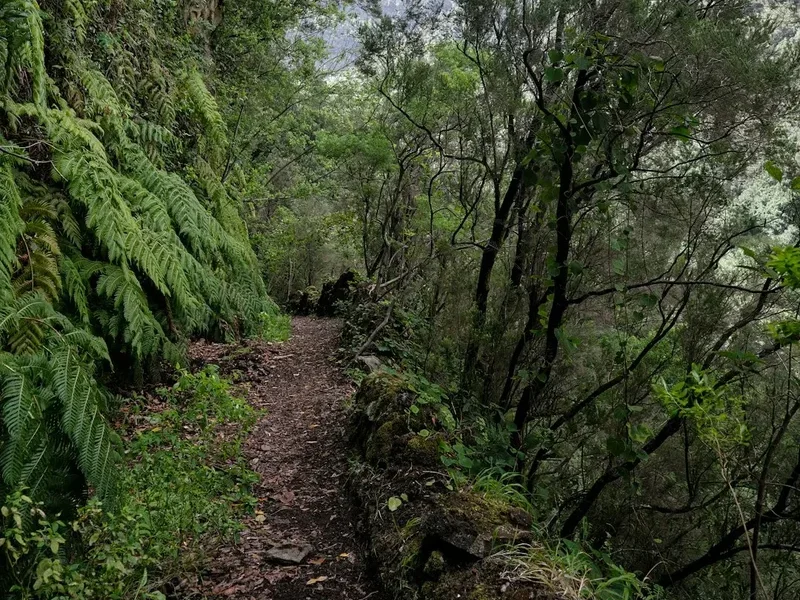
Via Verde de la Sierra - Day Walk Itinerary
Start: Puerto Serrano (Eastern Trailhead)
- Early Morning (approx. 9:00 AM): Arrive at Puerto Serrano. Park your vehicle at the designated parking area near the old train station, which now houses a visitor centre and information point. If cycling, this is where you can rent bicycles.
- Morning (approx. 9:30 AM): Begin your walk or cycle from Puerto Serrano. The initial section follows the Guadalporcún River, offering gentle gradients and scenic views of the surrounding countryside.
- Mid-Morning (approx. 10:30 AM): Encounter the first of many tunnels. The Túnel de Peñon de la Zorra, at over 1 kilometre long, is a highlight. Ensure you have a headlamp or torch for this section. The temperature inside is consistently cool.
- Late Morning (approx. 11:30 AM): Cross the impressive Viaducto de la Argallón, a high viaduct offering panoramic views of the river valley below. Take time to appreciate the engineering and the expansive scenery.
- Midday (approx. 1:00 PM): Reach the halfway point. There are several designated rest areas and picnic spots along the route, often near former railway stations or viewpoints. Consider stopping for a packed lunch.
- Afternoon (approx. 2:30 PM): Continue through more tunnels and over smaller viaducts. The landscape gradually changes as you approach the town of Olvera.
- Late Afternoon (approx. 4:00 PM): Arrive at the western trailhead in Olvera. The old Olvera train station is now a cultural centre and restaurant.
- Post-Walk: Explore the charming town of Olvera, known for its impressive castle and whitewashed streets. Enjoy a well-deserved meal or drink before returning to your starting point (if you arranged transport) or continuing your journey.
Alternative Start: Olvera (Western Trailhead)
- If starting from Olvera, the gradient is a gentle incline towards Puerto Serrano. This direction is often preferred by cyclists as it means the return journey is mostly downhill.
- The key landmarks and tunnels remain the same, simply experienced in reverse order.
Important Notes:
- The trail is well-maintained and clearly signposted.
- Wear comfortable walking shoes or cycling gear.
- Carry plenty of water, especially during warmer months.
- A headlamp or torch is essential for the tunnels.
- Consider the direction of travel based on your preference for gradient and sun exposure.
- Bicycle rental is available at both trailheads.
Planning and Bookings
Book Your Trip
Everything you need to plan your journey
Accommodation
Find places to stay near Seville
Flights
Search flights to Seville
Essential Preparation
The Via Verde de la Sierra is a straightforward destination to plan for, as it requires no complex bookings or permits. The primary considerations are transportation and timing. The closest major airport is Seville (SVQ), approximately 1.5 hours drive from Olvera and Puerto Serrano. Renting a car is the most flexible option for reaching the trailheads and for returning to your starting point if you walk one-way. Public transport options exist but are less direct and may require multiple changes, making them less practical for accessing specific trailheads.
Olvera and Puerto Serrano are the main access towns. Olvera, being larger, offers more accommodation options, restaurants, and services. Puerto Serrano is smaller but has essential amenities. If you plan to cycle the route and return to your starting point, consider the gradient: cycling from Puerto Serrano to Olvera involves a gentle, consistent uphill climb, meaning the return journey is predominantly downhill. Conversely, starting in Olvera means a gentle uphill to Puerto Serrano, with a downhill return.
Trail Accommodation
This is a day hike requiring no overnight accommodation on the trail itself. However, accommodation is available in the towns at either end of the Via Verde:
- Olvera: Offers a range of hotels, guesthouses (hostales), and rural tourism accommodations (casas rurales). Options cater to various budgets, from simple rooms to more luxurious stays.
- Puerto Serrano: Has fewer options, typically consisting of smaller guesthouses or rural houses.
- Nearby Towns: For more extensive choices, consider staying in larger towns within a short driving distance, such as Arcos de la Frontera or Ronda.
Booking accommodation in advance is recommended, especially during peak seasons (spring and autumn) and weekends, to secure your preferred choice.
Required Gear
- Footwear: Comfortable walking shoes or hiking boots with good grip. For cycling, appropriate cycling shoes or trainers.
- Clothing: Lightweight, breathable clothing suitable for the season. Layers are advisable, especially for spring and autumn, as temperatures can fluctuate.
- Headwear: A hat or cap for sun protection is essential, particularly during warmer months.
- Eyewear: Sunglasses to protect your eyes from the sun.
- Navigation: While the trail is well-marked, a map or GPS device can be useful for orientation and identifying points of interest. A downloaded offline map on your smartphone is also a good option.
- Safety: A basic first-aid kit for minor injuries.
- Lighting: A headlamp or torch is mandatory for navigating the tunnels safely. Ensure it has fresh batteries.
What to Bring
- Water: Carry a minimum of 1.5–2 litres of water per person, more if hiking during hot weather. Refill points may be limited.
- Food: Packed lunch, snacks (energy bars, fruit, nuts) are highly recommended. There are limited services directly on the trail, though some former stations have been converted into restaurants or rest stops.
- Sunscreen: High SPF sunscreen to protect exposed skin.
- Insect Repellent: While not usually a major issue, it can be useful, especially during warmer months.
- Camera: To capture the stunning scenery, tunnels, and viaducts.
- Backpack: A comfortable daypack to carry your essentials.
- Cash: Some smaller establishments or rental points may prefer cash.
Permits
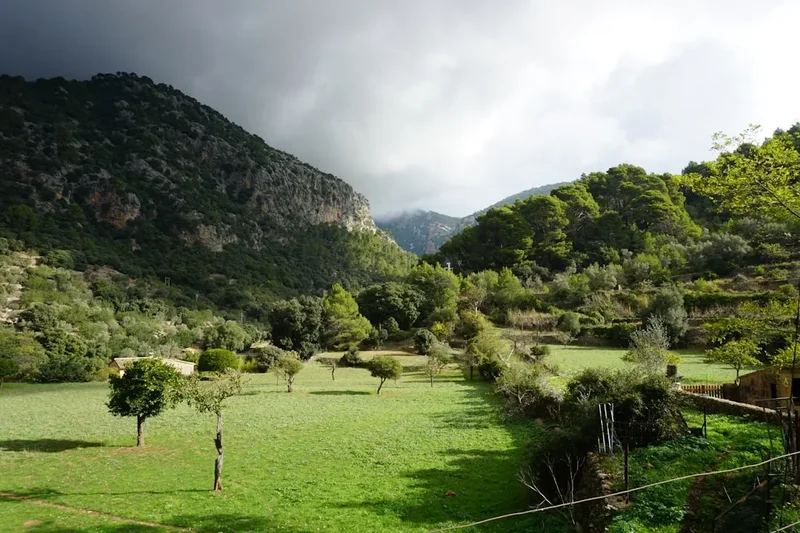
No permits are required to access or use the Via Verde de la Sierra. It is a public park and recreational route, open to all visitors. The former railway line has been converted into a greenway, and its use for walking, cycling, and other non-motorised activities is free of charge.
Access Points:
- Puerto Serrano: The eastern trailhead is well-equipped with parking facilities and a visitor centre. This is a popular starting point for those travelling from Seville or the eastern parts of the Sierra de Cádiz.
- Olvera: The western trailhead is located in the town of Olvera, also with parking available. Olvera is a picturesque white village and a significant cultural hub in the region.
- Intermediate Access: There are also smaller access points along the route, often near former railway stations, which can be used for shorter excursions or to join the trail at different points.
Opening Hours: The Via Verde is generally accessible during daylight hours. While there are no official closing times, it is advisable to plan your visit to complete your journey before dusk, especially if you are cycling or walking through the tunnels.
Other Activities in the Area
The Via Verde de la Sierra is situated in a region rich with cultural and natural attractions, offering numerous opportunities to extend your visit:
- Explore Olvera: This charming "pueblo blanco" boasts an impressive Moorish castle (Castillo de Olvera) and a striking neoclassical church (Iglesia de Nuestra Señora de la Encarnación). Wander through its narrow, winding streets and enjoy panoramic views of the surrounding countryside.
- Visit Puerto Serrano: The starting point of the Via Verde, Puerto Serrano also offers a glimpse into traditional Andalusian village life. The old train station has been repurposed as a visitor centre and restaurant.
- Hiking in the Sierra de Cádiz: The surrounding hills and mountains offer numerous hiking trails, ranging from gentle walks to more challenging mountain routes. The natural parkland provides diverse flora and fauna to discover.
- Cycling Routes: Beyond the Via Verde, the region offers various road cycling routes through picturesque villages and scenic landscapes.
- Gastronomy: Indulge in the local cuisine. The area is famous for its olive oil, cured meats (embutidos), and traditional Andalusian dishes. Many restaurants along the Via Verde and in the nearby towns offer authentic local flavours.
- Wine Tasting: While not a primary wine-producing region like Jerez, the broader area has vineyards producing local wines that are worth sampling.
- Visit Arcos de la Frontera: One of Andalusia's most stunning white villages, perched dramatically on a cliffside, offering breathtaking views and a rich history.
Safety and Conditions
The Via Verde de la Sierra is considered a very safe trail due to its gentle gradient, well-maintained surface, and lack of significant natural hazards. However, standard precautions should always be taken:
Trail Surface: The path is primarily compacted gravel or asphalt, remnants of the old railway line. It is generally smooth and even, suitable for walking and cycling. Be aware of occasional loose gravel, especially after rain.
Tunnels: The tunnels are a unique feature but require caution.
- Lighting: A reliable headlamp or torch is essential for all users. The tunnels are completely dark.
- Visibility: Be aware of other users when entering and exiting tunnels. Cyclists should slow down and alert pedestrians to their presence.
- Temperature: Tunnels maintain a cool, constant temperature year-round, offering a welcome respite from heat but can feel chilly in winter.
Viaducts: While the viaducts are structurally sound, always exercise caution near edges. Do not lean over railings or venture off the designated path. The views can be distracting, so remain aware of your surroundings.
Weather:
- Summer Heat: As mentioned, summers can be extremely hot. Hydration is paramount. Plan your activity for cooler parts of the day and seek shade whenever possible.
- Rain: In wet conditions, the trail surface can become slippery. Tunnels may have dripping water. Ensure your footwear has good grip.
Wildlife: You may encounter local wildlife, including birds of prey (like griffon vultures), lizards, and various insects. Generally, they pose no threat. Keep a respectful distance and do not feed any animals.
Emergencies: While mobile phone signal is generally good along the route, it can be intermittent in tunnels. It is advisable to carry a fully charged mobile phone. Emergency numbers in Spain are 112 for general emergencies.
Cycling Safety: Cyclists should wear helmets and be mindful of pedestrians. Ensure bicycles are in good working order, especially brakes, before starting.
Side Trips and Points of Interest
The Via Verde de la Sierra itself is the main attraction, but several points of interest enhance the experience:
Túnel de Peñon de la Zorra: This is the longest tunnel on the route, stretching for over 1 kilometre. Its length and complete darkness create a unique sensory experience. The cool, still air inside contrasts sharply with the bright Andalusian sun outside. Emerging from the darkness into the light is always a memorable moment.
Viaducto de la Argallón: One of the most impressive engineering feats on the Via Verde, this high viaduct spans the Guadalporcún River valley. It offers spectacular panoramic views of the rugged landscape, the river below, and the surrounding hillsides dotted with olive groves. It's an ideal spot for photography and to appreciate the scale of the former railway construction.
Former Railway Stations: Several old train stations are located along the route, such as the stations at Puerto Serrano and Olvera. These have often been repurposed into visitor centres, restaurants, or cultural spaces, providing convenient rest stops and insights into the line's history.
Mirador del Peñón de la Zorra: Near the entrance of the Peñón de la Zorra tunnel, there are viewpoints offering excellent vistas of the surrounding Sierra de Cádiz. These spots are perfect for a brief pause to admire the landscape.
Olive Groves and Mediterranean Scrubland: The entire route is a journey through the quintessential Andalusian countryside. The vast expanses of olive trees, interspersed with aromatic Mediterranean scrub, create a beautiful and characteristic landscape, especially vibrant in spring and autumn.
Birdwatching Opportunities: The area is home to a variety of bird species, including griffon vultures, kestrels, and various songbirds. Keep an eye on the skies and the rocky outcrops for sightings.
Leave No Trace
The Via Verde de la Sierra is a cherished natural and recreational resource, and adhering to Leave No Trace principles ensures its preservation for future generations. While the trail is robust, respecting the environment is crucial:
- Pack It In, Pack It Out: Carry out all litter, including food scraps, wrappers, and any other waste you generate. Do not leave anything behind, even organic materials like fruit peels, as they can disrupt the local ecosystem.
- Stay on the Trail: Stick to the designated path. Venturing off-trail can damage fragile vegetation, disturb wildlife, and contribute to erosion, especially in the more sensitive natural areas surrounding the greenway.
- Respect Wildlife: Observe animals from a distance. Do not feed them, as this can alter their natural behaviour and diet, and can be harmful to their health.
- Minimise Impact: Avoid loud noises that can disturb wildlife and other users. Enjoy the natural sounds of the environment.
- Dispose of Waste Properly: Use designated bins where available. If not, carry your waste until you find a suitable disposal point.
- Be Considerate of Other Users: The Via Verde is a shared space. Cyclists should yield to pedestrians, and all users should be mindful of each other's space and enjoyment of the trail.
- Protect the Infrastructure: Do not deface tunnels, viaducts, or signage. These are historical remnants and part of the trail's unique character.
By following these simple guidelines, you contribute to maintaining the beauty and integrity of the Via Verde de la Sierra, ensuring it remains a delightful experience for everyone.
Useful Links
- Andalucia.org - Via Verde de la Sierra
- Turismo Andaluz - Via Verde de la Sierra
- Jerez Tourism - Via Verde de la Sierra (Note: Jerez is a nearby city, not the direct start)
- Olvera Tourism - Castle and Town Information
- Puerto Serrano Tourism - Via Verde Information
- Seville Airport - Car Rental Information
 Spain
Spain