
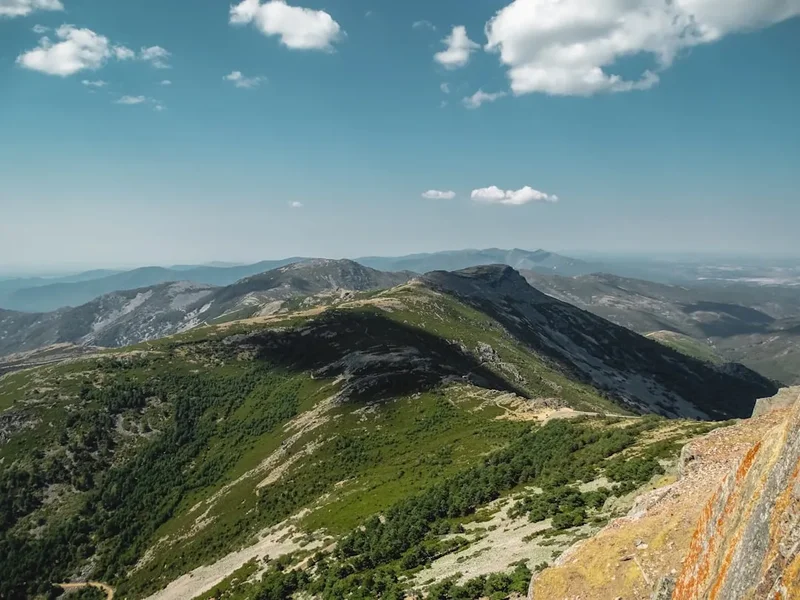
Via Verde Ojos Negros - The Green Route of Black Eyes
The Via Verde Ojos Negros is a captivating multi-day walking and cycling route that traverses the heart of Aragon, Spain, following the path of a former railway line. This "Green Route" offers a unique perspective on the Spanish landscape, transitioning from the rugged beauty of the Sierra de Gúdar mountains to the fertile plains surrounding the city of Valencia. It is a journey of contrasts, showcasing dramatic gorges, ancient forests, charming villages, and the enduring spirit of a region shaped by its industrial past and natural splendour.
- Distance: 160.0 km one-way
- Duration: 2–3 days (walking), 1–2 days (cycling)
- Season: Spring (April–June) and Autumn (September–October) for pleasant temperatures
- Difficulty: Easy (mostly flat, well-maintained path)
- Highest point: Approximately 1,200 m
- Trailhead Access: Ojos Negros (start), Teruel (mid-point), Valencia (end)
- Permits: No permits required for general access
Overview
The Via Verde Ojos Negros is a testament to the power of transformation, breathing new life into a disused railway line. Stretching for 160 kilometres, it is the longest "Via Verde" (Green Route) in Spain, offering a gentle and accessible adventure for walkers, cyclists, and families. The route begins in the high-altitude landscapes of Teruel province, near the village of Ojos Negros, a name that hints at the region's rugged, untamed character. From here, it winds its way through dramatic mountain scenery, crossing impressive viaducts and passing through numerous tunnels that once echoed with the rumble of trains.
As the route progresses southwards, the terrain gradually softens. The dramatic gorges and pine-clad slopes of the Sierra de Gúdar give way to rolling hills dotted with olive groves and vineyards. The path meanders through picturesque villages, each with its own unique charm and history, offering opportunities to pause, refuel, and soak in the local culture. The final stretch leads towards the vibrant Mediterranean coast, culminating near the bustling city of Valencia, where the arid interior meets the azure sea.
The Via Verde Ojos Negros is more than just a trail; it's an immersive experience. It allows travellers to connect with the natural environment, discover hidden historical gems, and appreciate the resilience of communities that have adapted to changing times. Its gentle gradient makes it ideal for all fitness levels, ensuring that the stunning scenery and the sense of accomplishment are accessible to everyone.
History and Industrial Heritage
The Via Verde Ojos Negros owes its existence to the ambitious industrial development of the late 19th and early 20th centuries. The route follows the path of the former Sierra Menera railway line, which was constructed to transport iron ore from the rich mines of the Sierra Menera region in Teruel to the port of Sagunto, near Valencia. The construction of this railway was a monumental undertaking, involving the excavation of numerous tunnels and the building of impressive viaducts and bridges to overcome the challenging mountainous terrain.
The Sierra Menera railway operated for several decades, playing a crucial role in the region's economy. However, with the decline of mining and the advent of more modern transportation methods, the railway eventually ceased operations in the latter half of the 20th century. For a time, the abandoned line lay dormant, a silent monument to a bygone era.
In the late 1990s and early 2000s, a visionary project began to transform the disused railway into a "Via Verde." This initiative aimed to repurpose the infrastructure for recreational use, promoting sustainable tourism, environmental conservation, and the economic revitalisation of the rural communities along its path. The conversion involved clearing the tracks, reinforcing tunnels and bridges, and creating a smooth, accessible surface suitable for walking and cycling. Today, the Via Verde Ojos Negros stands as a prime example of successful industrial heritage reuse, offering a unique blend of natural beauty and historical significance.
Seasonal Highlights and Weather
The Via Verde Ojos Negros is a year-round destination, but certain seasons offer particularly pleasant conditions for exploration.
Spring (April–June): This is an ideal time to visit. The landscape bursts into life with wildflowers, and the temperatures are mild and comfortable for walking and cycling. The northern sections, at higher altitudes, can still be cool, but the southern parts are pleasantly warm. Rainfall is generally moderate.
Summer (July–August): While the southern sections near Valencia can become quite hot, the higher altitudes of Teruel province remain more temperate. However, midday temperatures can be challenging for strenuous activity. It's advisable to start early in the morning or late in the afternoon and seek shade during the hottest parts of the day. Water sources are generally plentiful.
Autumn (September–October): Another excellent season. The weather is typically stable with warm days and cool evenings. The changing colours of the foliage in the mountain sections add a beautiful dimension to the scenery. This is a popular time for cycling due to the comfortable temperatures.
Winter (November–March): The northern sections can experience cold temperatures, frost, and occasional snow, especially at higher elevations. The southern parts are milder, but days are shorter, and there's a higher chance of rain. While still possible to traverse, it requires more preparation for colder weather and potentially challenging conditions in the mountains.
Weather Considerations: The climate varies significantly along the route due to the change in altitude. The northern sections in Teruel are continental, with colder winters and hotter summers. The southern sections closer to Valencia have a Mediterranean climate, with milder winters and hotter, drier summers. Always check the local weather forecast before and during your trip.
Recommended Itinerary
2-Day Walking Itinerary: Ojos Negros to Valencia
Day 1: Ojos Negros to Barracas
- Distance: Approximately 45 km
- Elevation gain: Gradual ascent, around 400 m
- Time: 8–10 hours (walking)
- Start at the official trailhead in Ojos Negros.
- Pass through the first of many tunnels, requiring a head torch.
- Cross impressive viaducts offering panoramic views of the surrounding mountains.
- Pass through charming villages like Puertomingalvo (slight detour recommended) and Linares de Mora.
- The landscape is rugged and mountainous, with pine forests and dramatic rock formations.
- Arrive in Barracas, a town with accommodation and dining options.
Day 2: Barracas to Valencia (near El Grao)
- Distance: Approximately 115 km
- Elevation gain: Mostly descent, around 200 m
- Time: 12–15 hours (walking) - This is a long day, consider breaking it up or using cycling options.
- Continue from Barracas, the terrain begins to flatten and the vegetation changes.
- Pass through towns like Jérica, Segorbe, and Náquera.
- The route becomes more agricultural, with olive groves, almond trees, and vineyards.
- The final section approaches the outskirts of Valencia, transitioning to urban environments.
- The official end point is often considered near the port area (El Grao) or a designated point within the city.
Alternative 3-Day Walking Itinerary:
To make Day 2 more manageable, consider an overnight stop in Jérica or Segorbe.
Day 1: Ojos Negros to Barracas (as above)
Day 2: Barracas to Jérica/Segorbe
- Distance: Approximately 50–60 km
- Elevation gain: Mostly descent
- Time: 9–11 hours (walking)
- Continue from Barracas, passing through smaller hamlets.
- Arrive in Jérica or Segorbe, both historic towns with good amenities.
Day 3: Jérica/Segorbe to Valencia (near El Grao)
- Distance: Approximately 55–65 km
- Elevation gain: Mostly descent
- Time: 10–12 hours (walking)
- The final leg towards Valencia, enjoying the changing scenery.
Cycling Itinerary (1-2 Days):
The Via Verde Ojos Negros is exceptionally popular with cyclists due to its smooth surface and gentle gradient.
- Day 1 (Cycling): Ojos Negros to Jérica/Segorbe (approx. 80-90 km)
- Day 2 (Cycling): Jérica/Segorbe to Valencia (approx. 70-80 km)
- Alternatively, a single, longer day of cycling is feasible for experienced cyclists (approx. 160 km).
Important Notes:
- The route is well-signposted as "Via Verde Ojos Negros" or "Via Verde de Ojos Negros."
- Tunnels are unlit; a reliable head torch or bike lights are essential.
- Water sources can be scarce in some sections, especially in summer. Carry sufficient water.
- Accommodation and dining options are available in most towns and villages along the route, but booking in advance is recommended, especially during peak season.
- The final approach to Valencia can be busy with traffic; be aware of your surroundings.
Planning and Bookings
Book Your Trip
Everything you need to plan your journey
Accommodation
Find places to stay near Valencia
Flights
Search flights to Valencia
Essential Preparation
The Via Verde Ojos Negros is a relatively straightforward trail to plan for, as it requires no special permits and has ample accommodation and services along its length. The primary considerations are your mode of transport (walking or cycling), the duration of your trip, and the time of year you plan to travel.
Logistics:
- Getting to Ojos Negros: The nearest major airport is Valencia (VLC). From Valencia, you can take a train or bus to Teruel. From Teruel, local buses or a taxi are required to reach Ojos Negros, the official starting point. Alternatively, driving is a viable option, with parking available in Ojos Negros.
- Getting from Valencia: Valencia city offers excellent transport links, including a major international airport, train station, and bus terminals, making onward travel easy.
- Baggage Transfer: For walkers who prefer not to carry all their gear, baggage transfer services can be arranged between accommodations along the route. This is a popular option for those undertaking the longer walking itineraries.
- Bike Rental: Numerous bike rental shops are available in Valencia and some towns along the route, offering a convenient option if you don't wish to bring your own bicycle.
Base Town/City Information:
- Ojos Negros: A small village marking the start of the route. Limited amenities, primarily focused on providing a starting point.
- Teruel: A larger provincial capital, offering a wider range of accommodation, dining, and transport options. It's a good place to start your journey if you need to arrange logistics or spend a night before heading to Ojos Negros.
- Villages along the route (e.g., Linares de Mora, Barracas, Jérica, Segorbe): These offer essential services like accommodation (hotels, guesthouses, rural houses), restaurants, and small shops.
- Valencia: A major Mediterranean city with a wealth of accommodation, dining, cultural attractions, and excellent transport connections. It serves as the natural endpoint for the Via Verde.
Trail Accommodation
Accommodation along the Via Verde Ojos Negros is varied and generally well-distributed, particularly in the latter half of the route as it approaches Valencia. Booking in advance is highly recommended, especially during peak seasons (spring and autumn) and weekends.
Types of Accommodation:
- Hotels and Hostales: Available in larger towns like Teruel, Jérica, Segorbe, and Valencia. Offer standard hotel amenities.
- Casas Rurales (Rural Houses): A popular option in smaller villages, offering a more authentic and often self-catering experience. These can range from simple rooms to entire houses.
- Guesthouses and Pensions: Found in many of the villages, providing comfortable and often family-run accommodation.
- Campsites: Limited options are available, primarily in the southern sections closer to Valencia.
- Refuges/Albergues: Some former railway buildings or community centres have been converted into basic refuges, particularly in more remote sections.
Booking Requirements: While not strictly mandatory for all locations, booking ahead is strongly advised, especially for weekends and during the popular spring and autumn months. Many smaller establishments may have limited capacity.
Facilities Provided: Typically include beds, private or shared bathrooms, and often breakfast. Many casas rurales will have kitchen facilities.
What's NOT Provided: Generally, you will need to provide your own toiletries, towels (though most hotels provide them), and any specific personal items. Food is usually not included unless specified (e.g., breakfast at a hotel).
Seasonal Availability: Most accommodations operate year-round, but some rural houses or smaller guesthouses might have reduced hours or closures during the low winter season. Always check availability.
Costs: Prices vary significantly based on the type of accommodation and location. Expect to pay approximately €30-€60 per person per night for a mid-range hotel or guesthouse, and potentially less for basic refuges or more for entire rural houses.
Note for Day Hikers/Cyclists: This is a multi-day trail requiring overnight accommodation. For day trips, it's possible to cycle or walk sections and return to a base town.
Required Gear
- Footwear: Sturdy, comfortable walking shoes or hiking boots with good grip. For cycling, cycling shoes or comfortable trainers.
- Clothing: Layers are key. Include moisture-wicking base layers, insulating mid-layers (fleece or down), and a waterproof and windproof outer jacket. Bring comfortable trousers or shorts suitable for walking/cycling.
- Headwear: A sun hat for protection and a warm hat for cooler mornings/evenings or higher altitudes.
- Gloves: Lightweight gloves for cooler weather or cycling.
- Backpack: A comfortable daypack (20-30 litres) for carrying essentials like water, snacks, first-aid kit, and extra layers. For longer multi-day walks, a larger pack (40-60 litres) will be needed if not using baggage transfer.
- Navigation: A detailed map of the Via Verde Ojos Negros, a compass, and a GPS device or smartphone with offline maps downloaded. The route is generally well-signposted, but having backups is wise.
- Head Torch/Bike Lights: Essential for navigating the numerous unlit tunnels. Ensure they are fully charged and carry spare batteries.
- First-Aid Kit: Comprehensive kit including plasters, antiseptic wipes, pain relievers, blister treatment, any personal medications, and insect repellent.
- Sun Protection: High SPF sunscreen, sunglasses.
What to Bring
- Food and Water: Carry plenty of water, especially for the higher, more remote sections and during warmer months. Water fountains are available in some villages, but it's wise to carry at least 2-3 litres per person. Snacks such as energy bars, fruit, nuts, and dried fruit are recommended for sustained energy.
- Water Treatment: While most water sources in villages are potable, it's always prudent to carry water purification tablets or a filter as a backup, especially if planning to refill from natural sources.
- Toiletries: Biodegradable soap, toothbrush, toothpaste, any personal hygiene items. Small, travel-sized items are best.
- Personal Items: Mobile phone and charger, power bank, camera, book or journal, any personal comfort items.
- Money: Euros. While cards are accepted in larger towns and hotels, smaller villages may only accept cash.
- Repair Kit (for cyclists): Puncture repair kit, spare inner tube, pump, multi-tool.
- Trekking Poles (optional): Can be beneficial for stability and reducing strain on joints, especially on descents.
Permits
The Via Verde Ojos Negros is a public access route and does not require any special permits for walking or cycling. The former railway line has been converted into a public pathway, and its use is generally free of charge.
Important Considerations:
- Respect Private Property: While the main route is public, always be mindful of private land adjacent to the trail. Do not stray from the marked path unless explicitly permitted.
- Tunnels: Ensure you have adequate lighting for the tunnels. Some tunnels can be quite long and completely dark.
- Cycling Etiquette: Cyclists should yield to pedestrians and be mindful of their speed, especially in shared sections or when approaching villages.
- Environmental Protection: Adhere to Leave No Trace principles (detailed in a later section) to help preserve the natural beauty of the route.
The lack of permit requirements makes the Via Verde Ojos Negros an accessible and spontaneous destination for travellers.
Other Activities in the Area
The region surrounding the Via Verde Ojos Negros offers a wealth of activities beyond the trail itself, catering to diverse interests:
- Exploring Teruel: Visit the historic city of Teruel, renowned for its Mudéjar architecture (a UNESCO World Heritage site), the Lovers of Teruel legend, and its impressive cathedral.
- Visiting Villages: Take time to explore the charming villages along the route, such as Linares de Mora with its medieval castle, Jérica with its impressive clock tower, and Segorbe with its cathedral and ducal palace.
- Hiking in Sierra de Gúdar: The mountainous region around the northern section of the Via Verde offers numerous hiking trails for those seeking more challenging terrain and stunning natural landscapes.
- Wine Tasting: The southern regions closer to Valencia are known for their vineyards. Look for opportunities to sample local wines.
- Gastronomy: Sample the regional cuisine, which varies from the hearty mountain dishes of Teruel (like ternasco de Aragón – roast lamb) to the fresh Mediterranean flavours found closer to Valencia.
- Valencia City Exploration: If you end your journey in Valencia, dedicate time to explore its vibrant city centre, the futuristic City of Arts and Sciences, the historic El Carmen district, and its beautiful beaches.
- Water Sports: Near Valencia, opportunities for water sports exist along the coast.
Safety and Conditions
The Via Verde Ojos Negros is generally considered a safe and easy route, but as with any outdoor activity, it's important to be aware of potential hazards and take necessary precautions.
Route Conditions:
- Surface: The path is predominantly well-maintained compacted gravel or asphalt, making it suitable for most types of bicycles and comfortable for walking.
- Tunnels: These are the primary safety concern. They are unlit and can be long. Always use a reliable head torch or bike lights. Be aware of uneven surfaces and potential water accumulation within tunnels. Listen for approaching cyclists or other users.
- Viaducts: While generally safe, exercise caution on bridges and viaducts, especially in windy conditions. Stay within the designated path.
- Weather: Temperatures can vary significantly between the northern, higher-altitude sections and the southern, coastal areas. Be prepared for heat in summer and cooler conditions, especially in the mountains during spring and autumn. Check forecasts before you go.
Personal Safety:
- Hydration: Carry ample water, especially during warmer months and in the more remote sections where services are infrequent.
- Food: While villages offer opportunities to resupply, it's wise to carry snacks for energy.
- Navigation: Although well-signposted, always have a map and compass or GPS device. Mobile phone signal can be intermittent in some rural areas.
- Emergency Contacts: Save local emergency numbers (112 in Spain) on your phone. Inform someone of your itinerary and expected return time.
- First Aid: Carry a well-stocked first-aid kit and know how to use its contents.
- Cycling Specific: If cycling, wear a helmet and ensure your bike is in good working order. Be aware of other users on the path.
Wildlife: You may encounter local wildlife, but encounters are generally not dangerous. Be respectful of the natural environment.
Side Trips and Points of Interest
While the Via Verde Ojos Negros itself is the main attraction, several points of interest and potential side trips enhance the journey:
Ojos Negros Village: The official starting point, a small village that offers a quiet beginning to the adventure. It's worth a brief exploration to appreciate its rural character before embarking on the main route.
Puertomingalvo: A picturesque medieval village located a short detour from the main Via Verde route in the early stages. It boasts a well-preserved castle and charming stone houses, offering a glimpse into historical Aragon. The detour adds a few kilometres but is highly recommended for its beauty.
Linares de Mora: Another beautiful village in the Teruel province, known for its impressive castle and historic architecture. It's a good stopping point for lunch or an overnight stay, offering a taste of traditional Aragonese life.
Jérica: A significant town along the route, featuring a striking clock tower (Torre del Reloj) that dominates the skyline. The town has a rich history and offers good amenities for travellers.
Segorbe: A larger historic town with a notable cathedral and a ducal palace. It's a popular stop for cyclists and walkers, offering a range of accommodation and dining options, as well as cultural attractions.
Tunnels: The numerous tunnels along the route are points of interest in themselves. Each one offers a unique experience, from short, easily navigable passages to longer, darker chambers that require careful navigation and a sense of adventure. The engineering feats involved in their construction are a testament to the railway's history.
Viaducts: The impressive viaducts that span valleys and gorges are significant landmarks. They provide spectacular vantage points and offer a sense of the scale of the railway's construction. Pausing on these structures allows for breathtaking views of the surrounding landscape.
The Transition Zone: Pay attention to the gradual change in landscape as you move from the mountainous terrain of Teruel to the more Mediterranean environment closer to Valencia. This transition is a subtle but fascinating aspect of the journey.
Leave No Trace
The Via Verde Ojos Negros is a valuable natural and cultural resource, and it is essential for all users to practice Leave No Trace principles to preserve its beauty and integrity for future generations.
Plan Ahead and Prepare: Research the route, understand its conditions, and be prepared for varying weather. Pack appropriately and know your limits.
Travel and Camp on Durable Surfaces: Stick to the marked path. Avoid creating new trails or disturbing vegetation. If camping is permitted in designated areas (though generally not along the main route), use established sites.
Dispose of Waste Properly: Pack out everything you pack in. This includes all food scraps, wrappers, and any other litter. Use designated bins in villages where available, but never leave waste behind on the trail.
Leave What You Find: Do not remove or disturb natural objects, historical artefacts, or cultural heritage. Take only photographs and memories.
Minimize Campfire Impacts: Campfires are generally not permitted along the Via Verde. If you are camping in designated areas where fires are allowed, use existing fire rings and ensure fires are completely extinguished.
Respect Wildlife: Observe wildlife from a distance. Do not feed animals, as this can disrupt their natural behaviour and diet. Secure your food to prevent attracting unwanted visitors.
Be Considerate of Other Visitors: Yield to pedestrians when cycling. Keep noise levels down, especially in villages and natural areas. Respect the peace and quiet of the trail.
By adhering to these principles, you contribute to the ongoing success of the Via Verde Ojos Negros as a sustainable and enjoyable recreational space.
 Spain
Spain